












Most people have intense emotional reactions to traumatizing events like road accidents or combat. But some suffer far longer, caught in the grip of long-term debilitating disorders such as Post-Traumatic Stress Disorder (PTSD). Because doctors cannot predict who will develop these disorders, however, early or preventive intervention is not available. Now, a new project led by researchers at Tel Aviv University seeks to identify pre-traumatic subjects – those who are more susceptible to long-standing disorders if exposed to a traumatic incident.
The project, a joint work between Prof. Talma Hendler of TAU's School of Psychological Sciences, the Sackler Faculty of Medicine and the new Sagol School of Neuroscience, and Prof. Nathan Intrator of TAU's Blavatnik School of Computer Science and the Sagol School of Neuroscience, uses electroencephalography (EEG) and functional magnetic resonance imaging (fMRI) to investigate the areas of the brain that regulate the emotional response to traumatic stress, then decode the brain functionality which indicates pre- or post trauma psychopathology.It's a powerful and novel approach to probing the susceptible brain and providing ongoing monitoring tailored to each individual.
This ongoing interdisciplinary research was done at the Functional Brain Center in collaboration with the Wohl Institute for Advanced Imaging at the Tel Aviv Sourasky Medical Center.
Taking PTSD personally
The earlier and more accurately PTSD is diagnosed, the more likely a healthcare provider can treat it. And beyond their diagnostic capabilities, the research findings could be used to monitor people who will be at high risk for developing these disorders, such as soldiers in combat units.
Diagnosis and treatment of mental disorders depends on understanding how the brain encodes and regulates emotions. For example, certain combinations of activities in emotional and cognitive brain areas may better indicate an individual's susceptibility to traumatic disorders than studying each area by itself, believes Prof. Hendler. In the last few years, the researchers have published on these issues in leading scientific journals including PNAS and Cerebral Cortex.
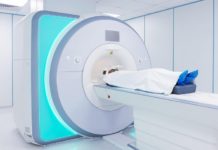
To look at the interactions between areas of the brain, study participants were monitored using EEG (which records electrical activity along the scalp) and fMRI (which measures changes in blood oxygenation in the brain) concurrently. Connections between the emotional and cognitive areas of the brain were recorded as subjects were exposed to continuous stimulations designed to cause stress and other emotional effects such as horror and sadness. Using advanced computational algroithms, the researchers identified the brain activity that was connected to the reported emotional experience. This brain marking will provide targets for therapeutic procedures based on a person's individual brain activity.
With these experiments, the researchers hope to improve their ability to read emotional states in the depths of the human brain. While they are currently working with EEG and fMRI, Prof. Intrator hopes that in the later stages of development they will be able to read results collected by EEG alone. Initial findings were recently presented at the prestigious Neural Information Processing Systems Conference and published in the journals Brain Connectivity and Neuroimage.
Diagnostics on the go
Ultimately, the researchers hope to develop a portable brain monitoring machine that will "enable the detection or quantification of the emotional state of people suffering from trauma," allowing for minimally invasive monitoring or diagnosis, says Prof. Intrator. He is working on applying this technology to the diagnosis of additional psychological disorders, including schizophrenia, depression, and attention deficit disorder (ADD) for the better management of these diseases. In the case of ADD, for example, this method could be used to monitor the level of concentration in a patient, and provide feedback that could help to regulate the patient's medicinal needs, such as the dosage of Ritalin.
Some of these projects are part of the newly-formed Israel Brain Technology (IBT) initiative, launched by Israeli President Shimon Peres and run by entrepreneur Rafi Gidron. IBT leverages technology and knowledge from Israeli universities to help Israel become a power player in neurotechnology.