







The transition from a generalized, one-size-fits-all approach to a highly individualized and data-driven model of healthcare represents the most significant shift in clinical practice since the dawn of the antibiotic era. By leveraging the power of genomic insights, biomarker research, and precision therapies, the medical community is now able to tailor interventions to the specific biological profile of the individual. This evolution is not merely about treating the symptoms of a disease; it is about understanding the underlying molecular drivers of illness and addressing them with surgical precision. As we continue to refine our ability to analyze the human genome and track the subtle signals of pathology, personalized medicine advancing targeted treatment plans is becoming the primary driver of clinical excellence and long-term health maintenance.
The Genomic Foundation of Individualized Healthcare
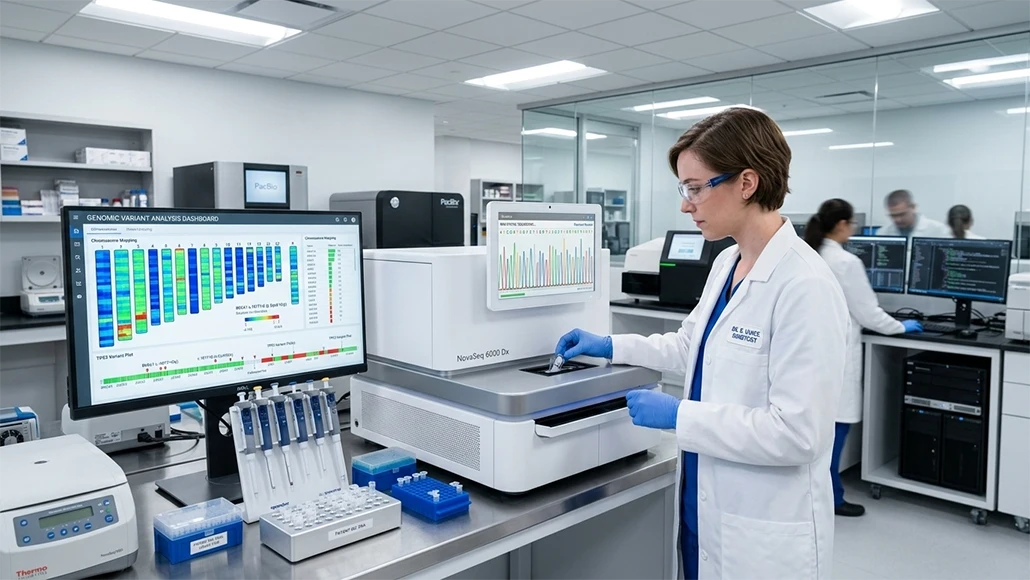
The cornerstone of modern precision medicine is the profound understanding of the human genome and its role in health and disease. For decades, medical treatments were based on the average response of a population, which often led to a “trial-and-error” approach where many patients received treatments that were either ineffective or caused significant side effects. Today, genomic medicine allows clinicians to look deep into the patient’s genetic code to identify specific mutations or variations that influence their risk for certain diseases and their response to specific medications. This foundational knowledge is essential for personalized medicine advancing targeted treatment, as it provides a biological blueprint that guides the entire clinical decision-making process. By moving beyond the physical symptoms to the underlying genetic cause, we can now offer treatments that are as unique as the patient themselves.
Furthermore, the cost of genomic sequencing has plummeted over the last two decades, making this high-level analysis accessible to a broader range of patients. What once cost billions of dollars and took years of international collaboration can now be done for a fraction of that cost in a matter of days. This democratization of genomic data is a key catalyst for the widespread adoption of precision treatment. It allows for the integration of genetic screening into routine clinical care, identifying potential health risks long before they manifest as clinical symptoms. This proactive approach is the hallmark of personalized medicine, where the focus is on prevention and early intervention rather than just reactive treatment. As our genomic databases continue to grow, our ability to predict and prevent disease will only become more refined.
Biomarker Research and the Precision of Targeted Therapies
While the genome provides the blueprint, biomarkers serve as the real-time signals of what is happening within the body’s cells. Biomarker research is a critical field within personalized medicine, as it allows for the identification of specific proteins, hormones, or metabolic byproducts that indicate the presence of a disease or the likely effectiveness of a therapy. In oncology, for example, the identification of specific tumor markers allows doctors to select a targeted therapy development that is designed to attack only the cancerous cells, leaving the surrounding healthy tissue unharmed. This level of precision significantly reduces the debilitating side effects often associated with traditional chemotherapy and radiation, leading to a much higher quality of life for the patient during treatment.
The use of biomarkers also allows for the continuous monitoring of a patient’s response to treatment. If a specific biomarker level begins to rise or fall in an unexpected way, the clinical team can adjust the dosage or switch to a different therapy immediately, rather than waiting for physical symptoms to appear or for a change to show up on a traditional scan. This real-time feedback loop is a vital component of personalized medicine advancing targeted treatment, as it ensures that the patient is always receiving the most effective care possible. As we discover new and more sensitive biomarkers, our ability to manage chronic conditions like heart disease, diabetes, and autoimmune disorders will be transformed, turning once-deadly illnesses into manageable, long-term conditions.
Patient-Specific Care Strategies and Lifestyle Integration
Personalized medicine is not just about the biological markers; it is also about the holistic integration of the patient’s lifestyle, environment, and personal preferences into their care plan. Patient specific care strategies recognize that two individuals with the same genetic profile and the same disease may require very different approaches based on their diet, physical activity, and social circumstances. By using wearable devices and mobile health platforms, clinicians can now gather continuous, real-time data on a patient’s daily habits and physiological responses. This “digital phenotyping” provides a level of context that was previously missing from the clinical picture, allowing for more nuanced and effective interventions.
For example, a personalized medicine approach to diabetes management might involve a custom nutrition plan based on the patient’s specific gut microbiome and their glucose response to different foods. When combined with a real-time continuous glucose monitor, this approach allows the patient and their doctor to fine-tune their insulin dosage and lifestyle choices with unprecedented accuracy. This level of engagement and personalization empowers the patient to take a more active role in their own health, leading to better long-term outcomes and a deeper sense of partnership between the patient and the provider. Personalized medicine advancing targeted treatment is therefore as much about the human relationship as it is about the high-tech science, ensuring that the technology serves the person rather than just the diagnosis.
The Role of AI and Big Data in Precision Treatment
The massive amount of data generated by genomic sequencing, biomarker monitoring, and digital health platforms requires a level of analysis that is beyond human capability. This is where artificial intelligence and big data analytics become essential. AI algorithms can scan millions of clinical records and research papers to identify subtle correlations that would be invisible to even the most experienced specialist. By comparing a patient’s data with that of thousands of similar individuals, these systems can provide a statistical “prediction” of which treatment is most likely to succeed. This data-driven approach is a key driver of precision treatment, providing clinicians with a level of insight that allows them to make more confident and effective decisions.
Moreover, AI is playing a vital role in the discovery of new therapies. By simulating the interaction between different molecules and genetic targets, AI can accelerate the process of drug discovery, identifying potential new treatments in a fraction of the time and cost required by traditional methods. This is particularly important for rare diseases, where the small patient population often makes traditional clinical trials difficult and expensive. Personalized medicine advancing targeted treatment is therefore driving a new era of “niche” therapies, where drugs are developed for very specific patient groups rather than for the general population. This shift is not only improving the lives of individuals with rare conditions but is also providing a model for how all medicine will be conducted in the future.
Advancing Targeted Therapy Development in Oncology
Oncology has been the “vanguard” of personalized medicine, and the advancements in this field are truly breathtaking. We are moving away from treating cancer based on its location in the body such as lung cancer or breast cancer to treating it based on its genetic and molecular signature. A patient with a specific mutation in their tumor may respond better to a drug traditionally used for a different type of cancer than they would to the standard treatment for their primary diagnosis. This “basket trial” approach is a fundamental change in how we think about oncology and is a prime example of personalized medicine advancing targeted treatment. It ensures that the patient is receiving the most effective drug for their specific tumor, regardless of where it originated.
Furthermore, immunotherapy represents another major breakthrough in targeted treatment. By analyzing the patient’s immune system and the “cloaking” mechanisms used by the tumor, researchers can develop therapies that “unmask” the cancer, allowing the patient’s own immune system to attack the disease. These therapies, such as CAR-T cell therapy, involve the genetic engineering of a patient’s own immune cells to create a personalized “living drug” that is specifically designed to kill their cancer. This level of personalization is the ultimate expression of modern medical science, offering hope to patients who previously had no effective treatment options. As we continue to refine these techniques, the goal of “curing” cancer is becoming a realistic possibility for an increasing number of people.
Regulatory, Economic, and Ethical Challenges
While the scientific potential of personalized medicine is immense, its widespread adoption faces significant regulatory and economic hurdles. Traditional regulatory frameworks, which were designed for testing drugs on large, homogeneous populations, are often ill-equipped to handle therapies that are designed for only a handful of people. We need new, more flexible regulatory paths that prioritize safety and efficacy while allowing for the rapid deployment of personalized treatments. Furthermore, the high cost of genomic testing and targeted therapies raises important questions about health equity. We must ensure that these life-saving innovations are accessible to all patients, regardless of their socioeconomic status. This requires a rethink of how we value and pay for healthcare, moving toward a model that rewards long-term health outcomes rather than just the volume of services provided.
From an ethical perspective, the collection and use of genomic data raise profound questions about privacy and consent. Patients must have absolute control over their genetic information and must be protected from any form of genetic discrimination. Furthermore, the ability to predict future illnesses can have a significant psychological impact on individuals and their families, requiring a robust system of genetic counseling and support. Personalized medicine advancing targeted treatment must therefore be built on a foundation of ethical integrity and social responsibility. By addressing these challenges proactively, we can ensure that the transition to a more personalized care model is one that benefits everyone and respects the fundamental rights of the individual. The goal is to create a system where science and ethics are in perfect alignment.
Conclusion: The Future of Medicine is Personal
The ongoing journey of personalized medicine advancing targeted treatment is a testament to the power of human curiosity and our relentless pursuit of a healthier world. We are entering an era where medicine is no longer a reactive and generalized discipline, but a proactive and highly individualized science. By embracing the power of the genome, the signal of the biomarker, and the intelligence of the machine, we are building a healthcare system that treats every person with the unique care and attention they deserve. This shift is not only saving lives but is also transforming our understanding of what it means to be healthy.
As we look toward the future, the boundaries of personalized medicine will continue to expand. We will see the rise of “precision prevention,” where personalized lifestyle and environmental interventions prevent the onset of disease altogether. We will see the development of increasingly sophisticated “living drugs” that can adapt to the changing nature of a patient’s illness in real-time. And we will see a global health system that is more resilient, more equitable, and more profoundly human. The legacy of this transformation will be a world where every patient’s biological story is respected and utilized to provide the best possible chance for a long and healthy life. This is the promise of personalized medicine, and it is a promise we are fulfilling one patient at a time.