Close
Digital Health & Ai Innovation summit 2026
LiGHT26

BOI Endorses Baht Projects To Drive Thai Economic Growth

The Thailand Board of Investment- BOI has given the green light to eight significant projects with a total value of 56.95 billion baht or $1.54 billion. This includes a bio-ethylene plant developed by a local joint venture with Brazil’s Braskem, along with initiatives for data centers, power plants, and a large new hospital.

The BOI approved two major data center projects to boost the country’s digital transformation and meet the surging demand for cloud computing, IoT, and AI. An American multinational corporation secured a 7.19-billion-baht investment for a data center in Samut Prakan province, while True Internet Data Center Co. received 3.35 billion baht to expand one of its four existing data centers at True IDC East Bangna Campus in the same province.

Bumrungrad International Hospital Phuket Co. happened to be given a nod for a 4.96-billion-baht investment in order to come up with a 212-bed hospital and Advanced Diagnostic Centre. This project aims to attract international medical tourists to Phuket, Thailand’s primary international tourism hub.

Additionally, the Commission on the National Competitiveness Enhancement for Targeted Industries Policies, with the BOI as its secretariat, approved measures to support promising startup enterprises in target industries, from Pre-Series A to Series A stages. Eligible Thai startups with high growth potential could receive matching funds ranging from 20 to 50 million baht. This policy seeks to enhance national competitiveness and foster an economy powered by technology and innovation.

Adapting GTM Strategies For AI-Driven MedTech Innovations

Rapid advancements in artificial intelligence- AI technology across various sectors, including healthcare, are compelling companies to rethink their go-to-market- GTM strategies. MedTech companies must adjust their GTM approaches to support customers and patients effectively amidst these technological changes. AI’s integration in healthcare has led to significant product innovations, notably in radiology, and is now expanding into other specialties such as cardiovascular and neurology. A recent study indicates that 70% of AI product providers are already using these products in procedures. However, AIโ€™s potential in healthcare is often hampered by complex regulatory hurdles and the need for robust and costly infrastructure to handle workloads.

This article will explore the evolving landscape of healthcare AI, addressing common implementation challenges, and provide actionable recommendations for healthcare companies aiming to leverage AI.

AI-led Healthcare Innovations

Integrating AI into healthcare applications has ushered in a new era of innovation, as evidenced by advancements in medical devices. Diagnosis, in particular, has seen significant enhancement due to AI.

AI is now powering next-generation MRI machines, cutting scan times by over 50%. Advanced endoscopy modules use AI to improve adenoma detection rates by up to 14%. Robotic surgery, which has grown rapidly, employs AI to transform surgical procedures. Providers predict that the use of robotics will double in the next five years. These innovations enhance the operation of healthcare facilities and improve patient care.

There is a clear enthusiasm for AI applications in healthcare. Recent FDA data shows a surge in AI and machine learning-backed devices, with about 155 devices approved in a recent 12-month period, predominantly in radiology. Other specialties seeing significant AI integration include cardiovascular, neurology, and hematology.

This trend highlights AIโ€™s critical role in enhancing diagnostic capabilities across medical fields. However, AIโ€™s influence extends beyond diagnosis, impacting hospital operations and patient interactions. Ultimately, AI promises to improve healthcare products and services, making healthcare delivery more precise, personalized, and efficient.

AI Execution in Healthcare – Challenges

Despite the rapid advancements, several challenges accompany AI implementation, including regulatory hurdles and reluctance among healthcare providers to adopt new technology. Obtaining 510(k) clearances from the FDA is crucial to ensuring new products meet clinical and safety standards, but the process can be rigorous. While these measures aim to improve patient well-being, there is growing anticipation that government intervention might streamline AI medical device approval processes, hastening AI integration into clinical practice. Accelerated timelines will necessitate further research to demonstrate AIโ€™s benefits on patient outcomes, shaping regulatory frameworks and influencing stakeholder investment in AI.

Healthcare providersโ€™ reluctance to adopt AI is another potential barrier. Many physicians lack formal AI training due to its novelty and will need continuous education to familiarize themselves with AI technology. Post-medical school educational programs may be required to help doctors adapt to AI-based technologies like surgical robotics.

Challenges extend beyond physician training to broader hospital infrastructure, including managing patient data privacy and acquiring IT expertise for tech implementation. As healthcare institutions increasingly use AI, safeguarding patient information through meticulous management becomes paramount. Successful AI integration also demands specialized IT expertise, necessitating collaboration between healthcare providers and IT professionals to navigate the complex implementation landscape within existing hospital frameworks.

Way MedTech Can Re- assess GTM Related Strategies

Given AI’s new developments and challenges in the healthcare industry, MedTech companies have an opportunity to reassess their GTM strategies. Maintaining a collaborative approach is crucial when partnering with MedTech companies, as collaboration can accelerate the introduction of transformative technologies to the market.

Successful collaborations require a fundamental reevaluation of GTM models to better align with the evolving needs of providers and patients. AI will reshape patient care and impact how MedTech companies structure their customer-facing teams. Clinical scientific evidence is the primary factor driving providers to adopt new technology, surpassing price, brand, and other considerations. MedTech companies must ensure their sales and marketing teams are equipped with clinical data and possess the expertise to educate providers. Providers rank on-site case coverage and clinical education as top factors when selecting MedTech vendors for high clinical complexity products. Companies must ensure their teams have the right clinical expertise and deploy appropriate in-person support teams. Additionally, as medical products increasingly incorporate software technology, customer success roles must integrate with functions tailored to software deployment, ensuring seamless integration of AI-driven solutions into the healthcare system.

MedTech companies are being compelled to reevaluate their GTM strategies to navigate the evolving landscape caused by the swift adoption of AI in healthcare. AI promises advancements in many areas. Rapid progression can make way for fresh challenges for the industry that includes regulatory intricacies and questions pertaining to provider technology adoption. Through addressing these challenges as well as by way of adopting actionable recommendations, MedTech companies can go on to effectively pass through the new world of AI and also unleash its full potential, thereby elevating the patient outcomes and healthcare delivery.

Hong Kong Equips For Enhanced Drug And Device Regulation

The Department of Health- DH of Hong Kong has gone on to initiate a preparatory office so as to pave the way for Centre for Medical Products Regulation- CMPR. This office will recommend steps to formally establish the CMPR and evaluate potential changes to Hong Kong’s regulatory and approval systems.

In the 2023 policy address, the government detailed plans to utilize Hong Kong’s medical strengths to establish an authority that registers drugs and medical devices through a “primary evaluation” approach. This approach involves directly approving medical products based on clinical trial data without depending on other regulatory authorities’ approvals.

The government views primary evaluation as a means to expedite the clinical use of new drugs and medical devices, thereby supporting the industry. The objective is to restructure and enhance the regulatory and approval frameworks for medical products, positioning Hong Kong as a global hub for health and medical innovation.

The establishment of the preparatory office marks the third of six steps in the government’s roadmap for creating a recognized regulatory authority. The initial steps included Hong Kong becoming an observer of the International Council for Harmonisation of Technical Requirements for Pharmaceuticals for Human Use (ICH) and implementing a new drug approval mechanism. This “1+” mechanism allows holders of registrations from one recognized regulatory authority to seek approval in Hong Kong.

The preparatory office will support the subsequent three steps. Its responsibilities include studying and planning a regulatory and approval regime tailored for Hong Kong’s needs. The findings will shape proposals for establishing the CMPR and may necessitate amendments to existing legislation to foster medical product regulation. The office will also provide guidance to the Steering Committee on Health and Medical Innovation and Development.

The government’s goal is to establish the CMPR by 2026 or 2027, followed by the adoption of the primary evaluation approach and securing ICH membership. Achieving regulatory membership in ICH typically takes eight to ten years from the initial engagement. Hong Kong became an ICH observer in 2023.

Despite some elements of the plan being years from fruition, the early stages are already yielding results. Since implementing the 1+ mechanism in November, Hong Kong’s DH has received 210 inquiries from approximately 70 pharmaceutical companies and approved two cancer drugs through the mechanism, which allows companies with local clinical data to seek approval using one authorization from a recognized regulatory authority instead of two.

Furthermore, developments in regional regulatory practices highlight the importance of clarity and adaptation. For instance, Singaporeโ€™s Health Sciences Authority (HSA) recently clarified changes to a mechanism designed to quickly resolve potential patent disputes after industry feedback. HSA’s consultation in March outlined plans requiring applicants to disclose patents related to active ingredients, formulations, compositions, and specific uses in manufacturing therapeutic products. This adjustment underscores the importance of clear regulatory frameworks and how proactive engagement with industry feedback can enhance regulatory processes.

HSA also provided examples and circumstances of patents within and outside the scope of new regulations, ensuring clarity in the patent declaration process. This responsive approach by HSA exemplifies the dynamic nature of regulatory environments in the region, with agencies continuously adapting to support industry needs while maintaining compliance with international obligations.

Best Practices for protecting IAQ & patient safety during hospital construction projects

Technology is transforming businesses around the world and solving challenges across various industriesโ€”particularly in healthcare where staying up to date with the latest advancements is imperative to patient care and long-term sustainability. However, with these updates often comes renovation and maintenance needs, and these projects are hard to do around patients and immunocompromised people. Construction dust, debris, and airborne contaminants can introduce dangerous pathogens into the air, causing serious risks when inhaled.

To protect patients during these projects, there are several recommendations hospitals can take to protect IAQ and ensure patient safety during construction:

1. Conduct a comprehensive ICRA

Hospital-acquired infections (HAIs) are a major concern. According to the World Health Organization (WHO), seven out of one hundred patients will acquire at least one HAI during their hospital stay. On average, one in every ten will die from their HAI. Because of the severity of the risks involved with construction, it is essential for hospitals to conduct a comprehensive planning and Infection Control Risk Assessment (ICRA) before every project. An ICRA will help identify potential hazards and will evaluate the impact of IAQ on patient safety. It’s important to identify any potential safety issues at the beginning of each project so thereโ€™s time to develop mitigation strategies and take preventative measures. This can include taking time to isolate, capture, and control the airborne pathogens.

2. Evaluate structural requirements

In addition to conducting an ICRA, it’s also important to examine the space around the planned project. Start by taking floor to ceiling measurements and determining the type of material the ceiling is made from. Then look for any bulkheads or structures that could make it difficult to incorporate when containing the space in the next step.

3. Contain the area

One way to maximize patient safety during a project is to effectively seal off the construction area from all surrounding areas. Contractors have traditionally constructed temporary containment systems with single-use materials like drywall, lumber, and poly sheeting. However, these materials require custom cuts and canโ€™t be reused after each project.

To eliminate waste and save money, more contractors are turning to a modern solutionโ€”temporary modular containment walls. These solutions are durable, quick to install with less labor, and can be customized to fit specific areas, which allows construction projects to proceed more efficiently and without delays. Many hospitals, like Southern Healthโ€™s network of regional facilities, choose to keep temporary containment walls on site for rapid response in repairs and rapid installation.

4. Create negative pressure

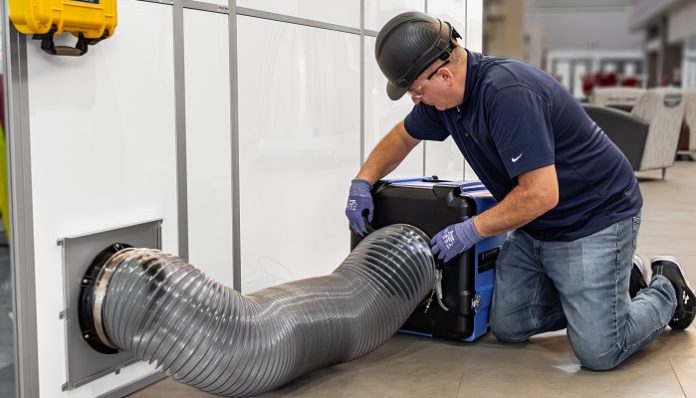
With temporary modular containment walls in place, the next step is to create negative pressure to minimize the spread of contaminants outside of the construction zone. In conjunction with differential pressure monitors and portable air scrubbers, HEPA filters are essential in healthcare settings due to their ability to remove 99.9% of airborne particulates. Modular wall systems can maintain negative or positive pressure differentials to create a safer space both inside and outside of the contained space. HEPA filters are essential in healthcare due to their ability to capture 99.97 percent of ultra-fine microscopic particles that are as little as 0.3 microns in size, which is about 300 times smaller in diameter than a single strain of hair.

5. Conduct regular IAQ monitoring

Itโ€™s essential to continually monitor IAQ to identify potential hazards that could affect the health and safety of building occupants and workers. To do so, hospitals should deploy real-time IAQ monitoring systems that can not only track temperature but also pollutants, humidity levels, and particulate matter concentrates. Conducting these routine IAQ assessments enables prompt intervention when there are deviations from acceptable levels.

6. Consider disruptions

In hospitals, construction noise can be intolerable and disruptive to patients. Not only can a loud environment be distressing for patients, it can prevent them from getting rest that is crucial for their recovery. To remedy this, temporary modular containment walls are providing sound attenuating capabilities that can shield patients from disruptive construction noises and vibrations. And, as an added bonus, their attractive appearance can completely conceal the construction zone so that it doesnโ€™t affect the clean aesthetic of the medical environment.

7. Educate patients and staff

While it’s not a requirement, it’s always a good idea to educate hospital staff and patients about the potential risks associated with construction activities and patient health. Knowing the risks upfront help healthcare professionals take measures to protect IAQ and comply with industry regulations. Hospitals should provide training sessions on recognizing the signs of poor IAQ and safety protocols during hospital construction projects. It’s important to establish clear communication to ensure everyone remains informed and vigilant.

8. Collaborate with experts

To assure projects run smoothly it’s important to establish collaborative partnerships with contractors and IAQ experts. Contractors and solutions providers with years of industry knowledge can offer guidance on the proper use and installation of containment equipment and accessories to help ensure patients are protected and each project runs as efficiently as possible. Combining the right tools with the right knowledge is the key to a successful hospital construction project.

9. Post-construction inspection

After each construction project, it’s important to conduct post-construction evaluations to assess IAQ performance and identify residual issues. This can involve conducting air quality tests and inspecting the HVAC system, which should be cleaned at the end of each project. A post-construction evaluation can help contractors address any issues before the space is rejoined with patient areas.

10. Continue to improve and adapt

Maintaining IAQ and patient safety is an ongoing process that requires continuous modification to changing circumstances. Hospitals should regularly review and update construction protocols based on research, technology advancements, and regulatory changes. By staying proactive and responsive, healthcare facilities can maintain the safety of patients and staff.

Overall, protecting IAQ and patients during hospital construction is crucial to maintaining the high standards of patient care and minimizing health risks. By implementing IAQ protective measures, hospitals can effectively mitigate the impact of construction activities on healthcare, creating a safe environment for all. Investing in proactive solutions mitigates the impact of construction activities on patients and anyone with a compromised immune system while creating a safer environment for all.

Revolutionizing Waste Management In Hospitals Through AI

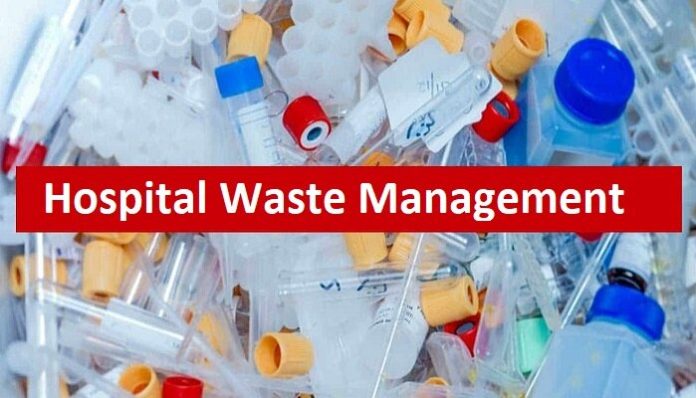
Artificial intelligence (AI) is transforming waste management in hospitals by automating the segregation process. Smart bins, equipped with AI technology, can distinguish between clinical, pharmaceutical, and general waste, ensuring precise sorting in compliance with regulatory standards. This automation reduces human error and cuts down the time staff spend managing waste, allowing them to focus on patient care. Additionally, AI-driven systems can adjust storage capacity based on real-time waste levels, optimizing space and efficiency.

Leveraging Data Analytics for Resource Optimization

AI doesnโ€™t just automate waste segregation; it also provides valuable insights into waste generation patterns. By analyzing data, hospitals can predict high waste production periods, enabling better logistics and resource allocation. This predictive capability ensures that waste management does not disrupt patient care and helps hospitals streamline operations, leading to significant cost savings. By optimizing waste-handling processes, hospitals can enhance overall efficiency and reduce operational costs.

Tackling AI Integration Challenges

Integrating AI into hospital waste management is not without its hurdles. One major challenge is the accuracy of AI systems in distinguishing between different types of waste, especially when subtle discernment is required. For instance, differentiating between various medical sharps or pharmaceutical waste categories demands sophisticated algorithms that are still under development. Additionally, AI systems rely on the quality of training data. Inaccurate or biased data can lead to sorting errors, posing compliance and safety risks.

Another significant challenge is the compatibility of AI with existing hospital infrastructures. Many hospitals use legacy systems that may not support the latest AI technologies, necessitating substantial investments in technological upgrades. Thus, hospitals need to take a balanced approach, weighing potential benefits against the challenges and costs of implementation.

Achieving Seamless System Integration

For AI to be effective in hospital waste management, it must integrate seamlessly with existing systems and workflows. This involves ensuring technological compatibility and training staff to use AI-enabled systems effectively. Proper integration allows hospitals to fully realize the benefits of AI, improving waste management processes and enhancing operational efficiency.

Moreover, integration should extend to waste disposal facilities, fostering better coordination and tracking of waste from hospitals to disposal sites. AI can streamline this process by automatically sharing data on segregated waste, facilitating efficient and compliant disposal.

Real-World Impact and Benefits

Real-world applications of AI in hospital waste management demonstrate its transformative potential. For example, a large healthcare network using AI to automate waste segregation saw a 40% reduction in non-compliance incidents and a 20% decrease in waste management costs. In another case, smart bins equipped with AI in European hospitals provided real-time waste sorting and data analytics, helping administrations improve disposal protocols and reduce environmental impact.

These examples highlight the significant benefits of AI, from operational efficiencies to substantial cost savings. They also underscore why continued innovation and thoughtful implementation are important to address the challenges of integrating AI in hospital waste management.

Financial Considerations and Long-Term Savings

Investing in AI technology for waste management may require substantial initial costs, including advanced sensors, smart bins, and complex analytics software. However, the long-term savings and operational efficiencies can outweigh these initial investments. AI-driven automation reduces the labor hours needed for manual waste sorting, cutting staffing costs and reallocating resources to more critical areas.

Moreover, the precision of AI in waste segregation reduces fines and penalties for regulatory non-compliance. Proper handling of hazardous waste mitigates contamination risks and associated healthcare costs. Hospitals can also use AI-generated data to negotiate better rates with waste disposal companies, providing clear and reliable information about the types of waste processed.

Navigating Regulatory Requirements

AI systems in hospital waste management must comply with complex healthcare regulations that govern waste segregation, handling, and disposal. Ensuring compliance involves detailed tracking and reporting of waste categories. Developers of AI technologies must collaborate with regulatory bodies to create compliant solutions that can adapt to regulatory changes.

Hospitals also need to train their staff on the regulatory implications of using AI in waste management, emphasizing compliance and safety procedures. Proper training and adherence to regulations are crucial for the successful implementation of AI technologies.

Future Innovations and Technological Advancements

The future of AI in hospital waste management looks promising, with continuous advancements in technology. Emerging machine learning algorithms capable of learning from new data can lead to more sophisticated waste segregation systems. Innovations like blockchain could enhance transparency and traceability of waste streams, offering verifiable records for regulatory agencies.

Integrating Internet of Things (IoT) devices can provide real-time monitoring and control of waste management processes, further increasing efficiency and compliance. AI has the potential to transform hospital waste management, providing significant benefits and contributing to a more sustainable healthcare ecosystem.

Conclusive Thoughts

While integrating AI into hospital waste management presents challenges, the benefitsโ€”ranging from cost savings to improved complianceโ€”make it a worthwhile investment. Hospitals that embrace AI technologies will optimize their operations and contribute to a more sustainable and efficient healthcare system.

Integrating Environmental Responsibility In Medical Devices

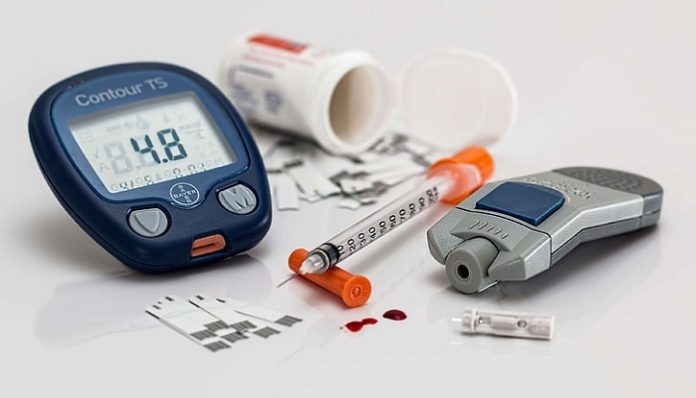
Medical device manufacturers have historically prioritized creating devices that are both safe and effective. This focus remains a critical priority. However, there is an increasing push for these manufacturers to also integrate sustainability into their designs. The “Reimagining Sustainable Medtech” report by PA Consulting provides guidance on how to design for sustainability when developing medical devices. This report uses research on the sustainability impact of six continuous glucose monitors (CGMs) as a real-life example. This growing emphasis on sustainability is driven by stricter regulatory requirements and a shift in public opinion. Consumers are becoming more aware and critical of the environmental impact of the medical devices they use.

Elevated Legislation In Terms of Sustainability When It Comes To Medical Devices

Over the past two decades, the focus on environmental impact within the medical devices industry has progressively strengthened. The EU MDR 2017/745 and IVDR 2017/746 regulations incorporate environmental considerations into the medical device life cycle. These regulations, along with other EU directives, provide guidance on hazardous substances and waste management, aiming to promote sustainability, reduce environmental impact, and foster a circular economy throughout the medical device life cycle.

Although the primary focus of EU MDR and IVDR is on patient safety and the efficacy of medical devices, they implicitly include environmental aspects throughout the device life cycle. This encompasses areas such as materials selection, device design, manufacturing processes, packaging, labeling, and waste management. The General Safety and Performance Requirements (GSPR) outlined in MDR Annex I 14.7, for example, require manufacturers to identify and test procedures and measures to ensure their devices can be safely disposed of after use. This information must be included in the deviceโ€™s instructions for use (IFU).

Additionally, directives like the Waste Electrical and Electronic Equipment (WEEE) Directive, the Restriction of Hazardous Substances (RoHS) Directive, and the Registration, Evaluation, Authorisation, and Restriction of Chemicals (REACH) Regulation offer comprehensive guidance to medical device manufacturers. These directives aim to promote resource efficiency and support the transition to a greener economy.

The WEEE Directive, initially enacted in 2003 and revised in 2012, imposes obligations on manufacturers, distributors, and consumers of medical devices to ensure the proper collection, recycling, and disposal of electronic equipment. The directive requires member states to establish collection systems for electronic waste, allowing consumers to return devices at the end of their life cycle. Manufacturers are responsible for financing and participating in this collection and recycling scheme, ensuring that discarded devices are managed in an environmentally friendly manner. The directive aims to minimize environmental pollution and resource depletion associated with improper disposal practices.

The RoHS Directive, another critical directive for sustainability, restricts the use of certain hazardous substances in the manufacturing of electrical and electronic equipment. Revised in 2011, it prohibits the presence of lead, cadmium, hexavalent chromium, mercury, polybrominated biphenyls (PBB), and polybrominated diphenyl ethers (PBDE) above specified thresholds in covered products. Manufacturers must ensure compliance with these substance restrictions through rigorous testing and documentation processes. Compliance with the RoHS Directive is mandatory for medical device manufacturers whose products are sold in the EU.

The REACH Regulation provides a comprehensive framework for managing risks associated with chemicals used in medical devices. It requires manufacturers to register substances produced or imported in quantities exceeding one ton per year with the European Chemicals Agency (ECHA). The regulation also authorizes ECHA to evaluate substances of concern and impose restrictions on their use if necessary to protect human health and the environment. This registration process promotes transparency and encourages the safe and sustainable use of chemicals in medical device manufacturing. While neither EU MDR nor IVDR explicitly references other regulations or directives, manufacturers must comply with national or local laws on disposal and recycling.

Guidance and Best Practices on Design In Terms of Sustainability

Safety and efficacy are paramount in medical device development, yet sustainable device design should be considered from the outset of the product development life cycle. Historically, discussions on medtech sustainability have centered on packaging and distribution rather than the environmental impact of the device itself. However, integrating sustainability into the design process requires a comprehensive approach.

One crucial decision is whether a device should be single-use or reusable. While reusable devices may seem more sustainable, they can require significant energy and material consumption to ensure they are contamination-free. Reusable devices must be collected, cleaned, repackaged, re-sterilized, and sometimes redistributed, which can offset the environmental benefits. The full life cycle of the product must be carefully evaluated to maximize sustainability. For instance, implantable devices and those intended for long-term use will likely remain single-use, as reusability offers no practical benefit.

End-of-life and disposal processes are also critical considerations. Many devices or specific components will eventually need to be retired. Specific disposal mechanisms may be required for certain device components, such as needles, due to potential biohazard risks, or batteries, due to electrical safety concerns. Recent supply chain innovations have shifted focus onto sustainable practices, even codified within the EU MDR โ€“ GSPR related to disposal.

The medtech industry has begun to perceive and implement sustainable supply chains differently. The COVID-19 pandemic prompted life sciences manufacturers to diversify and localize their supply and distribution networks as a precautionary measure. Companies now aim to balance costs and profits by using sustainable packaging and services. For example, they seek to deliver products on time to avoid costly expedited shipping fees, at predictable volumes to lower CO2 emissions and transportation costs, and in reusable or biodegradable packaging to reduce new packaging costs or penalties for pollution. Demonstrating sustainability has also become essential for winning tenders with hospitals or other life sciences partners.

Unfortunately, user perception of sustainability often does not align with reality. A perceived high product quality can lead users to believe a device is or should be reusable, even when this is not practical from a manufacturing or performance standpoint. This phenomenon, known as “greenwashing,” involves unsustainable practices masked by a sustainable appearance, such as eco-friendly language or aesthetics. Truly sustainable designs must address these user beliefs and demonstrate sustainability metrics through key performance indicators (KPIs) and evidence.

Sustainability Against Risk Management

Medical device manufacturers are obligated to minimize risks to patients and clinicians through design. Historically, this focus has resulted in product and packaging material selections prioritizing safety and profitability, often with little consideration for environmental impact. However, as sustainability becomes a regulatory requirement, manufacturers must innovate while maintaining safety and efficacy.

For example, transitioning from single-use to reusable devices introduces potential risks related to cleaning and re-sterilizing. Similarly, switching to more sustainable materials can present challenges in maintaining sterile barriers, shelf life, and protection against environmental factors. These considerations make seemingly minor changes complex and require careful assessment to ensure that risk is minimized.

Manufacturers must balance sustainability with risk management. Up to now, it has been easy for manufacturers to dismiss the high environmental impact of a device by claiming it is necessary for safety. However, as other manufacturers find more sustainable ways to achieve the same outcomes, regulators will be less likely to approve new designs with lower sustainability. Manufacturers must act now, prioritizing sustainability from the outset or risking rejection by regulators.

Despite this pressure, patient and clinician safety will always be the top priority. Sustainability must never compromise device safety and effectiveness. For instance, while reusable devices may reduce waste, the associated risks of cleaning and re-sterilizing must be carefully managed. Similarly, changing materials for sustainability must not compromise the device’s sterile barrier properties, reaction with the device, shelf life, or protection against environmental factors.


Revolutionizing Medical Equipment Monitoring With IoT & AI

The Internet of Things (IoT) is transforming various sectors, notably healthcare. It enables real-time monitoring of medical equipment, providing performance insights and detecting potential issues before they escalate. By 2030, nearly 30 billion devices are expected to be connected globally.

In my extensive experience, the global medical equipment maintenance market is on the brink of significant change. IoT sensors, embedded in medical devices, gather data on performance, usage, and environmental conditions, transmitting it to centralized systems for real-time analysis.

This capability allows service teams to address issues swiftly and often remotely, reducing both downtime and costs. Real-time monitoring enhances efficiency by eliminating the need for frequent on-site inspections.

AI Along With Machine Learning

AI and machine learning (ML) are revolutionizing medical equipment maintenance. These technologies enhance diagnostics, streamline repair processes, and offer data-driven maintenance suggestions. AI algorithms analyze data from IoT sensors and maintenance records, identifying patterns that human technicians might miss and recommending optimal actions. ML models predict component failures and suggest stocking necessary parts, ensuring timely repairs and maintaining equipment functionality.

Depot Repair As Well As Hot Swap Components

Hot-swappable components enable quick replacement of faulty parts, minimizing downtime for critical equipment. This approach is vital for high-usage devices that can’t afford prolonged inactivity. Conversely, depot repair services provide a cost-effective solution for smaller devices, centralizing maintenance and reducing overall costs through economies of scale.

Equipment Models That Are Subscription-Based

Subscription-based models are gaining popularity in healthcare, allowing facilities to access the latest medical equipment without the burden of ownership. These models typically include regular maintenance and upgrades, ensuring equipment stays up-to-date and functional. Predictable subscription fees help healthcare providers manage costs more effectively than outright ownership.

Service Manuals As Well As Open-Source Parts

Open-source parts and service manuals are empowering healthcare facilities to handle their own maintenance and repairs. This trend reduces reliance on external service providers and lowers maintenance costs, while also addressing the technician shortage. Open-source resources provide detailed information for maintaining and repairing equipment, fostering innovation and customization.

Leveraging Advanced Technologies When It Comes To Optimized Operations and Patient Care

The strategic integration of advanced technologies like IoT is driving the healthcare industry forward. By predicting and preventing equipment failures, IoT maximizes uptime and minimizes downtime. Subscription-based models further enhance this by ensuring regular updates and upgrades, reducing ownership costs.

As technology keeps advancing, the healthcare industry is poised for more stable and efficient operations, leading to improved patient care and satisfaction.

PatientPay & Higher Standards Tie-Up Boosts Patient Payments

PatientPay has gone on to team-up with Higher Standards in order to offer a new payment acceptance solution thatโ€™s customised for healthcare organizations.

This partnership will allow healthcare facilities using Higher Standardsโ€™ payment processing solution for various businesses and organizations to access PatientPayโ€™s platform, which caters to acute, ambulatory, and specialty care, as stated in a press release on Tuesday, June 18, 2024.

Bill Ernst, president of Higher Standards, expressed that the partnership with PatientPay and their expertise in healthcare payments would help deliver solutions more tailored to the nuances of healthcare.

Higher Standards happens to manage 4,500 processing merchant accounts, 35% of them being healthcare-related.

PatientPayโ€™s platform supports specialty care medical groups and facilities in improving patient payments. It offers explanations of benefits- EOBs, flexible payment options, and personalized communications.

By using this platform, healthcare facilities can streamline their billing process, increase payment rates, automate payment plans, and reduce collection costs.

Tom Furr, CEO of PatientPay, noted that their ability to accelerate payment collection and reduce paper statements by up to 50% is a key reason their partners rely on them. He expressed pride in partnering with Higher Standards to streamline the payment process and significantly boost patient payments.

Research by PYMNTS Intelligence has revealed several challenges consumers face when paying for healthcare services or products. Twenty-one percent of consumers found the payment process difficult, 18% were confused by medical bills, and 16% said insurance covered less than expected, according to the report- The Digital Platform Promise: How Patients Want to Streamline Healthcare Payments, a collaboration between PYMNTS Intelligence and Lynx.

In August 2023, PatientPay announced a partnership with PointClickCareโ€™s electronic health record- EHR platform to enhance the payment process, offering a faster and more seamless experience for patients and healthcare providers. This integration allows long-term and post-acute care- LTPAC facilities to manage payments more efficiently on a single platform.

CBO Predicts Significant Rise In Uninsured Americans By 2034

The uninsured rate in America is projected to increase over the next ten years, largely undoing gains made during the coronavirus pandemic. This is due to the expiration of subsidies for Affordable Care Act- ACA plans and policy changes that kept low-income individuals on Medicaid. The Congressional Budget Office- CBO predicts that this year, 7.7% of Americans, or 26 million people, lack insurance. This is a decrease from 10.3% or 33.2 million people in 2019.

However, approximately 1.7 million people, primarily working-age adults, will lose their insurance each year, pushing the uninsured rate to 8.9% by 2034, according to the CBO.

The CBO’s annual report on health insurance coverage by age forecasts that the recent record-low uninsured rate will rise due to the end of enhanced ACA subsidies, set to expire next year, and the termination of Medicaid continuous enrollment provisions, which ended last spring.

The rise in U.S. immigration will also contribute, as immigrants typically have a higher uninsured rate than the general population, CBO analysts indicate.

During COVID-19, insurance coverage increased significantly, with the number of uninsured Americans dropping by about a fourth from 2019 to 2023, thanks to government policies that boosted coverage. Enhanced marketplace subsidies from the American Rescue Plan and extended by the Inflation Reduction Act increased eligibility for premium tax credits and raised subsidies for those already eligible.

ACA plan enrollment has surged and is expected to reach a historic high of 23 million people next year. However, if subsidies expire, ACA enrollment could drop by 7 to 8 million, with around 5 million becoming uninsured, though some may gain insurance through their jobs.

Efforts in Washington, including by President Joe Biden, aim to extend these subsidies. However, Republican opponents cite the significant rise in federal spending as a concern. Extending the subsidies could increase the federal deficit by $335 billion over the next decade, according to CBO analyst Sean Lyons.

Medicaid is also expected to see a drop in enrollment. During COVID-19, enrollment soared as states agreed not to remove individuals in exchange for higher federal funding. This agreement ended in April 2023, allowing states to reassess eligibility. Consequently, 23 million people have lost Medicaid coverage, according to KFF, a health policy research nonprofit.

As Medicaid unwinding continues, fewer people will have multiple insurance sources. Last year, about 29 million people had overlapping coverage, but this is expected to drop to 21 million this year.

The CBO predicts that employer-based coverage will remain the primary source of health insurance, covering 164 to 170 million people over the next decade. Medicare enrollment will see significant growth, from 60 million people last year to 74 million by 2034, as the population ages. This increase will strain Medicareโ€™s finances, with a key trust fund for hospital benefits projected to run out by 2036.

CMS Responds To Healthcare Cyberattack With Emergency Loans

Healthcare providers encountered significant financial difficulties following the Change Healthcare cyberattack, which caused prolonged payment disruptions.

A government-backed initiative offering support to organizations, including home medical equipment- HME providers, will soon end. On June 17, 2024, the CMS or Centers for Medicare & Medicaid Services announced that its advanced and accelerated payment program, linked to the cyberattack, would conclude on July 12, 2024.

CMS Administrator Chiquita Brooks-LaSure noted that in response to one of the largest cyberattacks on the U.S. healthcare sector, CMS acted swiftly to provide providers and suppliers with the funds needed to continue delivering essential care. She mentioned that their actions helped minimize the disruption’s impact and that CMS would remain vigilant to address future incidents.

CMS has the authority to issue advanced and accelerated payments to providers paid through Medicare or Medicaid whenever significant disruptions affect the healthcare system.

These programs act as short-term loans, offering HME providers and others access to capital during financial turmoil.

CMS explained in a June 17, 2024 announcement that the payments initiated in early March aimed to alleviate cash-flow issues experienced by some Medicare providers and suppliers, including hospitals, physicians, and pharmacists, due to the unprecedented cyberattack that disabled Change Healthcare’s electronic data interchange in February.

In total, accelerated payments related to the Change Healthcare incident were issued to over 4,200 Part A providers, such as hospitals, amounting to more than $2.55 billion.

CMS also distributed 4,722 advance payments totaling over $717.18 million to Part B suppliers, including doctors, non-physician practitioners, and durable medical equipment (DME) suppliers.

Many providers who received these pre-payments have already repaid their loans. Of the thousands of disrupted payments, 96% have been recovered, according to CMS.

Numerous HME companies, including some industry leaders, have highlighted the severe impact of the Change Healthcare disruption on their operations.

Todd Zehnder, COO of Viemed, indicated during the Q1 2024 earnings call that while they managed to quickly redirect some of their major carriers, the process to adjust all their payers was ongoing. He expressed confidence that most of the funds had been redirected and noted an uptick in payments over the past few weeks.

AAHomecare described the cyberattackโ€™s fallout as an โ€œunprecedented disruption.โ€

Change Healthcare, a part of UnitedHealth Group’s subsidiary Optum, reported widespread connectivity issues in late February. Shortly after, healthcare providers began facing technical difficulties.

On February 26, 2024, a ransomware group claimed responsibility for the attack.

By March, CMS started offering relief to healthcare providers, and lawmakers began questioning UnitedHealth Group leaders about their handling of the situation. In early May, UnitedHealth Groupโ€™s CEO, Andrew Witty, testified before Congress regarding the cyberattack and his companyโ€™s response.

Sen. Ron Wyden- D-Ore. remarked during the Senate Committee on Finance hearing that the hack could have been prevented with basic cybersecurity measures.

Translate ยป