











Close
Digital Health & Ai Innovation summit 2026
Medical Taiwan 2026

6 Benefits Cloud Computing Has Brought to Healthcare

Cloud Computing Has Brought to Healthcare

Every day, more and more organizations migrate their data to either the cloud or a hybrid server. There are many benefits to doing this, particularly when it comes to the cost of operating and maintaining a data center. By leveraging cloud systems, organizations can take advantage of big data and all it has to offer without incurring many of its expenses.

While cloud computing has been around for some time, its widespread adoption is a recent trend. The healthcare industry in particular is presently growing and evolving to incorporate more modern technologies.

The hands-off aspect of cloud computing is especially valuable in the field because it means a service provider โ€” the owner of the servers and hardware โ€” is responsible not just for maintaining the equipment and systems but securing them as well. And itโ€™s no secret that the security of healthcare information is of utmost importance.

But there are other benefits to cloud computing beyond those mentioned. When it comes to healthcare and the medical industry, cloud computing has a lot to offer. Here are the top six advantages.

1. Unlimited Capacity

The healthcare industry relies on huge stores of data, and the storage capacity needed to retain it all is substantial. To make matters more complicated, the list of requirements continues to grow as the amount of data amassed increases exponentially over time.

The beauty of cloud computing solutions, however, is that the service provider must accommodate the growing requirements and not the business collecting the data. In healthcare, this means a near-unlimited capacity is available to store all the necessary content and information.

2. Reliable Scalability

In addition to allowing for nearly unlimited storage capacities, cloud computing affords unprecedented levels of scalability. As with most industries, there are busy seasons and there are slow seasons in healthcare. The former requires greater and more powerful computing systems, while the latter relaxes said requirements.

The subscription-based nature of cloud computing services means that healthcare providers can increase system usage and decrease it as necessary, with little to no stress on their operations. There is no waiting period to scale up or scale down. It happens instantly. Simply put, cloud computing makes it possible to easily scale operations according to the necessities of market conditions, demand and seasonal requirements.

3. Seamless Collaboration

When it comes to pulling data and digital content from the cloud, it’s accessible from anywhere and by multiple contacts simultaneously. That makes for excellent collaboration and sharing experiences, which is crucial in the healthcare industry. Doctors and healthcare professionals must be able to share patient information and records between one another while still preserving their security.

Analog methods rely on paper-based records which are not secure at all. They’re also not conducive to collaboration, at least not in the same way that digital records are. Cloud computing means that the data is easy to share with anyone that needs to see it, including patients and insurance providers.

4. Enhanced System Security

Itโ€™s a common misconception that cloud computing is less secure than alternate methods. There is always some risk involved, of course, but security is almost always stronger under the control of cloud providers. This is because the service providers specialize in data management, meaning they not only have the understanding and experience but also the resources to fully lock down that content.

Cloud providers also have more resources to invest in local information security teams and tools, which translates to stronger levels of protection.

5. AI and Machine Learning Access

Itโ€™s difficult for human analysts and laborers to pour over such massive troves of digital content and information. Fortunately, they donโ€™t need to, as they have machine learning and artificial intelligence solutions.

The healthcare industry can benefit from access to these technologies, which are capable of mining collected data for new insights and details. For example, a Seattle company called Kensci leverages machine learning to predict illness and treatment patterns. Another company called PathAI leverages technology to aid pathologists in making quicker and more accurate diagnoses.

6. Remote Care Opportunities

Because the data and computing power is all remote, the same systems are available to just about any platform with internet access, including mobile. This extends support to a wide range of platforms, creating a greater number of remote care opportunities. Doctors, nurses and health practitioners can monitor events and even provide care from around the world.

This not only presents new opportunities but also enables more accurate and far-reaching care. Imagine an on-site Doctor being able to monitor all their patientโ€™s vital signs, remotely, while tending to others. Or a specialist thatโ€™s able to carry out a procedure from halfway across the world using remote conferencing technologies.

This form of remote-care-meets-modern-technology is referred to as telehealth, and itโ€™s becoming more and more prominent in the field.

Reap the Benefits at a Fraction of the Cost

Cloud computing solutions allow organizations to reap the benefits of big data at just a fraction of the cost. That’s because a service provider handles the hardware and software maintenance necessary to keep the systems operational.

Healthcare providers can access cloud computing solutions with a seamless experience, gaining all the benefits above and more. That means unlimited storage capacity, unprecedented scalability and collaboration opportunities, improved security, remote care possibilities and machine learning and AI capabilities. But increased uptime, streamlined IT services and support, and optimized accessibility during major disasters and events are all part of the deal too.

In short, cloud computing is revolutionizing the healthcare industry, and there’s no room for argument on that point.


Signant Health Appoints Todd Everhart as Clinical Vice President to Accelerate Intelligent eCOA and Predictive Data Analytics in Medical Clinical Research

Signant Health, formerly CRF Health and Bracket, has appointed Anthony Todd Everhart, MD, FACP to the Signant Health Science and Medicine Team as Clinical Vice President, Internal Medicine, reporting to the Chief Medical Officer, Dr. David Daniel.

As a technology company, Signant is unique in its commitment to data quality, consistency and integrity due to its internal team of renowned scientists, experienced clinicians and analytics experts. Signant provides customers with an extra layer of confidence through proactive and near real-time monitoring and assessments of incoming clinical data. With its eCOA and Endpoint Quality solutions, Signant identifies risks and provides actionable remediation recommendations where appropriate to avoid and correct potential issues before they become threats that can negatively impact the trial.

Dr. Everhart is Board-certified in Internal Medicine and a Fellow of the American College of Physicians with over 23 years of experience in the practice of medicine and over 12 years of experience in clinical development. Prior to joining Signant, Dr. Everhart held positions of Vice President, Medical Affairs and Vice President, Medical Informatics at Chiltern and Covance, and most recently consulted independently in the areas of Medical Monitoring, Medical Data Review, and Physician Adoption of Technology.

He has worked in all phases of clinical development in numerous therapeutic areas including Allergy & Immunology, Cardiovascular, Hematology & Oncology, Infectious Disease & HIV, Neurology, Ophthalmology, Psychiatry, Respiratory, and Rheumatology. With Signant Health, Dr. Everhart will help accelerate the application of Signantโ€™s intelligent eCOA, rater training, predictive analytics and other data quality monitoring products outside of CNS disorders.

Speaking on this appointment, Mike Nolte, CEO of Signant Health, said, โ€œBiopharmaceutical sponsorsโ€™ focus on complex indications continues to accelerate challenges with speed, quality and risk, as they work designing studies that result in breakthrough therapies. Signant recognizes that deep expertise and innovative technology can combine to ensure constant monitoring, real-time feedback and oversight that promote confidence and quality in this increasingly complex environment.

We believe that bringing outstanding technical and clinical minds together creates expertise to design and deploy proven methodologies, while innovating in differentiated technologies like intelligent eCOA, evaluating data quality and consistency as it is generated. Dr. Everhart, as one of those outstanding, proven experts will be a great asset to Signantโ€™s award-winning clinical teams and to our work to leading the market in predictive, intelligent analytics.โ€

Dr. Daniel adds, โ€œMedical clinical trials, like CNS trials, require modulation of placebo response and precision in examination and measurement skills in order to succeed. Dr. Everhart will apply to internal medicine clinical trials many of the rater calibration, data analytic and intelligent eCOA techniques that have positively impacted CNS trials. Dr. Everhart will promote a collaborative, risk-based approach to improve data quality.โ€

Dr. Everhart concludes, “I am proud to bring my expertise to Signantโ€™s established Science and Medicine Team, working alongside innovators in their fields. Signantโ€™s ground-breaking solutions provide unique advancements in eClinRO services and the collection of precise, reliable assessments across multi-site and global development programs. The challenge to me is to expand our portfolio of rater training, data quality monitoring, and data quality analytics across a wide range of therapeutic areas beyond Neurology and Psychiatry which will allow new medicines and therapies to be introduced to the market with more confidence and quality. I am excited to rise to this challenge within such an experienced team.โ€

Signant is a global technology company that accelerates clinical research and improves the experience of patients accessing potentially life-changing therapies. Its solutions, combined with deep scientific and clinical insight, link engaged patients to researchers, provide faster, more reliable decision making, and help provide longer, healthier and more productive lives for families and communities around the globe.

To learn more about Signant Health and the most comprehensive patient-technology suite for eCOA, eConsent, Patient Engagement, IRT, Clinical Supply Management, and Endpoint Quality solutions, visit www.signanthealth.com.

Who Is Signant Health?

The best technology succeeds in the background. Signant Health (formerly CRF Health and Bracket) provides solutions that simplify every step of the patient journey to make it easier for people to participate in, and for sites and study teams to run, clinical trials. Signant unites eCOA, eConsent, Patient Engagement, IRT, Clinical Supplies and Endpoint Quality into the industryโ€™s most comprehensive patient-centric suite โ€“ an evolution built on more than 20 years of proven clinical research technology. Our intense focus on the patient experience, deep therapeutic area expertise and global operational scale enable hundreds of sponsors and CROs (including all Top 20 pharma) to extend the reach of drug development, expand patient opportunities and improve data quality โ€“ helping them bring life-changing therapies to our families and communities around the world. Take a significant step toward patient-centricity at signanthealth.com

CRF Health and Bracket are now Signant Health.

2nd MEDICAL JAPAN TOKYO is coming back with the larger scale!

MEDICAL JAPAN 2019 TOKYO

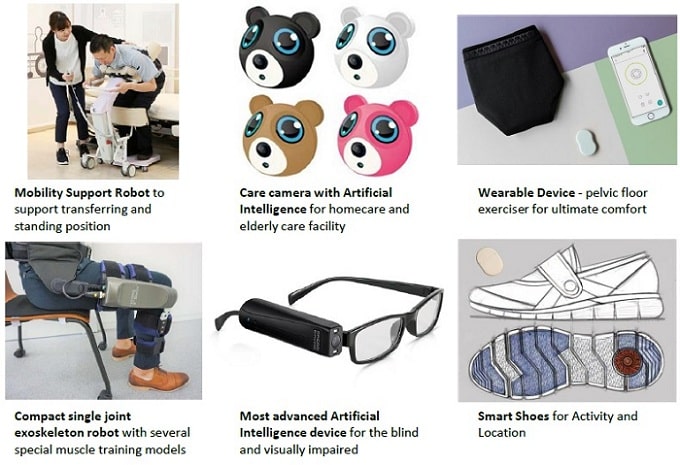
MEDICAL JAPAN 2019 TOKYOโ€“2nd Intโ€™ l Medical and Elderly Care Expo Tokyo will be held from October 23-25, 2019 in Makuhari Messe, Japan by Reed Exhibitions Japan Ltd. The scale of the second Tokyo edition is expanding with 610 exhibitors, and this growth is gathering great attention from the industry.

In this edition, innovative products with cutting-edge technologies, especially for elderly care items are often seen reflecting the demands from the aging society, Japan.

Excerpt of Exhibits at MEDICAL JAPAN TOKYO 2019To check more exhibits >> https://www.medical-jpn.jp/eguide_t_en/

Participate and inspire the Medical and Elderly Care industry!

To Exhibit https://www.medical-jpn.jp/ex_en/

To Visit https://www.medical-jpn.jp/inv_en/

Binah.ai Delivers Artificial Intelligence-powered, Non-contact, Video-based Health and Wellness Monitoring Solutions

Binah.ai AI-powered  video-based health and wellness monitoring

Binah.ai, the leading provider of ready-to-use AI-powered apps, has released a series of non-invasive, video-based health and wellness monitoring solutions. Binah.ai gives an unparalleled advantage in health analytics as its technology transforms any device equipped with a simple camera into a medical-grade healthcare gadget.

The video-based digital health use cases include heart rate and heart rate variability (HRV) measurements, providing the data for stress measurements.

In todayโ€™s busy life, stress is a major issue; it has been identified as a significant factor in health and wellness issues ranging from insomnia to cancer. While some stress is normal โ€“ and can even be good in specific situations, chronic, overwhelming stress can have a massively negative impact on physical, mental, and emotional well-being.

Other measurements such as blood alcohol level and blood pressure are currently under development and will be available this year.

The highly accurate Binah.NOW solutions โ€“ with a less than 2 beats per minute margin of error โ€“ require no skin contact and provide real-time insights that correlate to risks of heart failure, arrythmia, diabetes, stroke, cognitive functions, inflammatory markers, visceral fat, and more.

Binah.ai achieves outstanding accuracy by using a revolutionary approach that combines signal processing and machine vision to accelerate the path from data to insights, coupled with a proprietary, comprehensive AI, machine and deep-learning framework delivering actionable, best-in-class results.

The system automatically selects the skin region of interest, optimizes face detection and tracking, with motion compensation correcting movement and shaking, and illumination normalization to support fluctuating lighting conditions. The heart rate estimation algorithm includes creating a photoplethysmography (PPG) signal using a live video feed and a unique, superior methodology. The accuracy has been proven against medical-grade oximeter results performed on more than 1,000 subjects.

The ready-to-use solutions allow healthcare, insurance, and automotive industries to leverage ready-to-use AI apps and implement them inside of their applications to deliver remote or on-edge health services and wellness monitoring.

Organizations can digitally enhance the customer experience to deliver health and wellbeing services faster and more effectively, boost telemedicine and preventive medicine capabilities, and increase home-based treatment offerings and illness prevention. Binah.NOW solutions allow the insurance industry to align its underwriting processes to the digital era and provide a more efficient and relevant customer experience.

โ€œAdvanced, new technologies like AI-powered solutions can and will heavily support global healthcare services, especially as predictions show that we will witness a 15 million-person shortage of medical staff by 2030,โ€ said David Maman, CEO and Co-founder of Binah.ai. โ€œOur ready-to-use technology helps organizations easily adopt advanced capabilities like AI to tighten the medical shortage gap while allowing everyone to be more aware of their health status and make timely decisions to improve wellness.โ€

Binah.NOW monitoring systems are available as an SDK supporting most common operating systems and processing architectures, including all smartphones/tablets/computers or as a full white label system. The solutions run on the device itself, requiring no Internet connectivity.

Binah.ai will be showcasing its technology at the Digital Healthcare Show, stand #K47, 26-27 June 2019, at the ExCel London and invites all visitors at the show as well as members of the media and analysts for a live demo and discussion about how to easily use AI-powered healthcare apps.

About Binah.ai

Binah.aiย provides a set of AI-powered, ready-to-use, video analysis-based, no-touch digital healthcare apps, delivering heart rate variability data insights for global digital healthcare, insurance, and mobile device providers. Binah.ai provides actionable answers to critical challenges with a combination of signal processing and machine learning, which accelerates the path from data to insights. The Binah.ai team leverages 90+ years of development in big data, analytics, signal processing, machine learning, corporate expertise, and technology to deliver a unique combination of out-of-the-box data science solutions. Clients include major automotive companies and financial institutions around the world as well as large enterprises across multiple industries. Visit www.binah.ai


Swenson healthcare expands into post-acute psychiatry

Swenson healthcare expands into post-acute psychiatry

Swenson Healthcare PLLC, a clinical practice group dedicated to the care of patients in the post-acute care setting, announced that it is expanding its services to include psychiatric services to its client facilities and the patients under its care. The addition of psychiatric care is in response to growing need for psychiatric care for patients in the post-acute setting, building on Swenson Healthcareโ€™s commitment to providing broad-based primary care medical services to patients under its care.

Linda Miller, D.O., a Board certified psychiatrist with over 30 years of clinical practice, recently joined the company to initiate the post-acute psychiatry program. A well-known practitioner in Washington state, Dr. Miller has established practices in University Place and Olympia. Her extensive career includes adult psychiatry, geriatric psychiatry and tele-psychiatry. Dr. Miller attended medical school at Des Moines University. Her residency programs include Oregon Health Sciences University and University Hospitals of Cleveland.

Commenting on her new position, Dr. Miller stated, โ€œThroughout the Pacific Northwest there is a growing need for behavioral health services in post-acute facilities. As a practice group focused on post-acute care, Swenson Healthcare is well-positioned to bundle this service with delivery of post-acute medicine. I look forward to working with the Swenson Healthcare medical team to maximize this opportunity to provide our patients a more effective and comprehensive care experience.โ€

CEO Darren Swenson, M.D., added, โ€œWe are excited about our entry into post-acute psychiatry and the added value this will bring to patients at the facilities where we practice. Dr. Miller joins a team of medical care providers with a deep commitment to delivering excellent patient care. Facilities are looking for solutions to the challenge of providing quality care in behavioral health, particularly in the rural and small town communities. We are building a clinical team to respond to this need with both on-site and tele-psychiatry services.โ€

About Swenson Healthcare:
Swenson Healthcare is a clinical practice group focused on providing post-acute care services in the Pacific Northwest. Founded by triple-board certified founder Darren Swenson MD, the practice is dedicated to the community-based care of patients in the post-acute care setting. Swenson Healthcareโ€™s mission is to ensure that the patient receives excellent quality care, both today and in the future, whether the patient transitions to home or to another facility. For inquiries from post-acute facilities and health plans, or clinicians interested in a career with Swenson Healthcare.

CVRx Receives FDA Approval for Worlds First Heart Failure Neuromodulation Device

CVRx Receives Approval for Neuromodulation Device

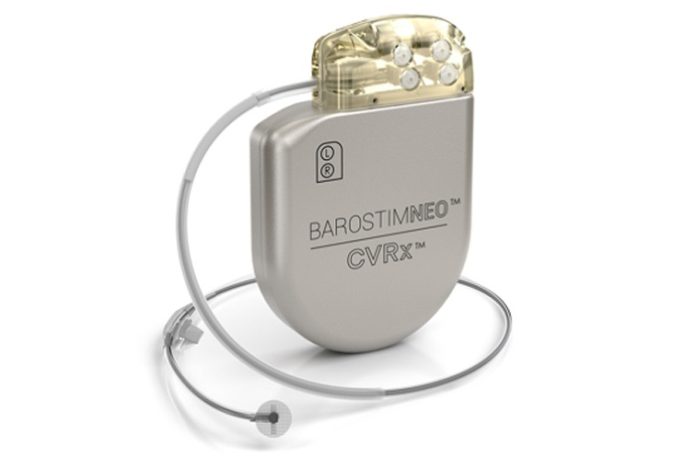
CVRx, Inc., a private medical device company, announced that it has received Premarket Approval (PMA) from the US FDA to market its BAROSTIM NEO device for heart failure in the United States. The FDAโ€™s Center for Devices and Radiological Health (CDRH) approved the Companyโ€™s submission after a thorough review of the clinical trial data from the Baroreflex Activation Therapy for Heart Failure Pivotal Trial (BeAT-HF).

โ€œWith the FDAโ€™s approval of the BAROSTIM NEO, we finally have an effective neuromodulation therapy for advanced heart failure patients who are not indicated for Cardiac Resynchronization Therapy (CRT),โ€ said Michael Zile, M.D., Professor of Medicine at the Medical University of South Carolina and Chair Person of the BeAT-HF Executive Steering Committee. โ€œThe BAROSTIM NEO improves the quality of life and the exercise capacity of heart failure patients who previously did not have access to a device-based therapy.โ€

Designed to address a significant unmet medical need in heart failure with reduced ejection fraction, the BAROSTIM NEO was one of the first therapies to receive the FDAโ€™s โ€œBreakthrough Deviceโ€ designation. The โ€œBreakthrough Deviceโ€ designates therapies that offer a more effective treatment for life-threatening or irreversibly debilitating diseases. As a result of the BAROSTIM NEO receiving this designation, the BeAT-HF Trial received prioritized review by the FDA, which helped accelerate the development and approval process, resulting in expedited patient access to the Companyโ€™s unique therapy.

โ€œAfter many decades of research in the field of neuromodulation, the BAROSTIM NEO is the first device approved in the United States that uses the power of the brain and nervous system to target cardiovascular disease,โ€ said Nadim Yared, President and CEO of CVRx. โ€œWe are thrilled to transition to the next stage of our companyโ€™s growth, shifting our focus to the successful adoption of BAROSTIM NEO in the United States and bringing an innovative solution to chronic heart failure patients.โ€

About the BeAT-HF Pivotal Randomized Controlled Trial
The BeAT-HF phase III randomized clinical trial confirmed the safety of BAROSTIM NEO and its effectiveness in improving symptoms in patients suffering from chronic heart failure. The trial analysis included results from 264 patients randomized to two arms: 130 subjects randomized to receive a BAROSTIM NEO were compared to 134 subjects randomized to stay on guideline-directed medical therapy. The positive safety and effectiveness results were presented in Late Breaking Clinical Trial sessions at the Heart Rhythm Society and the European Society of Cardiology Heart Failure conferences in May 2019.

About Heart Failure
Heart failure is a serious condition that impairs heart function, resulting in shortness of breath, exercise intolerance and fluid retention. Inย the United States, heart failure is estimated to affect 6.5 million adults.3ย Overall, heart failure was associated with one in 8 deaths and close to half the people that develop heart failure die within 5 years of diagnosis.3ย Projections suggest that by 2030, the total cost of heart failure will increase toย $69.7 billion.3

About BAROSTIM NEO
BAROSTIM NEO uses CVRx-patented technology designed to trigger the bodyโ€™s main cardiovascular reflex to treat patients suffering from chronic heart failure. It is designed to electrically activate the baroreflex, the bodyโ€™s natural mechanism to regulate cardiovascular function. By activating this afferent pathway, BAROSTIMโ„ข therapy reduces sympathetic activity and increases parasympathetic activity, ultimately restoring autonomic balance.

About CVRx, Inc.
CVRx, Inc. is a privately held company founded in 2001 and headquartered inย Minneapolis, Minnesota. The company has developed the second-generation BAROSTIM NEO, a minimally invasive implantable system approved for use in heart failure in over 30 countries and approved for use in resistant hypertension in the European Economic Area,ย Colombia and New Zealand.

Medtronic Evolut TAVR System Receives Expanded Indication to Treat Symptomatic Severe Aortic Stenosis Patients at Low Risk for Surgical Mortality

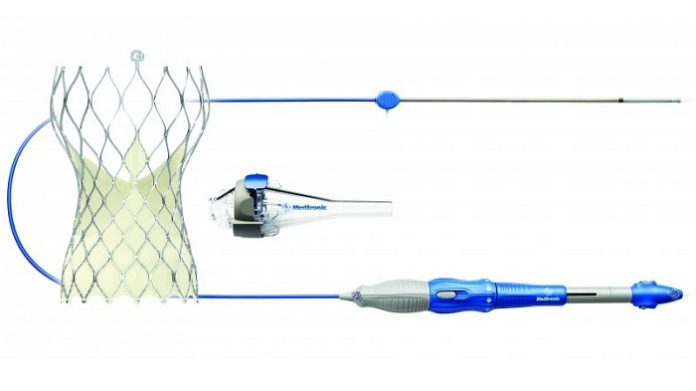
Medtronic plc announced U.S. FDA approval of the Evolut Transcatheter Aortic Valve Replacement (TAVR) system

Medtronic plc announced U.S. FDA approval of the Evolut Transcatheter Aortic Valve Replacement (TAVR) system for patients with symptomatic severe native aortic stenosis who are at a low risk of surgical mortality. The low-risk patient population is the final surgical risk category to be approved for this minimally invasive alternative to open-heart surgical valve replacement (SAVR) and includes patients who may be younger and more active than higher-risk patients.

The expanded indication approval is based on randomized clinical data from the global, prospective, multi-center Evolut Low Risk Trial, which evaluated three valve generations (CoreValveโ„ข, Evolutโ„ข R, and Evolutโ„ข PRO valves) in more than 1,400 patients. The data showed TAVR to have an excellent safety profile and be an effective treatment option in low-risk patients with shorter hospitals stays and improved quality-of-life scores compared to SAVR. In addition to a significantly lower rate of the composite of all-cause death or disabling stroke with TAVR at 30 days, the Evolut TAVR system demonstrated superior hemodynamic (blood flow) performance with significantly lower mean aortic valve gradients and larger EOAs (effective orifice area) compared to surgery โ€“ important factors for more active patients. The rate of new pacemaker implantation and residual aortic regurgitation was higher in the TAVR group.

โ€œThe majority of my patients want a replacement valve thatโ€™s going to minimize the risk of death, stroke, and other cardiovascular events during the procedure and allow them to leave the hospital faster and recover sooner. In patients appropriate for a biologic valve, that option is going to be TAVR,โ€ said Michael Reardon, M.D., cardiothoracic surgeon at Houston Methodist DeBakey Heart & Vascular Center, principal investigator and senior author of the Evolut Low Risk Trial. โ€œWith the low risk approval, risk stratification for TAVR treatment is becoming obsolete and heart teams will likely need to assess treatment options based on anatomical characteristics, concomitant risk factors, and also patient preference.โ€

The Evolut TAVR System, with its industry-leading hemodynamics, allows for improved heart function that helps many patients resume their pre-aortic stenosis activity levels. The valve is engineered with a self-expanding nitinol frame that conforms the replacement valve to the native annulus with consistent radial force and includes an external tissue wrap that increases surface area contact with native anatomy for enhanced valve sealing. The CoreValve Evolut TAVR platform leads the industry in longer-term data, reporting durability data out to 8 years with the Italian Registry.

โ€œLow risk patients were younger and healthier than those patients enrolled in our prior studies, and were better able to weigh the risks and benefits of surgery or TAVR based on their value preferences,โ€ said Jeffrey J. Popma, M.D., director of Interventional Cardiology at Beth Israel Deaconess Medical Center in Boston, and co-principal investigator in the Evolut Low Risk Trial. โ€œIt is our impression that patients will now be able to make a choice on the method of aortic valve replacement based on an informed risk-benefit discussion with their heart team.โ€

Severe aortic stenosis affects approximately 165,000 low risk patients per year in the U.S., Western Europe and Japan, occurring when the aortic valve becomes diseased (stenotic). The valve leaflets become stiff and thickened and have difficulty opening and closing, making the heart work harder to pump blood to the rest of the body and, therefore, impacting an individualโ€™s daily activities. If left untreated, patients with severe aortic stenosis can die from heart failure in as little as two years.

โ€œThis expanded indication means that physicians and patients will have more freedom to choose the right aortic valve replacement procedure based on each patientโ€™s health and quality-of-life goals, which may vary based on their age, frailty and anticipated daily activity,โ€ said Pieter Kappetein, M.D., Ph.D., vice president and chief medical officer for the Structural Heart and Cardiac Surgery businesses, which are part of the Cardiac and Vascular Group at Medtronic. โ€œThis is an exciting time for patients and the clinical community alike as we now have an aortic valve replacement technology clinically demonstrated to be well-suited for the thousands of new patients who seek a less invasive treatment option that helps them get back to active living.โ€

With the approval, the Evolut TAVR platform is now indicated in the U.S. for symptomatic severe aortic stenosis patients across all risk categories (extreme, high, intermediate and low).

In collaboration with leading clinicians, researchers and scientists worldwide, Medtronic offers the broadest range of innovative medical technology for the interventional and surgical treatment of cardiovascular disease and cardiac arrhythmias. The company strives to offer products and services that deliver clinical and economic value to healthcare consumers and providers around the world.

About Medtronic
Medtronic plc , headquartered in Dublin, Ireland, is among the world’s largest medical technology, services and solutions companies – alleviating pain, restoring health and extending life for millions of people around the world. Medtronic employs more than 90,000 people worldwide, serving physicians, hospitals and patients in more than 150 countries. The company is focused on collaborating with stakeholders around the world to take healthcare Further, Together.

Terason Partners with DiA Imaging Analysis to Bring Superior AI Cardiac Solutions to PointofCare Ultrasound

Terason Partners with DiA Imaging Analysis

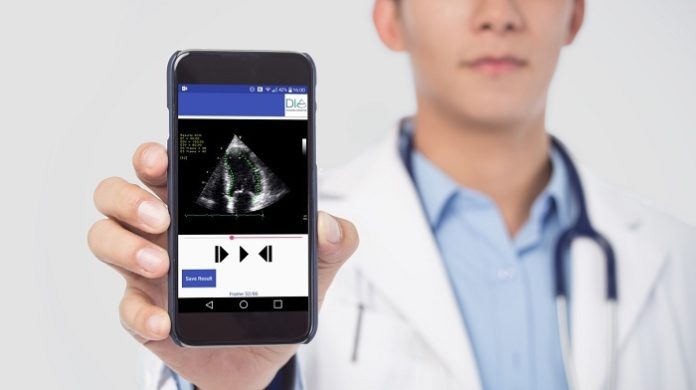
Terason, a leading global ultrasound imaging company based in Burlington, Mass., has partnered with DiA Imaging Analysis, a leading provider of Artificial Intelligence (AI)-based solutions for ultrasound analysis, to provide its cardiac solutions on Terasonโ€™s point-of-care ultrasound devices.

The partnership fills a market need for more accurate and objective image analysis for clinicians, in hospitals and outpatient settings, that commonly analyze ultrasound images visually.

DiAโ€™s flagship, FDA cleared and CE marked cardiac solution, LVivo Toolbox, leverages its pattern recognition, machine learning and deep learning-based technology to identify cardiac functions and abnormalities. LVivoโ€™s AI-based algorithms generate fast, quantitative and objective results that support cliniciansโ€™ decision-making process and reduce the subjectivity associated with cardiac ultrasound analysis.

โ€œLeft ventricle analysis represents the most frequent indication for an echo study and is pivotal for patient evaluation, management, and as an indicator for treatment initiation,โ€ says Dr. Alice Chiang, Terasonโ€™s CEO and founder and industry pioneer. โ€œWe always strive to offer users the most innovative solutions. By joining with DiA, we will empower users with our best-in-class devices together with DiAโ€™s most powerful automated algorithms, that provide superior solutions for managing patients with heart failure or cardiovascular disease.โ€

Since 2000, Terason has produced thousands of portable ultrasound systems, and has evolved to become a market leader in ultrasound-guided venous intervention. Its state-of-the-art ultrasound devices help clinicians to identify and treat a wide range of pathologies that can improve patient management.

Terason systems are routinely used in the fields of cardiology, vascular surgery, interventional radiology, endocrinology, nephrology, musculoskeletal (MSK), and breast surgery. In addition, Terason is the first company to turn a laptop into an ultrasound machine.

โ€œDiA and Terason have many shared values, and I am pleased that we have joined forces,โ€ said Hila Goldman-Aslan, DiAโ€™s CEO and Co-Founder. โ€œThe point-of-care ultrasound market is evolving quickly, and AI is driving this market. Partnering with Terason is another step toward accomplishing DiAโ€™s vision to make ultrasound analysis smarter and accessible to all.โ€

About Terason
Terason, a division of Teratech Corporation, is a global medical ultrasound imaging company headquartered in Burlington, Mass. Terason was the first to patent color portable ultrasound and is a market leader in ultrasound-guided venous intervention. Terason produces portable ultrasound products and technologies and has provided ultrasound systems to clinicians, hospitals, outpatient centers, and OEM partners since 2000. For more information, visit www.terason.com.

About DiA Imaging Analysis
DiA Imaging Analysis Ltd. is the leading provider of artificial intelligence (AI) powered ultrasound analysis solutions that make ultrasound analysis smarter and accessible. By using its advanced AI-based technology, DiA assists clinicians at all levels of experience to acquire and analyze ultrasound images โ€“ objectively and accurately, that improves patient management.

Boston Scientific Announces FDA Approval Of ImageReady MRI For Vercise Gevia Deep Brain Stimulation System

Boston Scientific Announces FDA Approval Of ImageReady MRI

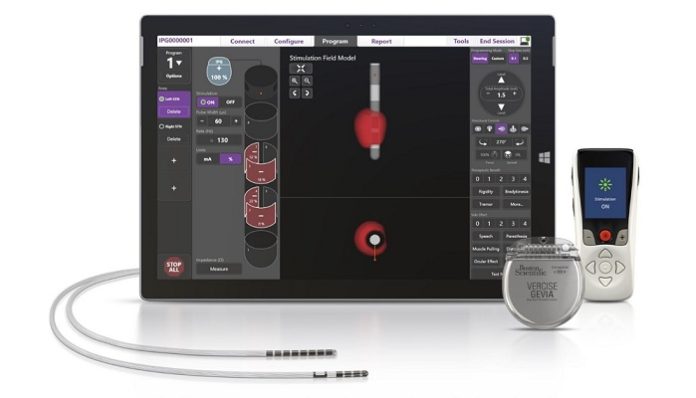
Boston Scientific Corporation announced the U.S. FDA approval of its ImageReady MRI labeling for the Vercise Gevia Deep Brain Stimulation (DBS) System to be used in a full-body magnetic resonance imaging (MRI) environment. This system, with the Vercise Cartesia Directional Lead, is designed to treat the symptoms of Parkinson’s Disease (PD) by delivering precisely targeted electrical stimulation in the brain to provide optimal symptom relief and better control of unwanted side effects.

An estimated ten million people worldwide are affected by Parkinson’s disease, causing symptoms such as shaking or tremors, muscle stiffness, and slowness of movement.2 DBS therapy helps patients with Parkinson’s disease control their symptoms and improve their quality of life. This FDA approval allows patients to undergo a full-body MRI while benefiting from the latest advances in DBS therapy including directional stimulation and a longer-lasting rechargeable battery.

“When evaluating which DBS system is best for each of my patients, I always consider the immediate and long term needs my patient might have so that we can effectively address a patient’s therapeutic needs even as their disease progresses,” said Dr. Robert Gross, MBNA Bowman Endowed Chair in Neurosurgery & Professor Department of Neurosurgery at Emory University. “Customizable therapy, battery life, the size of the device, and access to MRI are factors patients should talk to their doctor about when they are considering deep brain stimulation.”

Clinical evidence from the INTREPID study demonstrated that patients treated with the Vercise System sustained a 48% improvement in motor function as measured by the Unified Parkinson’s Disease Rating Scale (UPDRS) III scores over two years3, which is favorable to previous published reports (25%, Follett, 2010).

“Boston Scientific continually strives to deliver new solutions that advance the field of neuromodulation and most importantly, result in better outcomes for our patients around the world,” said Maulik Nanavaty, senior vice president and president, Neuromodulation, Boston Scientific.

The Vercise Gevia with Cartesia Directional Lead was approved by the U.S. FDA in January 2019, following the first-generation Vercise DBS System approval in December 2017. The ImageReadyโ„ข MRI Vercise Gevia System has also been commercially available in the European market since 2017.

About Boston Scientific
Boston Scientific transforms lives through innovative medical solutions that improve the health of patients around the world. As a global medical technology leader for more than 35 years, we advance science for life by providing a broad range of high performance solutions that address unmet patient needs and reduce the cost of healthcare. For more information, visit www.bostonscientific.com

GE Healthcare Partnership Takes Aim at Brain Aneurysms with AI

GE Healthcare, Fujitsu Australia, Macquarie University and Macquarie Medical Imaging announced a new research collaboration to diagnose and monitor brain aneurysms on scans faster and more efficiently using artificial intelligence (AI) .

The project has already received a Cooperative Research Centres Projects (CRC-P) grant of AU$2.1M from the Department of Industry, Innovation and Science.

Brain aneurysms are a common disorder caused by a weakness in the wall of a brain artery. Aneurysms are present in between two and eight percent of adults, with multiple aneurysms in more than 10 percent of those(1). Rupture of an aneurysm causes brain haemorrhage in 85 percent of cases(2), leading to death in 30-40 percent of people and 20 percent permanent disability in those who survive(3).

Fujitsu will lead the initiative and leverage its AI and digital solutions capability through its dedicated innovation team in Australia. GE Healthcare will contribute through its leading medical imaging technology. Macquarie University and Macquarie Medical Imaging will provide clinical expertise for the development and testing of the technology. Initially the project will focus on refining the technology with a view to creating a fully commercialised solution that will be distributed initially through radiology practices in Australia and eventually on a worldwide basis.

Mike Foster, Chief Executive Officer of Fujitsu Australia and New Zealand, said: โ€œWe are pleased to be part of this important โ€˜co-creationโ€™ initative that leverages the strengths of each of our partners, as well as Fujitsuโ€™s experience in AI to have a positive impact on peoplesโ€™ lives. AI in particular has the capability to make our daily lives more comfortable and contribute to solving difficult problems such as detecting serious medical issues early and allowing more timely treatment intervention. This is an excellent demonstration of Fujitsuโ€™s commitment to creating human-centric innovation together with our customers and partners to build a trusted future where everyone can feel safe.โ€

Matt Tucker, President and CEO GE Healthcare Australia & New Zealand, comments, โ€œAs the consequences of brain aneurysm rupture are often fatal, effective and expedient detection is crucial. Unfortunately screening and monitoring takes time and specialist expertise not afforded by every radiology practice. The application of AI can give doctors better insights more quickly and produce fewer variable results. We are proud to be part of this program that will transform brain aneurysm diagnosis and improve patient outcomes.โ€

Professor Patrick McNeil, Deputy Vice Chancellor Medicine and Health and Executive Dean, Faculty of Medicine and Health Sciences, Macquarie University, said, โ€œThis is an excellent example of the MQ Health model of โ€œHeal, Learn and Discoverโ€ in action with industry. Macquarie University, with its own hospital and clinical expertise is well placed to actively contribute to the development of applied medical innovations and welcomes the opportunity to work with leading information technology, healthcare and diagnostic companies such as Fujitsu, GE Healthcare and Macquarie Medical Imaging.โ€

Professor John Magnussen, Diagnostic and Interventional Radiologist at Macquarie Medical Imaging, said, โ€œThis is an amazing opportunity to be able to address the problem of the rapid and accurate diagnosis of brain aneurysms. Even in ideal circumstances, detecting brain aneurysms is time and expertise intensive and missed aneurysms can have terrible outcomes. By creating an AI assistant to automatically flag potential aneurysms and allow for accurate follow-up, we can make a huge difference to patient care.”

As a part of the project, Fujitsu will apply AI methods to images of the brain generated by GEโ€™s Revolution CT scanner, and use a specifically-trained algorithm to look for abnormalities and aneurysms.

Outcomes from this project are anticipated to include the development and validation of an AI algorithm capable of highlighting blood vessels within the circle of Willis, an arterial ring sited at the base of the brain, that may have one or more aneurysms.

This technology will also allow the tracking of identified aneurysms over time, providing radiologists with a valuable diagnostic support tool and patients with greater peace of mind that known aneurysms are being effectively monitored over the long term.

A second element to the project will include a planning tool for surgical (stent) intervention. This tool will use fluid dynamic modelling to predict the risk of aneurysm rupture.

Translate ยป