










Close
Digital Health & Ai Innovation summit 2026
Medical Taiwan 2026

When an Accident Changes Everything: Adapting to Life After Serious Injury

Adapting to life after serious injury

One moment everything is normal. The next, your whole life looks different.

A catastrophic injury isn’t just damaging to your body. In an instant, your daily life, your finances and your future can be turned completely upside down. What’s worse? These accidents are happening every day to thousands of individuals.

The good news is you can adapt. You can build a new normal with proper support and planning. You can do this…even after life changes.

Here’s how to do it…

Here’s the game plan:

  1. The Real Cost Of A Serious Injury
  2. Rebuilding Your Daily Life
  3. Protecting Your Finances
  4. Looking After Your Mental Health
  5. Building Your Support Team

The Real Cost of a Serious Injury

Most people think a serious injury is just a hospital visit. They’re wrong.

You go home with a life-changing injury. It affects how you walk, how you work and how you make a living. The stats around it are honestly staggering.

The Social Security Administration estimates that 1 in 4 of today’s 20-year-olds will become disabled before reaching retirement age. That’s not something that rarely happens. That’s a coin flip you don’t want to come up wrong.

That’s why it’s beneficial to know your rights ahead of time. If someone else’s negligence caused your injuries, you may be entitled to compensation—and you shouldn’t have to fight for it by yourself. When you hire a contingency fee lawyer that takes your case without charging you anything up front, you can take the time to focus on recovery while they focus on your case. Before you sign any paperwork or accept a settlement offer, take a few minutes to talk to a Dallas personal injury lawyer who works on contingency.

Why does this matter so much?

Contingency fee lawyers only get paid if you win. This eliminates financial concerns. You won’t owe hourly fees, retainers, or put yourself at risk of losing everything just to see justice.

Rebuilding Your Daily Life

Hurting yourself badly is one thing. Losing your independence is quite another.

The simple tasks become hard to do. Things you took for granted. Putting on clothes. Going up and down stairs. Driving to the store.

The thing is… You CAN adjust. Look around your room. Just make small changes. You will see how different your day can be:

  • Install grab bars and railings: Use these on walls to help you safely navigate bathrooms, stairs and hallways.
  • Shift things around: Have what you need most often closest to you without having to reach for it.
  • Use mobility aids: Using walkers, canes, and wheelchairs isn’t losing. They’re your freedom enhancers.
  • Establish a recovery zone: Choose one comfortable location with all your supplies within reach.

You don’t have to do everything like you used to. Find new ways of doing things that work for your body now. And that is perfectly fine.

Protecting Your Finances

Time to talk about the part nobody likes to talk about. Money.

When you suffer a serious injury, two financial problems hit you simultaneously. Your medical expenses increase, while your ability to work decreases. It’s a toxic combination.

The numbers are sobering. 27% of American adults have a disability. Many were unprepared for how much it impacted their income. Most families aren’t prepared for disability.

So what can you do to protect yourself?

First, get organized. Track every single expense related to your injury. That includes:

  • Hospital and doctor bills
  • Medication and equipment costs
  • Travel to and from appointments
  • Lost wages from missed work

They’re important records. Not just for budgeting, but also as proof if you choose to file a claim.

Two, don’t take the first offer that drops into your lap. Insurance companies tend to low-ball scared and desperate injured people. A contingency fee lawyer understands the true value of your claim.

Disclaimer: Good legal representation can make the difference between a settlement that will take care of your future or one that will be exhausted in 6 months.

Looking After Your Mental Health

Here’s something most people overlook…

When you suffer a catastrophic injury, it’s not just your body that experiences trauma. Your mind can take a beating as well, and that matters just as much.

Consider. You have lost your normality. You may have lost your job. You may have lost your sense of self. That’s a heavy burden to deal with. Anxiety, frustration and even depression are completely normal feelings to have after a serious accident.

How to care for your mental health when recovering. Treat it like your physical health. Here are a few that actually help:

  • Speak to a professional: Therapists and counsellors can help you work through significant life changes.
  • Don’t isolate yourself. Seek out friends and family who care about you.
  • Break your goals down into smaller milestones. Small victories create momentum and allow you to feel like things are progressing.
  • Be patient with yourself: Healing isn’t a straight line, and that’s perfectly normal.

You don’t deserve to feel bad for struggling. You’re human. Asking for help is one of the bravest things you can do.

Building Your Support Team

You can’t do this alone. And honestly? You shouldn’t have to.

Here’s who should be on your support team when recovering from a serious injury. All of the people who have the best recovery from a serious injury have one thing in common. A great support team around them. You want to build a team of people around you that have the right balance of:

  • Medical professionals who guide your physical healing
  • A contingency fee lawyer who protects your legal rights
  • Family and friends who offer day-to-day support
  • A mental health expert who looks after your emotional wellbeing

Everyone completes a hole that nobody else can fill for you. They allow you to piece together what you need to start over.

The reality is recovery is hard work. However, if you have the right team around you it is much easier.

The Bottom Line

A serious injury changes everything. There’s no point pretending otherwise.

However, change doesn’t have to equal failure. With some home adjustments, financial protection, mental health care and assembling the correct team, you can create a new normal for yourself.

To quickly recap, focus on these key moves:

  • Understand the true cost of your injury
  • Adapt your routine and living space
  • Track expenses and protect your money
  • Look after your mental health
  • Lean on a strong support team

And don’t forget legal action. Hire a contingency fee lawyer to relieve financial stress and fight for your deserved compensation – allowing you to focus on what’s important. Your recovery


Why Muscle Preservation Is Becoming a Preventive Health Priority

muscle preservation preventive health

After age 30, adults lose three to eight percent of their muscle mass per decade. By age 60, that loss accelerates. What once seemed like an inevitable part of aging is now recognized by healthcare systems as a preventable condition with far-reaching implications for longevity, independence, and quality of life. The medical community is shifting its approach from treating the consequences of muscle loss to preventing it in the first place.

The Science Behind Sarcopenia and Age-Related Muscle Loss

Sarcopenia, the clinical term for age-related muscle loss, affects approximately 10 percent of adults over 60 and up to 50 percent of those over 80. The condition isn’t just about aesthetics or strength. It directly impacts metabolic health, bone density, balance, and the body’s ability to recover from illness or injury.

What Happens at the Cellular Level

Muscle tissue exists in a constant state of turnover. Muscle protein synthesis builds new proteins, while muscle protein breakdown removes damaged ones. In healthy young adults, these processes balance out. With age, the balance tips. Synthesis slows down while breakdown continues at the same rate or accelerates.

Several mechanisms drive this shift. Aging cells become less responsive to anabolic signals like insulin and amino acids. Mitochondrial function declines. Chronic low-grade inflammation increases. Hormonal changes, including drops in testosterone and growth hormone, reduce the body’s capacity to maintain muscle tissue. The result is a gradual but measurable loss of both muscle mass and strength.

The Metabolic Consequences

Muscle tissue is metabolically active. It stores glucose, regulates blood sugar, and burns calories even at rest. When muscle mass declines, insulin sensitivity drops and resting metabolic rate decreases. This creates a cascade: weight gain becomes easier, blood sugar regulation becomes harder, and the risk of metabolic diseases increases.

The loss of muscle also affects protein reserves. During illness or recovery from surgery, the body breaks down muscle to access amino acids for immune function and healing. People with low muscle mass entering a hospital stay have worse outcomes and longer recovery times.

Why Healthcare Systems Are Prioritizing Muscle Health

The Falls and Fractures Crisis

Falls are the leading cause of injury-related death in adults over 65. Each year, one in four older adults falls, and 20 percent of those falls result in serious injury. Weak muscles contribute directly to fall risk through reduced strength, impaired balance, and slower reaction times.

Hip fractures alone cost the U.S. healthcare system over $12 billion annually. More significantly, 20 to 30 percent of hip fracture patients die within a year, often from complications related to immobility. Healthcare systems now see muscle preservation as a strategy to reduce this preventable burden.

Muscle as a Metabolic Organ

Research increasingly frames skeletal muscle as an endocrine organ that secretes signaling molecules affecting metabolism, inflammation, and even brain health. Higher muscle mass correlates with better glucose control, reduced risk of type 2 diabetes, and improved cardiovascular outcomes.

Maintaining muscle appears to protect against multiple chronic conditions simultaneously. That makes it an efficient intervention point. Rather than addressing diseases one at a time, preserving muscle mass may prevent several at once.

Nutritional Strategies for Maintaining Muscle Mass

Daily Protein Targets

Protein requirements increase with age. While the general recommendation sits at 0.8 grams per kilogram of body weight, research suggests older adults need 1.0 to 1.2 grams per kilogram to maintain muscle mass. For a 70-kilogram adult, that’s 70 to 84 grams of protein daily.

Distribution matters as much as total intake. Muscle protein synthesis responds to individual meals, not cumulative daily protein. Eating 20 to 30 grams of protein per meal, spread across three meals, triggers muscle protein synthesis more effectively than eating most protein at dinner.

Protein Quality Matters

Protein Quality Matters

Complete proteins containing all nine essential amino acids support muscle protein synthesis more efficiently than incomplete proteins. Animal sources like eggs, dairy, and meat provide complete amino acid profiles. Among proteins, beef protein delivers a particularly high concentration of leucine, the amino acid that triggers the muscle-building response.

A 2017 study in Nutrients found that whey protein supplementation combined with resistance training significantly increased lean muscle mass in older adults compared to resistance training alone. The leucine content, rapid absorption, and complete amino acid profile make whey effective for meeting higher protein needs, especially when whole food intake falls short.

Plant proteins can work too, but they often require larger portions to reach the leucine threshold needed to stimulate muscle protein synthesis. Combining plant sources rice and peas, beans and grains improves amino acid profiles.

Exercise Interventions That Preserve Muscle

Exercise Interventions That Preserve Muscle

Starting a Safe Resistance Program

Resistance training remains the most effective intervention for preventing and reversing muscle loss. Progressive resistance exercise stimulates muscle protein synthesis, increases muscle fiber size, and improves neuromuscular function. Studies show that even adults in their 80s and 90s respond to resistance training with measurable strength gains.

Frequency and consistency matter more than intensity. Training each major muscle group twice per week with moderate loads produces results. A basic program might include squats, pushes, pulls, and carries. Bodyweight exercises work for beginners. Dumbbells, resistance bands, or machines add progression as strength improves.

Progressive Overload Principles

Muscles adapt to stress by getting stronger. To continue making gains, workouts must gradually increase in difficulty. This doesn’t mean lifting maximum weight every session. Progressive overload can mean adding one more repetition, increasing resistance slightly, or improving form and range of motion.

The key is avoiding stagnation. Doing the same workout with the same weight for months will maintain current muscle mass but won’t build new tissue. Small, incremental increases over time produce sustainable results without excessive fatigue or injury risk.

Integrating Muscle Preservation Into Routine Healthcare

What to Expect at Your Next Physical

Some healthcare systems now include muscle health screenings in annual checkups for older adults. These assessments may include grip strength tests, gait speed measurements, or questions about difficulty with daily tasks like rising from a chair or carrying groceries.

Biomarkers like serum creatinine and specific muscle enzyme levels can indicate muscle turnover rates. Imaging techniques including DEXA scans measure body composition, quantifying lean mass versus fat mass. These tools help identify early muscle loss before functional impairment becomes obvious.

Beyond the Doctor’s Office

Community programs focused on muscle preservation are expanding. Senior centers offer resistance training classes. Physical therapists design home exercise programs for adults with mobility limitations. Registered dietitians provide nutrition counseling tailored to protein needs and appetite challenges common in older adults.

Public health campaigns now emphasize strength training alongside cardiovascular exercise. The message is shifting from “stay active” to “lift weights, eat protein, and maintain your muscle mass throughout life.”

The Preventive Healthcare Paradigm

Muscle preservation represents a shift from reactive to proactive healthcare. Instead of treating fractures after they happen or managing diabetes once it develops, the focus is on maintaining the physiological systems that prevent those outcomes. Small interventions today compound over decades.

Eating adequate protein at every meal, lifting weights twice a week, and staying active between sessions aren’t radical interventions. They’re accessible strategies with strong evidence backing their effectiveness. As healthcare systems recognize muscle mass as a modifiable risk factor for multiple chronic diseases, muscle preservation is moving from niche concern to standard preventive care.

The Link Between Patient Safety Culture and Fewer Diagnostic Errors

patient safety culture reduces diagnostic errors

Want to know what really keeps patients safe inside a hospital?

It’s not robots and high-tech scans. It’s something much less visible hospital culture. How physicians, nurses and other staff communicate, collaborate and admit errors can greatly affect how frequently a diagnosis fails.

And the numbers are hard to ignore.

A large study from Johns Hopkins put the annual number of Americans killed or permanently disabled by diagnostic error at 795,000 Americans. Wow. This is a big problem. Clearly shows how important hospital culture is.

So here’s the big question…

Can improving your safety culture bring those numbers down? Absolutely. When safety fails, patients bear the consequences. Sometimes they file a doctor negligence claim. Patients harmed by a delayed or missed diagnosis may consult the Verdict Victory misdiagnosis team to learn more about their legal options and whether filing a doctor negligence claim is right for them.

Let’s break down exactly how all of this connects.

What you’ll uncover:

  • What Patient Safety Culture Really Means
  • Why Diagnostic Errors Keep Slipping Through
  • How A Safety-First Culture Cuts Errors
  • What It All Means For You As A Patient

What Patient Safety Culture Really Means

Patient safety culture is the shared mindset inside a healthcare setting.

Culture is how every person-from senior surgeon to newly hired nurse-thinks and acts with regards to safety. When culture is strong, individuals feel empowered to speak up, report errors and solve problems before they ever affect a patient.

Think of it like this:

Where there is a weak safety culture, employees conceal errors for fear of punishment. Where there is a strong safety culture, employees disclose errors transparently so everyone can learn. That one culture shift can determine whether patients receive timely and accurate diagnoses.

A healthy safety culture usually includes:

  • Open communication: Staff share concerns without fear of blame.
  • Real teamwork: Doctors and nurses work together, not in silos.
  • Learning from errors: Mistakes get studied, not buried.

If these things are utilized, deadly pathogens are caught sooner. And sooner is always safer.

It seems easy. Aligning an entire hospital to think this way proved much more difficult than it appears. Set ways, ego and culture of blame got in the way. That is why so many hospitals are still failing at it today.

Why Diagnostic Errors Keep Slipping Through

Here’s something most people don’t realise…

Diagnostic errors are rarely caused by a single reckless physician. Instead, faulty systems are usually responsible. Bad handoffs between shifts, hurried appointments, and unchecked test results contribute.

That same Johns Hopkins study showed that 15 conditions stroke, sepsis and several types of cancer among them cause roughly half of all serious injuries. Failure to diagnose stroke was No. 1 on the list.

Why does this matter so much?

These are common diseases that get missed far too often. Many times they lead right back to a poor safety culture and red flags were missed with no one identifying them.

Mistakes go unreported when employees feel unsafe speaking up. Seriously, it is that simple.

How A Safety-First Culture Cuts Errors

OK, now for the fun part – how great safety culture actually prevents these errors.

Open Reporting Without Blame

The biggest win comes from a “no-blame” reporting system.

If employees don’t fear retribution for errors, they will disclose them. That data is then utilized to identify trends and address vulnerabilities so another patient isn’t harmed.

Hospitals that foster this kind of trust discover issues sooner. The sooner an issue is discovered, the less harm it can cause.

Stronger Team Communication

A lot of diagnostic errors happen during handoffs…

It’s hand-off when one group relinquishes care of a patient to another group. If information is lost during hand-off, then the physician or health care provider taking over care is flying blind. An effective safety culture has standardized processes for communicating information.

Better communication means fewer missed clues and fewer missed diagnoses.

Second Opinions And Double Checks

The best safety cultures actively encourage staff to question each other.

If a nurse sees something doesn’t seem right they should feel empowered to question a doctor. A second set of eyes on a difficult diagnosis can mean the difference between identifying a stroke and overlooking it.

No offense intended to anyone’s abilities. It’s just about putting some nets where they’re needed.

What It All Means For You As A Patient

So what does this mean if you’re the one lying on the table?

The honest truth? It’s nowhere near perfect. Experts estimate that reducing diagnostic errors by half for five common conditions could eliminate about 150,000 deaths and lifelong disabilities annually. Hospitals have just started tapping into this massive opportunity.

Until safety culture becomes a priority everywhere, patients must remain vigilant. You can’t expect hospitals to police themselves. The best you can do is to take care of yourself by being actively involved in your care. Here’s how:

  • Ask plenty of questions about your diagnosis
  • Request a second opinion when something feels off
  • Keep your own copies of every test result

If you had a diagnosis that was missed or delayed and it resulted in significant injury to you, you have rights. Filing a doctor negligence claim isn’t just about compensation – it’s about responsibility and making the entire system better.

Regrettably, faulty safety cultures continue to foster the same preventable errors repeatedly. Accountability through a doctor negligence lawsuit is one of the few ways to effect actual change.

Bringing It All Together

The link between patient safety culture and fewer diagnostic errors is crystal clear.

When hospitals foster a culture of transparency, collaboration and honest learning, diagnoses get better and patients are safer. When they don’t, the consequences can be horrific and all too frequent.

To quickly recap:

  • A strong safety culture means staff report and learn from mistakes
  • Most serious harm comes from a small group of missable diseases
  • Open reporting, good communication and second opinions all save lives
  • Patients should stay informed and know their rights

The bottom line? Safety culture is not “nice to have.” It’s how patients stay alive. And when it fails, sometimes a doctor negligence claim is what it takes to get a hospital serious about diagnosis.

Innovations in Liver Health: How Clinics Can Spot NAFLD and NASH Without Invasive Procedures

noninvasive liver assessment for NAFLD and NASH

Thanks to the advancement of technology, clinics can now use noninvasive procedures to identify early warning signs of nonalcoholic fatty liver disease (NAFLD) and nonalcoholic steatohepatitis (NASH). A combination of blood-based fibrosis scores and noninvasive imaging technologies such as MRI and FibroScan is available to help you assess liver health more quickly and comfortably.

Why Is Early Detection of NAFLD and NASH a Clinical Priority?

NAFLD is also known as metabolic dysfunction-associated steatotic liver disease and is now one of the most common causes of liver disease in the U.S. It affects an estimated 38% of the population a number that has climbed by 50% over the past 30 years. This growth brings a difficult reality, where many patients are living with liver diseases without knowing it.

Early-stage NAFLD causes little to no symptoms, meaning the disease can lead to its more severe form NASH. NASH can get worse and cause cirrhosis, fibrosis, liver cancer and liver failure. Timely diagnosis is important because intervention is most effective before irreversible liver damage occurs. However, despite the increasing burden of liver-related morbidity and mortality worldwide, NAFLD remains underdiagnosed.

When patients are identified later in the disease pathway, they usually need more intensive interventions, specialist referrals and long-term monitoring. Earlier detection gives you more opportunities to introduce lifestyle changes, monitor progression over time and potentially reduce the risk of severe complications before they become harder to manage.

The Problem With Traditional Liver Biopsies

For decades, liver biopsy has served as the gold standard for diagnosing NAFLD and NASH. Although the procedure can provide detailed histological information, it also presents several practical limitations that make it difficult to incorporate into routine screening or monitoring.

The most obvious challenge is invasiveness. During a biopsy, you need to insert a needle into the liver. This can be intimidating for many patients, even when you assure them that the area will be numbed using a local anesthetic. Some people may postpone testing or avoid it altogether because they’re concerned about discomfort, potential complications and recovery time. When you’re already dealing with a condition that generally develops silently, delays in evaluation can make timely intervention more difficult.

Liver biopsy can be expensive and resource-intensive, too. It usually requires specialized staff, additional procedural scheduling and post-procedure observation. If your healthcare system is already managing increasing patient volumes, relying heavily on invasive testing may delay diagnosis and follow-up care.

Additionally, it can be difficult to monitor disease progression over time with a liver biopsy. This procedure isn’t ideal for frequent assessments due to its invasive nature.

What Are the Best Noninvasive Liver Assessment Devices for a Specialty Clinic?

If you want to identify early signs of NAFLD or NASH without relying on invasive procedures, today’s liver assessment technologies offer several noninvasive options that can fit into routine clinical workflows. Most of these fall into two main categories blood-based assessments and imaging-based technology.

Some clinics begin with routine blood testing. Elevated alanine aminotransferase and aspartate aminotransferase levels can signal possible liver disease, while scoring systems such as FIB-4 or APRI help estimate the likelihood of advanced liver fibrosis using existing laboratory results.

Imaging technologies can provide more insight into liver health. These include:

  • Abdominal ultrasound: You may use this as the first imaging test when you suspect liver disease. It uses painless sound waves to create images of the liver’s structure.
  • MRI and CT scans: These can give you more detailed images and may be better at detecting excess liver fat and cirrhosis.
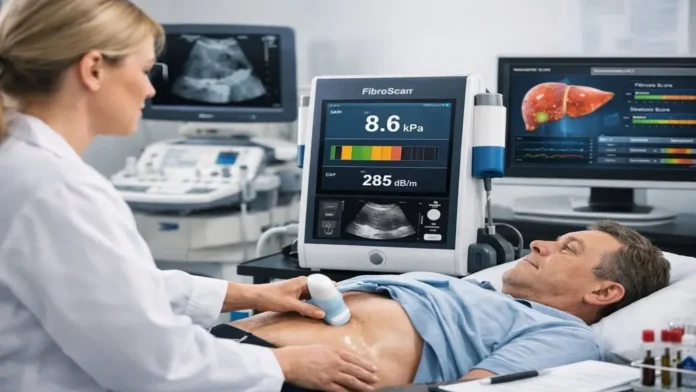
  • Elastography (FibroScan): This noninvasive test uses a handheld transducer and sound waves to quickly and painlessly assess liver stiffness and steatosis.

The biggest advantage of these technologies is that they make earlier liver assessments more accessible. The devices can help evaluate patients faster, improve comfort during testing and make ongoing monitoring more practical within everyday outpatient settings.

How Does FibroScan Compare to Other Noninvasive Liver Tests?

Among noninvasive technologies available, FibroScan from Echosens has become one of the most widely recognized technologies for assessing liver stiffness and steatosis. Unlike liver biopsies, the process is fast and generally more comfortable for patients. Plus, you can provide results immediately during the consultation.

FibroScan by Echosens is supported by more than 5,384 publications and over 250 international guidelines. It’s now available in more than 127 countries, so clinics around the world can offer noninvasive liver examinations.

Compared with blood-based fibrosis scores alone, FibroScan provides direct measurements of liver stiffness and fat accumulation, which can provide additional insight when evaluating disease progression or patient risk. MRI-based liver imaging may give you detailed information, but it can be more expensive, less accessible and harder to scale across routine outpatient systems.

Echosens powers FibroScan with patented biomarkers including LSM by VCTE for fibrosis assessment and CAP for steatosis assessment. The company offers several FibroScan models, as well, including portable and fully transportable systems to suit different healthcare environments. If your clinic is looking to reduce reliance on invasive testing while improving access to liver assessment, FibroScan is a scalable point-of-care solution.

Frequently Asked Questions

If you’re still curious about identifying early signs of NAFLD or NASH without invasive procedures, the following may help answer some of your questions.

Can non invasive liver tests fully replace biopsies?

You may still need a liver biopsy in certain complex clinical cases, particularly when detailed histological analysis is required. However, more and more clinics are now using noninvasive liver assessment tools as first-line screening, fibrosis assessment and ongoing monitoring methods.

Which patients are most suitable for noninvasive liver screening?

Patients with obesity, type 2 diabetes, metabolic syndrome, cardiovascular risk factors or persistently elevated liver enzymes are usually considered good candidates for noninvasive liver assessment.

What operational benefits do noninvasive liver assessment tools offer clinics?

Noninvasive technologies may help reduce referral delays, improve workflow efficiency, increase patient participation in screening programs and support earlier intervention strategies within outpatient settings.

The Future Looks Less Invasive

Liver disease management is moving toward preventive, patient-centered care models that prioritize accessibility, efficiency and early intervention. Noninvasive liver assessment technologies are changing how clinicians evaluate fibrosis and steatosis, making it possible to detect risk earlier without relying heavily on invasive procedures.

A Closer Look at Current and Emerging Chronic Lymphocytic Leukemia Treatments

chronic lymphocytic leukemia treatments and research

Chronic lymphocytic leukemia (CLL) is a type of leukemia and the most common form of cancer affecting adults. It is a slow-growing cancer affecting the blood and bone marrow and involves white blood cells called lymphocytes. Some people may live for many years with symptoms, while others may need treatment for their disease.

Recent advances have changed how some patients with this disease are managed and treated. More targeted therapies have been developed that target specific pathways. For some individuals, additional therapies can be used to target the disease while specific measures are in place to decrease your risk of infection. Additionally, management of CLL is no longer simply a matter of waiting for symptoms to appear. Techniques to predict how long a person may live with the disease have been established. A broad range of advanced therapies are now available to help individuals manage their condition with optimal quality of life. These treatment options are constantly evolving as new research emerges.

Understanding Chronic Lymphocytic Leukemia

Unlike other cancers which are typically identified based on their symptoms, Chronic Lymphocytic Leukemia or CLL is often diagnosed incidentally. Most individuals discover they have the disease during a routine blood test and have not shown any symptoms at the time. Gradually, however, the disease may get worse, robbing victims of their physical well-being, deplete their financial resources, and disrupt their personal, spiritual, and professional worlds.

Some common symptoms associated with CLL may include:

  • Fatigue
  • Swollen lymph nodes
  • Frequent infections
  • Night sweats
  • Unexplained weight loss
  • Easy bruising or bleeding

After diagnosis, most patients do not require treatment right away. Some patients may be entered into an active monitoring pathway, called watchful waiting, until signs and symptoms of a disease develop.

When Treatment Becomes Necessary

Decisions about starting treatment, in addition to being individualized based on symptoms, blood counts, overall health and disease progression, often require careful consideration of potential benefits and risks.

Doctors may recommend treatment if a patient experiences:

  • Significant fatigue affecting daily life
  • Enlarged lymph nodes or spleen
  • Rapidly increasing lymphocyte counts
  • Recurrent infections
  • Low red blood cell or platelet levels

The treatment of bladder cancer is not always intended to be curative. The focus is on control of the disease, relief of symptoms, and continuation of good quality of life. Treatment of bladder cancer also helps to delay the progression of the disease.

Traditional Approaches to CLL Treatment

For many years, chemotherapy-based approaches have been the main-stay of treatment for patients with CLL. This class of drugs are designed to kill rapidly dividing cancer cells that are found throughout the body. Chemotherapy is often paired with other types of therapies, and one of the most common is chemoimmunotherapy, or chemotherapy given with certain immunotherapy drugs. These medications boost the body’s own immune system to recognize and attack tumor cells more effectively.

Traditional treatment approaches may include:

  • Chemotherapy combinations
  • Monoclonal antibody therapies
  • Immunotherapy-based regimens
  • Stem cell transplantation in select cases

Even after they were taken off the market, these medications continued to be used for some patients with CML but more targeted options for treating this disease have since come to the forefront.

The Rise of Targeted Therapies

There has been significant progress in the development of effective and safe chronic lymphocytic leukemia treatments. In addition to advances with traditional chemotherapy options, targeted therapies have emerged as novel treatments that specifically target proteins or pathways critical for leukemia cell survival. These CLL targeted treatments target to disrupt cancer cell function. They are designed to have minimal harm to normal body cells.

Common targeted therapy approaches include:

  • BTK inhibitors
  • BCL-2 inhibitors
  • PI3K inhibitors

BTK (BRCR-ABL-TYK2 like) inhibitors have emerged as major therapeutic options for the treatment of patients with chronic lymphocytic leukemia (CLL) as these agents target biological pathways crucial for the expansion and survival of malignant B cells and have the potential to transform management of this disease. Targeted therapies are often taken in pill form and offer patients an alternative and often more convenient form of treatment when compared to other forms of therapy.

Understanding BTK Inhibitors in CLL

Bruton’s tyrosine kinase (BTK) is essential for the development and survival of malignant B cells in CLL. BTK inhibitors aim to intervene in this pathway leading to a slowing or stopping of the disease progression. In addition to the chemokine receptor antagonists, several BTK inhibitors have entered clinical trials and are now approved for the treatment of CLL in both newly diagnosed and relapsed / refractory patients.

Abstract goal(s) of therapy – Potential benefits associated with BTK inhibitor therapy:

  • Long-term disease control
  • Improved progression-free survival
  • Oral treatment convenience
  • Reduced reliance on traditional chemotherapy

In addition to the generations of BTK inhibitors already in research and development clinical, newer generations are being developed with improved selectivity to mitigate side effects and other toxicities.

Emerging Therapies and Ongoing Research

Research into chronic lymphocytic leukemia treatments is advancing rapidly. Scientists and clinicians are seeking to improve the effectiveness of current treatments, to decrease toxicity and to prevent resistance.

Some emerging areas of research include:

  • Next-generation targeted therapies
  • Combination treatment strategies
  • CAR T-cell therapy
  • Personalized medicine approaches
  • Novel immunotherapies

Having multiple ingredients in a cancer treatment is becoming more common, according to experts. Each drug may treat cancer in a different way. And with tomorrow’s treatments, your doctor may soon be able to tell which combination, and even which is most effective for you based on your genetic make-up and your disease.

In addition to the standard treatments for leukemia, there are many clinical trials, which are an important means of advancing the field and may also offer treatment in trials to patients currently eligible for participation.

Managing Side Effects During Treatment

Though advances have been made to decrease some of the “bad” aspects of chemotherapy, in most cases, there can be some degree of adverse reactions when utilizing this form of cancer therapy. Side effects from chemotherapy, as with any other medicinal treatment, typically depend on the drug(s), dosage(s), and the overall health of the patient.

  • feeling tired or having less energy, fever, infection (including respiratory tract infections, such as pneumonia, which can be serious), nausea, vomiting, diarrhea, stomach pain, and loss of appetite.
  • Fatigue
  • Increased infection risk
  • Bruising or bleeding
  • Nausea
  • Diarrhea
  • Joint or muscle discomfort

Side effects should be managed for long-term care of patients. Patients and their families should recognize any side effects that may become problematic and communicate these findings to their healthcare provider.

Supportive care strategies may include:

  • Proper nutrition and hydration
  • Regular monitoring and blood tests
  • Physical activity within safe limits
  • Stress management techniques
  • Preventive infection measures

The Importance of Personalized Treatment Plans

Since every patient with CLL is unique, the management of individual cases requires consideration of a host of variables, including age, overall health, genetic features, and prior therapy. Additional factors, such as lifestyle considerations, also must be weighed.

Every patient is different, so is the treatment plan must reflect that. That’s why approach is always individualized. Your plan will likely incorporate a variety of treatments depending on your specific case.

  • Disease stage and progression
  • Genetic mutations
  • Patient age and health status
  • Previous treatment response
  • Long-term treatment goals

This approach allows healthcare providers to select therapy options that match an individual patient’s situation best.

Looking Ahead in CLL Care

Ongoing research continues to evaluate new treatment approaches for CLL. Advances in targeted therapies, immunotherapies, and more personalized approaches to treating and managing individual forms of leukemia continue to occur.

While there are still many battles to fight with this aggressive and insidious disease, in some cases, CLL is managed with ongoing monitoring and treatment. Researchers continue to work hard at developing new therapies that are more effective, better tolerated, and lead to longer durations of response. There’s a steady flow of important developments concerning chronic lymphocytic leukemia, and as the disease is better understood, advanced treatments are expected to emerge that will be personalized, targeted, and more than focused on patient survival quality of life, worldwide.

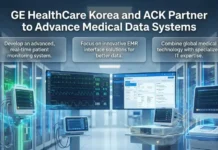
GE HealthCare Korea and ACK Partner to Advance Medical Data Systems

GE HealthCare Korea and ACK Partner to Advance Medical Data Systems

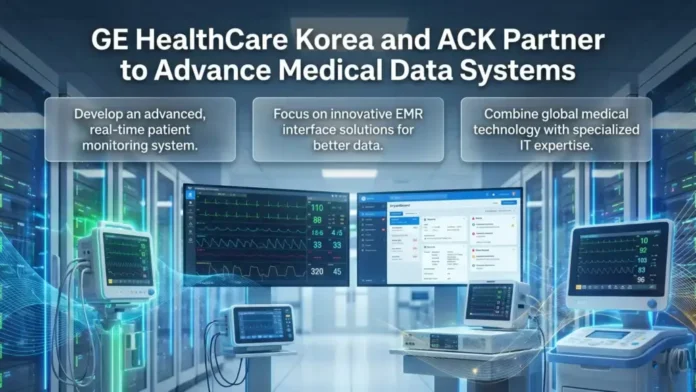
GE HealthCare Korea has entered a memorandum of understanding (MOU) with ACK to develop an advanced real-time patient monitoring system centered on an EMR interface. The agreement, signed last Thursday at ACK’s headquarters, unites the global medical technology capabilities of GE HealthCare with the specialized expertise of a domestic provider of medical IT solutions.

Under the framework of this MOU, the organizations aim to build a strong digital healthcare infrastructure for medical institutions. By focusing on continuous patient monitoring, the collaborative system will connect and consolidate data generated across diverse medical devices. This centralized approach enables consistent real-time patient monitoring capabilities designed to support clinical workflows and optimize the use of medical IT solutions.

The primary objective of the alliance is to equip healthcare facilities with a unified digital healthcare environment. As clinical teams rely on timely information, the integrated EMR interface system is expected to help physicians and nurses promptly identify early signs of patient deterioration. Responding quickly to patient deterioration is a critical factor in improving clinical outcomes and overall care delivery.

The development process will heavily rely on ACK’s specialized experience. Founded in 1999, ACK is recognized for delivering targeted systems for patient monitoring and other data needs, including laboratory information systems (LIS), laboratory medicine consulting, and customized equipment integration. This background provides the technical foundation required for effective and immediate observation platforms.

  • Key executives attending the signing included ACK CEO Cho Seon-joo, Executive Director Hwang Tae-ho, and Director Kim Yoon-ho.
  • GE HealthCare Korea was represented by CEO Kim Yong-duk and Lee Heung-ki, head of the Patient Care Solutions division.

Kim Yong-duk emphasized that the partnership reflects a collaborative effort to elevate the clinical environment by merging domestic technological strengths with global capabilities. He stated that working with ACK is anticipated to enhance the connectivity and usability of medical data, directly benefiting both healthcare professionals and individuals undergoing real-time patient monitoring.

GC Biopharma Builds AI System for Hemophilic Arthropathy

Hemophilic Arthropathy

GC Biopharma has been selected for Korea’s Ministry of Health and Welfare’s Advanced Bio Convergence Talent Development Project to create the world’s first AI-based clinical decision support system designed specifically to forecast hemophilic arthropathy. Currently, standardized models capable of quantitatively assessing the long-term risk of joint deterioration remain limited in practice. This initiative addresses that clinical gap by applying a Hemophilia Joint Damage AI directly into standard treatment workflows.

The development will leverage three decades of accumulated real-world data from Korean hemophilia patients, along with approximately 3,000 specific X-ray images. By utilizing machine learning algorithms, GC Biopharma is constructing a predictive model that analyzes multiple clinical variables. These variables include the patient’s age, historical prophylactic treatment records, and existing levels of joint damage to calculate the future progression of hemophilic arthropathy.

Through this predictive model, healthcare providers will receive actionable data generated by the clinical decision support system, facilitating more precise intervention strategies based on robust AI analytics.

The company has outlined a multi-phase timeline for the Hemophilia Joint Damage AI system:

  • Completion of the core predictive model by the end of 2026.
  • Development of the X-ray interpretation technology and the initial clinical decision support system prototype next year.
  • Finalization of the complete system by 2028, coinciding with patent applications and regulatory approval submissions to the Ministry of Food and Drug Safety.

“Using AI technology, we expect to predict joint damage in hemophilia patients at an earlier stage and support personalized treatment decisions,” stated Choi Bong-gyu, director of GC Biopharma’s AI & Data Science division. The deployment of this technology will serve to manage hemophilic arthropathy more effectively, integrating advanced predictive tools directly into patient care protocols.

Medtronic Advances Pain Care with SPR Therapeutics Acquisition

SPR Therapeutics acquisition

Healthcare technology provider Medtronic has agreed to purchase SPR Therapeutics for an upfront cash payment of nearly $650 million. This SPR Therapeutics acquisition is structured to broaden clinical care options for individuals requiring chronic pain management. By moving to take over all outstanding equity in the specialized company, Medtronic will secure enhanced access to temporary, percutaneous peripheral nerve stimulation therapies.

The SPR Therapeutics acquisition represents a calculated strategy to enhance the buyer’s portfolio in the peripheral nerve stimulation sector. The integration of these targeted therapies aims to expand the existing range of neuromodulation solutions offered to healthcare professionals and patients.

The acquired system delivers a 60-day, short-term intervention tailored for chronic pain management, functioning effectively without the need for permanent implants. Incorporating this medical device allows Medtronic to actively support healthcare providers in deploying earlier interventions within the established chronic pain care pathway.

Real-world clinical data underscores the viability of the technology. In the largest retrospective review of real-world outcomes encompassing over 6,100 patients, more than 71% reported significant pain relief or an enhanced quality of life following treatment with the 60-day peripheral nerve stimulation system.

Maria Bennett, president and CEO of SPR Therapeutics, commented on the agreement: “Guided by our credo to advancing meaningful, patient-centred innovation in pain medicine, our agreement with Medtronic marks a pivotal step forward. Together, we will reach more patients, helping them find relief earlier in their care journey to reclaim their lives and get back to what matters most.”

Completion of the transaction remains subject to customary closing conditions and standard regulatory reviews. Medtronic expects to finalize the deal during the first half of its fiscal year 2027, which commenced on April 25, 2026. The acquisition is projected to have a minor impact on adjusted earnings per share during fiscal year 2027, with a neutral to positive effect anticipated in subsequent reporting periods. Until the transaction officially closes, both organizations will continue to operate as independent entities.

In parallel operational developments earlier this month, Medtronic received the CE mark for its VitalFlow Transport Frame Air and Ground (AG). This new hardware functions as an accessory to the VitalFlow extracorporeal membrane oxygenation (ECMO) system, further complementing the company’s broader pipeline of critical care and neuromodulation solutions.

Regulatory Compliant EHR Systems Enhancing Data Integrity

regulatory compliant EHR systems data integrity

In the highly regulated world of modern medicine, the accuracy and security of patient information are not just operational goals they are legal and ethical imperatives. As healthcare organizations transition into a fully digital ecosystem, the challenge of maintaining the sanctity of clinical information has become increasingly complex. The implementation of regulatory compliant EHR systems data integrity is the cornerstone of this effort, providing a robust framework that ensures information is not only accurate but also verifiable and protected from unauthorized alteration. This move toward sophisticated, compliant systems is driven by a global push for greater transparency, accountability, and patient safety in an era where data is often the most valuable asset in the clinical environment.

Maintaining regulatory compliant EHR systems data integrity involves a multi-layered approach that combines advanced technology with rigorous institutional policies. These systems are designed to meet the strict requirements of international standards, such as the General Data Protection Regulation (GDPR) in Europe, the Health Insurance Portability and Accountability Act (HIPAA) in the United States, and the evolving Medical Device Regulation (MDR) globally. By embedding these standards into the core architecture of the electronic health record, organizations can ensure that data integrity is not a retrospective check but a continuous, automated process that safeguards the patient’s longitudinal health history from the moment of its creation.

The Foundation of Trust in Clinical Documentation

The primary function of any medical record is to serve as a reliable account of a patient’s health status and the care they have received. However, in a digital environment, the risk of data corruption, accidental deletion, or unauthorized modification is ever-present. Regulatory compliant EHR systems data integrity addresses these risks by implementing “write-once-read-many” (WORM) storage protocols and immutable audit trails. These technologies ensure that every change made to a record is documented, timestamped, and attributed to a specific user. This creates a transparent history of the record’s evolution, which is essential for both clinical decision-making and legal defense in the event of a dispute.

Furthermore, the concept of data integrity extends to the accuracy of the information itself. Compliant systems use intelligent validation rules to prevent the entry of contradictory or illogical data. For example, if a clinician attempts to record a physiological measurement that is outside the bounds of human survival, the system will flag the entry for immediate review. By enforcing these “sanity checks” at the point of entry, regulatory compliant EHR systems data integrity prevents the propagation of errors that could lead to clinical mismanagement or patient harm. This proactive validation is a critical component of maintaining a high-quality clinical database that can be trusted by providers and regulators alike.

Navigating the Complexities of MDR and Global Compliance

The landscape of healthcare regulation is in a state of constant flux, with new standards emerging to address the unique challenges of digital health. The Medical Device Regulation (MDR) is perhaps the most significant shift in recent years, as it classifies many EHR functions as “medical devices” if they are used to diagnose, monitor, or treat medical conditions. Regulatory compliant EHR systems data integrity is specifically engineered to meet these heightened requirements by providing the level of clinical evidence and technical documentation that MDR demands. This includes maintaining detailed records of how algorithms are trained, how data is validated, and how software updates are managed without compromising the existing record set.

Compliance is not just about avoiding fines it is about building a sustainable clinical environment. For hospitals operating on a global scale, having a system that can adapt to different regional regulations is a significant competitive advantage. A unified, compliant framework allows for the seamless sharing of data across borders while ensuring that local privacy and integrity standards are always met. This interoperability is essential for large-scale clinical research and for providing consistent care to patients who may seek treatment in different jurisdictions. In this context, data integrity becomes a bridge that facilitates collaboration and innovation across the global healthcare community.

The Role of Encryption and Advanced Security Protocols

A record system can only be considered compliant if it is fundamentally secure. Regulatory compliant EHR systems data integrity relies on end-to-end encryption to protect data both at rest and in transit. This ensures that even if a data breach were to occur, the information would be unintelligible to unauthorized parties. Beyond encryption, advanced systems utilize multi-factor authentication (MFA) and role-based access controls (RBAC) to ensure that only authorized personnel can view or modify specific parts of the patient record. This “least privilege” approach minimizes the internal risk of data tampering and ensures that the integrity of sensitive information is maintained.

In addition to protecting against external threats, these security protocols are essential for maintaining patient trust. Patients are increasingly aware of the value and sensitivity of their health data, and they are more likely to engage with healthcare providers who can demonstrate a commitment to data security. By prioritizing regulatory compliant EHR systems data integrity, organizations send a clear message that they value the patient’s privacy and are taking every necessary step to protect their health information. This trust is the foundation of the patient-provider relationship and is essential for the effective delivery of care in a digital age.

Ensuring Continuity and Resilience in Data Management

Data integrity is also about ensuring that information is available when it is needed most. A system that is compliant must also be resilient, with robust backup and disaster recovery processes that ensure no data is lost during a system failure or cyberattack. Regulatory compliant EHR systems data integrity includes the implementation of redundant storage systems and real-time data replication across multiple geographic locations. This ensures that even in the face of a catastrophic event, the patient’s medical history remains intact and accessible to the care team.

This resilience is particularly important in the context of life-critical care. In an emergency, clinicians must be able to rely on the accuracy and availability of the EHR. Any delay or loss of data can have immediate and devastating consequences for the patient. By building integrity and resilience into the system’s core, healthcare organizations can ensure that they are always prepared to provide high-quality care, regardless of the challenges they may face in the IT environment. This commitment to continuity is a hallmark of a truly compliant and mature digital health strategy.

Strategic Oversight and the Future of Data Integrity

The responsibility for maintaining data integrity does not rest solely with the IT department it is a strategic priority that must be embraced at the highest levels of the organization. Healthcare boards and executive leadership must foster a culture of compliance that recognizes the value of data as a clinical and strategic asset. This involves investing in continuous training for staff, conducting regular internal audits, and staying abreast of the latest regulatory developments. By making regulatory compliant EHR systems data integrity a core institutional value, organizations can ensure that they are not just meeting the minimum requirements but are striving for excellence in every aspect of data management.

Looking ahead, the role of data integrity will only become more prominent as we move toward the widespread adoption of artificial intelligence and machine learning in healthcare. These technologies rely on high-quality, verified data to function effectively. If the underlying data is flawed or compromised, the insights generated by AI will be equally suspect. Therefore, the future of clinical innovation is inextricably linked to the strength of our data integrity frameworks. By establishing a solid foundation today, we are paving the way for the next generation of intelligent, data-driven healthcare solutions.

Conclusion: Integrity as the Bedrock of Modern Medicine

As we continue to push the boundaries of what is possible in digital health, we must never lose sight of the foundational importance of data integrity. Without accurate, secure, and verifiable information, the entire edifice of modern medicine is at risk. Regulatory compliant EHR systems data integrity provides the necessary framework to ensure that our digital records are as reliable and respected as the paper charts of the past, with the added benefits of modern security and accessibility. By committing to these high standards, we are not just satisfying the demands of regulators we are honoring our commitment to our patients and ensuring that the data we collect today will serve as a reliable foundation for the healing of tomorrow.

AI Enabled EHR Solutions Advancing Healthcare Efficiency

AI enabled EHR solutions healthcare efficiency

The pursuit of operational excellence within the healthcare sector has led to a significant shift in how institutional resources are managed and deployed. As the demands on global health systems continue to grow, the need for scalable, intelligent, and responsive infrastructure has never been more urgent. At the forefront of this evolution are AI enabled EHR solutions healthcare efficiency strategies, which are designed to optimize every facet of the clinical and administrative lifecycle. By integrating artificial intelligence into the core of electronic health records, organizations are able to unlock new levels of productivity, reduce wasteful spending, and ensure that every patient receives the highest possible standard of care in a timely and cost-effective manner.

The impact of AI enabled EHR solutions healthcare efficiency is multifaceted, touching everything from patient scheduling and resource allocation to complex clinical diagnosis and long-term population health management. These solutions are not merely tools for recording data they are sophisticated engines of optimization that can analyze historical patterns and predict future needs. This capability allows hospital administrators and clinical leaders to make data-driven decisions that were previously based on intuition or incomplete information. In a high-stakes environment where efficiency can quite literally be a matter of life and death, the transition to AI-enabled systems represents the most significant advancement in healthcare management in the digital age.

Redefining Operational Productivity through Intelligent Automation

A primary driver of AI enabled EHR solutions healthcare efficiency is the automation of the complex “back-office” functions that sustain a clinical institution. Billing, coding, and insurance verification are traditionally labor-intensive processes prone to human error and significant delays. Intelligent EHRs use machine learning to automatically assign the correct clinical codes to a patient encounter, ensuring that claims are submitted accurately and processed more quickly. This not only improves the hospital’s cash flow but also reduces the administrative friction that can lead to burnout among non-clinical staff. When the system handles the complexities of reimbursement in the background, the institution can operate with a leaner and more focused administrative team.

Furthermore, AI-enabled solutions are transforming the way patients move through the healthcare system. Predictive scheduling algorithms can analyze patient data to identify those most likely to miss appointments and proactively offer reminders or alternative times. This reduces the costly “no-show” rate and ensures that clinical resources are utilized to their full capacity. Similarly, within the hospital walls, AI can predict discharge dates with high accuracy, allowing the bed management team to coordinate more effectively with the emergency department and surgical suites. This improved “throughput” is essential for maximizing the number of patients a facility can serve without compromising the quality or safety of care.

Enhancing Clinical Accuracy and Reducing Wasteful Interventions

Efficiency in healthcare is not just about moving faster it is about moving smarter. AI enabled EHR solutions healthcare efficiency improves clinical outcomes by reducing the incidence of “defensive medicine” and the ordering of unnecessary tests. By providing clinicians with real-time, evidence-based recommendations at the point of care, these systems help ensure that every diagnostic procedure and treatment is clinically justified. This not only saves the patient from potentially invasive or uncomfortable procedures but also reduces the overall cost of care for the healthcare system.

The integration of AI also allows for more precise diagnostic support. By cross-referencing a patient’s symptoms and history with a global database of medical knowledge, an intelligent EHR can suggest potential diagnoses that a clinician might not have immediately considered. This is particularly valuable in the case of rare or complex diseases, where an early and accurate diagnosis can significantly reduce the long-term cost of treatment and improve the patient’s quality of life. In this way, AI-enabled systems act as a “multiplier” for clinical expertise, allowing healthcare organizations to provide a level of care that was previously only available at the most specialized academic medical centers.

Coordinating Care Teams for Seamless Resource Management

One of the greatest challenges in modern healthcare is the fragmentation of care across different providers and departments. AI enabled EHR solutions healthcare efficiency addresses this by acting as a central coordination hub. The system can monitor the status of all active care plans across the institution, identifying bottlenecks or gaps in communication before they impact the patient. For example, if a patient is waiting for a consultation that has not yet been scheduled, the AI can alert the department head to the delay, ensuring that the patient’s journey remains on track.

This coordination is also essential for managing physical resources such as operating rooms, ventilators, and specialized imaging equipment. AI algorithms can analyze real-time demand and suggest the most efficient way to allocate these limited assets. This prevents situations where expensive equipment sits idle while patients wait for care, or where procedures are delayed due to a lack of available space. By optimizing the use of both human and physical capital, AI-enabled EHRs help hospitals operate at a level of efficiency that is sustainable in the face of rising costs and increasing patient volumes.

The Strategic Value of Population Health Management

True healthcare efficiency extends beyond the walls of the hospital and into the community at large. AI enabled EHR solutions healthcare efficiency enables organizations to manage the health of entire populations more effectively. By analyzing data across thousands of records, these systems can identify high-risk groups and suggest preventative interventions that can keep people out of the hospital entirely. For instance, the AI might identify a cluster of diabetic patients who are at risk of developing complications and flag them for a proactive wellness check or educational program.

This shift toward “value-based care” is at the heart of the modern efficiency movement. By focusing on keeping people healthy rather than just treating them when they are sick, healthcare organizations can achieve a more sustainable and impactful business model. Intelligent EHRs provide the data foundation necessary to measure and improve these population health outcomes, allowing institutions to demonstrate their value to insurers, government bodies, and the communities they serve. In the long run, this proactive approach is the only way to address the growing burden of chronic disease and the escalating costs of global healthcare delivery.

Implementing AI-Enabled Solutions for Long-Term Success

The transition to a fully AI-enabled environment requires careful planning and a commitment to long-term institutional change. It is not enough to simply “turn on” the AI features they must be integrated into the existing workflows and culture of the organization. This involves training staff to work alongside intelligent systems and establishing clear governance frameworks to ensure that the AI is used ethically and effectively. When done correctly, the implementation of AI enabled EHR solutions healthcare efficiency can be the catalyst for a total transformation of the healthcare organization.

Leaders must also prioritize data quality and interoperability. An AI system is only as good as the data it is fed. Therefore, maintaining a clean and standardized clinical database is a prerequisite for success. By investing in robust data management practices, healthcare organizations can ensure that their AI-enabled solutions provide accurate and actionable insights for years to come. This commitment to data excellence is the bedrock upon which the high-efficiency healthcare system of the future will be built.

Conclusion: Efficiency as the Engine of Clinical Excellence

In the final analysis, the adoption of AI enabled EHR solutions healthcare efficiency is not just an IT project it is a fundamental shift in the philosophy of healthcare delivery. We are moving toward a world where technology and human expertise are so closely integrated that the distinction between them becomes secondary to the outcome of the patient. By leveraging the power of artificial intelligence to optimize every aspect of the healthcare environment, we can create a system that is more resilient, more responsive, and more compassionate. This is the promise of the AI-enabled era: a healthcare system that works better for everyone, from the clinician at the bedside to the administrator in the boardroom, and most importantly, for the patient who entrusted us with their care.

Translate »