













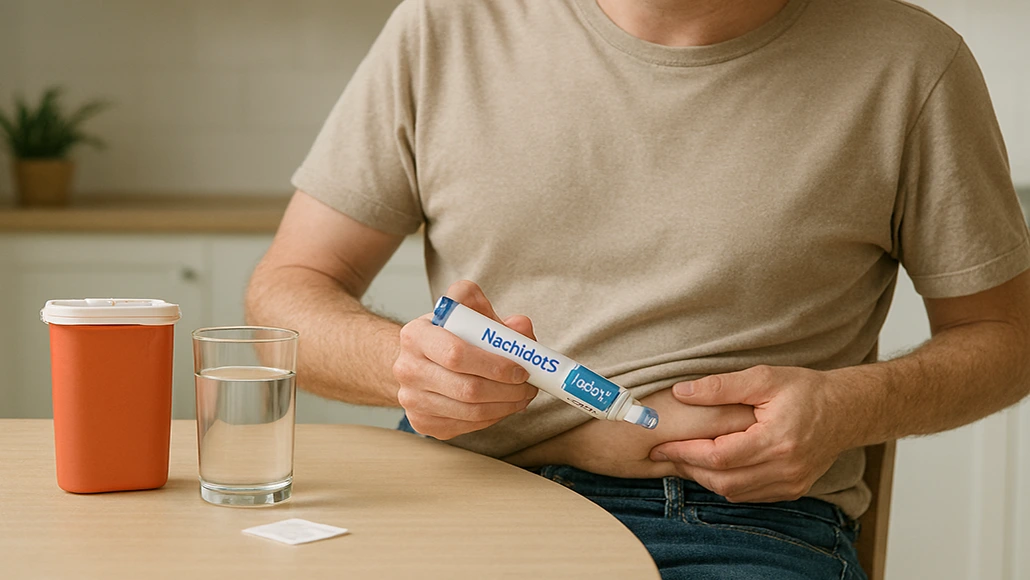
People managing type 2 diabetes often juggle glucose checks, nutrition, and activity. Injectable therapies can feel daunting at first, especially when starting a new device. The Mounjaro KwikPen Pre-Filled Pen is one option some patients discuss with clinicians to support blood sugar goals.
If you want background on this device’s format and purpose, see the Mounjaro KwikPen Pre-Filled Pen page for general product context before reading further. The information below explains common experiences, safety habits, and practical routines that can make weekly injections more manageable.
Understanding the Pen and Your Treatment Goals
Most pre-filled pens are designed for subcutaneous injection, meaning under the skin. The goal is steady hormone support to help regulate blood sugar after meals and between them. Weekly dosing schedules can simplify routines, but consistency still matters.
Expect a learning curve during the first month. People often practice with a demo trainer or review instructions with a pharmacist. Ask your care team to confirm dose timing, injection sites, and what to do if a dose is missed.
How the class works in plain language
These medicines influence hormones that affect insulin release and appetite signals. The aim is smoother post-meal glucose and gradual improvements in average blood sugar. Some individuals also notice reduced hunger over time.
Response varies by person. Your starting A1C (a three-month average of blood sugar), eating patterns, and activity level all matter. Expect your clinician to adjust other diabetes medications as your body responds.
Common Body Responses and Side Effects
Gastrointestinal symptoms are the most reported early effects. Nausea, stomach upset, and altered bowel habits can appear in the first weeks. Many people find these symptoms lessen as the body adapts.
Other experiences can include reduced appetite, early fullness, or mild fatigue. Injection-site redness or tenderness sometimes occurs, especially when rotating to unfamiliar spots. Severe or persistent symptoms deserve a prompt conversation with a healthcare professional.
Practical strategies to reduce discomfort
- Eat smaller, slower meals; pause when feeling early fullness.
- Favor bland, low-fat foods if nausea appears; sip water steadily.
- Avoid overeating at night, which can worsen morning queasiness.
- Rotate injection sites in a consistent pattern to reduce irritation.
If you have a history of digestive conditions or pancreatitis symptoms, discuss risks carefully. Report sudden severe abdominal pain, repeated vomiting, or signs of dehydration quickly. Keep emergency contact information accessible.
Safe, Consistent Use of a Pre-Filled Pen
Good technique supports comfort and consistent results. Read the manufacturer’s instructions and ask your pharmacist to demonstrate the steps. Practice the motions until they feel routine and unhurried.
Storage and handling basics
- Refrigerate unopened pens as directed; avoid freezing or heat exposure.
- After the first use, follow labeled guidance for storage duration and temperature.
- Inspect the liquid before use; do not use if the solution looks abnormal.
- Use a new, compatible needle each time to maintain sterility and sharpness.
Injection sites and rotation
Common injection sites include the abdomen, thigh, or upper arm. Rotate within a region to avoid scar tissue or lipodystrophy (changes in fat under the skin). Keep a simple rotation chart or set reminders to avoid repeating the same spot.
Timing and weekly rhythm
Choose a consistent day and time each week. Align the schedule with a routine event, like a Sunday evening check-in. If plans change, speak with your clinician about safe timing adjustments.
Medication Class Context and Supportive Habits
This pen belongs to a class that targets gut and insulin-related hormone pathways. These therapies are often grouped with other incretin-based options. To understand the broader category, you can review GLP-1 Agonists and discuss similarities and differences with your clinician.
Nutrition that works with your treatment
- Prioritize fiber from vegetables, legumes, and whole grains for steady glucose.
- Include lean protein at meals to reduce post-meal spikes and hunger.
- Limit ultra-processed foods that digest quickly and raise blood sugar fast.
- Drink water throughout the day to help digestion and appetite control.
Activity, sleep, and stress
Regular movement improves insulin sensitivity and energy. Aim for frequent, manageable sessions rather than rare, intense workouts. Sleep consistency also supports hormone balance and appetite signals.
Stress can elevate blood sugar through cortisol effects. Light resistance training, walking breaks, and short breathing exercises can blunt stress-related swings. Choose tools you can sustain in daily life.
Monitoring, Expectations, and When to Check In
Track fasting and post-meal readings to spot trends. Some people see early changes in appetite first, with glucose improvements following during dose titration. Keep a simple log of symptoms, weight changes, and energy levels.
Ask your clinician how often to check A1C and whether to adjust other medicines. If you experience frequent lows, especially with insulin or sulfonylurea use, alert your care team promptly. Low blood sugar signs include shakiness, sweating, confusion, or dizziness.
When to contact your healthcare professional
- Severe or persistent gastrointestinal symptoms that limit daily activities.
- Signs of dehydration, such as dry mouth, low urine, or dizziness.
- Unexplained abdominal pain, especially if intense or radiating to the back.
- Allergic reactions like swelling, hives, or trouble breathing.
Many side effects can be managed with gradual dietary changes and dosing discussions. Bring a list of questions to appointments. Clear communication helps tailor the plan to your needs.
Planning, Access, and Practical Considerations
Coverage, supply availability, and clinic follow-up can shape your experience. Early planning helps avoid gaps in therapy. Keep track of pen counts, needles, sharps containers, and alcohol swabs to support safe use.
For patients using injectable medications at home, safe disposal of used needles is also an important part of medication safety. Used sharps should be placed directly into an appropriate sharps container rather than discarded loose in household trash, helping reduce accidental needlestick risks for family members, caregivers, and others who may handle household waste. Using dedicated sharps disposal containers can provide a safer way to contain used needles before proper disposal.
Some people discuss cross-border options for cost or access, including Canadian pharmacies that ship to the United States. Policies, availability, and prescriber requirements vary by location and program. Review details carefully and consult your healthcare provider about continuity of care.
If you want general site information about diabetes topics and related therapies, you can explore resources from CanadianInsulin while comparing options with your care team. Always verify that any source aligns with your personal treatment plan and local regulations.
Medical disclaimer: This content is for informational purposes only and is not a substitute for professional medical advice.
In summary, using a weekly pen can be manageable with preparation and routine. Expect early digestive changes, prioritize slow eating, and rotate injection sites. Track your readings, note patterns, and partner with your clinician to adjust as needed.