













Peripheral Artery Disease (PAD) is a common circulatory problem where narrowed arteries reduce blood flow to the limbs, often leading to symptoms like leg pain at night. This condition affects the quality of life and can lead to more severe complications if left untreated.
Thankfully, the field of medical science never stands still, and recent innovations in the treatment and management of PAD promise better outcomes for patients worldwide. This article explores these advancements, shedding light on how they revolutionize care for individuals suffering from this debilitating condition.
Cutting-Edge Therapies in PAD Management
For many years, the standard methods for addressing peripheral artery disease (PAD) have focused on lifestyle modifications, medication, and potentially invasive surgical procedures in severe situations. Lifestyle adjustments can involve diet changes as well as exercises designed to improve blood circulation. Doctors may also prescribe medications to reduce inflammation and thin the blood to improve blood flow. However, if blockages are significantly advanced, angioplasty – a procedure to widen narrowed arteries – or bypass surgery may be needed. While generally effective, these approaches have downsides.
Lifestyle changes can be challenging to maintain long-term. Medications may cause side effects, and surgeries carry surgical risks. Fortunately, continuous innovation is exploring less invasive alternatives, and more targeted solutions. Recent advancements concentrate on techniques that are gentle on the body yet still restore blood flow. A precision medicine approach aims to personalize treatment based on individual factors. New technologies also seek to promote natural healing in the arteries efficiently.
One of the most innovative advancements in cardiovascular care is the use of drug-coated balloons, also known as DCBs, during angioplasty procedures. Unlike regular balloons that open blocked arteries, DCBs have a coating containing medication that targets the underlying causes of arterial narrowing. This novel technology has demonstrated encouraging outcomes in early studies, showing the potential to decrease the frequency of required follow-up procedures and enhance long-term health for those treated.
By delivering drugs directly to the problem site, DCBs may minimize the risk of re-narrowing after the initial treatment compared to traditional angioplasty alone. Further research should continue exploring how this promising technique could improve patient outcomes and quality of life for many with blocked arteries.
Harnessing the Power of Technology for PAD Diagnosis and Monitoring
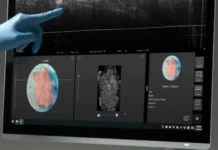
New technologies are helping to improve the diagnosis and treatment of peripheral artery disease. Significant progress is being made in diagnostic imaging and wearable devices. High frequency ultrasounds and Magnetic Resonance Angiography provide more explicit pictures of blood vessels. These images offer doctors detailed views of arteries, which helps in more accurately identifying PAD. The clear images also help in planning treatments in a precise manner. This ensures that any procedures used to restore blood flow are done effectively. Advances in imaging allow physicians to customize treatment approaches for each patient’s condition. Overall, these innovative tools are playing a vital role in the fight against peripheral artery disease by enhancing the accuracy of diagnoses and optimizing therapy outcomes.
Wearable technology presents an innovative area with much potential. Devices able to monitor blood circulation and oxygen levels continuously can supply important information for guiding the treatment of PAD. These wearable monitors can notify patients and physicians of possible problems before they become serious, allowing proactive handling of the condition. By tracking vital signs in real-time, wearables may help people with peripheral artery disease better manage their condition and seek prompt medical help when facing health issues. This may help reduce healthcare costs in the long run through preemptive care.
A Bright Future for PAD Patients
The innovations seen in treating and handling Peripheral Artery Disease signify significant progress in medical science. With the emergence of drug-coated balloons, gene therapy approaches, and improvements in diagnostic and portable technologies, those experiencing the condition now have more choices than in the past. These advancements provide the perspective for more effective remedies and clear a path for customized care plans tailored to each person’s requirements. While more study is still needed, initial research recommends that people may see enhanced outcomes from care designed to their distinct circumstances. Further development in this area promises more individualized monitoring and intervention over time.