













Mental healthcare is in the middle of a major shift.
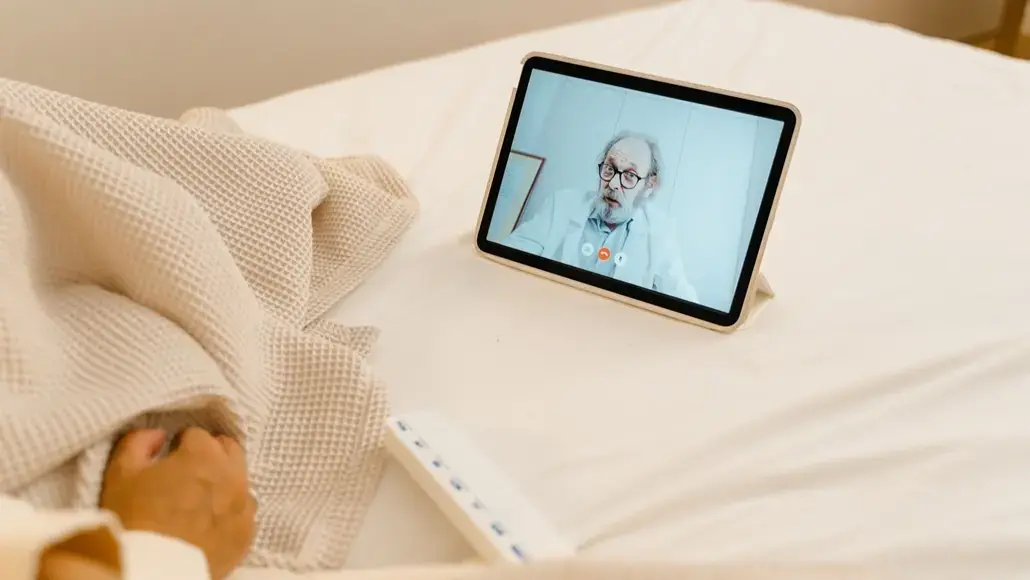
Telepsychiatry has evolved from pandemic Plan B to perhaps the most significant innovation in contemporary psychiatric care. Patient access. Provider delivery. Mental health system transformation.
Here’s the thing…
Telepsychiatry is more than just telemedicine with a fancy name. Telepsychiatry is a specialized form of virtual care that involves much more than a video chat with your physician. It’s addressing real-life issues such as:
- Long waitlists for psychiatric appointments
- Provider shortages in rural and underserved areas
- The stigma that often stops people from getting help
This blog post will explain specifically how telepsychiatry is advancing mental health innovation and why it should matter to you.
Let’s jump in!
In this guide:
- Why Telepsychiatry Is More Than Telemedicine
- The Mental Health Access Problem
- The Biggest Innovations Driving Telepsychiatry Forward
- The Data Behind The Shift
- The Future Of Virtual Mental Health Treatment
Why Telepsychiatry Is More Than Telemedicine
Telemedicine includes conversations ranging from an acute sore throat discussion to a post-operative follow-up.
Telepsychiatry is different.
Telepsychiatry is psychiatry conducted via telemedicine. It follows many of the same tenets as general telemedicine, but because mental healthcare inherently focuses on sensitive patient information, there are some unique concerns that must be addressed. FASPsych felt it was important enough to have its own category – so what is telepsych, and what makes it different?
Telepsych care requires stricter privacy controls, longer session durations, and workflows designed around the patient’s emotional wellbeing – not bullet-point symptom checks. Mental health appointments via telehealth should provide a safe space for patients to open up about their feelings.
In other words…
Telepsychiatry is specifically engineered for the unique demands of psychiatric care.
That can mean the world of difference to someone struggling with anxiety, depression, ADHD, PTSD, etc.
The Mental Health Access Problem
Before jumping into the innovation, it’s important to understand the scale of the problem.
Mental healthcare in the US is stretched thin. Here’s why:
- Demand for psychiatric services keeps rising every year
- The number of practicing psychiatrists isn’t keeping up
- Rural communities have almost no in-person options
News just came out that 160 million Americans live in Mental Health Professional shortage areas. Crazy how many there are with the growing depression and anxiety of all ages.
And it gets worse…
Growing gaps in workforce capacity – an estimated deficit of 21,000 adult psychiatrists by 2030 – won’t be addressed by traditional approaches.
Virtual mental health care is feasible. People living in rural towns may see an expert hundreds of miles away, sometimes in days instead of months.
Another factor is stigma. Many people don’t seek treatment because they don’t want to go somewhere that someone will know them. Virtual care eliminates that obstacle.
That’s a huge change.
The Biggest Innovations Driving Telepsychiatry Forward
Telepsychiatry isn’t standing still.
The tech behind telehealth continues to advance. Below are the top innovations driving it forward today.
Asynchronous Care Models
Traditional psychiatry needs a scheduled appointment. Asynchronous telepsychiatry flips that on its head.
Patients can:
- Send secure messages to their psychiatrist
- Submit symptom check-ins at any time
- Receive medication adjustments without a live appointment
Especially for medication reconciliation and follow-ups. It decreases no-show appointments as they aren’t locked into a specific appointment time.
Integrated Behavioural Health
Another big innovation is the way telepsychiatry is being woven into primary care.
Primary care physicians can now videoconference with a psychiatrist right in the middle of seeing a patient. Quicker diagnosis, more effective treatment, and dropped referral rates.
This type of “warm handoff” can significantly increase patient engagement and follow-through.
AI-Assisted Clinical Tools
AI is beginning to become a huge player in telepsychiatry workflows. Not to replace clinicians…but as an assistant.
These tools can:
- Transcribe sessions automatically
- Flag risk factors in patient language
- Help clinicians document more accurately
That allows psychiatrists to concentrate on their patients — rather than paperwork. Best of all? Most of these tools operate seamlessly in the background, providing clinicians with a significant increase in accuracy without disrupting patient interaction.
Group Telepsychiatry Sessions
Group therapy isn’t new, but virtual group sessions are unlocking fresh possibilities.
Groups can be conducted remotely allowing patients to attend from anywhere. This allows for group treatment to be available to individuals who would have never been able to attend a face-to-face group. Group is particularly impactful when working with substance use disorder and trauma.
The Data Behind The Shift
Want to know just how big this shift has become?
Telepsychiatry—psychiatric care delivered remotely—has exploded over the past few years. Recent data shows the global telepsychiatry market hit $24.36 billion USD in 2024, and is expected to continue expanding at a double-digit rate through 2030.
That’s not hype. That’s a paradigm shift in patient preferences.
The shift is happening because:
- Patients report high satisfaction with virtual sessions
- Clinicians have more flexibility in scheduling
- Outcomes for anxiety and depression match in-person care
Virtual mental health treatment can surpass traditional care when it comes to accessibility and follow through. Individuals are far more likely to show up to their appointments when they don’t have to drive across town.
Pretty cool, right?
The Future Of Virtual Mental Health Treatment
The future of telepsychiatry looks bright — but it isn’t without challenges.
State licensing regulations, insurance reimbursement issues, and inconsistent access to broadband continue to limit some patients. Until these issues are addressed at the policy level, the broadest impact cannot be expected.
But the trajectory is clear:
- More providers are offering virtual care as their primary model
- More patients are choosing it over in-person options
- More innovations are being built specifically for mental health
Even wearables, mood tracking apps and remote vitals monitoring are interfacing directly with telepsychiatry platforms. Clinicians have real time information about how patients are functioning between visits.
One of the most significant transitions in healthcare right now is moving from broad telemedicine services to niche telepsychiatry.
Bringing It All Together
Telepsychiatry is no longer just a workaround.
This is game-changing innovation with major implications for how mental health care is delivered:
- Telepsychiatry is more than telemedicine — it’s purpose-built for psychiatric care
- Access gaps in mental health are massive and getting bigger
- Things like asynchronous care, artificial intelligence (AI) tools, and integrated models are changing the game
- Virtual mental health treatment is set to keep growing fast
Advancements in technology + accessibility + demonstrated results equate telepsychiatry with some of the most promising opportunities in today’s healthcare landscape. There are more options for patients and providers can treat beyond traditional boundaries.
If you are reading this and thinking about virtual care here it is. Tools exist. Results are real. The future of mental health care is being created today.