












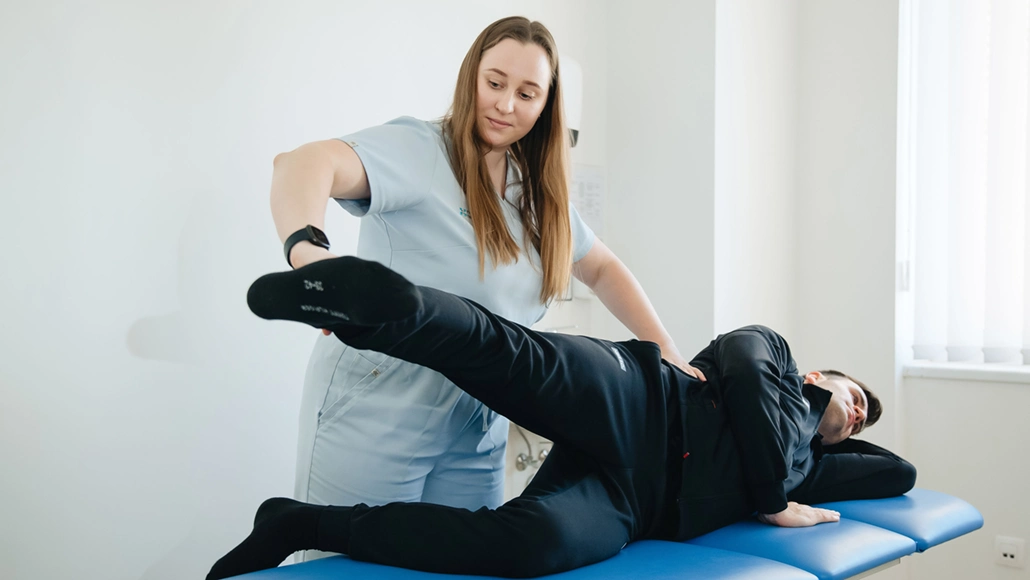
Rehabilitation medicine is evolving rapidly as new technologies and clinical approaches transform patient care worldwide. Advancements such as robotics, tele-rehabilitation, artificial intelligence, virtual reality, and regenerative therapies are reshaping recovery processes. These innovations enhance outcomes for patients recovering from injuries, strokes, surgeries, and long-term chronic health conditions effectively.
Personalized treatment plans, data-driven decisions, and multidisciplinary rehabilitation teams further enhance recovery efficiency and functional independence. They help reduce recovery time, improve mobility, and restore overall quality of life for many individuals.
In this article, we’ll explore how these innovations transform rehabilitation medicine and discuss key technologies, clinical practices, and future trends improving outcomes.
Earlier Intervention Is Accelerating Recovery Timelines
When treatment begins soon after injury, patients experience reduced complications, improved mobility, and shorter hospital stays. Clinicians can address functional impairments before they become long-term disabilities, leading to more effective recovery outcomes.
Early rehabilitation also supports neuroplasticity, allowing the body to adapt and heal more efficiently over time. This proactive approach ensures patients regain independence sooner and return to daily activities with better physical and emotional well-being.
Overall, early intervention is transforming rehabilitation outcomes by enabling faster, safer, and more efficient recovery across diverse patient populations.
Personalized Rehabilitation Plans Are Improving Outcomes for Complex Cases
Modern rehabilitation programs increasingly recognize that recovery is not a one-size-fits-all process. Clinicians often customize treatment plans based on a patient’s specific injuries, functional abilities, and long-term goals, allowing care to adapt as recovery progresses.
The importance of this approach is evident in the experience of Emma Lourenco, the sole survivor of a deadly Turlock crash in December 2024. As reported by KCRA, she spent a week in a coma following the crash. She later faced the difficult task of relearning skills such as walking, speaking, cooking, and managing everyday activities.
Her journey illustrates how severe trauma can affect multiple aspects of a person’s life and require ongoing adjustments to rehabilitation strategies. These challenges become even more significant when an injury is catastrophic.
Loewy Law Firm cites 42 U.S.C. § 3796b when discussing catastrophic injuries. According to the federal statute, these injuries can involve permanent impairments that prevent an individual from performing gainful work. Emma’s experience demonstrates why these cases often require extensive rehabilitation and personalized care to support recovery and independence.
Technology Is Enhancing Patient Engagement and Progress Tracking
Patient engagement and progress tracking in rehabilitation medicine are being improved through digital tools and smart monitoring systems. Wearable devices, mobile apps, and AI-driven platforms help patients stay engaged in their recovery. These technologies allow clinicians to track progress in real time, adjust treatments quickly, and improve overall outcomes effectively.
According to MDPI, traditional in-person care faces access barriers, especially in rural regions with limited physiotherapist availability. Travel costs, waiting times, and work disruptions further reduce access to long-term rehabilitation for chronic conditions. Telehealth emerges as a solution, improving engagement, progress tracking, and supporting technology-driven rehabilitation delivery and outcomes.
Robotics and Assistive Technologies Are Expanding Recovery Possibilities
Recovery possibilities in modern rehabilitation medicine are being expanded through robotics and assistive technologies. Advanced assistive tech and automated therapy effectively accelerate a patient’s mobility and strength recovery. These innovations support repetitive, precise movements, enhancing neuroplasticity, recovery, independence, and long-term functional outcomes for patients significantly overall.
Dorothy Doyle, SVP at Liberty Mutual Insurance, notes that exoskeleton advancements for patient handling and surgical support can reduce workplace injuries significantly. The 2024 Workplace Safety Index reports $6.2 billion in annual US healthcare losses from injuries. Investing in robotics improves safety, reduces overexertion, and enhances care quality for patients overall significantly.
Multidisciplinary Care Models Are Delivering Better Results
Physicians, physiotherapists, occupational therapists, psychologists, and social workers collaborate to create coordinated treatment plans. This team-based approach improves recovery efficiency, addresses physical and emotional needs, and enhances long-term outcomes.
A National Institutes of Health study found that multidisciplinary rehabilitation significantly improves patient functioning. It also enhances health-related quality of life compared with primary care or no rehabilitation. These findings highlight the value of coordinated treatment approaches involving multiple specialists.
Such collaborative care models enhance recovery outcomes, patient satisfaction, and long-term functional independence in rehabilitation medicine.
Tele-Rehabilitation Is Increasing Access to Specialized Care
Telehealth now connects rural and underserved patients with distant specialists, eliminating the need for long-distance travel. This approach improves treatment continuity, reduces access barriers, and ensures timely interventions that enhance recovery outcomes and patient satisfaction.
ResearchGate reports that telerehabilitation enhances physical therapy services, especially in rural areas, by enabling remote consultations and therapy sessions. It lowers travel hurdles and enhances access to specialist care. Increased accessibility allows earlier interventions, improving patient outcomes and helping prevent the progression of disabilities through timely, consistent rehabilitation support delivery.
Frequently Asked Questions
What is the difference between rehabilitation and physical therapy?
Rehabilitation is the broader recovery process that may include physical therapy, occupational therapy, speech therapy, counseling, and assistive devices. Physical therapy is one part of rehabilitation, focused mainly on strength, movement, balance, and function. Rehabilitation coordinates multiple services to restore overall independence.
Can rehabilitation reduce hospital readmissions?
Yes, rehabilitation can help reduce hospital readmissions by supporting safer recoveries after discharge. Structured therapy, patient education, and follow-up care lower the risk of complications. Effective rehabilitation also improves function, helping patients manage health conditions more successfully at home.
What factors influence rehabilitation outcomes?
Rehabilitation outcomes depend on injury severity, overall health, age, cognition, and how consistently patients follow therapy plans. The amount and intensity of rehabilitation matter too. Personal and environmental factors, including support at home and access to services, also shape recovery.
Key Statistics Highlighting Advancements in Rehabilitation Medicine
| Healthcare workplace injury losses in the United States | $6.2 billion annually |
|---|---|
| Impact of multidisciplinary rehabilitation | Improves patient functioning significantly |
| Impact of multidisciplinary rehabilitation on quality of life | Enhances health-related quality of life compared with primary care or no rehabilitation |
| Tele-rehabilitation benefit in rural communities | Improves access to specialized physical therapy services |
| Telehealth advantage | Reduces travel barriers, waiting times, and work disruptions |
| Early rehabilitation intervention | Supports faster recovery and reduces long-term disability risk |
| Robotics and exoskeleton technologies | Help reduce workplace injuries and improve patient care quality |
Advancing Rehabilitation for Better Patient Outcomes
Rehabilitation medicine is rapidly evolving through innovations like tele-rehabilitation, robotics, and personalized care models, improving patient recovery and outcomes. These advancements are improving recovery speed, functionality, and overall quality of life for patients. Earlier intervention and multidisciplinary collaboration ensure more effective and coordinated treatment approaches.
Technology-driven tools also enhance patient engagement and progress tracking throughout recovery journeys. Together, these developments are transforming how rehabilitation is delivered across diverse conditions. Ultimately, modern rehabilitation practices are creating more efficient, accessible, and patient-centered pathways to recovery.