












In a hospital, some of the most important systems are the ones patients never see. Medical gases, including oxygen, nitrous oxide, medical air, and vacuum systems, are delivered through a network of pipelines that run quietly behind the walls. When these systems work perfectly, they save lives every day. When they fail or become contaminated, the consequences can be severe. That is why regular medical gas testing is not a routine box to tick, but a fundamental pillar of patient safety. Here is why it matters and what hospital leaders need to understand.
What Medical Gas Testing Involves
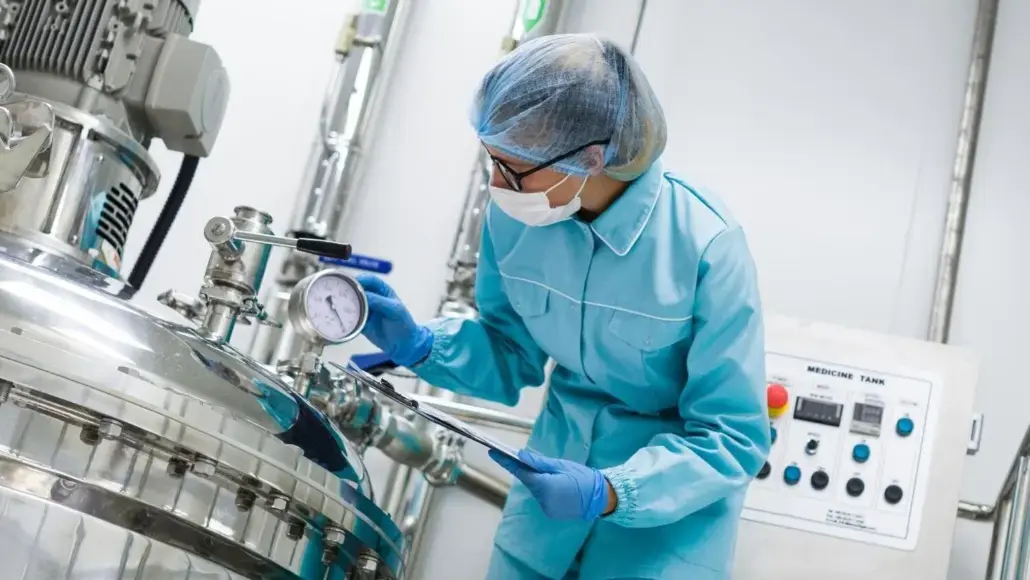
Medical gas testing verifies that the gases reaching patients are pure, correctly identified, delivered at the right pressure, and free from contamination. It covers the entire pipeline system, from the source through the distribution network to the outlets at the bedside. Specialized providers that handle medical gas testing for hospitals assess purity, check for cross connections, confirm correct labeling, and ensure that alarms and shutoff valves function as intended.
This work requires both precision and expertise, because the margin for error is essentially zero. A misidentified gas, a trace contaminant, or a pressure fault could directly endanger a vulnerable patient. Thorough testing catches these issues before they ever reach a bedside, which is exactly why it is treated as a non negotiable part of facility management.
The Risks of Neglecting Testing
The dangers of inadequate testing are not abstract. Contaminated medical air, a cross connection between two gas lines, or a labeling error can have immediate and serious effects on patients who depend on these systems during surgery, recovery, or critical care. Even gradual issues, like moisture or particulate buildup, can degrade performance over time.
Beyond the direct risk to patients, system failures carry significant operational and legal consequences. A serious incident can disrupt care, trigger investigations, and damage a hospital’s reputation. Regular, documented testing is the most effective way to prevent these outcomes, protecting patients and the institution alike. In a setting where lives are on the line, prevention is far less costly than a failure.
Building a Reliable Testing Schedule
Effective medical gas safety depends on consistency. Testing should be performed on a regular schedule, after any modification or repair to the system, and whenever new construction or renovation affects the pipelines. A clear schedule ensures that nothing is overlooked and that problems are caught early rather than discovered during an emergency.
Documentation is just as important as the testing itself. Detailed records demonstrate compliance, support accreditation, and create a history that can help identify recurring issues. Partnering with an experienced, qualified provider gives hospitals confidence that testing is thorough, properly documented, and aligned with current codes. The goal is a system you can rely on without a second thought.
The Standards That Govern It
Medical gas systems are governed by rigorous standards designed to protect patients. In North America, the National Fire Protection Association publishes NFPA 99, the Health Care Facilities Code, which sets detailed requirements for the installation, maintenance, and testing of medical gas and vacuum systems. These standards exist precisely because the stakes are so high.
Compliance with recognized standards is not only about safety, it is also tied to accreditation and regulatory expectations. Hospitals are routinely assessed on whether their critical systems meet these benchmarks, and documented testing provides the evidence that they do. Working with qualified testing providers helps facilities stay aligned with current requirements as codes evolve over time.
The Role of Qualified Professionals
Medical gas testing is highly specialized work, and the qualifications of the people performing it matter enormously. Trained technicians understand the intricacies of pipeline systems, the relevant codes, and the precise methods required to test purity, pressure, and integrity accurately. This expertise is what separates a meaningful test from a superficial one.
Qualified providers also bring the right equipment and calibration to produce reliable, defensible results. Just as important, they document their findings thoroughly, giving facilities the records they need for accreditation and internal review. When hospitals partner with experienced professionals, they gain not only accurate testing but also guidance on addressing any issues that arise and maintaining compliance over time. In a field where errors can have serious consequences, the value of genuine expertise cannot be overstated. Choosing a provider with a proven track record and proper credentials is one of the most important decisions a facility can make in protecting its patients.
A Quiet System That Deserves Loud Attention
Medical gas systems may be hidden, but their importance could not be more visible in their impact on patient care. Regular testing keeps these life critical systems safe, compliant, and dependable, protecting the patients who rely on them and the staff who deliver care. For hospital leaders, treating medical gas testing as a core safety priority rather than an afterthought is one of the clearest ways to safeguard both patients and the institution. It is an investment in safety that pays off every single day.