














Missing a tooth might seem like a cosmetic inconvenience, but the consequences compound quickly. The American Academy of Implant Dentistry estimates that approximately 178 million Americans are missing at least one tooth — and without intervention, the surrounding bone begins to resorb within the first year of tooth loss. That structural change can quietly narrow your treatment options and complicate surgery before you’ve even made an appointment.
Implant dentistry has advanced significantly over the past decade, with digital planning tools, CBCT imaging, and guided surgical systems reshaping how clinicians approach even complex cases. Yet for most patients, the process still begins the same way: a single consultation that determines candidacy, maps out a realistic plan, and surfaces the decisions that will shape every step forward. What happens at that visit matters far more than most people expect. This article walks through the clinical purpose of each stage — from imaging and candidacy review to surgical planning and recovery — so you can approach that first appointment as an informed participant rather than a passive observer.
Why Schedule a Dental Implant Consultation
The most consequential reason to schedule early isn’t urgency about aesthetics — it’s bone. After extraction or tooth loss, the alveolar bone that once supported the root begins resorbing at a measurable rate. Clinically significant volume loss can occur within three to six months, and in some areas, that loss may eventually rule out a straightforward implant placement entirely, requiring bone grafting procedures that add both time and complexity to treatment.
Beyond bone preservation, an early dental implant consultation answers a question most patients can’t answer on their own: whether they’re actually a candidate. Age, systemic health, smoking history, medication use, and jaw anatomy all factor into that determination — and a consultation surfaces those variables before a patient has invested emotionally or financially in an outcome that may need modification. Consider someone who’s been managing controlled type 2 diabetes for years and assumes implants are off the table. A consultation might reveal that with stable glycemic control, implant placement is entirely feasible — just with adjusted protocols and closer follow-up.
The consultation also serves a triage function. Some patients need to act relatively soon because ongoing bone loss is accelerating. Others have stable anatomy and a year or more of flexibility. That distinction matters enormously for planning around work schedules, insurance cycles, and personal finances. Clinicians use the consultation to categorize urgency honestly — not every case is a “sooner is better” situation, but some genuinely are. Getting that assessment on record early keeps all the timing options open rather than eliminating them by default.
What Happens During the Consultation
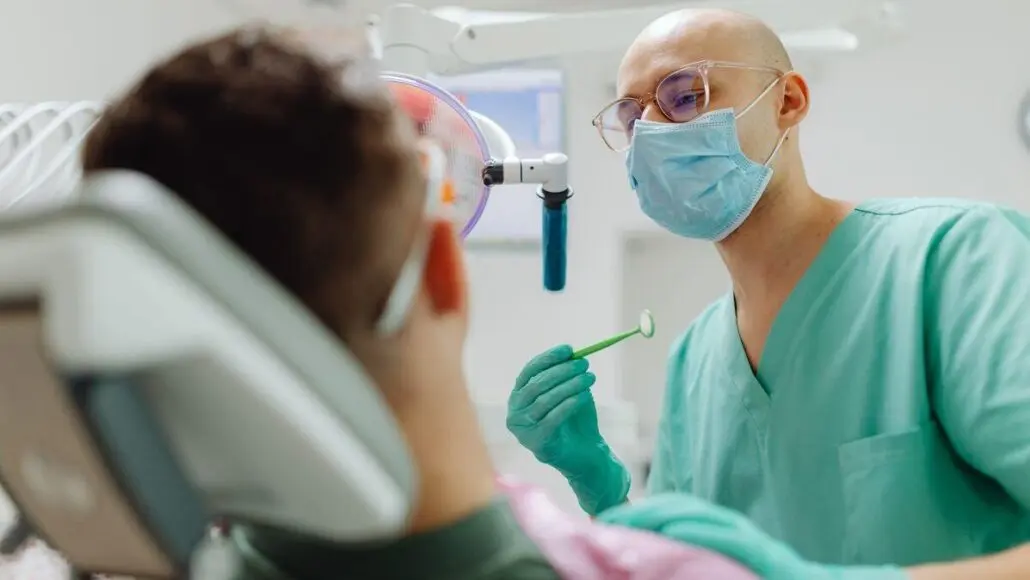
Patients often expect the first visit to feel like a standard checkup, and that expectation sets up a mild surprise. A dental implant consultation is a clinical decision session — it produces a diagnostic picture, a candidacy determination, and the raw material for a treatment plan. A typical first visit runs sixty to ninety minutes, though the structure varies depending on the practice’s workflow and whether imaging has been done elsewhere.
The appointment generally moves through three overlapping phases: the clinical examination, the imaging review, and the medical history conversation. Each feeds the others. What the X-ray reveals about bone volume changes the relevance of certain questions in the health history. What the health history reveals about medications might alter which imaging protocol makes the most sense. Understanding that interplay helps explain why the consultation can’t simply be replaced by a phone call or an online form.
For individuals in the New York metropolitan area, finding a practice that handles both the surgical and restorative dimensions in one setting can streamline this process — oral surgery care in Staten Island, for example, integrates the diagnostic and planning phases under one roof, which reduces handoffs and keeps the treatment timeline tighter.
Which Imaging Tests Are Performed
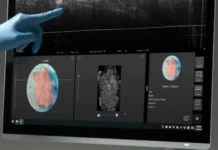
CBCT (cone beam computed tomography) has become the standard diagnostic tool for implant planning at most practices, and for good reason. Unlike a conventional panoramic X-ray, a CBCT scan generates a three-dimensional volumetric image that allows clinicians to measure bone height and width at the precise implant site, map the inferior alveolar nerve and maxillary sinus, and identify anatomical variations that would change surgical approach.
In addition to the CBCT, clinicians typically take intraoral photographs and periapical X-rays to assess the neighboring teeth and existing restorations. Some practices use digital intraoral scanners to generate a detailed soft-tissue model that integrates with the CBCT data — the merged result is sometimes called a digital patient model, and it forms the foundation for computer-guided surgical planning.
What patients should understand is that the imaging serves a specific decision-making purpose, not just documentation. If the CBCT reveals a narrow alveolar ridge at the implant site, that finding directly triggers the grafting conversation. If it shows adequate bone but the nerve runs unusually high, it influences angulation planning. Every image at the consultation is answering a clinical question, not filling a file.
How Candidacy and Medical History Are Reviewed
The medical and dental history review at a consultation covers more ground than most patients anticipate. Clinicians aren’t simply confirming that someone is “generally healthy” — they’re screening for specific systemic factors with documented effects on osseointegration and wound healing.
Diabetes is the most commonly discussed systemic variable. Uncontrolled hyperglycemia impairs immune response and healing, which can compromise the bone-implant interface. Bisphosphonate medications — used to treat osteoporosis and certain cancers — carry a risk of medication-related osteonecrosis of the jaw (MRONJ), particularly with intravenous formulations. Active smoking meaningfully increases implant failure rates, a finding supported by multiple systematic reviews in the periodontal literature. Each of these factors affects candidacy differently: some require clearance from a primary physician, some require a treatment protocol adjustment, and some may shift the recommendation toward an alternative restoration.
Patients can make the history review more efficient by arriving with a complete medication list (including supplements), records from any recent dental work or extractions, and documentation of systemic conditions currently under treatment. That preparation lets the clinician ask more targeted follow-up questions rather than spending time reconstructing a basic medical picture.
How Treatment Planning and Options Work
Once imaging and candidacy review are complete, the consultation shifts toward treatment planning — and this is where the visit becomes genuinely individualized. There’s no universal implant plan; the restorative goal (what the final crown, bridge, or full-arch prosthesis needs to look like and function like) shapes every upstream surgical decision. In practices that handle complex cases, the surgeon and the restorative dentist may review the case together, with a dental lab technician sometimes involved in planning the prosthetic design before a single incision is made.
This interdisciplinary approach isn’t procedural formality — it directly affects outcomes. A misalignment between where the implant is placed surgically and where the crown needs to be positioned prosthetically can create a restoration that functions poorly or puts excess load on the implant. Digital planning tools now allow the restorative design to be mapped first, with the surgical placement guided backward from that endpoint.
Implant Versus Bridge and Denture
For patients missing one or several teeth, the consultation will typically include a frank comparison of available restorations. A single-tooth implant replaces both the root and the crown independently, without involving the adjacent teeth. A traditional fixed bridge, by contrast, requires grinding down the two healthy teeth on either side of the gap to serve as anchors — a permanent alteration to otherwise intact enamel and dentin. For younger patients with healthy adjacent teeth, that trade-off carries long-term consequences worth weighing carefully.
For patients missing most or all of their teeth, the comparison shifts to implant-supported full-arch prostheses (such as All-on-4 or All-on-6 designs) versus conventional removable dentures. Removable dentures rest on the gum tissue and provide no stimulation to the underlying bone, which means resorption continues. Implant-supported prostheses transfer chewing forces directly into the bone, preserving ridge volume over time. Function and stability differ significantly between these two options — implant-supported restorations allow patients to eat a broader range of foods and don’t require adhesives or nightly removal for basic maintenance.
Surgical Planning, Grafts, and Anesthesia Choices
Not every patient presents with the bone volume needed for immediate implant placement. When CBCT imaging reveals inadequate height or width at the intended site — or when the sinus cavity sits too low in the posterior upper jaw — clinicians will discuss bone grafting or sinus augmentation as preparatory steps. These procedures add healing time (typically three to nine months depending on graft volume) before implant placement can proceed, which affects the overall treatment timeline significantly.
Guided surgery, made possible by integrating the CBCT scan with digital planning software, allows the surgeon to place the implant through a custom-fabricated surgical guide with high positional accuracy. This approach reduces operating time, minimizes tissue disruption, and is particularly valuable in anatomically constrained sites.
Anesthesia planning is also addressed during the consultation. Most straightforward single-implant placements are performed under local anesthesia with or without oral sedation. Patients with significant anxiety, complex multi-implant cases, or medical conditions that warrant closer monitoring may be candidates for IV conscious sedation or, in some settings, general anesthesia. The consultation is the appropriate time to discuss both comfort preferences and medical suitability — not as an afterthought, but as a formal part of the safety assessment.
What to Expect After Implant Surgery
The immediate post-surgical period — roughly the first 72 hours — involves predictable swelling, localized discomfort, and some degree of dietary restriction. Most patients manage effectively with prescribed or over-the-counter analgesics and cold compresses, and many return to desk work within one to two days. The first two weeks focus on soft-tissue healing; vigorous physical activity, smoking, and drinking through straws are restricted because they can disrupt the clot and compromise the surgical site.
The longer phase is osseointegration — the biological process by which bone grows into and bonds with the titanium implant surface. This typically takes three to six months in the lower jaw and slightly longer in the upper jaw, particularly if grafting was performed. During this period, the implant is generally covered or fitted with a temporary restoration. Follow-up appointments monitor healing radiographically. Once integration is confirmed, the final crown or prosthesis is placed.
Long-term implant success rates are well-documented and generally favorable. A 2022 systematic review published in the *Journal of Dental Research* reported ten-year survival rates for single-tooth implants exceeding 94% in healthy patients under standard protocols. Failure risk is highest in the first year and correlates most strongly with the systemic and anatomical factors identified during the candidacy review — which is precisely why that initial assessment carries so much weight.
Maintenance after successful integration is straightforward but non-negotiable: routine hygiene, periodic professional cleaning around implant hardware, and ongoing radiographic monitoring. Implants don’t develop cavities, but the surrounding peri-implant tissue can develop inflammatory conditions analogous to periodontal disease if oral hygiene lapses.
The consultation, then, is less of a sales meeting and more of a diagnostic foundation. The quality of information gathered at that first visit shapes every clinical decision that follows — and patients who understand what’s being assessed, and why, are better positioned to ask the questions that actually matter.