














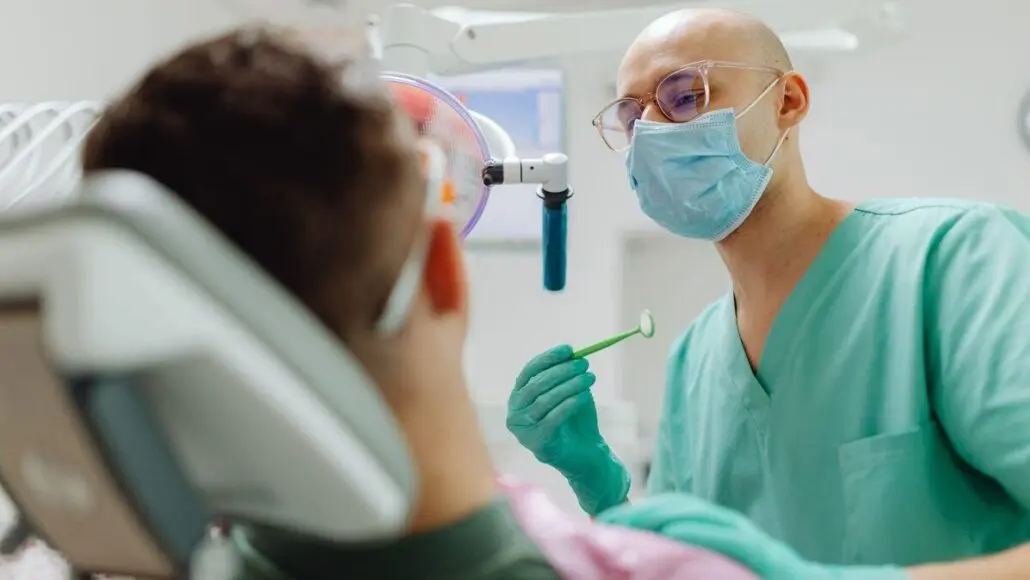

Most people approach cosmetic dentistry with a single treatment in mind — whitening, maybe veneers — before they’ve clearly identified what they actually want to fix. That mismatch between expectation and outcome is one of the most common sources of disappointment in elective dental care, and it’s almost entirely avoidable. The range of available treatments today is genuinely wide: from chair-side procedures that take under an hour to multi-stage restorative plans spanning a year or more. What separates a successful result from a frustrating one usually isn’t the quality of the treatment itself — it’s whether the treatment was the right choice for that person’s specific goal.
The conversation around smile makeovers has also shifted noticeably in recent years. Digital smile design tools, improved ceramic materials, and more predictable clear aligner systems have raised patient expectations while simultaneously expanding what’s technically possible without invasive procedures. That’s good news, but it also means the decision space is larger and more nuanced than it used to be.
If you’re weighing your options, the most useful thing you can do isn’t compare prices or scroll before-and-after photos — it’s get clear on what you’re actually trying to achieve. Are you addressing surface appearance? Structural damage? Function? Bite alignment? Each of those goals points toward a different category of treatment, and confusing them leads people down expensive detours. This article gives you a practical framework for matching your goals to the right options, understanding the real trade-offs between invasive and noninvasive routes, and setting realistic expectations for recovery and long-term outcomes.
Why Match Your Makeover to Goals
The stakes of a mismatched smile makeover aren’t just cosmetic — they’re clinical. Choose a treatment designed for appearance when you have an underlying functional problem, and you may end up redoing the work within a few years, or worse, masking a condition that continues to worsen.
Here’s a concrete example of how this plays out: someone bothered by dark, uneven front teeth might assume veneers are the answer. But if the discoloration stems from mild surface staining rather than intrinsic tooth color, professional whitening could achieve a similar result in two appointments at a fraction of the cost and without permanently altering tooth enamel. Veneers would be over-treatment for that goal. Conversely, if those same front teeth have worn edges, slight rotation, and significant size asymmetry, whitening addresses none of those issues — and the patient ends up frustrated that their teeth still “don’t look right” despite the brightness.
This is why clinicians generally categorize smile makeover goals into three broad priorities before recommending anything: cosmetic appearance (color, shape, surface texture), structural or restorative need (decay, chips, missing teeth, worn enamel), and functional alignment (bite, spacing, jaw relationship). Most patients have a mix, but one priority typically dominates — and that dominant priority should drive the treatment sequence.
Sequencing matters enormously and is consistently overlooked in DIY research. Orthodontic movement, for instance, must typically precede veneers or bonding, because placing restorations on teeth that will later shift wastes the work and may damage the veneers. Similarly, implants require healed bone before crowns can be placed, and any whitening intended to set a baseline shade should happen before bonding or veneer fabrication, since those materials won’t respond to bleach afterward.
Getting this sequence right isn’t just about efficiency — it protects the investment. A mis-sequenced plan can double both cost and treatment time, and the clinical literature on restorative dentistry consistently identifies treatment planning errors as a leading driver of early restoration failure.
Compare Major Smile Makeover Treatments
Understanding how individual procedures work is less useful than understanding which *category* of treatment fits which *type* of problem. The dividing line that matters most isn’t cost or popularity — it’s how much existing tooth structure the treatment affects and what kind of problem it’s designed to solve.
Noninvasive and Minimally Invasive Options
For goals centered on mild discoloration, surface irregularities, small chips, or slight crowding, noninvasive and minimally invasive treatments often deliver results that are just as satisfying as more extensive procedures — with shorter recovery and preserved enamel.
Teeth whitening (in-office or supervised take-home) targets extrinsic and some intrinsic staining. It’s the logical first step when color is the primary concern, and results typically last one to three years with basic maintenance. Dental bonding addresses minor chips, small gaps, or surface imperfections by applying composite resin directly to the tooth — no drilling required in most cases, and the procedure is often completed in a single visit. Enamel contouring (also called tooth reshaping) removes tiny amounts of enamel to smooth uneven edges or reduce minor overlaps, usually in combination with bonding.
Clear aligners fall into this category when the crowding or spacing is mild to moderate. They require no structural alteration to teeth, though the timeline — typically six to eighteen months depending on case complexity — is longer than many patients expect. Recovery for all of these options is minimal: some sensitivity after whitening, mild soreness with aligners during adjustment periods, and essentially none after bonding or contouring.
Surgical and Restorative Treatments
When goals involve structural damage, significant shape changes, missing teeth, or severe misalignment, the treatment category shifts substantially — both in invasiveness and in what the outcomes can realistically achieve.
Porcelain veneers cover the front surface of teeth and can simultaneously address color, shape, and minor positioning. They require removing a thin layer of enamel, making the procedure permanent by nature — but the benefits of porcelain veneers include exceptional durability and a natural translucency that composite alternatives often can’t match over the long term. Dental crowns encase the entire tooth and are typically indicated when decay or damage is too extensive for a veneer.
Implants replace missing teeth with a titanium post and crown, requiring surgical placement and several months of osseointegration before the final restoration. Gum contouring reshapes the gumline for patients whose smile appears “gummy” or uneven — often done with a laser and manageable in a single appointment, though it may require a short recovery period. Orthognathic surgery addresses skeletal jaw discrepancies and is reserved for bite problems that orthodontics alone can’t correct. Timelines for restorative and surgical routes typically range from several months to well over a year when multiple procedures are combined.
How to Pick Based on Your Personal Goals
Building on that treatment framework, the practical challenge is translating your priorities into a coherent shortlist. A few structured questions help considerably.
Start with your primary goal. Is the issue primarily aesthetic (color, shape, surface texture), structural (damage, decay, missing teeth), or functional (bite, alignment, jaw relationship)? Most people have some overlap, but identifying the dominant concern narrows the category immediately.
Assess your current oral health baseline. No cosmetic procedure works well on an unstable foundation. Active decay, gum disease, or untreated bite problems must be addressed first — this is non-negotiable regardless of which treatment you’re considering. Cosmetic work placed over unresolved issues will fail earlier and cost more to repair.
Consider your age and life stage. Teenagers present a specific constraint: enamel-reduction procedures like veneers are generally deferred until jaw growth is complete, typically in the late teens at the earliest. Clear aligners and bonding are far more appropriate for younger patients with cosmetic concerns. Seniors face a different set of considerations — gum recession, bone density, and existing restorations affect both treatment eligibility and expected longevity. Smokers should understand that whitening results fade more quickly, bonding is more prone to staining, and implant success rates are meaningfully affected by smoking habits.
Weigh your timeline and maintenance tolerance honestly. A single whitening session is not the same commitment as an eighteen-month aligner treatment followed by indefinite retainer wear. Veneers will eventually need replacement (typically ten to twenty years with good care). Implants, when successful, can last decades — but the process requires patience, multiple appointments, and a surgical recovery period. Patients who want significant results quickly often find that minimally invasive options don’t fully meet their goals, which is a reasonable trade-off to make consciously rather than discover after the fact.
When combining treatments — for example, whitening before veneer fabrication, or orthodontics before bonding — the sequence should be established in the planning stage, not improvised as you go.
Risks, Recovery, and Long-Term Outcomes
Every category of smile makeover treatment carries a risk profile, and the most common mistakes aren’t clinical errors — they’re planning errors. Over-treatment is one of the most frequent: patients who pursue veneers or crowns when bonding or whitening would have achieved their actual goal end up with irreversible enamel reduction they didn’t need. Skipping orthodontic evaluation before restorative work is another recurring problem, particularly when bite alignment issues go unaddressed and create uneven pressure on new restorations.
Recovery timelines vary considerably by procedure. Bonding, contouring, and in-office whitening involve essentially no downtime. Clear aligner patients experience periodic soreness during tray changes but rarely need to modify daily routines. Implant surgery typically involves a few days of swelling and restricted diet, followed by months of healing before the final crown placement. Gum contouring recovery is usually one to two weeks of tenderness. Orthognathic surgery sits at the far end — recovery can extend several weeks, with dietary restrictions and follow-up monitoring throughout.
Long-term success correlates strongly with two factors: appropriate initial treatment selection and consistent maintenance. Veneers and bonding are susceptible to chipping under heavy bite forces; patients with bruxism (teeth grinding) often need a night guard to protect restorations. Whitening requires periodic touch-ups. Implants depend on ongoing gum and bone health.
The clearest takeaway from the research on restorative outcomes is that the least invasive treatment capable of meeting your goal tends to produce the best long-term satisfaction — because it preserves more natural tooth structure, costs less to revise if circumstances change, and carries lower procedural risk. Starting with a comprehensive clinical evaluation that documents your oral health baseline, photographs, and bite analysis isn’t just a formality — it’s the step that makes every subsequent decision more accurate.