














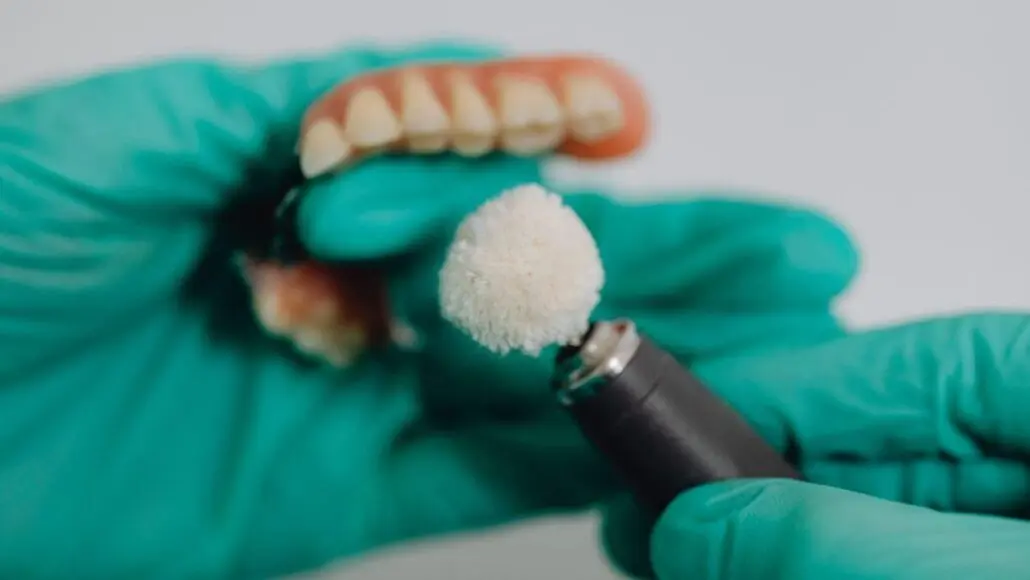

Most people who get dentures expect them to last indefinitely — until they don’t. The American College of Prosthodontists estimates that over 40 million Americans wear some form of denture, yet a significant number replace them far earlier than necessary due to preventable damage, poor fit, and inadequate cleaning habits. That gap between expected lifespan and actual lifespan isn’t just a financial burden; it directly affects nutrition, speech, comfort, and overall quality of life.
In New Port Richey, where Florida’s warm climate and active senior population create unique oral health dynamics, denture care is a topic that deserves more practical attention than it typically gets. Most online resources either skim the surface with generic tips or bury useful guidance under promotional pricing content. What denture wearers actually need is a clear, honest picture of what makes dentures last — and what quietly shortens their lifespan without the wearer realizing it.
This guide walks through the mechanics of how dentures function, the daily and weekly habits that preserve them, the problems most wearers encounter (and how to address them early), the role materials and denture type play in durability, and the broader factors that ultimately determine how long a set of dentures will serve you well.
How Do Dentures Work and Fit in the Mouth?
Understanding why care matters starts with understanding what dentures actually do inside your mouth. Unlike natural teeth anchored in the jawbone, dentures rely on a combination of suction, saliva, and tissue support to stay in place. Full dentures rest directly on the gum ridge, with the upper plate using a broader palatal surface area to create a seal. Lower dentures have considerably less contact area, which is why they tend to feel less stable — especially early on.
Saliva plays a surprisingly critical role here. It acts as the natural adhesive layer between the denture base and the soft tissue beneath it. Without adequate salivary flow, even a well-fitted denture will shift and cause irritation. This is a meaningful consideration for older adults, who are more likely to take medications — antihistamines, diuretics, antidepressants — that commonly reduce saliva production as a side effect.
Fit is not a static condition. The gum ridge and underlying bone change shape over time, particularly after tooth loss, because the jawbone gradually resorbs when it no longer has tooth roots exerting pressure through it. A denture that fits perfectly at delivery may fit noticeably differently within two to three years. This is normal biology, not a product defect.
Consider someone who received full upper and lower dentures two years ago and now notices the lower plate moving when they chew. They’ve been cleaning the dentures daily and storing them properly — the problem isn’t care, it’s bone resorption changing the ridge shape underneath. This is precisely why regular adjustment visits matter even when the dentures feel “fine most of the time.” Small fit discrepancies create friction hotspots that cause tissue breakdown and sore spots long before the wearer recognizes a serious fit problem is developing.
Understanding these mechanics sets the stage for everything else — because proper maintenance only works in the context of a well-fitting appliance.
What Are the Best Practices for Maintaining and Cleaning Dentures?
Daily cleaning is where most of the long-term damage either happens or is prevented. The single most common mistake is using regular toothpaste on dentures. Standard toothpastes are formulated for tooth enamel — a hard, mineralized surface — and their abrasive content is far too high for the acrylic resin used in most denture bases. Over time, this microabrasion creates surface scratches that harbor bacteria and stain more readily, effectively aging the denture from the inside out.
The clinically recommended approach is a soft-bristled denture brush with either a non-abrasive denture cleanser or plain mild dish soap. Brush all surfaces — the tissue-contacting side, the exterior, and all grooves — under running water after every meal if possible, or at minimum once daily. When you remove dentures for the night, soaking them in a commercial denture solution helps loosen debris and inhibit bacterial and fungal colonization (the fungus *Candida albicans* is a frequent culprit in denture-related stomatitis, a condition causing chronic gum inflammation).
One handling detail most people overlook: always clean dentures over a folded towel or a basin of water. Acrylic dentures crack far more easily than they look — a drop onto a hard bathroom floor can mean a fracture, and even a hairline crack compromises structural integrity and makes the denture nearly impossible to properly disinfect.
Dentures should generally be stored moist when not in use. Allowing them to dry out causes the acrylic to become brittle and warp slightly, which compounds fit problems over time. Avoiding very hot water during cleaning is equally important — heat can distort the shape of the denture base permanently.
For those seeking guidance on what products and routines best match their specific denture type, professional denture care in New Port Richey typically includes personalized hygiene instructions tailored to whether the appliance is full, partial, or implant-supported.
What Common Problems Affect Dentures and How Can They Be Solved?
Even with good habits in place, denture wearers encounter predictable problems — most of which are manageable when caught early.
Sore spots and irritation are among the most common complaints, particularly in the first few months after receiving new dentures or after significant weight change. The tissue beneath a denture has very little padding, and even a millimeter of uneven pressure creates a localized wound that struggles to heal because the denture keeps returning to the same position. The instinct is often to push through the discomfort, but doing so causes ulcerations that can take weeks to resolve. A brief adjustment visit — where the dentist uses pressure indicator paste to identify exactly where the appliance is bearing unevenly — typically resolves the problem in minutes.
Staining develops gradually, accelerated by coffee, tea, red wine, and tobacco use. The same surface scratches caused by abrasive toothpaste make staining worse by giving colorants more surface area to penetrate. Periodic professional ultrasonic cleaning removes deposits that home soaking cannot address, and polishing can restore some surface smoothness. Effervescent denture tablets are useful for daily maintenance but aren’t sufficient on their own to reverse built-up staining.
Slippage and instability that develops over time usually signals the need for a denture reline — a procedure that adds new material to the tissue-contacting surface to compensate for bone and tissue changes. This is distinct from having a new denture made, and it’s substantially less expensive. Attempting to self-adjust with over-the-counter reline kits, however, often creates uneven pressure distribution that accelerates further tissue damage and bone loss.
Finally, cracking or fracture usually results from a drop, but can also indicate that bite forces are being distributed unevenly — a problem that a poorly fitting denture can amplify over time. Hairline cracks should be professionally repaired rather than ignored or temporarily bonded at home with household adhesives, which are not biocompatible and can damage both the denture material and the surrounding tissue.
How Do Denture Materials and Types Influence Their Durability?
The material a denture is made from directly determines how it responds to cleaning, stress, and time. Most conventional dentures use polymethyl methacrylate (PMMA) acrylic resin for the base, which is lightweight, easily adjusted, and comfortable against soft tissue — but also porous on a microscopic level, susceptible to surface abrasion, and prone to discoloration with prolonged exposure to staining agents. The prosthetic teeth set into the base can be made from acrylic or porcelain; porcelain teeth are harder and more resistant to wear but also more likely to fracture on impact and to place greater stress on the opposing ridge.
Partial dentures introduce additional variables. A cast metal partial denture — typically cobalt-chromium alloy — is significantly more durable than an acrylic partial, with a thinner, stronger framework that resists fracture more reliably under chewing forces. Flexible partials, made from nylon-based thermoplastics, avoid visible metal clasps and are comfortable, but their surface characteristics make thorough cleaning more challenging and their long-term adjustability more limited.
Implant-supported dentures occupy a different durability category entirely. Because they attach to titanium implants integrated into the jawbone rather than relying on ridge support, they eliminate the bone-resorption-driven fit deterioration that limits conventional denture lifespan. The overdenture itself still requires the same cleaning discipline as a conventional denture, but the underlying stability means far less mechanical wear from shifting and friction.
Understanding which type of denture you have — and what material it’s made from — clarifies which care products are appropriate and which maintenance timeline to expect. Acrylic partials require more vigilant surface care than cast metal ones; conventional full dentures need more frequent fit evaluations than implant-retained ones.
What Factors Determine How Long Dentures Last?
With proper care, conventional dentures typically last between five and ten years before requiring replacement, though the American Dental Association recommends evaluation every five years to assess whether relining, rebasing, or full replacement is warranted. That range, however, is not fixed — it compresses significantly under certain conditions.
Bone resorption rate varies considerably between individuals, influenced by systemic health factors including osteoporosis and uncontrolled diabetes, both of which accelerate bone density loss in the jaw. Smoking impairs tissue healing and circulation, creating a more hostile environment for the mucosa supporting the denture. Grinding habits place far greater occlusal forces on denture teeth than normal chewing does, wearing them down years ahead of schedule.
On the other side, wearers who combine meticulous daily cleaning, proper storage, tobacco-free habits, and consistent professional evaluations routinely get the maximum functional lifespan from their appliances — and avoid the cumulative tissue damage that makes subsequent refitting more complicated.
The most practical question a denture wearer can ask at their next appointment isn’t “does this still look okay?” but rather “how is the fit affecting the tissue underneath, and what do the current bone levels suggest about the next two years?” That shift in framing — from cosmetic assessment to functional and biological assessment — is what separates reactive denture care from the kind that actually extends longevity.