

















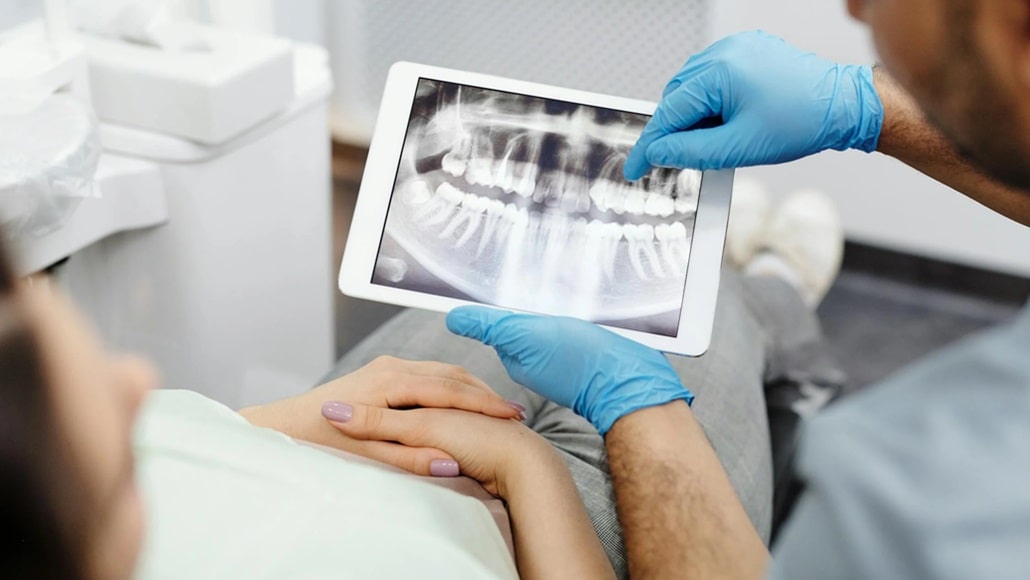

What you eat affects your waistline—that’s a given. But do you know that your diet affects your oral health, too?
The American Dental Association points out that the relationship between diet and oral health is two-way. Nutrition influences the health of oral tissues, and the condition of your mouth determines how effectively you can obtain nutrients.
Insufficient intake of essential nutrients can make your mouth vulnerable to several oral issues.
Want to know how poor nutrition can affect your oral health? Read this guide, for we’ll discuss that here.
1. Soft, Spongy Gums
Your gums should be firm and pink, not puffy and tender.
When they get soft and spongy, it’s often a sign of scurvy—a dietary deficiency caused due to a lack of Vitamin C.
According to the Cleveland Clinic, not eating enough vegetables or fruits is the main reason for a lack of Vitamin C deficiency in people.
Throughout history, sailors suffered from scurvy because they didn’t have access to fresh fruits and vegetables that contain the vitamin. And since the human body is unable to synthesize Vitamin C, consuming fruits abundant in it is essential.
What to Do?
Load up on Vitamin C-rich foods. Oranges, kiwi, strawberries, broccoli, and bell peppers are great options. If fresh options aren’t available, a supplement can help, too. Ask your dentist or a healthcare provider for recommendations. Your gums will be healthy again once you start getting enough Vitamin C.
2. Oral Cancer
An article published in Frontiers revealed that oral cancer rates are alarmingly increasing in young adults.
Tobacco and alcohol are the usual risk factors. But surprisingly, many patients diagnosed with oral cancer didn’t use these substances. Recent data blame impaired immune systems for the surge of oral cancer in young cohorts.
Deficiencies in key vitamins and minerals can impair the function and development of immune cells.
NLM’s findings suggest a link between Vitamin D deficiency and oral cancer. This fat-soluble vitamin regulates phosphorus and calcium, which are important to healthy teeth besides bones.
Severe B12 deficiency can also lead to moderate to severe oral mucosal dysplasia—abnormal cell growth in the mouth’s lining. Not having sufficient levels of Vitamin C is also a risk factor for oral cancer.
What to Do?
Boost your Vitamin D (sunlight, fish, fortified dairy), B12 (meat, eggs, dairy), and Vitamin C (citrus, peppers, strawberries) intake. Eat more whole foods. Load up on leafy greens.
See your dentist regularly if you’re at risk of oral cancer. Early detection can save lots of trouble down the road.
If oral cancer is diagnosed, oncologists will step in with treatment plans, including radiation, chemotherapy, or targeted therapies.
One promising approach? T-cell receptor mimic (TCRm) antibodies. It’s a type of antibody designed to imitate the function of a T-cell receptor—bind to certain antigens (proteins) found on cancer cells.
Despite their structure, these antibodies recognize peptide-HLA complexes on cancer cells, explains Alloy Therapeutics. That allows them to target antigens derived from intracellular proteins, effectively mimicking T-cell receptor functionality.
A TCR mimic antibody platform is used to develop antibodies that can recognize and target intracellular tumor antigens presented on the surface of cancer cells by MHC molecules. This approach offers the potential for a wider range of cancer targets than conventional antibody therapies.
3. Dental Caries or Cavities
Too much sugar and starch can lead to decay and painful cavities—you know that.
Sometimes, it’s not the sugary foods or starch that cause dental caries but nutritional deficiencies.
Calcium is important for strong teeth besides bones. Lack of calcium in the diet can have an adverse effect on a person’s dental health, such as tooth decay, says MedicalNewsToday.
Your risk of dental caries is also high if you’re Vitamin D deficient. This vitamin is for the mineralization of teeth. An imbalance in Vitamin D can lead to the formation of ‘rachitic teeth’—weak, poorly mineralized teeth that are susceptible to decay.
What to Do?
Add dairy, leafy greens, almonds, and canned fish with bones, like sardines, to your diet. They can help boost your calcium levels.
And the best way to get Vitamin D? Soak up some sun. Its ultraviolet (UV) rays will trigger your skin to produce vitamin D3. If your Vitamin D levels are extremely low, you can add a Vitamin D supplement.
Your mouth is a reflection of your overall health, and what you eat directly impacts your teeth, gums, and jaw. Insufficient intake of vital nutrients can lead to significant deterioration of your oral health.
It’s never too late to turn things around, however. Cut back on sugar and eat more nutrient-packed foods and keep yourself hydrated. And don’t forget those regular dental checkups. Your dentist can catch problems before they become serious.