



















A vasectomy is a highly effective surgical procedure that makes men infertile. It is a highly effective form of birth control for men and is considered to be a permanent method. This blog post will explore what it really is, how it is completed, and what to expect during and after the procedure.
What Is A Vasectomy?
This is a type of procedure that makes men infertile. Most people who decide to get a vasectomy in Sydney first get well-informed about it so that they can make an informed decision. A vasectomy is a minor surgery that involves closing or blocking the vas deferens, which are two tubes running from each testicle to the seminal vesicles.
During ejaculation, sperm passes through these tubes and mix with fluid from the seminal vesicles and other glands to form semen. It’s known to be a very effective method for birth control, about 99.85% effective when done correctly.
A vasectomy is a procedure in which the vas deferens are cut and blocked off to prevent sperm from entering semen during ejaculation. In most cases, it’s a simple outpatient procedure that only takes about 30 minutes and requires only local anesthesia (injection of numbing medicine around the vas deferens).
Consultation
You should always have a long talk with your doctor to determine the right time to get a vasectomy. During the consultation, they will explain the pros and cons of having the procedure done.
Your session should include a discussion about any potential risks, complications, or side effects associated with the surgery. You’ll also be asked to discuss any underlying medical problems that may increase your risk of complications after getting a vasectomy.
Preparation
There are a lot of things that go into preparations for the vasectomy. These are the following:
- Schedule an appointment
- Discuss the risks associated with vasectomy
- Have a physical examination
- Discuss the implications of having a vasectomy
- Make sure you are healthy enough to go through with it.
It is important to understand that preparation for the procedure is just as important as the actual surgery itself. Your doctor will be able to give you more detailed information regarding preparation and what exactly is involved in the procedure.
Procedure
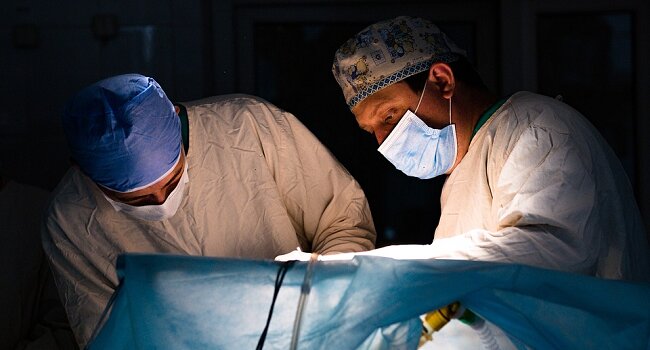
The process of a vasectomy procedure is quick, simple, and minimally invasive. The procedure typically begins with the patient receiving local anesthesia that numbs the area around the scrotum. Using sterilized surgical instruments, a tiny incision is made on one or both sides of the scrotum.
Then, one or two small cuts are made in the vas deferens to open it. The physician isolates and cuts a small segment of the vas deferens then seals the ends with sutures or cauterizes them (burning). The procedure may be performed on one or both sides of the scrotum, depending on your doctor’s preference.
Recovery
After the vasectomy, recovery is the next step. It’s important to take it easy and follow your doctor’s instructions for a successful recovery. You may experience some discomfort, swelling, or bruising in the area of the procedure, but that’s quite normal. Some doctors recommend taking over-the-counter pain medication if needed.
Most men are able to return to their regular activities within a few days. However, it’s important to avoid strenuous activity such as heavy lifting or contact sports for at least seven days after the procedure. It’s also important to wear snug underwear and an athletic supporter when engaging in physical activity.
After-care
Coming home after a vasectomy is the first step in after-care. During after-care, it’s important to stay aware of your body and look out for any signs of infection or complications from the procedure. Avoid strenuous activities such as heavy lifting, running, or any other activity that would increase pressure on your abdomen for at least two days after the procedure.
It’s also important to keep the area around your scrotum clean and dry. Avoid taking long baths and swimming for at least a week after the procedure, as it can increase the risk of infection. Wear loose-fitting underwear or shorts to help with air circulation.
Follow-up
You should frequently follow up with your healthcare provider after having a vasectomy. Follow-up visits may include semen analysis, which is used to determine whether or not the procedure was successful in preventing sperm from traveling through the tubes. Depending on the results of follow-up testing, additional follow-ups may be recommended.
During follow-up visits, you should discuss any questions or concerns you may have about the procedure. Your healthcare provider can also provide information and advice on follow-up care, lifestyle changes to consider, and any potential risks associated with a vasectomy.
Vasectomy is a very useful procedure that can make your life a lot easier. It’s recommended to consult with your doctor and go through the preparation process. The procedure is fairly simple but recovery and after-care are very much a must. Finally, make sure to go for follow-ups with your physician!