











Close
Digital Health & Ai Innovation summit 2026
Medical Taiwan 2026

FDA clears insulin dose calculator that’s connected to a smartphone app

Note* - All images used are for editorial and illustrative purposes only and may not originate from the original news provider or associated company.

Subscribe

- Never miss a story with notifications

- Gain full access to our premium content

- Browse free from any location or device.

Media Packs

Expand Your Reach With Our Customized Solutions Empowering Your Campaigns To Maximize Your Reach & Drive Real Results!

– Access the Media PackNow

– Book a Conference Call

Leave Message for Us to Get Back

Related stories

Healthcare Data Analytics and Digital Health...

The transformation of raw medical information into strategic intelligence is the defining characteristic of modern health informatics. By leveraging high-performance analytics within unified digital environments, organizations can predict patient needs and optimize resource distribution to enhance overall care efficacy.

Electronic Health Records: Driving Clinical Workflow...

The transition from paper-based charts to comprehensive digital records is a foundational element of modern medical administration. These platforms serve as the central repository for patient data, facilitating clinical decision-making while ensuring that regulatory compliance and operational workflows remain streamlined.

Healthcare Interoperability and Data Exchange Systems:...

Achieving a seamless flow of information between disparate clinical platforms is the primary challenge of modern health IT. The implementation of standardized data protocols and secure exchange frameworks is essential for ensuring that patient records remain accessible and accurate across the entire continuum of care.

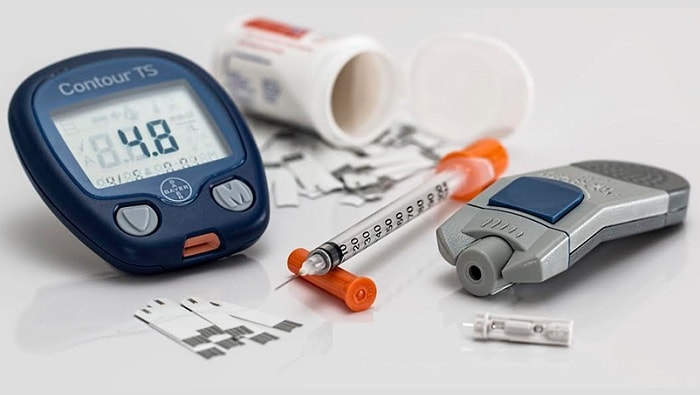
The Food and Drug Administration has cleared a mobile system that could simplify diabetes management for some patients.

Doctors treating Type 2 diabetes patients with long-acting insulin usually prescribe them a daily dose to take, and adjust the dose at follow-up visits based on how well the treatment is working. Some doctors, mostly diabetes specialists, provide patients instructions on how the adjust the insulin dose between visits to bring blood sugar levels into an appropriate range.

Glooko’s Mobile Insulin Dosing System allows doctors to set a dosage and pulls data from the patient’s glucose monitor to recalculate levels based on the reading. It’s integrated into Glooko’s existing mobile app and sends reminders to patients’ cellphones when it’s time to take another dose.

“There’s an enormous unmet need for both [clinicians and patients] — clinicians who aren’t comfortable with dosing and therefore don’t put people on long-acting insulin,” said Glooko CEO Rick Altinger. “It’s a wonderful drug if taken in the right amount at the right time in the right way. This overcomes a big need for clinicians and saves them time. For patients, math is hard.”

Altinger said the company decided to develop the system after learning some doctors and patients struggle with manual calculations and ensuring patients are following their treatment plan. The insight also came from analyzing data from Glooko’s existing diabetes management platform.

To test whether the system improved outcomes, Glooko conducted a study of 14 patients for between 7 and 23 days. The system increased adherence to the treatment plan, which was related to positive outcomes, according to the results.

However, the study was conducted over a short period of time and was not blind nor randomized, so it’s possible that some patients were more mindful of their diabetes management because they knew they were being tracked, said Dr. Tom Donner, director of the Johns Hopkins Comprehensive Diabetes Center.

Still, he believes the benefits were due to the app, since the subjects were prompted to increase their long-acting insulin dose, which he said doctors know will lower fasting glucose levels.

“If you had a device that got somebody to their ultimate insulin dose more rapidly without causing low blood sugars, that would help speeding up getting somebody’s diabetes under control,” Donner said.

Now that the system is approved, Glooko will start commercializing it and work through reimbursement. One strategy could be to partner with pharmaceutical companies and offer Glooko’s mobile insulin dosing system as a bundle with long-acting insulin products, Altinger said.

Michelle de Haaff, Glooko’s vice president of marketing and customer success, said drugmakers could be interested because the system has the potential to keep patients on a particular brand.

“Once a clinician puts a patient on (a brand of long-acting insulin) and something’s not right, they will change that patient to another brand if it seems like this brand is not working,” she said. “That’s a big frustration with pharmaceutical companies.”

She said all major long-acting insulin makers have shown interest. Glooko already has a partnership with Novo Nordisk, which produces Levemir and Tresiba. The two launched its Cornerstones4Care Powered by Glooko app last year.

In response to CNBC’s request for comment on Glooko’s new system, a Novo Nordisk spokesman said the company “is continuing to follow the development and progress of this platform with great interest.”

Latest stories

Related stories

Healthcare Data Analytics and Digital Health Platforms for Improved Patient Outcomes

The transformation of raw medical information into strategic intelligence is the defining characteristic of modern health informatics. By leveraging high-performance analytics within unified digital environments, organizations can predict patient needs and optimize resource distribution to enhance overall care efficacy.

Electronic Health Records: Driving Clinical Workflow Efficiency

The transition from paper-based charts to comprehensive digital records is a foundational element of modern medical administration. These platforms serve as the central repository for patient data, facilitating clinical decision-making while ensuring that regulatory compliance and operational workflows remain streamlined.

Healthcare Interoperability and Data Exchange Systems: Unified

Achieving a seamless flow of information between disparate clinical platforms is the primary challenge of modern health IT. The implementation of standardized data protocols and secure exchange frameworks is essential for ensuring that patient records remain accessible and accurate across the entire continuum of care.

Telehealth and Remote Patient Monitoring Solutions: Virtual Care

Modern healthcare delivery is undergoing a radical transition toward decentralized care models. By integrating virtual consultation tools with real-time biometric tracking, health systems can now manage chronic conditions and post-operative recovery with unprecedented continuity and patient convenience.

Subscribe

- Never miss a story with notifications

- Gain full access to our premium content

- Browse free from any location or device.

Media Packs

Expand Your Reach With Our Customized Solutions Empowering Your Campaigns To Maximize Your Reach & Drive Real Results!

– Access the Media Pack Now

– Book a Conference Call

Leave Message for Us to Get Back

Translate »