














The pharmaceutical industry has long been recognized for its life-saving innovations, but it is also increasingly being scrutinized for its environmental impact. Traditionally, drug manufacturing is an energy-intensive process that relies on complex chemical synthesis and generates significant amounts of waste. However, a major transformation is currently underway as companies move toward sustainable pharma manufacturing and green facilities. This shift is driven not only by a moral imperative to protect the planet but also by the need for long-term operational resilience and the growing demands of environmentally conscious investors. By integrating sustainability into the core of their business strategy, pharmaceutical companies are proving that they can be both profitable and planet-friendly.
The Core Pillars of Sustainable Pharma Manufacturing
Achieving a truly sustainable production model requires a holistic approach that covers every stage of the drug lifecycle. Sustainable pharma manufacturing and green facilities focus on three primary pillars: carbon reduction, waste minimization, and resource efficiency. This involves a move away from “linear” manufacturing models, where materials are used once and discarded, toward a “circular” approach. In a circular model, waste products are recycled or repurposed, and the overall consumption of raw materials is drastically reduced. This transition requires a significant investment in new technologies but ultimately leads to a more robust and cost-effective manufacturing operation.
Green Chemistry and the Reduction of Toxic Waste
One of the most impactful areas of innovation within sustainable pharma manufacturing and green facilities is the adoption of “green chemistry” principles. Green chemistry focuses on designing chemical processes that minimize the use and generation of hazardous substances. This includes the use of biocatalysts enzymes that can perform complex reactions at lower temperatures and with fewer toxic byproducts than traditional chemical catalysts. By rethinking the fundamental science of drug synthesis, manufacturers can significantly reduce the environmental footprint of their products before they even leave the lab.
Energy Efficiency and the Design of Green Facilities
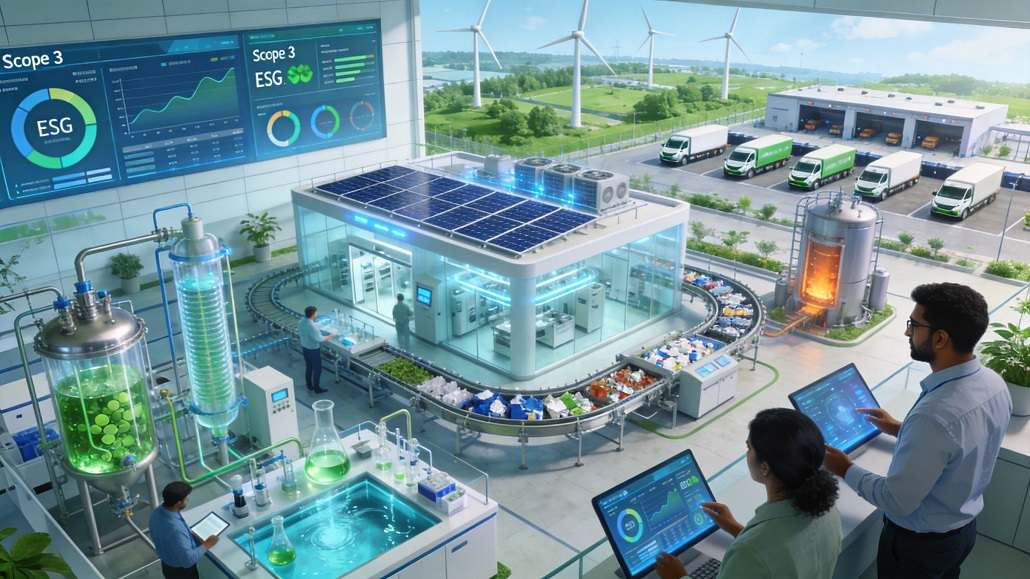
The physical manufacturing facility is a major contributor to the industry’s carbon footprint. Traditional pharma plants require massive amounts of energy to maintain the strict environmental conditions (such as temperature, humidity, and air purity) required for drug production. Modern sustainable pharma manufacturing and green facilities utilize advanced architectural designs and “smart” building management systems to minimize this energy consumption. This includes the use of high-efficiency HVAC systems, LED lighting, and superior insulation. Furthermore, many companies are now integrating renewable energy sources, such as solar panels and wind turbines, directly into their facility design, allowing them to generate their own clean power on-site.
Optimizing Cleanroom Environments for Energy Savings
Cleanrooms are the most energy-intensive areas of a pharmaceutical facility, often requiring hundreds of air changes per hour to maintain sterile conditions. Within the context of sustainable pharma manufacturing and green facilities, companies are finding ways to maintain safety while reducing energy use. For example, “variable speed drives” on air handling units can adjust the airflow based on the actual activity level in the cleanroom, rather than running at full capacity 24/7. Additionally, the use of advanced air filtration technologies can provide the same level of protection with significantly less energy, helping to lower the facility’s overall carbon footprint.
Water Management and the Protection of Natural Resources
Pharmaceutical manufacturing requires vast amounts of high-purity water for both the production of drugs and the cleaning of equipment. Sustainable pharma manufacturing and green facilities place a high priority on water stewardship. This involves implementing advanced water recovery and recycling systems that allow the facility to reuse water multiple times before it is safely discharged. Furthermore, manufacturers must ensure that their wastewater is free from active pharmaceutical ingredients (APIs), which can be harmful to aquatic ecosystems. By investing in sophisticated on-site treatment plants, companies can protect local water sources and ensure they remain a responsible neighbor to their surrounding communities.
Waste-to-Energy and Zero-Waste-to-Landfill Initiatives
Minimizing solid waste is another critical component of the sustainability journey. Many leading organizations have committed to “zero-waste-to-landfill” goals, meaning that every piece of waste generated by the facility is either recycled, composted, or incinerated to generate energy. In the context of sustainable pharma manufacturing and green facilities, this requires a rigorous waste-segregation program and a deep partnership with specialized waste-management providers. Even hazardous chemical waste can often be processed in “waste-to-energy” plants, providing a source of heat or electricity while safely destroying toxic substances.
ESG Compliance and the Role of Corporate Governance
The push for sustainability is increasingly being driven by Environmental, Social, and Governance (ESG) criteria. Investors and regulators now expect pharmaceutical companies to provide transparent reporting on their environmental impact and their progress toward sustainability goals. Sustainable pharma manufacturing and green facilities are essential for maintaining high ESG scores, which are increasingly being used to determine a company’s cost of capital and its overall market valuation. Strong corporate governance ensures that sustainability is not just a marketing slogan but a core value that is integrated into every decision, from the boardroom to the production floor.
The Importance of Scope 3 Emissions in the Supply Chain
While focusing on their own operations is a vital first step, pharmaceutical companies must also address the emissions that occur in their wider supply chain (known as Scope 3 emissions). Sustainable pharma manufacturing and green facilities extend their influence by requiring suppliers to adhere to strict environmental standards. This might involve choosing raw material suppliers who use sustainable harvesting practices or working with logistics providers who utilize electric vehicles. By taking responsibility for their entire value chain, pharma companies can drive positive environmental change far beyond their own facility walls.
The Business Case for Sustainability in Pharma
There is a common misconception that sustainability is a cost center. In reality, the adoption of sustainable pharma manufacturing and green facilities often leads to significant long-term cost savings. Energy-efficient systems reduce utility bills, waste-reduction programs lower disposal costs, and water-recycling initiatives minimize the need for expensive incoming water. Furthermore, a strong commitment to sustainability can help attract and retain top talent, as many healthcare professionals prefer to work for organizations that align with their personal values. In this way, sustainability becomes a powerful tool for both financial performance and brand differentiation.
Future Innovation: Biomanufacturing and Biodegradable Packaging
Looking ahead, the next frontier of sustainable pharma manufacturing and green facilities lies in the development of even more eco-friendly technologies. This includes the move toward “biomanufacturing,” where biological systems are used to produce drugs more efficiently and with less environmental impact than traditional chemical synthesis. Additionally, the industry is exploring the use of biodegradable or compostable packaging for both prescription and over-the-counter medications. These innovations will further reduce the industry’s plastic footprint and ensure that the life-saving medications of the future are delivered in a way that does not harm the planet.
The journey toward sustainable pharma manufacturing and green facilities is a critical step in the evolution of the global healthcare industry. As the world faces the growing challenges of climate change and resource scarcity, the pharmaceutical sector has a unique opportunity to lead by example. By embracing green chemistry, energy efficiency, and circular economy principles, companies can ensure that their work to improve human health does not come at the expense of the environment. The transition is complex and requires a fundamental shift in mindset, but the rewards for patients, for the planet, and for the industry itself are immeasurable. A greener future for pharma is not just possible; it is already beginning.