










Close
Digital Health & Ai Innovation summit 2026
LiGHT26

Comparing Dental Veneers and Teeth Whitening: Which Option is Right for You?

A bright and radiant smile is often a hallmark of good health and self-confidence. If you’re looking to enhance your smile, you may be considering dental veneers or teeth whitening. While both options can improve the appearance of your teeth, they serve distinct purposes and offer unique benefits. In this article, we’ll delve into the differences between dental veneers and teeth whitening to help you make an informed decision.

What Are Dental Veneers?

Dental veneers are thin, custom-made shells that can completely transform your smile. Made from high-quality porcelain or resin, these tooth-colored “costumes” are bonded to the front of your teeth to conceal imperfections such as:

  • Stubborn stains that don’t respond to whitening
  • Uneven tooth shape or size
  • Gaps between teeth

By addressing these issues, veneers can create a more even, balanced, and radiant smile.

How Are Veneers Applied?

The process of getting veneers typically involves several steps:

  • Consultation and planning: If veneers can fit you, the dentist will discuss with you the whole veneers process during the examination.
  • Preparation: To create space for veneers, some enamel has to be removed from down each toothโ€™s frontal part. Normally a small amount is taken off.
  • Impressions: To fit perfectly impressions will be made out of your teeth by the dentist.
  • Bonding: The veneers are secured to the personโ€™s teeth with special adhesive. Afterwards the veneers are made hard with the help of a photo-curing light.

What Is Teeth Whitening?

Teeth whitening is a way of changing the way one looks that does not cause harm. It involves getting rid of stains that can be seen or discolored teeth. If one wishes, they may bleach teeth at the conveniences of their own homes. Professional whitening treatment employed in clinics and hospitals generally have harsher bleach agents than those people use domestically thereby getting negative results more often.

How Is Teeth Whitening Done?

There are several methods for whitening teeth:

  • In-Office Whitening: Your tooth is cleansed by a specialist with a powerful bleaching agent while a unique light may be used to make the colors brighter. The entire process usually lasts more than an hour, and your teeth may end up being whiter by some numbers of shades.
  • At-Home Whitening: Your dentist will create personalized tooth trays for you along with mild bleaching gel that you can use while at home. This treatment can last for days.
  • Over-the-Counter Products: One can buy whitening strips, gels, and toothpaste without a prescription. You will observe slow results because the products are not as effective as the ones used by dentists often.

Comparing Dental Veneers and Teeth Whitening

veneers process

Suitability

  • Veneers: Veneers are perfect for people who do not like their teeth because of various problems. Common problems are poor spacing, gaps, chips, and discoloration among other things.
  • Whitening: Those whose concerns are mainly about white teeth. This may interest those who need a non-invasive solution for a bright smile in a short while.

Cost

  • Veneers: Veneers are usually more costly due to their higher initial price point.
  • Whitening: Whitening is cheaper mostly because it can be done using over-the-counter kits.

Longevity

  • Veneers: Veneers last long since they can serve one for about 10-15 years.
  • Whitening: Results do not last longer since they are temporarily lasting between a few months and a couple of years.

Procedure

  • Veneers: Require enamel removal procedure including many times one should visit a dentist.
  • Whitening: Not invasive either at-home or in-office solutions are available.

Conclusion

Two ways of improving your smile are teeth whitening and dental veneers. Understanding the merits and demerits of each one will help you select what best suits your needs among cost and beauty. Itโ€™s possible for anyone whether he/she prefers getting veneers or wants their teeth whiten to have a smiling face which is more positive and engaging.


Breaking Down the Role of a Dietitian and How They Can Help You

Weโ€™ve all probably wanted to start with a healthy diet and to start paying attention to what we eat, but we are not well-informed on how to manage and continue with this diet. It is important to know the role of a dietitian and how they can help us achieve our goals. Here, you can find all the necessary information about finding the best-qualified person to help you improve your diet.

The Role of a Dietitian

First of all, we must fully understand the role of a dietitian in order to know what to look for in one. A dietitian is a certified person who gives expert advice on nutrition and diet. We have to know our needs in order to look for a competent person. A dietitian can guide you through the whole process of achieving your goals, all the way from planning your meals and focusing on the type of food you need. Many think a dietitian is needed only when we want to lose or gain weight, but many donโ€™t know they can help you manage chronic disease. They can improve many aspects of our health as food is crucial for it.

Where to Look for One?

It is not that easy to find a competent dietitian, even though we see many advertisements online. We have to keep in mind that someone may just not be competent enough to deal with our health and diet issues. To find the right one in your country, you can, for example, google โ€œCanadian registered dietitiansโ€, and allow your browser to help you find a reliable and registered one. This is important as there are many people who call themselves dietitians and provide โ€œprofessionalโ€ advice, but are unqualified to do so.

How Can a Dietitian Help You?

We know they can help you manage your diet, but we do not know what a managed diet can be important for. The first and most obvious thing is weight management. Dietitians make meal plans professionally based on something you need, and their advice is important as we do not know what things we should eat to achieve what we want. Another significant thing is disease prevention, to which we pay less attention but it is equally important. A healthy diet can prevent chronic diseases such as heart disease, or it can help you manage existing conditions to prevent any further complications. Different types of goals and needs lead to different types of diets and we cannot gain weight by eating a large portion of everything, and we cannot lose weight by eating barely anything.

We think we know our bodies the best, and we never accept the fact that we need professional advice on how to keep the body healthy. We have to accept we need a dietitian to guide us through this process of getting to know our priorities and needs and we have to cooperate to achieve our goals. This can be challenging but we have to keep in mind the outcomes will justify the sacrifice.

Slip and Fall Injuries: Understanding Your Legal Rights and Options

Slip and fall accidents are very frequent and can happen to anyone. These are the kinds of accidents we simply cannot predict and cannot do much to prevent. It is important to be well-informed before such accidents happen, as we will be ready for the legal process and we will be informed about our legal rights. This is the kind of information everyone should be familiar with as almost everyone has been in such a situation at least once in their lifetime. Here you can find all the essential and brief information about the whole process and the possible outcomes.

What are the Slip and Fall Accidents?

Before applying for any further financial support, we have to know what belongs to the slip and fall accidents and injuries. Although this seems simple, many people cannot distinguish the difference between these kinds of accidents and accidents caused by our faults. Slip and fall injuries can occur when someone falls or slips on someone elseโ€™s property due to various reasons, some of which are wet or slippery floors, cracked or destroyed sidewalks, or similar. It is also important to recognize the usual types of injuries, from the small to the serious, such as broken bones, head or spine cord injuries, etc. It is crucial to determine whether we have a legal right to submit for financial support because if the legal authority comes to a conclusion the injury occurred due to your fault, you will only lose time going through the following complex process. Property owners have a responsibility to keep their property accessible and safe, and you should always keep this in mind in case someone tries to convince you the injury was your fault.

First Steps to Take

One of the most crucial things is getting checked by a doctor, as it is important for both your health and further processing. You will need medical records together with other documents, to prove this accident caused any type of injury. You also have to keep in mind that immediate evidence of hazardous conditions is one of the most significant pieces of evidence. If you can take some photos immediately after the accident, do so and keep them for further legal process. Once you have made sure your health is not greatly endangered, you have to consider hiring a slip and fall attorney who will deal with all the legal aspects of the process. You may consider them unnecessary, but you have to know that you will not get the best outcome without their help. Someone who is specialized in this field will know exactly what steps to take and what to expect. He or she will guide you through the process all the way from filing a claim to announcing the decision.

Filling the Claim

Once your lawyer thinks you have gathered all the necessary evidence, it is time to file the claim. It is important to collect all the necessary evidence to prove the negligence of the property owner. You have several options. You may file the claim with the insurance company of the propertyโ€™s owner and seek financial compensation for medical bills and suffered damage and your attorney can negotiate with them to come to a mutual agreement. Another possibility is filing a personal claim against the property owner, but you usually do this only if you cannot come to an agreement with the insurance company and this can result in an agreement or any kind of a refusal. Your lawyer needs to negotiate and search for a mutual agreement because if they do not accept your offer, this can be complicated and you may end up on trial, which can be a long and challenging process. In such cases, the judge may ask for some additional evidence and may prolong the whole process. If you are not satisfied with the decision, you have the legal right to file an appeal. However, do not do this without the consent of your attorney, as they will give you the best advice on whether you have any chance of changing the decision.

Understanding the Types of Compensation

If you have come to an agreement with the insurance company, or if the court recognizes your situation, you are legally entitled to financial compensation. However, you must understand what this compensation includes and what it depends on. The compensation depends on the specific details of your case; they analyze the seriousness of your injuries and your current health, together with the price of medical expenses. This compensation can cover the already mentioned hospital expenses you suffered because of the slip and fall accident, together with medications, physical therapy, and surgeries if there were any. Having in mind this information, it is easy to determine how much your compensation is going to be. This also covers the lost wages as you have been unable to work because of the injury. Your salary will be calculated according to the period you were unable to work. You can also claim financial support for suffering and emotional distress, this does not have to include those sufferings when the accident occurred, but any type of emotional distress during the accident and later on, experienced in a hospital or during some surgery.

Although we all want to avoid this unpleasant accident, we mostly canโ€™t, and we go through both physical and psychological difficulties without knowing we can take money for our suffering. However, this does not mean you should misuse this to take financial compensation for something that was our own fault. These situations can be overwhelming and, in many cases, traumatic. However, we should not ignore our rights to claim compensation for someoneโ€™s negligence. This article includes all the essential information you may need but keep in mind that hiring a lawyer can increase the amount of the compensation and can make sure your case is treated rightfully. Cooperation and calmness are crucial in such cases, as youโ€™ll have to consult your lawyer in case of a potential negotiation with the other party.

What Is An MD Program? Key Differences From Other Medical Degrees

Ever dreamed of wearing a white coat and a stethoscope? An MD degree program might be your ticket to becoming a doctor. But before you dive headfirst into medical school applications, understanding exactly what an MD program entails is crucial.

Buckle up, because you’re about to dissect this prestigious degree and compare it to other paths in the medical field.

MD vs. MBBS: Understanding the Lingo

First, let’s clear up some confusion. You might encounter the term ‘MBBS’ (Bachelor of Medicine, Bachelor of Surgery) alongside MD (Doctor of Medicine). Here’s the catch:

  • In the United States, Canada, and many other countries, an MD is the standard postgraduate degree for becoming a licensed physician. You complete a bachelor’s degree first, then enter a four-year MD program.
  • MBBS, on the other hand, is prevalent in some countries like the UK and India. It’s an undergraduate degree that qualifies you as a doctor after five to six years of study.

In a nutshell: An MD program builds upon an existing foundation of knowledge, while an MBBS lays the entire foundation itself.

Deep Dive into an MD Degree Program: What to Expect

So, you’ve set your sights on an MD. Here’s a sneak peek into the thrilling (and often grueling) journey that awaits:

Premed Journey: Gearing Up for Medical School

Your path to MD starts well before medical school itself. You’ll spend your undergraduate years fulfilling specific prerequisites. Biology, chemistry, physics, and math are a must. Don’t neglect social sciences and humanities either โ€“ well-roundedness is key for a successful medical school application process.

The MD Curriculum: A Balancing Act

Medical school throws you into a whirlwind of knowledge. The MD degree program curriculum is a blend of:

  • Foundational Sciences: Dive deep into anatomy, physiology, biochemistry, and pharmacologyโ€“the building blocks of medicine.
  • Clinical Sciences: Learn about diagnosis, disease management, and treatment in various medical specialties.
  • Clinical Rotations: Get hands-on experience shadowing doctors in different hospital departments. This is where theory meets reality in patient care.

The MCAT: Your Medical College Admission Test

The Medical College Admission Test (MCAT) is a crucial hurdle. It assesses your critical thinking, problem-solving, and scientific knowledgeโ€“all essential skills for a future doctor. Acing the MCAT can significantly boost your chances of getting accepted into top medical schools.

Residency Program: Refining Your Skills in a Chosen Field

After graduating with your MD degree, you’re not quite a full-fledged doctor yet. Residency training follows, where you specialize in a specific area like pediatrics, surgery, or internal medicine. Residency programs can last anywhere from three to seven years, depending on the specialty.

Beyond the MD: Other Paths in Medicine

An MD isn’t the only gateway to a fulfilling medical career. Here are some other noteworthy options to consider:

  • DO (Doctor of Osteopathic Medicine): DOs take a more holistic approach to medicine, emphasizing preventive care and the musculoskeletal system. The path to becoming a DO is similar to an MD, with its own licensing exam (COMLEX-USA).
  • Physician Assistant (PA): PAs work under the supervision of physicians, performing physical exams, ordering tests, and assisting in surgery. A master’s degree is required to become a PA.
  • Nurse Practitioner (NP): NPs are advanced practice nurses with a master’s degree. They can prescribe medications, diagnose illnesses, and provide primary care.

Choosing Your Path: Consider Your Interests and Goals

The best medical degree program for you hinges on your interests and career aspirations. Here are some questions to ponder:

  • Do you crave the autonomy and in-depth knowledge of a physician? If so, an MD or DO might be ideal.
  • Are you drawn to a more collaborative approach to patient care? Consider becoming a PA or NP.
  • Do you have a specific area of medicine that sparks your passion? Research residency requirements for different specialties in MD or DO programs.

The MD Advantage: Why It Stands Out

While other medical degree programs offer rewarding careers, the MD program equips you with a unique set of advantages:

  • Extensive Knowledge Base: MDs receive a rigorous educational program that prepares them for a wide range of medical challenges.
  • Diagnostic Expertise: MDs are highly trained in diagnosing and managing complex medical conditions.
  • Surgical Skills: Many MD specialties involve surgical procedures, giving you a wider scope of practice in patient care.
  • Leadership Opportunities: MDs often hold leadership positions in hospitals and healthcare organizations.

The Commitment Factor: It’s a Marathon, Not a Sprint

Becoming a doctor is a long and demanding journey. An MD degree program requires immense dedication, perseverance, and the ability to manage a heavy workload. But for those passionate about healing and pushing the boundaries of medicine, the rewards are immeasurable.

The Financial Investment: Weighing the Costs

Let’s be honest, medical school isn’t cheap. MD degree programs come with hefty tuition fees and living expenses. However, scholarships, grants, and loan programs can help ease the financial burden. Additionally, physician salaries tend to be high, allowing you to pay off debt over time.

Final Thoughts

There you have it! Now you’re armed with a clear understanding of MD degree programs and how they compare to other avenues in medicine. So, future doctor, are you ready to embark on this exciting journey through medical school, residency programs, and a lifetime of learning dedicated to public health?

Preventive Health Tips: Essential Screenings to Ensure Your Long-Term Wellness

Imagine health as a vibrant garden. Want a flourishing oasis? You need more than just reacting to wilting flowers. The same goes for our own health. Preventive healthcare is about proactive maintenance to ensure a strong foundation for long-term well-being. This involves regular check-ups, healthy lifestyle choices, and essential screenings โ€“ early detection systems that can catch potential health concerns before they blossom into major problems.

So what are some key screenings that play a vital role in ensuring your long-term health? Read on and discover.

Cancer Screenings: Early Detection Saves Lives

Cancer screenings are a group of tests designed to catch specific types of cancer in their early stages, when treatment is often most effective and has a higher chance of success. And although tests can’t diagnose cancer definitively, they can identify abnormalities that warrant further investigation.


Common screenings include:

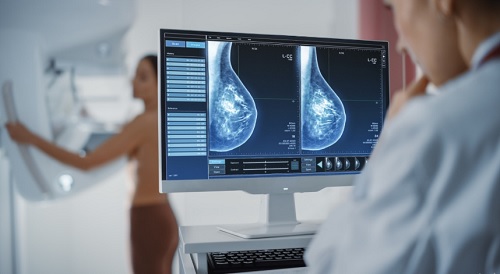
  • Mammograms: These low-dose X-ray images of the breast tissue are used to detect potential abnormalities that could be indicative of breast cancer in women.
  • Pap smears and HPV tests: These tests work together to screen for cervical cancer in women. A Pap smear collects cells from the cervix, which are then examined for precancerous changes. An HPV test, meanwhile, checks for the presence of human papillomavirus (HPV), which can contribute to cervical cancer development.
  • Colonoscopy:ย This procedure allows for a visual examination of the inner lining of the colon to detect precancerous polyps or colorectal cancer. For accurate results, make sure to choose a reputable clinic whether you’re seeking a colonoscopy orย hemorrhoids treatment Singaporeย residents trust. When it comes to your health, only experienced experts ought to be your allies.
  • Low-dose CT scans: These specialized X-ray scans can be used for lung cancer screening in high-risk individuals, such as those with a history of heavy smoking. These can also provide detailed images of the lungs that can reveal suspicious nodules or masses.

Remember, while these screenings are valuable tools, they don’t guarantee complete cancer prevention. It’s important to discuss your individual risk factors with your doctor to determine the most appropriate screening plan for you. Maintaining a healthy lifestyle also plays a significant role in cancer prevention.

Blood Pressure Checks: The Silent Culprit Hunter

Think of your blood pressure as the force with which blood pushes against your artery walls. Ideally, it should be within a healthy range. High blood pressure, also known as hypertension, often shows no symptoms but can be a silent culprit behind heart disease, stroke, and kidney problems. Itโ€™s also closely tied to circulatory issues that can affect vein function โ€” something a Denver Vein Specialist can help assess if you’re experiencing symptoms like leg swelling, visible veins, or discomfort.

Early detection allows for early intervention. Through lifestyle changes like maintaining a healthy weight, reducing salt intake, and increasing physical activity, you can often manage blood pressure effectively. If needed, your doctor might prescribe medication to keep it under control.

The ideal thing for adults to do is get their blood pressure checked at least once a year. More frequent monitoring might be necessary for individuals with a family history of hypertension or other risk factors.

Cholesterol Screening: Keeping Your Arteries Clear

Cholesterol is that waxy substance in your blood. It plays a vital role in some bodily functions, however high levels of “bad” cholesterol (LDL) can spell trouble. LDL cholesterol can build up in your arteries before forming plaque that narrows the passage and increases the risk of heart attack or stroke.

A simple blood test can measure your total cholesterol, LDL, HDL (“good” cholesterol), and triglycerides (another type of fat). Early detection allows your doctor to recommend dietary changes to lower LDL, potentially including reducing saturated and trans fats and increasing fiber intake. If needed, they might also suggest medication to manage cholesterol levels.

Adults aged 19-40 are advised to get their cholesterol checked every four to six years. This frequency might increase for those with a family history of high cholesterol, diabetes, or other risk factors.

Blood Sugar Tests: Monitoring Your Sweet Meter

Blood sugar, also known as glucose, is the main source of energy for your body’s cells. Blood sugar tests measure the amount of glucose circulating in your bloodstream. Chronically high blood sugar levels can be a sign of prediabetes or diabetes, a condition where your body either doesn’t produce enough insulin or can’t use it effectively.

Early detection of diabetes is crucial; leave it untreated and it can lead to serious complications like vision loss, nerve damage, and kidney disease. A simple blood test can help identify potential issues early on. Based on the results, your doctor might recommend lifestyle changes like weight management, increased physical activity, and dietary modifications to control blood sugar levels. If needed, medication might be prescribed.

Adults aged 45 and up ought to get screened for diabetes, especially if they have a family history or risk factors like obesity, a sedentary lifestyle, or a history of gestational diabetes. For younger adults, screening might be recommended based on individual risk factors.

Final Thoughts

Remember, preventive screenings are just one piece of the puzzle. Maintaining a healthy lifestyle through a balanced diet, regular exercise, adequate sleep, and stress management is equally important for long-term well-being. By incorporating these measures and scheduling regular screenings, you’re giving yourself the best chance for a healthy and happy future.

Infrared Imaging Making Its Mark In Remote Patient Tracking

In the smart healthcare era, infrared imaging happens to be making phenomenal grounds for itself by way of patient monitoring. This advanced technology happens to offer non-invasive, precise, as well as real-time health data, thereby making it a pretty valuable tool when it comes to healthcare providers and patients.

Making the remote patient monitoring much better

Infrared imaging enables for a continuous tracking of patients sans the requirement for physical contact. This happens to be especially advantageous for patients with chronic conditions, those needing intensive care, and, of course, the elderly. Through detecting variations in temperature as well as physiological changes, infrared imaging happens to give out critical data, which can as well indicate potential health challenges before they go on to become challenging and severe.

Temperature monitoring thatโ€™s non-invasive

It is well to be noted that one of the major applications pertaining to infrared imaging within healthcare happens to be temperature tracking. Fever is a pretty common symptom of numerous illnesses, and an exact measurement of temperature is indeed critical when it comes to diagnosis and treatment. Interestingly, infrared thermography can, in a quick way as well as precisely, go on to detect skin temperature change, thereby enabling early detection in terms of infections and inflammatory conditions. Such a non-invasive method is specifically very useful when it comes to tracking patients remotely, thereby reducing the requirement when it comes to hospital visits and at the same time minimizing the infection risk.

Detection of Vascular as well as Circulatory Issues

It is worth noting that infrared imaging can go on to enable the detection of vascular as well as circulatory issues. Through capturing the heat patterns on the skin, it can go on to reveal abnormalities within the blood flow as well as vascular health. This is indeed pretty useful for those patients who have diabetes or other peripheral artery disease. The fact is that the early detection of such kind of challenges helps with timely intervention, thereby potentially safeguarding against complications such as ulcers or even amputations.

Tracking the respiratory conditions

A respiratory condition like say a COVID-19 can be tracked in an effective way through infrared imaging. The alterations in respiratory rates as well as patterns can be gauged by way of thermal imaging, therefore helping healthcare providers monitor the progress of the diseases and alter treatment plans accordingly. This technology makes sure that the patients go on to get timely care, hence better the outcomes as well as diminish the healthcare facilities burden.

Enhancing the comfort and compliance of patient

It is worth to note that the non-invasive nature when it comes to infrared imaging happens to enhance the comfort of patients as well as compliance. The fact of the matter is that traditional monitoring methods can indeed be very uncomfortable as well as intrusive, thereby leading to dissatisfaction within the patients and even non-compliance. Infrared imaging happens to provide a comfortable choice, therefore encouraging the patients to keep in sync with the tracking protocols and, at the same time, making sure of a precision-led data collection.

Finally

Infrared imaging undoubtedly happens to be a game changer within the smart healthcare segment, especially in the gamut of remote patient monitoring. Its capacity to go ahead and offer real-time, precise, and non-invasive health data happens to make it a necessary tool when it comes to modern healthcare. Through elevating patient tracking, enhancing the early detection of health challenges, and elevating the comfort of patients, infrared imaging is carving a path for a healthcare system thatโ€™s more efficient and patient-led. Notably, as technology advances, its role when it comes to remote patient monitoring is bound to grow, thereby offering much bigger benefits to patients along with healthcare providers.

Providers Can Look Up To Change To Issue Data Breach Alerts

The HHS has gone on to say that Change Healthcare can go ahead and notify consumers whose health data may have been exposed post-a major cyberattack that took place at the UnitedHealth-owned tech firm early in 2024.

The update that was posted on May 31 by the Office for Civil Rights by the HHS is indeed a win when it comes to provider groups, who have gone on to urge the HHS to go ahead and clarify who is going to be responsible when it comes to handling the data breach reporting as well as notification requirements post-attack.

It is well to be noted that UnitedHealth had previously gone on to offer to take up these tasks for the providers as well as the customers who were affected. Interestingly, Change has not filed a breach report as yet with the HHS, but as per its CEO, Andrew Witty, a large proportion of Americans may have been impacted by it as well. 

The fact is that under the gamut of HIPAA, the covered entities as well as their business associates are needed to ensure to notify the affected individuals, the HHS, as well as at times the media when in case unsecured protected health information gets exposed. The attack on Change, which happens to be a major medical claims processor that takes care of billions of transactions per year, can prove to be a massive data breach, even in a time when the large healthcare data breaches that are reported to the OCR happen to be on the rise.

Apparently, in early May 2024, Witty went on to testify before Congress that this cyberattack may as well have compromised the data of almost a third of US individuals. However, the company was still working on determining how many individuals could get affected because of it, and the fact remains that it could take many months before the required information is going to be available to notify each one of them.

The provider groups have pushed for weeks so as to determine who would be needed to handle the breach reporting needs post-the cyberattack. In March 2024, hospital groups went on to argue that the onus should as well lie on the UnitedHealth as well as Change, thereby suggesting that providers sending off the notifications may as well lead to duplication of letters to the patients.

There was another group of dozens of providers sent a letter to the HHS in May 2024, thereby asking the agency to provide some kind of clarity. The fact is that not only is there legal authority for the UnitedHealth Group to give these notifications, but needing the hospitals to give out their own notifications may as well lead to confusing the patients and hence impose an unnecessary cost when it comes to the providers, especially when they have already gone on to suffer so greatly due to this attack, said the general counsel as well as the secretary at the American Hospital Association- AHA, Chad Golder. The decision that is now taken goes on to acknowledge this and happens to be a clear example smart as well as practical government action.

Change as well as UnitedHealth have gone on to face immense pressure from the regulators along with the lawmakers post-the cyberattack. The OCR went ahead and launched an investigation into the incident in March 2024, and one of the senators called for the Federal Trade Commission and Securities and Exchange Commission to delve deep into the negligent cybersecurity practices of this US healthcare giant.

NHS Cyberattack – Ongoing Ransomware Riskย Toย Healthcare

The head of Large Account Cyber, Tokio Marine Kiln, Paul Gooch, has asked the companies to embrace the mindsetโ€”not if-but when in terms of their approach to cybersecurity post the attack on hospitals in London that targeted Synnovis, the NHS IT firm.

As per Reinsurance News, the attacks have gone on to affect the Harefield, Royal Brompton, Guyโ€™s, St. Thomas’, & Kingโ€™s College Hospitals, all of which were forced to discontinue many of their operations. This attack unfortunately correlates with the claims statistics that demonstrate that ransomware attacks happen to be on the rise once again and that the healthcare industry goes on to heavily targets crime groups pertaining to ransomware.

Gooch also stated that the threat actors have already gone on to add leverage in terms of looking to extort healthcare organizations since they always happen to hold patient data thatโ€™s very sensitive, which the criminals threaten to go ahead and leak unless the extortion payments get to be made.

It is well to be noted that the operational effect of a computer system outage within the healthcare sector happens to be incredibly high, as one can observe in the latest attack on Synnovis, in which the NHS trusts that have been impacted have gone on to declare it to be a very dangerous incident because of the impact on the test results as well as medical procedures, said Gooch.

He went on to add that the extent as well as the duration of the effect of this attack is yet to be ascertained but is most likely to be determined by what kind of data has gone on to get compromised, in addition to the backup as well as restoration procedures that Synnovis happens to be having in place. There happens to be sadly a clichรฉ phrase that says not if, but when an organization is going to be falling victim to a cyber-attack, it happens to be the one that, as per Gooch, they would like to advise the companies to inculcate in their approach when it comes to cybersecurity, and hence a focus on recovery happens to be just as pivotal as the efforts that are made to go ahead and prevent the attack.

Urgent Visits, Hospitalizations Dip Post Ransomware Attacks

California hospitals went on to experience reduced emergency department visits as well as inpatient admissions for weeks post-ransomware attack, as per a study published in JAMA.

Notably, the emergency visits along with inpatient admissions went on to dip by over 8% at the targeted hospitals a week after the attack, and they went on to drop by over 16% in the second week.

Near it, the unattacked hospitals went on to experience elevated emergency department visits, thereby suggesting the consequences of such kinds of attacks happen to be much broader as compared to the targeted hospitals, say the researchers.

Ransomware, which happens to be a kind of malware that denies the user access to their data until a ransom gets paid, has proven to be a major threat to hospital operations. It is well to be noted that major hospital chains such as CommonSpirit and Ascension have gone on to be targeted, and a ransomware attack against Change Healthcare, UnitedHealthโ€™s tech firm, has jolted key tasks such as the processing of claims and payments throughout the health sector in 2024. Attacks against the providers can go on to have potentially disrupting effects when it comes to care delivery, and it at times takes even weeks, if not months, for the hospitals to recover completely.

The fact is that Ransomware can indeed go ahead and shut down electronic health records, make delays in the scheduled procedures and also force the ambulances to take diversion to other facilties. Moreover, some providers have gone on to report a surge in the patient mortality rate due to ransomware attacks.

As per the latest study, which went on to analyze the California emergency department as well as the patient discharge data from 2014 until 2020, it looked to drill down on the healthcare effects after hospitals got hit by an attack.

The researchers happened to find emergency visits as well as inpatient admissions at the targeted facilities return to pre-attack in eight weeks. At the unattacked hospital nearby, the study went on to report a surge in visits to the emergency departments for almost 4 weeks, thereby reaching a 7% uptick in the third week post-ransomware attack. But the researchers did not find any statistically significant rise in inpatient admissions at the hospitals located nearby.

Chatbots More Dependable If Health Queries Are In English

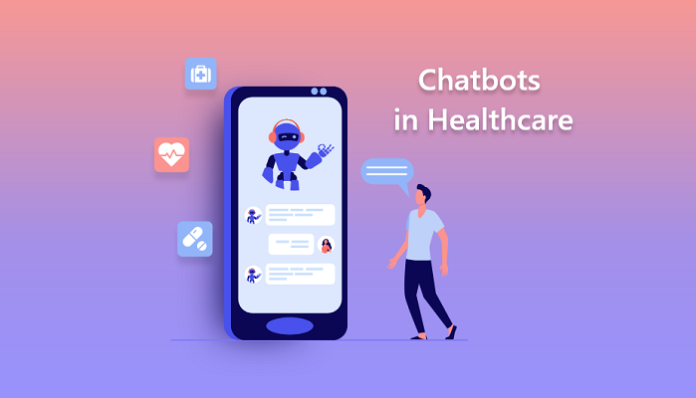
Researchers from the Georgia Institute of Technology have gone on to find out that the chatbots happen to be less accurate in Hindi, Chinese, and Spanish if asked health-related questions.

The researchers say that non-English speakers should not depend on chatbots like ChatGPT so as to get valuable healthcare advice. One of the team of researchers at Georgia Techโ€™s College of Computing has gone on to come up with a framework for evaluating the capabilities pertaining to large language models- LLMs. Mohit Chandra and Yiqiao Jin happen to be the co-lead authors of Better to Ask in English Cross-Lingual Evaluation of Large Language Models for Healthcare Queries.

The findings in their paper happens to reveal a gap between the LLMs as well as their capability to answer questions pertaining to health. Both, Chandra and Jin pointed out the drawbacks of LLMs when it comes to users as well as developers, but at the same time, they also highlighted the potential they have.

The XLingEval framework goes on to caution non-English speakers against making use of chatbots as one of the alternatives to doctors for advice.

But at the same time, the models can very well be enhanced by deepening the data pool through multi-lingual source material like the proposed XLingHealth benchmark.

According to Jin, for users, their research goes on to support what the ChatGPT website already happens to state: chatbots do make a lot of mistakes, and hence one should not depend on them for major decision-making or for any information that needs high levels of accuracy. Since a language disparity has already been observed in the chatbot performance, LLM developers must go on to focus on enhancing the correctness, consistency, dependability, and precision in terms of other languages.

By way of using XLingEval, the researchers gauged that the chatbots are way less accurate when it comes to Hindi, Chinese, and Spanish as compared to English. Upon focusing on consistency and correctness, they went on to discover that:

  • Their correctness depleted by 18% when similar questions were asked in Hindi, Chinese, and Spanish.
  • The answers in non-English happened to be 29% less consistent as compared to their English counterparts.
  • The non-English responses happened to be 13% less verifiable.

XLingHealth happens to have question-answer pairs that the chatbots can use as a reference, which, as per the group, would go on to improve LLMs. The HealthQA data makes use of specialized healthcare articles from a popular healthcare website called Patient, This happens to include 1134 health-related question-answer pairs, which happen to be excerpts from articles. LiveQA happens to be the second dataset that has 246 question-answer pairs that happen to be created from numerous FAQs, with the group building a MedicationQA component. This dataset happens to have 690 questions, which are extracted from many consumer queries that are submitted to MedilinePlus as well as DailyMed.

In these tests, the researchers went ahead and asked more than 2000 medical-centric questions to the ChatGPT-3.5 as well as MedAlpaca, which is a healthcare question-answer chatbot that is trained in medical literature.

Still, more than 60% of the responses to the non-English questions happened to be irrelevant or contradictory. As per Chandra, they saw far worse performance in the case of MedAlpaca than ChatGPT. It is well to be noted that the majority of the MedAlpaca data happens to be in English, and hence it naturally struggles to answer queries in non-English languages. GPT also had its own set of struggles, yet it performed much better than MedAlpaca as it had some training data pertaining to other languages.

Apparently, the group went on to test Hindi, Chinese, and Spanish, as these languages happen to be the most spoken in the world after English. It is well to be noted that personal curiosity as well as the background went on to play a critical role when it came to inspiring the study. As per Jin, ChatGPT happened to be a very prominent and popular tool when it got launched in 2022, especially for computer science scholars who always look to discover new tech, and non-native English speakers such as him and Mohit went on to notice that chatbots underperformed when it came to their native languages.

Translate ยป