













Close
Digital Health & Ai Innovation summit 2026
LiGHT26

Privia Health’s Diabetes Care Management Program

In an exclusive interview with Hospital & Healthcare Management, Ryan Graham, CPHIT, Vice President, Practice Operations & Value-Based Care, and Zia Khan, MD, Chief Medical Officer for Privia Medical Group — Georgia, provided insightful details about Privia Health’s innovative approach to diabetes care management. Here are the key highlights:

1. Can you provide more insight into the key findings of Privia Health’s data presented at the AMGA Annual Conference regarding diabetes care management programs?

The key findings from Privia Health’s data on diabetes care management, presented at the AMGA Annual Conference, highlighted significant insights and outcomes from their analysis of approximately 107,000 diabetic patients in their Accountable Care Organization. By categorizing patients into “Bundle Complete,” “Bundle Pass,” and “Bundle Incomplete” groups based on the Together2Goal reporting parameters, they discovered notable differences in healthcare utilization and costs. The “Bundle Incomplete” group had higher hospital and emergency department usage compared to the others, and the “Bundle Complete” group showed a substantial reduction in Risk Adjusted Per Member Per Month costs by $2,585 compared to the “Bundle Incomplete” group. The findings underscored the importance of regular primary care provider visits and consistent, accurate data reporting for effective diabetes management. These insights led to improved patient engagement, more reliable data through collaboration with lab vendors, and enhanced care outcomes by focusing on completing care bundles for diabetic patients.

2. How does Privia Health leverage AMGA’s “Together 2 Goal” initiative to improve diabetes care, and what specific strategies have contributed to the $1.4M savings in risk-adjusted total cost of care?

Privia Health has effectively utilized the AMGA’s “Together 2 Goal” initiative to enhance diabetes care management, leading to a substantial $1.4M in risk-adjusted total cost of care savings. The strategy involved using the initiative’s core track metrics to benchmark and identify gaps in care, particularly focusing on moving patients from “Bundle Incomplete” to “Bundle Complete,” which demonstrated significant savings and reduced healthcare utilization. Privia Health developed a detailed patient registry updated monthly, which helped in tracking individual and overall performance metrics. They differentiated tasks that could be handled by physicians from those manageable by support staff, enabling efficient patient scheduling and pre-visit preparations to ensure necessary diabetic screenings were completed. Additionally, fostering a competitive spirit through regular meetings and updates motivated physicians and care centers, driving improvements in care delivery and outcomes across their network.

3. The study suggests three essential changes to statewide diabetes management programs. Could you elaborate on how these changes can enhance the quality of diabetes care and drive value to practices?

In our study, we proposed three essential changes to enhance the efficacy of diabetes management programs: improved reporting, comprehensive training, and strong leadership engagement. These changes improved the quality of diabetes care and bring value to medical practices by integrating them into existing value-based care frameworks.

  1. Reporting: By developing accurate, timely, and actionable patient registry reports, practices can address various patient groups effectively. Administrative staff can increase office visits and screenings by engaging patients with incomplete care bundles, thereby generating additional revenue. Clinical staff can prepare for upcoming visits by ensuring all necessary tests are completed, reducing the physicians’ workflow burden. This allows physicians and advanced practice providers to focus on developing specific care plans for patients who have completed the care bundles but have not passed all measures.
  2. Training: National training sessions for physicians cover essential diabetes management aspects, including program overviews, electronic health record workflows, coding, documentation, and advanced treatment options like continuous glucose monitoring and medication management. This consistent education across the network supports physician competency and encourages active participation and feedback.
  3. Leadership Engagement: Prioritizing the diabetes management program at the leadership level ensures that the initiative is aligned with the organization’s goals, securing necessary resources and support. This alignment facilitates operational efficiency and enhances the overall effectiveness of the program.

Together, these changes can lead to better patient engagement, higher screening rates, improved medication adherence, reduced healthcare utilization, better Medicare Advantage star ratings, and lowered total costs of care, resulting in increased shared savings distributions to care centers. These improvements not only enhance patient outcomes but also drive significant value to practices within the network.

4. With PCPs providing the majority of care for diabetes patients, how does Privia Health support these providers in delivering high-quality care sustainably?

Privia Health supports primary care providers (PCPs) in delivering high-quality, sustainable diabetes care through a combination of comprehensive management services and value-based care incentives. Their core services include electronic health record (EHR) support, revenue cycle management, group purchasing options, and operational consulting, funded by a percentage of collections. Privia Health emphasizes rewarding PCPs by redistributing 60% of all earned incentive payments back to them, with the remainder reinvested in infrastructure and care process redesign.

The organization operates under a single Tax Identification Number (TIN), enhancing continuity of care and operational efficiency through shared EHR systems and additional support services such as credentialing, analytics, and coding education. They also foster a strong culture of accountability and engagement by organizing physicians into geographically aligned groups led by a physician leader.

Furthermore, we acknowledged the efforts of our care centers with awards recognizing exceptional management of diabetic patients, based on metrics like the number of attributed patients and completion rates of diabetes care bundles. This multifaceted approach helps PCPs deliver effective and efficient diabetes care while maintaining their independence within a supportive larger network

5. Could you share some examples of how Privia Health’s value-based care platforms have helped independent practices grow and improve patient outcomes?

Privia Health is uniquely positioned to help support autonomous practices succeed in value-based care. Our MSO services provide strong RCM and operational support allowing care centers to focus on the clinical needs of their patients. Our healthcare analytics team effectively turns mountains of data into actionable insights and our operations and population health teams are experts in change management, workflow optimization and all the nuances associated with successfully navigating VBC.

We have especially been pivotal in supporting independent physicians in their gradual transition from Fee for Service (FFS) to VBC reimbursement. Year-over-year, Privia Health physicians are seeing a larger percentage of their overall compensation come from VBC. Some practices view this transition as an opportunity to align schedules and spend a little extra time with each patient, while others have used this revenue as an opportunity to grow their practice by hiring additional physicians and advanced practice providers, adding new services, or opening new locations.

6. How does Privia Health use readily available EHR data to develop clear patient cohorts, create actionable patient registries, and build meaningful care paths for each patient cohort?

Privia Health effectively utilizes EHR data, combined with additional information from payer partners, ADT data from facilities, and third-party sources, to develop detailed patient registries and dashboards. These tools are crafted in collaboration with physician leaders to ensure they are both clinically relevant and impactful for value-based care (VBC) initiatives.

Key tools developed include the “Patient Roster Report,” which helps care centers manage patient care by providing comprehensive data such as last and next visit dates, care gaps, and risk flags for chronic conditions. This report aids in identifying patients who need specific interventions, like those overdue for annual wellness visits or those with high emergency department usage.

Additionally, Privia Health has developed “Privia Engage,” a real-time patient outreach tool that divides the patient population into worklists for annual wellness visits and hospital follow-ups, updated daily. This tool allows care center staff to efficiently manage, and schedule necessary follow-up care based on recent hospital discharges, ensuring timely patient engagement and continuity of care. These strategies collectively enable Privia Health to build meaningful care paths and manage their patient cohorts effectively.

7. What challenges do healthcare organizations typically face when implementing changes to diabetes management programs, and how does Privia Health overcome these challenges?

There are a few key challenges to implementing any clinical program:

  • Resistance to Change:  Independent physicians are already stretched thin helping patients, managing staff and running a business alongside the additional challenges associated with value-based care. Trying to add a clinical program to the mix requires strong physician leadership, a clear vision for what you are trying to accomplish and well-defined success metrics. However, healthcare organizations often attempt to define the “how” before they identify the “why,” which leads to confusion and discourages adoption from key stakeholders. Privia Health has done an excellent job of building a strong physician-led governance structure helping mitigate these issues and encouraging success by soliciting input and addressing concerns earlier in the program.
  • Lack of Resources:  Adequate resources like funding, staff and technology are necessary for sustaining changes to diabetes management programs. However, many healthcare organizations face constraints in these areas. Privia Health’s diabetes management program started as a small pilot servicing a couple of care centers, we scaled the program across the Georgia market and eventually across the entire national network once we perfected workflows and ensured data confidence. With each escalation of the program, we saw a corresponding allocation of resources across dozens of teams at Privia Health to support the program’s continued development.
  • Complexity of Care Coordination: Diabetes management requires coordination among multiple healthcare providers, including primary care physicians, endocrinologists, dietitians, and other specialists, which may lead to fragmented care and sub-optimal outcomes. Privia Health has always emphasized the importance of care coordination and team-based care, including the establishment of care teams, implementing care protocols, and leveraging technology to facilitate communication and collaboration among healthcare providers. Having all of our physicians on a shared EHR eliminates the need for passing charts back and forth to reconcile data, while a centralized care management team ensures high-risk patients don’t slip through the cracks as they transition between care sites.

8. In terms of patient engagement, what strategies does Privia Health employ to ensure that patients are actively involved in their diabetes care plans?

Privia Health leverages several strategies to ensure patients are actively involved in their care. Through shared decision-making, patients are empowered to actively participate in developing their personalized diabetes care plans and make informed decisions aligning with their own preferences, goals, lifestyle, and medical history.

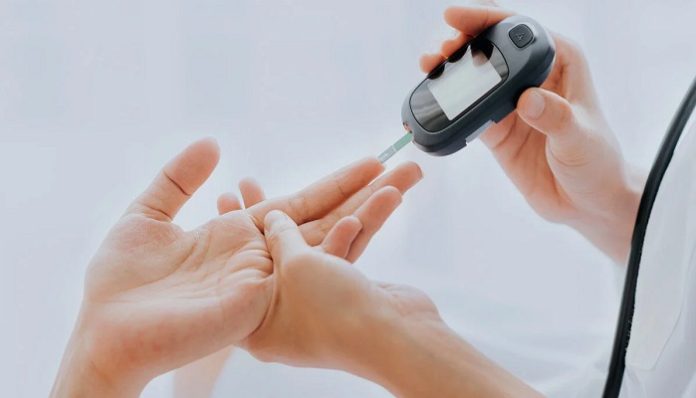
When appropriate, we will also refer high-risk patients into our Chronic Care Management (CCM) program, where they are paired up with a nurse care manager who helps support the care plan put in place by the physician and assists in coordinating care for the patient. This removes barriers to adherence where they may exist and provides a resource to the patient when needed. Meanwhile, patients with a less complex medical history may be enrolled in a remote patient monitoring program where daily blood sugar readings are integrated into our EHR and out of range alerts are triaged to a team of care managers for outreach, improving medication adherence, reducing A1c and bolstering patient engagement. Both programs are supplemented by the availability of telehealth directly within our platform, making it convenient for physicians and APPs to conduct a virtual visit with a patient before modifying the care plan or prescribing additional treatments.

9. Can you discuss any specific success stories or case studies that highlight the tangible impact of Privia Health’s diabetes care management program on patient lives?

The following story was shared by Marcia Lee, RN – Manager, Nurse Care Management:

“Mrs. Smith had been struggling to manage her A1c for years and was not interested in engaging in her care. As we rolled out our diabetes management program, her PCP quickly identified her as a ‘Bundle Incomplete’ patient with no upcoming appointment and scheduled her for an office visit. During that first visit, the PCP checked her blood pressure, ran updated lab tests, and completed an in-office diabetic eye exam then spent time reviewing the results with Mrs. Smith and stressed the long-term impact of diabetes on her health. The PCP and patient agreed to enroll into our Chronic Care Management (CCM) program to provide additional touch points and ensure she always had a person to call when she had questions. The CCM team ensured Mrs. Smith was compliant with her care plan and continued to attend her quarterly office visits with the PCP. Over the course of the year Mrs. Smith worked to improve her medication adherence, which resulted in her A1c improving from 10.2% to 7.8% and her blood pressure dropped below 140/90. Additionally, she has seen a decrease in emergency department utilization and has provided glowing patient satisfaction feedback and positive online reviews.”

10. Looking ahead, what are Privia Health’s plans for further improving diabetes care and expanding its impact on healthcare delivery systems?

We plan to continue following in the spirit of the original “Together 2 Goal” bundle but will be updating the measures to use 2024 Healthcare Effectiveness Data and Information Set (HEDIS) certified measures conforming with current clinical best practices, align with our Medicare Advantage programs and follow a calendar year reporting period which allows for better month-over-month trending. Specifically, our new Privia Bundle will measure blood pressure control (140/90), HbA1c control (<8%), diabetes eye exam and kidney health evaluation.

We will also be rolling out an updated diabetes management dashboard significantly improving visibility across our entire organization with market, POD, care center and physician level performance and trending data. These enhancements help us create more targeted action plans to impact specific regions and patient populations as well as engage patients on a larger scale.

We are developing enhanced clinical decision alerts within our EHR system to notify physicians and care team members at the point of care when a patient is overdue or out of range for a bundle measure and allow them to order the appropriate test directly from the alert. We’re confident this will help reduce care center administrative work and eliminate the need for proactive chart preparation before each diabetic patient visit.

Upgrading our bundle measures to include the kidney health evaluation measure will power our chronic kidney disease (CKD) program. By improving kidney function testing and eGFR and albumin level screening rates, we can identify CKD earlier and work with our nephrologists to implement care plans designed to delay the progression of the disease. Our new CKD patient registry also identifies high-risk CKD patients in need of a referral to nephrology so we can proactively engage these patients instead of waiting for their next PCP appointment.

Lastly, we are working to integrate our Privia Behavioral Health practices into our value-based care efforts to provide whole person care by helping manage the impact chronic diseases like diabetes have on a patient’s mental health.

Author: Ryan Graham, CPHIT, Vice President, Practice Operations & Value-Based Care at Privia Health and Zia Khan, MD, Chief Medical Officer for Privia Medical Group — Georgia.


Pegylated Mechano-Growth Factor Peptide Overview

An anabolic peptide known as PEG-MGF, an abbreviation for “Pegylated Mechano-growth factor,” has been found in the muscle, bone, neural, tendon, and cardiac tissue of animal models under duress. It is a version of insulin growth factor 1 that has been investigated for its potential to amplify the organism’s physical endurance, support the immune system, improve lipolysis functions, and lower cholesterol levels, as theorized by experiments conducted on animal models.

In addition, research has indicated that PEG-MGF peptide may potentially improve immune activity during active tissue healing, which indicates that it may have the potential to hasten wound repair, as suggested by studies conducted on animal models.

Researchers are currently interested in gaining a deeper understanding of PEG-MGF and its possible impact on animal organisms. As a licensed researcher, you can buy peptides online.

PEG MGF Peptide: What is it?

The PEG-MGF sequence is as follows: PEG-Suc-Tyr-Gln-Pro-Pro-Ser-Thr-Asn-Lys-Asn-Thr-Lys-Ser-Gln-Arg-Arg-Lys-Gly-Ser-Thr-Phe-Glu-Glu-Arg-Lys-Cys.

The pegylation process is deemed responsible for forming the peptide known as the mechano-growth factor that has been pegylated. When polyethylene glycol is attached to another chemical substance, a process known as pegylation takes place; this process serves to lessen the organism’s natural immunological response to certain chemicals or compounds.

The possible impacts of PEG-MGF are believed to be longer-lasting than those of MGF since it has a longer half-life in blood than MGF. The study’s findings make it much more intriguing to researchers since they suggest that the consequences of PEG-MGF may be more impactful and long-lasting.

Research has indicated that PEG-MGFs’ fundamental role may facilitate muscle healing and growth. Investigations purport the peptide’s potential to connect to receptors and mend injured muscle tissue may potentially accelerate recovery. Research on animals has postulated that it may also send a signal to satellite cells, causing them to expand.

According to research conducted on animals, this peptide seems to have the potential for evaluation in other fields of research, including weight regualtion, immune system action, and in cognitive functioning.

PEG-MGF Peptide and Muscle Cells

Studies conducted on mouse models of muscle damage have suggested that exposure to PEG MGF in muscle cells may protect the cells by decreasing oxidative stress and suppressing the release of inflammatory hormones.

According to further studies, the peptide PEG-MGF seems to reduce muscle inflammation and speed up the healing process in cases of physical stress-induced muscle injury.

Several studies have implied that pegylated MGF might activate insulin-like growth factor 1, which may ultimately result in increased lean mass, higher energy levels, and a reduction in biomarkers of cell aging. In addition, studies conducted on animals have indicated that it may promote muscle cell regeneration and accelerate the metabolism of fat cells within the organism.

According to research on mouse models, the presentation of PEG-MGF to mice appeared to have resulted in a 25% increase in the size of muscle fibres.

PEG MGF Peptide and the Brain

High levels of PEG-MGF in the brain were suggested to minimize the effects of age-associated neural degeneration, as indicated by studies conducted in the scientific community. When mice were exposed to the peptide, they were hypothesized to exhibit improved cognitive function.

According to the findings of further research, exposure in murine models to PEG-MGF seems to have the potential to alleviate muscular weakness and reduce the death of motor neurons in the brains of the organisms. Because this peptide is naturally produced in the brain due to overexpression, it has been speculated that the presentation of this peptide may potentially lessen the effect of various neurological illnesses and support general cognitive functions.

PEG-MGF Peptide and Bone

According to scientific research on rabbits, the PEG-MGF peptide appears to potentially speed up bone healing. Studies conducted on animals have suggested that it may promote the proliferation of osteoblasts, the cells responsible for forming new bone.

Over only four weeks, rabbits given a high concentration of PEG-MGF suggested the same amount of healing as speculated in the control group after six weeks. Therefore, researchers have high hopes that they may better understand the mechanisms of bone healing.

PEG-MGF Peptide and the Heart

Research indicates that pegylated mechano-growth factor peptide may prevent programmed cell death in cardiac muscle cells due to hypoxia, which occurs in oxygen-deprived environments. Additionally, the peptide is believed to be responsible for delivering cardiac stem cells to the site of damage, which may assist in regenerating and healing tissues and muscles inside the heart after a cardiac wound.

Compared to the rats given a control compound, the rats given PEG-MGF within eight hours after hypoxia were theorized to have a larger migration of stem cells and a lower reduction in cell death.

Further study has ascertained that the targeted presentation of PEG-MGF might help enhance cardiac function following a heart attack. During the research, the rats given the peptide, compared to the control group, which was not given the compound, appeared to have exhibited significantly less cardiac remodeling and improved hemodynamics.

The Role of Mental Strength

Cancer is a formidable adversary, often considered one of the most challenging battles a person can face. While medical advancements have significantly improved treatment outcomes, the psychological aspect of the fight against cancer remains critical. Mental strength, resilience, and positivity are paramount in navigating the arduous journey from diagnosis to recovery. One compelling example of this is the story of Patrick Reiner, whose memoir vividly captures the essence of mental fortitude in overcoming cancer.

The Psychological Impact of a Cancer Diagnosis

Being told by the doctor that you have cancer is a big blow to bear. The initial reaction usually involves intense fear, confusion, and helplessness. In most cases, they will experience an unbelievable mental whirlwind that will fill them with disturbing anxiety about their infallibility, what will happen to their life after that, and the burden that their family and friends will bear. Patients’ mental state is one of the core elements of their success in response to treatment.

Psychological resilience is critical in the early phase. This inner pose helps the patient interpret his situation, understand the illness, and organize the ideas that will pave the way to health. Even being told that one is going to die, one can be calm if one just meditates on the positive sides of dying that he or she is going through. This lane makes the entire treatment process stress-free and more likable for the patient.

The Role of Positivity and Resilience

The practice of positivity entails recognizing but not evading the pressing point of the situation. Instead, it means focusing on whatever positive traits characterize a joyful event and keeping realistic hope in recovery. Such a positive attitude is often related to better health outcomes since a positive mindset can also benefit immune function and physical well-being.

On the other hand, resilience is capable of bouncing forward. Treating cancer involves ups and downs, with good and bad days; happier people can accept and deal with these rises and falls, which will affect their resilience and engagement throughout the process. They will take them not as setbacks but as obstacles that can be handled with time, effort, and patience.

Patrick Reiner’s memoir highlights what? Positive thinking and resilience are essential facets of our lives. The life of Patrick is a reflection of undying hope and steadfast determination and has qualities that have attracted others, including those who share the same fate. By consciously searching for good things in his life and depending on the good he received from his informal groups of friends and family, Patrick declared himself to be another conquered character. However, he has to fight more gun issues with his treatment, as one of his examples demonstrates.

Coping Mechanisms and Mental Strategies

For example, mindfulness-based protective strategies are essential because they can help a person gain mental strength during cancer treatment. These include mindfulness practices, such as meditation and yoga, which ground emotions and relieve stress. On the patient’s best treatment days, he should do simple exercise activities to help himself reap better health benefits and feel happy, joyful, and in good spirits since exercise increases blood circulation and lets endorphins course the stress away.

Another essential approach to adopt is reaching out through the community’s help. Family, friends, and support groups ease feelings of aloneness. Still, at the same time, and most importantly, through tangible and emotional contribution, they help the person in trouble get grounded to im against dreadful diseases. As they share their experiences with others who share the same situation, they are more likely to experience less isolation and have better insights and encouragement from themselves and the community.

Mental health professionals, such as psychologists and counselors, can also play a vital role. They can help anxious and depressed patients with personalized stress management strategies. Cognitive-behavioral therapy (CBT), for example, is effective in helping cancer patients manage stress and improve their quality of life.

The Influence of Mental Strength on Physical Health

The correlation between mental and physical health is very often mentioned. Emotional state has definite effects on internal immunity and biochemical changes brought on by stress. However, resiliently positive patients are more likely to fulfill the requirements of their treatments, schedule visits, and take the offered medications, which directly affect their health.

Patrick Reiner’s story reminds us of the link between mental and physical health. His mental energy was paramount. He could overcome the therapy only because of his self-motivated attitude and his refusal to be held back by the pain. By aligning his mind with the law of attraction and seeing the light amid the darkness, he realized the worth of mental strength in physical health.

Conclusion

Living with cancer is no less a mental fight than a physical one. Mental Strength is also about having a positive approach, being resilient, and using different coping strategies for the journey from diagnosis to recovery. What happened to Patrick Reiner is an excellent example of the strong fortitude of the mind in conquering cancer. His book signifies the value of faith and fortitude, even when you face almost insurmountable difficulties.

To cut a long story short, besides all the medical interventions, the central role of mental fortitude in the battle against cancer should not be underestimated. It is this grit within that allows the patients to face their fears, go through treatment, and come out as victors in the end. As we advance in medical science, the mental realm of healing will always be employed not to underestimate its role in the struggle against cancer.

Artificial Intelligence – A Game-Changer For NHS Healthcare

The fact is that generative AI happens to have the capacity where it can actually go on to transform the way patients have an interaction with the NHS when consuming healthcare.

If in case the challenges that are faced while adopting AI can be taken care of, this can help loads in terms of population health and also the productivity of the health system. This will lead to massive relief from the pressures of rising healthcare costs and the waiting list at hospitals.

So as to make sure that these perks are achieved at the NHS, which is already regarded as severely commercially constrained, there will surely be a need for a significant amount of funding in the digital health infra.

The relevance of artificial intelligence in today’s world of healthcare cannot be overlooked, as it goes a long way in customizing medical treatments, elevates research and development when it comes to new drugs, and at the same time also enables the administrative burden, which at present is undermining efficiency as well as productivity as far as healthcare providers are concerned.

Drug discovery along with AI

Another area where AI happens to be already making a massive impact happens to be the gamut of drug discovery as well as the development process. AI happens to be speeding many steps that are needed to create new drugs in terms of magnitude and hence consequently reducing the R&D costs when it comes to bringing the new drugs to the market. It also happens to be greatly making the post market surveillance process more seamless by way of enabling efficient collection as well as analysis of real-world data so as to pinpoint on the adverse drug reactions along with other safety issues.

AI and the productivity it goes on to offer

Giving the promise of better access as far as healthcare is concerned, rapid diagnosis of the condition as well as the development of new drugs to treat a broader range of conditions come with the concern that AI will go on to generate much more demand in a healthcare system that’s already kind of overstretched. It indeed comes with hope that over here too, AI will come to the rescue by way of reducing the majority of administrative burden and associated costs around healthcare, thereby freeing up the time of the clinicians when it comes to face-to-face interactions and hence, in a way, tackling a major cause of burnout in the NHS.

In addition to this, AI also promises to make sure to speed up the task shifting initiatives wherein it can go ahead and act as co-pilot, thereby helping patients manage their own health and the non-clinical staff take care of more specialized tasks that they would be comfortable managing on their own.

Customised Medicine

One of the most exciting impacts of AI happens to be the potential it has for changing the way one goes on to interact with the health system. AI will therefore be growingly able to interact with the range of wearables and applications, mix the data coming out of them with the existing health records, and also cross reference with the upgraded knowledge base, right from preventive healthcare as well as clinical medicine, to come up with a set of objectives for health.

It will therefore be able to blend them with what it has gone on to learn about personalities and also the consumption habits so as to translate the aims into an easily digestible set of recommendations with a medium that gets individually customized to most likely work.

It is well to be noted that the prior adoption of this kind of approach is already taken care of in the social care context within the NHS, wherein people are getting discharged from the hospital setup and being remotely tracked by way of using AI algorithms as well as wearable devices in their homes at the virtual wards that are created.

There may as well be some taking the form of gamification by way of making use of augmented reality, and for others, it may be animations that would go on to appeal to scientific curiosity or even interactive conversations due to a simulated version of a favorite celebrity. This kind of approach may as well help in engaging with preventive behaviors while at the same time picking up on developing serious health issues, guiding towards more appropriate treatments, and also preparing the treatment provider with the information they need so as to understand and address the condition.

So as to unlock the paradigm shifting health advantages, one has to overcome a series of issues before being comfortable letting the machines take care of the health. Most of these challenges are well discussed and happen to have in them the problem of model hallucination, wherein the AI goes on to come up with answers in case being questioned outside of the knowledge realm, the need for such probabilistic algorithms to deliver reproducible outcomes, and also the legal issues as to who happens to be accountable if in case something goes off the grid.

Taking care of biases that are encoded in the model training data as well as algorithms and, at the same time, staying at the top of the drift are most often underscored as critical issues that are faced by AI models. Moreover, one has to also think quite carefully as well as creatively in terms of the digital divide, how to make sure to prevent the new technology from further pushing inequalities in health, and how to elevate and at the same time also retain the humanity element in the healthcare systems. These happen to be the barriers that the NHS happens to be aware of and is kind of actively grappling with.

But the investment is indeed needed to upgrade the poor digital infra state that’s within the ambit of the NHS. The fact is that the NHS is now beginning to acknowledge the scale of the challenge that is posed and has gone on to make promising progress across all these fronts, and has, as a matter of fact, even announced another £3.4 billion budget for NHS technology as well as transformation. As the AI begins to get rolled out within the NHS, healthcare payment as well as reimbursement mechanisms will be required to be carefully thought through so as to make sure that the right incentives happen to be in place in order to encourage the adoption of production-enhancing opportunities as well as the cost savings that the AI goes on to offer.

It is well to be noted that the NHS has again gone on to be the pioneer on this front by introducing set of incentives in order to reward the usage of AI.

Dealing With Workplace Eyestrain? Five Tips for Eye Care at Work

Nearly 70% of Americans who are working office jobs spend upward of seven hours looking at screens daily, according to a report by the American Optometric Association and Deloitte Economics Institute. While this is necessary in today’s world of work, it also increases the risk of catching ocular issues, such as computer vision syndrome or digital eye strain. Eye strain can lead to workplace accidents or worsening conditions in later life.

The National Institutes of Health report that digital eye strain is caused by prolonged use of electronic devices and can lead to various ocular issues like dry eyes, blurry and watery vision, and even headaches and neck pain. Although it doesn’t cause permanent damage, digital eye strain can cause great discomfort and affect your work performance and productivity. This makes vision care all the more crucial in the office. If you’re dealing with workplace eye strain, here are five tips for eye care at work.

Wear prescription glasses

It may seem obvious, but millions of US citizens wear glasses – more than 34 million wear over-the-counter reading glasses, whereas 66.3 million regularly use two or more pairs for different issues. A simple way to combat eye strain is to make sure you’re using your prescription glasses no matter what role you’re in. If you’re in an environment where you might damage your glasses, such as a warehouse, it is best to find a cheap, unbranded pair in case you lose or damage them. If you’re customer-facing, you can get the top brands as prescription glasses. From classic designs such as Ray-Ban’s Wayfarer or Aviator eyeglasses to slightly more contemporary brands and models, such as the cat-eye glasses from Audrey, there is something to suit every style. Importantly, they’ll also be fitted with lenses, helping you to see more clearly and reduce the strain on your eyes.

Wear blue light glasses

Another risk factor for eye strain is prolonged exposure to blue light emitted by your office computer. Blue light has the shortest wavelength and the highest energy in the visible light spectrum, which allows it to easily reach the retina and cause ocular problems, according to UC Davis Health. To protect your eyes in the workplace, you can try blue light glasses. These are standard frames that can come with special lenses like the EBDBlue lenses with advanced blue-violet light filters or the EBDBlue smart lenses with light-adjusting technology to help preserve visual comfort at work. This enables you to perform productively throughout the day without worrying about eye issues.

Adjust your monitor settings

You can also adjust your monitor’s display settings so your eyes can feel more comfortable. Do this by setting your brightness to the right level for your preferences – not too bright and not too dim so your eyes can read and see properly. You can also adjust the text size if it’s too small so you won’t have to squint and make your eyes work extra hard when reading texts. Finally, you can also minimize your computer’s blue light by turning on the night light in your display settings. That way, you won’t have to deal with any visual discomfort while you work.

Make your area more conducive to work

Optimizing your work area can do wonders for your eye health. You can make your desk more conducive to better posture and eye positioning by ensuring proper lighting to reduce the contrast between your computer screen and your work environment and thereby prevent eye strain. Try using desk lamps like the Humanscale Nova, which provides a soft, comfortable light that is easy to adjust and dim via its touch-bar control. You can also try the Uplift LED Desk Lamp E7, which is lightweight yet durable, has up to 685 lumens that can be easily adjusted, and can comfortably fit in your desk. Having a well-lit area is key to avoiding visual fatigue since your eyes aren’t exposed to a single source of harsh light.

Use eye drops 

Staring at computer screens for long periods makes it easy to overlook blinking, which can lead to tear evaporation and painful dry eyes. To counter this, you can use artificial tears or eye drops to relieve dryness and provide moisture to your eyes at work. Try the iVIZIA eye drops which make use of ingredients such as hyaluronic acid and povidone that can provide lubricating and moisturizing properties to ensure visual comfort. Getting your eyes moisturized, whether by blinking or through eye drops, enables you to work properly without dealing with visual discomfort.

Prolonged computer use at work can increase your chances of getting digital eye strain. Be sure to follow these eye care tips to help you stay productive and preserve your ocular health.

Waiting List Challenges Growing Concern For NHS, England

Commenting on the monthly performance statistics of the NHS in England, the Assistant Director of Policy at the Health Foundation, Tim Gardner, said that although the winter pressure has gone on to ease, the present data goes on to show immediate and emergency care still happens to be feeling the strain. The fact is that over 42,000 patients go on to spend more than 12 hours in A&E before being given a bed in April 2024. Apart from this, 1 in 10 people with a serious condition like chest pain or even a stroke had to wait for more than an hour for the ambulance to reach them.

Gardner added that there are some positive signs as well in the cancer area gamut, but by way of following several months of growth, the total March 2024 waiting list has gone on to remain largely flat. Less than expected referrals in the specialist care domain mean that the fall in the waiting list was mainly driven by very few patients joining the list and not because more happened to be treated.

The fact is that the waiting list as of now happens to be 7.5 million, which includes 310,000 who have waited over a year. Although one can see that there are indeed massive efforts put in by the staff, the point is that there is still a long way to go.

Lesser than expected referrals on the NHS waiting list may as well be a symptom of pressures that are present in general practice and also of capacity constraints as far as secondary care is concerned.

The Health Foundation projections have gone on to find out that another 700,000 working age adults are going to be living with major illnesses by 2040 due to much of this increase due to the conditions that are managed in primary care. This data is a further reminder of the requirement to go ahead and invest in the most deprived areas with a long-term approach in mind so as to enhance the health service.

Glass Half-Full: How Practically Applied Generative AI Will Enhance Healthcare Operations

The year 2023 marked a milestone for generative AI, bringing unprecedented attention to the immense potential of AI technologies across industries. As a physician who also leads a team of data scientists, I’m thrilled to see this broader market awareness – but it’s important to recognize that AI has been quietly advancing healthcare for decades.

In fact, AI was first applied in the field of biomedical research as early as the 1970s. Over the following decades, as manual data modeling transitioned to digital versions, AI generated increasingly sophisticated clinical and operational benefits – from accelerating DNA research to enabling more precise surgical procedures and comprehensive EHR implementation.

For the past 20 years, advancements in Predictive AI have surfaced in consumer-facing applications like Alexa and Netflix recommendations. While the average person might have interacted with AI without realizing it, the true scope of its possibilities, especially in healthcare, remained largely opaque.

That changed with the rapid adoption of OpenAI’s ChatGPT, which brought broader awareness of generative AI’s transformative potential. However, this newfound attention has also magnified the mixed levels of acceptance and risk tolerance that have historically surrounded AI technologies. The persistent “AI is coming for our jobs” misconception is a prime example.

It’s critical that we counter this narrative and refocus our efforts on how AI can be practically applied to improve healthcare – with a particular emphasis on operational areas and decision-making processes. Here’s why:

Predictive AI Has Already Established a Proven Track Record in Healthcare

Predictive AI has already increased efficiency and dramatically improved operational challenges within healthcare. For example, there have been remarkable results using AI to support mammogram screenings, identifying 20 percent more cases of breast cancer while reducing the administrative burden (screen-reading workload in this case) by 44 percent. In addition to cancer screenings, Predictive AI has been successfully used to improve patient monitoring, identify at-risk patients, aid in disease diagnosis, and minimize prescription fraud.

Such practical applications of AI are essential, given the staggering $250 billion in unnecessary administrative waste identified in the healthcare industry. The COVID-19 pandemic also exacerbated challenges, with a growing staffing crisis and all-time high claims denials exacerbating revenue losses.

It’s encouraging to see major health systems publicly commit to adopting AI technologies with renewed vigor and investment. But we should also explore how smaller and mid-size hospitals can benefit from AI in operational areas. Ultimately, we must continue the long game of “making the business of healthcare more efficient” by reducing unnecessary and manual administrative work.

AI Will Complement, Not Replace, Healthcare Professionals

AI will never be able to replace the human clinician’s judgment and expertise. However, it will be able to ingest and interpret data more quickly, with improved accuracy of its predictions over time. Studies have already validated the effectiveness of AI-generated clinical summaries, which are often preferred over those created by medical experts due to their conciseness and accuracy.

Generative AI, the latest tool in the AI toolbox, could further enhance this process by allowing clinicians to create a patient’s longitudinal view with the click of a button, rather than having to piece together information from multiple sources.

While Predictive AI will likely continue to excel at solving many administrative challenges in the near future, as Generative AI matures it will need to be carefully modeled, tested, and validated to ensure accuracy and eliminate bias. This is a long game, but one that holds immense promise for enabling clinicians to focus on the core purpose of healthcare: providing high-quality, patient-centered care.

No technology is perfect, and AI is no exception. But we must challenge the notion that technology has to be flawless to be valuable. Any human-led, manual process will always be prone to mistakes as well. The key is to harness the power of AI to enhance, not replace, the human touch in healthcare.

By embracing the practical applications of AI, we can ensure that healthcare is delivered in a truly person-centric manner — B2C, not B2B — prioritizing the human-to-human element to elevate patient and member experience while improving operational efficiency. This is the glass-half-full vision for the future of healthcare, and one that I’m deeply committed to realizing.

Author: Heather Bassett M.D., is the Chief Medical Officer with Xsolis

Baptist Health, Caregility Expand Partnership to Enhance Patient Care

Baptist Health, Caregility Expand Partnership to Enhance Patient Care

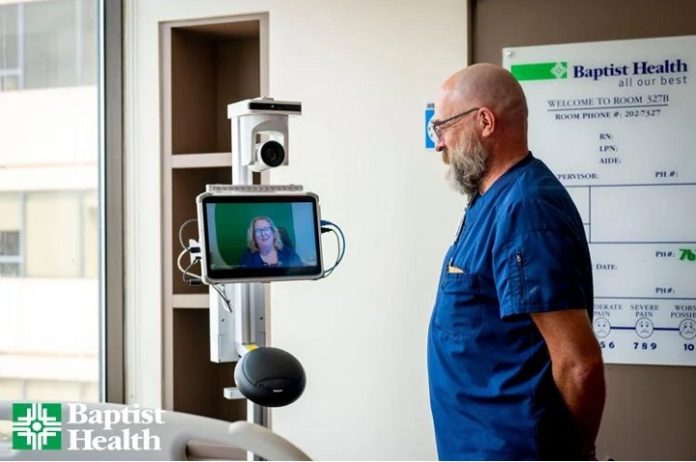
Baptist Health and Caregility are expanded partnership aimed at enhancing patient care across the Arkansas-based healthcare organization. Baptist Health will enhance its bedside care teams by increasing its usage of Caregility intelligent telehealth devices to more than 700 bedsides system-wide, doubling the footprint of the healthcare organization’s inpatient telehealth services. The initiative adds virtual clinical resources to support in-person bedside care and help improve patient outcomes. This collaboration underscores both organizations’ commitment to leveraging technology to transform healthcare delivery and meet the evolving needs of patients and staff.

The enhanced partnership builds upon Baptist Health’s previous success with virtual admissions and discharge programs, currently supported by more than 300 wall-mounted and cart-based Caregility telehealth devices across 11 hospitals. Since partnering on virtual care services with Caregility in 2021, telehealth session volume for Baptist Health has increased from roughly 1,000 virtual visits per quarter to more than 20,000.

In early 2023, Baptist Health Rehabilitation Institute successfully launched Arkansas’ first virtual nursing program to provide additional support to bedside nurses, patients and families. The program then expanded to the healing ministry’s hospitals in Stuttgart, Malvern and Heber Springs. Thanks to positive patient outcomes and feedback, Baptist Health will roll out virtual care programs on every medical and surgical floor across the organization.

As part of this expansion, Baptist Health will deploy Caregility’s new, highly advanced telehealth devices and award-winning Caregility Cloud™ virtual care platform in more than 500 additional patient rooms at the health system’s flagship hospital, Baptist Health Medical Center-Little Rock, as well as Baptist Health Medical Center-North Little Rock and Baptist Health-Fort Smith. These devices will support the expansion of virtual nursing and the rollout of virtual support staff and virtual providers in the coming months. Additionally, a centralized hub to support virtual nursing and virtual sitters has opened on the Baptist Health Medical Center-Little Rock campus.

“Embracing virtual support as part of our acute care bedside support and quality strategy signifies a pivotal step forward in how we envision the future of healthcare at Baptist Health,” said Kourtney Matlock, president of Baptist Health Rehabilitation Institute and system post-acute services. “Baptist Health first added virtual care in 2005, and we have continued to advance with the latest technology bringing us to where we are today with our partnership with Caregility. This expansion is more than an initiative; it’s a commitment to providing health equity across our state, setting new standards in patient and provider satisfaction, and furthering our mission to be the employer of choice in Arkansas.”

The partnership exponentially increases the eyes and ears able to focus on patients, reducing pressure on bedside staff by redistributing tasks that a virtual nurse or support staff can field. As a result of increased telehealth services in acute care settings, healthcare systems see significant time savings and improved throughput (the process of moving patients through the hospital system from admission to discharge). Having virtual options at the bedside appeals to patients as well, as evidenced by improved patient satisfaction ratings in early field trials.

“We are at a point where this type of care model is not an option for our health systems, it is the only way they can address staffing issues and remain competitive,” said Caregility President and COO Mike Brandofino. “This partnership with Baptist Health is a great example of how Caregility can make it easy to deploy intelligent devices and services to enhance patient care through virtual programs.”​

Caregility Cloud™ allows health systems to easily centralize and scale programs such as Virtual Nursing, Virtual Patient Observation, Virtual Rounding, and Virtual Consultations in inpatient settings, improving staffing flexibility and workflow efficiency and making it easier to engage remote specialists and interpreters to support patient access and health equity. Trusted by more than 1,000 U.S. hospitals for high reliability, the platform is favored for its adaptability to a multitude of workflows and integrations with clinical platforms, including Epic.

OSF HealthCare collaborates with DELFI for lung cancer screening

SF HealthCare has partnered with DELFI Diagnostics to implement the FirstLook Lung test, aiming to boost lung cancer screening rates.

This initiative aligns with the Biden Cancer Moonshot’s objective to increase access to cancer screening. The DELFI Diagnostics’ FirstLook Lung test, a blood-based screening tool, will initially be integrated into primary care settings at 18 OSF locations, with expansion plans across the OSF Ministry within a year.

The test is designed to detect lung cancer by analysing DNA fragment patterns in the blood, with an 80% sensitivity rate in screenings, including early-stage disease detection.

It has also shown a 99.8% negative predictive value, indicating a low probability of lung cancer presence when results are ‘Not Elevated’.

OSF HealthCare Cancer Institute founding director and radiation oncologist James McGee said: “Early detection of lung cancer is key to improving patient outcomes, and we are confident that innovative, accessible new screening approaches like FirstLook Lung will move the needle on lung cancer screening rates among our patients.

“We are encouraged that FirstLook Lung’s advanced technology will not only offer our patients a simpler way to enter the screening funnel but will also give our practitioners the accurate data needed to make the right decision about the next steps in lung cancer detection for each patient.”

OSF HealthCare’s current efforts have led 35% of eligible patients in Illinois to undergo low-dose CT scans, the standard for early lung cancer detection.

DELFI chief medical officer Peter Bach said: “FirstLook Lung, because it is a simple blood test, offers a way to improve lung cancer screening in communities not currently receiving it, and provides a result that can help patients and their doctors decide together about proceeding with an LDCT scan.

“The goal is to detect the possibility of cancer early through this test that is easy to incorporate into the routine blood work of eligible patients who have not yet been screened.” Headquartered in the US, OSF HealthCare is an integrated health system with 16 hospitals and a network of more than 150 locations.

Exactech launches new knee replacement software ExactechGPS

Exactech launches new knee replacement software ExactechGPS

Exactech has launched ExactechGPS, a new software designed to improve total knee replacement surgery with patient-centric planning and alignment. This advancement integrates ligament-driven balancing technology, enhancing the company’s Newton Knee balancing technique, which allows for simultaneous planning of femur and tibia resections.

The company’s knee system is equipped with 3D-printed Truliant cementless components along with advanced Activit-E polyethylene inserts. First introduced in 2010, ExactechGPS has been utilised in more than 75,000 total knee replacements, demonstrating its widespread clinical adoption.

With the latest software upgrade, Newton Knee integration is now exclusively available for ExactechGPS, offering dynamic soft tissue analytics.

First introduced in 2010, ExactechGPS has been utilised in more than 75,000 total knee replacements, demonstrating its widespread clinical adoption. With the latest software upgrade, Newton Knee integration is now exclusively available for ExactechGPS, offering dynamic soft tissue analytics.

This technology provides surgeons with pre-resection operative insights and enables full-range personalised planning. According to the company, this simplifies the process of evaluating and executing well-balanced total knee replacement procedures.

Exactech knee and AST marketing senior director Pete Cipolletti said: “The evolution of our digital knee platform demonstrates Exactech’s dedication to providing our surgeon partners with advanced technology for ligament-driven, personalised knee surgery.

“With over 3,000 cases completed to date, the Newton Knee technique has rapidly become the favoured method for GPS-guided knee replacements, confirming our conviction that embracing the principles of modern alignment is essential to enhancing patient satisfaction in total knee replacement.”

Pennsylvania-based Lehigh Valley Health Network orthopaedic surgeon and department chair Thomas Meade said: “Technological advancements like Exactech’s forward-thinking knee platform allow surgeons to plan and execute personalised total joint replacement while eliminating the expense and need for advanced imaging based on individual patient anatomy and natural ligament constraints.

“The expansion provides even more flexibility to support various workflows while delivering real-time data to facilitate decision-making for improved and predictable limb and component alignment and balanced soft tissue throughout the entire functional range of motion.”

Earlier this year, Exactech formed a partnership with Statera Medical, a Canadian medical device developer, to create the world’s first smart reverse shoulder implant.

Translate »