










Close
Digital Health & Ai Innovation summit 2026
LiGHT26

Understanding Head Pain: The Difference Between Headaches and Migraines

Introduction

Headaches and migraines involve head pain, but they have some key differences. Headaches are unpleasant but generally not severe, while migraines typically cause moderate to intense head pain and other symptoms. Understanding the distinction helps sufferers get proper treatment.

What are Headaches?

A headache is pain anywhere in the head region, either on one or both sides. The specific location, timing, triggers, and hurt quality varies amongst individuals. Most people experience headaches occasionally related to tension, sleep issues, dietary choices, sinus congestion, or eyestrain. While uncomfortable, typical headaches typically resolve with rest or over-the-counter medications. However, frequent headaches may indicate underlying medical factors needing evaluation.

What are Migraines?

Migraines differ as a specific, recurrent primary headache disorder. They often run in families with genetic susceptibility. Migraines frequently start in youth to midlife and affect roughly 10% of the population, more often women.

Migraine symptoms include moderate to severe throbbing head pain, usually on one side. This is often accompanied by:

  • Nausea and vomiting
  • Sensitivity to light, sound, and smells
  • Vision changes like aura or spots
  • Lightheadedness or dizziness

Migraine episodes can last 4 to 72 hours if untreated. Due to the disabling pain and co-occurring symptoms, migraine attacks often force people to miss school, work, and social events when they strike.

Uncovering Triggers: What Factors Can Lead to Head Pain?

Both headaches and migraine flares result from complex interactions between genetics, physiology, and environmental exposures. People may share common triggers but respond differently based on individual makeup. Tracking potential contributing factors helps sufferers identify their specific pain patterns.

Stress Overload

Emotional stress from life events, work pressures, or relationship issues often precedes headaches or migraines in susceptible people. High-stress levels activate fight-or-flight pathways, tensing muscles and altering nitric oxide metabolism. This leads to vascular changes that can spark head pain. Managing stress is critical for prevention.

Dietary Culprits

Certain foods and beverages provoke headaches or migraines in some people or make attacks worse if consumed during an episode. Common dietary triggers include aged cheeses, processed meats, chocolate, caffeine, artificial sweeteners, alcohol, and MSG. Keeping a food diary can reveal personal trigger items to avoid.

Hormonal Shifts

Since hormones like estrogen and progesterone directly impact brain pathways for vascular function and pain signaling, fluctuations during the menstrual cycle commonly trigger migraines in women or girls. Perimenopause and menopause transitions later in life also correlate to worsening symptoms due to waning estrogen.

Sleep Disturbances

Insufficient or inconsistent sleep disrupts circadian rhythms and physiological equilibriums for many body processes involving headaches and migraines. Missing sleep stages that restore metabolic function and clear waste buildup in the brain seems particularly problematic.

Sensory Overload

Bright sunlight, loud noises, or strong smells overwhelm the sensory circuits involved in head pain triggers, worsening symptoms. Thatโ€™s why light and sound sensitivity often accompanies migraine episodes. Avoiding sensory overload helps prevent pain escalation for sufferers prone to these environmental reactivities.

Medical Factors

Sometimes, headaches indicate issues like vascular disease, blood pressure abnormalities, aneurysms, stroke, tumors, or trauma. And downstream impacts of diseases like autoimmune disorders, chronic sinusitis, or psychiatric conditions can also aggravate head pain. Evaluating underlying illness is prudent, especially with new-onset symptoms after age 50.

Seeking Relief: Headache and Migraine Treatment Options

Various therapies aim to ease acute head pain flares or prevent recurrent episodes depending on headache type, and patient needs:

Over-the-Counter Pain Relievers

Non-steroidal anti-inflammatory drugs like ibuprofen, naproxen, or aspirin alleviate mild to moderate headache or migraine pain for many patients with minimal side effects. Acetaminophen also temporarily reduces hurt but lacks anti-inflammatory actions.

Prescription Medications

For moderate to severe migraine attacks, prescription triptans like sumatriptan constrict swollen cranial blood vessels and dampen pain-signaling brain pathways quickly. Ergotamine drugs offer similar vascular relief benefits for acute flares when taken early.

Preventative Medications

Daily preventative regimens help reduce attack frequency, severity, and duration when headaches or migraines strike often. Commonly used options include beta-blockers, tricyclic antidepressants, anti-seizure drugs, and calcium channel blockers. Finding the proper preventer medication regime takes some trial and error, balancing benefits against side effects for individual patients.

Lifestyle Modifications

Improving sleep, hydration, dietary habits, and stress management techniques equip patients with personalized tools to prevent head pain without medications. Exercise, trigger avoidance, biofeedback, cognitive behavioral therapy, and meditation help counteract contributing factors.

Complementary Therapies

Some sufferers find headache disorders eased by non-drug approaches like acupuncture, massage, chiropractic adjustment, visualization exercises, or relaxation techniques. Identifying preferred holistic remedies offers additional coping tactics. Customized integrative treatment plans yield optimal outcomes.

Consulting a Headache & Migraine Specialist

Receiving care from a dedicated headache specialist brings substantial advantages for headache and migraine sufferers, including:

Expert Diagnosis

Unlike general physicians, neurologists specializing in headaches complete extra training focused exclusively on the nuances of these common but complex primary brain disorders. They utilize cutting-edge classification techniques, imaging technologies, genetic markers, and tracking metrics to differentiate headache types and pinpoint the most likely triggers involved. Accurate diagnosis directly informs treatment selections for best results.

Personalized Treatment Plans

Armed with a precise diagnosis and advanced expertise, a headache and migraine specialist can tailor holistic, evidence-based treatment plans to each unique patient. This comprehensive approach synthesizes lifestyle adjustments, behavioral changes, and medications or interventions customized to your symptoms, medical history, and preferences for optimal outcomes.

Sophisticated Medical Management

For challenging patients with high-frequency or harrowing migraine episodes not controlled well enough by standard care, a dedicated headache specialist has access to more sophisticated treatments. Cutting-edge options like monoclonal antibody injections, neurostimulation techniques, and intensive intravenous regimens expand possibilities when more straightforward methods fail.

A Partner for the Long Haul

As complex primary brain disorders, headaches, and migraines may fluctuate in severity and responsiveness to interventions over months or years. An ongoing partnership with a trusted headache expert allows for continually adapting treatment plans to match changing needs during different life stages or events. They help patients navigate day-to-day symptom management as well as big-picture prevention strategies.

Conclusion

By uncovering the unique root causes, preferences, and challenges facing each headache patient, a specialist develops fully customized treatment plans that deliver proven relief results that cater to your needs and goals. Their versatile medical background, nuanced problem-solving skills, and compassionate approach mean that patients feel heard, understood, and equipped with the information and options to regain control of their lives from frequent head pain and migraines.

Donโ€™t settle for tolerating repeated headaches or migraines. Find a headache and migraine specialist today to start mapping out your personalized path to fewer, milder, and less frequent head pain episodes. The expertise, care, and answers youโ€™ve been waiting for will be available right in your neighborhood. You deserve to return to thoroughly enjoying your days without fear about the next flare. Help and hope are here.


Gut Check: Signs and Symptoms of Poor Gut Health to Watch For

The importance of gut health has gained significant attention in the medical community over the past few years. A healthy gut plays a vital role in maintaining a strong immune system, brain health, heart health, improved mood, proper digestion, andย the prevention ofย some autoimmune diseases and cancers.

Conversely, poor gut health can lead to various uncomfortable and potentially serious health issues. Recognizing the early warning signs and symptoms of poor gut health is crucial for maintaining overall wellness.

Read on to learn the signs and symptoms of poor gut health to watch out for.

The Connection Between Gut Health And Overall Well-Beingย ย 

The gastrointestinal system, orย gutย plays a central role in many aspects of health. This complex systemย is composed ofย numerous organs that process food and extract essential nutrients.ย It’sย also home to trillions of bacteria that influence everything from metabolism to the immune system to mood regulation. When this delicate ecosystem is out of balance, it can manifest in various physical symptoms and health problems.

However, ifย youโ€™reย experiencing digestive disturbances or related health issues, using aย gut health testย can be an excellent idea. This test can be an invaluable tool in identifying underlying problems and guiding interventions.

Recognizing The Signs Of Poor Gut Healthย 

Knowing the signs of poor gut health is crucial for overall wellness. By identifying these signs, you can prevent serious health problems and guide effective treatments to ensure a better quality of life and long-term health. Below are the signs of poor gut health:

Digestive Issuesย ย 

Frequent digestive troubles are among the most obvious indicators of gut health problems. Symptoms such as gas,ย bloating, diarrhea, constipation, and heartburn may constitute an imbalance in gut bacteria or other digestive disorders. These symptoms can be sporadic or chronic, and their persistence can significantly impair quality of life.

Unintended Weight Changes

Gaining or losing weight without changes in diet or exercise routines canย be a sign ofย poor gut health. An imbalanced gut can adversely impact yourย body’sย ability to control blood sugar, absorb nutrients, and keep fat.ย Thisย disruption can lead to weight loss or weight gainย depending on the nature and extent of theย gut imbalance.

Sleep Disturbances Or Constant Fatigue

The gut is integral to producing serotonin, a key hormone that boosts mood and isย critical for regulating sleep cycles.ย An imbalance in gut health can disruptย the production of serotonin, which leadsย to difficulties in achieving restful sleep.ย This disruption can contribute to sleep disturbances or insomnia,ย which, over time, results in chronic fatigue.ย This type of fatigue is a pervasive lack of energy that can diminish mental alertness and overall physical health.

Skin Irritationsย ย 

Gut health directly influences skin condition through what is known as the gut-skin axis. Imbalances in the gut microbiome, such as an overgrowth of harmfulย bacteriaย or insufficient beneficial bacteria, can lead to systemic inflammation.ย This inflammation can manifest externallyย asย variousย skin conditions including eczema, acne, and rosacea.ย These conditions are cosmetic and often symptomatic of deeper inflammatory processes that may be rooted in gut health issues.

Autoimmune Conditions

A compromised gut environment can be a precursor to systemic inflammation, which plays a significant role in the development of autoimmune diseases.ย When the gut barrier becomes permeable, a phenomenon often referred to asย “leaky gut,”ย toxins,ย and bacteria can escape into the bloodstream and trigger an immune response. This response can become misdirected,ย which leadsย the body to attack its own tissues.ย This can result in conditions such as rheumatoid arthritis, lupus, and thyroid disorders.

Food Intolerances

Food intolerances may develop when the gut fails to produce enough of the enzymes needed to digest certain foods, a problem often stemming from an imbalance in gut flora. Without these necessary enzymes, the body struggles to break down food, which leads to gastrointestinal symptoms such as gas, bloating, diarrhea, nausea shortly after eating, and abdominal pain. These discomforts canย be exacerbatedย by the inability to absorb essential nutrients, further compounding the issue.

Testing And Treating Poor Gut Health

Testing for and addressing gut health is essential in mitigating various troubling symptoms associated with gastrointestinal imbalances. A comprehensive approach toย improving gut healthย typicallyย includes dietary modifications to incorporate moreย fiber, reduce processed foods, and include probiotic-rich foods or supplements that support a healthy microbiome.

Furthermore, lifestyle adjustments such as incorporating regular exercise, managing stress through mindfulness or therapy, and optimizing sleep hygiene can profoundly affect gut health. Healthcare professionals play a crucial role in this process by evaluating symptoms and test results to tailor treatment plansย specificallyย to anย individual’sย needs.

Takeawayย ย 

Recognizing and responding to the signs of poor gut health is vital for maintaining overall health and well-being. If you suspectย that yourย gut health is compromised, consider seeking a professional evaluation and utilizing tools like a gut health test to uncover specific issues and develop a targeted treatment plan. By keeping the information mentioned above in mind, you can restore balance to your gut and enhance your quality of life.

Privia Health Partnership Recognized for Bridging Care Gaps for Medicare Advantage Patients

Privia Health Partnership Recognized for Bridging Care Gaps for Medicare Advantage Patients

Lack of real-time data can present serious barriers to care coordination for patients after they leave the hospital. That challenge was the motivation for an innovative collaboration between Bamboo Healthโ„ข, the leader in Real-Time Care Intelligenceโ„ข, Humana and Privia Medical Group (PMG)โ€“Georgia to bridge care gaps for patients enrolled in Medicare Advantage plans. The program was one of only 22 presentations selected for a Points of Light Award on May 14 at the 2024 K2 Collaborative Summit, a KLAS Research conference for health plans, providers and industry leaders.

“At Humana, we are dedicated to delivering personalized, high-quality care experiences for our members,” said John Cope, Director of Stars Technology at Humana. Partnering with Bamboo Health and Privia in Georgia has enabled us to leverage cutting-edge technology to optimize care coordination and support our members’ healthcare journeys. This recognition reaffirms our commitment to driving innovation and fostering collaborative partnerships that positively impact patient outcomes and advance the future of healthcare.”

The collaboration, launched in Georgia, illustrates the value of health plans and provider organizations working together to achieve shared value-based care outcomes. Bamboo Healthโ€™s care coordination solutions, including Pings and Care Gaps, provided real-time notification flags for Transitions of Care (TRC) and post-ED follow-up for patients with high-risk multiple chronic conditions (FMC). This visibility allowed Humanaโ€™s health plan and Priviaโ€™s patient care teams to coordinate and monitor care from admission to discharge to post-acute and follow-up care. The proof-of-concept worked to avoid any gaps in care as patients pivoted from inpatient to follow-up settings within a 72-hour window.

By working together, the collaborative team was able to improve patient outcomes, reduce the risk of hospital readmissions, lower cost of care and better CMS Star Ratings. The results of the program included:

  • Increased visibility into patient whereabouts via Bamboo Healthโ€™s Pings platformsโ€™ TRC & FMC flags over a 90-day period
  • 8.2 percent improvement in TRC measures by Privia
  • 3.2 percent โ€‹โ€‹improvement in FMC measures by Privia
  • 84 percent of Pings alerts closed by Privia, resulting in timelier follow-up, better care coordination for patients/members, and improved provider satisfaction

“We are honored to be recognized alongside Bamboo Health and Humana for our collective efforts in driving innovation and improving patient care,” said Ryan Graham, Vice President of Practice Operations and Value-based Care at PMGโ€“Georgia. “This collaboration exemplifies the power of technology-enabled solutions in bridging care gaps and enhancing care coordination. Through real-time insights and proactive interventions, we are improving health outcomes for our patients and strengthening the healthcare ecosystem as a whole.”

The project demonstrated that using technology to create strong governance structures and streamlined communication networks among all stakeholders is essential in improving alignment between health plans and care teams. Bamboo Health and Humana are currently assessing opportunities to add additional electronic health records (EHR) integrations and plan to expand the program to other provider organizations and markets across the country.

Deep Down Knowledge of AI-Powered Hospital Management Tools

Advanced AI tools are used by hospitals so as to improve patient safety and efficiency. There are revolutionary strides being made in the healthcare sector by way of the integration of AI enabled services.

AI-powered cameras, thermal presence detectors, and radar sensors all happen to be playing major role when it comes to safeguarding the health of patients. These devices come with software algorithms that are aimed at duplicating the human intellect so as to track health risks that are distinct.

Such advanced tech and its optimal use go on to contribute to the immediate notification from the control centers when there are instances of incidents, right from patient falls to more serious situations that lead to emergencies. The fact is that the instant alert system enables fast response along with intervention, therefore prominently elevating the care of patients.

Making operations seamless and also decreasing wait times

Patient surveillance is just one more thing when it comes to the rollout of the rollout of AI tools in medical settings. It also goes on to elevate the entire healthcare experience. One such major elevation that is found is the wait time reduction, which, given the fluctuation in the number of visitors across the facilities, is very crucial.

It is worth noting that efficiency is especially important in scenarios such as hospital parking management throughout the peak hours. AI solutions help with much-smoother vehicle authentication, payment procedures that are fast and also better managed, both at the entrance and exit lines.

Parking solutions that are optimized for healthcare institutions

The fact is that the streamlined hospital experience happens to be much more optimized due to smart parking solutions. Entry, which is authorized through smart barriers and an auto license plate recognition camera, leads to seamless access for both patients and staff. By way of facilitating these elements of hospital visits, medical institutions can go on to broadly enhance the quality of service and, at the same time, also reinforce their reputation.

The AI solutions not only make sure of accelerating emergency responses but at the same time also heighten the overall situational awareness just so that the safe and efficient operation of hospital infra is carried out.

Pros

  • Much rapid incident response leading to enhanced patient care.
  • Better operational efficiencies.
  • Better situational awareness in healthcare setups.
  • Better management of hospital resources and also decreased costing with time.

Cons

  • There are certain set of issues like privacy concerns with regards to patient data, biases in AI algorithms, and the need for prominent investment when it comes to infra & training.
  • Potential in terms of job displacement of hospital staff by AI tools can indeed be a major controversial factor.
  • Over-dependence on tech may as well go on to impact development in terms of clinical skills within healthcare professionals.
  • High initial expenditure for gelling AI tech into the existing hospital system.
  • Tech failures or glitches affecting the care of patients.
  • Continuous upgrades and high maintenance.
  • Resistance from healthcare professionals, who are often found to be apprehensive of new tech.

Research On Parents Know-How of Vaccination In Children

Vaccination in kids has for long been an area of concern and challenge and it is indeed significant that parents be brought into the picture so that they be aware of their role in making sure of better versions that arise due to it.

The groundbreaking research paper “Assessment of Parents Knowledge, Attitude and Practice about Child Vaccination in Selected Rural Areas of Kalaburagi District, India” sheds light on crucial aspects of child vaccination. Led by author Rajeshwari Kumbar, the study delves deep into the levels of awareness, attitudes, and practices surrounding childhood immunization among local participants. Through a Prospective, Cross-Sectional study, over 600 parents from rural areas engaged in the analysis, with significant results pointing towards the positive impact of parental knowledge on increasing immunization rates among children.

The study’s findings underscore the importance of enhancing parental awareness to bolster vaccination coverage and mitigate the incidence of infectious diseases. By emphasizing the role of healthcare workers and advocating for community education initiatives, the research advocates for proactive measures to bridge the immunization gap in rural regions. These insights are pivotal in the ongoing efforts to improve public health outcomes and ensure the well-being of children across Kalaburagi District.

Pallav Dave review:

Pallav Dave’s expertise was very significant in identifying several weaknesses and strengths of the journal. The study exhibits several strengths, including a robust methodology involving a prospective, cross-sectional design that included many participants (631 parents) from selected rural areas. The statistical analysis conducted through SPSS software and Chi-Square tests added credibility to the findings. The study’s significant p-value (<0.01) indicates a strong statistical significance, enhancing the reliability of the results. Furthermore, the research sheds light on the importance of parental awareness in improving childhood immunization rates, providing valuable insights for public health interventions.

Despite its strengths, the research paper also presents some limitations. One area for improvement could be the relatively small sample size of parents who did not complete the study (20 parents), which might have affected the comprehensive analysis of vaccination practices. Additionally, the study’s reliance on self-reported data from parents regarding immunization status may pose a limitation in terms of accuracy and potential biases in responses. Self-reported data can sometimes be influenced by recall bias or social desirability bias, where participants might not accurately recall past events or may answer questions in a manner they perceive as more favorable. Addressing these weaknesses further strengthens the validity and reliability of the research findings. Future research could benefit from a larger and more diverse sample size and the incorporation of verified medical records to cross-check the self-reported data. This would provide a more comprehensive understanding of the factors influencing immunization practices and help design more effective public health strategies.

Although the research paper talks about both strengths as well as limitations, but the overall assessment leads to the fact that immunization in kids and their parents know-how is a matter of concern but can also be a much easier way out so as to ensure that timely vaccination takes place wherever and whenever needed.

About the Author

Pallav Dave, a seasoned Regulatory Compliance Analyst based in Kentucky, was invited by the Journal of Drug Delivery and Therapeutics to review the research paper comprehensively. From his expertise in regulatory standards and research evaluation, Dave’s insightful feedback and meticulous analysis enriched the study’s overall quality and credibility. His dedication to upholding rigorous assessment criteria and ensuring scholarly integrity has significantly contributed to enhancing the paper’s robustness and relevance in the scientific community.

A Paper of Significance: High Occurrence of Hemophilia In US

There has been a rising occurrence of hemophilia that is seen across the US with research estimating quite a significant number of individuals suffering from it. The disease has become prevalent to the extent that papers and data are being published for sometime now with the recent one being “Prevalence and incidence of hemophilia in the United States”.

This paper delves into the complexities of hemophilia, a genetic bleeding disorder, examining its prevalence, incidence, and the significant burden it places on affected people and the healthcare system in the United States.

Understanding Hemophilia

Hemophilia is characterized by a deficiency in blood clotting proteins, specifically factor VIII (Hemophilia A) and factor IX (Hemophilia B). This deficiency leads to prolonged bleeding episodes, which can occur spontaneously or after trauma. The disorder predominantly affects males, with Hemophilia A being more common, occurring in approximately 1 in 5,000 male births, compared to Hemophilia B, which appears in about 1 in 30,000 male births.

Key Findings

Dave’s research estimates that between 30,000 and 33,000 individuals in the US are living with hemophilia. This estimate is derived from epidemiological studies and surveillance data despite the challenges posed by inadequate data collection.

The paper highlights several critical points:

Prevalence and Incidence: The prevalence of Hemophilia A is around 12 cases per 100,000 males, and that of Hemophilia B is approximately 3.7 cases per 100,000 males. The incidence rates are 1 in 5,617 male births for Hemophilia A and 1 in 19,283 male births for Hemophilia B.

Geographic Distribution:ย Higher prevalence rates are observed in Northeastern and Midwestern states such as Vermont, Maine, and Iowa. The variation in prevalence underscores the need for targeted healthcare planning and resource allocation.

Demographic Insights:ย Hemophilia is more prevalent among white males compared to other racial groups, a trend that might reflect disparities in clinical trial representation and healthcare access.

Age Distribution:ย Individuals aged 12 to 44 are the most affected, indicating a need for long-term healthcare strategies for this age group.

The Burden of Hemophilia

Hemophilia imposes a significant burden on affected individuals, characterized by:

Joint Disease: Recurrent bleeding into joints leads to chronic pain and reduced mobility, often resulting in arthropathy.

Pain:ย A large proportion of hemophilia patients report chronic pain, which affects their quality of life and daily activities.

Obesity and Comorbidities:ย Reduced mobility due to joint problems contributes to higher rates of obesity and related health issues, including cardiovascular diseases.

Healthcare Costs:ย The treatment of hemophilia, particularly through clotting factor replacement therapy, is extraordinarily costly. Lifetime treatment costs can exceed $20 million, with annual costs for severe cases reaching over $300,000.

Treatment Strategies

The paper outlines current treatment modalities, emphasizing the importance of:

Replacement Therapy: Immediate infusion of clotting factor concentrates during bleeding episodes.

Prophylaxis: Regular, preventive treatment to reduce the frequency of bleeding episodes and prevent joint damage. Prophylaxis has proven effective but requires early and consistent administration.

Implications for Healthcare Policy

Dave’s analysis underscores the necessity for improved surveillance and data collection to accurately assess the burden of hemophilia. Enhanced epidemiological data will facilitate better healthcare planning, resource allocation, and the development of targeted interventions to improve patient outcomes.

The paper talks about the reasons, the rationale and of course the steps that have to be taken up so that this occurrence is understood and is being worked upon properly.

About the Author

Pallav Dave is a regulatory compliance analyst with a deep understanding of healthcare systems and policy. Based in Kentucky, Dave has dedicated his career to researching and analyzing complex healthcare issues, focusing on genetic disorders and their impact on public health. His work is characterized by meticulous research and a commitment to informing evidence-based healthcare policies.

Dave’s latest paper on hemophilia is a testament to his expertise and dedication to improving healthcare outcomes for individuals with rare genetic disorders. His insights are invaluable to policymakers, healthcare providers, and researchers working to better manage and treat hemophilia.

Closing the Gap: Addressing Disparities in Oral Health on a Global Scale

Oral health is integral for overall well-being but often neglected, especially in economically disadvantaged areas.

Despite advancements in technology, access to professional oral care remains limited due to few facilities, high costs, and a shortage of professionals. These affect individual quality of life and contribute to oral health disparities and broader health issues.

This article explains the challenges and how improved public health efforts and new technologies can promote equitable dental care for all.

Barriers to Effective Oral Health Care

Dentists play an essential role in our healthcare system. And many of them have been taking care of people’s oral health for a long time. In fact, as I talked to my dentist, I learned that they’ve been in service for 50 years, offering reliable cosmetic and family dentistry solutions.

While dentists are a crucial part of oral health care, they can’t address all the challenges of oral health alone. Collaborative efforts among healthcare professionals, educators, community organizations, government bodies, and other stakeholders are essential to address these barriers and improve oral health outcomes globally.

Economic Barriers

The cost of dental care presents a significant barrier, particularly in developing countries where many cannot affordย basicย services to treat oral health conditions. High costs often relegate routine dental check-ups, crucial for maintaining oral health, to a luxury rather than a necessity.ย This financial burden leads many toย delay seekingย careย untilย they face emergencies.

Geographic Barriers

In rural and remote areas,ย it’sย hard to find dental clinics and dentists, which makes itย toughย for people to get oral health care. Often, thereย aren’tย enough dental professionals in these places, so residents have to travel far for treatment.ย This hassle can discourage people from going for regular dental check-ups, leading to manyย notย getting help for their dental problemsย untilย they become serious.

Cultural and Educational Barriers

Cultural barriers include differing health beliefs, languages, dietary habits, and attitudes towards dental care. Educational barriers involve a lack of awareness, limited access to information, socioeconomic factors, and inadequate early childhood education.

Policy and Infrastructure Barriers

On a policy level, oral health oftenย doesn’t receive the attention it deserves within public health agendas.ย Many countriesย failย to integrate oral health effectively into their public health policies, leading to low prioritization and inadequate funding.ย This neglect at the policy level means that resources for oral health programs are often insufficient, which undermines the ability to improve access and quality of care across populations.

Strategies to Overcome Disparities

Addressing the disparities in oral healthย effectivelyย demandsย a comprehensive strategy, encompassing several key components.ย Each element plays a crucial role in bridging the gap in dental care accessibility and quality, particularly for underserved populations. Here are some promising strategies:

Enhanced Public Health Policies

Governments can significantly impact oral health by integrating it into broader health and development policies. Increasing funding for dental care in underserved areas and launching public health campaigns raise awareness about its importance. Additionally, supporting the training and deployment of dental professionals, especially in remote regions, and establishing monitoring systems to evaluate the effectiveness of these policies are essential steps.

These measures can ensure more equitable access to dental care, improve public oral health, and ultimately reduce overall healthcare costs.

Community-Based Health Programs

Government andย non-government organizations (NGOs)ย implement these programs, whichย are tailoredย to meet local needs and cultural sensitivities, enhancing access to dental care. Key strategies include deploying mobile dental clinics that provide servicesย on-site,ย and establishing school-based dental programs that offer care and education during school hours.

Additionally, initiatives that engage and educate the community help increase awareness and participation. Training local health workers promotes sustainability and strengthens community involvement.

Education and Training

Initiativesย shouldย include introducing oral health education early in schools, launching broad public education campaigns, and enhancing the training of dental professionals with a focus on preventive care.ย Additionally, providing incentives for dental professionals to work in rural and underserved areas can help meet local demands. Ongoing education for existing professionals ensures they remain updated on the latest advancements, maintaining high standards of care.

Technological Innovations

Technological innovations, such as teledentistry, are significantly enhancing access to dental services, particularly in remote areas.ย Teledentistryย leverages telecommunications to enable remote consultations and follow-ups, reducing the need for physical travel.ย Other advancements include digital diagnostics and treatment planning through advanced imaging, mobile dental apps that offer hygiene tips and reminders, portable dental equipment for community use, and integration of dental health data into electronic health records.

Partnerships and Collaborations

Partnerships and collaborations between governments, NGOs, and the private sector are crucial for enhancing oral health status through initiatives. These alliances enable resource sharing, expertise transfer, and infrastructure development, facilitating the implementation of comprehensive health programs on a large scale. Together, these efforts significantly amplify the impact of oral health initiatives, improving access and quality of care across diverse communities.

Conclusion

Closing the global gap in oral health is an attainable goal if stakeholders from various sectors work collaboratively. By addressing the multifaceted barriers to dental care and implementing targeted strategies, we can improve oral health outcomes. In making oral health a global priority, we’re taking a crucial step towards achieving greater oral health equity and enhancing the quality of life for millions worldwide.

Autism Therapy Services for Your Child: What You Should Know

Navigating the world of support services for your child with autism can be overwhelming. From diagnosis to discovering the right resources, there’s much to learn. Autism therapy offers a promising path forward, helping children develop valuable skills, reach important milestones, and experience greater success in all areas of their lives. Whether you’re seeking autismย therapy Chicago or exploring options in your area, the right fit is key when it comes to finding the best therapies for your child.

What is Autism Therapy?

Autism therapy isn’t a one-size-fits-all answer. Instead, it involves a diverse range of strategies designed to address the specific needs and learning styles of children on the autism spectrum. The primary goals of autism therapy often include fostering growth in communication, social interaction, adaptive behaviors (like self-care skills), and even academic learning. Additionally, autism therapy can be a powerful tool for helping children manage challenging behaviors, building positive coping mechanisms and fostering a sense of calm.

Types of Autism Therapy

Let’s explore some of the most common autism therapy approaches you might come across:

ABA Therapy: Applied Behavior Analysis focuses on understanding how behavior and environment interact, utilizing positive reinforcement to strengthen desired behaviors.

Speech and Language Therapy: Addresses receptive and expressive language skills, verbal and non-verbal communication, helping children better understand others and express themselves effectively.

Occupational Therapy (OT): Helps kids develop fine motor skills, sensory processing skills, and everyday life skills for increased independence.

Social Skills Training: Often done in group settings like social skills groups in Chicago or surrounding areas, this approach helps children learn social cues, build relationships, and interact more comfortably with others.

It’s important to note that these therapies are frequently used in combination to create a holistic approach tailored to each child’s needs.

What Happens in Autism Therapy?

The autism therapy process usually begins with an in-depth assessment of your child’s individual strengths, challenges, and needs. Based on this assessment, the therapist creates a unique plan with specific goals that might include things like improving communication, expanding social skills, or better managing challenging behaviors. Therapy sessions may involve a mix of one-on-one interactions with the therapist, family training so parents feel empowered to reinforce learning at home, and even group settings for therapies like social skills training. If you have chosen a program offering Chicago ABA therapy or ABA services in your area, some of these sessions might focus specifically on applying the principles of Applied Behavior Analysis.

Finding the Right Autism Therapy Provider

Choosing the right team to support your child is essential. When searching for potential providers, look for therapists with credentials and specialized training in autism therapy (Chicago or broader areas can be mentioned). Seek out programs with experience in treating young children, as pediatric autism therapy holds unique considerations. Additionally, prioritize clinics with a philosophy that aligns with your family’s values, with a compassionate, child-centered approach. Many resources can help in your search, including websites dedicated to autism support, local parent networks, or referrals from your child’s doctor.

What to Expect from Autism Therapy

Keep in mind that progress takes time and isn’t always a straight line. Some days your child might master a new skill, while on others you might focus on overcoming a recurring challenge. Celebrate even small victories along the way! The best outcomes happen when there’s open communication and a partnership between parents and therapy providers. Don’t hesitate to ask questions, share your observations at home, and seek advice on how best to support your child’s learning outside of therapy sessions. Be prepared for adjustments in therapy goals or approaches as your child develops and grows. Their needs will evolve over time, and a good therapy team โ€“ whether specializing in ABA therapy Tinley Park or your area โ€“ will work collaboratively with you to adapt their approach and ensure your child thrives at each stage of their journey.

Conclusion

Seeking out autism therapy for your child is a powerful step towards unlocking their full potential. As you explore options, remember that there’s no single right answer; the most successful programs are those tailored to your child’s individual needs and strengths. By researching available therapies, finding qualified providers, and taking an active role in your child’s progress, you are setting the stage for growth and success. The journey with autism therapy may have ups and downs, but with perseverance, support, and the right team by your side โ€“ whether offering social skills training Chicago or your local area โ€“ this journey can be incredibly transformative for both your child and your family.

Advancing Person-Centered Care in Continuing Care Homes

The shift toward person-centered care (PCC) in nursing homes marks a crucial evolution in the philosophy of elder care. This model prioritizes the individual needs and preferences of residents, treating them not just as patients but as whole persons with distinct histories, preferences, and goals. The implementation of PCC involves organizational transformation, from administrative practices to direct resident interactions, requiring commitment across all levels of staff. This transition, while complex, offers profound benefits in resident satisfaction and overall quality of life, making it an essential progression in modern healthcare.

Definition and Principles of Person-Centered Care

Person-centered care is defined by its holistic approach to treating individuals, focusing on their total well-being rather than just their medical conditions. This approach is grounded in respect for residentsโ€™ autonomy, choice, and participation in their care. Core principles include recognizing the intrinsic value of each person, understanding their unique life story, and incorporating their preferences and choices into the daily operational routine. This requires a cultural shift within the facility, where care routines are flexible and adapted to the individual’s life rhythm rather than making individuals fit into a pre-determined care schedule.

Technological Innovations Supporting Person-Centered Care

Innovative technologies are integral to the successful implementation of PCC. They not only streamline operations but also enhance the quality of care. For example, personalized care plans can be more easily managed and updated through digital platforms that allow for better tracking of residentsโ€™ health changes over time. Interactive technologies, such as tablets and mobile apps, enable residents to stay connected with their families and manage their social interactions, which is crucial for mental health. Additionally, wearable devices can monitor vital signs and detect falls, ensuring immediate care responses, which is particularly important for residents with high-risk conditions.

Addressing the Diverse Needs of Residents

Effective PCC requires acknowledging and catering to the diverse needs of continuing care retirement community residents, which include cultural, spiritual, emotional, and physical aspects. Programs tailored to diverse backgrounds and languages, access to spiritual or religious services, and opportunities for meaningful social connections are all crucial. Activities should be designed to engage residents in a meaningful way, based on their interests and abilities, thus supporting not only their physical health but also their mental and emotional well-being. This might include art therapy, musical entertainment, or pet therapy, all facilitated in a way that honors each resident’s preferences.

Training and Education for Staff

Training for PCC extends beyond clinical skills to include interpersonal and communication skills that foster a deeper connection with residents. Staff training programs should include modules on cultural competency, ethics in elder care, and the psychological aspects of aging. Simulations and role-playing can be effective methods for teaching staff how to handle various real-life scenarios they might encounter, encouraging empathy, and improving decision-making skills in line with PCC principles.

Regulatory and Policy Framework

To support the adoption of PCC, regulatory bodies and policymakers need to establish guidelines that encourage flexibility in care practices while ensuring safety and quality. These might include regulations that favor smaller, more homelike care settings, requirements for staffing ratios that allow more personalized care, and incentives for facilities that demonstrate innovation in resident engagement and satisfaction. Additionally, advocacy for resident rights must be a priority, ensuring that policies enhance the quality of life and protect those in long-term care.

Financial and Operational Considerations

Transitioning to PCC often involves initial investments in staff training, technology upgrades, and possibly even facility remodeling to create more homelike environments. However, these costs are generally offset by long-term benefits such as reduced hospital readmissions, lower medication costs due to better overall wellness, and increased satisfaction among residents and their families, which can lead to higher occupancy rates. Effective financial management, therefore, involves forecasting these benefits and planning for initial expenditures to ensure sustainability.

Future Directions in Person-Centered Care

The future of PCC is likely to see an integration of even more advanced technologies, such as AI and machine learning, to predict resident needs and adapt care practices accordingly. There will also be a greater emphasis on community integration, where nursing homes act not just as care facilities but as vibrant parts of the larger community. This could involve more outreach programs, community volunteer involvement, and partnerships with educational institutions to keep residents actively connected to the world around them.

Conclusion

Person-centered care is the cornerstone of contemporary nursing home care, essential for ensuring that residents lead dignified, fulfilling lives. As healthcare evolves, the principles of PCC provide a guiding framework for delivering not only efficient care but also compassionate and respectful care that acknowledges the whole person. By embracing these strategies, nursing homes can truly transform the care experience for their residents, making each day meaningful and enriched.

Pat Baker has experience as a dementia caregiver, enjoys helping others, and writes for retirement communities in the Philadelphia area.

How Technology is Changing Alzheimer’s and Dementia Testing

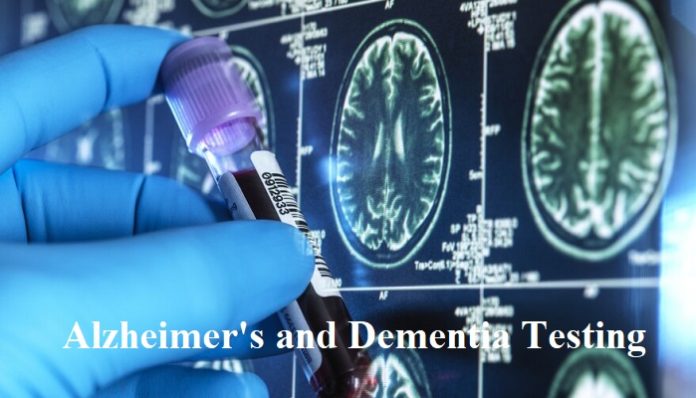
The challenge of diagnosing Alzheimer’s disease and dementia effectively is critical, given their profound impact on millions worldwide. Advances in technology are revolutionizing the field, enhancing the accuracy and timeliness of diagnoses. These innovations promise to improve patient management strategies and outcomes through earlier detection and personalized diagnostic processes.

Patient and Family Perspectives on New Diagnostic Methods

In the evolving landscape of Alzheimer’s and dementia testing, patient and family perspectives play a crucial role. Individuals facing cognitive decline navigate a mix of hope and apprehension with the promise of earlier diagnosis. Concerns about stigma, loss of independence, and uncertainties regarding future cognitive abilities underscore the need for sensitive approaches. Additionally, ensuring the accessibility and affordability of new diagnostic technologies is imperative in addressing disparities in healthcare access and resources. Collaboration among stakeholders can align technological advancements with patient and family needs, promoting acceptance and utilization. Amidst the practical considerations and challenges faced by patients and families in accessing advanced diagnostic tools, some may find solace in the availability of diagnostic services offered by a home care agency, which can provide a convenient and supportive option for those who may face difficulty in accessing traditional healthcare.

Technological Innovations in Diagnosis

Artificial Intelligence (AI) and machine learning represent significant advancements in the diagnostic field, particularly in their ability to analyze and process large datasets quickly. For example, AI algorithms have been successfully applied to interpret brain imaging data, spotting early signs of Alzheimerโ€™s that are typically difficult for humans to detect. Alongside AI, blood-based biomarkers are gaining traction. These biomarkers detect biological indicators of Alzheimer’s in the blood at stages far earlier than symptoms manifest. Similarly, eye-tracking technology offers a unique window into cognitive function by assessing the movement and focus of the eyes, which correlate with neurological health.

Regulatory and Approval Challenges for New Technologies

Navigating the regulatory landscape presents formidable challenges for developers of advanced diagnostic tools for Alzheimer’s and dementia. From demonstrating clinical validity to harmonizing regulatory pathways across jurisdictions, rigorous scrutiny is essential. Furthermore, reimbursement policies and healthcare financing mechanisms must be navigated to ensure sustainable market access. Collaborative efforts are key to addressing these challenges and fostering an environment conducive to innovation while maintaining rigorous standards for safety and efficacy.

Benefits of New Diagnostic Technologies

These new technologies have the primary benefit of being able to deliver faster, more accurate diagnoses. AI reduces the human workload by automating the analysis of complex data, such as MRI scans, with greater precision. Blood-based biomarkers provide a quick, inexpensive diagnostic tool that can be easily administered, even in community settings, thus expanding access to essential health assessments. Eye-tracking technology, being non-invasive offers a patient-friendly alternative that can lead to less stressful and more frequent testing.

Comparing Traditional and Modern Diagnostic Methods

Traditional cognitive assessments, while valuable, suffer from variability in results and often rely heavily on the subjective judgment of clinicians. In contrast, modern technologies like AI, blood biomarkers, and eye-tracking provide objective data that help reduce these variations. These methods streamline the diagnostic process, offer replicable and scalable assessments, and enhance the ability to diagnose Alzheimerโ€™s at an earlier stage than previously possible.

Training Healthcare Professionals on New Technologies

Adopting new technologies requires updating the training protocols for healthcare professionals. Training must cover not only the operational aspects of these technologies but also their ethical implications, such as handling sensitive data and managing patient privacy. Institutions that have successfully integrated new diagnostic tools report improved outcomes, showcasing the importance of continuous education and adaptation.

Challenges and Limitations

While promising, new diagnostic technologies come with challenges. The integration of sophisticated technologies into existing healthcare systems requires substantial investment and coordination. There are also technical issues that need to be addressed, including the accuracy and reliability of the technologies across diverse populations. Ethical concerns, particularly related to privacy and the potential for data misuse, need careful management to maintain trust and compliance.

Global Access to Advanced Diagnostic Tools

Ensuring global access to advanced diagnostic tools for Alzheimer’s and dementia is essential for combating these diseases on a global scale. Disparities in healthcare infrastructure and resources present significant challenges, particularly in low- and middle-income countries. International collaborations can facilitate knowledge exchange, training programs, and infrastructure development to support integration into existing healthcare systems. Initiatives aimed at reducing costs, enhancing supply chain logistics, and promoting sustainable financing mechanisms are vital for expanding access to underserved populations. Ultimately, prioritizing health equity and inclusive collaboration can create a more sustainable healthcare ecosystem in the fight against Alzheimer’s and dementia.

Conclusion

The integration of advanced technologies into the diagnostic processes for Alzheimer’s and dementia marks a significant leap forward in healthcare. These tools not only enhance diagnostic accuracy but also open up new avenues for early intervention, which is crucial for managing and potentially altering the course of these diseases. As the healthcare sector continues to evolve, ongoing research, ethical management, and comprehensive training will be necessary for harnessing the full potential of these innovations. The future of Alzheimerโ€™s and dementia diagnosis is bright, with technology paving the way for breakthroughs that could significantly improve the quality of life for affected individuals and their families.

Pat Baker has experience as a dementia caregiver, enjoys helping others, and writes for home care agencies in the Philadelphia area.

Translate ยป