Close
Digital Health & Ai Innovation summit 2026
LiGHT26

Three-Quarter Patients Pick AI-Driven Clinical Data, Visits

It is well to be noted that more than a third of patients happen to be in favor of clinicians that make use of artificial intelligence-AI in consultations in order to improve documentation processes like clinical letters, as per a recent white paper published by the Microsoft company Nuance.

Analyzing the responses of the survey from 13,500 participants spread across nine European nations in addition to the UK and Australia, the white paper explored patientsโ€™ updated interactions with clinicians and whether they went on to believe that AI would have gone on to help them enhance their experience.

The responses underscored five major challenges that patients felt would have contributed to an unsatisfactory experience when it came to their clinician, such as ineffective communication, high waiting times, a dearth of customization, continuity of care thatโ€™s not up to the mark and limited accessibility so as to enhance healthcare information.

An average of around 40% of respondents went on to feel that they did not receive their physicianโ€™s complete attention throughout the consultations as they happened to focus on their computer screens. Of those, 40% opined that all of it led to feelings of frustration. In the UK, this kind of frustration peaked in 50% of the respondents.

So as to improve this interaction, an average of 34% of respondents opined that they felt that making use of AI in order to assist in the clinical documentation process would indeed be a good idea, up from 27% in Norway to 48% in Spain.

When taking into account the age breakdown, respondents from younger age groups happened to be more likely to agree AI would go on to be beneficial. The percentage dipped with each age category, from 43% found in 18-to-24-year-olds to 26% in those aged 65 and above.

Although patients who were surveyed had not yet had any kind of personal experience with AI within the healthcare gamut, respondents went on to opt for freeing up time for clinicians as the most compelling reason behind using AI, with an average of 45% and peaking at 55% when it came to German respondents.
Although the survey respondents broadly went ahead and supported the use of AI, they also happened to raise concerns when it came to the usage of AI in clinical settings, with 50% stating that they were sort of concerned. A further 32% happened to be not very concerned, whereas 10% were not concerned at all.

The major cause pertaining to this concern was a dearth of AI regulation at 34%, which surged to 46% in Germany as well as 48% in the UK. Medical information being recorded was also highlighted, with 17% going on to record this as a matter of concern.

In response to all this, the white paper went on to state that the regulatory aspect of AI happens to be changing all the time, with most of the governing bodies in the surveyed countries working on AI roadmaps as well as specific legislation.

The point is that healthcare organizations should make sure that they implement tools that happen to be purpose-built when it comes to clinical environments in order to guarantee quality as well as safety, and that they neatly go on to communicate the benefits to the clinicians as well as the patients.

Dr. David Rhew, who happens to be the global chief medical officer as well as the vice president of healthcare, at Microsoft, opined while writing in the white paper that, due to AI, they can indeed go on to pull together more information than ever before and get deeper insights within the gamut of patient health as well as treatment options. They can indeed speed up as well as automate the workflows clinicians follow, and hence simplify the tasks that can go on to draw their focus away from the patient. And, interestingly, one can tailor the care pathways as well as treatments to the individual patientโ€™s distinct requirements.

The white paper went on to state that this overall focus on the most meaningful part of the role of working directly with the patients goes on to support cliniciansโ€™ professional satisfaction and at the same time reduces the likelihood of burnout.

Earlier in 2024, the EU-funded METEOR Project underscored widespread retention issues across Europe, with 9% of doctors as well as almost 14% of nurses having and, as a matter of fact, declaring the intention to leave their profession, thereby citing low job satisfaction, a rise in depersonalization, and emotional exhaustion as major elements.

The recent NHS staff survey went on to reveal that 65.56% of the medical and dental staff happened to be unable to meet all conflicting demands when it came to their time at work.

One of the previous researches from Nuance in 2022 went on to reveal that NHS healthcare professionals in acute, mental, and community health settings happen to spend an average of 13.5 hours every week generating clinical documentation, which is, by the way, a 25% surge since 2015.

Consultants happened to be found to spend the longest in terms of clinical documentation at 15.1 hours every week.

Another 3.2 hours every week were spent out-of-hours by healthcare professionals on such tasks, as per the research.

Almost 68% of the respondents said they happened to feel it was likely or very likely that their respective notes would happen to be more complete if they got more time in order to complete them. In an endeavor to free up doctorsโ€™ time so as to treat more patients and decrease waiting times, the NHS has gone on to recently announced the deployment of AI software across 10 trusts in England that looks to decrease the number of missed appointments.

Former PM Underscores Need For Robust EU Healthcare Sector

Making health resilience more robust was one of the pillars of Enrico Lettaโ€™s report on the Single Market, which was presented to EU leaders during the special European Council in Brussels on April 18.

Letta, who happens to be the former Italian Prime Minister, opines the need to leverage the Single Market so as to strengthen the healthcare sector and has called for the EU to take decisive action in order to foster integration and also make sure of sustainable access when it comes to healthcare for all citizens.

Letta asks for fifth freedom so as to enhance research, innovation, along with education in the Single Market, and remarks that the healthcare sector stands out prominently.

This goes on to join the four freedoms touted as the roots of the Single Market framework, which are the free movement of people, services, goods, and capital. The former Italian PM highlights the significant role of the healthcare sector and goes on to emphasize the shortages of workers, the unstable R&D spectrum within the EU, and the requirement for a coordinated approach among the member states.

He also mentions the influence the COVID-19 pandemic had in underscoring the importance of the sector and the requirement for EU policies as well as competitiveness.

The pandemic went on to expose the urgent requirement for multilateral cooperation when in case of facing prominent health threats and proved that investing within healthcare was crucial for economic stability as well as political resilience within the member states.

Europe happens to risk squandering the hard-won lessons of the pandemic unless it goes on to embrace a more unified approach as far as healthcare is concerned, in spite of the lessons learned from the pandemic. Letta goes on to add that the execution of legislation that happened to originate from COVID-19 is going well, however, much more remains to be done in order to secure the supply chains.

Keeping this in mind, in 2023, the European Commission went ahead and presented a proposal pertaining to new pharmaceutical legislation; a text also went on to be voted on by the European Parliament, which now happens to be awaiting the next mandate for more negotiations.

It is well to be noted that, to date, there is not a real Single Market for pharmaceuticals since some marketing authorizations for medicines have been granted at the national level. The EU pharmaceutical industry happens to be growingly dependent on third countries for numerous key products, like active pharmaceutical ingredients as well as components.

The report goes on to warn that European production when it comes to active ingredients used within the pharmaceutical industry has gone on to fall from 53% in the early 2000s to almost less than 25% today.

Consequently, the Single Market must go on to prioritize boosting production capacity as well as self-sufficiency when it comes to raw materials, as well as specific types of medicines, vaccines, along with antibiotics.

In this regard, the text calls for making sure to keep building on the steps already taken by way of Pharmaceutical Strategy for Europe.

This strategy, which was adopted in 2020, looks forward to creating a future-proof regulatory framework and to go ahead and supporting industry in terms of promoting research as well as technologies that happen to reach patients while at the same time addressing market failures.

One of the main pillars is indeed supporting the competitiveness, innovation, and sustainability of the EUโ€™s pharmaceutical industry. Letta also goes on to underscore the other health challenges EU happens to be currently experiencing, like antimicrobial resistance, shortages of medicine, demographic changes, and shortages when it comes to healthcare workers. As per Letta, taking into account these challenges only nationally happen to be a suboptimal answer.

He further adds that citizens happen to anticipate Europe dealing with the big challenges of the future of health care and also calls for overall policy measures encompassing the EU as well as national actions.

MRM Health Reports Safety and Positive Efficacy Data in Pouchitis in Phase 2a Clinical Study with MH002

MRM Health NV, a clinical-stage biopharmaceutical company developing innovative therapeutics for inflammatory, CNS and metabolic diseases, today reports positive topline results from its Phase 2a clinical trial with MH002 in the orphan disease indication Pouchitis.

MRM Healthโ€™s MH002-PC-201 study was a multi-center, open-label clinical trial in 14 acute Pouchitis (PC) patients at multiple clinical sites in Belgium and Italy. The study was designed to evaluate safety (primary objective), initial efficacy, and mechanistic effects of MH002 over 8 weeks. More information about the trial is available at clinicaltrialsregister.eu.

The trial met its primary objective with an excellent safety and tolerability at a fixed dose of 400mg per day over 8 weeksโ€™ administration. Treatment-Emergent Adverse Events (TEAE) reported were predominantly mild and unrelated, and there was no evidence of adverse reactions related to MH002.

It also demonstrated initial efficacy in clinically relevant parameters, including a 46% clinical remission rate after 8 weeks of treatment (based on the definition used Travis et al., NEJM 2023 and using investigatorsโ€™ assessments), and a decrease in modified Pouchitis Disease Activity Index (mPDAI) cumulative symptoms score of 42%. Clinical remission coincided with improvement of fecal urgency, normalization of stool frequency, mucosal healing (mPDAI endoscopic score, PDAI histology score and reduced ulceration) and reduction of mucosal inflammation (fecal calprotectin).

โ€œThese new clinical results further enhance the positive clinical data previously reported with MH002 in the treatment of Ulcerative Colitis (UC), indicating that MH002 was safe and well tolerated by patients with active gut inflammation and that it demonstrates potential efficacy in acute Pouchitis,โ€ commented Sรฉverine Vermeire, coordinating investigator of study MH002-UC-201 and Professor of Medicine at the KU Leuven, Belgium. โ€œFor both Pouchitis and UC there is a significant unmet medical need for treatments modulating the gut microbiome, and I look forward to MH002 progressing to late-stage clinical development in view of making it available to patients as soon as possible.โ€

Bruce Sands, Professor of Medicine at the Icahn School of Medicine at Mount Sinai, New York, and paid consultant to MRM Health added: โ€œThe consistency in clinical endpoints improved by MH002 in two clinical studies with different patient populations highlights the potential of MH002โ€™s mechanism of action, and its combined effect on mucosal healing and reduction of inflammation is promising, along with a very favorable benefit/risk balance, pending larger confirmatory studies.โ€

Based on the combined results from both clinical trials and recent positive feedback from regulatory authorities, the Company is in the position to initiate Phase 2/3 development in Ulcerative Colitis, to be combined with further development in Pouchitis.

MH002 is currently the most advanced rationally designed live microbial consortium therapy in Inflammatory Bowel Diseases. It was developed through MRM Healthโ€™s proprietary CORALยฎ Technology and comprises six well-characterized and safe commensal strains, selected and optimized to tackle key disease-driving mechanisms with enhanced potency, resiliency, and engraftment. MRM Healthโ€™s breakthrough scalable and standardized cGMP manufacturing platform, allows for the manufacturing of complete consortia as a single drug substance. This ability of CORALยฎ to enable scalable, cost-effective manufacturing of complete optimized consortia in a single process is expected to provide both key regulatory and patient compliance advantages.

Sam Possemiers, Chief Executive Officer at MRM Health, said: โ€œThese new clinical data further validate our proprietary CORALยฎ technology and reinforce the potential of MH002 as a novel and differentiated therapy for the treatment of diseases characterized by mucosal impairment and inflammation, both within IBD and beyond. These data enable us to advance to pivotal clinical development with MH002 later this year, and we are engaging with regulatory agencies in the US and EU to outline an accelerated Phase 2/3 development strategy.โ€

Generative AI Practitioners in Healthcare Prioritize Industry-Specific and Task-Specific Models as Budgets Surge 300%, New John Snow Labs Survey Finds

John Snow Labs, the AI for healthcare company announced the findings of the inaugural Generative AI in Healthcare Survey. Conducted by Gradient Flow, the research explores the trends, tools, and behaviors around generative artificial intelligence (GenAI) use among healthcare and life sciences practitioners. Findings showed a significant increase in GenAI budgets across the board, with one-fifth of all technical leaders witnessing a more than 300% budget growth, reflecting strong advocacy and investment.

The survey highlights a number of key priorities of practitioners unique to the healthcare industry. A strong preference for healthcare-specific models was a key criterion when evaluating large language models (LLMs). Requiring models to be tuned specifically for healthcare (4.03 mean response) was of higher importance than reproducibility (3.91), legal and reputation risk (3.89), explainability and transparency (3.83), and cost (3.8). Accuracy is the top priority when evaluating LLMs and lack of accuracy is considered the top risk in GenAI projects.

Another key finding is a strong preference for small, task-specific language models. These targeted models are optimized for specific use cases, unlike general-purpose LLMs. Survey results reflected this, with 36% of respondents using healthcare-specific task-specific language models. Open-source LLMs (24%) and open-source task-specific models (21%) follow behind. Proprietary LLMs are less commonly used, whether through a SaaS API (18%) or on-premise (7%).

In terms of how models are tested and improved, the survey highlights one practice that addresses both the accuracy and compliance concerns of the healthcare industry: human-in-the-loop workflows. This was by far the most common step taken to test and improve LLMs (55%), followed by supervised fine-tuning (32%), and interpretability tools and techniques (25%). A human-in-the-loop approach enables data scientists and domain experts to easily collaborate on training, testing, and fine-tuning models to their exact needs, improving them over time with feedback.

โ€œHealthcare practitioners are already investing heavily in GenAI, but while budgets may not be a top concern, itโ€™s clear that accuracy, privacy, and healthcare domain expertise are all critical,โ€ said David Talby, CTO, John Snow Labs. โ€œThe survey results shine the light on the importance of healthcare-specific, task-specific language models, along with human-in-the-loop workflows as important techniques to enable the accurate, compliant, and responsible use of the technology.โ€

Finally, the survey explores the large amount of remaining work in applying responsible AI principles in healthcare GenAI projects. Lack of accuracy (3.78) and legal and reputational risk (3.62) were reported as the most concerning roadblocks. Worse, a majority of GenAI projects have not yet been tested for any LLM requirements cited. For those that have, fairness (32%), explainability (27%), private data leakage (27%), hallucinations (26%), and bias (26%) ranked as the most commonly tested. This suggests that no aspect of responsible AI is being tested by more than a third of organizations.

An upcoming webinar taking place at 2pm ET on April 30 with Drs. Ben Lorica of Gradient Flow and David Talby of John Snow Labs, provides additional details and analysis of the survey results and the current state of GenAI in healthcare.

The Benefits of Upgrading to a Medical-Grade Monitor for Healthcare Professionals

Have you ever wondered how a medical-grade monitor can transform the daily operations in healthcare settings?

In a world where accuracy and reliability are paramount, upgrading to a medical-grade monitor offers healthcare professionals an unparalleled advantage. These specialized monitors provide sharper, more precise images, enabling better diagnosis and patient care.

By reading further, you’ll see how making this switch significantly impacts patient outcomes positively.

High Image Quality

Medical-grade monitors have very clear pictures. This high image quality is important for doctors to see details in x-rays or scans. Seeing small details can help doctors find problems earlier and give better care.

Using a surgical monitor means doctors can trust what they see. This helps them make decisions with more confidence.

If accurate and consistent image quality is paramount for your healthcare facility, consider the best medical imaging devices. This will ensure reliable diagnosis and treatment planning.

Consistency and Calibration

When medical monitors are used, they are made to always show the same high-quality pictures. To make sure the colors and sharpness of the pictures are correct, they are calibrated, or set. This makes sure that everything on the screen looks right, which is very helpful for doctors when they are trying to figure out what is wrong with a patient.

The monitor’s precision is kept up over time by regularly calibrating it. This makes sure that the pictures shown are always the same, which makes it easier for doctors and nurses to use the images to make accurate diagnoses and assessments.

Safety and Compliance

Safety and compliance are key features of medical-grade monitors. These monitors meet strict safety standards to protect patients and healthcare workers from electrical and radiation hazards. They also follow health regulations to ensure that the medical equipment used does not harm the health environment.

Every medical-grade monitor is tested and certified to be used in healthcare settings. This certification means that the monitors are safe and reliable for medical use.

Durability and Reliability

Monitors made for medical use are made to last. Everything works fine even when they’re used a lot every day. For hospitals, this is helpful since they need tools that always work well.

There are also features on these monitors that make them last a long time and keep them running well. They are made to be clean and germ-free, which is important in healthcare situations to keep germs from spreading.

Advanced Features

Medical monitors have advanced features that make them very useful in the medical field. Some of these features are touch screens, which make it easier to move around and connect. Some of them also have tech that makes it easier for doctors’ eyes to see, which is helpful since they have to look at computers all day.

The ability to show a lot of different colors correctly is another important trait. For detailed medical pictures, where every color change can be important, this is a must.

Elevate Patient Care With a Medical-Grade Monitor

Choosing a medical-grade monitor is a big step forward in healthcare. These monitors help doctors and nurses do their jobs better by making sure they see everything clearly on the screen.

When medical professionals use these special monitors, patients get better care. This is because the details in the images help find health problems faster and more accurately. If you work in healthcare, think about how a medical-grade monitor could make a difference in your place.

Did you find the information in this article helpful? If so, be sure to check out our blog for more valuable resources.

The Role of Grass-Fed Whey Protein Isolate in Muscle Recovery and Growth

Being an athlete, a physique builder or a fitness stage you are always in search of optimized ways of muscle recovery and growth. Thanks to protein being the important micro element, in the pursuit of this target whey protein has become a customary option.ย 

On the contrary, the advent of grass-fed whey protein isolate surpasses the existing proteins in providing benefits, thereby giving it an edge over other kinds of whey protein. In this description, we are about to elucidate much concerning the role of grass-fed whey protein isolate in aiding muscle recovery and growth process.

Role of Protein in Muscle Building

When it comes to building and maintaining muscle, protein is an essential macronutrient. Protein is the building block of muscle tissue, providing the amino acids necessary for muscle protein synthesis. Without adequate protein intake, it is incredibly difficult to build new muscle mass or even maintain existing muscle.

Among the various protein sources available, whey protein has emerged as a popular choice for athletes, bodybuilders, and fitness enthusiasts. Whey protein is a complete protein, meaning it contains all the essential amino acids required by the body. It is also rapidly digested and absorbed, providing a quick influx of amino acids to the muscles.

Extensive research has focused on whey protein for its ability to support muscle growth and recovery. Studies have shown that consuming whey protein, particularly around workout times, can help increase muscle protein synthesis, enhance recovery, and improve body composition.

Role of Protein in Muscle Recovery and Growth

Enhancing Muscle Protein Synthesis

The main mechanism, which shows the way for grass fed whey protein isolate to build up muscles is by promoting muscle protein synthesis rate. Above, whey protein has been mentioned as a complete protein since it contains all the essential amino acids that are required for muscle growth and repair.

Although the micro nutrient profile of whey protein isolate that comes from grass fed cows can play a part in better muscle protein synthesis, the additional presence of essential nutrients which are in higher amounts could give this process a boost. The extra availability of amino acids, strengthened by the anti-inflammatory effects of compounds like CLA and omega 3, helps in making the environment properly aligned for muscle recovery and growth.

Improving Recovery from Intense Exercise

Extensive exercise can cause muscle decay despite the second-hand effects like the reduction of recovery and low performance level. Grass-fed whey protein isolate usually has anti-inflammatory benefits that most others don’t, and that could be the reason they are highly recommended by health professionals.

Compared to cows that receive only plant-based diets, the reality is that grass-fed whey protein isolates contain high levels of CLA and omega-3 fatty acids, which might help to maintain low inflammatory and oxidative stress levels within the muscle tissue. This can speed up the fixing and cutting off process, enabling athletes and fitness geeks to do away with damages more sharply and return back to their training programs.

Supporting Lean Muscle Mass Maintenance

Not only could grass-fed whey protein isolate contribute to muscle growth, it can also be considered one of the factors in preservation of lean muscle mass. Specifically speaking, it becomes all the more significant for people trying to shed the fat while retaining the lean muscle โ€“ for example, in the context of fat loss or body recomposition activities.

Consuming grass-fed whey protein isolate, with its rich nutrient content including an optimized amino acid profile and easily absorbed minerals, can help to sustain muscle mass when the person is calorically restricted or training with higher intensity that may impair muscle development. In order to gain such beneficial properties, athletes and people speaking about body composition and sports performance will most evidently benefit.

Incorporating grass-fed Whey Protein Isolate into Your Routine

Now that you understand the potential benefits of grass-fed whey protein isolate, the next step is to incorporate it into your dietary and supplementation routine.

Timing and Dosage

When it comes to getting the muscle recovery and growth maximization out of whey protein isolate produced from grass-fed cattle, timing and dosing make the world of difference. Now, the general advice is to consume unflavored and additive-free grass-fed whey protein isolate around your workout times, especially in your post-workout period in order to maximize the benefits.

The dosage effectiveness can differ depending on the factors of agitating conditions, such as body mass index, metabolic efficiency, and dietary protein content. As a rule of thumb, it has been recommended that one consume 20-30 grams of grass-fed whey protein isolate immediately after an exercise session, seeing as this is most optimal in terms of the mobilization of muscle protein synthesis and recovery.

Incorporating grass-fed Whey Protein Isolate into Your Diet

In addition to using grass-fed whey protein isolate as a supplement, you can also incorporate it into your daily diet in various ways. Here are some ideas:

  • Add it to your post-workout smoothie or shake
  • Use it in baked goods, such as protein bars or muffins
  • Mix it into oatmeal, yogurt, or other breakfast options
  • Incorporate it into your favorite recipes, such as pancakes or protein puddings

By thoughtfully including grass-fed whey protein isolate in your diet, you can ensure a steady supply of high-quality protein to support your muscle recovery and growth goals.

The Advantages of Grass-fed Whey Protein Isolate

Grass-fed whey protein isolate is derived from the milk of cows that have been exclusively fed a diet of grass, rather than the more common grain-based diet. This difference in feeding practices can have a profound impact on the nutritional profile and quality of the resulting whey protein.

Increased Nutrient Density

Cows eating grass produce milk with more beneficial nutrients like CLA, omega-3 fatty acids, and antioxidants. These nutrients also end up in whey protein isolate, making it healthier than grain-fed cow whey. CLA boosts body composition, reduces inflammation, and strengthens immunity. Omega-3s fight inflammation and support heart health.

Enhanced Absorption and Utilization

Whey protein from grass-fed cows is easier for the body to absorb and use. This is because it has more amino acids and fewer impurities. These cows eat grass, which makes their whey protein more easily absorbed. It also boosts amino acid usage. Additionally, grass-fed cows are less exposed to pollutants and toxins than grain-fed cows. As a result, their whey protein is cleaner and safer. This makes it more appealing to health-conscious consumers.

Conclusion

The quality of protein you intake, as you work towards muscle building and maintenance, which cannot be underestimated. The introduction of grass fed whey protein isolate (WPI) came up with a more advanced and maybe better alternative for the traditional whey protein. Grass-fed whey protein isolate offers the bonus of much improved nutrient profile, digestibility and anti-inflammatory effects and therefore it could be an outstanding source of a supplement for both your sports routine and overall diet.

By incorporating this premium, protein-rich food into your diet, you can access the advantages of better muscle recovery, growth, and repair, which will boost your fitness intensity and performance to the next level. Savor grass-fed whey protein isolate as one exciting way to see how a protein source can help you reach your objectives.

Frequently Asked Questions

How does the nutrient profile of grass-fed whey protein differ from regular whey?

Grass-fed whey protein is better because of its higher rate of nutrients including conjugated linoleic acid (CLA), omega-3 fatty acids, and antioxidants than the regular whey protein. Besides, this demonstrates that the grass-fed diet of cows coincides with nutrient-richer milk composition.

How much grass-fed whey protein isolate should I consume for optimal results?

The better amount of grass-fed whey protein isolate can differ according to factors, for instance, your body weight, the rate of activity you attend and the overall protein intake for your body. It is well known among the experts that about 20-30 grams of whey isolate from grass-fed proteins, must be consumed around workout time, particularly the post-workout period, to gain the maximum benefits for muscle recovery and development.

How can I incorporate grass-fed whey protein isolate into my diet?

There are several ways to incorporate grass-fed whey protein isolate into your diet:

  • Add it to your post-workout smoothie or shake
  • Use it in baked goods like protein bars or muffins
  • Mix it into oatmeal, yogurt, or other breakfast items
  • Incorporate it into your favorite recipes, such as pancakes or protein puddings

Revolutionizing Healthcare Operations: Introducing the BLE Multi-Mode Platform by CenTrak

Discover the cutting-edge BLE Multi-Mode Platform by CenTrak, designed to transform healthcare operations through real-time location data insights. In this comprehensive article, delve into the innovative features, functionalities, and interoperability aspects of the platform, and learn how it addresses specific challenges faced by healthcare organizations. Explore real-world applications, success stories, and deployment strategies, and find out how CenTrak supports customers every step of the way. Don’t miss the opportunity to register for an upcoming webinar and connect with CenTrak experts to revolutionize your healthcare facility’s operations.

1. What is the name of the new hardware platform being announced by CenTrak?

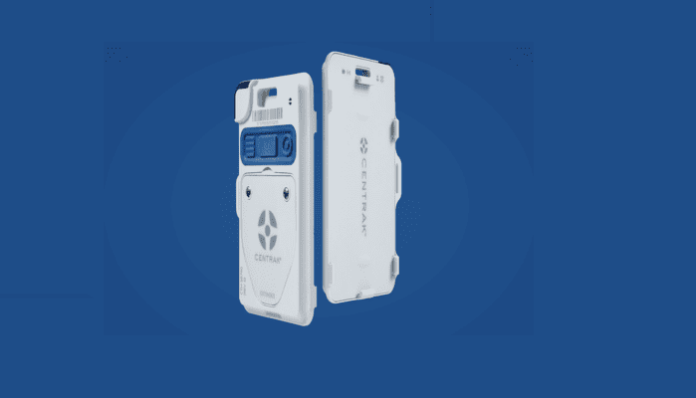
The latest hardware platform unveiled by CenTrak, aptly named BLE Multi-Mode, marks a significant advancement in RTLS technology. This innovative solution builds upon CenTrak’s esteemed legacy of Wi-Fi Multi-Mode, replacing Wi-Fi with BLE as a more feature-rich and cost-effective technology for a more versatile RTLS hardware platform.

2. Can you provide an overview of the key features and functionalities of the new platform?

Scalability and Adaptability: The new platform boasts a hybrid architecture seamlessly transitioning between BLE and all CenTrak Clinical-Grade Locating (CGL) environments. CGL is defined as certainty-based locating with room- to sub room-level accuracy. This flexibility in location granularity empowers customers to harness mixed RTLS infrastructure within a single building or across an entire hospital campus, effectively balancing affordability and precision according to the specific needs of each department.

Innovative Tag and Badge Design: Our platform offered the unique opportunity to design new multi-mode tags and badges that are meticulously crafted to meet to the unique needs of healthcare facilities. ย By incorporating the latest industry best practices and innovations, we ensure unparalleled performance and user experience. For instance, in applications such as staff duress, our badges feature a dedicated button with a recessed design, minimizing the risk of accidental presses and false alarms. Additionally, audible and visual indicators on the badge can be customized to notify users when a duress alert has been acknowledged by the system, providing reassurance that help is on the way. Our LED indicators also offer real-time visualization of remaining battery life, empowering staff to begin each shift with confidence, knowing that safety is always within armโ€™s reach.

Enhanced Battery Life: BLE Multi-Mode devices feature extended battery life, providing sustained functionality and reducing the need for frequent recharging or replacement, thereby minimizing disruptions to operations.

Efficient Management and Updates: Enjoy fast, centralized management facilitated by easy over-the-air firmware updates. Bidirectional communications over BLE offers swift deployment of enhancements and patches, maintaining peak performance and security across the entire RTLS ecosystem.

3. How does this platform differ from existing solutions in the market?

What sets this platform apart from existing solutions is its singular device that effortlessly transitions between different locating networks and technologies. Healthcare facilities benefit from the flexibility to minimize or eliminate hardware installation and networking complexity or opt for in-room location devices. Whether it’s infrared, low-frequency RF, or Bluetooth Low Energy, this all-in-one device ensures seamless operation across various environments, offering unmatched versatility and adaptability.

Also, unlike single-point solutions on the market, the BLE Multi-Mode platform supports a wide array of RTLS use cases from asset tracking and staff duress to hand hygiene compliance monitoring, nurse call automation, infant protection, wayfinding, and more โ€“ all on a single, scalable system architecture. This comprehensive coverage tailors to diverse clinical and operational requirements across hospitals and health networks.

4. What specific challenges in the healthcare industry does this platform aim to address?

Recognizing the significance of location data and the transformative outcomes it offers, the platform aims to tackle the pressing need for healthcare facilities to swiftly embark on their RTLS journey while minimizing disruption to hospital operations. Its deployment is designed to be low-impact, ensuring a smooth transition with easy scalability for future needs. Additionally, some facilities may be deterred by the potential costs associated with installing and maintaining additional systems. BLE Multi-Mode mitigates this concern by facilitating “tag only” hardware deployments, specifically tailored to BLE-supported use cases, thus offering a cost-effective solution without compromising on the value of RTLS insights. As healthcare leaders begin to reap the benefits of their initial RTLS programs, they can seamlessly scale up to more advanced use cases requiring finer location granularity.

5. How does the platform leverage location data capabilities to enhance healthcare operations?

Location data can support healthcare operations in a variety of ways. For example:

  • Asset Tracking and Management: The platform optimizes asset tracking and management, reducing the time spent searching for equipment and allowing staff to focus more on patient care. It facilitates easy location identification of mobile medical equipment, streamlines asset management workflows, and minimizes equipment loss. By optimizing asset utilization and ensuring regulatory compliance through efficient preventative maintenance procedures, healthcare facilities can maximize operational efficiency.
  • Staff Safety: Through real-time map views, immediate alert notifications, and continuous location updates during duress events, the platform prioritizes staff safety. Wireless duress calls are initiated with a simple button press on the staff memberโ€™s wearable device, promptly notifying appropriate personnel of their precise location. Reliable and accelerated response times during emergencies create a secure environment for staff, fostering a culture of safety.
  • Hand Hygiene Compliance: Direct Observation is far too labor-intensive, expensive, and typically only accounts for less than 5% of all hand hygiene events. CenTrak RTLS identifies opportunities for performing hand hygiene, monitors all hand hygiene events, and delivers actionable insights to staff, eliminating time spent on manual data entry and building compliance reports.
  • Workflow automation: From automating nurse call cancellations upon confirmed staff presence to offering a comprehensive view of patient and staff interactions and movement within the facility, the platform facilitates workflow automation. With visibility to daily to hourly averages of individual milestones, healthcare facilities gain insights to identify anomalies or bottlenecks in processes. Armed with this information, areas for improvement can be addressed proactively, and the impact of process changes can be measured effectively, leading to continuous optimization of operations.

Beyond the highlighted functionalities, the platform offers a myriad of additional features and capabilities tailored to meet the evolving needs of healthcare operations, ensuring comprehensive support for various aspects of facility management and patient care.

6. Can you elaborate on the interoperability aspects of the platform? How does it integrate with existing systems and technologies?

The CenTrak platform shines through its seamless integration capabilities. Through the utilization of the CenTrak BLE Multi-Mode badge, the platform effortlessly integrates with established CenTrak systems and taps into BLE-enabled networks offered by leading vendors like Cisco Systems and HPE Aruba Networking for location information and data communications. Furthermore, CenTrak goes beyond the basics by fostering integration with a diverse array of solution providers. This includes seamless collaboration with nurse call platforms, CMMS (Computerized Maintenance Management Systems), EHR (Electronic Health Records) systems, patient infotainment solutions, and more. By bridging these disparate systems, CenTrak empowers healthcare facilities to infuse their existing solutions with invaluable location data, thereby optimizing workflows and driving operational efficiency to new heights.

7. What is the deployment model for this platform, and how does it contribute to cost-effectiveness?

The platform offers a versatile deployment model, allowing customers to either leverage CenTrak networks or utilize their existing BLE-enabled hospital networks and infrastructure. This flexibility not only expedites the deployment process but also significantly reduces the hardware costs typically associated with RTLS implementations. A multi-mode approach allows facilities to โ€œstart smallโ€ with entry-level use cases and strategically plan to grow their system over time to address the dynamic priorities and challenges inherent in healthcare. This seamless progression to embrace more sophisticated use cases, such as nurse call automation, with enhanced location precision ensures a sustained value proposition for the system while highlighting its innate adaptability to evolving healthcare demands and technological advancements.

8. Are there any case studies or success stories demonstrating the impact of this platform on healthcare organizations?

As we progress towards the general availability of the BLE Multi-Mode solution this spring, the platform is already demonstrating its value among a limited user base in the streamlining of clinical workflows and enhancing staff safety. With customer and market feedback as central pillars of our meticulous product innovation process, we are confident that our platform not only meets but exceeds user expectations, delivering solutions that anticipate and surpass their needs.

9. How does CenTrak envision the adoption of this platform across different types of healthcare facilities?

CenTrak envisions widespread adoption of its platform across a spectrum of healthcare facilities, ranging from expansive Integrated Delivery Networks (IDNs) seeking standardized technological solutions for enterprise-level RTLS deployments, to smaller hospitals, outpatient facilities, and specialty clinics with targeted needs such as asset tracking or staff duress alerts.

By harnessing CenTrak’s BLE Multi-Mode RTLS, healthcare facilities unlock a highly adaptable solution tailored to the diverse needs of various healthcare environments. This includes catering to the unique requirements of individual buildings, units, or floors within a single facility or across an entire health system. With a CenTrak network seamlessly integrated across multiple hospitals under a single IDN, equipment, patients, and staff utilizing CenTrak location sensors are effortlessly recognized system-wide at any location. Additionally, software and system configurations are centrally managed across the enterprise, enhancing operational efficiency. The transformative impact of RTLS yields tangible benefits such as improved patient outcomes, heightened staff morale, and optimized operational performance across the entire healthcare continuum.

10. What support and resources will CenTrak provide to customers who are interested in implementing this platform?

Our goal is to help healthcare facilities derive actionable insights from their RTLS โ€“ leading to transformative changes and strengthening their leadership position in the healthcare industry. Drawing on our extensive experience deploying Real-Time Location Systems (RTLS) in over 2,000 healthcare institutions worldwide, CenTrakโ€™s team of clinical consultants, hospital operations experts, and business analysts offer comprehensive support and resources to customers interested in implementing our RTLS platform. Their expertise helps guide customers through the right implementation strategy and technology deployment model best suited for their facility.

Going beyond traditional training and go-live assistance, the CenTrak EngageSM program provides a thorough evaluation of current processes, analyzes baseline data, and details projected value assessments according to the strategic use case deployment model and roadmap. Governance models, steering committees, and change management processes are established to guide the creation of new or revised Standard Operating Procedures (SOPs) tailored to RTLS use cases, and a strong partnership with the health system is also formed in the co-development of training tools, communication plans, and branding strategies to facilitate user adoption. CenTrak also identifies the metrics required for sustained success and provides ongoing documentation of organizational ROI.

11. Can you provide information about any upcoming webinars, demonstrations, or training sessions related to the new platform?

From 2 โ€“ 3 P.M. ET on Tuesday, May 14, CenTrak is hosting a webinar discussing strategies to develop an effective staff safety program in hospitals. Amid ongoing and unprecedented staff shortages and workplace violence in healthcare, creating a safe environment is more critical than ever before.

Mary Jagim, principal consultant at CenTrak, a seasoned staff nurse and emergency department manager with over two decades of experience and knowledge as the former President of the Emergency Nurses Association, will share the latest best practices for implementing violence prevention programs, delve into two healthcare worker safety bills currently in congressional committees, and discuss initiatives nursing organizations are undertaking to offer support. Gain additional insights from CenTrak product managers, Nicholas Adriance and myself, as we share cutting-edge real-time location system solutions designed to elevate the safety of your staff.

Learn more and register here: Registration page

12. How can interested parties get in touch with CenTrak for further inquiries or to schedule a consultation with an expert?

  • Website: centrak.com
  • Linkedin: https://linkedin.com/company/centrak

Author: Kevin Paroda, global segment manager, acute care, CenTrak

CharmHealth Unveils 2024 Innovation Challenge to Bring Creative Solutions to the Fingertips of Healthcare Providers

CharmHealth, a leader in healthcare technology solutions for providers announced the kickoff of its 2024 Innovation Challenge. The fourth annual competition is designed to surface new ideas that will fundamentally improve healthcare and its underlying systems and processes. Through the Innovation Challenge, CharmHealth provides a platform for innovators, entrepreneurs, students, nonprofits and philanthropists to share groundbreaking ideas with the investors, incubators and partners who can bring them to market and effectively advance care.

For the 2024 Innovation Challenge, CharmHealth will accept proposals in the following categories: Hardware Accelerated AI, Generative AI, Tech Led Innovations, Mobile Health Apps, Healthcare Accessibility, and Social Change Solutions. From these proposals, 15 candidates will be selected to attend and present at Pitch Day during the Charmalot Annual User Conference, to be held Aug. 23-25, 2024, in Washington, D.C. CharmHealth will cover the costs for accommodations and meals of the short-listed candidates invited to the event.

“The Innovation Challenge is one of the most important things that we do at CharmHealth because it enables us to discover meaningful solutions that can have a positive impact on patients’ and providers’ lives. The breadth and depth of solutions showcased demonstrate just how expansive the healthcare landscape can be,” said Pramila Srinivasan, Ph.D., CEO of CharmHealth. “We put the power of the CharmHealth EHR platform into the hands of students, entrepreneurs and other innovators to unleash their creativity in order to solve problems in new ways and automate time-consuming tasks that will drive healthcare forward.”

Strategic and Supportive, the CharmHealth Innovation Challenge Is a Competition That Provides Unique Value

Unlike other startup competitions, the CharmHealth Innovation Challenge specifically targets entrepreneurs developing products or solutions related to digital health and the EHR domain. This focus allows CharmHealth to concentrate its resources and expertise in a particular realm, fostering innovation and advancements in the EHR and related landscapes.

CharmHealth goes beyond providing just funding or mentorship to winners. It provides access to resources, educational materials, and workshops focused on EHR-related topics, helping entrepreneurs refine their product offerings and enhance their market readiness. CharmHealth then opens its extensive ecosystem of support that includes connections to potential clients, users and partners within the healthcare industry โ€” both at the event and through CharmHealthApps, CharmHealth’s own health IT marketplace.

Another crucial aspect of the Innovation Challenge is knowledge exchange. While providing resources, guidance, connections and mentorship to participants, CharmHealth and its community benefit from the fresh perspectives, creative problem-solving, and disruptive thinking rising startups share. The conversations that take place throughout the Innovation Challenge influence and enhance future product development, enabling all parties to stay agile, adaptive and competitive in a rapidly changing market. The future of healthcare technology will be built through such collaboration.

“The CharmHealth Innovation Challenge 2023 was a tremendous opportunity to present HealMed Solutions to a panel of clinicians and venture capitalists,” said Nidhi Goel, M.D., founder and CEO of HealMed Solutions, a winner of the 2023 Innovation Challenge. “The feedback, support and cheerleading from the audience and CharmHealth team and insights from venture capitalists who had knowledge and experience in the health tech space was not only invaluable but also energizing.”

Call for Proposals

For the 2024 Innovation Challenge, participants are asked to create their own custom applications to solve one of an infinite number of security and IT challenges that plague the healthcare space. For each of the six categories, CharmHealth will offer cash prizes: $10,000 for first place, $5,000 for second place, and $2,500 for third place.

In addition to access to capital, partners and mentors, finalists will also have the opportunity to integrate their products or solutions with CharmHealth’s existing platform and list its solution on CharmHealthApps. These opportunities offer significant market access, distribution channels, and exposure to a wide customer base, accelerating the growth and adoption of the winning startups.

To participate in the CharmHealth Innovation Challenge, interested individuals, startups and organizations may submit their proposals free of charge through the official Challenge website at https://charmhealthchallenge.com/. The submission period closes on Aug 1, 2024. All submissions will be carefully evaluated by a panel of esteemed judges with expertise in healthcare technology and innovation.

The Importance of Medical Treatment Following a Car Accident

Car accidents, regardless of their severity, can lead to a wide range of physical and psychological impacts. Immediate and comprehensive medical treatment following a car accident isnโ€™t just a precaution; it’s a critical step in ensuring both short-term recovery and long-term health.

This article explores why medical care after an accident is indispensable, highlights potential injuries that might not be immediately apparent, and discusses the implications of untreated injuries.

Immediate Medical Attention Saves Lives

The chaotic moments following a car accident are crucial for medical assessment. Injuries such as internal bleeding, head trauma, or spinal damage can be life-threatening if not addressed immediately.

Emergency medical services (EMS) are trained to assess and manage these critical conditions at the scene or en route to the hospital. Immediate medical attention ensures that victims receive the necessary interventions to stabilize their condition and prevent complications.

Identifying Hidden Injuries

Many car accident injuries are not immediately noticeable. Symptoms of serious conditions such as whiplash, concussions, or even internal injuries can take hours or days to manifest. Here are a few common but often delayed injury symptoms:

  • Whiplash: Typically associated with rear-end collisions, symptoms such as neck pain, stiffness, and headaches may develop gradually.
  • Concussions: The signs of a concussion can be subtle and may include confusion, memory disturbances, dizziness, and delayed responses.
  • Internal Bleeding: This can remain undetected without medical imaging and may present only through faintness, abdominal pain, or deep bruising.

Early diagnostic tests, such as X-rays, MRIs, or CT scans, performed as part of a post-accident medical evaluation, can reveal these hidden injuries, allowing for timely treatment that could prevent severe complications.

Legal and Insurance Considerations

Seeking prompt medical treatment after a car accident also plays a crucial role in any legal and insurance proceedings that may follow. Medical records serve as valuable evidence in establishing the extent and causation of injuries attributable to the accident.

These records can significantly influence the outcome of insurance claims and lawsuits, impacting potential compensation for medical bills, lost wages, and pain and suffering.

Without a clear medical record linking the accident to the injuries, obtaining compensation after a car accident can become significantly more challenging. Insurers may argue that the lack of immediate medical care indicates the injuries were not serious or were pre-existing.

Long-Term Health Consequences of Untreated Injuries

Failing to seek immediate medical attention can lead to chronic conditions that might have been preventable. For example:

  • Chronic Pain: Minor injuries can develop into chronic pain conditions if they are not treated promptly.
  • Mobility Issues: Injuries like fractures or soft tissue injuries can result in prolonged or permanent mobility issues, impacting an individualโ€™s quality of life.
  • Psychological Impact: Car accidents can lead to psychological distress such as PTSD, anxiety, and depression. Early intervention with psychological support can help manage these effects.

The Role of Follow-Up Care

After the initial treatment, follow-up care is crucial to ensure a full recovery. Rehabilitation services such as physical therapy, chiropractic care, and occupational therapy are vital.

These services not only help to restore function and mobility but also address pain management and other complications that might arise during the recovery process.

Summing Up

The importance of medical treatment following a car accident cannot be overstated. It ensures the identification and management of immediate and latent injuries, supports legal and insurance claims, and significantly influences long-term health outcomes.

Car accident victims should seek medical attention immediately after an accident, regardless of whether they believe they have been injured. Remember, the repercussions of ignoring potential injuries can be far-reaching, affecting physical health, financial stability, and overall well-being.

Emerging Trends in Pain Management Technologies

Chronic pain is a pervasive ailment affecting millions worldwide, influencing their quality of life and overall well-being. Traditionally, pain management has revolved around pharmacological interventions, physical therapy, and invasive surgery. However, rapid technological advancements are now paving the way for more innovative and less intrusive methods. This post explores the emerging trends in pain management technologies, setting the stage for a revolution in understanding and treating pain. For those looking for more specialized and focused treatments, visiting a Pain Clinic could be a gateway to discovering these novel solutions.

Harnessing the Power of Digital Health in Pain Management

Virtual Reality: A Strategic Distraction Sheller in the World of Stress & Disorders

An essential innovation for pain management is the implementation of VR virtual reality. VR’s strategically transporting patients into different universes is a more robust tool than simple distraction therapy. Research shows that VR helps distract a patient from pain, which is reduced beyond a burn setting or during a painful procedure. This therapeutic technique replicates nature, i.e.,, surroundings, which may create a relaxed state in both mind and the body; this will help you ease your pain using cognitive methods.

AI and Machine Learning: A Specific Pain Treatment is What Personalization Entails

Artificial Intelligence (AI) and machine learning recently have brought change to medicine by allowing this discipline to provide personalized treatment. In pain management, these technologies can examine vast amounts of data, including clinical studiesโ€™ findings and patient health records databases, to produce the expected treatment outcomes. Thus, individually responsive treatment plans that target patientsโ€™ distinct needs can enhance the result of pain management treatment. Machine learning algorithms can also predict the course of pain conditions. Thus, treatments can be amended ahead of time instead of coming up during or after their application.

Wearable Technology: Continuous Pain Assessment and Management

Wearable technology showed up at the gym to pass on helpful information. Regarding pain management, wearable devices become tools that track the patient’s physiological data in real-time, such as HRV skin temperature and body movements, and determine pain intensity and the effectiveness of medical treatments. Doing so, which is a vital goal, not only allows the creation of precise treatment plans but also makes patients feel confident by regularly informing them of their state. Wearables can let a patient and their healthcare provider tire in their pain, enabling prompt and accurate interventions.

Electromedical Solutions: Targeting Pain at Its Source

High-frequency Spinal Cord Stimulation

High-frequency spinal cord stimulation (SCS) is a new type of modern neuromodulation technology (NMT), which has recently attracted much attention in the medical community. In contrast to conventional SCS, which delivers low-frequency electrical signals to interfere with the signal paths to the brain, which may lead to some unpleasant sensory disturbance, high-frequency SCS is a method that is characterized by being able to operate with frequencies up to 10,000 Hz, providing pain relief without interfering with sensory patterns. The result of these spinal cord applications is mainly the improvement of chronic back and leg pain, with life quality reportedly improving for patients who could get little to no relief from prior treatments.

Focused Ultrasound Technology

Another revolutionary technology is focused ultrasound, which requires a high-frequency sound wave that can generate energy to burst at the center of the tissues deep in the body, precisely at the pain point. This noninvasive practice can treat painful conditions such as osteoid osteomas and tumors. Imaging concentrators have the power to be the most available treatment option, significantly when patients recover quickly and have low pain levels.

Conclusion

The science and art of pain management are facing a revolutionary phase where technologies are inventing pathways for a new heightened perception and treatment. Besides encouraging more effective means of controlling this disease, these latest developments are directing the field to more personalized, less intrusive, and patient-friendly modes of dealing with the problem. Supporting the patientโ€™s outcome is not only one of the objectives. We are also marking a new chapter in healthcare where these technological advancements in virtual reality, artificial intelligence, wearable devices, and electromedical tools are being integrated with pain management techniques. For those looking for more specialized and focused treatments, visiting a pain management center could be a gateway to discovering these novel solutions.

With the continuous development of technology, our vision of a life without pain turns out to be just an incredible imagination. Thus, this is an excellent time for sufferers and healthcare professionals involved in this medical specialty. It is a quest to alleviate pain by setting up Pain Clinics and researching emerging technologies. There is hope in the foreseeable features of pain management.

Translate ยป