













Close
Digital Health & Ai Innovation summit 2026
LiGHT26

Insulin Therapy Unveiled: Exploring its Surprising Role in Weight Management

In the realm of health and wellness, the relationship between insulin therapy and weight management often elicits misconceptions and confusion. For many, the mere mention of insulin conjures images of weight gain and metabolic disturbances. However, recent research has uncovered a surprising revelation: insulin therapy, when properly administered, can actually play a pivotal role in weight management. In this article, we delve into the intricate connection between insulin therapy and weight regulation, challenging prevailing beliefs and shedding light on its potential as a tool for achieving healthier body composition.

Understanding Insulin and Its Role in the Body

Insulin, often referred to as the “master regulator” of metabolism, is a hormone produced by the pancreas. Its primary function is to facilitate the uptake of glucose from the bloodstream into cells, where it is utilized for energy production or stored for future use. Additionally, insulin helps regulate lipid and protein metabolism, exerting profound effects on overall metabolic homeostasis.

Insulin resistance, a hallmark of conditions like type 2 diabetes, occurs when cells become less responsive to the effects of insulin. This leads to elevated blood glucose levels and, in some cases, increased insulin production by the pancreas. Over time, insulin resistance can contribute to weight gain and metabolic dysfunction, further complicating the management of conditions like obesity and diabetes.

Traditional Beliefs Surrounding Insulin Therapy and Weight Gain

Despite its essential role in glucose metabolism, insulin has long been vilified as a culprit in weight gain. Many individuals with diabetes or insulin resistance hesitate to initiate insulin therapy due to fears of exacerbating weight-related concerns. These apprehensions stem from a common misconception that insulin directly causes fat accumulation.

However, research suggests that the relationship between insulin therapy and weight gain is more nuanced than previously believed. While insulin can promote fat storage under certain conditions, its primary role in glucose metabolism often outweighs its effects on lipid metabolism. Moreover, uncontrolled blood glucose levels pose a greater risk to overall health than modest weight changes associated with insulin therapy.

The Surprising Link: Insulin Therapy and Weight Loss

Contrary to popular belief, emerging evidence suggests that insulin therapy can promote weight loss in certain individuals. Studies have demonstrated that optimized insulin therapy, particularly in individuals with poorly controlled diabetes or insulin resistance, can lead to improvements in body composition and metabolic parameters.

One mechanism by which insulin therapy may facilitate weight loss is through its ability to regulate appetite and satiety. By effectively managing blood glucose levels, insulin therapy may reduce excessive hunger, cravings, and overeating, ultimately facilitating weight loss. Additionally, insulin’s anabolic effects on muscle tissue may contribute to increased metabolic rate and improved body composition.

Factors Influencing Weight Changes in Insulin Therapy

Several factors influence the impact of insulin therapy on body weight. The type and dosage of insulin prescribed, individual metabolic differences, and lifestyle factors such as diet and physical activity all play significant roles. Additionally, the timing and frequency of insulin administration can affect its metabolic effects, highlighting the importance of personalized treatment approaches.

For example, rapid-acting insulin analogs may be more conducive to weight loss than traditional insulin formulations due to their faster onset and shorter duration of action. Likewise, incorporating insulin therapy into a comprehensive lifestyle intervention program that includes dietary modifications and exercise can enhance its effectiveness for weight management. Check out mounjaro for sale for more information.

Practical Applications and Clinical Implications

Healthcare providers play a pivotal role in optimizing insulin therapy for weight management. By tailoring treatment regimens to individual patient needs, healthcare professionals can maximize the metabolic benefits of insulin while minimizing potential side effects. Patient education and counseling are also essential components, empowering individuals to make informed decisions about their treatment and lifestyle choices.

In clinical practice, healthcare providers should consider factors such as insulin sensitivity, concurrent medications, and comorbidities when initiating or adjusting insulin therapy. Regular monitoring of blood glucose levels, body weight, and metabolic parameters allows for timely intervention and optimization of treatment outcomes. Moreover, ongoing support and encouragement can help patients adhere to their treatment plan and achieve long-term success in weight management.

Addressing Concerns and Misconceptions

To address concerns and misconceptions surrounding insulin therapy and weight gain, it is crucial to provide evidence-based explanations and dispel myths. Patients should be reassured that weight changes observed during insulin therapy are multifactorial and not solely attributable to the hormone itself. Open communication between patients and healthcare providers fosters trust and collaboration, facilitating optimal treatment outcomes.

Education initiatives aimed at both healthcare providers and patients can help dispel misconceptions and promote a more nuanced understanding of the relationship between insulin therapy and weight management. By providing accurate information and addressing concerns in a supportive manner, healthcare professionals can empower individuals to make informed decisions about their treatment and achieve their weight management goals.

Future Directions and Research Opportunities

As our understanding of insulin therapy continues to evolve, future research endeavors hold promise for further elucidating its role in weight management. Areas for exploration include novel insulin formulations, personalized treatment algorithms, and innovative strategies for integrating insulin therapy into multidisciplinary care approaches.

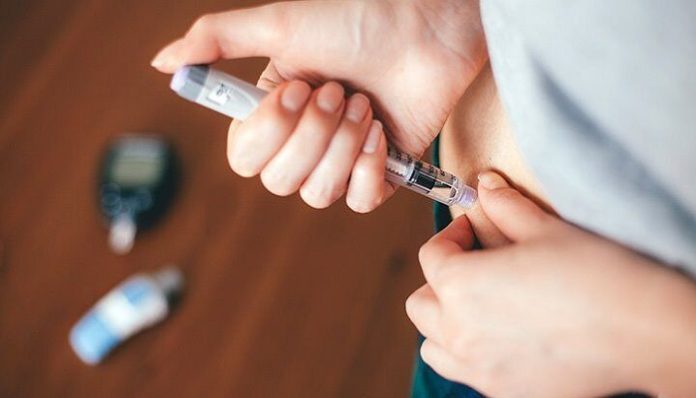
For example, researchers are investigating the potential benefits of combining insulin therapy with adjunctive medications targeting appetite regulation and energy expenditure. Additionally, advancements in technology, such as continuous glucose monitoring systems and insulin delivery devices, offer new opportunities for optimizing insulin therapy and enhancing patient adherence.

Conclusion

In conclusion, the intricate relationship between insulin therapy and weight management challenges conventional wisdom and underscores the importance of reevaluating preconceived notions. By recognizing the metabolic nuances of insulin and harnessing its therapeutic potential, we can empower individuals with diabetes and insulin resistance to achieve healthier body compositions and improved overall well-being.ย 

Unlocking Weight Loss Success: A Guide to Purchasing Saxenda for Effective Results

Understanding Saxenda and Its Role in Weight Loss

Embarking on a weight loss journey can be challenging, but with the right tools and support, achieving your goals becomes attainable. One such tool gaining popularity is Saxenda, a prescription medication designed to aid weight loss efforts. Understanding how to buy Saxenda and incorporating it into your weight loss regimen can lead to effective and sustainable results.

The Benefits of Saxenda in Weight Loss

Saxenda, also known as liraglutide, is an FDA-approved injectable medication specifically formulated to help individuals with obesity or those struggling to lose weight. It works by mimicking a hormone called GLP-1, which helps regulate appetite and food intake. By stimulating the brain’s appetite control center, Saxenda can lead to reduced food cravings and increased feelings of fullness, ultimately resulting in lower calorie consumption and weight loss.

How to Buy Saxenda

When considering Saxenda as part of your weight loss plan, it’s essential to follow the proper steps to purchase it safely and legally. Here’s a guide to buying Saxenda:

  1. Consult a Healthcare Professional: Before purchasing Saxenda, schedule an appointment with a healthcare provider, such as a doctor or a weight loss specialist. They will assess your medical history, weight loss goals, and overall health to determine if Saxenda is suitable for you.
  2. Obtain a Prescription: Saxenda is a prescription medication, meaning you cannot buy it over the counter. Your healthcare provider will evaluate your eligibility for Saxenda and, if deemed appropriate, provide you with a prescription.
  3. Purchase from a Licensed Pharmacy: Once you have a prescription, you can purchase Saxenda from a licensed pharmacy. Be cautious of online pharmacies offering Saxenda without a prescription, as these may be fraudulent or unsafe.
  4. Consider Insurance Coverage: Check if your health insurance plan covers Saxenda. Some insurance providers may offer coverage for weight loss medications, including Saxenda, reducing your out-of-pocket expenses.
  5. Follow Dosage Instructions: After obtaining Saxenda, carefully follow the dosage instructions provided by your healthcare provider. Saxenda is typically administered as a once-daily injection, and your healthcare provider will determine the appropriate dose based on your individual needs.

Incorporating Saxenda into Your Weight Loss Plan

In addition to purchasing Saxenda, incorporating it into a comprehensive weight loss plan can maximize its effectiveness. Here are some tips for integrating Saxenda into your weight loss journey:

  1. Healthy Eating: Adopt a balanced and nutritious diet that emphasizes whole foods, fruits, vegetables, lean proteins, and whole grains. Saxenda works best when combined with a healthy eating plan that supports weight loss.
  2. Regular Exercise: Engage in regular physical activity to complement the effects of Saxenda. Aim for at least 150 minutes of moderate-intensity exercise per week, such as brisk walking, cycling, or swimming.
  3. Behavioral Changes: Address underlying behaviors and habits that contribute to weight gain, such as emotional eating, stress eating, or sedentary lifestyle habits. Consider working with a therapist or counselor to develop strategies for managing these behaviors.
  4. Monitor Progress: Keep track of your weight loss progress and any changes in appetite, food cravings, or side effects while taking Saxenda. Regularly communicate with your healthcare provider to assess your progress and make any necessary adjustments to your treatment plan.

In conclusion, Saxenda can be a valuable tool in achieving weight loss success when used in conjunction with a healthy lifestyle. By understanding how to buy Saxenda and incorporating it into your weight loss plan under the guidance of a healthcare professional, you can enhance your chances of achieving sustainable weight loss and improving your overall health and well-being.

What Sets Board and Care Facility Apart From Other Senior Care Options?

There are so many options for senior care that it can be hard to pick the right one. The Board and Care Facility shines for families seeking a loving home for their loved ones. This unique location provides personalized care and a close-knit community in a cozier setting than larger options.

Think about a place where everyone knows your name, what you like and don’t like, and how you like your tea. The beauty of a residential care services is that it’s designed to feel like a family, unlike huge institutions. The following distinguish Board and Care Facilities from other elder care options:

Personalized Care

Fewer staff members work with each person in a Board and Care Facility than in homes with more beds. This means that each person gets better care that is based on what they need.

You can get to know each person’s wants, needs, and habits better because there are fewer of them. This means that the care plan will be better able to meet everyone’s needs.

Because they only have to take care of a smaller group of people, caregivers in board and care facilities have more time to spend with each person. They can help you with daily jobs like getting ready, cooking, taking care of medicines, and more, so you don’t have to feel rushed or overworked. This means that both the prisoners and the staff are cared for better and have a better time.

Cozy, Homelike Environment

Board and Care Facilities are not the same. Care Facilities are usually in homes that have been carefully modified to meet the needs of seniors. Most of the time, they are in quiet neighborhood areas.

A lot of the time, bigger senior living communities feel cold and far away, but these places feel friendly and like home. In larger facilities, seniors often feel lonely and alone. The small, familiar rooms in these homes are meant to make residents feel better by lowering their feelings of loneliness and isolation.

Most of the people who live in these cozy spots have their own private or semi-private rooms. They only share them with a few other people. These rules protect people’s privacy and freedom, which are very important to them.

People who live there are encouraged to make their rooms special by putting in their own furniture, pictures, and other mementos. It would feel more like home in their rooms. This kind of touch is comfortable and makes people feel like they belong.

And because opening an assisted living facility aren’t very big, it’s easy and safe to move around inside them. People who live there don’t have to worry about getting lost or being confused by the big, complicated plans that come with living in a bigger organization. This makes it easy for people to get around, which makes their quality of life even better by getting them to interact with each other and do more things.

Strong Sense of Community

One of the best things about Board and Care Facilities is that they build a strong sense of community. Some facilities are designed to hold a small group of people. This makes for a friendly place where everyone can get to know each other well.

People who live in this close-knit neighborhood can get to know both workers and other residents well. For older people, dealing with loneliness and isolation is normal, so this helps build a support system that is very important.

Besides that, these places also plan lots of events and activities for people to do together to help them make friends and feel like they belong. Many of the things that residents enjoy can be done with other people. For example, they can go on trips to nearby attractions and cultural events as a group, or they can have game nights where everyone laughs and gets to know each other better.

Residents’ physical and mental health is better in Board and Care Facilities because this part keeps them busy and involved. It also makes their daily lives more fun and enjoyable, which improves their quality of life overall.

Also, because Board and Care Facilities are small, they can make sure that each client gets the care and attention they need. Personalizing care in this way makes sure that everyone’s wants and needs are known and met, which makes it feel like you live in a loving and helpful community.

This kind of personalized care is hard to find in bigger facilities. That’s why Board and Care Facilities are better for people who want a more caring and friendly place to live.

Affordable Option

A lot of the time, Board and Care Facilities are cheaper than other types of senior care. Prices may vary based on where you live and how much help you need, but they are generally less than nursing homes and assisted living facilities.

This can be a big help for families who are already having a hard time paying for expensive senior care because it’s so cheap. People who live in board and care facilities can rest easy knowing that their loved ones are getting good care that won’t break the bank.

For those inspired by the model of care and community that assisted living business provide, the desire to start an assisted living facility can be a noble pursuit. It represents an opportunity to extend this personalized, nurturing approach to care to even more individuals in need of a supportive living environment.

Choose Board and Care Facility for Unmatched Senior Living

Choose a Board and Care Facility for a loved one that goes beyond housing. Finding an area where they’ll be respected and cared for is also important. These establishments provide more customized attention and comfort than larger groups.

Someone over 65 may prefer a Board and Care Facility since it seems like home and the residents are like family. Your loved one can get expert care at home. This ensures their safety and care.

Does this article help you? Explore our website to find more helpful and fun stories that could help you.

Tips for Winning Your Personal Injury Case

Have you been injured by another personโ€™s negligence? If so, nowโ€™s the time to get a lawyer involved. The longer you wait, the more unlikely you are to get compensation. You need to make a claim while everythingโ€™s fresh and your memory of the events leading up to the accident is intact. Evidence obtained early is also a lot more helpful, so even if you plan on waiting a while to make a claim, make sure you start building a case. This post will explore this topic, explaining everything you need to do in order to ensure you receive compensation.

1. Find Legal Support

The first step you need to take if you want to win a personal injury case is to find a lawyer to represent you. It is possible to make an independent claim, but itโ€™s not recommended. A team of personal injury attorneys will be able to get you compensation a lot faster than you will be able to get it yourself. Also worth noting is that a law firm will be able to get you a higher amount of compensation than you will be able to. Negotiating with insurance companies is by no means easy. It takes years to become experienced enough to actually be able to get what you want from insurance adjusters. Make sure you hire the most qualified, experienced lawyer that you can.

2. Obtain Evidence Early

If you want to make a compensation claim, obtain as much evidence as you can. The earlier you collect evidence, the more likely you are to end up with a desirable settlement amount. The best type of evidence you can obtain is video or audio of the person responsible for causing your injuries admitting fault. Also, ensure that you have photos and videos of the scene of the accident and your injuries. Try to collect contact information for anybody who saw the accident. Additionally, make sure that you get a medical letter from the doctors who treat you at the ER or your familyโ€™s physician. A medical letter can be submitted to the insurance company you are claiming compensation from and used to support your claim. Make sure to keep receipts of all healthcare expenses and bills so that your lawyer can ask for the money back.

3. Make a Formal Claim

Once you have found a lawyer that you are comfortable working with and have evidence to support a claim, you can go ahead and make one. The first step in doing this is reaching out to your chosen lawyer and asking them if they would be willing to take you on as a client. Most likely, they will instruct a paralegal to call you and take your account of what happened. Then, they will ask you to send them all of the evidence you have. If you do not have any evidence but your claim stands to earn you a lot of money, the lawyer youโ€™ve hired will pay a private investigator to get evidence for you. They can do this by visiting local stores, requesting CCTV, and obtaining witness statements. Making a formal claim can be stressful but itโ€™s the first step toward getting the money you are owed, so itโ€™s essential.

4. Understand the Process

If you make a compensation claim, you need to understand what the process entails. Once you have made a formal claim and your lawyer is investigating the case, they will get in touch with the responsible person’s insurance company and formalize the claim with them. They will then begin negotiating with the insurance company, arguing on your behalf. Insurance companies appoint professionals called insurance adjusters to people’s cases. Insurance adjusters do everything they can to argue people’s settlement amounts down, saving insurance companies money. There is nothing you really need to do in the early stages of a personal injury claim. If your lawyer needs you for anything, they will get in touch and ask you. Make sure that you sit back, relax, and let your lawyer do their work. Under no circumstances should you rush or pester them, as this will annoy them, and they wonโ€™t want to keep you as a client.

5. Have Some Patience

As mentioned in the last part of the previous section, you need to have some patience. Make sure that you let your lawyer do their job and that you focus on your recovery and applying for disability benefits. If you are unable to return to work because of your injuries, disability benefits are worth looking into. Disability benefits are paid to disabled individuals, typically on a monthly basis. The process of applying for disability benefits can be long and drawn out. Most personal injury lawyers have knowledge of how the process works, so if you have any questions or concerns, you can direct them to your attorney. There are also community organizations that offer help with applying for disability benefits, making it easier for people to get them. Make sure that you are honest and truthful throughout your application, otherwise, when you attend your physical examination, you will fail and your claim will be dismissed.

6. Focus On Your Recovery

While your lawyer is arguing on your behalf and getting you your compensation, you need to focus on your recovery. Recovering from injuries sustained in a car accident can be difficult. Oftentimes, people experience mental and physical trauma. Physical injuries are typically more easily treated than mental ones. Make sure that you find the best treatment centers you can go to. You can determine whether a treatment center is worth going to by reading their reviews. Make sure that all receipts related to healthcare expenses are sent to your lawyer. Your lawyer will be able to submit them as part of your claim and get you the money back, lowering your premiums. Because your healthcare bills will be fully covered by your settlement, donโ€™t compromise on quality. Get the best care you can.

If another personโ€™s carelessness has led to you being injured, you deserve compensation. The amount you could be owed depends entirely upon the severity of your injuries. Use the guidance given here to ensure that you win your claim.

Exploring Different Treatment Methods For Skin Imperfections

Skin imperfections can get you down. Wrinkles, acne scars, or uneven skin tone can seriously affect your confidence. You dream of having clear, youthful-looking skin. Fortunately, modern treatments offer a wide array of solutions to help you achieve your best skin yet.

There’s a range of procedures to choose from. Some target surface-level issues, while others penetrate deeper to address more complex concerns. This guide will break down different options, so you can make informed decisions about the best treatment for your individual needs.

Topical Treatments: The Power Of Over-The-Counter And Prescription Products

Topical treatments are creams, gels, or serums you apply directly to your skin. They work by addressing imperfections on the surface. Common ingredients in topical treatments include:

  • Retinoids: These vitamin A derivatives boost cell turnover, helping with wrinkles, fine lines, and dark spots.
  • Vitamin C: A powerful antioxidant, it helps brighten skin tone and protect it against environmental damage.
  • Hyaluronic acid: This substance acts like a sponge, hydrating the skin for a plumper, smoother look.

Over-the-counter (OTC) topicals are milder and readily available. They’re great for minor concerns or as a starting point. Prescription-strength topicals contain higher concentrations of active ingredients. Your doctor can prescribe these if OTC options aren’t effective enough.

CO2 Laser Skin Resurfacing

CO2 (carbon dioxide) laser resurfacing, carried out by facilities like Venice Avenue Dermatology, is one of the most powerful and versatile skin rejuvenation techniques available. It uses a concentrated beam of light to remove the outermost layers of skin with precision. This process triggers a healing response that stimulates new collagen production.

CO2 laser resurfacing can dramatically improve skin imperfections. Itโ€™s effective for treating wrinkles, deep acne scars, sun damage, and uneven skin texture. With traditional CO2 lasers, results are impressive but there’s a more significant downtime for healing. Newer fractional CO2 lasers offer similar benefits with a shorter recovery time.

Your doctor will discuss if CO2 laser resurfacing is right for you. They’ll also explain the differences between traditional and fractional CO2 lasers.

Chemical Peels: A Deeper Level Of Exfoliation

Chemical peels offer more dramatic results than topical treatments. During a peel, a dermatologist or skincare professional applies a chemical solution to your skin. This solution causes controlled damage to the top layers of skin, eventually causing them to peel off.

There are different strengths of chemical peels:

  • Light peels: These target the outermost layer of skin, improving fine lines, uneven texture, and mild acne.
  • Medium peels: These reach slightly deeper, helping with more visible wrinkles, acne scars, and pigmentation.
  • Deep peels: These offer the most dramatic results but require significant downtime. They address severe wrinkles, scarring, and precancerous growths.

It’s crucial to get chemical peels from a qualified professional. They’ll assess your skin and determine the right peel and strength for your needs.

Microdermabrasion: Gentle Resurfacing For A Glowing Complexion

Microdermabrasion is a minimally invasive treatment that gently exfoliates the skin’s top layer. A special device either sprays fine crystals onto the skin or uses a diamond-tip wand to remove dead skin cells. At the same time, a vacuum suctions away the debris.

Microdermabrasion offers several benefits. It improves overall skin texture, reduces the appearance of fine lines, and minimizes acne scars or dark spots. This treatment doesn’t involve harsh chemicals or downtime.

If you’re looking for a non-invasive option with gradual results, microdermabrasion is a great choice. It’s typically done in a series of sessions for optimal improvement.

Microneedling: Stimulating Collagen Production

Microneedling involves using a device with tiny needles to create controlled micro-injuries in the skin. These micro-injuries trigger your body’s natural healing response, leading to a boost in collagen and elastin production. Collagen and elastin are proteins that keep your skin looking firm and youthful.

Microneedling offers a range of benefits. It can reduce the appearance of acne scars, improve skin texture, soften fine lines and wrinkles, and even address stretch marks. While the procedure isn’t overly painful, your skin might be slightly red and sensitive for a short period afterward.

Microneedling can be performed at home or by a professional. Professional treatments generally use longer needles for deeper penetration, leading to more visible results.

Laser Treatments: Advanced Technology For Targeted Results

Laser treatments offer a highly effective solution for a variety of skin concerns. Different types of lasers can target specific issues, including pigmentation, wrinkles, scars, and more.

There are two main categories of laser treatments:

  • Ablative lasers: These remove the top layers of skin, leading to more dramatic results but also requiring some downtime.
  • Non-ablative lasers: These work by heating the deeper layers of the skin without damaging the surface, promoting collagen production with minimal downtime.

Laser treatments can be very effective. Your dermatologist will discuss the best type of laser for your needs and the potential for any downtime or temporary skin sensitivity.

Conclusion

Caring for your skin is beneficial in many ways. From topical treatments to advanced laser procedures, there’s a solution out there to address your particular skin imperfections. The best approach for you will depend on your skin type, your specific concerns, and your desired results.

If you’re unsure where to start, consult a dermatologist. They can assess your skin and create a personalized treatment plan tailored to your needs. Often, it’s beneficial to start with less invasive options like topical treatments or microdermabrasion. You can gradually progress to more intensive treatments if needed.

With the right approach, you can achieve the clear, radiant complexion you’ve been dreaming of!

How Magic Mushrooms Alleviate Pain & Anxiety

Anxiety disorders are the most common type of mental illness, which affects more than 40 million adults, or 19.1% of the population. Generalized anxiety disorder (GAD) tops the list, affecting 6.8 million adults.ย 

Anxiety symptoms are more common among young people, with almost half of those aged 18 to 24 reporting symptoms of depression or anxiety. Additionally, women are over twice as likely as men to suffer from an anxiety disorder.

As interest in the benefits of alternative treatments grows, more and more people search “shrooms near me” online to ease their anxiety.

Anxiety Disorderย ย 

Anxiety disorder makes people experience intense fear, worry, or anxiety, affecting their daily lives and overall quality of life. Stress, trauma, genetics, and brain chemistry are all triggers for this condition. People with anxiety disorder often deal with constant, intense worry or fear about daily situations, along with physical symptoms like sweating, trembling, and digestive problems. It can also lead to specific phobias, avoiding social situations, and panic attacks.

Can Magic Shrooms Help Manage Anxiety?

Recent interviews with women have shed light on the potential benefits they have experienced by microdosing magic mushrooms. They report that microdosing magic mushrooms has been beneficial, helping them handle their busy schedules and long work hours effectively.ย 

They find that it keeps them more present and mindful, stopping them from feeling numb to their experiences. Additionally, it reduces feeling overwhelmed, which allows them to feel more genuine and true to themselves.

Psilocybin and Anxiety Reliefย ย 

Researchers analyzed online questionnaire responses from 410 individuals with mental or physical health diagnoses and experience with psychedelics, particularly magic mushrooms.ย 

The study found that individuals with anxiety viewed microdoses of psychedelics as less effective than total doses but more effective than prescription medications. Individuals with ADHD reported similar benefits.

Also, in a 2021 study featured in Scientific Reports, researchers utilized surveys to explore the potential benefits of microdosing with psychedelics. The findings from the survey indicated that microdosing might be associated with notable improvements in anxiety and depression.

Top Magic Mushrooms For Anxietyย 

Golden Teacher

Research suggests these mushrooms can affect cell health and heart indicators, possibly improving how cells function and promoting heart health. They might also boost energy production in cells and reduce inflammation, which is often linked with anxiety.ย 

These mushrooms could protect cells from damage and stress. These early studies show Golden Teacher mushrooms could offer natural ways to ease anxiety by improving cell health and managing stress better.

Big Daddy

Big Daddy dried mushrooms might help reduce anxiety by strengthening the immune system and lowering inflammation. Their ingredients, such as polysaccharides and polyphenols, boost white blood cells to fight off illnesses and decrease inflammation, which is often connected to anxiety. This can ease anxiety’s physical symptoms and may also lower the worry about chronic health issues.

Chitwan Nepal

Nepal Chitwan mushrooms help treat anxiety and depression effectively. They have shown long-term benefits for terminal cancer patients facing depression and can make users more open to new ideas without judgment. Besides their hallucinogenic effects, these mushrooms can also address various mental health issues and illnesses.

Ecuador

Beyond their magical effects, psilocybin found in Ecuador cubensis plays an important role in treating mental health disorders. Research has demonstrated that it can ease symptoms of depression, anxiety, and more.

Conclusion

Researching the use of magic mushrooms to ease anxiety is fascinating. As knowledge about psilocybin’s healing effects grows, these natural remedies become more appealing for reducing anxiety and enhancing well-being. Zoomies Canada provides a selection of magic mushrooms aimed at helping individuals seeking relief from anxiety.

Frequently Asked Questions

How long do the effects of magic mushrooms usually last?

The duration of magic mushroom impacts may depend on the individual, dosage, and specific mushroom species. The effects of psilocybin can kick in within 20 to 60 minutes after ingestion, commonly lasting between 4 to 6 hours. However, the intensity and duration can differ from person to person. Allocate enough time for the experience and create a supportive and safe environment during the effects.

Are there any dietary recommendations when using magic mushrooms for anxiety?

When using magic mushrooms for anxiety, it’s best to eat light and easily digestible foods before and stay hydrated. Avoid heavy meals that could cause discomfort.ย 

While using them, don’t drink alcohol; opt for light snacks like fruits or nuts if you’re hungry. Afterward, eat nutritious foods like leafy greens, whole grains, and proteins, and continue to drink plenty of water or drinks rich in electrolytes to stay hydrated.

A balanced diet of fruits, vegetables, lean proteins, and whole grains is key. Pay attention to how your body responds to different foods and adjust accordingly to maintain overall well-being and support your experience with magic mushrooms.

Can I consume magic mushrooms while also taking other medications for my anxiety?

If you’re thinking about using magic mushrooms while on anxiety medication, it’s really important to be careful. Psilocybin can react with other medications in ways that might not be safe. Since we don’t fully know how psilocybin interacts with anxiety medications, it’s best to talk to a doctor or healthcare provider first. They can advise based on your health and the meds you’re taking. Always prioritize safety when considering new treatments.

Exploring Innovative Neurological Treatments: A Conversation with Prof Dr. Bankole Johnson of Casa Privรฉe

Casa Privรฉe, under the leadership of Prof Dr. Bankole Johnson, pioneers innovative treatments for a range of neurological and neuropsychiatric conditions. Integrating advanced modalities such as HBOT, TMS, and Ketamine Therapy, Casa Privรฉe offers personalized care tailored to each individual’s needs. Dr. Johnson’s multidisciplinary approach, combining expertise in brain science, molecular genetics, and regenerative biology, positions Casa Privรฉe as a leading center for brain health worldwide. The facility’s commitment to cognitive enhancement extends to children and adolescents, utilizing state-of-the-art neurotechnologies and behavior modifications. Dr. Johnson’s extensive experience and research, particularly in neurodevelopmental disorders like autism, underscore Casa Privรฉe’s dedication to transformative healthcare solutions.

1. Can you provide more details about how Casa Privรฉe integrates technologies like HBOT, TMS, and Ketamine Therapy into their treatment plans? How do these modalities complement traditional approaches to mental healthcare?ย 

Casa Privรฉe is โ€œTime Travel in Medicineโ€ that integrates futuristic and advanced medical treatments into the highest quality of healthcare. An important key to our treatments is to repair the damage to the brain due to damage from neurological and neuropsychiatric diseases. As an example, ย depression is a common mental disorder but what most people do not realize is that depression is associated with neuroinflammation to the brain and in others, a reduced blood supply. So, by providing hyperbaric oxygen (HBOT) we help the brain to repair by reducing the neuroinflammation. By using transcranial magnetic stimulation, we can help improve the blood supply to a specific part of the brain and that increased oxygen to the blood helps to remodel nerve cells. Together, this combination may help to improve depression.

2. It’s fascinating to hear about the range of conditions Casa Privรฉe addresses, from depression and anxiety to Alzheimer’s and Parkinson’s disease. Could you elaborate on the personalized approach takes in tailoring treatments for each individual?

Casa Privรฉe is a unique facility.ย  And one of the special features of the center is that the medical director, Prof Dr. Bankole Johnson, has been a professor of many fields of brain science including neurology, neuroscience, and neuropsychiatry. He also was the head of all brain sciences at a major university, and has been acclaimed as one of the finest physician neuroscientists in the world. Prof. Dr. Johnson also has a doctorate in molecular genetics, which enables him to use regenerative biological products to improve the repair to the brain and vital organs.ย  This knowledge helps Prof Dr. Johnson to combine a wide range of specialities to improve health. Casa Privรฉe is a leading world center for brain health.

3. We’re particularly interested in learning about the treatment modalities available for children and adolescents. How does Casa Privรฉe approach cognitive enhancement and restructuring for conditions like ADHD and neurodevelopmental disorders?

Casa Privรฉe uses advanced neurotechnologies to alleviate neurodevelopment disorders in children and adolescents. We have a unique machine called a Theta Chamber, famed for use with astronauts, to modulate brain waves and energy.ย  Using the appropriate frequencies, this can improve cognition and information processing in the brain. We try and avoid medications for ADHD because they can reduce growth and are sometimes unnecessary.ย  We combine these advanced cognitive enhancement with human-driven neurobiological tools, aids, and behavior modifications to provide a comprehensive level of care.

4. Could you please provide details about contributions made in understanding and treating neurological disorders such as autism? We’re particularly interested in innovative approaches or research spearheaded in this area, and how these insights are integrated into treatment strategies at Casa Privรฉe.

Prof Dr. Bankole Johnson was the head of brain sciences at a major USA University for several years. Additionally, his initial neuropsychiatric training was in child neuropsychiatry where he studied neurocognitive disorders in over 5,000 children who had been seen at a specialized hospital in Britain. This work led to him adding a Master of Philosophy from the University of London ย in neurobiological disorders in children to his two doctoral degrees in neuroscience.

5. Your extensive experience and accolades are impressive. Could you share any specific success stories or case studies that highlight the effectiveness of Casa Privรฉe’s treatments?ย 

An interesting case study that occurred recently was his treatment of a middle-aged lady with Parkinsonโ€™s disease. The disease was advanced, her mobility compromised, and she could not stand without falling to one side. Without intervention, the prospect would be that she would have ended up in a wheelchair in a few months.ย  With intensive treatment using neurodegenerative โ€œsmartโ€ cells and products, the patient is now walking, driving, and using the gym.ย  Whilst the patient is not โ€œcuredโ€ of Parkinsonโ€™s disease, her quality and way of life has been changed dramatically for the better.

Biden Requires Nursing Homes To Meet Federal Staffing Rules

Most U.S. nursing homes will be required to add staffing under the federal rule announced on April 22, 2024, which, for the very first time, goes on to set the minimum staffing ratios across the country for homes that happen to care for the elderly as well as disabled people.

The rule, which was announced by Vice President Kamala Harris, goes on to mandate that nursing homes meet their minimum staffing needs for registered nurses as well as nurse aides. The rule happens to be intended to limit the cases of resident neglect or even delays in care, which happens to be a lingering issue that got exposed when over 200,000 nursing home residents as well as staff died from COVID-19 in the first couple of years of the pandemic.

Experts happen to call the rule quite a significant step when it comes to bolstering nursing home quality as well as safety.

According to one of the professors of health care policy at Harvard Medical School, David Grabowski, this happens to be the most prominent nursing home reform in decades, and they will need more staff within the nursing homes. This happens to be quite a big development when it comes to setting a floor in such a way that nursing homes cannot grossly understaff the facilities.

The president and CEO of the nursing home industry group American Health Care Association, Mark Parkinson, went on to blast the rule as unconscionable given that the nation is indeed going through a nursing shortage.

By way of issuing a final rule that goes on to demand hundreds of thousands of more caregivers when there happens to be a nationwide dearth of nurses just happens to create quite an impossible task for providers, said Parkinson in a statement. This unfunded mandate does not go on to magically solve the nursing crisis.

It is well to be noted that the White House remarked in a fact sheet that the fresh rule requires all nursing homes having a federal funding by way of Medicare and Medicaid so as to provide staffing, which is the equivalent of almost 3.5 hours of everyday care pertaining to each resident. The rule also requires that nursing homes go on to have registered nurses on duty for 24-hours and seven days a week in order to offer skilled nursing, which will in turn further go on to enhance nursing home safety.

Apparently, on average, a nursing home with 100 residents would have almost two to three registered nurses and a minimum of 10 nurse assistants on duty for every shift, all round the clock. Officials opined that this level of staffing happens to be necessary so as to provide safe care with good outcomes in terms of vulnerable residents.

The U.S. Secretary of Health and Human Services, Xavier Becerra, said these staffing needs represent the minimum level of care for over 1.2 million Americans across federally certified nursing homes.

If one is indeed going to represent to be a nursing home, they should have a nurse who is available for care for my loved one, which I am about to put in your facility, said Bacerra. He added his insistence that the care he is going to get must be quality.

He added that it’s a level of care any family member would anticipate.

The Biden administration happened to say that the rule will be executed in phases so as to offer nursing homes, specifically those in rural communities, much time to hire the additional workers. Nursing homes must go on to complete an evaluation gauging the day-to-day requirements of residents within 90 days of the rule being finalized. The minimum staffing levels would get phased in over two to three years.

Nursing homes within the communities that happen to face a workforce shortage will have limited and temporary exemptions in order to meet the registered nurse requirement as well as overall staffing ratios, said the White House.

Both federal and academic researchers have gone on to long establish the staffing levels as the best predictors of quality nursing home care. But the Centers for Medicare & Medicaid Services, which go on to regulate the nursing homes that happen to receive Medicare and Medicaid funding, have never ever needed a specific number of nurses and aides. The agency has just gone on to make recommendations, which few facilities have followed.

In one more related rule, which was also announced on April 22, 2024, the Biden administration is looking to bolster home care when it comes to seniors and disabled residents within Medicaid, the federal health program for low-income populations. The rule requires that companies that provide home care services spend at least 80% of Medicaid payments on workers’ wages.

The Biden administration went on to say that higher wages for home health care workers would go on to reduce turnover and, as a matter of fact, lead to higher-quality home care for the elderly as well as the disabled.

It is worth noting that home health care workers can at times find a better paying job going to flip burgers than offering your loved one the care that he or she requires, said Becerra, who opined that more needs to be done.

The home care rule, which happens to be similar to the rule on nursing home staffing ratios, would go on to enable the states to account for distinct experiences that small home care providers as well as providers in rural areas face when it comes to meeting such requirements, said the White House.

It is well to be noted that one of the USA TODAY investigations found that though the nursing homes have gone ahead and submitted daily staffing data to federal officials for years, they have very rarely been punished when it comes to violating the existing guidelines as well as rules.

The fact is that such penalties have been pretty unusual when it comes to facilities wherein the inspectors noted low staffing in the course of investigating avoidable deaths as well as people who had suffered broken bones, spent days sans any help getting out of bed, or even spent hours sitting in feces, among other violations. Fines when it comes to such violations have been even rarer.

Cancer Care More Accurate With Radiology And Pathology Data

It is a known fact that radiology and pathology go on to play interconnected roles, specifically in cancer diagnosis. However, the current fragmented approach happens to pose challenges. By way of integrating data through efficient Enterprise Imaging strategies, care providers can go on to improve speed as well as precision when it comes to treatment planning.

In the case of cancer diagnosis, traditional practices within radiology as well as pathology often function in isolation, in spite of their crucial interdependence. This fragmented approach happens to pose quite a significant challenge, especially when comprehensive data integration is indeed essential in terms of accurate diagnosis as well as treatment planning.

For instance, while radiologists across the world recognize the significance of imaging as well as pathologic correlation, its practical execution goes on to remain pretty limited in routine clinical scenarios. So as to address this, GE Healthcareโ€™s enterprise approach looks forward to offering clinical depth along with AI at the point of care by way of making digital pathology images as well as the results an integrated part in terms of imaging patient records within the VNA solution.

Fast reporting

Thanks to the collaboration along with Tribun Health, GE Healthcareโ€™s VNA solution goes ahead and makes more accurate pathology reports available, and that too in a rapid way, due to the assistance of artificial intelligence- AI offered by Tribun Healthโ€™s Solutions. It helps with collaboration among the pathologists as well as clinicians by way of making data available across one consolidated location.

The advantages of integration can go on to be illustrated by way of a typical scenario – a patient with a breast tumor. Genomic analysis might go on to suggest a benign course, while histopathologic as well as radiologic features might go ahead and indicate a more aggressive phenotype that happens to make chemotherapy necessary.

This kind of conflict goes on to highlight the significance of collaboration between radiologists as well as pathologists. By way of integrating data from various specialties in a rather distinct and accessible repository, healthcare providers can go on to identify and address discrepancies early, thereby helping personalised treatment strategies that are customized to each patient’s unique profile.

Due to this approach, the overall oncology care pathway, along with its complexity involving numerous specialists, tools, decisions, and datasets, can go on to get simplified by way of data consolidation.

Joined-up data

From an IT standpoint, integration of pathology into Enterprise Imaging- EI solution happens to offer quite significant advantages as compared to the standalone digitization endeavors. By way of consolidating radiology as well as pathology data on a unified platform, healthcare providers can go on to streamline IT systems, reduce the costs, and also centralize integrations.

It is well to be noted that cost savings are not just the only benefit. An integrated multi-ology EI solution goes on to elevate the clinical value by way of offering comprehensive patient information, and that too in a cohesive manner. The consolidation of the IT systems not only cuts costs but, at the same time, enhances clinical workflows and even goes on to facilitate collaborative decision-making.

By way of integrated IT solutions, radiologists as well as pathologists can go on to seamlessly access and analyze patient data, resulting in more precise diagnoses and customized treatment plans. IT consolidation also helps with scalability and interoperability, thereby laying the foundation in terms of future innovations when it comes to cancer diagnosis as well as management.

GE Healthcareโ€™s Solutions in terms of EI enable a connected care approach, thereby offering efficient data management as well as streamlined access. Due to the addition of digital pathology information to VNA, the solution goes on to offer a total view of the oncological patient information.

Due to the fact that it has been a trusted partner for customers across the world for more than a decade, GE Healthcare happens to offer support to many European customers like Spain, Sweden, Italy, the UK, and France, who, as a matter of fact, have gone on to recognize the value when it comes to integrated Enterprise Imaging strategies, thereby leading to advantages at both clinical as well as functional levels.

How to Protect Yourself and Your Loved Ones from Asbestos Exposure

In a world where asbestos exposure remains a lurking danger, safeguarding yourself and your loved ones is paramount. Asbestos, once hailed for its versatility, is now infamous for its severe health risks, including mesothelioma and lung cancer. This blog post is your guide to understanding these risks and taking proactive steps to protect against them.

As we explore the intricacies of asbestos exposure, we’ll uncover the various pathways through which this hazardous mineral can infiltrate our lives. From the asbestos-laden materials used in construction to the unsuspecting fibers brought home on work clothes, the risks are multifaceted and often hidden from plain sight.

Understanding Asbestos Exposure Risks

Asbestos exposure can occur through various means, each carrying its own level of risk. Primarily, individuals may inhale asbestos fibers when disturbing asbestos-containing materials during renovation or demolition projects. Additionally, there’s the rare but possible risk of secondary exposure, where asbestos fibers are inadvertently brought home on work clothes and then inhaled by family members.

The severity of the risk hinges on factors such as the duration and intensity of exposure. Prolonged or intense exposure to asbestos significantly heightens the likelihood of adverse health effects, including debilitating diseases like mesothelioma and lung cancer.

Awareness of these exposure routes is crucial, as it empowers individuals to take preventive measures and mitigate potential risks. By understanding how asbestos enters our environment and affects our health, we can better equip ourselves to safeguard against its harmful effects.

Identifying Asbestos in Your Home

Certain household items, especially those predating asbestos regulations, may harbor asbestos-containing materials. These materials were commonly used in various applications, including:

  • Insulation in attics, basements, and walls.
  • Flooring materials such as vinyl tiles and linoleum backing.
  • Textured ceiling coatings, often found in older homes with popcorn ceilings.
  • Components of appliances like old stoves and water heaters.

However, it’s essential to note that identifying asbestos in your home should not be attempted through self-diagnosis. Instead, rely on the expertise of qualified professionals who can conduct thorough asbestos testing and analysis.

If you suspect that your home contains ACM, it’s imperative to consult with a certified asbestos professional. They possess the necessary knowledge and tools to accurately identify asbestos materials and assess the associated risks. Avoid DIY testing methods, as they may disturb asbestos fibers and increase exposure risks.

Minimizing Risk in Everyday Life

When it comes to dealing with asbestos-containing materials in your home, the key is to minimize the risk of exposure. Here are some essential steps to consider:

Leave it Undisturbed

If you discover intact ACM in your home and it’s not causing any problems, the best course of action is often to leave it undisturbed. Asbestos fibers are most dangerous when they become airborne, which typically occurs when materials containing asbestos are damaged or disturbed, such as during renovation or demolition work.

Prioritize Professional Help

For any concerns related to ACM in your home, it’s crucial to seek assistance from certified asbestos professionals. These professionals have the expertise and specialized equipment to safely inspect your property, locate ACM, and assess the associated risks. If necessary, they can also perform safe abatement (removal) of asbestos-containing materials, minimizing the risk of exposure to you and your family.

By prioritizing professional assistance, you can ensure that asbestos-related concerns are addressed safely and effectively, reducing the risk of exposure in your home.

Protecting Yourself During Home Maintenance

Engaging in home maintenance or renovation projects can inadvertently disturb asbestos-containing materials, potentially releasing harmful fibers into the air. Here are some practical tips to protect yourself during such activities:

Avoid DIY Disturbance:

While it may be tempting to tackle home improvement projects yourself, it’s essential to avoid any activities that could disturb ACM. This includes tasks like sanding, drilling, or cutting into materials that may contain asbestos. Instead, leave these tasks to trained professionals who can safely handle asbestos-containing materials.

Improve Ventilation:

If you must work near potentially asbestos-containing materials, such as during minor repairs or maintenance tasks, ensure proper ventilation in the area. Open windows and doors to allow fresh air to circulate and help disperse any airborne fibers. Additionally, consider using exhaust fans to further enhance ventilation and minimize the concentration of asbestos fibers in the air.

Use HEPA Air Filtration:

Consider using a high-efficiency particulate air (HEPA) filter during home maintenance activities that may disturb ACM. HEPA filters are designed to capture tiny particles, including asbestos fibers, effectively reducing the risk of inhalation. Place the HEPA filter in the workspace to help trap airborne contaminants and maintain air quality while you work.

By following these precautions during home maintenance tasks, you can significantly reduce the risk of asbestos exposure to yourself and your family members. Prioritizing safety and taking proactive measures can help safeguard your health and well-being.

Protecting Your Loved Ones

Asbestos exposure doesn’t just pose a risk to individuals performing home maintenance; it can also affect their loved ones through secondary exposure. Here are some steps you can take to protect your family members:

Change Clothes Outside the Home:

After completing any tasks that may involve asbestos exposure, such as working in areas with potential ACM, change your clothes outside the home. This prevents any asbestos fibers that may have adhered to your clothing from being brought indoors, reducing the risk of secondary exposure to family members.

Shower Before Contact:

Before interacting with your family members, especially children and pets, take a thorough shower to remove any asbestos fibers that may be clinging to your skin or hair. Showering helps eliminate the risk of transferring asbestos particles to others through physical contact, further minimizing the potential for exposure.

Open Communication:

Maintain open communication with your family about potential asbestos concerns and the safety measures you’re implementing to mitigate risks. Educate them about the dangers of asbestos exposure and the importance of following safety protocols to protect their health. Encourage them to raise any concerns or questions they may have, fostering a collaborative approach to safety within the household.

By adopting these practices, you can minimize the risk of secondary asbestos exposure to your loved ones and create a safer environment for everyone in your home. Open communication and proactive measures are key to ensuring the well-being of your family members in the face of asbestos hazards.

Resources and Support

Accessing reliable resources and support networks is crucial for staying informed about asbestos safety and regulations, as well as obtaining assistance when needed. Here are some valuable resources and avenues for support:

Reputable Online Sources

Links to reputable resources on asbestos safety and regulations can provide valuable information and guidance. Websites maintained by organizations such as the Environmental Protection Agency (EPA), government health agencies, and renowned health institutions offer comprehensive information on asbestos exposure risks, regulations, and safety measures.

Government Agencies

Government agencies play a vital role in regulating asbestos and providing valuable resources for public education and assistance. The EPA and other health and safety agencies at the state and federal levels offer informative materials, guidelines, and regulations aimed at protecting individuals from asbestos exposure and ensuring compliance with safety standards.

Support Groups

For individuals affected by asbestos-related illnesses or concerned about asbestos exposure, support groups can offer valuable emotional support, information, and resources. These groups provide a supportive community where individuals can share their experiences, seek advice, and access resources related to asbestos-related diseases, treatment options, and legal assistance.

By utilizing these resources and support networks, individuals can stay informed about asbestos safety, access valuable assistance, and connect with others facing similar challenges. Whether seeking information, guidance, or emotional support, these resources are invaluable tools for navigating the complexities of asbestos exposure and ensuring the well-being of oneself and loved ones.

Taking Control of Your Health

In conclusion, asbestos exposure poses significant health risks, including serious conditions like mesothelioma and lung cancer. However, by taking proactive measures and prioritizing safety, you can minimize the risk of exposure and protect yourself and your loved ones.

By taking control of your health and prioritizing safety, you can minimize the risk of asbestos-related illnesses and ensure a healthier environment for yourself and your loved ones. Stay informed, take precautions, and empower yourself to protect against the dangers of asbestos exposure.

Translate ยป