Close
Digital Health & Ai Innovation summit 2026
LiGHT26

Study Says Future of AI In Healthcare Looks Very Optimistic

It is well to be noted that 75% of healthcare professionals went on to anticipate the widespread implementation of AI in three years, i.e. by 2027 as per the new Berkeley Research Group study. This apparently looks to be quite a positive response for a technology that happens to be very new to healthcare.
What’s more is that 87% of the provider respondents happen to be confident in their organizations’ capacity to go ahead and comply with regulations that surround AI, the study points out. This is another unusually huge response to artificial intelligence.

The fact is that almost 60% of the provider respondents happen to be offering some form of internal training as well as education on AI, and 55% of them are indeed establishing AI-specific guidance on its appropriate use.
Although the healthcare sector has taken appropriate steps so as to self-regulate as a matter of necessity, there is still more that can be done.
As a matter of fact, only 37% of the provider respondents go on to indicate their organizations happen to be either reviewing or even planning to review regulatory guidance in order to make sure of proper AI execution.

Apparently, six out of every ten provider respondents go on to view the current AI regulations as well as guidance as offering adequate safety measures for the usage of AI. So, where does this kind of optimism come from?

Interestingly, 87% of the provider respondents happen to be confident in their organizations’ capacity to go ahead and comply with regulations, while at the same time indicating that HIPAA violations, precision, safety data privacy, and ethical standards continue to be priorities.

Leveraging ERP to Improve Patient Care and Operational Efficiency in Healthcare

In the continuous quest for more efficient operations and a higher standard of patient care, the modern healthcare industry grapples with myriad challenges. Healthcare providers today are under pressure to manage vast amounts of patient data, allocate resources efficiently, and adhere to stringent regulatory standardsโ€”all while striving to deliver exemplary care. These challenges are further compounded by the growing expectations of tech-savvy patients and the relentless pace of technological advancements.

The best healthcare organizations today are leveraging Enterprise Resource Planning (ERP) systems like SAP Business One to stay ahead of the curve. These systems are comprehensive software solutions designed to seamlessly integrate and manage an organization’s core processes.

In the healthcare sector, they open up fruitful opportunities to streamline operations and elevate the quality of patient care. By creating an environment that encourages data-driven decision-making and the free flow of information, ERPs stand at the forefront of transforming healthcare management.

As the healthcare sector continues to evolve, the adoption of ERP systems presents a strategic pathway to overcoming operational hurdles and setting new standards for patient care. Letโ€™s explore the core benefits of ERP implementation in the healthcare sector:

More Integrated Information Management

Effective management of patient records, inventory data, and financial information is critical for healthcare providers. ERP systems unlock new possibilities for more efficient information management by centralizing data storage, thus eliminating the silos that often fragment information across departments. A consolidated system enhances accessibility, reduces the margin for error, and ensures that decision-makers have accurate and comprehensive data to reference.

ERP systems also provide real-time access to information, which means that healthcare providers can now obtain instantaneous insights into patient health data, inventory levels, and operational metrics. Providers need this information immediately to respond swiftly to patient needs and manage resources efficiently. Real-time information access therefore underscores ERP systemsโ€™ role in facilitating a more dynamic and responsive healthcare environment.

More Effective Resource Allocation

Successful resource management in healthcare requires organizations to strike a judicious balance between availability and demand. ERP systems support these efforts by offering advanced tools for inventory management and staff scheduling. For instance, ERP-driven inventory management ensures that essential medical supplies and medications are adequately stocked. This mitigates the risk of shortages or overstock situations. Precise inventory control doesnโ€™t just optimize resource utilization but also contributes to cost savings and reduces waste.

On the staffing front, ERP systems have sophisticated scheduling capabilities that aligns workforce availability with patient care demands. Healthcare facilities thus unlock an efficient way to manage staff schedules and ensure that the right personnel are on hand when needed. Optimizing human resources in this manner enhances the quality of care by improving the patient-to-staff ratio, and it also boosts staff morale by preventing overwork and burnout.

Better Quality Control and Compliance

In an industry as heavily regulated as healthcare, maintaining compliance with ever-changing laws and standards is a daunting task. ERP systems offer a lifeline by integrating compliance management into their core functionalities. This integration allows healthcare organizations to navigate the complex landscape of legal and regulatory requirements with greater ease.

Automated updates and alerts ensure that the organization stays abreast of new regulations and minimizes the risk of non-compliance penalties. Moreover, ERP systems provide a framework for implementing and monitoring compliance protocols to keep patient care practices continually in line with the highest standards.

Beyond compliance, ERP systems also support greater quality control in pursuit of exceptional patient care. To start with, they enable organizations to track and analyze performance metrics and patient outcomes. This data-driven approach helps healthcare providers identify areas of excellence and address potential weaknesses. ERP systems can also integrate patient feedback into quality assessments to further enrich the process, so that care delivery is both effective and patient-centered.

Tighter Financial Management and Cost Control

Financial stewardship is a paramount concern in healthcare, as the efficient allocation of resources can directly impact patient outcomes. ERP systems provide comprehensive financial management tools that streamline budgeting, forecasting, and accounting processes. By delivering accurate financial data and analytical insights, ERPs enable healthcare administrators to make informed decisions that optimize spending and enhance operational efficiency. This tight control over finances is essential for sustaining the delivery of high-quality care in a cost-effective manner.

The billing and claims processing capabilities of ERP systems represent another significant advantage. Automating these complex processes reduces administrative burdens and accelerates the reimbursement cycle. In addition, ERP systems can minimize billing errors and facilitate more accurate claims submissions. This comprehensive approach to financial management underscores ERP systemsโ€™ role in keeping healthcare organizations financially robust while they continue to invest in patient care improvements.

Greater Patient Engagement and Satisfaction

In the digital age, patient expectations extend beyond the quality of clinical care to encompass the overall healthcare experience. ERP systems help meet these expectations by offering patient portals that provide secure, online access to personal health records, appointment scheduling, and communication with healthcare providers. These portals can make patients feel more involved in the care process, which can be empowering. Overall, the convenience and transparency that patient portals afford contribute significantly to a more engaging, positive healthcare experience.

Moreover, ERP systems enable healthcare providers to tailor care plans more precisely to individual patient needs. Clinicians can leverage the detailed patient data housed within the ERP to devise personalized treatment strategies that reflect the patient’s unique health profile and preferences. This kind of personalized approach, in turn, improves clinical outcomes and makes patients feel valued and understood.

In summary, the integration of ERP systems stands out as a transformative force in modern healthcare. ERP solutions are highly capable of both driving efficiencies and elevating patient care to unprecedented levels. By embracing this technology, healthcare organizations can address operational challenges head-on and create an environment where quality care and operational excellence go hand in hand.

The Digital Transformation of Nursing

The COVID-19 pandemic has catalysed a profound transformation within the healthcare sector, revealing an urgent need to modernise and enhance the way care is delivered. Amidst the global crisis, healthcare providers were compelled to swiftly adapt and integrate new technologies, striking a balance between ensuring medical accessibility and adhering to social distancing mandates. This period of accelerated digital adoption has provoked hope regarding the potential of cutting-edge generative artificial intelligence (AI) technologiesโ€”capable of generating outputs ranging from poetry to complex computer programs with near-human fluencyโ€”to revolutionise healthcare.

Thereโ€™s no room for error in medicine, so while the whimsical errors of generative AI are often harmless in other contexts, they can bear serious implications in a field where stakes are invariably high. So, the question remains โ€“ how do we improve nursesโ€™ experiences with technology without invoking further trouble?

The Need for Merger

The healthcare sector continues to face the issue of burnout among workers. The extensive paperwork required for electronic health records (EHR) is notably frustrating, especially for nurses who depend on technology for precise documentation of patient interactions.

Surveys from Canada in 2022 indicate that nearly 70% of nurses thought about changing their jobs, with more than 40% considering exiting the profession due to various factors, including staffing shortages, salary reductions, and workplace hazards. Additionally, the ageing baby boomer generation is contributing to a demographic shift, increasing the demand for nursing care and heightening the risk of burnout among nurses of all ages.

Conversely, the adoption of technology offers significant opportunities to transform nursing practices. Real-time location services (RTLS) and AI show potential for enhancing the capabilities of existing digital tools like EHR and nurse call systems. Industry specialists suggest that RTLS and AI could address the challenges of handling large patient volumes by simplifying crucial daily operations, thereby organising, and streamlining patient care. Hospitals that have embraced these technologies report notable improvements, including a 94% increase in task management efficiency and a 31% reduction in response times for services.

Technology Education

Introducing new practices into any healthcare discipline is by no means easy. Disrupting existing standards that work can cause more damage than benefit, hence the need for appropriate training around the new health technologies awaiting integration into the industry. Educational technologies, including simulations and virtual environments, have become indispensable in developing nurses’ competencies, deeply embedding principles of quality and safety into their professional ethos.

Looking forward, the Future of Nursing Report 2020โ€“2030 envisions a healthcare system supported by nurses proficient in these digital innovations, leveraging them to address social determinants of health and bridge health equity gaps. This shift signifies a broader movement in nursing education towards utilising technology not only as a teaching tool but as an essential component of modern medical practice, aimed at enhancing patient care efficiency and efficacy.

The Technologies Driving Change

Despite the considerable strides made in recent years, the integration of digital technology within nursing continues to encounter significant hurdles. A persistent issue has been the profession’s struggle to stay abreast of the swift advancements in digital technologies and their profound influence on society at large. This gap has, in turn, constrained the potential advantages these innovations could offer to both nursing practice and patient care. In response to these persistent challenges and in anticipation of future demands, there’s a pressing need for nursing to undergo a comprehensive digital transformation. Below are just a few of the technologies driving this change.

Telehealth Programs

Telehealth programs and digital advancements have drastically reshaped nursing, breaking the barriers of traditional healthcare environments to provide remote monitoring, coaching, and triage for patients, especially those with chronic conditions. Additionally, nursing call systems have become essential in improving communication between healthcare providers and patients. These systems alert staff to urgent patient needs or dangers, like fall risks, enabling swift action to enhance care efficiency in critical moments. Patient data management has now become streamlined through the use of ERH systems as they offer a unified, easily accessible database that facilitates simple documentation and data exchange among professionals.

The integration of mobile technology, RTLS, and “smart systems” through EHRs and nurse call systems has led to significant improvements in healthcare delivery, with some hospitals noticing a 94% improvement in overall task volume and 31% reduction in service response time. These technologies allow nurses to anticipate service provider arrival times, enhancing patient communication and preparation. They also support services like patient transport and meal delivery, streamlining operations and allowing nurses to concentrate on core healthcare needs. Despite the benefits, this shift introduces challenges in policy, ethics, and adaptation, particularly for seasoned nurses unfamiliar with digital tools. Addressing these hurdles requires comprehensive training and support from healthcare systems to ensure nurses are proficient and comfortable with these technologies, ultimately improving their work experience and retaining skilled staff.

Putting it All Together

Nursing leadership at every level is urged to champion and meaningfully invest in the integration of nursing practices with digital health technologies. The imperative to adapt and incorporate digital innovations, from data analytics to virtual care models and the collaborative creation of digital health tools, is undeniable. Notwithstanding is the urgency behind the matter: delay or inaction could significantly set back the nursing profession, compromising its ability to deliver superior patient care in an increasingly digital future.

The current challenges facing nurses worldwideโ€”intense workloads, staff shortages, and skill mismatchesโ€”underscore the urgent need for a transformative approach that prioritises systemic support and technological empowerment. Embracing digital advancements offers a path to alleviating these pressures, enabling nurses to achieve a balance between their well-being and professional responsibilities.

Author: Connie Moser, Chief Executive Officer, Navenio

Navigating the World of Health Share Options: A Comprehensive Guide

In the ever-evolving landscape of healthcare, finding affordable and effective ways to manage medical expenses is a top priority for individuals and families. Health share programs have emerged as viable alternatives to traditional insurance plans, offering a collaborative approach to covering healthcare costs.ย 

Traditional Health Share Programs: Building on Cooperative Principles

Traditional health share programs operate on the foundational principles of cooperation and shared responsibility among members. These programs function by pooling resources to create a collective fund that covers medical expenses.ย 

One of the key advantages of traditional health share programs is their affordability, with lower monthly contributions compared to traditional insurance plans. However, they may have limitations in terms of coverage options and eligibility criteria, such as exclusions for pre-existing conditions.

Pros

  • Lower monthly costs compared to traditional insurance plans.
  • Flexibility in membership and contribution levels.
  • Emphasis on community support and shared responsibility.

Cons

  • Limited coverage options for certain medical services.
  • Eligibility restrictions based on pre-existing conditions.
  • Varied administrative processes depending on the program.

Faith-Based Health Share Programs: Aligning Values with Healthcare Choices

Faith-based health share programs are deeply rooted in religious or ethical beliefs, providing members with an opportunity to align their healthcare choices with their spiritual convictions. These programs foster a sense of community and solidarity among members who share similar values and beliefs.ย 

While eligibility for faith-based programs may be contingent on adherence to specific religious principles, they offer a unique avenue for individuals to contribute to a cause they believe in while accessing healthcare coverage.

Features

  • Shared values and beliefs among members.
  • Supportive community networks for emotional and financial assistance.
  • Opportunities for charitable contributions within the program.

Considerations

  • Eligibility criteria based on religious or ethical standards.
  • Coverage limitations for certain medical treatments.
  • Importance of understanding and adhering to program guidelines.

Cooperative Health Share Programs: Harnessing Collective Power for Savings

Cooperative health share programs operate on a member-owned model, leveraging collective bargaining power to negotiate favorable rates for healthcare services. By pooling resources and actively participating in managing healthcare expenses, members can benefit from potential cost savings and increased access to quality care.ย 

However, participation in cooperative programs typically requires a commitment to shared responsibilities, including active involvement in managing healthcare expenses and adhering to program guidelines.

Advantages

  • Collective bargaining power for negotiating healthcare costs.
  • Potential for cost savings through group negotiations.
  • Emphasis on member participation and engagement in healthcare decisions.

Challenges

  • Requirements for active involvement and shared responsibilities.
  • Limited availability in certain regions or communities.
  • Potential for administrative complexities depending on the program structure.

Hybrid Health Share Programs: Integrating Versatility and Coverage Options

Hybrid health share programs offer a blend of flexibility, coverage, and affordability by integrating elements from traditional, faith-based, and cooperative models. These programs aim to provide comprehensive healthcare solutions tailored to individual needs.ย 

With a focus on preventive care, wellness benefits, and alternative therapies, hybrid health share programs offer a balanced approach to managing healthcare costs while prioritizing quality of care.

Features

  • Comprehensive coverage options, including preventive care and wellness benefits.
  • Flexibility to tailor coverage based on individual needs.
  • Integration of traditional, faith-based, and cooperative elements for versatility.

Considerations

  • Complexity in understanding coverage details and program structure.
  • Potential for higher administrative fees compared to single-model programs.
  • Importance of researching and comparing hybrid programs to find the best fit.

Membership Requirements: What to Expect

When considering a health share program, individuals and families should be aware of the typical membership requirements. These requirements can vary depending on the type of program and its specific guidelines. Common membership requirements may include:

  • Age Limitations: Some health share programs have age restrictions for members, either minimum or maximum age limits, to ensure the program’s sustainability and eligibility for certain benefits.
  • Health Status Assessments: Many programs require members to undergo health assessments or screenings to determine their current health status. These assessments may influence eligibility for certain coverage options or affect the sharing of medical expenses.
  • Lifestyle Considerations: Some health share programs have guidelines related to lifestyle choices, such as tobacco use, alcohol consumption, or participation in risky activities. These guidelines may impact eligibility and coverage for specific conditions or treatments.
  • Financial Commitments: Members of health share programs are typically required to make monthly contributions or share in the cost of medical expenses according to the program’s guidelines. Understanding the financial commitments involved is essential for budget planning and participation in the program.

By carefully evaluating membership requirements and eligibility criteria, individuals and families can make informed decisions about which health share program aligns best with their needs, values, and budgetary considerations. Taking the time to understand these factors ensures a positive experience and effective management of healthcare expenses within the chosen program.

For more information on comparing different health share options, check out this detailed guide on health share comparisons.

Conclusion: Empowering Healthcare Choices

In conclusion, the diverse landscape of health share options offers individuals and families the opportunity to take control of their healthcare decisions and financial well-being. Whether opting for a traditional, faith-based, cooperative, or hybrid program, understanding the unique features, benefits, and considerations of each option is essential. By weighing the pros and cons, evaluating key factors, and exploring real-life examples, individuals can make informed decisions that align with their healthcare needs, values, and budgetary constraints. As the healthcare landscape continues to evolve, health share programs remain a valuable and accessible alternative for those seeking affordable and personalized healthcare solutions.

The Advantages Of Dental CT Scans Over Traditional X-Rays

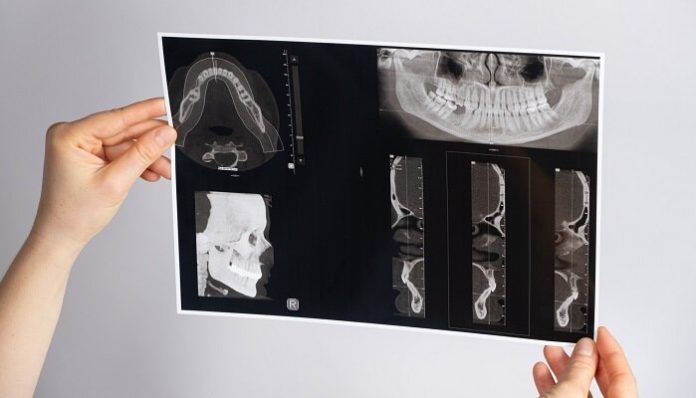
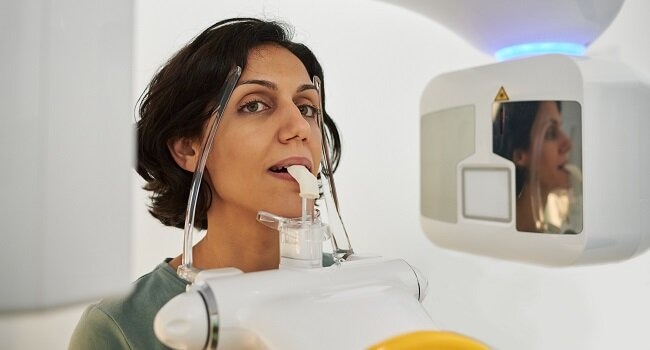
Gone are the days of relying solely on two-dimensional X-rays for dental assessments. Dental cone-beam computed tomography (CBCT) scans have emerged as a transformative technology in dentistry, offering a three-dimensional perspective of the oral cavity.ย 

This advancement surpasses the limitations of traditional X-rays, providing dentists with a far more comprehensive view of teeth, jawbone, soft tissues, and nerves.

By exploring the advantages of dental CT scans over conventional methods, this article emphasizes their pivotal role in transforming dental care and patient outcomes.

What Are Dental CT Scans?

Dental computed tomography (CT) scans represent sophisticated imaging procedures that deliver intricate, three-dimensional (3D) visuals of the teeth, soft tissues, nerve routes, and bones within the craniofacial area.

These precision dental scans are particularly valuable in planning and diagnosis in dentistry for several reasons:

Implant Planning: Dental CT scans are essential in the preparation for dental implant procedures. They assist in evaluating the available bone’s quality and quantity for implants, guarantee proper placement, and help avoid important anatomical features such as nerves and sinuses.

Orthodontics: These scans play a crucial role in visualizing teeth and adjacent bone structures, assisting with the diagnosis and strategic planning for intricate cases.

Complex Endodontics: For complex root canal treatments, CT scans can identify the number of canals in a tooth, their shape, and whether any infection is present.

Diagnosis of Dental Pathologies: CT scans are effective in diagnosing tumors, cysts, and other pathologies in the jaw and surrounding tissues, offering a comprehensive view that regular dental X-rays might not provide.

Surgical Planning: They are indispensable in planning surgical procedures, such as impacted tooth extractions, reconstructive surgeries, and the assessment of facial traumas.

TMJ Analysis: CT scans provide intricate visuals of the temporomandibular joint (TMJ), aiding in the identification of disorders and the formulation of treatment plans.

These scans can be performed using specialized dental CT machines, such as cone beam computed tomography (CBCT) scanners, which are designed to minimize radiation exposure while providing precise images necessary for effective dental care planning and diagnosis.

Benefits of Dental CT Scans Over Traditional X-Rays

Dental CT scans, particularly those utilizing CBCT technology, offer several advantages over traditional dental X-rays, making them a powerful tool in modern dentistry for diagnosis, treatment planning, and patient care. Here are some of the key benefits:

Three-Dimensional Imaging: Dental CT scans provide three-dimensional (3D) images, offering a comprehensive view of the teeth, jawbone, soft tissues, and nerves. This contrasts with traditional X-rays, which only provide two-dimensional (2D) images. The 3D visualization aids in accurate diagnosis and treatment planning.

Improved Image Quality: CT scans offer high-resolution images, enabling the detection of conditions that may not be visible on traditional X-rays. This level of detail is crucial for identifying small lesions, intricate bone structures, and early signs of disease.

Accurate Implant Planning: The precision of CT scans is particularly beneficial for dental implant planning. It allows for the assessment of bone quality and quantity, precise implant placement, and avoidance of critical structures like nerves and sinuses.

Better Visualization of Complex Anatomy: CT scans excel at showing the spatial relationships and conditions of dental structures, which is essential for diagnosing and treating complex cases, such as impacted teeth, jaw tumors, and intricate root canal anatomy.

Efficient Treatment Planning: With the detailed information provided by CT scans, dentists and specialists can plan treatments more effectively. This includes orthodontic assessments, surgical interventions, and complex endodontic cases.

Minimized Radiation Exposure: Modern dental CT scanners, especially CBCT machines, are designed to minimize radiation exposure to the patient while still providing high-quality images. While CT scans generally involve more radiation than traditional dental X-rays, the use of CBCT technology significantly reduces this exposure compared to medical-grade CT scanners.

Time Efficiency: A dental CT scan can capture a comprehensive view of the entire craniofacial area in a single scan, reducing the time needed for multiple traditional X-rays and minimizing the patient’s exposure to radiation.

Cost-Effectiveness: While the initial cost for a CT scan might be higher than traditional X-rays, the detailed information it provides can lead to more efficient treatment planning, potentially reducing the need for additional diagnostic tests and follow-up procedures.

Dental CT scans provide superior imaging capabilities that enhance diagnostic accuracy, treatment planning, and patient safety, making them an invaluable tool in various dental specialties.

Takeaway

Dental CT scans have become an indispensable tool in modern dentistry. Their ability to provide detailed three-dimensional images has significantly improved diagnostic accuracy and treatment planning, ultimately leading to better patient care and outcomes.ย 

Embracing these advanced imaging techniques brightens the future of dentistry, promising more accurate diagnoses, effective treatments, and, ultimately, enhanced oral health for individuals.

How to Achieve Optimal Health and Radiant Appearance

Are you looking for ways to feel your best and look your best? Achieving optimal health and radiance is a goal that many people strive for. It’s not just about having a slim figure or flawless skin, but it’s about feeling energized, confident, and happy in our own bodies.

In this blog post, we will discuss the key factors that contribute to overall health and radiance, and provide practical tips on how to achieve them. From proper nutrition and exercise to self-care and mental wellness, we will explore the different aspects of a holistic approach towards optimal health and radiant appearance. Let’s get started.

Visit a Medical SPA

Visiting a medical spa is not just a luxurious treat, but it can also have numerous health benefits. As highlighted by the team behind pure medical spa, these professionals offer a wide range of services such as massages, facials, and body treatments that can help improve your physical and mental well-being. For example, a deep tissue massage can release tension and promote relaxation, while a facial can help improve the appearance of your skin.

Additionally, many medical spas offer specialized services such as acupuncture and nutrition counseling to address specific health concerns. Incorporating regular visits to a medical spa can help you feel rejuvenated and promote overall health and radiance.

Nourish Your Body with Whole Foods

Eating a balanced and nutritious diet is essential for achieving optimal health and radiant appearance. Instead of relying on quick and processed foods, make an effort to include whole foods in your meals. These are natural and unprocessed foods such as fruits, vegetables, lean proteins, and healthy fats that provide essential vitamins, minerals, and nutrients for our bodies.

Incorporating a variety of whole foods into your diet can help improve skin health, boost energy levels, and support overall well-being. Make sure to also drink plenty of water and limit your intake of sugary and fatty foods for best results.

Stay Hydrated Throughout the Day

Water is essential for our bodies to function properly, yet many people do not drink enough throughout the day. Dehydration can lead to a variety of issues such as fatigue, headaches, and dry skin. To achieve optimal health and a radiant appearance, make sure to stay hydrated by drinking water regularly throughout the day.

You can also incorporate other hydrating drinks such as herbal teas and infused water for added flavor. Keeping a reusable water bottle with you at all times can serve as a helpful reminder to drink more water. Aim for at least 8 glasses of water a day, and increase your intake if you are exercising or in hot weather.

Get Enough Sleep and Rest

In today’s fast-paced world, getting enough sleep and rest can often be neglected. However, lack of quality sleep can have a significant impact on our overall health and appearance. Getting enough rest allows our bodies to repair and rejuvenate, leading to better skin, improved mood, and increased energy levels.

To achieve optimal health and radiant appearance, aim for 7-9 hours of sleep each night. Establish a bedtime routine that includes winding down activities such as reading or listening to calming music. Avoid using electronic devices before bed as they can disrupt your natural sleep patterns.

Practice Regular Exercise and Movement

Regular exercise and movement are crucial for maintaining a healthy body and mind. It not only helps with weight management, but it also improves circulation, boosts mood, and reduces stress levels. Find an exercise routine that you enjoy, whether it’s going to the gym, practicing yoga, or taking walks in nature.

Incorporating movement into your daily routine is also important. Take breaks from sitting at a desk and stretch or walk around periodically. You can also try incorporating physical activity into your leisure time, such as going for a bike ride or playing a sport with friends.

Cultivate a Positive Mindset through Self-Care and Mental Wellness

A positive mindset is essential for achieving optimal health and radiant appearance. Self-care and mental wellness play a significant role in cultivating this mindset. Take time for yourself to do activities that bring you joy and relaxation, whether it’s reading, taking a bath, or practicing meditation.

Prioritizing your mental health is also crucial. Seek support from loved ones or professionals if needed, and practice positive self-talk and gratitude. Remember that self-care is not selfish, but necessary for overall well-being. By taking care of your mental health, you will radiate confidence and positivity, and ultimately achieve optimal health and radiant appearance.

Achieving optimal health and radiant appearance requires a holistic approach that encompasses various aspects of our lives. By incorporating regular visits to a medical spa, nourishing our bodies with whole foods, staying hydrated, getting enough sleep and rest, practicing regular exercise and movement, and prioritizing self-care and mental wellness, we can improve our overall well-being and radiate health and confidence. Remember, small changes in daily habits can make a big difference in achieving optimal health and radiant appearance. Make self-care and self-love a priority, and you will see the positive impact on your mind, body, and appearance.

Determining The Right Timing For Your Smile Transformation

Deciding when to undergo a smile transformation requires careful consideration of various personal and medical factors. A smile is a powerful aspect of one’s appearance, significantly influencing self-expression and interpersonal interactions. However, insecurities about dental imperfections can impact self-esteem.ย 

Therefore, timing ideally means addressing any existing oral ealth issues first, assessing one’s financial situation, and considering the potential impact on social and professional life. Additionally, staying informed about advancements in dental technology could influence the decision, making the transformation not only more effective but also aligned with one’s life events and goals.

Understanding Smile Transformation

A smile makeover includes teeth whitening, veneers, braces, implants, and gum surgery, addressing issues from teeth discoloration to bite misalignments and gum health. The goal is to enhance the visual appeal and functionality of your teeth, resolving functional oral problems to ensure natural-looking enhancements that improve overall oral health.ย 

A dentist in Denham Springs or in your area can help transform your teeth beautifully by offering a personalized treatment plan that suits your unique dental needs and aesthetic goals. The process typically starts with a comprehensive consultation where the dentist assesses your oral health, discusses your concerns, and determines what treatments will best address your issues.ย 

Key Considerations

Before starting a makeover, it’s crucial to consider key factors that determine the best timing for cosmetic dental treatments. These include:

  • Dental Health

Gum disease or tooth decay must be resolved prior to initiating any cosmetic procedures. Ensuring your mouth is healthy facilitates the best possible outcomes, making your investment more worthwhile.

  • Age and Life Stages

There is no universal age for dental cosmetic treatment since the ideal timing varies with life stages. Teenagers often benefit most from orthodontic treatments as their jaws are still developing, offering long-term advantages into adulthood. Adults might consider aesthetic oral procedures as part of a personal development plan, undergoing these changes when ready to enhance their appearance.

  • Financial Planning

The costs of cosmetic dentistry can be significant and are often not covered by insurance. Itโ€™s essential to have a financial plan in place, including exploring financing options available through dental offices. Appropriately timing your cosmetic dental treatment when you are financially prepared can alleviate additional stress and make the process more manageable.

  • Social and Professional Commitmentsย 

When planning cosmetic oral enhancements, consider your social and professional obligations. Some treatments may require downtime for recovery or could temporarily alter your appearance with swelling or bruising. Scheduling your makeover during a quieter time can minimize its impact and maintain discretion.

  • Technological Advancements

Cosmetic dentistry is rapidly evolving, with new technologies and methods that enhance treatment effectiveness and comfort. Staying informed about these advancements and considering newer techniques can improve both your experience and results. This is crucial as it significantly impacts the process and outcome.

Personal Motivations and Goals

Your personal reasons for wanting a cosmetic dental procedure also to play a crucial role in timing your decision. These motivations might include:

  • Improving Self-Esteem

If you’re self-conscious about the way your teeth look, enhancing their appearance can help boost your confidence. This affects your personal and professional relationships.

  • Special Occasions

Weddings, graduations, or major career moves can motivate people to improve their appearance. A big part of this goal is to ensure they have pearly, white teeth.

  • Health Benefits

Beyond aesthetics, some teeth and gum corrections can improve oral health. Properly aligned teeth are easier to clean, reducing the risk of decay and gum disease.

Steps to Take Before Deciding

Before proceeding with a cosmetic treatment, thorough research and planning are essential to make informed decisions.

  • Consultation with a Dentist

The dentist will assess your oral health, understand your aesthetic goals, and recommend the best procedures for you. This discussion is crucial for setting realistic expectations and creating a treatment plan that meets your oral health and cosmetic needs.

  • Get a Second Opinion

Given the significant changes and high costs involved in cosmetic dentistry, seeking a second opinion is advisable. This can offer reassurance and different perspectives on the best procedures for your case, helping to refine the proposed treatment plan.

  • Review Before and After Photos

Examining the results of previous patients is an effective way to gauge the potential outcomes of your treatment. These photos provide insights into the dentistโ€™s skill and style, showing if they align with your vision. Viewing actual results helps set realistic expectations.

  • Consider Recovery Times

It’s important to understand the recovery process for the procedures you’re considering. Knowing the downtime and post-treatment care needed can guide when to schedule your treatments. Proper timing can minimize disruptions to your daily life and accommodate your personal and professional commitments.

Final Thoughts

Determining the right time for a cosmetic oral treatment is as much a personal choice as a medical one. It requires balancing your dental health, financial readiness, life schedule, and personal desires. By carefully planning and consulting with professionals, you can ensure that your journey to a new smile is successful and rewarding. It changes the way you look and can dramatically boost your self-esteem and quality of life. Choose wisely, plan thoroughly, and prepare to unveil the new you with confidence and pride.

InterSystems Named as a Strong Performer in Forrester Wave for Enterprise Data Fabrics

I am thrilled to announce that InterSystems has been recognised as a Strong Performer in the recent report, The Forrester Waveโ„ข: Enterprise Data Fabric, Q1 2024 . The report evaluated several top enterprise data fabric providers based on 26 stringent criteria related to their current offering, strategy and market presence. Based on this criteria, InterSystems received the highest score in the strategy category among the Strong Performers.

Data fabrics are an integral part of InterSystems portfolio, seamlessly connecting data pipelines and cloud systems to create fully integrated IT environments. The report notes InterSystems strengths โ€“ performance, scale and data delivery โ€“ and that it is a good fit for large enterprises looking for a high-performance data fabric solution across various use cases. This aligns with InterSystems strong vision focused on delivering integrated, consistent, trusted data at the right time to support various use cases.

The Forrester Waveโ„ข is a highly respected evaluation of vendors in the software, hardware and services markets. Our performance in this report is a huge achievement for InterSystems and a testament to our relentless pursuit of innovation and our dedication to helping our clients harness the power of their data.

Forrester sees consistent growth of data fabric initiatives across all industries, including financial services, retail, healthcare, manufacturing, oil and gas, and energy. As the demand for data fabrics continues to rise, businesses need solutions that can seamlessly integrate, manage and analyse data from disparate sources. InterSystems remains dedicated to meeting the evolving needs of our customers. We understand the challenges businesses face in todayโ€™s data-driven world and will continue investing in innovation and expanding our capabilities.

We want to extend our gratitude to our dedicated team for their efforts, and our valued customers for their trust in our solutions. This recognition belongs to all of us. We believe that the future of enterprise data management is bright, and we are excited to lead the way.

Stay tuned for updates as we continue to push the boundaries of what is possible with data management.

Andaman7 Launches AI Supercharged Personal Health Record v5

Andaman7 Launches AI Supercharged Personal Health Record v5

Andaman7, the free app transforming healthcare communications and bridging the gap between patients and researchers, has launched an update with advanced artificial intelligence (AI) capabilities. Version 5 of the app offers patients deeper insights into their own data, allowing researchers to leverage increased patient engagement for easier, faster, and better-quality studies and post market research.

Andaman7 v5 offers patients an enhanced understanding of their health record documents through three new AI tools:

  • Simplification:ย Andaman7 AI streamlines complex medical information, converting medical jargon into text which is easier for patients to understand.
  • Summarization:ย An AI-powered summarization extracts key insights allowing patients to quickly grasp the content of lengthy reports.
  • Translation:ย A translation tool ensures health information is always accessible and understood, regardless of the document’s original language or the reader’s language.

All the new features work on multiple formats, including photos and scans of paper documents.

Patient Advocate and Andaman7 Founder Vincent Keunen said:ย โ€œAndaman7 v5 is the next significant stride towards empowering patients to become actors in their own health by increasing not just access to data but understanding of medical records. It highlights how AI can be groundbreaking for patients, giving them more autonomy and improving communication with providers. Andaman7 v5 also has important implications for the industry. It allows greater insight into a patientโ€™s medical history, offers new opportunities for real-world data (RWD) collection, and allows researchers to leverage the increased patient engagement which comes with increased understanding.โ€

Andaman7 is committed to continuous innovation and is already working on the next groundbreaking AI features. First, a hybrid Personal Health Record (PHR) summary combining structured data from the PHR with unstructured data extracted from documents using AI. Second, codification of unstructured data which, among other applications, will facilitate patient recruitment to clinical trials by identifying candidates based on inclusion and exclusion criteria. Third, data collection via AI-enabled scraping to allow patients around the world to scrape their patient portal and download data into their PHR. Watch this space for more on these exciting developments soon.

Exploring Pathways for Advancing Your Medical Assisting Career: Everything You Need To Know

Medical assisting is the backbone of the seamless operation of medical facilities. Despite this critical, the journey of a medical assistant does not have to end within the confines of this designation.

Advancing your career as a medical assistant enhances your skill set and knowledge base but also opens the door to new challenges, increased responsibility, and, importantly, better compensation.ย 

Hence, this article sheds light on the various pathways available for medical assistants eager to elevate their careers.ย 

How to Advance as a Medical Assistant

As a medical assistant, your day-to-day responsibilities are as varied as they are vital to the healthcare industry, making you an indispensable part of the healthcare team. Training for your role as a medical assistant involved a postsecondary education program covering medical terminology, anatomy, physiology, and hands-on training in medical procedures and clinical equipment use.ย 

Some states require you to pass an exam or complete a formal training program to perform specific tasks, like x-rays or injections. The CCMA certification is one widely recognized certification that highlights your competence in the field. With that, there are two ways to advance your career: take on new roles in the present field or transition to another section.ย 

Advancing Within the Medical Assisting Field

Gaining more responsibilities in your current role as a medical assistant can be a strategic way to advance your career. To achieve this, start by expressing your interest in taking on more duties to your supervisor.

Show initiative by proposing ways to improve existing processes or by volunteering for projects that extend beyond your typical job description. Demonstrating your commitment to professional growth and ability to handle more complex tasks can make you a prime candidate for increased responsibilities.

Continuing education plays a crucial role here as well. By acquiring new certifications or completing additional training, you signal to your employers your dedication to your role and desire to contribute more significantly to the team.ย 

In addition, consider exploring leadership positions within the medical assisting field. They might include becoming a lead medical assistant, where you oversee the work of other medical assistants, coordinate schedules, and ensure compliance with healthcare regulations.ย 

Such roles require strong communication skills, the ability to manage and motivate a team, and a comprehensive understanding of healthcare practices and policies. These positions offer higher compensation and a platform to make impactful decisions that improve patient care and operational efficiency.

Transitioning to Other Healthcare Roles

The role of a medical assistant offers a foundational experience in healthcare, presenting a unique opportunity to explore various pathways within the medical field. This experience can serve as a stepping stone to other healthcare careers, where the skills and knowledge gained as a medical assistant are both relevant and valuable. The following are some paths you may consider:

Progression to Nursing

One of the most common career advancements is moving into nursing. Whether aiming to become a Licensed Practical Nurse (LPN) or a Registered Nurse (RN), medical assistants have a head start with their clinical experience and patient care skills.

This transition may require you to complete a practical nursing program for LPNs or an associate or bachelorโ€™s degree in nursing for RNs. Additionally, passing the National Council Licensure Examination (NCLEX) is a crucial step for licensure as a nurse.

Advancing to Healthcare Administration

For medical assistants interested in the operational aspects of healthcare facilities, a transition into healthcare administration is a viable path. It might involve roles in medical office management, health services management, or hospital administration.ย 

Educational requirements can range from a bachelorโ€™s degree in health administration to a masterโ€™s degree in health services, public health, or business administration, depending on the level of responsibility sought.

Specializing in Medical Coding and Billing

Medical assistants with a knack for the administrative side of healthcare may find a rewarding career in medical coding and billing. Specializing in this area often requires specific certification, such as the Certified Professional Coder (CPC) offered by the American Academy of Professional Coders (AAPC), which validates expertise in medical terminology, coding, and billing practices.

Transitioning to Physician Assistant

Medical assistants who aspire to have a more direct role in patient diagnosis and treatment might consider becoming physician assistants (PA). This advanced career path requires completing a masterโ€™s degree from an accredited physician assistant program and passing the Physician Assistant National Certifying Examination (PANCE). The clinical experience gained as a medical assistant can be invaluable in PA school and the role itself.

Practical Steps for Career Advancement

Here’s actionable advice and steps you can take to navigate your career path effectively.

Goal Setting and Career Development Plan

Begin by defining clear, achievable goals for your career advancement. Whether you aim to specialize in medical assisting, transition to nursing, or move into healthcare administration, setting specific objectives is crucial. Consider short-term goals, like obtaining a certification in the next six months, and long-term aspirations, such as earning a nursing degree within five years.

Creating a detailed career development plan is your next step. This plan should outline the educational requirements, certifications needed, and any experience you must gain to achieve your goals. Include timelines for each milestone to keep yourself on track. Remember to be flexible so your plan can evolve as your career progresses and your interests develop.

Continuing Education

Pursuing further education and training is not just about fulfilling a requirement or adding a certificate to your resume. It enhances your skills, deepens your knowledge, and ensures you know the latest healthcare practices and technologies.ย 

Your expanded skill set allows you to perform a wider range of procedures and offer more support to the healthcare team, ultimately contributing to a more efficient and effective patient care system.

Furthermore, continuing education plays a critical role in your job satisfaction. As you gain more knowledge and skills, you may find new areas of interest within the medical field, leading to opportunities for specialization or advancement in your career.ย 

The sense of achievement that comes with mastering new skills and gaining recognition for your expertise can boost your confidence and job satisfaction. Moreover, employers often view additional certifications and education as a testament to your dedication and competence, which can enhance your job security and open the door to promotions and higher-paying positions.

Specialize

Specializing in a specific area of medical assisting can significantly impact your career advancement, opening doors to new opportunities and potentially higher pay.ย 

As you delve deeper into a particular specialization, you become more valuable to employers looking for skills beyond the generalist medical assistant role. Whether your interest lies in pediatrics, cardiology, or another area, becoming an expert in a specialized field enhances the quality of patient care and positions you as a critical asset within your healthcare team.

Research the demand for different specializations. Some fields may offer more opportunities or higher pay due to a shortage of skilled professionals. Look into job postings, talk to colleagues, and consult professional organizations to gauge where your interests align with market needs.

On top of that, think about the long-term prospects of your specialization. Healthcare is a rapidly evolving field, and certain specialties may become more prominent as new treatments and technologies emerge. Choose a specialization that interests you and has growth potential.

Network

Networking and involvement in professional associations are equally vital for your career advancement. These platforms offer opportunities to connect with peers and industry leaders who can provide valuable insights, mentorship, and potential job opportunities that align with your career goals.ย 

For example, engaging with professional communities through conferences, workshops, and online forums keeps you informed about the latest trends and practices in healthcare, which can directly impact your effectiveness and efficiency in your role.

You can also consider membership in professional associations to enhance your credibility and demonstrate your commitment to your profession. These organizations often offer resources for continuing education and certification in specialized areas, further aiding your career development.

Find a Mentor and Gain Experience

A mentor can offer invaluable advice, introduce you to key contacts in the industry, and provide feedback on your career development plan. Your mentor could be a supervisor, a more experienced colleague, or a professional connection from a networking event or professional organization.

On top of that, look for opportunities to gain experience in areas related to your career goals. It might involve volunteering for new projects in your current role, seeking part-time work or internships in a desired specialty, or shadowing professionals in roles you aspire to. Hands-on experience enhances your resume and gives you a deeper understanding of the challenges and rewards of different career paths in healthcare.

Reflect and Adjust

Regularly reflect on your career progress and the effectiveness of your development plan. Be open to adjusting your goals and strategies as you gain more experience and as your interests evolve. This reflective process ensures you align your career development with your personal and professional aspirations.

Conclusion

The healthcare industry is dynamic, with evolving roles and emerging specialties. Staying adaptable, committed to professional development, and open to new opportunities is key to realizing your career aspirations.ย 

Whether your path leads you to specialize in medical assisting, move into nursing, or explore administrative roles, your contributions are vital to the success of the healthcare system and the well-being of patients. When considering the right specialization for your career goals, reflect on your interests and the demand in the healthcare market.ย 

Translate ยป