













Close
Digital Health & Ai Innovation summit 2026
LiGHT26

Global Consumer Healthcare May Exceed USD 320bn By 2028

The global consumer healthcare market is indeed making a significant level of transformation, thanks to the influx of high-end, upgraded technologies that have benefited it massively. The healthcare industry, too, has been very open when it comes to embracing tech for its benefits and robust outcomes. Be it the pandemic or the state of looking to upgrade from the present, the transition to digital, especially AI, has gone on to empower patients to a significant extent.

The rapid integration of digital as well as mobile technologies in healthcare

The pandemic has indeed pushed the healthcare industry into a very fast digital evolution. With the integration when it comes to digital and mobile technologies, healthcare has gone on to witness a fundamental shift when it comes to its delivery and management. These techs have enabled remote patient access as well as continuous wellness management, thereby empowering patients like never before. Mobile medicine has gone on to broaden healthcare access, thereby enabling patients to receive care right from the comfort of their homes, thereby raising patient satisfaction and also adherence when it comes to treatment plans.

The enhancement when it comes to private sector leadership

Private sector entities happen to be playing a crucial role when it comes to driving healthcare delivery as well as modernization. Making maximum use of retail clinics and on-demand services, as well as the power of technology giants, the private sector has indeed been instrumental in the healthcare shift. Industry leaders are indeed advised to stress more when it comes to patient-centric care and, at the same time, collaborate with the private sector, so as to create alliances that are advantageous to both patients and organizations.

The AI Solutions potential within Healthcare

Artificial Intelligence- AI has gone on to show massive potential when it comes to healthcare, right from elevating the level of diagnostics to making sure to streamline administrative tasks. AI-driven solutions can go on to significantly enhance physician productivity and, at the same time, lessen the administrative burden, hence improving the efficiency of healthcare delivery. The usage of AI in image recognition as far as medical diagnosis is concerned, for instance, has gone on to be highlighted as a game-changer with the capacity to address issues that are faced by healthcare systems.

Investing in AI as well as Analytics

Given AI’s potential, healthcare industry leaders have been urged to invest in AI along with analytics. Such investments can go on to lead to innovative solutions that make sure to address the present challenges in healthcare, right from managing chronic conditions to enhancing patient outcomes. The software used as a medical device- SaMD and its adoption when it comes to telehealth are instances of how digital health as well as AI can go on to revolutionize healthcare delivery.

Consumer wearables along with personal health monitoring

The COVID-19 outbreak has gone on to push an increased demand when it comes to consumer wearables that happen to bridge the gap between consumers as well as medical devices for personal health tracks. The digital healthcare spectrum happens to be growing, especially in the management of chronic as well as long-term illnesses. Such wearables are helping individuals to make sure to take complete control of their well-being by way of data-driven insights and also customised interventions.

Mental Health: The Growing Focus

Mental health is anticipated to claim the pole position in the near future. As people become more concerned and aware of the interconnectedness when it comes to mind and body, tools and resources that help individuals prioritize emotional well-being have gone on to become increasingly important. This emphasis on mental health happens to be part of a larger trend for holistic wellness, which includes areas like bone and joint health, digestive well-being, healthy aging, immunity support, as well as promoting better sleep and relaxation.

The Role of Regulatory Bodies

Regulatory bodies such as the FDA happen to be playing a crucial role when it comes to facilitating technological advancements within healthcare. The elevation of the Office of Strategic Partnerships and Technology Innovation- OST to a super office is most likely to offer leadership and strategic direction on medical device cybersecurity, patient science, and digital health standards. It will also go on to oversee public health emergency preparedness along with response activities, thereby helping the healthcare industry to be better positioned in order to address future public health needs as well as challenges.

Going forward

As the healthcare sector goes on to evolve, thereby being driven by technological advancements as well as the growing focus on patient empowerment, industry leaders have to stay ahead of the curve. This means investing in AI and analytics, thereby fostering a culture of learning, while at the same time also addressing regulatory as well as ethical considerations. With the potential for a CAGR of over 7%, the worldwide consumer healthcare industry is all set to reach a probable valuation of USD 322.93bn by 2028, thereby marking a new era in the healthcare gamut.


Role of AI & Integration In Shaping Healthcare Supply Chains

The digital transformation of the healthcare industry will have a profound effect when it comes to the supply chain in 2024. Embracing modern technologies like cloud computing, will go on to lead to increased automation as well as efficiency. This will result in enhancements in workforce management as well as a more resilient supply chain, with an emphasis on accuracy as well as waste reduction.

The Cloud Market Survey from GHX in July 2023 says that almost half- 45% of hospitals and health systems have already gone on to transition themselves to cloud technologies for supply chain management, as well as many more will do so in the next 24 months. Taking into account the cloud will go on to help healthcare providers make sure that they broaden their supply chain capabilities in order to support the rising market for non-acute care. It will also help in faster, more efficient, as well as secure information exchange with trading partners, thereby surpassing the lacunas of current systems.

The usage of modern technologies as well as tools also means that all digital transactions will go on to become valuable data points, which will in turn serve as a base for advanced analytics, thereby providing meaningful insights and also facilitating data-driven supply chain decisions.

Following happen to be four areas where the healthcare supply chain sector will be transformed in 2024.

Advanced technologies will go on to make supply chain disruptions more predictable. The adoption when it comes to cloud-based enterprise resource planning- ERP systems has gone on to revolutionize data management, by way of creating a centralized and unified data repository. This has gone on to pave the way for advances in tech such as artificial intelligence and also machine learning. With access to massive data sets, these technologies are now able to power intelligent as well as dynamic inventory management analytics. Supply chain leaders can make use of them so as to anticipate and mitigate disruptions by way of identifying alternatives for backordered products.

AI adoption will go on to continue, thereby driving inefficiencies out of the supply chain. The healthcare sector is being transformed due to technology. With automation of mundane administrative tasks as well as the utilization of AI as well as ML to get access to real-time industry data along with intelligent analytics, healthcare professionals can now go ahead and also prioritize more strategic as well as innovative work like enhancing the patient experience and also improving supply chain resilience.

Process automation will go on to broaden into fresh areas of supply chain operations. As healthcare supply chain leaders look forward to optimizing limited working capital, they are turning to process automation in order to streamline their operations. One area where it is gaining traction happens to be the implantable device supply chain.

A promising trend for 2024 is collaboration when it comes to trading partners so as to extend automation from procurement to invoicing as well as payment. At present, a significant amount of human effort happens to be dedicated to those tasks; however, technology goes on to offer a solution. One can as well see a greater adoption of automated solutions in 2025, especially when it comes to invoice and payment processes for all the areas concerning supply spend.

Human experts will go on to remain critical to decision-making. The popularity when it comes to AI is on the rise in healthcare firms that as well prioritize connectivity and execute data lakes in order to manage clinical, supply chain, as well as cost data. It is important, however, to take into account that AI is not meant to replace clinical or supply chain decision-making, however rather to assist decision-makers so as to identify usage patterns along with potential opportunities.

Take into consideration the analogy of baggage screening technology across airport security. While such tools happen to be designed to alert TSA agents to potential risks as well as threats, the agents are indeed responsible when it comes to interpreting and acting upon the data. They happen to be empowered to make important decisions due to their expertise as well as experience. This same principle goes on to apply to healthcare. By making use of AI, companies can rapidly evaluate large volumes of data, and also discover valuable insights. Sans the input of a human expert, like a clinician or supply chain professional, data gathered by AI would hold very small value. When mixed with human expertise, AI goes on to become a powerful tool that goes ahead and enhances decision-making rather than replacing it.

It is worth noting that the healthcare supply chain has gone through years of digital transformation; however, the road ahead promises rapid waves of change. In 2024, one can anticipate seeing supply chain leaders march towards advanced technologies like AI and ML in order to drive automation into the healthcare supply chain and, at the same time, increase efficiency, decrease costs, and elevate patient care quality.

Healthcare Hit Highest Monetarily In Terms of Cyberattacks

The healthcare industry has gone on to become the prime target when it comes to cybercriminals due to the massive amount of sensitive patient data it goes on to holds and the criticality of its functions.

The sector has been in a rapid way going ahead and adopting digital technologies like electronic health records- EHRs, telemedicine, as well as Internet of Things-IoT devices. While these technologies go ahead and bring numerous benefits, they also broaden the attack surface, thereby offering more entry points for cybercriminals.

Last year, apparently for the 13th year in a row, the healthcare sector went on to report the costliest data breaches, at an average expenditure of $10.93 million, which is approximately double that of the financial industry, which happened to come in second with an average cost of $5.9 million. Safeguarding these digital assets happens to be essential in order to maintain the confidentiality, integrity, as well as availability of patient data.

Modern healthcare systems as well as cyber resilience

Modern healthcare depends on interconnected systems as well as networks in terms of efficient delivery of services. The interconnected nature of such systems goes on to mean that a security breach when it comes to one part of the network can potentially go ahead and compromise the overall healthcare infrastructure. Hence, making sure that cyber resilience happens to be essential for maintaining operations continuity and preventing cascading failures is indeed vital. Apparently, cyberattacks on healthcare systems can go on to have a direct implication when it comes to patient safety.

Disruption when it comes to critical healthcare services, manipulation in terms of medical records, or unauthorized access to medical devices can go ahead and put patient lives at risk. Cyber resilience steps are thereby a must so as to safeguard patient safety and at the same time prevent harm.

However, they are also existential risks to healthcare organizations. This had been demonstrated in June last year when St. Margaret’s Hospital in the US went on to become the first healthcare institution to permanently shut operations due, in part, to the fallout because of a ransomware attack. In the same month, HCA Healthcare, which goes on to operate 180 hospitals as well as 2,300 ambulatory sites, was breached, thereby affecting almost 11 million patients.

Between January 2020 and February 2021, of the total 293 breaches that were known to have exposed health records, 57.34% of the organizations that were affected happened to have publicly disclosed the total number of records that were exposed. The number of records that were exposed during this period reached a total of almost 106 million records. So, not taking into account duplicates, the equivalent of 1 in every 3 Americans may have had their health record breached in the 14 months that were analyzed.

It is well to be noted that in 2015, Anthem Inc. disclosed that hackers had stolen 79 million records containing patient and employee data. Compromised data goes on to include names, addresses, birth dates, Social Security numbers, insurance membership numbers, medical IDs, income data as well as employment information. It is interesting to note that Anthem faced several civil class-action lawsuits, which happened to be settled in 2017 at a cost of $115 million.

Healthcare providers go on to hold a position of trust in society. The extraordinary degree when it comes to the sensitivity of the data and the high degree of public anticipation towards the sector go on to mean that any compromise of patient data or even disruptions within services erode this trust and can as well damage the reputation concerning healthcare organizations. Cyber resilience is indeed essential when it comes to maintaining patientsโ€™ confidence as well as the faith of partners and the public.

The convergence of growing cyber threats, healthcare digitization, safety concerns, regulatory requirements, interconnected systems, patient financial implications, as well as the significance of maintaining public trust collectively go on to highlight the critical requirement for cyber resilience within the healthcare sector.

Why sector-wide cyber resilience holds the key

Given the importance, scale, as well as inter-connectedness of the healthcare industry, it is indeed clear that no single organization or government entity can go ahead and tackle the issue of cybersecurity single-handedly. A collaborative as well as systemic approach within the spectrum holds the key โ€” cyber resilience must indeed be viewed beyond just the confines of any one organization.

Public as well as private sector collaboration is indeed critical when it comes to building cyber resilience within the healthcare industry. By way of adopting a systemic approach when it comes to cybersecurity, it goes on to involve recognizing that the healthcare ecosystem happens to be an interconnected network of organizations, technologies, as well as individuals. Building cyber resilience not only requires safeguarding individual entities but at the same time also ensuring the strength of the overall ecosystem in order to withstand as well as recover from cyber incidents.

Throughout the Cyber Insecurity, Analyzed workshop at the 2024 Annual Meeting in Davos, leaders happened to focus on three significant priorities: educating boards as well as engaging leadership on the significance when it comes to cyber resilience; creating relationships and also communities between organizations so as to secure the ecosystem; and at the same time developing a sector playbook that has in it shared practices among varied stakeholders.

It is well to be noted that these findings happen to be relevant to the healthcare industry and, in a way, go on to directly contribute to making it more cyber-resilient.

However, throughout other industries, too, there happen to be resources available so as to bolster cybersecurity. The Cyber Resilience Initiative from the World Economic Forum all across the industries goes on to elevate resilience by way of

  • Creating awareness between leaders: educating as well as creating awareness among decision-makers in order to reinforce the major importance when it comes to cybersecurity as a strategic priority.
  • Mobilizing action in order to safeguard the digital transformation: Fostering discussions in order to mobilize action as well as commitment so as to enable a safe as well as resilient digital transformation of industries.
  • Developing thought leadership, tools, along with capabilities: Generating insights, capacities, as well as tools to embed cybersecurity in sync with strategic trends as well as best practices.

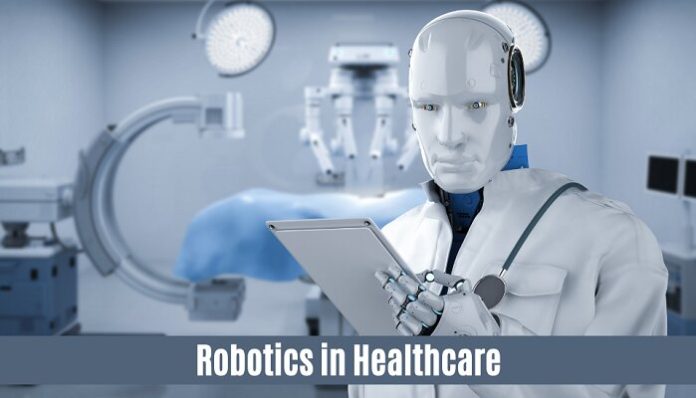
Impact of Robots And Automation On The Healthcare Industry

Robotics as well as automation have long been heralded as the future when it comes to healthcare, and today, that future has gone on to become a reality. Integration when it comes to these technologies is not just enhancing the precision, safety, as well as efficiency of medical procedures and also patient care but is also addressing challenges of healthcare costs that are rising, shortages in the workforce, as well as financial sustainability.

Revolutionizing Healthcare: Automation Happens to Be at the Forefront

As healthcare organizations throughout the U.S go ahead to prioritize digital transformation, robotics and automation solutions are set to take the center stage. Over 60% of respondents in a recent Huron survey went on to cite security along with compliance as their top priorities, with patient-centric criteria going ahead and guiding digital investments. Instances of these solutions go on to include service robots as well as collaborative robots, which happen to already be making an impressive impact in the healthcare industry.

Pharmaceuticals: Research, Development, as well as Growth

The pharmaceutical sector happens to be experiencing rapid growth, pushed by research and development. Digital transformation happens to be playing a crucial role when it comes to pharmaceutical operations, with robotics along with automation going ahead, streamlining processes, and also increasing efficiency. Blending robotics with machine vision happens to be further advancing healthcare, thereby helping more precise and accurate testing, production, along with patient care.

Challenges and Opportunities: Priorities becoming Balanced

In spite of the clear benefits, executing these technologies is sans challenges. High costs as well as the requirement for comprehensive automation strategies, especially in nonclinical use cases, are indeed significant hurdles. Balancing elements like security, training, consumer needs, cost, and automation is critical when it comes to driving growth and elevating care delivery in healthcare organizations.

Taking into account the potential of robotics as well as automation in healthcare is not only about staying ahead of the curve; it is also about creating a medical care system thatโ€™s patient-centered, which in turn goes on to enhance disease prevention, diagnosis, as well as treatment. This requires partnerships between the state, medical as well as scientific organizations, and technology companies, as well as international collaborations.

Finally, the integration when it comes to robotics and automation within healthcare happens to be a testament to human ingenuity as well as the tireless pursuit of progress. As one continues to push the boundaries of what may be possible, there is no doubt at all that the future of healthcare looks plush than ever.

An AI future where healthtech merges with the human touch

It is a disruptive time in healthcare, with technological advancements driving many changes. Artificial intelligence (AI) holds particular promise in improving the patient and clinician experience, providing decision support, automating and accelerating tasks like clinical documentation, and aiding in planning and predicting organisational and patient futures.

As we connect new data sources, the sheer volume of patient data has become a critical issue. We have created the problem of presenting too much data, or rather too little insight, to our clinicians and other stakeholders. This inefficiency hinders us from making well-informed choices. For example, the inability to detect data patterns compromises early disease identification, personalised treatment strategies, and overall patient outcomes.

With AI algorithms and Machine Learning (ML) models, healthcare systems can rapidly analyse vast amounts of patient data. They can identify intricate patterns, trends and correlations that are virtually impossible to discern manually. Generative AI also has great potential to shift through piles of documents, summarise effectively and write eloquently. With AI and ML, healthcare professionals can take advantage of large amounts of data without wasting time sifting through irrelevant or duplicative information.

However, the true potential of AIย hinges on data quality โ€“ data that is reliable and accessible. High-quality, credible data is made possible through a robust underlying infrastructure and efficient data management platforms. Organisations should consider their data a key strategic asset and invest in architectures, platforms and governance strategies to maximise its value. Good data leads to good patient care, streamlined organisational processes, effective research, simplified experience with patients and users, and smooth collaboration with partners in the community.

The power of generative AI for user interaction

I am very enthusiastic about the potential of generative AI to revolutionise the user experience of health IT applications. If you think about the most popular website on the planet, Google, or the fastest-rising software technology in history by far, ChatGPT, they both have the same user interface. A single text box invites the user to speak in their language without being constrained by the point-and-clicks, dropdowns, data pickers, tabs and menus characterising most software.

Letting the users ask for what they want in natural language and having the software act on the userโ€™s request is finally within reach with AI and large language models. This user-friendly interaction simplifies navigation, access to insights, making requests and producing documentation, empowering clinicians to focus on patient care by minimising clicks and keystrokes. Weโ€™re shaping a future where technology seamlessly merges with the human touch.

AIโ€™s potential also emerges in swiftly identifying critical patient messages. Through our partnership with healthcare providers, InterSystems harnesses machine learning to pinpoint urgent cases automatically. This breakthrough innovation optimises patient care and responsiveness, reshaping provider-patient interactions for timely, efficient care.

Effective healthcare relies on effective communication. AI is revolutionising patient engagement by suggesting responses to patient queries, streamlining provider-patient interactions while maintaining compassion and timeliness. These AI-driven solutions amplify patient involvement, leading to enhanced satisfaction and richer experiences, effectively bridging the gap between patients and healthcare providers.

Examples of how AI is transforming healthcare

AI-powered diagnostics imaging systems analyse medical images and assistย radiologistsย in identifying patterns and abnormalities, improving diagnostic accuracy and patient care.

AI algorithms and ML models are used to identify critical patient messages, enabling healthcare providers to prioritise and promptly respond to urgent cases.

AI-driven predictive analytics models are helping healthcare providers forecast patient readmissions. AI models that analyse patient data andย identifyย risk factors allow for proactive interventions and improved patient outcomes.

AI-powered virtual assistants and chatbots enhance patient experience and healthcare delivery by giving patients answers to their questions and personalised healthcare recommendations.

AI is improving medication management and adherence with AI-powered systems that analyse patient data, identify medication patterns and provide personalised reminders and recommendations.

Exploring AI in action with real-world use casesย ย 

Cognetivity Neurosciencesย is exploring the use of AI and machine learning to test the performance of large areas of the brain to help detect early signs of cognitive dysfunction.

eNoseย develops diagnostic tools such as its point-of-care Aenose for screening diseases through exhaled breath. By applying advanced ML tools to large numbers of breath profiles, the company is hoping to eventually extend its technology to become the golden standard for disease screening โ€“ helping detect diseases such as colon cancer, lung cancer and tuberculosis.

In conclusion, the healthcare industry is on the brink of a technological revolution. By analysing vast amounts of patient data, AI algorithms and ML models are transforming patient care, improving diagnostics and personalising treatment strategies. The power of generative AI is reshaping the user experience, simplifying navigation and empowering healthcare professionals to focus on what matters most โ€“ patient care.

We are now glimpsing a future where technology seamlessly merges with the human touch, enhancing patient engagement and bridging the gap between patients and healthcare providers. The possibilities are endless, and we are just scratching the surface of what AI can achieve.

Eye Contact Lenses: Safety and Maintenance Tips

Contact lenses offer a convenient and versatile alternative to traditional eyeglasses, allowing users to enjoy a wide range of activities without the inconvenience of glasses. However, the safety and proper maintenance of contact lenses are critical to preventing eye infections and ensuring the health of your eyes. In this comprehensive guide, we’ll explore essential tips for contact lens safety and maintenance.

Understanding Contact Lens Safety

The Importance of a Proper Fit

Your journey with contact lenses starts with a professional fitting by an eye care specialist. A proper fit not only ensures comfort but also reduces the risk of complications such as corneal abrasions or infections. Remember, a lens that fits your eye correctly helps maintain eye health and vision clarity.

Following Prescribed Wear and Replacement Schedules

Different types of contact lenses have specific wear and replacement schedules. Whether you use daily, bi-weekly, or monthly lenses, adhering to the recommended schedule is crucial. Overwearing lenses can lead to eye discomfort, reduced lens performance, and increased risk of eye infections.

Essential Maintenance Tips for Contact Lenses

Regular Cleaning and Disinfection

Proper lens cleaning and disinfection are non-negotiable practices for contact lens wearers. Use only the recommended lens care solutions and avoid water or saliva as substitutes. Rubbing and rinsing your lenses as advised by your eye care provider can significantly reduce the risk of infection.

Storage and Handling

Always wash your hands thoroughly with soap and water before touching your contact lenses. Store lenses in a clean lens case filled with fresh disinfecting solution and replace your lens case every three months to prevent contamination.

Common Mistakes to Avoid

Sleeping in Contact Lenses

Unless prescribed by your eye care professional, avoid sleeping in your contact lenses. Sleeping in lenses not designed for overnight wear can obstruct oxygen flow to your corneas, increasing the risk of corneal infections.

Using Expired or Damaged Lenses

Expired contact lenses or lenses with visible damage can harm your eyes. Always inspect your lenses before wearing them and replace them as per the recommended schedule or if you notice any damage.

Ignoring Eye Discomfort

Any discomfort, redness, or vision changes while wearing contact lenses should be taken seriously. Remove your lenses and consult your eye care professional to avoid serious eye health issues.

Advanced Tips for Contact Lens Care

Dealing with Dry Eyes

Contact lens wearers often experience dry eyes. Using lubricating eye drops approved for use with contact lenses can alleviate discomfort. Additionally, ensure you stay hydrated and take breaks during prolonged screen time to reduce dryness.

Traveling with Contact Lenses

When traveling, carry a backup pair of lenses and your glasses. Keep a small bottle of solution and a lens case handy and remember to adhere to airline regulations regarding liquids if flying.

The Role of Diet and Hydration in Eye Health

A balanced diet rich in vitamins and omega-3 fatty acids can support eye health and potentially improve the comfort of contact lens wearers. Staying hydrated is equally important, as dehydration can contribute to dry eyes.

Conclusion

Adopting these safety and maintenance tips will help you enjoy the benefits of contact lenses while minimizing the risk of eye problems. Regular check-ups with your eye care professional are essential to ensure your lenses are still suitable for your eyes and to maintain overall eye health. Remember, taking proper care of your contact lenses is a crucial step in protecting your vision.

The Importance of Early Dental Care for Children

Ensuring good oral health is a crucial aspect of a child’s overall well-being. Many parents wonder when is the right time to introduce their little ones to the dentist. The American Academy of Pediatric Dentistry recommends that a child’s first dental visit should occur within six months of the eruption of the first tooth or by their first birthday, whichever comes first. The experts at Team Smile Dentistry explain that this early introduction not only helps in preventing dental problems but also establishes a positive attitude towards oral health from a young age.

Common Dental Issues in Children

Children can face a variety of dental issues, and early detection is key to effective prevention and treatment. Here are some of the most common dental problems in children.

Tooth Decay: A Common Culprit

Tooth decay, also known as cavities, is a prevalent issue among children. The primary cause is often sugary foods and poor oral hygiene. Children may not have the manual dexterity to brush and floss effectively, making them susceptible to plaque buildup and decay. Regular dental check-ups can help catch cavities early, preventing further damage.

Thumb-Sucking and Pacifier Use

Thumb-sucking and pacifier use are common habits in infants and toddlers. While they provide comfort, prolonged habits can lead to dental issues such as misaligned teeth or a malformed palate. Pediatric dentists can provide guidance on breaking these habits and monitoring dental development.

Malocclusion: Addressing Bite Problems

Malocclusion refers to misalignment or incorrect relation between the teeth of the two dental arches. This can lead to bite problems, impacting a child’s ability to chew and speak properly. Early orthodontic intervention can help correct these issues, ensuring proper alignment and preventing future complications.

Teething Troubles: A Temporary Challenge

Teething is a natural process, but it can be accompanied by discomfort and irritability in children. Providing teething toys and gently massaging the gums can help alleviate some of the discomfort. However, if the child exhibits persistent symptoms, such as fever or excessive crying, a dental visit may be necessary to rule out any underlying issues.

Gum Disease in Children: Gingivitis

While often associated with adults, children can also experience gum disease, particularly gingivitis. Poor oral hygiene practices and certain medical conditions can contribute to inflamed and bleeding gums. Regular dental check-ups can help address gingivitis early and prevent its progression to more severe forms of gum disease.

Preventive Measures and Tips for Parents

Preventing dental issues in children involves a combination of good oral hygiene practices and regular dental check-ups. Parents play a crucial role in instilling healthy habits:

  • Start Early: Begin cleaning your baby’s gums with a soft cloth before teeth emerge.
  • Supervise Brushing: Assist your child with brushing until they have the coordination to do it effectively on their own.
  • Limit Sugary Foods: Reduce the intake of sugary snacks and beverages, as they contribute to tooth decay.
  • Regular Dental Check-ups: Schedule regular dental visits to monitor oral health and catch issues early.

Conclusion

The foundation for a lifetime of good oral health is laid in childhood. Starting dental visits early and addressing common issues promptly can set the stage for a confident and healthy smile throughout a child’s life.

How Healthcare Facilities Can Better Prepare for and More Quickly Recover from Extreme Weather Events

From flooding to wildfires, tornadoes and hurricanes, extreme weather events are growing in scale, frequency, and cost. Hospitals and healthcare systems are especially vulnerable when such disasters take place because they must recover quickly in order to provide necessary care to those affected by the emergency.

Additionally, weather emergencies can be costly for healthcare systems. In fact, the National Oceanic and Atmospheric Administration estimates that 18 separate weather disasters in the US in 2022 each resulted in at least $1 billion in damages.

Itโ€™s imperative for healthcare systems to plan ahead for extreme weather events in order to maintain a safe environment for patients and mitigate associated costs. The good news is that one of the best resources to prepare for and recover from disasters is something your hospital uses everyday: your CMMS.

Track down missing assets, provide important information needed to repair damaged equipment, and make a plan to prioritize PMs in preparation of disaster, all through your CMMS.

Gain a better understanding of how your CMMS can help your organization plan ahead and recover faster in the face of disaster.

Preparing Your Facility for a Weather Disaster

The leading healthcare CMMS solutions contain key features to help your operations team stay vigilant should extreme weather impact your community. The key to preparation is ensuring your CMMS has the right features to allow you to maintain the following measures.

Emphasizing Preventive Maintenance

One of the most important ways to prepare for emergencies is following a robust preventive maintenance (PM) schedule. By staying ahead of work orders through PMs, you can ensure all assets and equipment will work properly should an emergency hit. Depending on the weather forecast, itโ€™s essential to ensure all fire extinguishers will function, your organizationโ€™s HVAC systems are prepared for a heat wave, or drainage systems will divert heavy rainfall.

Unfortunately, not all CMMS solutions emphasize PMs in the same way. To adequately prepare for emergencies, make sure your CMMS has the ability to create custom dashboards to see open PMs on high-risk equipment, evaluate analytics on the rate of CM vs PM completion, and promote efficiency for better productivity.

More Preparation, Less Paperwork

A CMMS streamlines work order scheduling so you can quickly deploy technicians as soon as a major storm is predicted.This helps reduce time spent on paperwork and more time tending to work orders. No need to pore over spreadsheets of asset conditions and work order history โ€“ find it all with the click of a button and spend more time preparing.

Reprioritize the Most Essential Work Orders

With long backorders, itโ€™s not always clear which work orders should take precedence. But in certain weather emergencies, some assets are going to be more in-demand than others. Re-prioritize PMs within your CMMS to tend to the assets that will be most important before, during, and after a weather emergency.

Recovery Quickly After an Emergency

Your CMMS can help you take measures to save time and reduce costs after a weather disaster. Use the following functionalities of your software tools to get back on track.

Streamline Work Order Scheduling

Perhaps nothing is more important in your recovery efforts than the ability to schedule work orders easily and efficiently. Determine which assets need service, assign work orders, and note the materials needed for the repairs to hasten your return to a safe and secure environment.

Improve Accuracy in Your Asset Inventory

Itโ€™s important to have an accurate and up to date asset inventory to get your facility back on track. Knowing how many of a particular asset you have, whether you have more in storage, or the number that will need to be replaced, can help you make decisions quickly and potentially save you money by preventing you from buying something you donโ€™t need.

Move Faster with Digital Floorplans

The mobile capabilities of your CMMS allow your technicians to take the work order system and asset inventory everywhere they go. Cut down on time locating each individual itemby using a CMMS with digital floorplans with assets, work orders, and PMs indicated with graphics. If you notice an asset isnโ€™t where it should be according to the floorplan, you can move quickly to locate the asset and replace it.

The Right CMMS Will Help Cut Time and Save Money

Your CMMS may be the most important tool when preparing for and responding to an extreme weather event, but not all systems have the same functionalities. If your CMMS is lacking significant capabilities, you may not be able to prepare or recover as quickly as you could with another product.

The most important features are a user-friendly work order scheduling, an emphasis on PMs, tools that help you maintain an accurate asset inventory, and mobile capabilities with digital floorplans.

Itโ€™s time to evaluate whether your current solution can offer a rigorous response to emergencies that can and will happen and decide whether youโ€™re willing to risk up to $1 billion in damages and time spent repairing, replacing, and locating assets in the wake of disaster.

About Zachary Seely, CEO of FSI [https://www.fsiservices.com/]

As CEO at FSI, Zachary leads the company to help facilities optimize their environment and empower their employees with digitally transformed maintenance operations.

Seelyโ€™s career has centered around business development, strategy and growth with a focus on new technologies and innovation. In addition to driving tech-sector growth, Seely has been a member of the J.M. Huber Corporationโ€™s Board of Directors since 2017. Prior to joining the Board as a Director, Seely served on multiple boards and committees across the organization.

Seely brings experience from his time as an independent management consultant focused on the media and technology industries, and previously led business and investment strategy for start-up and accelerator programs. He also brings experience from his time at global management consulting firm McKinsey & Company as a member of the Business Technology Office.

Seely holds a B.A. from Bates College and an MBA from the Wharton School at the University of Pennsylvania.

A Comprehensive Guide to Effective Wound Care

Wound care is a critical aspect of healthcare that involves preventing, assessing, and treating injuries to the skin and underlying tissues. Understanding the principles of effective wound care is essential. This comprehensive guide explores everything you need about wound care, including wound assessment, cleaning and dressing techniques, and when to seek medical attention.

Understanding Wound Types

Before initiating wound care, it’s crucial to understand the different types of wounds and their characteristics. Wounds can be broadly classified into acute wounds, which typically result from trauma or surgical procedures, and chronic wounds, which fail to progress through the normal stages of healing and often result from underlying health conditions. You may need wound vac dressing supplies for acute wounds, including cuts, abrasions, punctures, and surgical incisions. These wounds typically heal through a well-defined sequence of stages, including hemostasis, inflammation, proliferation, and remodeling.

Chronic wounds, on the other hand, include pressure ulcers, diabetic foot ulcers, venous ulcers, and arterial ulcers. Impaired healing processes often characterize these wounds and may require specialized treatment approaches. Understanding each wound type’s specific characteristics and healing patterns is essential for implementing appropriate wound care strategies and optimizing patient outcomes.

Proper management of acute wounds can help facilitate the body’s natural healing processes and prevent complications while addressing the underlying causes of chronic wounds. This is crucial for promoting successful wound healing and preventing recurrence. Healthcare professionals should tailor their wound care approach based on the individual needs and characteristics of each patient, taking into account factors such as wound etiology, location, size, and patient comorbidities.

Wound Assessment

Effective wound care begins with a thorough assessment of the wound’s characteristics, including size, depth, location, and presence of any signs of infection. Use a systematic approach to wound assessment, starting with a visual inspection followed by gentle palpation to evaluate tissue integrity and assess for signs of pain or tenderness.

Measure the dimensions of the wound using a sterile ruler or measuring device, noting the length, width, and depth. Document any drainage or exudate present in the wound and the color, consistency, and odor of the exudate. Assess the surrounding skin for signs of inflammation, erythema, warmth, or induration, which may indicate infection or inflammation.

Additionally, assess the patient’s overall health status, medical history, and risk factors for impaired wound healing, such as diabetes, peripheral vascular disease, malnutrition, or immunosuppression. This comprehensive assessment provides valuable information for developing an individualized wound care plan and monitoring the healing progress.

Wound Cleaning

Proper wound cleaning is essential for removing debris, bacteria, and foreign material from the wound surface, promoting a clean and conducive environment for healing. Begin by washing your hands thoroughly with soap and water or using hand sanitizer to minimize the risk of contaminating the wound. Gently rinse the wound with a gentle stream of saline or clean water to flush out debris and bacteria. Avoid harsh antiseptics or strong chemicals, damaging healthy tissue and delaying healing. Use a mild, non-irritating wound cleanser recommended by healthcare professionals.

After cleansing the wound, gently pat the surrounding skin dry with a clean, sterile gauze pad or allow it to air dry. Avoid rubbing or applying excessive pressure to the wound area, as this can cause trauma to the delicate tissues and impair healing. If the wound is heavily contaminated or contains foreign material, seek medical attention for further evaluation and debridement.

Wound Dressing

Selecting the appropriate wound dressing is crucial in promoting optimal wound healing and preventing complications. The choice of dressing depends on factors such as wound type, size, depth, exudate level, and presence of infection. There are several types of wound dressings available, including:

  • Non-adherent dressings: These are designed to minimize trauma to the wound bed and surrounding skin. They are ideal for shallow wounds with minimal exudate and can be easily removed without causing pain or trauma.
  • Hydrocolloid dressings: These dressings create a moist environment that promotes autolytic debridement and facilitates the body’s natural healing processes. They are suitable for moderate to heavily exuding wounds and can provide a protective barrier against contaminants.
  • Alginate dressings: Made from seaweed-derived fibers, alginate dressings are highly absorbent and can absorb large amounts of exudate. They are ideal for heavily exuding wounds and can help facilitate the removal of necrotic tissue through autolytic debridement.
  • Foam dressings: These are highly absorbent and provide cushioning and protection for the wound bed. They are suitable for moderate to heavily exuding wounds and can help maintain a moist wound environment conducive to healing.
  • Transparent film dressings: These thin, transparent dressings provide a barrier against bacteria and contaminants while allowing for wound visualization. They are ideal for shallow wounds with minimal exudate and can be left in place for several days without needing change.

When applying a wound dressing, ensure the surrounding skin is clean and dry to prevent moisture-related skin damage. Choose a dressing size that adequately covers the wound bed with a margin of overlap onto the surrounding intact skin. Secure the dressing using medical tape or adhesive strips, not applying excessive tension or compression.

Monitoring and Follow-Up

After applying the wound dressing, monitoring the wound regularly for signs of healing, infection, or other complications is essential. Keep track of changes in wound size, appearance, exudate level, and pain intensity over time. Document your observations and communicate them with healthcare professionals as needed.

Follow the prescribed wound care regimen and dressing change schedule recommended by healthcare providers. Adhere to any additional instructions regarding activity restrictions, dietary modifications, or medication management to support the healing process. If you notice any signs of infection, such as increased redness, swelling, warmth, or drainage with a foul odor, seek medical attention promptly. Similarly, if the wound fails to show signs of improvement or begins to worsen despite appropriate wound care, consult with healthcare professionals for further evaluation and management.

Effective wound care is essential for promoting optimal healing, preventing complications, and minimizing the risk of infection. By understanding the principles of wound assessment, cleaning, dressing, and monitoring, you can provide comprehensive care for various wounds and support the body’s natural healing processes. Remember to seek medical attention for wounds that are large, deep, or contaminated, as well as for wounds that fail to heal or show signs of infection. With proper wound care and timely intervention, you can facilitate healing and improve outcomes for patients of all ages.

Physical Therapy And Rehabilitation Approaches For Post-Concussion Symptoms

Recovering from a concussion goes beyond initial medical care; it often requires a dedicated approach to therapy and rehabilitation. Understanding post-concussion symptoms involves recognizing the wide range of challenges individuals may face after a concussion. These symptoms can include physical discomforts like persistent headaches and dizziness, cognitive impairments such as difficulty concentrating and memory issues, emotional instability, and sleep disturbances.

Each person’s experience with these symptoms can vary, making it crucial to adopt a personalized approach to treatment. Recognizing and addressing these symptoms is a key step in the recovery process, emphasizing the need for targeted rehabilitation strategies tailored to individual needs.

This article delves into the critical role that physical therapy and rehabilitation play in alleviating post-concussion symptoms. Through a blend of expert insights and practical advice, we’ll explore how expert insights and practical advice in physical therapy and rehabilitation can greatly impact those with post-concussion symptoms.

Role Of Physical Therapy In Post-Concussion Symptomsย 

In the treatment of Post Concussion Syndrome syndrome (PCS), physical therapy plays a critical role aimed at improving patient outcomes. The primary goals include alleviating symptoms, enhancing functional abilities, and facilitating a return to daily activities.

Physical therapists employ various techniques, such as vestibular therapy to address balance and dizziness issues, and strength training to improve physical stability and endurance. Each treatment plan is carefully tailored to meet the specific needs and symptoms of the individual, ensuring a targeted and effective approach to rehabilitation.

Rehabilitation Approaches

The rehabilitation of post-concussion syndrome incorporates various methods tailored to address specific symptoms.

  • Cognitive Rehabilitation Therapy

Cognitive rehabilitation therapy aims to improve cognitive functions impaired by a concussion, such as attention, memory, and executive functions. This therapy involves structured tasks and exercises designed to retrain the brain’s ability to process information and solve problems. It’s a critical component of PCS recovery, helping patients regain skills necessary for daily activities and work.

  • Vestibular Rehabilitation Therapyย 

Vestibular Rehabilitation Therapy (VRT) is designed to address balance, dizziness, and spatial orientation issues following a concussion. It involves exercises that help retrain the brain to compensate for changes in the vestibular system. This therapy is crucial for those experiencing vertigo and balance difficulties, improving their stability and reducing fall risks.

  • Vision Therapy

Vision therapy for post-concussion syndrome involves exercises and activities designed to improve visual functions that may have been affected by a concussion, such as eye tracking, focusing, and coordination. This therapy aims to alleviate symptoms like blurred vision, sensitivity to light, and difficulties with visual processing, enhancing overall visual performance and comfort in daily activities.

Each of these therapies plays a crucial role in a comprehensive rehabilitation program, designed to target the multifaceted symptoms of post-concussion for effective recovery.

Customizing Treatment Plans

Developing individualized treatment plans is essential in managing post-concussion syndrome, as each patient presents unique symptoms and challenges. A tailored approach targets specific issues and adapts to the patient’s evolving needs during recovery.

Incorporating a team of diverse healthcare professionals into the treatment planning process enhances the depth and breadth of care. This multidisciplinary team may include neurologists, physical therapists, cognitive therapists, and other specialists, ensuring a holistic approach, from physical to cognitive well-being. This collaborative strategy fosters a more comprehensive and effective recovery journey.

Patient Education And Self-Management

Central to the recovery process for post-concussion syndrome is patient education and self-management:

  • Stress Reduction Techniques: Providing patients with stress-reduction methods, such as mindfulness meditation, deep breathing exercises, and progressive muscle relaxation, alleviates the emotional burden often associated with PCS.
  • Personalized Relaxation Exercises: Tailoring relaxation exercises to address individual symptoms, such as headache relief techniques or exercises to reduce dizziness, ensuring a more personalized and targeted approach to symptom management.
  • Guiding Rest And Activity Levels: Patients are educated on recognizing their energy limits, understanding when to rest, and gradually increasing activity levels as tolerated.
  • Identify Precise Triggers: Patients receive guidance in identifying specific situations, environments, or activities that have the potential to worsen their symptoms. This includes recognizing specific visual stimuli, stressors, or physical activities that could lead to discomfort.
  • Proactive Avoidance: Patients can proactively avoid situations or stimuli that may intensify their symptoms. For instance, if certain lighting conditions worsen their symptoms, they can make informed choices to minimize exposure.
  • Adaptive Modification: Beyond avoidance, patients learn how to adapt and modify their surroundings or routines to reduce symptom exacerbation. This may involve adjusting workspaces, managing screen time, or implementing relaxation techniques when encountering triggers.
  • Prioritizing Quality Sleep: Ensuring patients understand the critical role of sleep in recovery, they are encouraged to establish healthy sleep routines and habits. This includes sleep hygiene practices, consistent sleep schedules, and addressing sleep disturbances.
  • Balanced Nutrition: Patients are educated on the importance of a balanced diet in supporting brain health during recovery. Specific dietary recommendations may include increasing intake of brain-boosting nutrients like omega-3 fatty acids and antioxidants.

By providing patients with the tools and knowledge to self-manage symptoms, they can actively participate in their recovery and enhance their overall well-being.

Conclusion

The journey to recovery from PCS may be complex, but with the right guidance and a personalized approach, the possibilities for reclaiming a fulfilling life become attainable. In closing, the amalgamation of physical therapy and rehabilitation offers renewed optimism for those affected by PCS, illuminating a path toward improved health, functionality, and an enhanced quality of life.

Translate ยป