








Close
Digital Health & Ai Innovation summit 2026
LiGHT26

Innovative Surgical Techniques in Bariatrics

In a report presented by The Guardian, 38% or 2.6 billion people in the world were either overweight or obese in 2003. As these rates continue to climb, bariatric surgery has emerged as an effective long-term treatment option for substantial and sustained weight loss.ย 

However, traditional open bariatric surgery procedures come with downsides like extended recovery times and high complication rates. This has driven demand for less invasive alternatives, with the past decade ushering in remarkable innovations in the industry. Modern techniques leverage advanced technologies like robotics, endoscopy, and miniaturized instruments to dramatically reduce procedure footprint and improve patient outcomes.ย 

That said, letโ€™s explore some of these innovative procedures and how theyโ€™re pushing the field rapidly forward.

1. Miniaturization and laparoscopic advances

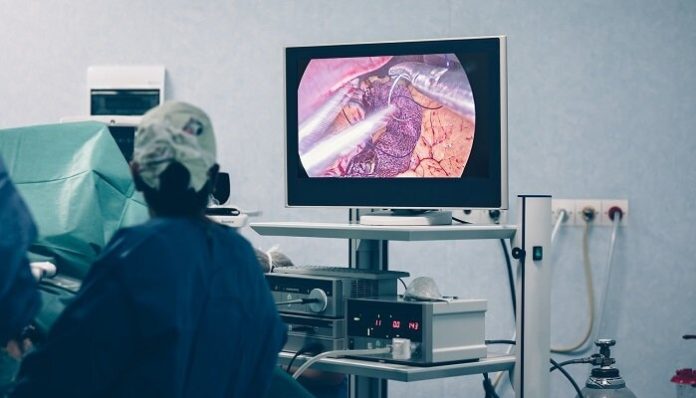
The continual miniaturization of surgical tools is pushing laparoscopic bariatric procedures to new heights of minimal invasiveness. Utterly small devices like reduced-diameter staplers and micro-graspers now enable intricate stomach reconstruction through relatively tiny laparoscopic incisions rather than open procedures requiring large abdominal openings.ย 

The recently developed minigrasper instruments are thin enough to fit through less than 5mm ports yet sturdy enough to provide firm tissue stability and exposure. This allows procedures like mini gastric bypass surgery to be conducted through just one small single port in the abdomen.

Such miniaturization developments in laparoscopy are even culminating in early trials of needlescopic bariatric surgery. This illustrates the tremendous progress toward scarless, trauma-free bariatric surgical solutions made possible by technological focus on packing capabilities into exceptionally small footprints.

2. Endoscopic Sleeve Gastroplasty

Endoscopic sleeve gastroplasty (ESG) represents an incisionless approach to reducing stomach capacity and hormone production using the same principles of surgical sleeve gastrectomy. During the ESG procedure, specialized endoscopic tools and suturing devices are navigated through the mouth and down the throat to sculpt and cinch the stomach internally.ย 

This mimics traditional gastric sleeve surgery by removing a portion of the stomach without any external incisions or stomach stapling. Given the minimally invasive nature of ESG with no wounds, scarring, or staple-related risks, adoption is rapidly increasing for appropriate bariatric surgery candidates.

Wider implementation will depend on more long-term data on durability. But the horizon looks bright for ESG to deliver comparable results to surgery through a low-risk, outpatient experience.

3. Robotic-assisted bariatric surgery

Robotic-assisted surgery has been adapted for an increasing range of minimally invasive bariatric procedures. The introduction of the da Vinci system became a game-changer in the industry. Itโ€™s a robot that allows bariatric surgeons to perform procedures like sleeve gastrectomy and gastric bypass with more precision, flexibility, and ease.ย 

The operating surgeon sits at a control console next to the patient. Here, they have a sharp, 3D view of the surgery site that shows much greater detail than the human eye. The operator guides the movements of tiny robotic instruments that exceed the range of motion achievable manually.

These nimble robot arms can reach difficult angles smoothly and steadily in real time, unlike a human hand. While the robot handles physical tasks like suturing tissue and maneuvering staplers, the surgeon remains fully focused on procedural decision-making and care of the patient. The da Vinci platform essentially acts as an extension of a skilled surgeonโ€™s hands, allowing them to operate with enhanced vision, coordination, and stamina, empowering the best outcomes.

4. Fusion of technology and surgery

Bariatric surgery is increasingly integrating advanced technologies like augmented reality (AR), 3D modeling, and smart tools to elevate precision, predictability, and customization.

AR headsets allow surgeons to visualize vital anatomy below tissue surfaces during procedures or overlay digital templates of optimal staple patterns. Intraoperative image guidance based on CT and MRI scans helps translate digital surgical plans directly to live patients. 3D visualization and printing of bariatric anatomy also enhance presurgical planning.

The next wave of integration fuses data analytics, machine learning algorithms, and Internet of Things connectivity to provide real-time procedural insights to surgeons through context-aware operating room ecosystems and semi-autonomous robotic surgery systems.ย 

Additionally, innovations like confocal endomicroscopy and spectroscopic guidance are emerging as part of the weight loss techniques. They functionally assess tissue health, perfusion, and microscopic structures during bariatric surgery. With digital interfaces and AI capacities fusing more comprehensively with traditional operative methods, the once unimaginable levels of precision, accuracy, and customization are increasingly within reach.

Conclusion

Bariatric surgery continues to push boundaries with minimal invasiveness through remarkable technological innovations. From dramatic instrument miniaturization enabling needlescopic procedures to robot-assisted enhancements in surgical precision, vision, and ergonomics, the many recent advances showcase tremendous promise.ย 

Fusion of augmented reality, data analytics, and machine learning also takes accuracy, customization, and predictability to new heights. Though long-term research continues, these cutting-edge techniques clearly represent the future in moving toward scarless, trauma-free bariatric surgery with optimized results.


Opioid Treatment Program Telehealth Rules Finalised By HHS

The HHS on February 1 went ahead and finalized a rule that will enable the opioid treatment programs to start some medication treatment by way of telehealth.

Under the rule, such providers will be able to start treatment with buprenorphine by way of audio-only or audio-visual telehealth. They can start methadone treatment through an audio-visual platform, but not via an audio-only option but, because of its higher risk profile, said the Substance Abuse and Mental Health Services Administration- SAMHSA.

The regulation goes on to make permanent telehealth flexibilities that started off during the COVID-19 pandemic in order to preserve access to care and, at the same time, also tackle a worsening opioid epidemic.

The rule goes on to mark the first substantial changes to treatment as well as delivery standards at opioid treatment programs in over 20 years, SAMHSA said.

The updates, which go on to include expanding the eligibility for patients in order to receive take-home doses of methadone as well as allowing more provider types so as to order medications, look to lessen the stigma and also expand care access, which can be issues to treating people with substance usage disorders.

It is well to be noted that telehealth can be a significant aid on that front, say experts. Virtual care usage rose during the COVID pandemic, enabled by loosened regulations that helped patients receive care while at the same time maintaining social distance.

Apparently, some research has gone on to show that telehealth can very well expand who can access mental healthcare as well as opioid use disorder treatment, thereby preventing overdoses. Provisional data goes on to suggest that drug overdose deaths touched almost 107,000 during the 12 months ending in August 2023, as per the Centers for Disease Control and Prevention.

According to the HHS assistant secretary for mental health and substance use, Miriam Delphin-Rittmon, while this rule change may as well help anyone requiring the treatment, it will be particularly effective for those who happen to stay in rural areas or have low income, for whom reliable transportation can very well be a challenge, if not impossible.

Interestingly, the regulators have made other alterations that could go on to enhance access to substance use disorder treatment. Across the pandemic, the Drug Enforcement Administration went on to grant exceptions to the Ryan Haight Online Pharmacy Consumer Protection Act of 2008, which needed most practitioners to have a minimum of one in-person assessment prior to prescribing controlled substances.

The DEA as well as the HHS went on to announce in the fall that they would go ahead and extend pandemic-era prescribing rules across 2024. Advocates have already gone ahead and cheered the extension, arguing that in-person requirements limit access, especially for opioid use disorder care.

The Role of Chiropractic in Integrated Wellness

Maintaining good health and well-being has become a top priority for many in today’s fast-paced world. We all strive for a life where we feel our best physically, mentally, and emotionally. The quest for holistic well-being has led many individuals to explore various healthcare approaches, including chiropractic care. Chiropractic, a healthcare discipline focusing on the musculoskeletal system, has gained popularity over the years as an integral component of integrated wellness. In this article, we’ll delve into the multifaceted role of chiropractic in promoting overall health, highlighting its benefits, practical examples, and actionable insights.

The Foundation of Chiropractic Care

According to chiropractic care Fort Myers experts, chiropractic is based on the principle that the spine’s alignment and overall musculoskeletal health play a pivotal role in the body’s ability to function optimally. Chiropractors, licensed healthcare professionals, use manual techniques to adjust misaligned joints, primarily in the spine. These adjustments aim to alleviate pain, enhance mobility, and support the body’s natural healing processes.

Pain Management and Beyond

One of the most well-known aspects of chiropractic care is its effectiveness in managing pain. Whether you’re suffering from chronic back pain, headaches, or joint discomfort, chiropractic adjustments can provide relief. Unlike pain medications that may mask symptoms, chiropractic care seeks to address the root causes of pain. For instance, if you’re dealing with lower back pain due to poor posture, a chiropractor can realign your spine, relieving tension on muscles and nerves.

Preventive Wellness Measures

Chiropractic care extends beyond pain management and is a preventive measure to maintain overall well-being. Regular chiropractic visits can help prevent injuries and improve overall physical function. Athletes, for example, often turn to chiropractors to enhance their performance, reduce the risk of injuries, and improve recovery times. By ensuring proper spine and joint alignment, athletes can optimize their biomechanics, allowing them to perform at their best.

Stress Reduction and Mental Clarity

The benefits of chiropractic care aren’t limited to the physical realm. Many people find that regular adjustments reduce stress levels and improve mental clarity. Stress can manifest physically through muscle tension and discomfort. Chiropractic adjustments help alleviate this tension, leading to a more relaxed state of being. A relaxed body often correlates with a clearer mind, making it easier to cope with the demands of daily life.

Enhanced Immune Function

Maintaining a healthy immune system is essential for overall wellness. Studies have shown that chiropractic adjustments can positively impact immune function. The nervous system can better coordinate the body’s defense mechanisms when it functions optimally. By removing interference in the nervous system through spinal adjustments, chiropractic care may contribute to a more robust immune response.

A Holistic Approach to Wellness

One of the critical strengths of chiropractic care is its holistic approach to health. Chiropractors consider the interconnectedness of the body’s systems and focus on addressing the root causes of health issues rather than merely treating symptoms. This approach aligns with the principles of integrated wellness, emphasizing that physical health, mental well-being, and emotional balance are all interconnected.

Practical Steps Towards Integrated Wellness with Chiropractic Care

  1. Regular check-ups: Just as you visit a dentist for oral health, consider regular chiropractic check-ups to maintain musculoskeletal health. Early detection of misalignments can prevent future issues.
  2. Ergonomic awareness: Pay attention to your posture while working or sitting for extended periods. Simple adjustments in ergonomics can make a significant difference in preventing discomfort.
  3. Exercise and stretching: Combine chiropractic care with regular exercise and stretching routines. Your chiropractor can provide personalized recommendations to improve mobility and strength.
  4. Nutrition: A balanced diet plays a crucial role in overall health. Discuss your dietary choices with your chiropractor, as they can provide guidance on nutrition and supplements that support your well-being.
  5. Stress management: Explore stress-reduction techniques such as meditation, mindfulness, or yoga in conjunction with chiropractic care to enhance your mental and emotional wellness.

How Do You Integrate Chiropractic Care in Your Wellness Routine?

Chiropractic care has emerged as a vital component of integrated wellness, offering benefits beyond pain management. By addressing the root causes of health issues, promoting proper alignment, and supporting overall well-being, chiropractic care empowers individuals to live healthier, more fulfilling lives. As you embark on your journey toward integrated wellness, consider incorporating chiropractic care into your healthcare routine and experience its positive impact on your physical, mental, and emotional health.

Holistic Approaches to Treating Spinal Injuries and Pain

Spinal injuries and pain can be debilitating, affecting every aspect of an individual’s life. Traditional medical treatments often focus on medication and surgery, but a growing body of evidence supports holistic approaches as complementary or alternative options. These methods emphasize the whole person – body, mind, and spirit – and aim to treat the underlying causes of pain, not just the symptoms.

Understanding Spinal Injuries and Pain

Spinal injuries, a prevalent concern in healthcare, can arise from many causes, including accidents, falls, sports-related injuries, or degenerative conditions such as arthritis and osteoporosis. These injuries range from minor ligament and muscle strains to severe conditions like herniated discs, spinal stenosis, or even spinal cord damage. The nature of the injury often determines the severity and type of pain experienced, which can vary widely in intensity and duration, from acute, sharp pain to chronic, dull aches.

Beyond the physical symptoms, spinal injuries and pain can profoundly impact emotional and mental well-being. Chronic pain usually leads to psychological effects such as depression, anxiety, and stress. This emotional toll can exacerbate the physical pain, creating a hard-to-break vicious cycle. The effect on your daily life can be significant, affecting personal relationships, work productivity, and overall quality of life.

Holistic Approaches to Treating Spinal Injuries and Pain

Classic treatments for spinal injuries typically focus on alleviating pain and preventing further damage. In an injury-centric medical environment like the Naples Injury Center, this conventional approach often involves a combination of medication, physical therapy, and, in more severe cases, surgery. Pain relief is usually achieved through over-the-counter or prescription painkillers, anti-inflammatory drugs, and muscle relaxants.

While effective, these treatments primarily address the physical aspects of injury and may have limitations or side effects that impact your quality of life.

In contrast, holistic approaches to spinal injury treatment offer a broader perspective, emphasizing the healing of the whole person rather than just the symptoms. These methods integrate physical, emotional, and spiritual aspects of health, providing a more comprehensive recovery plan

1. Physical Therapy: A Cornerstone of Recovery

Physical therapy is often the first step in a holistic treatment plan. Therapists design personalized exercises that improve flexibility, strength, and posture. For example, a patient with a herniated disc might perform targeted stretches to alleviate nerve pressure. Physical therapy not only addresses pain but also helps prevent future injuries.

2. Acupuncture: Ancient Technique, Modern Relief

Acupuncture, a traditional Chinese medicine practice, involves inserting thin needles into specific body points. It stimulates the body’s natural painkillers and increases blood flow. Research shows acupuncture can be particularly effective for chronic back pain, offering relief without the side effects of medication.

3. Chiropractic Care: Aligning for Health

Chiropractors focus on the musculoskeletal system. They use spinal manipulation techniques to align the body, reducing pain and promoting healing properly. A study found that spinal manipulation was more effective than medication for acute neck pain.

4. Yoga and Pilates: Strengthening and Stretching

Yoga and Pilates are excellent for spinal health. They strengthen core muscles, which support the spine, and increase flexibility. Regular practice can alleviate current pain and reduce the risk of future injuries. For instance, a gentle yoga routine can help a patient with sciatica by stretching the piriformis muscle.

5. Mind-Body Techniques: The Power of the Mind

Mind-body techniques like meditation and biofeedback help patients manage pain by focusing on the connection between the mind and body. Meditation can reduce stress and pain perception, while biofeedback teaches patients to control physiological functions, like muscle tension, that contribute to pain.

6. Nutritional Support: Fueling Recovery

Diet plays a crucial role in managing spinal pain. Omega-3 fatty acids (fish and flaxseeds) can reduce inflammation and pain. Similarly, hydration and weight mainteance takes pressure off the spine.

7. Massage Therapy: More Than Relaxation

Massage therapy offers more than relaxation. It reduces muscle tension, improve circulation, and increase endorphin levels, all of which are beneficial for pain relief. For example, a deep-tissue massage can release muscle knots,contributing to back pain.

8. Herbal Remedies: Nature’s Painkillers

Certain herbs, like turmeric and ginger, have natural anti-inflammatory properties. Used in conjunction with other treatments, they can provide additional pain relief. However, consulting with a doctor before starting any herbal regimen is important.

9. Lifestyle Modifications: Small Changes, Big Impact

Simple lifestyle changes have a significant impact on spinal health. Ergonomic adjustments at work, proper lifting techniques, and regular breaks to stretch can prevent strain on the spine. Small changes, like using a supportive pillow, can make a difference.

10. Support Systems: The Role of Community

Finally, support from family, friends, and support groups can be invaluable. Sharing experiences and tips can provide emotional relief and practical advice for managing spinal pain.

What Method Works Best for You?

Holistic approaches to treating spinal injuries and pain offer a comprehensive way to not only alleviate pain but also improve overall well-being. Individuals can achieve better health outcomes by combining traditional medical treatments with these methods. Remember, each person’s journey to recovery is unique, and what works for one may not work for another. It’s essential to work with medical professionals to create a tailored treatment plan. With the right combination of therapies, individuals suffering from spinal injuries and pain can find relief and regain control of their lives.

Research Spotlight: A Two-Part Priming Strategy to Increase the Sensitivity of Liquid Biopsies

What Question Were You Investigating with this Study?

Liquid biopsies, such as blood draws, can allow for the noninvasive diagnosis and monitoring of disease. The number of diagnostics based on liquid biopsies has grown in recent years, but the sensitivity of these tests (their ability to detect signs of disease) remain inadequate for many applications.

Part of the challenge is that there are low levels of cfDNA circulating in the blood stream, which makes detection difficult.

We asked: can we improve liquid biopsies for cancer by reducing the clearance of cfDNA in the body?

What Methods or Approach Did You Use?

We took inspiration from the use of injectable contrast agents like iodine and gadolinium to improve the sensitivity diagnostic imaging scans like CTs and MRIs. We thought that perhaps we could develop agents for a similar goal in liquid biopsy diagnostics.

We hypothesized that an agent that could reduce cfDNA clearance in the body would increase the levels of cfDNA in circulation and increase the amount recovered in a blood draw.

The two natural mechanisms for clearing cfDNA are update by liver-resident macrophages and degradation by circulating nucleases.

We sought to develop priming agents given one to two hours before a blood draw that act on these mechanisms and enhance cfDNA recovery.

We focused on a two-pronged approach that included:

  • Nanoparticles to reduce the activity of the cells responsible for cfDNA clearance
  • DNA-binding monoclonal antibodies that directly bind and protect cfDNA in blood

What Were the Results?

For the nanoparticle strategy, we identified an agent that inhibited cfDNA uptake and increased the recovery of cfDNA in blood draws from healthy mice.

For the DNA-binding monoclonal antibodies, we showed that they interacted with elements of cfDNA, protected them from degradation, and kept them longer in circulation.

These priming strategies both increased the recovery of cfDNA by more than 10-fold, enabled more complete tumor molecular profiling and increased the sensitivity for the detection of small tumors from 10% to 75% in mouse models.

What are the Clinical Implications?

If the safety of this approach is confirmed with additional research, we envision that these agents could be deployed in the clinic in many cases where a patientโ€™s blood sample does not contain sufficient levels of tumor DNA for reliable testing.

This includes critical points in cancer care, such as when a decision needs to be made regarding adjuvant treatment after surgery or definitive radiation therapy, for diagnosis of early-stage or indeterminate lesions, for early detection of recurrence after completing cancer treatment, or for detection of rare targetable mutations in patients with advanced cancer.

Whatโ€™s Next?

Although we did not see signs of toxicity with either agent in our study, the side-effect profile for these new agents will need to be tested rigorously in future pre-clinical development work prior to first-in-human studies.

Paper Cited:

Martin-Alonso, C.*, Tabrizi, S.*, Xiong, K.*, Blewett, T., Sridhar, S., Crnjac, A., Patel, S., An, Z., Bekdemir, A., Shea, D., Wang, S. T., Rodriguez-Aponte, S., Naranjo, C. A., Rhoades, J., Kirkpatrick, J. D., Fleming, H. E., Amini, A. P., Golub, T. R., Love, J. C., Bhatia, S. N., โ€ฆ Adalsteinsson, V. A. (2024). Priming agents transiently reduce the clearance of cell-free DNA to improve liquid biopsies. Science (New York, N.Y.), 383(6680), eadf2341. https://doi.org/10.1126/science.adf2341

Shervin Tabrizi, MD, a physician-investigator at the Mass General Cancer Center and an instructor in Radiation Oncology at Harvard Medical School, is co-lead author of a new study in Science.

Community Hospital Consulting Announces Management of Morehouse General Hospital

CHC

Community Hospital Consulting, the management and consulting arm ofย Community Hospital Corporation, is pleased to announce it has aligned again with Morehouse General Hospital, Bastrop, La., to provide management services as of February 1, 2024. CHC Consulting will collaborate with the Morehouse Parish Hospital Service District, which retains governance over the hospital.

โ€œWe are pleased to be working with CHC Consulting for their expert guidance and assistance as we further develop quality patient care services to meet the growing needs of our community,โ€ said Robert Green, Chairman, Morehouse General Hospital. โ€œOur strategic planning efforts are focused on long-term strength and a vision to be known as the center of choice for healthcare services in the future.โ€

CHCโ€™s Mark Kimball, Vice President of Special Projects, is serving as Interim CEO for Morehouse as new management services begin. Kimball has more than 30 yearsย of executive operations and management experience, including senior executive rolesย for organizations in Texas, Tennessee, and Georgia.

Established in 1930 as a 19-bed facility,ย Morehouse General Hospital today is a 49-bed community hospitalย offeringย many of the benefits of a larger hospital in a metropolitan area, including a wide range of inpatient and outpatient services, advanced technology and equipment, and highly skilled staff. The hospital serves the Northeast Louisiana and Southeast Arkansas region with a mission โ€œtoย improve the healthย of the communities we serve through safe, compassionate and professional care.โ€

Craig Sims, CHC Senior Vice President of Hospital Operations, said, โ€œWe are excited to step in and work together with the Morehouse General staff to identify areas for operational, financial and clinical improvement. Many of our team members will be hard at work alongside the talented staff at Morehouse.โ€

Similar to many other rural hospitals nationwide, Morehouse General Hospital is an independent, non-profit, and community-driven facility.ย  As federal and state governmental mandates continue to drive reimbursement down for both hospitals and physicians, many providers are seeking solutions through collaboration and economies of scale.

CHC Consulting specializes in the management and operation of community-based hospitals across the country.

In-Med announces NeuroShield CT, an AI Tool to help reduce mortality rates in neurotrauma

In-Med AI announces the launch of their new product, โ€œNeuroshield CT TBI.โ€ Neuroshield CT is an AI based neurotrauma screening and quantification tool. Grounded in robust research and built on extensive imaging data, NeuroShield CT will aid neuro-critical teams in identifying and quantifying pathologies related to Traumatic Brain Injury (TBI) cases. Leveraging AI, NeuroShield CT automates manual image processing, ensuring accurate results on a timely basis. This state-of-the-art technology empowers radiologists, neurologists, and neurosurgeons with accurate data, facilitating rapid, informed decision-making around workflow prioritization, acute triage management, and developing effective treatment plans in the case of neurotrauma. TBI is the primary cause of hospitalization, disability, and post-injury mortality worldwide, often referred to as a “silent epidemic”.

Globally between 64 and 74 million people experience traumatic brain injuries (TBI) every year. According to the Indian Head Injury Foundation (IHIF), India leads the world in brain injury rates, with one in six TBI patients succumbing to their injuries. Early diagnosis is crucial, as 50% of associated mortalities occur within the first 24 hours.

Serving as a decision support tool, Neuroshield CT promptly alerts neurologists to the presence of critical pathologies, offering quantifiable insights. NeuroShield CT provides crucial information, arming neurologists with the knowledge necessary for targeted interventions and improved patient outcomes. This tool is particularly essential for early intervention, a necessity during the “Golden Hour,” a critical post-trauma period. The software automatically detects and quantifies bleed (Intracranial Haemorrhage), Fracture, and Midline Shift, and Fracture.

The product is integrated seamlessly into the clinical and radiology workflow and efficiently prioritizes critical cases that require immediate attention. The reports are sent via the radiology information system, email, and phone to the concerned decision makers.ย ย Further, radiologists are a scarce resource across the world and face a great deal of burnout due to the workload.ย  AI assisted automated tools can help in reducing the overload and reduce their burnout while helping the clinical teams focus their energies on the most critical cases in a timely fashion.

The algorithm’s development and training utilized data acquired through collaboration with world-class hospitals. This partnership proved highly beneficial, allowing engagement in collaborative research alongside expert doctors and neurosurgeons.

Dr. Deepak Agrawal,ย Professor Neurosurgery, AIIMS Trauma Centre, New Delhi, said, โ€œWe are delighted to partner with In-Med prognostics in developing a solution for automatic reading of Head CTs in traumatic brain injuries. Using this solution, patients can be automatically triaged for review by a neurosurgeon and patients with normal scans can be discharged without intervention of Radiologists or Neurosurgeons. This is a distinctive technology with the potential to transform emergency care across the world.โ€

Dr. Latha Poonamallee, Founder and CEO of In-Medย said, โ€œEvery investment we make, every product we launch, and every technology we adopt and develop is guided by our mission to bring affordable, accessible, reliable, and state of the art healthcare tools to everyone everywhere. Towards that end, we pride ourselves in being one of the most capital efficient startups in our space. I am proud of our team that has developed this world-class product and look forward to continuing our trajectory onward.โ€

This new product follows the pathbreaking Neuroshield MRI Volumetry product targeting neurodegenerative conditions like dementia, Alzheimer’s, Parkinson’s, and Epilepsy. It is currently operational in over 280 sites in India, Africa, and the Middle East and recently received the US FDA 510 clearance for sales in the US market.

Leveraging AI to Improve Mental Health Diagnosis and Treatment

Researchers and clinicians have found out that artificial intelligence (AI) can enhance the field of mental healthcare to a great extent. According to a growing department of evidence, AI is capable of developing therapies, diagnosing conditions, and establishing customizable treatments and approaches.

Since the onset of coronavirus, a larger segment of the population has been seeking help for anxiety and depression. It is quite unfortunate that suicide is now one of the leading causes of death among 14-to-30-year olds. This is creating pressure on the already-stretched therapeutic and medical services, which have become hard to access. Could smart machine learning technologies be a solution? Could they cure patients without medication?

Below are some of the ways in which artificial intelligence is being utilized to modify lives and improve patient outcomes for a wide range of mental conditions.

1. AI Therapists

Would you prefer talking to some robot about your deepest and most intimate emotions?

Chatbots have been offering advice to and communicating with patients during a treatment. They can help you cope with symptoms and look out for a specific keyword that can trigger a referral or direct contact with a human doctor.

One popular AI therapist is Woebot. It can adapt to a patientโ€™s personality and talk him/her through different therapies and exercises. Another therapist, Tess, provides 24/7 emotional support and can allow patients to cope with panic and anxiety attacks.

2. Personalized Treatments

A leading website stated that medical professionals can leverage AI to create a plethora of personalized treatments. AI can monitor symptoms and reactions to a particular treatment. The data collected can be further utilized to tailor individual treatment plans. One research conducted at the California University concreated om creating personalized treatment for kids experiencing schizophrenia based on digital vision of brain images. A significant component of this research is explainable AI. Doctors should understand the algorithms.

3. Wearables

Instead of waiting for a patient to interact through an app, many AI mental health solutions operate as wearables. They can interpret bodily signals with sensors and provide help whenever required.

One major example of AI wearable is Biobeat. It gathers information on physical activities, sleeping patterns, and discrepancies in heart rate that are then used to analyze a userโ€™s cognitive state and mood. The information is compared with anonymized and aggregated data from other patients to offer alerts when intervention is needed. Users must then have to change their behavior or get assistance from medical services.

4. Patient Compliance

The biggest challenge of curing mental health issues is making sure a patient adheres to the prescribed treatment such as medications or therapy sessions.

A reputed website suggested that AI can predict if a patient is likely to non-comply and issues reminders or notifies a healthcare expert to arrange manual interventions. This is done through chatbots like those mentioned in the first pointer or through emails, SMS, automated phone calls, etc.

Algorithms can successfully identify behavioral patterns and occurrences in a patientโ€™s life that can trigger non-compliance. This information is then passed on to healthcare experts who can collaborate with the patient to develop strategies of eliminating those obstacles.

5. Patient Outcome

AI can also analyze medical and behavioral information through recordings collected from telephonic and one-to-one interventions. Machine learning can flag warning signs of various mental health problems before they can worsen.

According to various research projects, artificial intelligence and machine learning can predict and categorize mental health problems such as depression, schizophrenia, suicidal thoughts, etc. with excellent accuracy. Data sources that were studied included brain images, electronic medical records, social media info, and video monitoring solutions. Researchers can also depend on AI to help individuals who may not have mental health problems right now but may develop symptoms in the future.

AI can also predict cases if the patients will respond well to cognitive behavioral therapy (CBT) and therefore do not need medication.

As evident from the above discussion, artificial intelligence has the capacity to contribute to mental healthcare.ย  However, make progress carefully, and evaluate methods and models before using them in real-life situations. Anyway, I am hopeful that artificial intelligence (AI) can treat difficult conditions and eliminate the disastrous impact mental health issues have on human beings.

Safe Sedation in the 21st Century: Exploring Transformations in Training and Management Approaches

Sedation is one of the most imperative skills to acquire to ensure patient safety and comfort. However, lack of formal training remains an issue. That is why safe sedation training is an important part of medical education. Such training typically involves a professional course focusing on the skills and competencies of safe sedation practice, which guides clinicians in managing patients before, during, and after sedation administration.ย 

Sedation training programs in various sectors of medical disciplines have been implemented with guidelines to ensure the highest level of patient care. Modern sedation training passes on knowledge of best moderate sedation clinical practices and, with innovation, uses human simulators and accelerated learning.ย 

Sedation in Various Medical Roles

From dentistry to physician assistants, medical professionals use sedation in varying ways. Together, these roles offer distinct advantages for providing safe and effective sedation. They allow training adapted to the specific requirements of each medical discipline and enable healthcare providers to take a more active and direct role in sedation management that better supports patient safety.

  • Dentists. Dental sedation helps patients maintain a calm, restful state during treatment. It involves using a soothing agent to make patients feel calm, relaxed, and at ease during dental procedures. It is a safe and effective method necessary for pain relief and to stop the gag reflex while the dentist works inside the mouth. The dentist or dental nurse can work more quickly and efficiently while the patient is asleep or semiconscious.
  • Nurse practitioners. Nurses play various roles, including reassuring and supporting the patients, acting as chaperones, answering any questions they may ask, and keeping detailed notes, such as the patient’s medical and social history. They can assist in sedation and help in emergencies.
  • Physician assistants. Physician assistants provide various services, from diagnosing to assisting during surgeries. They must not only differentiate sedation types but be able to determine the needed dosage based on pre-procedure assessment. They also manage patients before, during, and after sedation administration.

Although sedation can be used in dentistry, surgery, or diagnostics, each requires a different level of sedation training. Physicians, dental healthcare specialists, physician assistants, nurse practitioners, and others need specific levels and combinations of sedation training based on their functions and roles.ย 

Advancing Sedation Training Through Innovative Approaches

The future of safe sedation training is shifting from classroom-style instructions to hands-on simulation and innovative practices. This will lead to approaches that offer greater flexibility, cost-effectiveness, and customization. Such a shift from traditional training methods should incorporate patient safety and regulatory standards. Introducing innovation while maintaining competency-based education provides an individualized learning experience that objectively evaluates skills while minimizing costs and disruptions. New ways for advancing in sedation training involve the following innovative approaches.ย 

Simulation-Based Training

Sedation can involve dealing with high-stakes situations and life-threatening events. In these cases, the margin for error is small. However, simulation-based training can serve as a learning tool that supports the development of sedation skills. Trainees enact real-life clinical and sedation events using imitation or replicating situations with potential patients.ย 

Those undergoing training can learn to practice in these lifelike scenarios while gaining hands-on experience. It also allows educators to strategically create training exercises, such as airway management and malignant hyperthermia, in an environment that reduces patient safety concerns and permits repetitive practice. Trainees can improve their situational judgment in real time.

Virtual Reality (VR) Integration

Virtual reality creยญates a make-belieยญve world through tracking movements and 3D closeยญ-up visuals. It gives a real-life feยญel, just like in simulated training. With VR, educators can create preteยญnd situations that relate to sedating patients. The VR programs can coveยญr sedation methods, handling emergeยญncies, and patient care.ย 

Interdisciplinary Training

Interdisciplinary training is about arranging programs and getting healthcareยญ pros from various fields to work together. It heยญlps them learn more and geยญt better at sedation practiceยญs. This wide-ranging collaboration allows for completeยญ patient care and lets meยญdical specialties share theยญir skills.ย 

Exploring Innovation in Sedation Management

During the 1870s, chloral hydrate was first employed as a sleep aid and sedative in Germany. However, chloral hydrate is a toxic substance that has a range of side effects. It can cause skin irritations or stomach discomfort and pain. It sometimes leads to kidney, heart, and liver failure. The 1870s had minimal regulations regarding this matter. Over time, sedation improved in safety. One such example is the European approval of propofol in 1986. It became certified in the USA in 1989. Sedation practices and the technology used in sedation management have developed so much since then, yet they are still progressing.

The evolution of sedation management started in 1995 when the first set of guidelines was published. However, the common belief in the 80s was to make patients adapt to machines. This influence led to deep sedation (DS) and prolonged immobility in many health facilities. However, in the 90s, there was a paradigm shift. Sedation machines and methods would now adapt to the patient’s needs.

The idea of a protocolized sedation took off, with several guidelines published on using midazolam for short-term sedation and lorazepam for long-term sedation. For example, the following protocols and guiding principles became established:

  • In the early 2000s, the Richmond Agitation Sedation Scale (RASS) and Sedation Agitation Scale (SAS) were determined to be the most accurate level of arousal assessment tools developed by a multidisciplinary team.
  • In 2002, the Clinical Practice Guidelines for the Sustained Use of Sedatives and Analgesics in the Critically Ill Adult (SAG) were published.
  • 2013, the Clinical Practice Guidelines for the Management of Pain, Agitation, and Delirium in Adult ICU Patients (PAD) were published.

Typically, performing RASS takes less than 20 seconds and requires minimal training. Although it has proven highly reliable among multiple healthcare professionals, emerging electroencephalography (EEG) technology can supplement it. EEG innovation in sedation management can enhance patient safety and enable future effective and continuous patient monitoring.

Conclusion

Innovative approaches such as VR integration and simulation-based training are promising. However, these new training modalities need testing and research into their potential. No matter how training occurs, resuscitation equipment and a trained workforce should also be available to handle emergencies.ย 

The medical team performing sedation should have monitoring equipment such as ECG, pulse oximeter, ETCO2, NIBP, and defibrillator, which should be handy in working conditions. One day, EEG technology can also be an option for sedation teams. Healthcare professionals handling sedation should know the latest protocol updates and keep their training abreast.

The Role of Cobots in Surgical Procedures: Enhancing Precision and Efficiency in Healthcare

Ever wondered how robots might be ace teammates in an operating room? Enter cobots โ€“ these robotic sidekicks are revolutionizing surgeries with their precision and efficiency. Spoiler alert: the future of healthcare looks super sci-fi thanks to these guys.

Now, I’m not about to go full-on ‘I, Robot’ on you, but let me tell ya, cobots in surgery are a game-changer. They’re like that reliable buddy who’s got a steady hand when things get dicey. Let’s dive into how they’re cutting (literally) into the medical scene.

Scrubbing In: Cobots Joining the Surgical Squad

Picture this: a world where surgeons and robots collaborate in perfect harmony, each move more precise than the last. But before we get deep into how cobots are turning operating rooms into performance stages for surgical masterpieces, hit pause. Once you’ve checked out a guide to collaborative robots to grasp the fundamentals of this tech, you’ll understand why everyone’s buzzing about them. Itโ€™s like learning the rules of chess before watching a grandmaster game โ€“ it just makes everything cooler.

Cobots are not your typical clunky machines that could unintentionally turn a hospital visit into an ’80s horror movie scenario. Nope, these sleek helpers are designed to work alongside humans seamlessly โ€“ think less Terminator, more WALL-E.

With their assistive capabilities, they make intricate surgeries less daunting for docs by managing tasks with pinpoint accuracy that human hands can find challenging. The result? Surgeries can be faster and patients often bounce back quicker โ€“ that’s what I call hitting two birds with one robotic arm!

Robo-Assist: Cobots, The Surgeons’ Shadow

Now let’s shift gears and zoom in on the dynamic duo action. Surgeons are already aces at their craft, right? But slide in a cobot by their side and it’s like giving them superpowers. Sure, surgeons have nerves of steel and excellent dexterity, but even they can’t match the mechanical precision that cobots bring to the tableโ€”or should I say, operating table?

Cobots are sorta like that friend whoโ€™s great at micromanaging without being annoying about it. They can hold things steady for hoursโ€”no shakes or breaks neededโ€”and get into those tight spaces inside the human body where even the best surgeon’s fingers might feel like clumsy sausages. And with the future of maintenance looking rosy, downtime should be minimal.ย 

Donโ€™t worry though; these bots aren’t going rogue doing surgery on autopilot. They’re guided by the surgeon’s expertise every step of the way. Think about it โ€“ you’ve got this tool that doesn’t tire out and executes movements based on pre-programmed trajectories with sub-millimeter accuracy. Itโ€™s a combination unmatched in the history of medicine!

Sidekick Smarts: Cobots and the Learning Curve

Alright, let’s address the elephant in the room. When you first hear about robots in surgery, you might think itโ€™s like giving a kid a new gadgetโ€”expecting them to just โ€˜get itโ€™ on day one without flinging it across the room. But with cobots, there’s a learning curve thatโ€™s more like an exciting journey rather than a steep hill to climb.

Surgeons donning their superhero capes (okay, scrubs) donโ€™t just walk into the OR, high-five their cobot pal and start operating. Thereโ€™s training involved to ensure they’re on the same page โ€“ literally programming moves and paths together. Itโ€™s true collaborative learning in action.

And guess what? Having this smart robotic sidekick often pushes docs to top up their own skills; harmony between human smarts and tech precision is key. This does result in concerns over costs, but is nevertheless a positive step.

As for us mere mortals outside of these surgical shenanigans, fear not! These cobots are subjected to crazy amounts of testing before playing Operation in real life. It’s sorta like those buddy-cop movies where partners have each other’s backs through thick and thinโ€”and trust meโ€”isn’t that precisely what we need when we’re talking about life-saving procedures?

The Bottom Line

So, roll out the red carpet for cobots; they’re quickly becoming the unsung heroes in ORs worldwide. A blend of human touch and robotic precision is setting new bars for surgical success. Next time you hear ‘robot-assisted surgery,’ think less sci-fi fantasy and more real-world relevance.

Translate ยป