














Close
Digital Health & Ai Innovation summit 2026
LiGHT26

Why Supplements Matter for Muscle Recovery: 4 Crucial Reasons

Are you looking for a way to jump-start your muscle recovery? Incorporating supplements into your diet and exercise routine can make all the difference in helping you reach your goals. Whether you are an aspiring bodybuilder, powerlifter, or just an average gym-goer wanting to build some strength, adding supplements to your regimen is essential for optimal muscle recovery and growth. In this blog post, weโ€™ll discuss some critical reasons why taking certain types of supplements can help speed up the process while giving you added benefits that will support those gains. Keep reading to find out more!

Supplement your diet with proteins for muscle growth and repair

If you’re looking to really optimize your workouts and athletic performance, supplementing your diet with proteins is a must. Proteins are the building blocks of muscle tissue, and they’re essential for repairing and building up muscles after you’ve worked them hard. You can find high-quality protein sources in foods like lean meats, fish, eggs, and dairy, but sometimes it can be difficult to get enough protein through your diet alone. That’s where supplementation comes in. Adding protein powders or bars to your diet can help you hit your protein goals and support your muscle growth and recovery. So if you’re serious about making big gains in the gym, consider incorporating more proteins into your diet. Most fitness supplements provide the ideal ratio of essential amino acids to help your muscles recover and grow. When taken in moderation, these supplements can be incredibly beneficial for your overall fitness goals.

Reducing inflammation and speeding up recovery are important goals for anyone with an active lifestyle. One way to achieve these goals is by increasing your intake of antioxidants. Antioxidants are natural substances found in many foods such as fruits, vegetables, and nuts that help to protect your cells against free radicals which cause inflammation and damage. If you can’t get enough antioxidants from your diet alone, you can also opt for supplements like vitamins A, C, and E as well as green tea extract and other natural herbs. These will help to speed up the recovery process, reduce inflammation in your muscles and joints, and even improve your cognitive performance.

Consume more electrolytes to aid in hydration and nutrient absorption

Electrolytes are essential for overall body functioning, including hydration and nutrient absorption. By consuming more electrolytes, you can help your body maintain a healthy balance of fluids, which is especially important during physical activity or on hot days. Electrolytes such as sodium, potassium, and magnesium play a crucial role in maintaining a healthy heart rhythm, muscle function, and nerve transmission. Incorporating foods like bananas, yogurt, and leafy vegetables can help ensure you’re getting enough electrolytes in your diet. Supplements such as electrolyte drinks or powders can also help you reach your daily goals if you aren’t able to consume enough through food alone.

Take omega-3 fatty acids to strengthen joints and reduce soreness

Omega-3 fatty acids are crucial for maintaining good overall health, but did you know they also provide excellent benefits for your joints? Incorporating omega-3s into your diet can help support healthy joint function and reduce soreness. These essential fatty acids are known for their anti-inflammatory properties, making them an excellent natural remedy for joint pain. Best of all, omega-3s can be found in a variety of foods, including salmon, flaxseed, chia seeds, and walnuts. If you want to make sure you’re getting enough omega-3s, consider adding a supplement like fish oil to your daily routine. This will help you reach your daily recommended intake and support healthy joint function.

Incorporate glutamine into your routine

Incorporating glutamine into your daily routine is an easy way to support your immune system and take your muscle growth to the next level. This amino acid plays a key role in promoting protein synthesis, which helps to repair and rebuild muscle tissue after a workout. On top of that, glutamine has been shown to strengthen the immune system by supporting the production of white blood cells. Unlike some other supplements, incorporating glutamine into your routine is easy and affordable – just add a scoop to your favorite workout shake or smoothie. Give your body the boost it needs to perform at its best with the help of this powerful nutrient.

Whether youโ€™re a beginner or an experienced fitness enthusiast, itโ€™s essential to take the necessary dietary supplements to enhance your performance and get the results youโ€™re looking for. Adding proteins to your diet gives your body the fuel it needs to build and repair muscle tissue. Likewise, antioxidants act as natural defenses from oxidative stress while electrolytes perform vital functions such as hydration and nutrient absorption. Omega-3 fatty acids provide extra strength to joints and reduce soreness which will result in fewer injuries during workouts. Additionally, BCAAs can help boost energy levels and increase alertness during physical activity. Finally, glutamine strengthens your immune system and boosts muscle growth at the same time. Taking all of these dietary supplements will undoubtedly improve your overall performance from head to toe!


Data Breach Expenses Surge: Healthcare Industry In Focus

Data breach costs have been escalating, with the global average reaching a record-high of $4.45 million, marking a 15% increase over the past three years. The healthcare industry remained the most expensive sector for data breaches for the 13th consecutive year. However, the research suggests opportunities to contain breach costs.

The 18th annual Cost of a Data Breach Report, independently conducted by Ponemon Institute and published by IBM Security, provides crucial insights for IT, risk management, and security leaders to identify security gaps and effective measures in minimizing financial and reputational damages caused by data breaches. The report analyzed real-world data breaches from 553 organizations, considering thousands of interviews and hundreds of cost factors.

Key findings from the report reveal that adopting security AI and automation, implementing a DevSecOps approach, and having robust incident response (IR) plans led to substantial cost savings. Extensive use of security AI and automation saved an average of $1.76 million, while a DevSecOps approach and thorough IR planning saved $1.68 million and $1.49 million, respectively.

Additionally, advanced security tools like AI and ASM accelerated breach identification and containment, reducing response times by significant margins. Organizations employing security AI and automation detected and contained incidents 108 days faster, while ASM solutions led to an average reduction of 83 days in response times.

Data stored in multiple environments contributed to higher costs and longer containment times for breaches. Cloud-based data breaches comprised 82% of all cases, with 39% involving data stored across various environments, resulting in an additional $750,000 in average breach costs and a 15-day longer containment period than the global average. Organizations that identified breaches internally fared better in containing costs. Investments in IR planning, employee training, and threat detection and response tools were effective at mitigating data breach costs, resulting in a significant return on investment (ROI).

The healthcare industry continues to experience the most expensive data breaches, with costs reaching nearly $11 million in 2023, an 8% increase from the previous year and a 53% jump since 2020. The pandemic increased vulnerability to attacks due to burnout and staff shortages, leading to a rise in healthcare data breaches. Hospitals are particularly susceptible to ransomware attacks, with criminals demanding payments for the return of critical data.

Other critical infrastructure industries, including financial services, the public sector, energy, transportation, education, and communication, are also experiencing rising breach costs. Critical infrastructure companies faced data breach expenses nearly 29% higher than other industries, with costs increasing by nearly 5% from the previous year. Law enforcement involvement in data breach incidents resulted in average cost savings of $470,000, yet 37% of victims did not contact law enforcement.

CMS Rule Compliance: 36% of U.S. Hospitals Meet Standards

Recently, the nonprofit Patient Rights Advocate revealed that only 36% of U.S. hospitals have complied with CMS’ price transparency rule since it took effect over two and a half years ago. However, this compliance rate has been gradually improving over time, showing progress in the industry.

The websites of 2,000 hospitals have been analyzed and it has been found that only 721 of them were fully compliant with all the requirements of the rule. This is a significant increase from the 24.5% compliance rate reported in February.

For further progress to occur, CMS must enforce its rule more effectively. The regulation, which came into force on January 1, 2021, mandates hospitals to disclose various pricing information, including gross charges, payer-specific negotiated charges, de-identified minimum and maximum negotiated charges, and cash prices, in a machine-readable file. Additionally, hospitals are required to publish consumer-friendly pricing for the 300 most commonly-used services on their websites.

The main issue with noncompliant hospitals lies in the incomplete nature of their pricing files or the failure to clearly display payers and plans associated with the listed prices. Full compliance is crucial as it enables easy comprehension for patients and facilitates clear price comparisons.

Moreover, by including minimum and maximum negotiated rates, hospitals can empower consumers to compare prices effectively, recognizing significant variations within the same hospital for identical items, services, and medications. This information also benefits technology developers, search engines, employers, and unions, allowing them to compare prices across various hospitals and promote competition to drive down healthcare costs.

As per insights, compliance rates varied widely among the largest health systems included. Some, like Kaiser Permanente, Community Health Systems, and CommonSpirit Health, showed substantial improvements in compliance, while others, including hospitals owned by HCA Healthcare, UPMC, Tenet Healthcare, Mercy, Providence, Baylor Scott & White Health, and Avera Health, were deemed noncompliant.

The weak enforcement of the rule by CMS was identified as a major cause of noncompliance. The agency has only fined four hospitals for price transparency violations, with the first two fines being issued 18 months after the rule came into effect. While some hospitals complied after being fined, others remain noncompliant, indicating the need for stronger enforcement to ensure widespread compliance.

Telehealth And Third-Party Tie-Ups Risk Healthcare Security

The healthcare industry is facing a severe cybersecurity problem, with a notable surge in cyberattacks on US healthcare entities since 2021. Insights reveals an alarming 86% increase in weekly attacks, averaging 1,410 attacks per week. This issue extends globally, and one reason for healthcare’s vulnerability is its historical focus on patient care rather than extensive investments in cybersecurity. However, the landscape changed dramatically due to the COVID-19 pandemic, which accelerated telehealth adoption, persisting into 2023. Moreover, healthcare organizations have partnered with third-party technology vendors to modernize operations, leading to increased risks if security measures are not adequately implemented.

The growing digital integration in healthcare practices has expanded the potential targets for cybercriminals. Given the vast amount of sensitive patient data stored by healthcare entities, they become attractive and lucrative targets for cyberattacks. To safeguard against such threats, organizations need up-to-date threat intelligence to assess risks and bolster their security.

Cyber threat intelligence (CTI) plays a crucial role in providing comprehensive insights into the threat landscape. By aggregating data from various sources, such as open-source intelligence and threat feeds, organizations can make informed decisions on how to detect, prepare for, and respond to cyberattacks. Microsoft exemplifies this approach, collecting 65 trillion security signals daily and employing a large team of security experts to analyze and generate relevant insights for healthcare customers.

Understanding common patterns across various cyber threat data can be more impactful than focusing solely on individual attackers or attack methods. For instance, Microsoft revealed a new ransomware model known as ransomware as a service (RaaS). This model enables one ransomware group to develop the malware payload, offering their services to other cybercriminals who launch the attacks. Studying these broader trends helps security teams understand the steps necessary to protect their operations effectively, such as improving cyber hygiene practices and identity controls.

Initiating a robust CTI program may seem daunting, but it is crucial for a safe healthcare environment. Three key tips to start the threat intelligence journey include gaining a thorough understanding of the landscape, capitalizing on automation to detect threats proactively, and fostering collaboration within the cybersecurity community to share valuable threat intel knowledge and best practices.

As healthcare organizations strengthen their defenses against future cyberattacks, leveraging CTI alongside existing security solutions becomes essential. This approach ensures they remain informed about the current threat landscape and well-equipped to defend against evolving cyber threats effectively.

Financial Crisis Pushing 600 US Rural Hospitals To Closure

As per insights, the Center for Healthcare Quality and Payment Reform (CHQPR) revealed that over 600 rural hospitals in the U.S. are facing financial instability, putting more than 30% of the country’s rural hospitals at risk of closure. For half of these hospitals, the risk of closure is immediate. Only five states, Delaware, Maryland, New Jersey, Rhode Island, and Utah, have rural hospitals not at risk. In over half of all states, at least a quarter of rural hospitals are facing closure, and in 16 states, the number rises to 40% or more.

The main reasons behind the dire financial situation of rural hospitals are twofold. Firstly, health plans are not adequately reimbursing rural hospitals, despite the fact that delivering healthcare in rural areas is more expensive due to smaller patient volumes and higher staff attraction costs. Surprisingly, private insurers pay rural hospitals less than Medicare and Medicaid, exacerbating their financial losses.

The second major issue is the low financial reserves of rural hospitals. Insights suggest most rural hospitals lack enough net assets to offset patient service losses for more than six or seven years. For the hospitals at immediate risk of closure, this period is reduced to just two years.

To prevent rural hospital closures, private insurers must increase payments to rural hospitals, estimating that an annual boost of about $4 billion would suffice. Additionally, the health plans should issue standby capacity payments to rural hospitals, recognizing the essential role they play in rural communities. The closure of rural hospitals would not only impact healthcare accessibility but also threaten industries vital to the country’s food supply and energy production, as many farms, ranches, mines, drilling sites, wind farms, and solar energy facilities are located in rural regions, dependent on the availability of healthcare services to attract and retain a workforce.

Australian Medical Body To Make AI Laws In Healthcare Robust

In a latest move, the peak medical association in Australia has called for robust rules as well as transparency when it comes to the usage of artificial intelligence within the healthcare sector, following a warning given to doctors across Perth-based hospitals not to write medical notes with the help of ChatGPT.

The Australian Medical Association said in a submission to the discussion paper on safe and responsible AI by the federal government that the country falls behind comparable nations when it comes to regulating AI and also noted that stronger rules are the need of the hour so as to protect patients as well as healthcare professionals and promote trust.

It is well to be noted that five hospitals in the South Metropolitan Health Service in Perth were asked in May not to indulge in the ChatGPT service in order to jot medical records for patients as it came to be known that some staff had been consistently making use of the language model for their practise.

The ABC went on to report that in one of the emails to staff, Paul Forden, the services CEO, remarked that there was no assurance of patient confidentiality when it came to using such systems and that the practise must stop.

AI protections must include making sure that the clinicians make their final decision and that there is also informed consent by the patient when it comes to any treatment or diagnostic that is undertaken using the support of Artificial Intelligence.

The AMA also went on to state that patient data must be safeguarded and that an apt ethical watch is required to make sure that the system does not take the path of greater inequalities in health.

Apparently, the proposed EU Artificial Intelligence Act, which would separate the risk of varied AI tech and also put forth an oversight board, must be considered for Australia, remarked the AMA. It is well to be noted that Canadaโ€™s need for human intervention when it comes to decision-making should also be taken into consideration.

As per the submission, the future regulation must make sure that clinical decisions that happen to be influenced by artificial intelligence are made with human intervention points throughout the decision-making process.

The point is that the final decision should always be made by a human and not a machine, and this decision must be a meaningful one and not just a tick-box practise.

The regulation should also make it clear that the ultimate decision when it comes to patient care must be made by a human, who is usually a medical practitioner.

Professor Steve Robson, the AMA president, said that artificial intelligence is a rapidly evolving field whose understanding varies from person to person. The fact is that one needs to look into the AI regulation issue in Australia and that too especially in healthcare, where there is a potential for injury to patients due to system errors and systemic bias embedded within the algorithms, as well as an elevated risk of patient privacy.

Dr. Karen DeSalvo, the chief health officer at Google, remarked that artificial intelligence is ultimately bound to enhance patientsโ€™ health outcomes; however, he has stressed the significance of getting the systems right. He adds that there are indeed numerous things to work out to ensure that models get to be constrained the way they should be and that they are factual, consistent, and go on to follow equity as well as ethical approaches that they intend to take; however, as per DeSalvo, he is indeed super excited about the potential that the tech has.

It is well worth noting that a Google research study that was published in July found out that its own medical large language model went on to generate answers that were on par with the solutions rendered by clinicians, 92.9% of the time, upon asking the most common medical question thatโ€™s searched online.

Germany Launches Predictive Temperature Control Tech Project

A collaboration between the Institute for Drive Technology- IAA at the University of Aalen and Lauda Dr. R. Wobser GmbH & Co. KG is making the digitalization of temperature control technology move forward. This partnership looks to build a Prognostic and Health Management- PHM system for AI-driven status monitoring of consistent temperature equipment across the automotive test stations.

The project has gone on to receive a financial grant of โ‚ฌ424,000 from the Baden-Wรผrttemberg Ministry of Economic Affairs and also the Ministry of Labour and Tourism by way of the InvestBW funding programme.

The PHM system will go on to make use of machine learning so as to predict and track the status of temperature control equipment. By embracing this approach, which in every way is predictive, the project is looking forward to lessening or completely safeguarding failures in production and also delays that are primarily caused by equipment standstills. Moreover, machine learning algorithms are going to be used to create efficient functioning strategies for varied applications, like optimising the volume of delivery.

Laudaโ€™s managing director, Dr. Marc Stricker, puts stress on the fact that the unparalleled growth of Artificial Intelligence as well as the potential that it has to offer when it comes to optimisation are the key drivers. He emphasises the significance of integrating artificial intelligence into certain solutions so as to unlock its advantages.

This project, which happens to be a part of the DigiServ network, will in all probability be finished by March 2025. It is well to be noted that the DigiServ network happens to be an innovative alliance that takes into account structuring as well as automating processes within the service segment.

Breathing Easier, Living Better: How Rhinoplasty Can Improve Nasal Function

Rhinoplasty, commonly known as a “nose job,” has long been associated with cosmetic enhancements. However, this surgical procedure offers more than just aesthetic improvements. For individuals struggling with nasal breathing difficulties and impaired nasal function, rhinoplasty can be a life-changing solution. In this blog, we will explore howย rhinoplasty Turkey can significantly improve nasal function, leading to enhanced overall well-being and improved quality of life.

Understanding Nasal Function

Before delving into the benefits of rhinoplasty, it’s essential to understand the critical role the nose plays in ourย respiratory system. The nose acts as a vital filter, humidifier, and temperature regulator for the air we breathe. When functioning correctly, it warms and moistens the inhaled air while filtering out dust, allergens, and other harmful particles.

Common Nasal Function Issues

Unfortunately, various factors can hinder optimal nasal function, leading to discomfort and health issues:

  • Deviated Septum: A deviated septum occurs when the central nasal wall, known as the septum, is crooked or off-centre, obstructing one or both nasal passages.
  • Nasal Valve Collapse: The nasal valve is the narrowest part of the nasal passage and can collapse due to weakened cartilage or trauma, causing difficulty in breathing.
  • Enlarged Turbinates: The turbinates are structures on the nasal sidewalls that can swell due to allergies or other irritants, restricting airflow.
  • Nasal Fractures: Injuries to the nose, such as fractures or dislocations, can lead to structural abnormalities affecting nasal function.

The Role of Rhinoplasty in Improving Nasal Function

Rhinoplasty can address these nasal function issues effectively, leading to significant improvements in breathing and overall quality of life. Here’s how:

Septoplasty: Correcting Deviated Septum

One of the primary techniques used in functional rhinoplasty is septoplasty. During this procedure, the surgeon straightens and repositions the septum, ensuring an unobstructed airflow through the nasal passages. Septoplasty not only improves breathing but can also reduce snoring and alleviateย sleep apnoea symptoms.

Nasal Valve Reconstruction

For individuals with collapsed nasal valves, rhinoplasty offers a solution through nasal valve reconstruction. This procedure strengthens the nasal sidewalls by using grafts or sutures, thus preventing them from collapsing during inhalation and exhalation. As a result, patients experience enhanced airflow and a reduction in nasal obstruction.

Turbinate Reduction

If enlarged turbinates are causing breathing difficulties, turbinate reduction can be performed during rhinoplasty. This procedure involves reducing the size of the swollen turbinates, allowing for improved nasal airflow and reducing congestion.

Correcting Nasal Fractures

Rhinoplasty is also effective in addressing structural issues resulting from nasal fractures or previous surgeries. By realigning the nasal bones and cartilage, breathing function can be restored, and aesthetic concerns can be simultaneously addressed.

Rhinoplasty, often associated with cosmetic enhancements, can also significantly improve nasal function and breathing. By addressing issues like deviated septum, collapsed nasal valves, enlarged turbinates, and nasal fractures, functional rhinoplasty helps individuals breathe easier, leading to an enhanced quality of life.

If you experience chronic nasal breathing difficulties or suspect a structural issue with your nose, consulting a qualified and experienced plastic surgeon specializing in rhinoplasty is essential. With advancements in surgical techniques and personalized treatment plans, rhinoplasty offers a promising solution for those seeking to breathe easier and live better. Remember, a healthy nose not only improves your physical well-being but also contributes to better sleep, increased energy levels, and overall happiness. Take the step towards improved nasal function today and embrace a better tomorrow.

Are Porcelain Veneers Right For You? Factors To Consider Before Enhancing Your Smile

Improving one’s smile has become a priority for many, driven by the desire to feel confident and present their best self to the world. With advancements in cosmetic dentistry, various options are now available to enhance your smile, and one such prominent solution is porcelain veneers.ย 

However, before making the decision, it’s critical to understand the implications, benefits, and potential drawbacks of this procedure. This article aims to shed light on the subject and outlines what you should consider before deciding on porcelain veneers.

Understanding Porcelain Veneers

To make an informed decision, you need to understand what porcelain veneers are.ย 

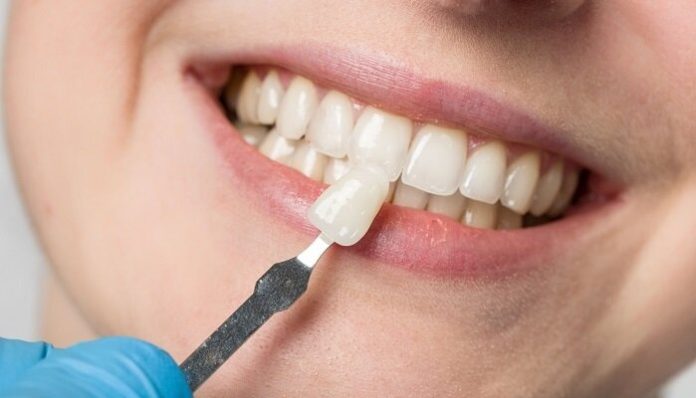
Porcelain veneers are thin shells of medical-grade ceramic attached to the front surfaces of teeth for an immediate smile transformation. They’re custom-made to fit your mouth and provide an attractive, realistic appearance. However, veneers are a significant investment and, therefore, not a decision to be taken lightly.

Are Porcelain Veneers Right For You?

Porcelain veneers can be an excellent solution for many people looking to improve the appearance of their teeth. However, it’s important to consider several factors to determine if they’re the right option for you. These include the following:

  • Personal Oral Health

Your oral health is essential in determining whether porcelain veneers suit you. If you’re dealing with gum disease or tooth decay, you’ll have to address these issues first, as they can affect the lifespan and effectiveness of veneers.

Your dentist should conduct a thorough oral examination before discussing which cosmetic dentistry option best suits your condition. This will help them assess the overall health of your teeth and gums, ensuring they can safely support veneers.ย 

Remember, porcelain veneers aren’t a cure-all for oral health issues. Instead, they’re a way to enhance an already healthy smile.

  • Cost

Porcelain veneers aren’t just a cosmetic investment but a financial one, too. In addition, dental insurance may not cover the cost of veneers since they’re often viewed as a cosmetic procedure. You’ll likely bear the cost out of pocket.

The cost may vary significantly, depending on where you live and the expertise of your chosen dentist. Costs can range from hundreds to thousands of dollars per tooth. Therefore, you must evaluate your budget carefully.ย 

Keep in mind that veneers, while a significant investment, can offer long-lasting benefits, enhancing not just your smile but your self-esteem and confidence as well. Consider whether these benefits justify the expense for your unique circumstances.

  • Lifespan And Maintenance

Another essential aspect to mull over is the lifespan and maintenance of porcelain veneers. Although veneers are sturdy, they’re not indestructible. You can expect a well-cared-for set to last you anywhere from 10 to 15 years, sometimes even longer. But they’re not a once-and-done deal. You’ll likely need to replace them now and then.

On the other hand, maintenance isn’t overly complex but requires commitment. Just like your natural teeth, veneers need daily brushing and flossing. Regular dental check-ups are a must too.

In addition, you want to avoid habits that could damage your veneers. These include nail-biting, chewing on pens, or opening packages with your teeth. Taking these considerations into account as part of your decision-making process will prevent unexpected surprises down the line.

  • Impact On Tooth Structure

When considering porcelain veneers, it’s crucial to understand their impact on your existing tooth structure. The process involves removing a small amount of your tooth enamel to create room for the veneer. This ensures the veneers fit snugly and look natural.

However, this part is also irreversible. Once the enamel is removed, it can’t be replaced. Losing enamel might also increase your teeth’s sensitivity to temperature extremities, like hot or cold beverages and food.ย 

It’s best to discuss this aspect in-depth with your dentist, understanding the process and its long-term effects. They can guide you based on your oral health and individual needs, ensuring you decide in your best interest.

  • The Expertise Of The Dentist

The expertise of your dentist is a factor you should seriously take into account. After all, you’re placing your trust and smile in their hands. It’s vital to ensure they have substantial experience in the field of cosmetic dentistry, particularly in porcelain veneers.

Look into their qualifications, as well as any advanced training or specializations they’ve acquired. Don’t shy away from asking questions about the number of veneer procedures they’ve performed or how they stay updated with the latest advancements in the field.

By thoroughly vetting your dentist’s expertise, you can move forward with your decision to get porcelain veneers with increased confidence and peace of mind.

The Takeaway

Deciding on porcelain veneers involves a careful examination of multiple aspects. It’s essential to weigh these factors and discuss them with a professional to determine if this is the right route for enhancing your smile.ย 

How To Alleviate Menopause Symptoms

Menopause is a natural phase in a woman’s life that marks the end of her reproductive years. While it is a normal biological process, menopause can be accompanied by a range of physical and emotional symptoms that vary from woman to woman. Hot flashes, night sweats, mood swings, and sleep disturbances are just a few of the common symptoms experienced during this transitional period. Fortunately, there are several effective ways to alleviate menopause symptoms and improve overall well-being. In this article, we will explore various strategies to help women navigate through menopause with greater ease and comfort.

Maintain a Balanced Diet

A balanced and nutritious diet plays a crucial role in managing menopause symptoms. Incorporate a variety of fruits, vegetables, whole grains, and lean proteins into your meals. Foods rich in calcium and vitamin D, such as dairy products and leafy greens, are essential for maintaining bone health during menopause. Additionally, reducing the intake of caffeine, alcohol, and spicy foods can help minimize hot flashes and night sweats. The people behind the Online Menopause Centre note that eating healthy meals is just one part of the puzzle, some women need professional help when dealing with menopause. Professionals the specialize in menopause can offer various treatments to ease your symptoms.

Regular Exercise

Regular physical activity has numerous benefits for women going through menopause. Exercise can help regulate mood, improve sleep quality, and reduce the risk of osteoporosis. Engaging in activities like walking, swimming, yoga, or strength training can boost energy levels and promote a sense of well-being. Aim for at least 30 minutes of moderate exercise most days of the week.

Stay Hydrated

Drinking an adequate amount of water is essential for overall health and can help alleviate menopause symptoms. Proper hydration can aid in reducing hot flashes and dry skin, as well as support overall bodily functions. Carry a water bottle with you throughout the day and drink water even when you don’t feel thirsty.

Manage Stress

Menopause can be a stressful time, and stress can exacerbate its symptoms. Incorporate stress-reduction techniques into your daily routine, such as mindfulness meditation, deep breathing exercises, or yoga. Engaging in hobbies, spending time with loved ones, or seeking support through counseling or support groups can also help manage stress and promote emotional well-being.

Hormone Therapy

For women experiencing severe menopause symptoms, hormone therapy (HT) can be an effective option. HT involves the use of hormones like estrogen and progesterone to balance hormone levels in the body and alleviate symptoms. However, hormone therapy may not be suitable for everyone, so it’s essential to consult with a healthcare provider to discuss individual risks and benefits.

Herbal Remedies

Some women find relief from menopause symptoms through herbal remedies and supplements. Black cohosh, evening primrose oil, and red clover are some of the herbal supplements that have been studied for their potential benefits in managing hot flashes and other symptoms. However, it’s essential to consult with a healthcare professional before trying any herbal remedies, as they can interact with medications or have adverse effects.

Maintain a Consistent Sleep Schedule

Sleep disturbances are common during menopause. To improve sleep quality, establish a consistent sleep schedule by going to bed and waking up at the same time every day. Create a calming bedtime routine, such as reading a book, taking a warm bath, or practicing relaxation techniques, to signal to your body that it’s time to wind down.

Menopause is a significant life transition that can present various challenges for women. However, with the right strategies and lifestyle adjustments, menopause symptoms can be effectively managed, allowing women to embrace this new phase of life with grace and confidence. By maintaining a balanced diet, engaging in regular exercise, managing stress, and considering appropriate therapies, women can alleviate menopause symptoms and focus on living a healthy and fulfilling life beyond menopause. Remember to consult with a healthcare professional for personalized advice and support during this transformative journey.

Translate ยป