











Close
Digital Health & Ai Innovation summit 2026

Survey Indicates Continued Growth In Telehealth Facility

Telehealth usage skyrocketed in the early stages of COVID-19, thereby accounting for a prominent share of all doctor’s appointments at their peak. And while virtual visits have since dipped in terms of volume, telehealth still goes on to aid millions of appointments every year. However, the question remains: is this trend going to stay the way it is?

The Phreesia survey that has been completed by almost 2000 patients suggests that it is going to be that way. Last year, 36% of patients who checked in for their doctor’s appointment on the Phreesia platform reported having had a virtual healthcare visit in the last six months. Apparently, the satisfaction happened to be high, with 71% of the recent telehealth users stating that they were either very or, in fact, extremely satisfied with a care option as robust as virtual visits.

Significantly, more than 7 out of 10 patients said that they were comfortable when it came to discussing prescriptions (72% of them) and health issues (75% of them) during their virtual visits. Besides, 59% rated their doctors as very good or even excellent when it came to addressing their concerns. Apart from this, 84% of those who sought recent telehealth said that they either remained somewhat or extremely likely to use virtual healthcare over the next 12 months due to the fact that it saved them time and gave them flexibility.

As per Mark McConaghy and Chris Millsom from Klick Health, telehealth happens to come with other advantages as well. The affordability, access-ease and capability to make sure that the patients feel comfortable when it comes to discussing sensitive topics are all reasons, they anticipate it gaining significance and popularity in the years to come.

As per McConaghy, telehealth goes on to help patients so that they can have challenging conversations in a setting where they feel safe.

He adds that in a telehealth conversation, one happens to be face-to-face in a place that is familiar and comfortable. It is not a scenario where one gets to feel subservient to the doctor; in fact, one gets to feel like equals when addressing health issues. One is absolutely going to witness telehealth continue to be a prime driver when it comes to healthcare for many people.

With telehealth becoming an integral part of the care mix, organisations that happen to focus only on their in-office materials and messaging would not reach some patients. They will in fact need to get hold of digital engagement solutions that can reach the exact patients, no matter where they happen to be.

There are also some extremely exciting spaces that brands can surely take advantage of as these offerings evolve, such as leveraging electronic health records so as to offer personalised resources during and after appointments related to telehealth.

The survey also goes on to share insights on what materials patients look for. Upon being asked what resources they would be inclined to receive when it comes to telehealth appointments, the patients listed information on medication, doctor discussion guides, and patient support programmes.

The way Millsom sees it, the supply of these resources at the point of care can help quicken the time to prescribe and also enhance adherence to medication. He adds that telehealth providers are indeed looking at this kind of opportunity as a way to deliver better outcomes.
Getting Your First Set Of Dentures: What Are Your Options?

Getting your first set of dentures can be a rewarding experience that restores your smile and improves your quality of life. However, with so many available options, deciding which type of dentures is best for you can be overwhelming.
This article explores the different types of dentures available for first-time users, including their advantages and disadvantages. By gaining insight into the options, you can decide the best fit for you.

Different Types of Dentures

Choosing the right set of dentures is a significant decision that requires careful consideration and a discussion with your dentist. Understanding the different tooth replacement solutions, their benefits and drawbacks can help you make an informed decision.

1. Implants or Implant-Retained Dentures

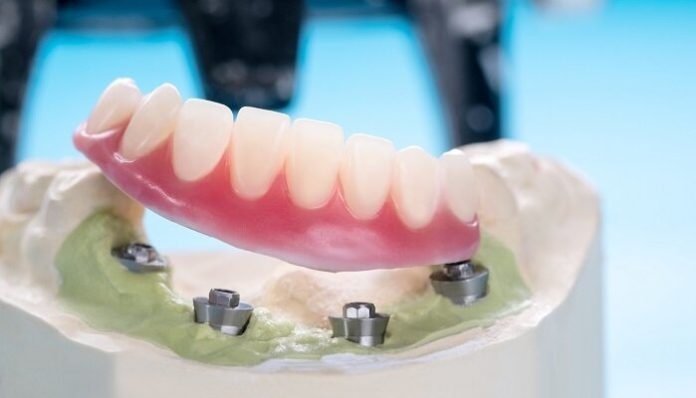
Retained dentures stay in place with the help of additional support mechanisms such as dental implants or natural teeth. One type of retained dentures is fixed or implant-supported dentures, which are permanently fixed to dental implants surgically placed in the jawbone.

The second type is overdentures. Removable dentures fit over the remaining natural teeth or dental implants and are held in place by attachments placed on the remaining teeth or attached to the dental implants.

Advantages

โ€ข Both types of retained dentures keep the jaw strong as the implant post replaces the
extracted damaged tooth.
โ€ข They help improve the overall denture stability due to the support of dental implants.
โ€ข Implant-supported dentures offer a permanent tooth replacement solution.

Disadvantages

โ€ข Implant-retained dentures require a surgical procedure, which adds to the overall treatment time and cost.
โ€ข Theyโ€™re unsuitable for individuals with low bone density in the jaw.

Dental implants may not be ideal for patients whoโ€™ve lost all their teeth. Consider the next option if youโ€™re too afraid to get dental surgery or want to save time and costs.

2. Conventional Full Dentures

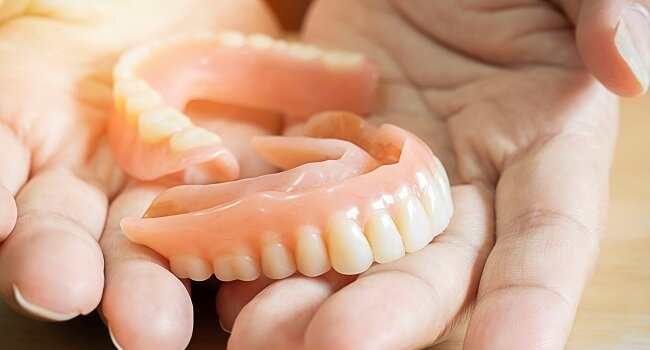
Conventional full dentures are the most preferred type of dentures. This option is suitable when
all of your natural teeth are missing. They consist of a complete set of upper and lower teeth
attached to a removable acrylic or metal base.
Advantages

โ€ข Theyโ€™re among the most affordable options.
โ€ข They donโ€™t require surgery or invasive procedures.
โ€ข They provide both aesthetic and functional benefits, restoring a personโ€™s smile while allowing them to chew and speak confidently.

Disadvantages

โ€ข Theyโ€™re less stable than retained dentures, leading to potential slippage or discomfort.
โ€ข Youโ€™ll need denture adhesives to stop them from slipping.
โ€ข They may contribute to bone loss in the jaw since these dentures donโ€™t have roots. As a result, the dentures may feel loose and require refitting or replacement.

While conventional full dentures donโ€™t offer a lifelong solution, properly cleaning and maintaining them is necessary to prolong their shelf-life.

3. Partial Dentures

Partial dentures are ideal for people missing a few of their teeth. These dentures consist of replacement teeth attached to a metal or acrylic base that matches a patientโ€™s gum color. Partial dentures are secured to your natural teeth using clasps or precision attachments.

Advantages

โ€ข Theyโ€™re cheaper compared to alternatives like dental implants or bridges.
โ€ข They can help restore basic functionality and improve speech.
โ€ข They allow for easier cleaning and maintenance of the denture and natural teeth.

Disadvantages

โ€ข You may experience initial discomfort until you adjust to wearing the partial denture.
โ€ข Patients have an increased potential for gum diseases if oral hygiene practices are not adequately maintained. Partial dentures are convenient to wear but may strain your natural teeth, as partial dentures rely on the latter for support.

4. Immediate Dentures

Immediate dentures are placed in the mouth shortly after extraction to protect your gums during the healing process and to minimize bleeding.

Advantages

โ€ข They provide immediate restoration of your chewing and speaking abilities following tooth extraction.
โ€ข They protect the extraction sites and promote healing.
โ€ข They allow you to maintain your appearance during the recovery period.

Disadvantages

โ€ข They may be uncomfortable due to frequent adjustments as the gums and jawbone heal.
โ€ข They are a temporary solution until the healing process completes, after which permanent dentures take their place.

Immediate dentures are meant to be worn temporarily and recommended for patients undergoing full mouth extraction.

5. Flexible Dentures

Flexible dentures are made from a flexible, lightweight material like nylon. They are a good option for patients who experience allergic reactions or discomfort with traditional acrylic dentures.

Advantages

โ€ข Their flexibility provides improved comfort and a natural appearance.
โ€ข They are more comfortable to wear as theyโ€™re lightweight and less bulky than traditional acrylic dentures.
โ€ข Theyโ€™re better adapted to the mouth’s contours, reducing the risks of sore spots or irritation.

Disadvantages

โ€ข They may be more prone to wear and tear over time.
โ€ข They have limited design options and color variations compared to traditional dentures.
โ€ข They may be more expensive due to the specialized materials and manufacturing processes involved.

Flexible dentures are often more comfortable than conventional ones because they do not have metal clasps. They are lightweight and will not break if you drop them, making them a suitable option for some patients.

Talk To Your Dentist

It is crucial to meet with your dentist to determine the most suitable denture for your needs. Your oral professional will assess your overall oral health, discuss the options, and make appropriate recommendations. They can also answer any questions about the different types of dentures, the process of getting dentures, and how to care for them once you have them.

Working closely with your dentist ensures that you receive personalized care and attention and get the best possible outcome. Remember, proper care and maintenance of your dentures are keys to their longevity and your oral health.

WHO Urges Careful Utilization of AI LLMs For Health Benefits

The World Health Organization (WHO) is urging caution in the use of artificial intelligence (AI) generated large language model tools (LLMs) to safeguard human well-being, safety, autonomy, and public health.

LLMs, such as Bard, ChatGPT, and Bert, mimic human communication and are rapidly expanding platforms. While their potential to support healthcare needs is exciting, WHO emphasizes the need for careful examination of risks when using LLMs to improve access to health information, decision support, and diagnostic capacity in under-resourced settings. This will ensure that protection is being taken for people’s health and it will also reduce inequities.

While recognizing the value of technology, including LLMs, in supporting healthcare professionals, patients, researchers, and scientists, the WHO is concerned that the necessary caution typically exercised with new technologies is not consistently applied to LLMs. This lack of caution could lead to errors by healthcare workers, harm to patients, erosion of trust in AI, and hinder the long-term benefits of such technologies worldwide.

The concerns related to the use of large language model tools (LLMs) in healthcare include:

  • Biased data used to train AI, leading to potentially misleading or inaccurate health information
  • LLMs generate responses that may appear authoritative and plausible but can be completely incorrect or contain serious errors, especially in health-related contexts
  • LLMs are being trained on data without proper consent, potentially compromising the protection of sensitive user data, including health data
  • Misuse of LLMs to create and spread highly convincing disinformation, making it difficult for the public to distinguish reliable health content
  • Need for ensuring patient safety and protection while technology firms work towards commercializing LLMs in healthcare

WHO suggests that these concerns should be addressed and concrete evidence of the benefits should be evaluated before the widespread adoption of LLMs in routine healthcare and medicine, whether it’s used by individuals, caregivers, or the administrators and policy-makers in the health system.

Furthermore, WHO emphasizes the significance of adhering to ethical principles and appropriate governance as outlined in their guidance on AI ethics and governance for health. The six principles according to WHO are:

  • Safeguarding autonomy
  • Ensuring transparency, explainability, and comprehensibility
  • Ensuring inclusiveness and equity
  • Fostering responsibility and accountability
  • Promoting human well-being alongside the public interest
  • Promoting AI that is responsive and sustainable.

It is essential to uphold these principles when designing, developing, and deploying AI in the healthcare sector.

What is the general recommendation from healthcare professionals regarding weightloss?

Maintaining a healthy weight is crucial for overall well-being, and weight loss is often recommended for those who are overweight or obese. However, with so much conflicting information about weight loss in the media, it can be challenging to understand the best approach to achieving a healthy weight.

Consulting healthcare professionals can help individuals navigate the process of weight loss, ensuring that they are achieving their goals safely and effectively. Professionals can provide guidance on a healthy diet, natural weight loss supplements, and regular physical activity.

The purpose of this article is to provide an overview of the general recommendations from healthcare professionals regarding weight loss, including the role of diet, exercise, and supplements, as well as psychological aspects of weight loss.

Understanding Weight Loss

Healthy weight loss involves the gradual shedding of excess body weight, typically 1-2 pounds per week. Rapid weight loss can be dangerous and often results in the loss of muscle mass rather than fat.

Maintaining a healthy weight is associated with a reduced risk of chronic diseases such as diabetes, heart disease, and certain types of cancer. Additionally, being at a healthy weight can improve overall quality of life.

There are many misconceptions surrounding weight loss, such as the idea that certain foods or supplements can result in rapid weight loss. It is important to understand that sustainable weight loss requires a combination of a healthy diet, regular physical activity, and an overall lifestyle change.

Recommendations from Healthcare Professionals

Diet plays a crucial role in weight loss. Healthcare professionals recommend a diet rich in fruits, vegetables, whole grains, lean proteins, and healthy fats. Additionally, reducing the consumption of processed foods, sugary drinks, and alcohol can aid in weight loss.

Healthcare professionals caution against relying only on supplements for weight loss. Instead, supplements should be used in conjunction with a healthy diet and regular physical activity. It can provide an additional boost to weight loss efforts.

These medications can offer various benefits such as suppressing appetite, increasing metabolism, and promoting fat burning. Additionally, some natural weight loss supplements offer other health benefits, such as reducing inflammation and improving digestion.

Regular physical activity is essential for weight loss and overall health. Healthcare professionals recommend at least 150 minutes of moderate-intensity aerobic exercise per week, in addition to strength training exercises at least twice per week.

Psychological Aspects of Weight Loss

Mental health plays a significant role in weight loss. Stress, anxiety, and depression can contribute to overeating and hinder weight loss efforts. Therefore, it is essential to address any underlying mental health issues during the weight loss process.

Having a positive mindset is crucial for successful weight loss. Individuals should focus on small goals and celebrate their successes, rather than becoming discouraged by setbacks. Additionally, practicing self-care activities such as meditation and yoga can help to reduce stress and improve mental health.

Plateaus and setbacks are common during weight loss. Healthcare professionals recommend adjusting diet and exercise routines, seeking support from a healthcare provider or support group, and focusing on non-scale victories such as improved energy levels and reduced body measurements.

Specific Recommendations for Men and Women

Men and women may face unique weight loss challenges due to differences in hormones and body composition. For example, men tend to carry weight in their belly, which may require targeted exercise and diet adjustments. In contrast, women may face unique weight loss challenges related to hormonal fluctuations during menstrual cycles and menopause.

Men should focus on incorporating cardiovascular exercise, strength training, and a healthy diet to reduce belly fat. Some supplements, which specifically target belly fat, may help as well. The best belly fat burner for men should be reducing inflammation, increasing metabolism, and suppressing appetite.

Women may face unique weight loss challenges related to hormonal fluctuations during menstrual cycles and menopause. Additionally, women may have a higher percentage of body fat and lower muscle mass compared to men. Therefore, women should focus on strength training exercises to build lean muscle mass, in addition to a healthy diet and regular exercise.

The Role of Healthcare Professionals in Weight Loss

Healthcare professionals play an essential role in guiding weight loss efforts. They can provide personalized recommendations for diet and exercise, monitor progress, and adjust plans as needed. Additionally, healthcare professionals can address any underlying medical conditions that may contribute to weight gain.

Individualized weight loss plans are essential for success. Healthcare professionals can take into account an individual’s unique medical history, lifestyle, and preferences when creating a plan. This can increase adherence to the plan and improve overall outcomes.

Individuals who are struggling with weight loss should seek professional help. Healthcare professionals can provide guidance, support, and motivation throughout the weight loss process. Additionally, support groups and counseling services may be beneficial for addressing psychological factors related to weight loss.

Key Takeaways

Healthcare professionals recommend a combination of a healthy diet, regular physical activity, and a positive mindset for sustainable weight loss. Natural supplements may aid in weight loss efforts, but should not be relied upon solely.

Adherence to professional advice is crucial for successful weight loss. Individuals should work closely with healthcare professionals and follow personalized weight loss plans to achieve their goals safely and effectively.

The journey of weight loss can be challenging, but with the right support and guidance, individuals can achieve their goals and improve their overall health and well-being. It is important to approach weight loss with a positive mindset and a willingness to make lifestyle changes for long-term success.

Age is not just alone Factor to determine chromosomal abnormalities, among the Pregnant women : Reveals a Research Study by Redcliffe Labs

High stress during pregnancy can lead to complications

Redcliffe Labs, a leading omni-channel Pan India diagnostics service provider, has come out with an comprehensive research study on prenatal screening for chromosomal anomalies. Led by Dr. Sohini Sengupta, Medical Laboratory Director, Redcliffe Labs and a team of esteemed doctors, this collaborative effort took a period of four months and was aimed at addressing the lack of scientific data on antenatal risk assessment among Indian women.

The study was performed on a sample of 362 pregnant women for prenatal screening. Nine (2.48%) women out of 362 were screen positive for chromosomopathy

The study focused on the significance of Maternal Dual Marker screening during the first trimester to predict the probability of a fetus being born with chromosomal abnormalities such as Down Syndrome, Edward Syndrome, and Patau Syndrome. By utilizing hormonal assays, ultrasonography details, maternal and family history, and sophisticated software-based algorithms Ssdwlab version 6.3, the research team identified screen-positive and screen-negative pregnant women, enabling doctors to make informed decisions about the future outcome of the pregnancy.

7.9 million births globally each year have significant birth defects, and 94% of these births take place in middle- and low-income countries, according to the March of Dimes (MOD) world report on birth defects. Birth abnormalities account for 7% of all neonatal mortality and 3.3 million under-five deaths, according to a joint World Health Organization (WHO) and MOD conference report.

Congenital abnormalities are one of the top 10 causes of newborn deaths in India. The prevalence of birth abnormalities in India ranges from 61 to 69.9 per 1000 live births. According to mortality data from India, 16% of all birth defect fatalities among children were under the age of five in 2017. India accounts for 21% of birth defect-related early neonatal mortality cases globally.

Early detection of congenital anomalies during pregnancy can prevent them. Regardless of maternal age or the likelihood of chromosomal abnormality, all pregnant patients should be informed about and given the option of prenatal screening (serum screening with or without NT ultrasound) as well as diagnostic testing (chorionic villus sampling [CVS] or amniocentesis) to determine whether they have a high or low risk of developing an aneuploid foetus with the aid of trisomy screening.

Dheeraj Jain, Founder Redcliffe Labs said, โ€œThis focused deep research is published in the International Journal of Reproduction, Contraception, Obstetrics & Gynaecology. This is the first of its kind unique paper in India and being the most populated country on earth with 23 million births last year, unfortunately no scientific data on Antenatal Risk Assessment performed in Indian women is availableโ€

One of the key findings of this study is the importance of a detailed risk assessment using a combination of factors rather than relying solely on maternal age as a risk indicator. While it is widely believed that women above the age of 35 have an increased risk of giving birth to children with chromosomal abnormalities, the research conducted by Redcliffe reveals that age alone may not accurately reflect the true risk. By incorporating high levels of Free Beta HCG, low levels of PAPP-A hormones, high NT values, and the status of the nasal bone, the research team successfully correlated these factors with a higher probability of positive chromosomal anomalies in the fetus.

Dr. Sohini Sengupta, the lead researcher, expressed her excitement about the research findings, stating, “This study is unique because it fills a critical knowledge gap in antenatal risk assessment in Indian women. By collaborating with Roche Diagnostics India to utilise their advanced diagnostic instrument the cobasยฎ 8000, and Elecsysยฎ PAPP-A & Elecsysยฎ free ฮฒhCG, we were able to obtain accurate data and generate valuable insights. We believe that this research will contribute to improved medical decision-making and patient outcomes across all genres.”

Dr. Sandeep Sewlikar, Head โ€“ Medical, Scientific and Regulatory Affairs, Roche Diagnostics India commented, โ€œWe are committed to ensuring that women benefit from tailored and equitable healthcare programmes across all stages of their life. We are therefore constantly working towards advancing diagnostic tools through research and innovation to enable better clinical decision. Our collaboration with Redcliffe and Dr. Sohini highlights our commitment to improving patient outcomes in the field of prenatal care. We are pleased to have contributed our advanced technologies to this research, which has the potential to make a significant impact on the lives of women and their unborn children.โ€

This pioneering research work at Redcliffe, on prenatal screening for chromosomal anomalies conducted by Dr. Sohini and her team, signifies a major step forward in the field of prenatal care. The study’s findings have the potential to positively impact the lives of countless women and their unborn children, empowering healthcare professionals with critical information for informed decision-making.

Significant Reduction In NHS Waiting Times, New Figures Show

The National Health Service (NHS) in England has reported significant progress in reducing long patient waits and improving urgent, emergency, and cancer care services. This news comes from the head of the NHS, who commends the health service’s advancements.

As of April, only 10,737 patients had been waiting for more than 18 months, a reduction of more than 90% from 124,911 in September 2021 and over 80% since January when the number stood at 54,882.

Ambulance response times have improved notably, with average category two response times at 28.5 minutes and category one at 8 minutesโ€”both the lowest in nearly two years. For the first time since the pandemic began, the 62-day cancer backlog has decreased year-on-year, with those waiting two months or more down from 21,823 at the end of the previous financial year to 19,248 at the end of March 2023. This represents a drop of almost 15,000 from a peak of 34,000 in July 2022.

Notably, the reduction of this backlog has been accomplished despite a record-high number of urgent cancer referrals over the past two years. On average, the figure fell by over 900 per week in the first three months of 2023.

The NHS Elective Recovery Plan’s goal to virtually eradicate 18-month waits or more for elective treatment by April has seen considerable progress. Despite an exceptionally busy winter season, almost half of the NHS providers had no patients waiting, barring those who opted for a long wait or required complex surgeries.

Moreover, 21% of NHS providers have completely eliminated 18-month waits. About 41% of those still waiting have been given alternate treatment options but chose to wait or need complex surgeries. Roughly half of the remaining patients waiting are concentrated in 10 NHS trusts. In the face of the most disruptive industrial action in its history, which resulted in the postponement of around 500,000 hospital appointments, the NHS has managed to treat over 2 million people who would otherwise have breached the 18-month wait since February of the previous year.

Additionally, the NHS carried out a record-breaking 2.3 million diagnostic tests and checks in March, surpassing the previous monthly record by over 128,000.

Amanda Pritchard, NHS Chief Executive, praised the efforts of frontline colleagues in achieving these milestones under immense pressure. She stated that while there is more work ahead, the progress made, especially during a challenging winter season compounded by both the flu and COVID-19, is notable.

Prime Minister Rishi Sunak reaffirmed his commitment to reducing NHS waiting lists and expressed confidence in further progress with the backing of record government investment and the ongoing efforts of the NHS.

Health and Social Care Secretary Steve Barclay highlighted the government’s commitment to cutting waiting lists as one of its five key priorities. The NHS has now cut 18-month waits by more than 91%, a significant reduction from the peak of nearly 125,000 people waiting for treatment. Barclay emphasized the progress made under the Elective Recovery Plan despite NHS strikes and a challenging winter, adding that the government will continue to support the NHS in addressing COVID backlogs with almost ยฃ14.1 billion in additional funding over the next two years on top of record funding.

Common Signs and Symptoms of Anxiety

Anxiety is a natural response to stressful situations, but at times, it can begin to interfere with your daily life. Millions of people worldwide are affected by anxiety disorders, and itโ€™s becoming more and more prevalent.

Itโ€™s important to understand the symptoms of this condition so that you take the right measures before it becomes worse. Avoiding your feelings can end up causing further mental problems later on down the road.

While it affects everyone differently, below we are going to take a look at some of the most common signs.

Constant Worrying

One of the most common symptoms of anxiety is constant worrying. Those with the disorder tend to worry excessively about everyday issues, including health, relationships, work, or money.

While we all experience these concerns, those with anxiety fixate on them. This can lead to negative self-talk as they arenโ€™t able to control or find a fix to the situation.

Other individuals may have rather irrational fears. They could be afraid of a circumstance that poses no large threat. For example, riding in an elevator, taking the bus, or going out to the shops could prove overwhelming.

Muscle Tension

While anxiety is known as a mental condition, it can also cause physical symptoms. Muscle tension, headaches, and stomach issues occur when your muscles are constantly contracted due to feelings of stress.

In some cases, individuals may engage in habits or behavior that can cause further complications, such as biting their lips or cheeks. You can read moreย here.

Sleep Issues

Like many other health problems, anxiety can disrupt sleep patterns. Individuals may find themselves suffering from insomnia or waking up frequently throughout the night.

Generally, this is due to obsessive worrying as we mentioned above, or racing thoughts which make it hard to switch off. Fatigue and poorย sleep hygieneย can then worsen other symptoms mentioned on this list.

Social Isolation

Social isolation can occur for a variety of reasons. In most cases, those with anย anxietyย disorder feel uncomfortable with large groups of people and have trouble making decisions regarding parties and events.

They may avoid social outings altogether, which can then lead to feelings of isolation and loneliness. While it can be difficult, itโ€™s possible to overcome these concerns by seeking treatment.

Panic Attacks

Panic attacks happen without warning and can be described as sudden episodes of intense fear or discomfort. During this period, an individual may experience chest pain, shortness of breath, sweating, and shaking. Excessive sweating, especially of the palms, may also be a sign of hyperhidrosis, which you canย read more about here. These attacks can be overwhelming and tend to prevent the person from moving forward due to the fear of another attack. Deep breathing and counting strategies can help the body calm down during these times.

Final Words

Anxiety can affect everyone differently, but itโ€™s important to know that itโ€™s treatable and manageable. If you or a loved one are experiencing any of the signs and symptoms above, reach out and seek professional help and support. Youโ€™re not alone, and there are ways to overcome this condition.

Hypothermic Machine Perfusion: Improving the Organ Transplant Process and Hospital Operations

Transplantable organs are in chronic shortage in the U.S., and there continues to be a woeful imbalance between donor organ supply and demand. One hundred five thousand eight hundred individuals are on the nationโ€™s transplant waiting list today, and a new patient is added every 10 minutes. Seventeen people die every day because they did not receive a life-saving organ in time, often because the donor organโ€™s journey to the patient put the organ quality at risk.

It is common for the organ to be shipped in a decades-old, low-tech preservation modality: chilled on ice and stored in a coolerโ€”otherwise known as static cold storage (SCS).

Hospitals are looking for better ways to preserve and transport organs for transplant to mitigate this risk. Hypothermic machine perfusion (HMP) is a promising solution that has rapidly gained broad adoption in the US and worldwide.

With the help of HMP technology, hospital leadership and administrators significantly improve the delicate environment of its transplant program: streamlining hospital operations surrounding transplants, providing more transplants per year, and improving patient outcomes.

Weighing the Costs and Patient Benefits of Static Cold Storage vs. Cold Perfusion

There are three FDA-approved methods for portable organ preservation: static cold storage, HMP, and normothermic machine perfusion (NMP). While static cold storage relies entirely on a passive system of maintaining near-freezing temperatures to slow tissue degradation, both HMP and NMP employ active preservation โ€“ a method that pumps fluids through the organ to keep it in a life-like state. While HMP and NMP preserve healthy tissue for longer, NMP maintains the donor organ at body temperature, and HMP gently circulates a cool preservation solution that keeps the organ in a moderate hypothermic state just above 32 degrees Celsius.

These three methods come with very different costs, advantages, and drawbacks.

Static cold storage (the cool box filled with ice) has been the traditional approach for transporting donor organs. It is low-cost and requires essentially no training to implement. Among the several limitations of static cold storage, a key drawback is that only organs that meet strict criteria of age, condition, and type of death are accepted for this preservation modality, and these organs are not typically matched to waiting-list patients who are incredibly sick. Additionally, in the case of a kidney, the organ must be removed from the donor within 30 minutes of death and transported to the recipient’s hospital within 18-24 hours. If the organ has been in transit beyond this window, the surgeon will likely reject it upon arrival.

In practice, organ transplantation is considered time-sensitive and often conducted as an emergency-like procedure, putting added strain on hospital resources. When a viable donor organ is accepted for transplant, the intended organ recipient, surgeon, and support staff are often rushed to the operating room to minimize the time the organ has been in transit. This becomes more urgent when a donor organ is transported via static cold storage. With this method, organs commonly suffer inevitable damage through ischemia, another limitation of SCS which causes it to be considered inferior in many circumstances.

By comparison, hypothermic and normothermic preservation are observed to help increase the quality and quantity of donor organs for transplantation. However, HMP and NMP each have unique logistical and handling requirements.

For example, while each modality requires operator training, NMP devices employ a complex technological system to keep the organ at body temperature, control contamination/infection risk, biological waste management and require significant advanced training. In contrast, HMP devices are typically considered less complex and more user-friendly. Organs preserved via HMP are pumped with a chilled, nutrient-rich, oxygenated solution that does not contain blood or blood products. The cooling source for the preservation solution is an integrated ice-filled chamber that, while simple in its design, is robust and effective in maintaining the prescribed hypothermic temperature for 18-24 hours. Another essential comparison between HMP and NMP is if a NMP machine stops working during donor organ preservation, there is no fail-safe. Comparatively, if a hypothermic system fails,  it automatically reverts to static cold storage mode, preserving the donor organ in a protective hypothermic environment during transit. HMP for kidneys has also demonstrated successful ex-vivo preservation of donor organs for up to 48-72 hours.

Investing in HMP to Improve Hospital Operations

When considering a new organ preservation technology, hospital administrators will likely want to evaluate a full range of financial implications of adoption. Typically, expensive and complex new technologies, however promising, are only practical for some hospital operating budgets. Alternatively, low-cost solutions are often associated with mediocre performance, causing operational disruptions and wasting time and money. Moderately priced and easy to use, today’s HMP technologies strike a middle ground. HMP has become a standard of care for preserving and transporting many categories of donor kidneys in transplant programs worldwide.

By keeping organs safely preserved longer, HMP gives hospital administrators hours of flexibility when scheduling transplants and strategizing staffing within the hospital. In many transplant programs that have adopted HMP, operations are performed more like routine scheduled surgery vs. emergency-like procedures. In transplant centers with HMP, scheduling surgeries during regular daytime hours supports better outcomes as surgeons and their staff, patients, and their families prepare and perform under more optimal conditions.

HMP also allows hospitals to accept organs from expanded criteria donors that otherwise are not deemed acceptable. Instead of turning down organs otherwise considered as too โ€˜marginalโ€™ due to factors of donor age, prior medical or lifestyle conditions, and circumstances of death, clinical data has demonstrated that a broad scope of expanded criteria organs can be transplanted with successful outcomes when HMP is utilized. HMP creates flexibility and maximizes hospital finances and resources while allowing a significant increase in life-saving transplants for waiting list patients.

In addition, patients who receive organs transported via HMP tend to need less time to recover in the hospital, experience fewer complications and remissions, and allow their new organ to remain functional for longer compared to patients with organs transported by static cold storage. Using technology that enables patients to recover faster and require fewer hospital visits post-transplant, hospitals can accelerate patient turnover, thereby improving profitability by freeing up beds and reducing complications that cost tens of thousands of dollars per patient.

Cause and Effect

The productivity benefits and improved clinical outcomes enabled by HMP far outweigh the moderate costs associated with purchasing technology and training staff to use it. As there are several organ preservation technologies on the market, administrators interested in exploring options should verify clinical benefits that are clearly defined and bring sustainable value to the hospitalโ€™s organ transplant operations. Many companies claim their product offering will improve patient outcomes. Still, many administrators will require concrete examples and evidence that prove claimed technological performance and the providerโ€™s capability to deliver essential support. Less diligence could result in poorer performance and results than the transplant administratorโ€™s technology.

Organ preservation technologies are advancing like never before in the history of transplantation. Adopting the right new technology for your hospital can provide not only financial and patient outcome benefits but downstream improvements, including improved staff organization, reduced stress, and better utilization of facility resources. In particular, the adoption and routine use of HMP technology can help achieve an important goal;  providing more patients with a better opportunity to receive the transplant they and their loved ones have been hoping for, and in so doing, delivering a second chance at life.

Author: David Kravitz, CEO and Founder of Organ Recovery Systems

Thermo Fisher Scientific Expands ImmunoCAP Test Availability Across U.S.

Thermo Fisher Scientific, the world leader in serving science announced it is making ImmunoCAPโ„ข Specific IgE tests available to more patients across the U.S. The ImmunoCAP tests are now available to patients at all Kroger Health The Little Clinic LLC (“The Little Clinic”) locations, through a blood draw taken on site.

The ImmunoCAP specific IgE regional respiratory profiles now offered at The Little Clinicยฎ require one blood draw that is analyzed at an offsite clinical laboratory. These tests are not new to the industry and are backed by 50+ years of research and development. This expansion into The Little Clinic sites will help enable more patients to take actionable preventative health steps to mitigate their allergies.

Theย Asthma and Allergy Foundation of Americaย estimates that more than 100 million Americans experience various types of allergies each year, with allergies being the sixth leading cause of chronic illness in the U.S.ยน Identifying potential allergic triggers is an important component of managing patients presenting with upper and lower respiratory symptoms.

Discovering the actual cause of allergy-like symptoms is vital to empowering patients to address their condition from a preventative medicine standpoint, allowing a more personalized management plan,” said Gary Falcetano, PA-C, AE-C, scientific affairs manager, Thermo Fisher Scientific. “Adding trusted and accurate ImmunoCAP testing to all The Little Clinic locations will enable clinicians to help many more patients get the answers they need to proactively manage their health.”

The Little Clinicโ€™s onsite licensed health care professionals provide credible and convenient care to patients in a neighborhood grocery store. These clinicians can deliver personalized care through a variety of convenient, low-cost treatment, screening, and diagnostic services. Offering the ImmunoCAP blood test in local communities is one more service that makes healthcare accessible and convenient to patients.

Documented in more than 4,000 peer-reviewed publications and referenced in health guidelines around the globe, ImmunoCAP blood tests can help identify allergic sensitization to common environmental allergens โ€“ seasonal and perennial, indoor and outdoor.

ImmunoCAP specific IgE tests are the gold standard inย in-vitroย allergy diagnostics with hundreds of whole allergen, allergen mixes, and allergen component tests, which can be performed irrespective of a patientโ€™s age, skin condition, medication, disease activity, and pregnancy.ยฒห‰โด

CDC Suggests Continued Use of Masks In Healthcare Facilities

Even as COVID-19 winds down considerably, the CDC recommends that healthcare facilities give serious thought to whether broader usage of face masking is ideal. In an update rolled out on May 8 in the COVID-19 infection prevention and control guidelines, the CDC went ahead with warning hospitals as well as other healthcare facilities that they will no longer be able to rely on the surveillance tool pertaining to the agencyโ€™s community transmission.

It is well to be noted that the data required so as to publish the local-level metric will no longer be shared with the CDC due to the end of the PHE on May 11, said the CDC. That said, source control will continue to be a significant intervention during high respiratory virus transmission periods, as confirmed by the CDC.

Barring the community transmission metric, the healthcare facilities should go ahead and identify local metrics that could go on to reflect the elevated community respiratory viral functioning to gauge when broader source control within the facility might be warranted.

Source control, like the use of well-fitting masks, happens to be a key strategy so as to prevent the spread of respiratory viruses, as per the CDC, and apparently the recommendation for healthcare workers has long been described for basic precautions like when the worker happens to be sick or has symptoms like coughing.

Expanding the use of masks more broadly has significantly greater benefits and should definitely be considered when going ahead with patient care for those at higher risk of infection due to respiratory viruses and also during the high respiratory transmission phase in the community.

The CDC encouraged, in cases of former consideration for healthcare facilities, to tier infection protection measures that are based on the population of patients that happen to be served, such as implementing masking for those people who offer care within a transplant unit or a cancer care facility. Organisations can also go ahead with seeking input from patient staff and groups if such measures are supported, and they must take this into account when coordinating practises with other facilities that are in their jurisdiction and may share patients.

When it comes to determining the activity of local respiratory viruses due to the loss of community transmission resources, the CDC remarked that it is currently in the early stages of the development of new metrics for facilities to consult. Healthcare facilities, in the meantime, can consider the recommendation of masking during the typical season of respiratory viruses, like the months from October to April.

They should also go ahead with the review of more general metrics in terms of incidences pertaining to respiratory viruses, like the interactive dashboard of the Respiratory Virus Hospitalisation Surveillance Network, information from National Emergency Department visits when it comes to COVID-19, and also state-level outpatient visits that get captured by way of ILINet, in case they happen to be available for their jurisdiction.

Nevertheless, even in cases when masking isnโ€™t required by the facility, the individual must continue with the mask usage or a respirator thatโ€™s based on the perceived level of risk, personal preference, and also potential when it comes to developing acute diseases as and when they get exposed, said the CDC.

It is well to be noted that the guidance update by the CDC came a week after the White House went on to announce that it was going to end the requirements pertaining to COVID-19 vaccination for the certified facilities of the Centres for Medicare and Medicaid Services. The decision of the administration to officially halt the PHE on May 11 went on to herald major changes when it comes to specific flexibilities and waivers, testing coverage related to COVID-19, and also data surveillance and reporting.

Translate ยป