









Close
Digital Health & Ai Innovation summit 2026

Siemens Healthineers launches next-gen hematology analyzers

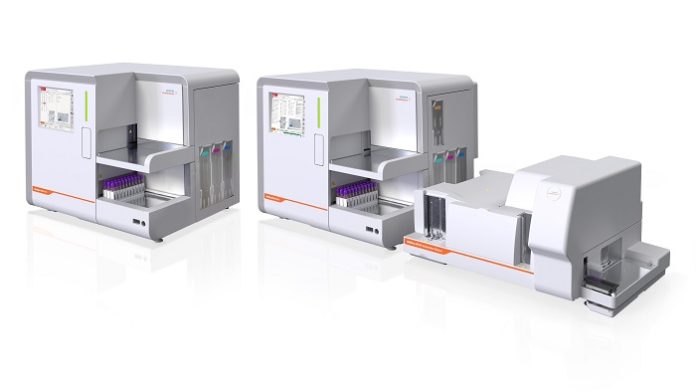
Siemens Healthineers is now offering two new solutions for high-volume hematology testing, the Atellica® HEMA 570 Analyzer and the Atellica® HEMA 580 Analyzer. Vital to patient care, the complete blood count (CBC) is among the most performed diagnostic tests in the lab and often provides the first indication of illness in a patient. Physicians depend on the lab to deliver critical hematology information reliably. Traditionally, hematology testing is complex, time-sensitive, and requires experienced laboratory staff to evaluate results before physicians receive them. Broad use of CBC testing and increasing staff shortages affect the lab’s ability to rapidly review and release patients’ test results. The Atellica HEMA 570 and Atellica HEMA 580 Analyzers offer integrated automation and intelligence to break down barriers that hinder workflow efficiency and produce patient results faster.

We hear from labs that they need agility, reliability, and speed,” said Sharon Bracken, Head of Diagnostics, Siemens Healthineers. “The Atellica HEMA analyzers combine workflow improvements with demonstrated technology to bring hematology testing into the future. We’re delivering the breakthroughs labs need to produce quality patient results faster.”

Turnaround time expectations for routine CBCs in hospital or critical care settings often are one hour or less. For STATs, target turnaround times are ideally less than 10 minutes. The Atellica HEMA 570 and Atellica HEMA 580 Analyzers can produce a throughput of up to 120 tests per hour. Their user-friendly designs significantly reduce time-consuming daily maintenance while supporting rapid reagent changes.

The most vulnerable patients — oncology, renal, and neonatal, for example — require hematology testing to monitor progress and inform care adjustments. Small variations in patient results can be critical if not flagged, or if incorrectly interpreted. Hematology expertise in the lab is disappearing due to a shrinking labor pool. The Atellica HEMA 570 and Atellica HEMA 580 Analyzers employ advanced data management capabilities to mitigate the expertise gap and empower staff of any skill level during result interpretations.

To save time and provide physicians information faster, normal results — those that do not violate pre-established criteria—are released directly into a laboratory information system via the analyzers’ rules-based auto validation capability. Abnormalities are flagged and coded by severity to clearly indicate which patient samples require a technician’s closer attention. When results require follow-up actions such as dilutions or slide reviews, standardized guidance can be displayed to ensure that staff perform next steps in accordance with lab protocols.

“The Atellica HEMA Analyzers are fast, very easy-to-use, intuitive instruments,” said Dr. Laura Ciardelli, Biologist and Laboratory Hematology Manager, Policlinico San Matteo, Pavia, Italy. “Regarding clinical performance, we evaluated various types of samples, both low- and high-cell counts. And for every parameter and every different type of situation we always obtained optimal performance, both for sensitivity and repeatability. ”

The Atellica HEMA 570 Analyzer measures 43 cell parameters. An additional 12 parameters are available on the Atellica HEMA 580 Analyzer, including immature red blood cell indicators relevant to certain patient populations, and an optical-based platelet count that reduces analytical interferences found in other detection technologies. Up to six Atellica HEMA 570 and Atellica HEMA 580 Analyzers can be integrated together to maximize throughput with intelligent, automated workload balancing and reflexive testing that minimizes operator involvement.

To further simplify workflow, Scopio Labs’ full-field digital cell morphology technology can operate adjacent to the Atellica HEMA 570 and Atellica HEMA 580 Analyzers, enabling clinical laboratorians to examine patient blood cell samples digitally instead of under a microscope. The Scopio X100 and Scopio X100HT imaging platforms complement the Siemens Healthineers systems to offer labs high-resolution, full-field viewing for peripheral blood specimens and artificial intelligence-based morphological analysis with remote viewing capabilities through the secure hospital network.

Philips launches AI-powered CT system to accelerate routine radiology and high-volume screening programs

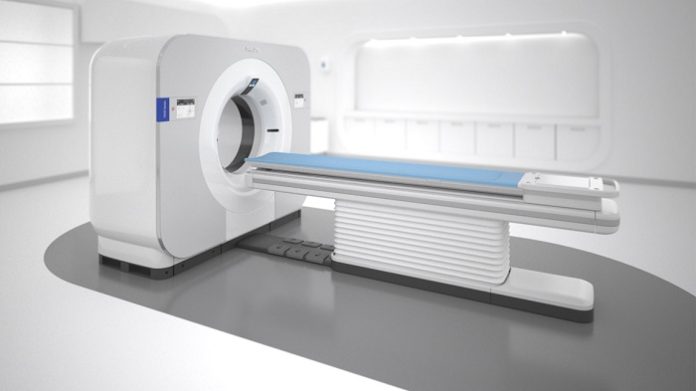
Royal Philips , a global leader in health technology announced the launch of the Philips CT 3500, a new high-throughput CT system targeting the needs of routine radiology and high-volume screening programs. Powered by AI, the Philips CT 3500 includes a range of image-reconstruction and workflow-enhancing features that help to deliver the consistency, speed, and first-time-right image quality needed for confident diagnoses by clinicians and increased return on investment – even in the most demanding, high-volume care settings.

“Increased financial pressures, chronic staff shortages, and escalating patient demand are driving radiology departments to do everything they can to maximize throughput, to guarantee equipment uptime, and to avoid repeat scans,” said Frans Venker, General Manager Computed Tomography at Philips. “Today, many radiology departments scan hundreds of patients a day. We’ve engineered the Philips CT 3500 to reduce the pain points that these high-volume departments face by developing a versatile, reliable, high-throughput imaging solution. It automates radiographers’ most time-consuming steps so that they can spend more time focusing on the patient.”

Accelerating workflows
The CT 3500 features Philips’ latest AI-powered CT Smart Workflow to automate every step in the scanning process. Precise Position uses a camera to automatically determine patient orientation, improving positioning accuracy by 50% while reducing patient positioning time by up to 23% [1]. Precise Planning automatically determines the area to be scanned and the appropriate Exam Card based on the patient’s anatomy. This provides fast exam preparation and can improve inter-operator consistency. Precise Intervention can offer automated setup and treatment guidance for tissue biopsies and other needle-based interventions.

Delivering high-quality images at low dose
Precise Image AI-based reconstruction is designed to deliver the high image quality needed by radiologists to make a precise diagnosis. Precise Image allows radiology departments to simultaneously achieve up to 60% improved low-contrast detectability, 85% lower noise, and 80% lower radiation dose. All reference protocols are reconstructed in under a minute to support even the busiest radiology departments [2,3].

Boosting up-time
The CT 3500 is designed to deliver the uninterrupted imaging required by high-throughput radiology departments and screening programs including mobile screening units. To achieve this level of reliability, the CT 3500 is built on Philips’ highly regarded vMRC tube and tracks critical performance metrics with internal and external proactive monitoring sensors that allow Philips service engineers to intervene prior to any potential impact on CT operations.

Paradromics Raises $33 Million in Funding, Achieves Breakthrough Medical Device Designation from FDA

Paradromics Raises $33 Million in Funding, Achieves Breakthrough Medical Device Designation from FDA

Paradromics Inc., the leading developer of high data-rate brain-computer interfaces announced a $33 million Series A funding round led by Prime Movers Lab. Additional investors include Westcott Investment Group, Dolby Family Ventures, and Green Sands Equity. The new funding will help Paradromics launch its first-in-human clinical trial for the Connexus® Direct Data Interface (DDI).

In addition to the funding, Paradromics announced that the U.S. Food and Drug Administration has granted the Connexus DDI “Breakthrough Device Designation”, which offers an expedited review process for transformative medical devices with the potential to treat irreversibly debilitating conditions.

Conditions like ALS, spinal cord injury, and stroke may cause severe motor impairment, affecting patients’ ability to communicate. Many of these patients have intact, highly active brains but may struggle to speak or use a computer or rely on slow, frustrating gaze-tracking systems. The first application of the Connexus DDI is an assistive communication device that translates brain signals into speech and movement in real time, restoring social connection and enabling independent engagement with technology.

By building a medical device to record directly from the brain, the Paradromics neuroprosthesis could restore communication and functional independence to thousands of people living with paralysis,” says Dr. David Brandman, a functional neurosurgeon and BCI researcher.

Beyond assistive communication, BCI has the potential to address a range of currently unmet medical needs, from motor and sensory deficits to chronic pain and mood disorders. Treatment-resistant mental illness alone represents an estimated U.S. market of $240 billion. This latest funding round demonstrates confidence that Paradromics is a well-positioned player in these massive BCI markets.

“Prime Movers Lab backs transformational scientific companies that are ready to transform billions of lives. I think it’s no longer a question of whether brain computer interfaces will become the standard treatment for many neurological problems. It’s now about how big the brain computer interface market will be,” said Dakin Sloss, Founder and General Partner at Prime Movers Lab. Brain computer interfaces will transform mental health treatments, making it an exciting investment opportunity. We’re seeing only a couple of companies emerge as real contenders in the space, and I believe Paradromics will be the one that moves into successful human trials.”

Paradromics CEO Matt Angle sees both the Breakthrough Designation and this recent funding as significant steps forward on the company’s path to market. “This designation recognizes the transformative promise of our device, and we look forward to continued coordination with the FDA to accelerate its availability. And this investment validates our leadership position among the small group of BCI platform companies on the verge of commercialization.”

Green Sands Equity Founder and CEO Reema Khan concurs, saying, “We take great pride in being a part of Paradromics’ transformative journey. While all attention was focused on Neuralink, Paradromics quietly developed a breakthrough device and technology that surpasses any other in this field. While their focus remains on neurological disorders, the potential applications of their technology are far-reaching and diverse.”


Abbott Receives U.S. FDA Clearance for Assert-IQ Insertable Cardiac Monitor

Abbott announced that its Assert-IQ™ insertable cardiac monitor (ICM) has received U.S. FDA clearance, giving physicians a new option for diagnostic evaluation and long-term monitoring of people experiencing irregular heartbeats.

The Assert-IQ ICM is a significant advancement amongst the tools that are currently available for the diagnoses of irregular heart rhythms. The device is small and is inserted just under the skin, patients can go about their daily lives, enjoying the activities, and the ICM does the work.

With Assert-IQ ICM’s advanced algorithms, it can detect even hard-to-spot irregularities and help physicians determine a treatment course. It can be a very valuable tool both for short-term and long-term management of cardiac arrhythmia disorders.

The Assert-IQ ICM also offers advanced diagnostic capabilities to provide physicians with more clinically relevant information about the cardiovascular health of the patient, allowing care providers to make clinical decisions faster. Using Bluetooth® technology, Assert-IQ ICM is designed to remain connected to a transmitter – usually the person’s own cell phone – where it cheques heart rhythms every 20 seconds, transmitting results in real-time to the clinic’s portal.

Zymo Research has teamed up with Burst Diagnostics to launch a first-in-class diagnostic platform

Zymo Research has teamed up with Burst Diagnostics to launch a first-in-class diagnostic platform

This partnership will transform the point-of-care diagnostics industry with faster, more precise detection of biomarkers, ultimately revolutionising healthcare.

Zymo Research will provide Burst Diagnostics with the necessary tools to enhance their platform, achieving unprecedented sensitivity and multiplexing capabilities in antigen-based point-of-care testing not seen before in the market.

The tests developed are simple, convenient, and inexpensive like rapid antigen tests but capable of producing laboratory-quality data with the level of sensitivity and accuracy previously exclusive to central lab run tests.

The creation of this advanced and ultra-sensitive technology will transform the industry and significantly impact the healthcare sector. It will enable faster and more precise diagnosis and treatment of diseases.

Workit health study demonstrates high retention in rural patients receiving telemedicine for opioid use disorder

S'pore's health science innovations get AI boost in SingHealth, SGInnovate tie-up

Workit Labs, the research arm of Workit Health, the nation’s leading provider of virtual substance use disorder treatment, is pleased to announce the publication of a groundbreaking study in the peer-reviewed journal Telemedicine and E-Health.

This study represents the largest sample to date of American patients living in rural areas and receiving telemedicine for opioid use disorder. The findings demonstrate that telemedicine is an effective solution for rural populations living with opioid use disorder, addressing the challenges of accessibility and retention in treatment.

The peer-reviewed study, titled “Retention in Telehealth Treatment for Opioid Use Disorder Among Rural Populations: A Retrospective Cohort Study,” underscores the success of telemedicine in delivering treatment for opioid use disorder to individuals residing in rural
communities. Lead author Marlene Lira, MPH, highlights the significance of the findings, stating, “Our study provides compelling evidence that telemedicine-delivered treatment for opioid use disorder is remarkably effective in retaining patients in rural areas, revolutionizing addiction treatment across the country. As the DEA considers the necessity of in-person visits for buprenorphine prescriptions, our findings highlight the immense value and convenience of telemedicine in providing accessible evidence-based care without in-person visits.”

The study encompassed a cohort of over 1,800 rural patients from 14 states across the United States, providing a broad view of the impact of telemedicine on opioid use disorder treatment outcomes. Patients had an average age of 37 years and nearly two-thirds were insured by Medicaid. The findings revealed exceptional retention rates among patients engaged in telemedicine-delivered treatment, surpassing or aligning with retention rates reported in traditional in-person settings. Notably, over half of the patients remained in care at the six-month mark, an improvement from previous studies utilizing claims and discharge data for in-person treatment, which reported retention rates ranging from 35% to 41%.

The study also shed light on the high adherence to buprenorphine treatment within the telemedicine-delivered model. An impressive 90% of retained patients completed urine drug screens at each time point, and among those who participated, an overwhelming 99% displayed positive results for buprenorphine. These findings underscore the robust adherence to buprenorphine treatment among patients receiving telemedicine-delivered care, alleviating concerns regarding diversion and reinforcing the efficacy and integrity of the treatment approach.

The results of this study not only demonstrate the effectiveness of telemedicine in retaining patients and improving treatment outcomes in rural areas but also highlight the positive impact of telemedicine on buprenorphine adherence, mitigating potential concerns surrounding diversion.

By embracing telemedicine as a powerful tool in delivering evidence-based care, Workit Health continues to pioneer innovative solutions that ensure equitable access to comprehensive addiction treatment, benefiting individuals and communities nationwide.

Dr. Justin Coffey, Chief Medical Officer of Workit Health and senior author of the study, emphasizes the potential of telemedicine in transforming addiction treatment for rural communities, stating, “The burden of drug use and overdose is tragically heavy in rural communities. Safe and effective treatment for opioid use disorder exists, but accessing that treatment is unacceptably difficult. Our findings demonstrate how Workit’s ‘patients as designers’ approach can result in dramatic and sustained reductions in harm from opioids, even in some of the hardest hit areas of rural America.”

Workit Health’s telemedicine-delivered treatment platform combines evidence-based practices with convenient, virtual care, enabling patients to access comprehensive addiction treatment from the comfort of their homes. The study’s findings support the growing body of research that demonstrates the efficacy of telemedicine in expanding treatment access and improving patient outcomes.

6 Common Health Insurance Mistakes and Misunderstandings

Even though health insurance has been around for decades now, there’s still a lot of confusion and chaos around the subject, since most people find it difficult to grasp some of the concepts around this. 

A reason for this could be that many health insurance companies try to slide in important information through their fine print, so many individuals end up getting into something they’re not completely aware of and later regret it. Because of this, there’s been a growing distrust in health insurance systems across the country, which has started to result in many people choosing to not avail of health insurance, to begin with. 

However, this needn’t be the case – all you need to do is understand the system, how it works, and what you need to specifically look out for in any plan you choose and you should be able to easily identify plans and programs that will work for you and the ones that won’t. 

To make this easier, let’s first eliminate some of the most commonly believed health insurance mistakes and misunderstandings, so you know what exactly you’re getting into the next time round. 

Let’s get started. 

1. Not understanding the policy

One of the most common mistakes that many people make with health insurance is not understanding the policy, to begin with. Many people simply pick a plan without reading the fine print or understanding the details of their coverage. 

This can lead to surprises when they discover what is and is not covered. For instance, many health insurance policies do not cover illnesses that are not listed during the time of application, so if you later try to make a claim for a problem you’ve had for a while now, you will not be able to avail that amount. 

Additionally, it must be noted that most policies do not cover cosmetic work, so even if you need an urgent surgery done (like dental) it will not be covered by your insurance policy. 

An easy way to avoid a rookie mistake like this is to know exactly what you’re getting into before you sign an agreement. Medigapseminars.org is one such place where you’ll be able to find expert information and guidance when choosing any of their Medigap plans, which makes your task easier since you have all the information you need curated in one space in simple language (instead of technical and medical jargon).

Similarly, it’s always good to keep an eye out for policies that offer good and clear information that will make decision-making easier on your part, while also being completely transparent about what they cover and what they don’t, along with any hidden additional fees you may have to pay. 

2. Outdated policies by health insurance companies

Many medical insurance companies make the mistake of not updating the policy regularly. What this means is that they stick to the same policy they created years ago, which can be outdated in the current post-covid scenario. 

People’s health needs change over time, and failing to update the policy to reflect those changes can result in gaps in coverage. 

So always be sure to go through every section of the medical insurance policy and compare it with other policies to be sure that they cover everything that needs to be covered in the current health situation. It also helps to directly ask them when the last time they updated their policy was to get a better understanding of this. 

3. Not using in-network providers to get a better price

Many health insurance plans have a network of providers that offer services at a discounted rate. However, some people don’t take advantage of these providers and end up paying more out-of-pocket for their healthcare. So, always be sure to find out if there’s a better deal offered by an in-network provider before you pay the full amount, no matter what medical insurance plan you choose to go for. 

4. Ignoring preventive care that’s covered by health insurance

A common mistake people make is ignoring or overlooking preventive care. It’s a huge blessing that many insurance plans cover preventive services such as annual check-ups, immunizations, and screenings at no cost to the patient. However, people often skip these services because they feel healthy or think they don’t need them, which can lead to bigger health problems down the line. 

Make sure you never skip a health checkup that’s freely offered to you by your insurance plan since that could end up saving you a lot of money in the future. 

5. Believing that all health insurance policies are the same

One of the most common misunderstandings about medical health insurance is that all policies are the same. In reality, there are many different types of policies with varying levels of coverage, deductibles, and copays. It’s important to understand the details of your policy to make sure you’re getting the coverage you need. 

Even though there may be a basic overlap between most policies about the issues they cover and the ones they don’t, it’s best to assume that there are many differences and go through each policy in detail before making a decision

6. Believing that the cheapest policy is always the best

Some people believe that the cheapest policy is always the best option. However, a policy with a low premium may have a high deductible or limited coverage, which could end up costing more in the long run. 

So, be sure to compare plans for a better price, but avoid going for what’s cheapest at the cost of what’s covered and what’s not. 

ORA Plans To Fund Telehealth Expansion In Southeast Asia

ORA, which is one of the best telehealth platforms in Singapore, has garnered USD10M in a Series A funding round. It has set the record for the largest telehealth Series A in Southeast Asia. The round, spearheaded by TNB Aura and Antler, included contributions from Kairous Capital, Gobi Partners, and GMA Ventures, raising the total funds acquired to more than $17 million.

As the fastest-growing and largest vertically-integrated telehealth platform in Southeast Asia, ORA has conducted more than 250,000 consultations since its launch in 2021, experiencing consistent monthly growth. It has introduced three brands catering to patients with chronic conditions, focusing on accessibility, convenience, and personalization. Modules present a cutting-edge online dermatology experience, delivering personalized prescription skincare encompassing a wide range of 676 unique formulations. andSons specializes in male health solutions, while OVA focuses on female reproductive healthcare.

ORA plans to utilize its recent $10 million Series A funding to expand into new territories and introduce new offerings. In the coming months, ORA’s brands will be available in 1,300 tier-one retail stores, making their accessible and medically-backed products more widely accessible. The company also sees potential for expansion into regions such as the Gulf Cooperation Council (GCC), including Bahrain, Saudi Arabia, Oman, Kuwait, Qatar, and the United Arab Emirates.

Economic Challenges and Declining Pay Impact US Physicians

Physicians in the United States are facing economic challenges and experiencing declining compensation due to inflation, exacerbating existing issues such as physician shortages and burnout. According to the sixth annual Physician Compensation Report by professional medical network Doximity, the average pay for doctors in the USA fell by 2.4% from 2021 to 2022. This decline in physician compensation comes at a time when healthcare workers in the United States are grappling with significant challenges. In 2021, average physician pay increased by 3.8%, up from a nominal increase of 1.5% in 2020.

The study collected self-reported compensation data from 31,000 full-time physicians in the United States, making it the largest study to provide six years of year-over-year trends data. The data was gathered from surveys conducted between 2017 and 2022, involving over 190,000 physicians in the USA.

In addition to economic pressures, physicians in the USA will also face a 2% Medicare payment cut in 2023 after two decades of flat payments.

The impact of inflation on physicians’ real income has been significant, with inflation reaching a 40-year high of 9.1% in June, as measured by the Consumer Price Index. According to the American Medical Association, Medicare physician payment in the USA experienced a 22% decline from 2001 to 2021 when adjusted for inflation.

These economic and financial pressures are also affecting physicians’ job satisfaction in the USA, leading to increased reports of overwork and burnout. Approximately 86% of physicians in the USA reported feeling overworked, with over a third considering early retirement. Approximately 66.7% of physicians, according to a separate survey conducted by Doximity, are considering making a change in their employment.

To cope with economic factors, many physicians in the USA are pursuing supplemental side gigs or increasing their patient caseloads and working additional hours. However, noncompete clauses in employment agreements can hinder physicians from finding additional work or changing employers. A proposed rule by the Federal Trade Commission to ban noncompete agreements has garnered support from physicians in the USA, with 87% favouring the ban.

Despite financial challenges, many healthcare professionals are willing to accept lower compensation in exchange for greater autonomy or work-life balance. In a survey of 3,000 physicians in the USA, 71% expressed willingness to accept lower compensation for these benefits.

Gender pay disparity remains a critical issue for physicians in the USA. In 2022, the gender pay gap decreased slightly from 28% to 26%. Even after accounting for factors such as speciality, location, and experience, female physicians earn an average of nearly $110,000 less than their male counterparts. The pay gap exists across all specialities, with very few exceptions.

Primary care specialities and psychiatry continue to be in high demand in the USA, according to Doximity’s analysis of job opportunities. The Association of American Medical Colleges projects a shortage of primary care physicians ranging from 17,800 to 48,000 by 2034. Psychiatry, in particular, faces shortages in the USA due to increased rates of anxiety and depression.

Among the highest-paid specialities, in 2022 were surgical and procedural specialities treating adult patients, with neurosurgery topping the list. Compensation in most specialities in the USA remained stagnant or declined, except for emergency medicine physicians who reported a 6.2% increase. Pediatric infectious disease specialists, pediatric rheumatologists, preventive medicine specialists, and pulmonologists also saw modest increases in pay.

On the other hand, pediatric and primary care doctors in the USA generally had the lowest annual compensation. The lowest-paying specialities included pediatric endocrinology, pediatric infectious disease, pediatric rheumatology, pediatric haematology and oncology, and pediatric nephrology. Family medicine and internal medicine specialists in the USA also had lower average pay in 2022.

The top 20 specialists by average pay in the United States are as follows: Neurosurgery ranks first with an average pay of $788,313, followed by thoracic surgery at $706,775, and orthopaedic surgery at $624,043. Plastic surgery takes the fourth spot with an average pay of $571,373, while vascular surgery and oral and maxillofacial surgery follow closely with an average pay of $557,632 and $556,642, respectively. The list continues with radiation oncology at $547,026, cardiology at $544,201, and urology at $505,745. Radiology and gastroenterology come next with an average pay of $503,564 and $496,667, respectively. Otolaryngology (ENT), dermatology, anesthesiology, and general surgery also make the top 20, ranging from $488,536 to $451,489 in average pay. The remaining specialities in the list include ophthalmology, oncology, colon & rectal surgery, pulmonology, and nuclear medicine, with an average pay ranging from $449,315 to $392,196. These figures represent the average compensation for specialists in the United States.

Post-Pandemic Healthcare Investments – Future Expectations

The COVID-19 pandemic has indeed gone on to put the spotlight on biomedical as well as healthcare sectors, driving unparalleled enthusiasm in an unknown field of mRNA innovations as well as throttling growth in the case of digital health.

That said, the silver lining has gone on to lessen investor sentiments after COVID. Significantly, investors have gone on to become more cautious when it comes to macroeconomic headwinds, and many people are expecting a correction in company valuations across sectors.

Asia sits as a bright spot even in times of uncertainty

We all saw the harsh reality of global markets that were bearish, with more actual impact in 2023. The worldwide biotech firms had a tough time with valuations that were lower, IPOs having fewer successes, and series of layoffs from biotech firms.

Even though there is still caution, there is a lot of undeployed capital and an active flow of deals, especially in Asia. Attached to the stable returns from the sector and with things moving from being resilient to recession and favourable demographic tailwinds, investors still happen to be upbeat about healthcare assets that are maturing.

Across Southeast Asia, increasing middle-income groups’ affluence as well as governmental support go on to make a market that’s attractive for affordable and high-quality healthcare. More patients across Asia are looking for better care as they value higher levels of comfort.

Although the sector is fragmented, the will and appetite to spend in the healthcare sector have attracted tremendous interest, like from Chinese biomedical firms that are motivated enough to get into Southeast Asia and nurture it as a growth market with loads of potential.

2023 is said to be a challenging year with fluctuating financial markets, pressure from interest rates, higher manufacturing costs, inflation, and instability in the supply chain due to geopolitical issues. That said, there still happen to be pockets of opportunity when it comes to investments across certain sub-sectors.

As there is presently a reset taking place in the biomedical sector in the present financial downturn, this could be a golden opportunity for long-term investors who happen to be equity-driven to look at companies that happen to be financially sound with robust balance sheets, backed by decent science, at reasonable valuations.

Investors who happen to be prioritising value creation as part of their plan apart from the financial returns will also go on to play a significant role when it comes to shaping the biomedical sector of the region in the years to come.

Putting forth the next generation of cell and gene therapy superpowers

Rebooting the immune system by way of genetic modifications of immune cells so as to treat degenerative diseases has become a reality. Since 2017, CAR T-cell therapies have had regulatory approval across Asia, Europe, and the US for their potential to treat cancer.

Taking into account the potential of scientific advancement, the Agency of Science, Technology, and Research (A*Star) from Singapore as well as other institutes of higher learning have gone on to commit S$80 million in order to give advanced cell therapy R & D a push and also put in place a cell manufacturing facility with GMP as well as Good Tissue Practise Accreditations so that the rising demand concerning cell, gene, and tissue therapy products can be met.

It is well to be noted that since CAR-T cell products happen to be limited so as to treat blood cancers, firms are coming up with next-gen cell therapies in order to navigate the complex tissue environment so as to remove solid cancers. Besides the use of immune cells to get cancers treated, cell therapies are also being tested to treat degenerative diseases like Parkinson’s disease.

Once the manufacturing and scalability challenges of gene and cell therapies are overcome, this field can evolve pretty fast as one of the mainstream modalities of medicine.

The revolution of AI and data in digital therapeutics and precision medicines

Advancements made when it comes to AI, machine learning, and big data have gone on to make impressive strides; however, there is still untapped potential in their execution across the healthcare landscape. Healthcare digitalization and also lifestyle data have surely led to the prominence of digital therapeutics, which happens to be a new class of intervention to safeguard, manage, or even treat diseases by way of using evidence-based software. As digital therapeutics speed up, companies such as Biofourmis that are into medical care have come under the spotlight due to their ability to make use of AI to consistently and also remotely monitor patients, which ultimately leads to healthcare management’s future.

One more encouraging and emerging area happens to be the advancement of AI and neural network architecture to mine medical datasets so as to speed up the discovery of drugs.

For instance, Hummingbird Biosciences, which is Singapore-based, has made optimal use of computational biology by way of its Rational Antibody Discovery Platform so as to explore and also advance precision medicine when it comes to the treatment of cancer. In addition to this, Engine Biosciences happens to be another example where it makes use of the AI toolbox to crack into novel genetic networks when it comes to cancer as well as neurodegenerative diseases.

Although AI and big data are helping as enablers in the biomedical spectrum and look to be on an upward trajectory, these advancements are still in their infancy and are surrounded by challenges when it comes to integrating varied data sources. There are certain other issues, such as cross-border medical data privacy, having health insurer endorsements, and obtaining data quality, that need to be looked into.

The healthcare 3.0 emergence

Coinciding with having more effective medicines, healthcare models as well as innovative tech have progressed as crucial tools when it comes to preventive care so as to keep the population fit and away from healthcare facilities.

One such use case happens to be a key initiative of Singapore, Healthier SG, which got launched in September last year. Its objective is to ensure the transformation of healthcare delivery and also aid in better patient care by making healthcare information more accessible.

It is well to be noted that early intervention can enhance population health, which is where technology happens to play a very significant role. For instance, A*Star as well as MiRXES, Tan Tock Seng Hospital, and National University Hospital have explored unique molecular signatures in blood that help in early gastric cancer detection, thereby allowing patients to get medical treatment much earlier.

Virtual care delivery happens to be one more area that has gone on to show immense potential. Throttled by the COVID-19 pandemic, adoption of digital healthcare tools such as the telehealth service provider Doctor Anywhere has gone on to become the norm.

In the next decade, one can gauge that individuals will be more empowered to take charge of their own health and thereby be proactive in early intervention when it comes to chronic conditions. The worldwide healthcare system is indeed going to transform quite significantly in order to give patients a better experience that happens to be more holistic, accessible, customised, and pocket-friendly.

Translate »