Close
Digital Health & Ai Innovation summit 2026

Why Early Detection of Vein Problems is Key to Preventing Skin Changes

Healthy veins play a critical role in our overall health and well-being. Veins are responsible for transporting blood from the limbs and organs back to the heart. When veins become damaged or weakened, it can lead to various health problems. One of the most visible symptoms of vein problems is changes in the skin’s appearance. In this article, we’ll explore the importance of early detection of vein problems and how it can help prevent skin changes.

What are vein problems?

Vein problems occur when the veins in our body become damaged or weakened, leading to poor blood flow and circulation. There are several types of vein problems, including:

– Varicose veins

– Spider veins

– Deep vein thrombosis

– Chronic venous insufficiency

These conditions can cause a range of symptoms, from mild discomfort to severe pain.

Symptoms of vein problems

The symptoms of vein problems can vary depending on the type and severity of the condition. Some of the most common symptoms include:

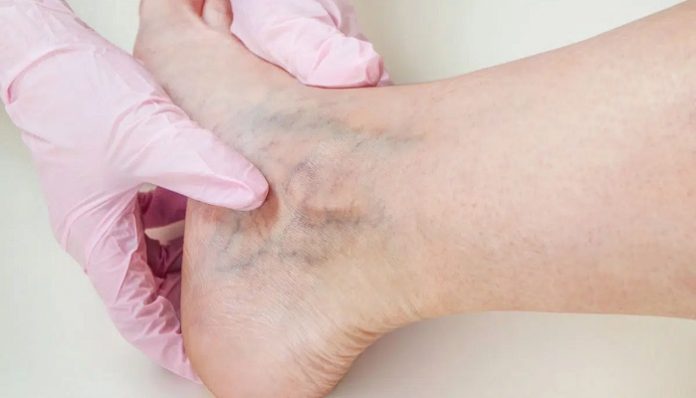
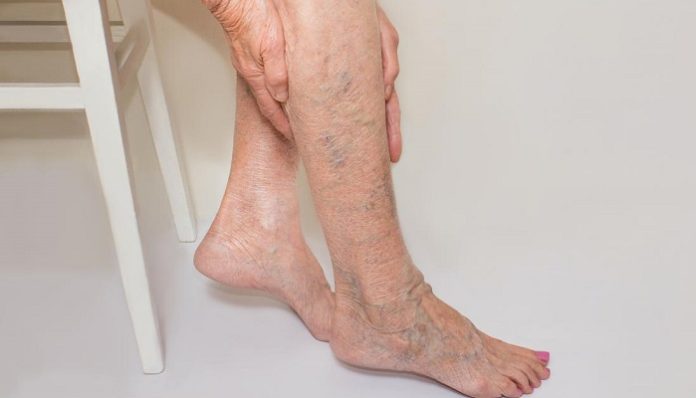
– Swollen, bulging veins

– Pain or aching in the legs

– Itching or burning sensation

– Skin discoloration or thickening

– Skin ulcers or sores

Visit a varicose veins clinic in El Paso to treat your condition and ease the symptoms of vein problems.

How vein problems can lead to skin changes

When the veins in our legs are not working correctly, it can lead to a buildup of pressure in the veins. This pressure can cause the veins to bulge and become twisted, leading to vein problems. As the condition progresses, the skin around the affected area can become discolored, thickened, and even painful. Skin discoloration is due to the lack of oxygen and nutrients transported to the skin cells, leading to cell death and tissue damage.

How early detection can prevent skin changes

Early detection of vein problems is a key step to preventing skin changes and other complications. By identifying and treating vein problems early, it is possible to reduce the risk of skin changes and other complications. The diagnosis of vein problems involves a physical exam and ultrasound imaging.ย 

Treatment options vary depending on the type and severity of the condition. In some cases, lifestyle changes may be enough to improve vein health. However, medical treatments, like medications and surgery, may be necessary for more severe cases.

Preventive measures to reduce the risk of vein problems

Several preventative measures can reduce the risk of developing vein problems. These include:

Regular exercise

Exercise can improve circulation and help maintain healthy veins. Activities such as walking, running, and cycling can be beneficial.

Maintaining a healthy weight

Excess weight can put additional pressure on the veins, increasing the risk of vein problems. Maintaining a healthy weight can reduce this risk.

Wearing compression stockings

Compression stockings can help improve blood flow. They also prevent blood from pooling in the legs, reducing the risk of vein problems.

Elevating the legs

Elevating the legs above heart level can help reduce swelling and improve blood flow.

Avoiding sitting or standing for long periods

Sitting or standing for extended periods can pressure the veins, leading to vein problems. Taking frequent breaks to move around or stretch can help reduce this risk.

Lifestyle changes to improve vein health

Besides preventive measures, several lifestyle changes can help improve vein health. These include:

– Eating a healthy diet

– Staying hydrated

– Avoiding tight clothing

– Taking breaks to move around

Conclusion

Early detection of vein problems is key to preventing skin changes and other complications. By seeking medical attention, you can improve your vein health and reduce the risk of skin changes. Also, adopting healthy lifestyle habits and preventive measures can help maintain healthy veins, lowering the likelihood of developing vein problems.

How to Get Help for Untreated Vein Problems: Tips for Finding the Right Treatment

If you have noticed twisted, bulging veins on your legs, you might have a vein problem. Veins are an essential part of the circulatory system as they carry blood back to the heart. If these veins are not functioning correctly, they can cause various issues. Sometimes vein problems can only represent a cosmetic issue, but in some cases, they can cause other complications. Unfortunately, many people do not seek medical help for vein problems, which can lead to conditions that worsen over time. This article will discuss tips for finding the proper treatment for untreated vein problems.

Understanding Vein Problems

Vein problems can be a sign of a severe underlying condition. Untreated vein problems can cause pain and even lead to complications such as deep vein thrombosis. Knowing the types of vein problems and their symptoms is crucial. It is also important that a doctor identify your vein problem. Visit a New Jersey vein doctor to get the proper diagnosis and treatment.

Types of vein problems

Some of the most common vein problems include the following:

Varicose Veins

Varicose veins are swollen, twisted veins that are visible under the skin. They usually occur in the legs but can also develop in other parts of the body. Varicose veins can cause symptoms such as pain, swelling, and aching in the legs.

Spider Veins

Spider veins are smaller than varicose veins and are usually found closer to the skin’s surface. They can be red, blue, or purple and look like a spider’s web. Spider veins can cause discomfort, itching, and burning.

Deep Vein Thrombosis (DVT)

Deep Vein Thrombosis is a severe untreated vein problem. It occurs when a blood clot forms in one of the deep veins in the body, usually in the legs. DVT can cause swelling, pain, and redness in the affected area. If left untreated, DVT can lead to complications such as pulmonary embolism.

Chronic Venous Insufficiency (CVI)

CVI occurs when the veins in the legs are not working correctly. This condition can cause symptoms such as pain, swelling, and skin changes in the affected area. CVI can lead to complications such as leg ulcers if left untreated.

Lymphedema

Lymphedema arises when the lymphatic system becomes clogged. Swelling and fluid accumulation in the legs and other regions of the body might result from a blockage. Lymphedema can cause discomfort, pain, and difficulty moving the affected area.

Symptoms of Untreated Vein Problems

Many people with vein problems do not experience any symptoms. However, sometimes people may experience the following:

– Pain

– Swelling

– Cramping

– Fatigue in the legs

Occasionally, untreated vein problems can lead to more severe complications, such as blood clots and skin ulcers. If you are experiencing any of these symptoms, seeking medical help as soon as possible is important.

Treatment Options for Vein Problems

There are many treatment options available for vein problems. They range from conservative measures to minimally invasive procedures and surgery. Conservative treatment options include:

– Wearing compression stockings

– Exercising regularly

– Lose weight

Minimally invasive treatment options are the following:

– Sclerotherapy

– Endovenous laser treatment

– Radiofrequency ablation

Choosing the Right Treatment

When choosing a treatment option, there are several factors to consider, such as:

– The severity of your condition

– Age

– Overall health

– Personal preferences

Discuss your options with your doctor to understand the risks and benefits of each treatment. Your doctor may recommend a combination of treatments to achieve the best results.

Finding the Right Doctor

Finding a qualified doctor specializing in treating vein problems is crucial. Your primary care physician can refer you to a specialist, or you can search for a qualified doctor in your area. Look for a doctor who is board-certified and has experience treating vein problems. Before treatment, ask your doctor about their experience and qualifications. Also, make sure you understand the risks and benefits of the treatment.

Conclusion

Untreated vein problems can cause discomfort, pain, and other complications. Fortunately, many effective treatment options are available. By understanding your options and finding the right doctor, you can get the help you need to manage your condition. Prioritize your health and seek medical attention if you are experiencing symptoms of vein problems.

Australian Report Analyses Impact of Lifestyle Risk Factors

The Australian Institute of Health and Welfare- AIHW has gone on to release a report that presents numerous results when it comes to various possibilities to lessen the burden of overweight, which includes obesity as well as physical inactivity. The AIHW goes on to report that enhancing Australiaโ€™s populationโ€™s exposure when it comes to lifestyle risk elements such as physical inactivity and overweight issues reduces the disease risk and burden that are attributable to the risk factors.

If, in this case, the exposure to being overweight and physical inactivity gets reduced, the loss of thousands of years of healthy life can be avoided by 2030, as per the data.

The report goes on to present inferences from various scenarios when it comes to reduced overweight and physical inactivity exposure in the case of tackling the disease burden by 2030. Apparently, the year 2030 has been chosen as it goes on to align with the National Preventive Health Strategy for 2021โ€“2030 that further seeks to obtain enhanced health outcomes over the decade and happens to be complimentary to the National Obesity Strategy from 2022 to 2032.

It is well to be noted that every year in Australia, millions of healthy life years are lost due to injury, premature deaths, and illnesses in the population. This loss happens to be called the burden of the disease.

Apparently, in 2018, over one-third of the disease burden could have been prevented by lessening exposure to risk elements such as overweight, tobacco usage, and physical inactivity. These, plus the other lifestyle-related risk factors, happen to be major contributors when it comes to chronic conditions like dementia, coronary heart diseases, cancer, and type 2 diabetes.

The present AIHW analysis looks at two risk factors when it comes to this disease, namely, overweight and physical inactivity, in order to gauge what could happen if the Australians reduced their BMI or were, as a matter of fact, more active between 2018 and 2030.

It is well to be noted that in 2018, physical inactivity and overweight comprised 8.7% of the total burden in the country, a leading risk issue for Australiaโ€™s disease burden, which was more than tobacco smoking (8.6%).

The analysis has gone on to evaluate the following scenarios-

  • Stable- Where in 2030, the overweight and physical inactivity across the population stays at 2018 levels.
  • Target- People at elevated risks associated with disease in 2018 reduces their BMIs or show an increase in their physical activity level and maintain it to 2030.
  • Trend- Where the present trends when it comes to exposure were extended till 2030.

How To Recover From A Back Injury? A Comprehensive Guide

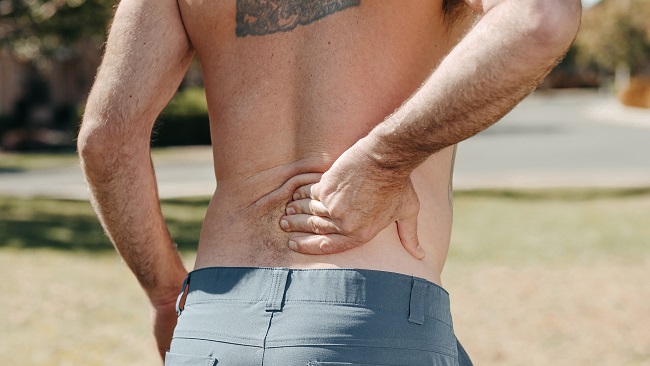
Back pain is a common problem, affecting millions of people around the world. Unfortunately, many of these cases can become more serious and result in injury or even disability. If you have experienced a back injury that has caused you significant discomfort, itโ€™s important to take steps to recover properly and avoid further complications. Here, weโ€™ll provide a comprehensive guide to help you recover from your back injury and manage any lingering pain.

1. Surgery

In some cases, surgery may be necessary to treat an injury or underlying condition affecting your back. Depending on the severity of the problem, doctors may recommend a minimally invasive procedure such as arthroscopy or disc replacement. However, more serious cases may require open-back surgeries like laminectomy or fusion. It’s important to find a spine surgeon with experience in treating your specific condition. If your condition is serious enough that you are considering surgery, make sure to find a doctor who can answer all of your questions and provide an individualized treatment plan tailored to your needs.

2. Physical Therapy

Physical therapy is a vital component of recovering from a back injury. It helps to reduce pain and improve mobility. Physical therapists use techniques such as stretching, strengthening exercises, hot and cold therapies, ultrasound treatment, and electrical stimulation to help treat the injured area. Working with a physical therapist can help you learn how to move safely while reducing your risk of re-injury. Additionally, they can offer tips on how to modify activities that put stress on your back or worsen symptoms. Regular physical therapy sessions are beneficial for both short-term recovery and long-term maintenance of spinal health.

3. Medication

Part of the recovery process for a back injury may involve taking medication. Depending on the severity of the injury, your doctor may prescribe certain medications to lessen pain, reduce inflammation, and help with any muscle spasms you might be experiencing. Common types of medication used for back injuries include nonsteroidal anti-inflammatory drugs (NSAIDs), opioids, muscle relaxants, and steroid injections. Talk to your doctor about what medications are best for you and how to take them safely. It’s also important to discuss any potential side effects or risks associated with taking these medications. Additionally, never discontinue using one of these medications without talking to your doctor first as it can lead to further complications.

4. Lifestyle Changes

In addition to seeking help from medical professionals, making some changes in your lifestyle can also go a long way toward helping you recover from a back injury. The most important change is to maintain proper posture when standing, sitting, and lying down. Avoid activities that involve excessive bending or twisting at the waist and avoid lifting anything too heavy. Also, consider adding exercises like yoga or Pilates into your daily routine as these are effective for strengthening muscles in the back and improving mobility. Additionally, take time out of each day to relax โ€“ this could be reading a book, going for a walk outdoors, or listening to soothing music.

5. Alternative Therapies

In addition to traditional treatments and exercises, there are several alternative therapies that can help you recover from a back injury. These therapies may include chiropractic care and acupuncture. Chiropractic care is based on the idea that manual manipulation of the spine can reduce pain and improve mobility. Acupuncture involves inserting thin needles into specific points on the body, which may reduce inflammation and promote healing. Both of these therapies have been shown to be effective at reducing pain and improving function in people with back injuries. Talk to your doctor about which therapy might be right for you.

6. Preventative Measures

After you have recovered from your back injury, prevent the recurrence of the same or similar issues by taking preventive measures. This could include incorporating regular stretching and strengthening exercises into your daily routine, wearing supportive footwear, and using ergonomic equipment to reduce strain on the spine. Additionally, it is important to practice proper posture when standing or sitting for prolonged periods of time and lifting heavy objects safely with a wide base of support.

Recovering from a back injury can be a difficult and long process, but it is possible with the right combination of treatments. Talk to your doctor or physical therapist about what options are best for you, and follow up with them regularly throughout your recovery period. Additionally, make lifestyle changes such as maintaining proper posture and incorporating regular stretching and strengthening exercises into your daily routine. By taking these measures, you can not only recover from a back injury but also prevent future injuries from occurring.

Australia To Ease Skilled Migration, A Move Hailed By APHA

Australia To Ease Skilled Migration, A Move Hailed By APHA

The Home Affairs Minister of Australia, Clare O’Neill, has gone on to announce that the countryโ€™s skilled migration system will be simplified and red tape reduced, a strategy that is welcomed by the Australian Private Hospitals Association (APHA).

The CEO of APHA, Michael Roff, confirmed that he was pleased to hear the Oโ€™Neill reference when it comes to Australiaโ€™s need to compete in the international marketplace for skilled personnel and that all the temporary skilled workers will have a pathway to permanent residency by this yearโ€™s end.

As per Roff, Australia is falling short in what it offers its workers. For instance, Canada moved to offer health personnel easy pathways when it came to residency due to COVID-19. On the other hand, France and the UK also went on to make similar arrangements. Australia, according to Roff, is on the back foot, and there is a lot of catching up to be done. Just opening the migration gates isnโ€™t enough to attract people to the country.

He added that it is indeed pleasing to have the minister reference this as well as talk about how the infrastructure can be improved so as to support the migrants when they arrive in Australia.

It is well to be noted that in the private hospital landscape alone, there happens to be a dearth of 8,000 nurses, and they continue to compete across the world for a health workforce. Having measures in place that will make sure of a seamless pathway to residency in Australia is indeed a welcome move.

According to Roff, the removal of labour market testing was a major recommendation that APHA put forward to the government, which will streamline recruitment for personnel based out of foreign nations. As per him, they look forward to working with the government as a final plan gets developed in the coming months.

No Symptom Awareness Leads To More Dementia Progression Risk

Useful Tips For Selecting The Right Dementia Care For Your Family Member

As per a new study, people who are not self-aware when it comes to their memory loss are more likely to experience Alzheimerโ€™s clinical progression.

Researchers have evaluated the health data pertaining to 436 older adult participants under Alzheimerโ€™s Disease Neuroimaging Initiative. The participants were anticipated to be cognitively normal at baseline when it came to a standardised measure and had a minimum of two years of follow-up.

The clinical progression was apparently gauged by the first instance of two continuous follow-up clinical dementia rating scale international scores of 0.5 or more. The researchers made use of two new awareness subscores when it came to heightened awareness and unawareness so as to measure the memory decline of participants. The same were assessed using a questionnaire that was given to both participants as well as their study partners.

The signs of clinical progression were witnessed in 21% of the participants across the study period. A 1-point enhancement in the unawareness subscore was related to an 84% decreased risk of progression. Besides, a 1-point dip in the subscore was associated with a 540% rise in the risk of progression. In terms of comparison, there wasnโ€™t any prominent result found in terms of heightened awareness or traditional awareness subscores.

The inferences also offer additional proof that the informant-reported and discordant-self cognitive dip may give a key understanding to the clinicians who look after the patients who are at risk when it comes to dementia.

How a Social Work Master’s Degree Holder Can Benefit Healthcare Providers

If you work in healthcare, you know firsthand how challenging it can be to handle the diverse needs of multiple patients with limited resources. However, social workers with master’s degrees can provide valuable assistance by addressing the underlying social determinants of health and connecting patients with community resources.ย 

This is becoming increasingly important, as the U.S. Bureau of Labor Statistics predicts a 9% rise in social worker employment by 2031, faster than the average for all occupations.ย 

Recognizing this need, many universities now offer in-person and online master of social work programs, with financial aid options available, such as those offered by Spalding University.ย 

This provides aspiring social workers with a viable opportunity to pursue their education and meet the growing demand for their expertise.ย 

In this article, we’ll explore how these professionals can support healthcare providers and improve patient outcomes.

The Benefits of Working With Social Workers

The United States currently employs more than 164,972 hospital social workers, the majority of whom are women at 77.1%, with men comprising 22.9%. These social workers offer numerous benefits to healthcare providers.ย 

They can provide crucial assistance in various ways, including but not limited to:

Improved patient satisfaction: Social workers are trained to address patients’ emotional, social, and practical needs. By providing this support, they can help patients feel more satisfied with their healthcare experience.

Reduced healthcare costs: Social workers can play a vital role in preventing unnecessary hospital readmissions, reducing healthcare disparities, and linking patients with community resources. These actions can result in cost savings for healthcare providers.ย 

In a research study spanning two years and involving 100 high-risk readmission patients, social work intervention was found to be highly effective in reducing hospital readmissions by over 50%.

Lighter workload: Social workers can take on tasks such as coordinating care transitions, communicating with patients’ families, and addressing psychosocial issues. This can free up healthcare providers to focus on medical care.

Better patient outcomes: By addressing social determinants of health, such as housing insecurity or food insecurity, social workers can improve patients’ overall health and well-being.

How Master’s Degree Programs in Social Work Benefit Healthcare Providers

Social workers with offline or online master’s degrees have specialized training that prepares them to meet the complex needs of patients and healthcare providers. Here are some of the ways in which these programs can benefit healthcare providers:

Flexibility: Master’s degree programs in social work are designed to be flexible, allowing students to complete coursework at their own pace while continuing to work full-time. This means that social workers can continue to support healthcare providers while pursuing advanced education.

Advanced training: These programs also provide advanced training in areas such as crisis intervention, trauma-informed care, and ethical decision-making. This means that social workers are better equipped to support healthcare providers and provide the highest level of care to patients.

Diverse perspectives: A master’s degree in social work attracts a diverse range of students, which means that healthcare providers can benefit from working with social workers who bring a variety of perspectives and experiences to the table.

Access to technology: Students are provided with access to the latest technology, which can be used to streamline communication and collaboration between healthcare providers and social workers.

Incorporating Social Workers into Healthcare Teams

If you’re a healthcare provider interested in working with social workers, here are some tips for incorporating them into your team:

Build relationships: Get to know the social workers in your community and build relationships with them. This can help you understand how they can support you and your patients.

Identify needs: Identify areas in which social workers can provide support, such as care transitions, discharge planning, or patient education.

Collaborate: Work with social workers to develop care plans that address patients’ medical and social needs.

Communicate: Establish clear lines of communication between healthcare providers and social workers to ensure that everyone is on the same page.

Conclusion

In conclusion, social workers with online master’s degrees have the potential to play a critical role in improving healthcare outcomes. With their unique skills and training, social workers can help address social determinants of health, reduce healthcare costs, and improve the overall quality of care.ย 

By working collaboratively with healthcare providers, social workers can provide valuable insights and support that can help healthcare teams better meet the needs of their patients.ย 

So if you’re a healthcare provider looking to enhance the care you provide, consider partnering with a social worker today. Together, you can make a meaningful difference in the lives of your patients.

5 Important Steps to Follow to Prevent Diabetes Complications

There are several million people in the UK living with either type 1 or type 2 diabetes. With diabetes, your body does not make enough insulin or cannot use it as well as it should. If there isnโ€™t enough insulin, too much blood sugar stays in the bloodstream. Before long, this can cause serious health problems like vision loss, heart disease, and kidney disease.

Whether you have been recently diagnosed with the disease or you havenโ€™t been managing it properly, here are some important steps you can take to prevent diabetes complications.

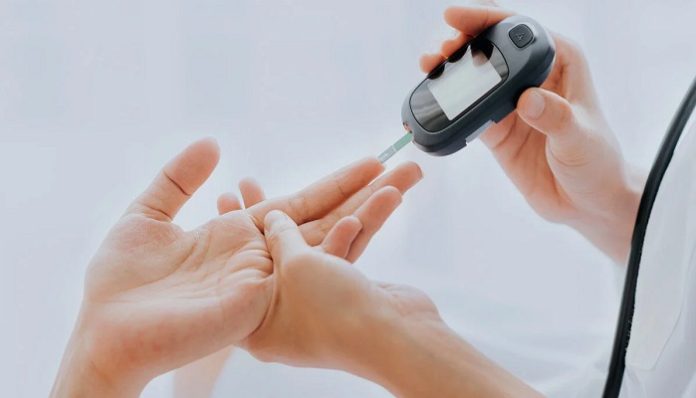
Monitor Blood Sugar Levels

One tactic to keep your blood sugar levels in the target range is by monitoring it regularly. This is mandatory for preventing getting seriously ill. Itโ€™s straightforward to do too. For example, following a balanced diet, making time for exercise, and taking your medications as prescribed are key for keeping your blood sugar levels in check. If you notice any serious changes, see your GP immediately.

Keep A Close Eye on Cholesterol and Blood Pressure

If youโ€™ve got high cholesterol or blood pressure, you need to be keeping a close eye on it and get your levels down, astheyโ€™re both known as some of the most common and serious complications of diabetes. Make sure to check them regularly and take steps to manage them if theyโ€™re higher than normal.

Look After Your Feet

If there is one thing you need to be aware of with diabetes, itโ€™s how the disease can affect your feet. Diabetes can cause poor circulation and nerve damage, which can lead to foot problems. To prevent foot complications, itโ€™s your job to inspect your feet daily. Look for any signs of cuts, blisters, or sores. Also, invest in comfortable footwear and socks that fit well, and avoid going barefoot where possible.

Practice Self-Care

Thereโ€™s no doubt about it โ€“ managing diabetes can be stressful. Unfortunately, too much stress can make it more difficult to manage the disease. Therefore, you need to take time for yourself and practice relaxation techniques to combat stress, manage your diabetes, and prevent complications. Some good exercises include yoga and meditation. Check out Making Diabetes Easier by Air Liquide Healthcare UK. They go into extensive detail on how to manage diabetes, as well as provide support for those living with the condition.

See Your Doctor Regularly

Regular checkups with your GP can help detect and manage any diabetes-related complications head on. This includes getting your heart, kidneys, and eyes checked regularly. For those who have been putting off seeing their doctor, we appreciate it can be a daunting experience. To get on top of your diabetes, talking to healthcare professionals is key.

While weโ€™re not saying all the above to scare you, if you have diabetes, itโ€™s essential that you take proactive steps to keep your health in check and avoid developing any serious health complications. Remember, if you have any worries or doubts, you must see your GP.

13.6% Medicaid Push For Washington Nursing Homes For 2 Years

The Washington state lawmakers have gone on to increase the Medicaid funding when it comes to nursing homes by 13.6% for the next two years; however, the advocates say that additional resources may not end up fully recovering the care cost.

Legislators have gone on to include $107 million as far as long-term care providers are concerned for two years, with a $69.9 billion budget aimed at elevating the rates for workers as well as providers. The Washington Health Care Association confirmed that although it is a welcome surge, it will be able to cover only 79% of the care cost, thereby leaving quite a considerable amount of a gap for the carers to fill. At the current rates, only 68% of the cost of care is recovered.

It is well to be noted that skilled nursing facilities get facility-specific Medicaid rates, and as per the information thatโ€™s provided by the healthcare association, the nursing homes can go on to expect an average daily weighted rate for every patient per day of $341.41 in FY 2024. There is a jump expected in this to $364.67 in FY 2025. As per LeadingAge Washington, the current weighted daily happens to be $315.38.

The lawmakers have also gone on to include two inflation adjustments of 4.75% and 5% for 2024 and 2025, respectively. Although 13.6% of the overall income is indeed a welcome scenario, the state Department of Social and Health Services recommended a surge in rates of almost 20% in the 2-year budget cycle.

According to Washington Health Care Association CEO and President, Carma Matti-Jackson, this could have gotten them much closer to the costs and wages that have grown swiftly in the past couple of years. This indeed marks six years of one-time policies as opposed to developing a longer-term strategy, which would give consistency and predictability to a landscape that has been struggling to staff adequately so as to keep the beds open.

Apparently, the state hasnโ€™t introduced any new mandates or rules that were part of the funding increase. It is well to be noted that Washington already expects that the nursing homes provide a minimum of 3.4 hours of direct care per day per resident.

As per Matti Jackson, the rate increase does not account for the massive cost increase for the staffing agencies, which are disallowed by Medicaid. In 2022, for instance, Medicaid went on to disallow $31 million in staffing agency costs.

She remarked that the contracted labour hours have been climbing because of the staffing shortage, and they have encountered an exceptionally phenomenal growth when it comes to hourly rates charged by the staffing agencies, and hence they anticipate an even bigger disallowance than last year.

She added that the anticipated labour hours for contract registered nurses, licenced practical nurses, and certified nursing assistants will be around 1.7 million hours in 2023.

How do thermogenics work inside our bodies?

Thermogenics are substances or activities that increase the body’s metabolic rate, leading to an increase in heat production and energy expenditure. This process is called thermogenesis. Thermogenics are commonly used as supplements for weight loss and to improve physical performance. They work by stimulating the body to burn more calories, leading to increased energy expenditure, fat oxidation, and weight loss.

The purpose of this blog post is to provide an overview of how thermogenics work inside our bodies. We will discuss the different types of thermogenesis and how they impact our metabolism. We will also explore the different thermogenic supplements available on the market and how they work to enhance weight loss. Additionally, we will address the safety concerns associated with the use of thermogenic supplements and provide guidance on the precautions one should take before using them. Finally, we will offer advice on making lifestyle changes to support weight loss and how thermogenics can fit into a larger weight loss strategy. By the end of this blog post, readers should have a comprehensive understanding of thermogenics and how they can support weight loss efforts.

Understanding Thermogenesis

Thermogenesis refers to the process of heat production in the body. This heat production occurs as a result of metabolic processes in cells and tissues. When the body produces heat, it burns calories, which can lead to weight loss. Thermogenesis can be stimulated through various means, including exercise, diet, and supplements.

Exercise-induced thermogenesis:

Exercise-induced thermogenesis is the process by which the body produces heat during physical activity. The intensity and duration of the exercise can impact the amount of heat produced. Exercise-induced thermogenesis can account for up to 30% of total daily energy expenditure.

Non-exercise activity thermogenesis:

Non-exercise activity thermogenesis (NEAT) refers to the energy expended during daily activities, such as walking, standing, and fidgeting. NEAT can vary widely between individuals and can account for a significant portion of total daily energy expenditure.

Diet-induced thermogenesis:

Diet-induced thermogenesis (DIT) refers to the energy expended during the digestion and absorption of food. Different macronutrients have varying effects on DIT, with protein having the highest thermic effect.

Brown adipose tissue (BAT) is a type of adipose tissue that is specialized for thermogenesis. BAT contains a high number of mitochondria, which are responsible for producing heat. When activated, BAT can increase energy expenditure and promote weight loss. Recent research has found that BAT is present in adults and can be activated through exposure to cold temperatures or through certain supplements. The activation of BAT is a promising area of research for the development of new weight loss therapies.

Thermogenic Supplements

Thermogenic supplements, also known as thermogenic fat burners, are supplements designed to increase the body’s metabolic rate and promote weight loss. They typically contain a combination of natural stimulants and other ingredients that are believed to enhance fat burning and energy expenditure.

Common ingredients in thermogenic supplements:

Caffeine:

Caffeine is a natural stimulant that is commonly used in thermogenic supplements. It can increase energy expenditure and enhance fat oxidation, making it an effective weight loss aid.

Green tea extract:

Green tea extract contains a high concentration of catechins, which are antioxidants that can enhance fat oxidation and increase energy expenditure. Studies have shown that green tea extract can promote weight loss and improve metabolic health.

Yohimbine:

Yohimbine is a natural compound derived from the bark of the yohimbe tree. It is believed to enhance fat burning and increase energy expenditure by blocking alpha-2 adrenergic receptors in the body.

How thermogenic supplements work:

Thermogenic supplements work by increasing the body’s metabolic rate, leading to an increase in energy expenditure and fat burning. This is typically achieved through the use of natural stimulants, such as caffeine.

Thermogenic supplements can also enhance fat oxidation, which is the process by which the body breaks down fat cells and uses them for energy. This is typically achieved through the use of ingredients such as green tea extract and yohimbine.

Some thermogenic supplements also work by suppressing appetite, making it easier for individuals to adhere to a calorie-restricted diet. This is typically achieved through the use of natural appetite suppressants, such as glucomannan.

Overall, thermogenic supplements can be an effective tool for promoting weight loss and improving metabolic health. However, it is important to use them as part of a comprehensive weight loss strategy that includes a healthy diet and regular exercise. Additionally, individuals should consult with a healthcare provider before starting any new supplement regimen to ensure that it is safe for them.

Safety Concerns

While thermogenic supplements can be effective for weight loss, there are risks associated with their use. Some of the potential risks include:

  • Cardiovascular issues: Some thermogenic supplements can increase heart rate and blood pressure, which can lead to cardiovascular issues such as heart attack or stroke.
  • Insomnia: The stimulants in thermogenic supplements can interfere with sleep, leading to insomnia and other sleep disturbances.
  • Gastrointestinal issues: Some thermogenic supplements can cause gastrointestinal issues such as nausea, vomiting, and diarrhea.
  • Drug interactions: Thermogenic supplements can interact with other medications, leading to adverse reactions.

Recommended dosages:

It is important to follow recommended dosages when using thermogenic supplements. Taking too much of a supplement can increase the risk of side effects. Dosages can vary depending on the supplement and the individual, so it is important to read labels carefully and consult with a healthcare provider.

Precautions to take before using thermogenic supplements:

Before using thermogenic supplements, it is important to take certain precautions. These can include:

  • Consulting with a healthcare provider: Individuals should consult with a healthcare provider before starting any new supplement regimen to ensure that it is safe for them.
  • Checking for interactions: Individuals should check for potential interactions between thermogenic supplements and any medications they are taking.
  • Reading labels carefully: Individuals should read labels carefully and follow recommended dosages.
  • Avoiding certain supplements: Individuals with certain medical conditions or who are pregnant or breastfeeding should avoid certain thermogenic supplements.

Overall, while thermogenic supplements can be effective for weight loss, it is important to use them safely and responsibly. Individuals should take precautions and consult with a healthcare provider before starting any new supplement regimen. Additionally, it is important to remember that thermogenic supplements should be used as part of a larger weight loss strategy that includes a healthy diet and regular exercise.

Conclusion

Thermogenics are substances or activities that increase the body’s metabolic rate, leading to an increase in heat production and energy expenditure. This can be achieved through various means, including exercise, diet, and supplements. Thermogenic supplements typically contain natural stimulants and other ingredients that enhance fat burning and energy expenditure.

While thermogenic supplements can be effective for weight loss, they should be used as part of a comprehensive weight loss strategy that includes a healthy diet and regular exercise. Additionally, individuals should use them safely and responsibly, following recommended dosages and consulting with a healthcare provider before starting any new supplement regimen.


Translate ยป