Close
Digital Health & Ai Innovation summit 2026

World Bank Supports Nepal To Enhance Healthcare Facilities

On April 28, the World Bankโ€™s Board of Executive Directors gave a nod to the financing of $100 million so as to fund the Nepal Quality Health Systems Program Operation.

The program is going to improve the quality of healthcare services as well as increase health insurance coverage, and elevate the capacity of the healthcare system to be ready and respond to health emergencies across Koshi and Gandaki provinces of the country.

According to World Bank Country Director for Nepal, Sri Lanka, and the Maldives, Faris Hadad-Zervos, by investing in health and placing it at the top of its agenda, Nepal can go on to reap numerous benefits like an increase in productivity, enhanced health outcomes, and economic growth. He further said that the World Bank does aid Nepalโ€™s objective to put quality at the centre of health system policy and service delivery with planning.

It is well to be noted that the program will be executed by the Nepalese Ministry of Health and Population in coordination with the Health Insurance Board at the government level as well as local and provincial governments based in Koshi and also Gandaki to aid in the achievement of the countryโ€™s Health Sector Strategic Plan for 2022โ€“2030. The program will include the enhancement of responsiveness and efficiency of the health system, accelerating sustainable financing as well as social security in health, and also giving thrust to equitable access to quality health services.

As per the practise manager for health, nutrition, and population in the South Asia Region, Dr. Feng Zhao, the funding goes on to support the implementation of federalism and works on Nepalโ€™s first program for results as far as the health spectrum is concerned so as to take into account the challenges of quality and access and also build a robust public health sector. He added that the results of this program can have an impact on scaling it up to other provinces too.

The funding for the program is complemented by the $3.84 million grant given by the Health Emergency Preparedness and Response Trust Fund, which supports eligible nations as well as territories to scale up their capacities when it comes to preventing, preparing, and dwarfing the impact of epidemics on people.

Wellcome Leap & Temasek Trust Launch US$60M Dynamic Resilience Programme to Extend Health Spans

Wellcome Leap and Temasek Trust have partnered to launch a US$60 million (~S$80 million[5]) Dynamic Resilience programme aimed at increasing health spans. Average human life expectancy has doubled from 35 to 70 years over the past century, but health spans have not correspondingly improved. Data shows that worldwide, more than 1 in 2 adults aged over 60 have multimorbidity, or multiple co-existing health issues. This and decreasing dynamic resilience – the ability to respond to and cope with stress – contribute to clinical frailty which makes us vulnerable to sudden and serious health deterioration in the event of acute illness or injury.

Multimorbidity poses an urgent challenge for health services[6] and this is set to increase in the coming decades[7]. Frailty affects up to half of adults over 65 globally[8], and people who have experienced traumatic injury, cancer treatment, or menopause. Frailty reduces our ability to live independently and increases the likelihood of falls, hospitalization, the need for long-term care, and death. The negative impact of frailty and age-related ill health on patients, their families, caregivers, and societies, is unsustainable. The Dynamic Resilience programme aims to reduce frailty progression by 25% which could prevent 71,000 hospitalizations and 8,000 deaths annually from falls in the US alone and benefit 87 million older adults globally.

“The World Health Organization estimates that by 2030, 1 in 6 people globally will be aged 60 years and above, and many will be afflicted with multiple co-existing health conditions. Our partnership with Wellcome Leap to further the research on Dynamic Resilience is aimed at extending health spans โ€“ the number of years spent in good health โ€“ so that more people can live fuller and healthier lives for longer,” said Mr. Desmond Kuek, CEO, Temasek Trust.

Ageing does not have to mean poor health. The rising number of centenarians and supercentenarians shows humans can live well for a long time. These resilient individuals enjoy good health for most of their lives and can bounce back from significant stress events. Resilience offers a new way to understand health spans and how to prevent frailty and the age-related coexistence of multiple chronic health conditions.

“We all share a desire to be healthy and live independently to our last breath,” said Dr. Regina E. Dugan, CEO, Wellcome Leap. “To do so, we will need to be able to measure, support, and maintain robust levels of dynamic resilience.”

New therapies have been developed to combat age-related diseases and frailty, but clinical trials are hindered by the lack of reliable biomarkers for resilience and frailty, incomplete understanding of resilience mechanisms, and a lack of mechanism-targeting interventions to prevent health deterioration. Current frailty scores and indices can provide reasonable predictions of statistical outcomes after a stress event, but not outcomes for an individual.

The three-year Dynamic Resilience programme has three goals: (1) to identify new biomarker signatures of resilience that predict health outcomes after a stress event using collections of biological specimens and associated health data that have been collected from individuals over time; (2) to understand what causes frailty and resilience, using lab tests to assess the effects of stress on biological systems at different levels of complexity, including cells, tissues, and whole organisms; and (3) to test ways to improve biological resilience in at-risk people prior to predictable stress events like surgery, targeting reduction to further frailty or death by at least 25% in intervention versus control groups.

Medtech firm Murata Vios plans to expand to Middle East, Europe & Japan

Medtech firm Murata Vios plans to expand to Middle East, Europe & Japan

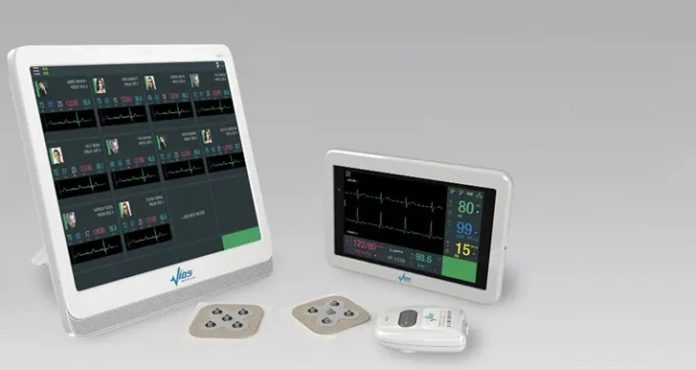
Murata Vios, one of leading manufacturers of Remote Monitoring Devices, is planning to expand its operations to the Middle East, Europe and Japan in the next 12-18 months. Currently the company has operations in India and the US.

Speaking to BioSpectrum, Amit Patel, Co-Founder and CEO, Murata Vios, who was recently on his first visit to India after COVID-19 outbreak, said that the company is working on formalities of introducing the range of devices/ technologies it has to fulfil the stringent regulatory requirements in the developed markets such as Japan and Europe. โ€œI feel in the next 12-18 months our devices will be made available in Japan, Europe and the Middle East.โ€

Talking about the future plans of the company Patel said โ€œWe want to grow more than the market growth rate. We already have in place a strategic and a well-researched plan to enter the different market segments of the healthcare industry in India to cater to the specific needs here and establish a trustworthy name in the medical device fraternity. For this we will double our headcount in the next five years.โ€

With a mission to reduce healthcare facilitation costs, deliver greater clinician productivity, increase operational efficiency, and improve patient outcomes, the company has reached out to 15 hospital partners spread across Tier 1 cities and few Tier II cities such as Bangalore, Mangalore, Hyderabad, Mysore, Pune, Delhi etc.

Murata Vios today specialises in medical-grade IoT sensors and remote monitoring services for clients such as hospitals, medical and surgical units, step-down units, specialty care units, long-term acute care hospitals, skilled nursing facilities, and ambulatory surgery centres.

>>>

US firm Healint announces AI-based study of migraine diagnosis in Japan

 Stentrode brain-computer interface receives breakthrough device designation from FDA

Saitama Medical University Hospital in Japan and US-based IT firm Healint have launched one of the world’s first clinical studies titled “Verification of Headache AI diagnosis by using Electronic Headache Diary in Telemedicine”.

About 20 renowned headache specialists participated from multiple locations, mainly in the Tokyo metropolitan area to conduct this research together. From the end of April, they plan to recruit more patients. Healint’s platform is called Migraine Buddy, and is the world’s most used headache tracking application.

Although there are currently 30 million chronic headache patients in Japan, the diagnosis and treatment rate of migraine among non-headache specialists is less than 20%. Under these circumstances, there is an urgent need to develop tools to support the diagnosis of headache.

The study is expected to validate how the artificial intelligence (AI) can support a broad range of doctors in diagnosing patients, and each of their attacks, in order to select treatments as well as to potentially identify the symptom patterns associated with fatal conditions earlier.

This study will lead to a breakthrough in opening the path to precision medicine and diagnosing the condition of migraine, which affects more than 36 million people in the US alone, and hundreds of millions more worldwide. In the future, it will also enable doctors to better diagnose patients with migraine and other related conditions, as well as allow them to select treatments based on accurate diagnosis. The study has been conducted in 2023 and the results are expected to be published soon after completion.

QIAGEN launches QIAstat-Dx in Japan with respiratory panel for syndromic testing

QIAGEN launches portable digital SARS-CoV-2 antigen test that can accurately analyze over 30 samples per hour

QIAGEN announcedย  that its QIAstat-Dx syndromic testing solution is expected to be available soon for use in Japan with a SARS-CoV-2 Respiratory Panel that can detect more than 20 pathogens from a single patient sample.

The availability in Japan is expected in mid-2023 after decisions on reimbursement levels and comes as the next step after the recent granting of IVD approval for the test. The entry into Japan will add to more than 100 countries worldwide โ€“ including the United States, as well as countries across Europe and other areas of the world โ€“ where QIAstat-Dx solutions and various syndromic tests to diagnose diseases are available.

โ€œWe are pleased to announce upcoming availability of our QIAstat-Dx SARS-CoV-2 Respiratory Panel in Japan, which enhances our commitment to improving healthcare around the world,โ€ said Jean-Pascal Viola, Senior Vice President and Head of the Molecular Diagnostics Business Area at QIAGEN. โ€œQIAstat-Dx enables easy operation with less labor compared to standard individual PCR assays for each pathogen and provides powerful support for medical workers in respiratory medicine, pediatrics and emergency medicine.โ€

The system is designed to operate in laboratories and employs cost-efficient, single-use cartridges with all reagents on board and built-in sample processing.

Using multiplex real-time PCR, QIAstat-Dx detects and differentiates between multiple pathogens. QIAstat-Dx is the only syndromic testing system to provide Ct values and easy access to amplification curves. Access to this supplementary data provides additional insight, allowing for better-informed decisions for patients.

With more than 3,500 systems installed worldwide at the end of 2022, QIAstat-Dx is used in hospitals, laboratories and clinics as an easy-to-use solution for reliable diagnosis of various diseases. The first group of panels available are for the detection of respiratory or gastrointestinal pathogens or for distinguishing between meningitis and encephalitis infections. [1]

QIAstat-Dx is available in two formats: The QIAstat-Dx version that brings together up to four Analytical Modules into one integrated system, and the QIAstat-Dx Rise high-capacity version that provides comprehensive testing for up to 160 tests per day using eight Analytical Modules.

QIAstat-Dx connects to the QIAsphere cloud-based platform that provides remote monitoring of the instruments and test status, allowing customers to receive push notifications on their personal devices. It can monitor an unlimited number of instruments across different hospitals or satellite labs, reducing system downtime and enabling fast and accurate syndromic testing. Connectivity is achieved through the Qbase hub, which can be connected to QIAstat-Dx in minimal time through hospitalsโ€™ LAN or Wi-Fi network, ensuring sensitive patient data remains within the hospital network.

QIAsphere also allows users to view and export reports on real-time local, regional and global epidemiology data through QIAsphere Insights to support epidemiological surveillance. Further, with the recent release of a medical reference app for QIAstat-Dx users, the Pathogen Guide, QIAstat-Dx is poised as a leader in digital diagnostic technology for customers around the world.

Indian study reveals a blend of anti-oxidants with micronutrients showed statistically significant improvement in all male-fertility parameters

A study by Indian nutraceutical major Meyer Vitabiotics has revealed that a combination of anti-oxidant micronutrients and vitamins improved male fertility parameter by 76 percent even in severe cases of male infertility. Among Indian males with baseline sperm count of less than 5 million / ml, a blend of multi-vitamins, minerals, essential amino acids, ginseng & lycopene increased the sperm count by 75.76 percent. The study was conducted over a 3-month period among 300 Indian males with varied types and degrees of infertility. The encouraging results are a boost to multiple micronutrients therapy that India usually neglects.

The study was published in the International Journal โ€œTranslational and Clinical Pharmacologyโ€.

Dr. Ameet Patki, the trial’s principal investigator of the study says, โ€œMale infertility is solely responsible for 20โ€“30% of overall infertility cases. Male factor infertility is a clinical challenge. Abnormalities in semen such as Oligospermia (low sperm count), Asthenozoospermia (sperm motility), and Teratozoospermia (group of abnormal sperm) are most frequently linked with infertility in males. Surgical procedures, hormonal and drug therapy are available treatment options for male infertility but these methods also have special concerns like higher cost, uncertain clinical effectiveness and side effects. Antioxidants have acquired increasing interest amongst clinicians & researchers for boosting parameters of male fertility. Sperm DNA fragmentation is known to be higher in infertile men. If it exceeds 30% than normal value, it implies sperm quality is significantly reduced. The uniqueness of this trial lies in inclusion of DFI as one of the assessment factor before & after the treatment.

Mr. Rohit Shelatkar, Vice-President of Meyer Vitabiotics says, โ€œInfertility is a serious concern worldwide. As per the earlier published comprehensives it is reinforced that there is vital role of diet and antioxidant supplementation in male factor infertility. The limitations of current treatment options calls for a convenient, less costly and yet clinically effective option. Considering the gaining interest in antioxidant therapy and the need for systematic scientific evidence, the present study was proposed to evaluate the efficacy of antioxidant blend in sub-fertile males. The experiential use of antioxidants in male infertility is aimed at improving semen parameters and DNA Fragmentation Index (DFI), enhancing the probability of conception. The frequently prescribed compounds include vitamins E & C, carnitine, N-acetyl cysteine, selenium, and zinc. Interventional antioxidant blend through a single tablet of Oligocare forte plus, also called Wellman Conception in the UK, is a combination of micronutrients, essential amino acids, antioxidants, and vitamins that are essential for the male reproductive systemโ€.

The clinical trial, was aimed to evaluate the safety, efficacy, and tolerability of Oligocare forte plus in sub-fertile males. Along with Dr. Ameet Patki, Dr. Monica singh, Dr. Sweta Agarwal, Dr. Venugopal M, Dr. Shashikant Umbardand, Dr. Apoorva Reddy, Dr. Priya Kannan, Dr. Srilatha gorthi, Dr. Gautam Khastgir, Dr. Anita Kulshreshtha were the investigators at other sites. Their dedication and efforts remarkably contributed to achieve study objectives and gain valuable insights into this research.

The study involved 300 participants who met the eligibility criteria and the results obtained have been highly promising. It was one of its kind multi-centric trial in sub-fertile male population conducted with meticulous adherence to good clinical practices (GCP) and all relevant regulations and guidelines.

How to Find the Right Medical Malpractice Attorney for You

When you have experienced medical malpractice, it can be a confusing and overwhelming experience. It is important to find the right medical malpractice attorney to fight for your interests and ensure you receive the justice you deserve. Here are five things to consider when choosing a medical malpractice attorney.

Fees

If your loved one has died due to medical malpractice, familiarizing yourself with the costs of hiring a lawyer is best. To avoid any large financial surprises, discuss fees upfront with potential lawyers and ensure they are clearly defined in writing. Most firms offer free consultations, which can help you better understand fees and other related costs. Additionally, never assume that hidden fees donโ€™t exist. Ask questions until you are both clear on what is expected of you financially. It is essential to properly look over any contracts or agreements before signing them so that every obligation is known beforehand.

Communication Style

Assessing a potential lawyer’s communication style is essential before deciding whether they are right for your case. A lawyer should be easy to talk to and willing to answer any questions you may have about the process or legal system in general so that you feel comfortable throughout your case. They should also be available via phone or email whenever needed so that all communication remains clear throughout the process. Finally, make sure they understand exactly what goals you want to achieve through this process and what outcome would make sense for both parties involved for everyone to come out successful on the other side.

Experience

A qualified attorney should have extensive experience handling similar cases and be knowledgeable on the laws and regulations on medical malpractice in your state. They should also have access to resources such as experts, investigators, and other professionals who can help build your case and present evidence in court.

For example, if medical care professionals are negligent in communicating results, leaving individuals with the harm they did not deserve. Contact a firm like The Tinker Law Firm PLLC, which specializes in this area, is essential. A team of skilled medical malpractice lawyers can evaluate the situation, determine if negligence was involved, and advise on your next steps to achieve justice after this traumatic episode.

Reputation

Research online and read reviews from past clients to get an idea of how satisfied people are with their services. It will give you a good indication of whether or not they can provide quality representation for your case. Additionally, ask for references from other attorneys or friends who may have used this firm in the past so that you can get first-hand accounts of their work ethic. A good reputation speaks volumes about an attorney’s character and ethical principles, which can be invaluable when selecting someone to defend your rights in court.

Availability

When researching a potential medical malpractice lawyer, ask detailed questions about their availability and what days and times they can commit to your case. Consider the time frame of litigation when looking at an attorney’s availability, as some cases may require more attention during certain phases of the process. Your goal should be to find an attorney who is available when needed but can still provide realistic expectations and reliable service throughout the representation.

When seeking legal representation for medical malpractice, you must consider the above five factors when deciding which attorney best suits your needs. Considering these will help both parties succeed on the other side of this process while providing quality representation throughout every step.

The integration of AI in healthcare administration and management

The landscape of healthcare administration and management is undergoing a revolutionary shift, fueled by the integration of artificial intelligence (AI). As we continue to navigate the challenges of the 21st century, the incorporation of AI into healthcare systems globally is transforming operations, increasing efficiency, and improving patient outcomes.

A 2021 report from Insider Intelligence projected that spending on AI in healthcare would reach $36.1 billion by 2025, demonstrating the significance of this transformative technology. It’s no longer a question of if AI will reshape healthcare, but rather how it will do so, and to what extent.

AI is being integrated into healthcare administration in a variety of ways, from streamlining administrative tasks to improving patient management and care. One of the most significant impacts of AI is in reducing administrative burden, a long-standing problem in healthcare. A 2020 study published in the Annals of Internal Medicine found that for every hour a physician spends with a patient, almost two additional hours are spent on administrative tasks. AI can automate much of this, freeing clinicians to focus more on patient care.

Examples of AI in action include chatbots that handle scheduling and initial patient intake, software that manages billing and claims, and systems that automate follow-up reminders. AI can also help in triaging patient cases, prioritizing them based on severity, and even suggesting possible diagnoses or treatment plans based on the patientโ€™s symptoms and medical history.

Furthermore, AI is crucial in managing and analyzing the massive amounts of data generated in healthcare. Machine learning algorithms can sift through terabytes of data, identifying patterns and trends that would be impossible for humans to spot. These insights can lead to more effective treatments, preventive measures, and even predictive modeling for potential outbreaks or health crises. According to McKinsey, big data and AI could save up to $100 billion annually in the United States by optimizing efficiency in healthcare.

AI is also playing a crucial role in identity verification, an essential part of healthcare administration. Identity verification is the process of ensuring that individuals are who they claim to be. In healthcare, this process is crucial to maintain patient confidentiality, ensure appropriate care, and prevent fraud. A 2021 survey by Javelin Strategy & Research found that identity fraud cost consumers $56 billion in the previous year. However, with the integration of AI, healthcare providers can automate identity verification, making the process more efficient and accurate.

AI-driven identity verification tools use machine learning algorithms to analyze various data points, including biometric data, to verify a patient’s identity. This not only ensures accurate patient identification but also significantly reduces the risk of identity fraud, enhancing security and patient trust. Furthermore, these AI tools can help healthcare providers comply with regulations such as the Health Insurance Portability and Accountability Act (HIPAA), which requires robust patient identity verification processes.

While the benefits of AI in healthcare administration are substantial, there are also challenges to its adoption. These include concerns about data privacy and security, the need for significant investment in technology and training, and potential resistance from healthcare professionals wary of being replaced by machines. However, most experts agree that AI is not intended to replace humans in healthcare but rather to augment their capabilities, allowing them to provide better care.

Moreover, the integration of AI in healthcare administration requires rigorous testing and validation to ensure the technology is safe and effective. Regulatory bodies like the FDA in the US are already developing frameworks for approving and monitoring AI-based healthcare technologies.

In conclusion, the integration of AI in healthcare administration and management is transforming the industry in profound ways. From streamlining administrative tasks, improving patient management, and aiding in data analysis to enhancing identity verification, AI is poised to make healthcare more efficient, effective, and patient-centered.

While there are challenges to its adoption, the potential benefits of AI in healthcare far outweigh these hurdles. AI in healthcare is not a fleeting trend; it is a fundamental shift towards a more data-driven and efficient healthcare system. As technology continues to evolve, the role of AI in healthcare will only become more central, shaping the future of healthcare delivery.

A 2022 report by PwC found that 90% of healthcare executives believe AI will be essential to their organizations within five years. This underscores the industryโ€™s recognition of the critical role AI will play in the future of healthcare administration and management.

As we look ahead, it’s clear that the fusion of AI and healthcare is set to become even more impactful. With advancements in machine learning, we’re seeing the emergence of predictive healthcare, where AI is used to predict illnesses before they occur, based on patterns in patient data. This could lead to a paradigm shift from reactive to proactive healthcare, with significant implications for patient outcomes and healthcare costs.

AI is also set to revolutionize telemedicine. In the wake of the COVID-19 pandemic, telemedicine has become an integral part of healthcare delivery. AI can enhance telemedicine by providing virtual health assistants, automating patient monitoring, and improving remote patient management. According to a report by Grand View Research, the global telemedicine market is expected to reach $155.1 billion by 2027, and AI will be a significant contributor to this growth.

Additionally, AI is playing a crucial role in healthcare research. For instance, AI algorithms are being used to analyze vast genomic datasets, leading to new insights into genetic diseases and potential treatments. AI is also speeding up drug discovery and development, a process that traditionally takes years and billions of dollars.

Moreover, AI could significantly enhance personalized medicine, where treatments are tailored to individual patients based on their unique genetic makeup, lifestyle, and health data. AI algorithms can analyze vast amounts of data to identify the most effective treatment for each patient, leading to improved outcomes and reduced side effects.

However, as we embrace the potential of AI in healthcare, we must also be vigilant about the ethical implications. Issues such as data privacy, consent, and the potential for algorithmic bias must be carefully managed. We must strive for a balance where we harness the power of AI in healthcare while also ensuring the highest standards of patient safety, privacy, and ethical conduct.

In conclusion, the integration of AI in healthcare administration and management is an exciting and transformative trend. While there are challenges to overcome, the potential benefits for healthcare providers and patients alike are immense. As we continue to innovate and harness the power of AI, we can look forward to a future where healthcare is more efficient, effective, and personalized than ever before. The integration of AI is not just reshaping healthcare administration; it is redefining the very way we approach health and wellness.

11 Tips for Choosing the Best Assisted Living Facility

As you or your loved one grow older or experience health issues, it can be challenging to perform daily tasks independently. They may need help with dressing, bathing, or taking medication. In such cases, assisted living facilities are the best option. These facilities offer personalized care in a home-like environment, and they can help seniors remain independent as they age. However, choosing the best assisted living facility can be a daunting task. We have compiled eleven tips to help you select the best facility for your loved one.

1. Determine the Level of Care Needed

To choose the appropriate assisted living facility, assessing the necessary level of care for the individual in question is essential. Different facilities offer varying levels of assistance and support, from minimal assistance with basic activities such as dressing and bathing to more comprehensive care that includes medical services. Consider both the current needs of the individual and any potential future needs they may have to select the best facility.

2. Location Matters

When evaluating options, consider the facility’s proximity to your own home and the homes of any other friends or family involved in caregiving. Living near your home can make it more convenient to visit frequently, offering comfort and reassurance to you and your loved ones. Consider the potential impact of weather on the location, as this could affect both safety and convenience. A location in a safe and accessible area is crucial to provide peace of mind.ย 

3. Costs

The cost of an assisted living facility depends on the required level of care, the location, and any additional amenities, such as meals or housekeeping. Research whether the potential facility accepts Medicare or Medicaid and determine the services each program covers. Additionally, determine if discounts are offered on different payment plans or for veterans or other groups. It is also beneficial to ask about additional costs such as transportation, activities, meals, and laundry service fees. Understand what is included in the monthly cost so there won’t be surprises.

4. Care Levels

Depending on the needs of the senior, choose a facility that offers the appropriate level of care. For instance, some facilities such as Longhouse offer specialized memory care for seniors with dementia or chronic illnesses such as Lou Gehrig’s or Parkinson’s. Other facilities may offer more general care, such as basic medical services and assistance with daily activities. Others may provide a full range of assisted living and skilled nursing care. Talk to staff members at each potential facility to ensure the appropriate care level is offered for your loved one’s unique situation

5. Amenities

Assisted living facilities offer a wide range of amenities to residents. Some of the most common amenities include:

  • Communal dining areas
  • Housekeeping services
  • Massage therapists
  • Transportation services
  • Fitness rooms or gyms
  • Beauty salons and barbershops
  • Medication management

Research all the amenities each potential facility offers to ensure you choose an environment that will provide your loved one with comfort and joy. Consider the lifestyle of your loved one and determine if any particular amenities are necessary.

6. Facility’s Reputation

Reputable facilities will have a proven track record of providing quality care and services and positive feedback from current and past residents and their families. One way to research the reputation of a potential facility is to read online reviews or contact state agencies that oversee such facilities. Additionally, ask friends, family members, or other healthcare professionals who may be familiar with the facility for their opinions and experiences. Verify that the facility is licensed, accredited, and has good ratings with the Better Business Bureau.

7. Evaluate Staff

The staff’s quality is crucial to your loved one’s care and safety. Observe how staff members interact with residents and ensure they have the necessary training, qualifications, and experience to provide quality care. Get a sense of the staff’s attitude, commitment to helping residents maintain their independence and dignity, and how they handle medical emergencies. Ask about staff-to-resident ratios and turnover rates, as high turnover can indicate an underlying problem.

8. Tour the Facility

Before deciding on a facility, it’s essential to tour it in person. Take time to explore the building and grounds, paying close attention to cleanliness, safety features, and dรฉcor. Observe how staff members interact with residents and ensure plenty of space for socializing and activities. Talk to current residents or family members about their experiences at the facility to get honest feedback about daily living there.

Additionally, participate in mealtime with current residents to get insight into how meals are prepared and served and how staff members interact with residents during this time. Ensure meals are nutritious and various food options are available for those with special dietary needs or preferences.

9. Transitions to Next-Level Care

Research what services are available such as connection with home health aides or hospice care providers. Ask if they can provide referrals or help coordinate transfers and determine the resources available to assist with the transition. Ensuring proper transitions are handled smoothly will provide peace of mind knowing your loved one receives quality care throughout every stage of life.ย 

10. Activities

Staying active and social is crucial for maintaining good mental and physical health, especially for seniors living in assisted facilities. Consider the activities and programs offered by different facilities. Look for group exercise classes, outdoor activities, and social opportunities that align with your loved one’s interests and hobbies. The facility should also balance recreational and leisure activities to encourage a healthy lifestyle by preventing loneliness and isolation.ย 

11. Trust Your Instincts

You must be comfortable with the facility you choose for your loved one. Although it’s crucial to assess each facility based on multiple factors, the final decision should be based on whether you believe your loved one will be secure and receive adequate care in their new residence. Trust your instincts and ask questions about anything concerning you during your research process or tours.

Choosing the best assisted living facility for your loved one requires careful consideration and research. It’s essential to dedicate ample time and carefully contemplate all the factors that come into play. Research each potential facility thoroughly, evaluate staff members and their qualifications, observe how current residents interact with staff, and tour the building and grounds to ensure your loved one will have a safe, comfortable environment with access to quality care and support. With the right assisted living facility, your loved one can enjoy greater independence and peace of mind knowing they are in good hands.

Top 10 Medical Jobs On Demand Across the Globe

The healthcare industry is one of the most promising and enduring fields globally. The demand for comprehensive healthcare services has increased the need for healthcare professionals. This blog post will discuss the top 10 most in-demand medical jobs expected to grow in the coming years.

Registered Nurses

The demand for Registered nurses is always high due to their expertise in patient care delivery in various medical settings like hospitals, nursing homes, and other healthcare facilities.

The employment rates for registered nurses are expected to rise by 6% from 2021 to 2031, as per the Bureau of Labor Statistics. Nurses increasingly assume more complex and specialized responsibilities, stepping into patient advocacy, case management, and patient education roles.

There are several reasons to be a nurse, including job security, career stability, excellent benefits, and making a positive difference in people’s lives. With the increasing advanced-age population, the demand for nurses is expected to remain high.

Physicians

Physicians diagnose and treat illnesses, prescribe medications, and perform surgeries when necessary. Recently the demand for specialist doctors such as urologists, gynecologists, and neurologists has grown significantly. Every physician must have the necessary skill and knowledge to accurately diagnose a patient’s problem. They should have the required equipment and a good understanding of the latest medical technologies.

They must communicate effectively with their patients, families, and medical staff to provide the best treatment. Physicians must also complete ongoing education courses to keep up with the latest medical developments, which is part of their job requirements.

Pharmacists

Pharmacists are essential in healthcare by providing medication to the public or healthcare facilities. They monitor patients’ prescriptions, counsel patients on medication use, and ensure dispensing of the correct medication.

Pharmacists work in drugstores, clinics, and hospitals. They are also involved in research and development, as they play a critical role in helping pharmaceutical companies create new medications that help to treat or prevent different medical conditions. Becoming a pharmacist requires a degree in pharmacy, passing licensure exams, and a state license.

Medical and Health Services Managers

Medical and health services managers oversee the operations of medical facilities, clinics, and hospitals. They work closely with staff, such as physicians, nurses, and other healthcare professionals, to ensure their facilities provide optimal healthcare services. They might also be responsible for budgeting, strategic planning, and supervising staff.

Medical and health services managers must also stay current on changes in healthcare regulations, technology, and trends. Most medical and health services managers have a master’s degree in healthcare administration or a related field. They must also obtain certification from a professional association such as the American College of Healthcare Executives (ACHE).

Physical Therapists

Physical therapists help patients recover from injuries, illnesses, surgeries, or disabilities using exercise and other physical treatment methods. They work with patients to develop customized therapy plans and provide support during the rehabilitation process. They help people manage pain or problems with their mobility, and their job is to restore, maintain, and promote overall fitness and health.

Dentists

From routine cleanings and checkups to more complex procedures, dentists play a vital role in ensuring healthy oral hygiene for their patients. Dentists diagnose and treat oral health problems like cavities, periodontal disease, or jaw irregularities.ย 

Dentists work in offices or dental clinics to provide preventive care and perform various treatments for teeth and gums. Dentists can make extra cash in many ways, including cosmetic procedures like teeth whitening or porcelain veneers. Becoming a dentist requires at least eight years of education and passing licensure exams.

Respiratory Therapists

Respiratory therapists diagnose, treat, and manage respiratory problems in patients of all ages, including chronic conditions such as asthma or chronic obstructive pulmonary disease (COPD) and recovering from acute issues like a heart attack or stroke.

Respiratory therapists can also educate their patients on how to deal with their condition. They work in hospitals, emergency departments, or other healthcare facilities and work with doctors and nurses to treat various conditions affecting the cardiopulmonary system.

To become a respiratory therapist, one must complete an accredited program and obtain state certification or licensure from the National Board for Respiratory Care (NBRC). They also need to stay up-to-date with the latest developments in their field and technological changes.

This can involve taking continuing education classes or attending conferences.

Occupational Therapists

These skilled professionals work with individuals with physical, mental, or developmental conditions to help them achieve their goals and participate in daily activities. From helping stroke patients regain their speech and motor skills to assisting individuals with autism in developing social and life skills, occupational therapists play a critical role in improving the quality of life for countless individuals across the globe.

Occupational therapists treat physical, emotional, social, and cognitive issues that may hinder a person’s ability to care for themselves or carry out everyday tasks. Occupational therapists work with patients in hospitals, clinics, nursing homes, schools, or private practices. They may also work with older adults to help them remain independent by addressing physical, cognitive, and environmental barriers.

Medical Laboratory Technologist

Medical Lab Technologists work in clinical, diagnostic, and research laboratories to analyze body fluids, tissues, and other substances samples. They use various laboratory equipment, instruments, and techniques to perform tests on patient specimens that help identify diseases and determine the best course of treatment. Lab techs must be detail-oriented, organized, and have excellent problem-solving skills. You must complete an accredited program and obtain certification or licensure.ย 

Surgeons

Surgeons specialize in diagnosing and treating different conditions through invasive and non-invasive surgeries. They must be highly skilled in medical procedures, such as suturing, tissue repair, and anesthesia administration. Surgeons must also have excellent communication skills to ensure that patients feel comfortable with their care team and understand the risks and benefits of any procedure they are considering.

They can specialize in a specific area, such as neurosurgery or cardiovascular surgery. Cosmetic surgery is also a popular specialization area requiring additional training and certification. With the latest technology and research in the medical field, surgeons can now perform surgeries with minimally invasive techniques.

With an aging population and increasing numbers of people suffering from chronic conditions, the demand for skilled healthcare workers is higher than ever. From dentists to respiratory and occupational therapists, these professionals are crucial in providing quality care and treatment to their patients. To become a healthcare professional, complete an accredited program and obtain certification or licensure. With a focus on patient care and an eye for detail, you can help improve the lives of countless individuals.


Translate ยป