Close
Digital Health & Ai Innovation summit 2026
Medical Taiwan 2026

How To Fall Asleep Faster And Sleep Better With A CPAP Mask

How To Fall Asleep Faster And Sleep Better With A CPAP Mask

A CPAP mask is a device that provides air pressure to help you breathe during sleep. They are generally prescribed for people with sleep apnea and can be very helpful in getting you to fall asleep faster and sleep better. CPAP masks have been shown to reduce the risk of various diseases because they keep your breathing regulated while you sleep. In this article, you will learn how CPAP masks work and why they may be right for you!

It provides a constant flow of air

The most common reason people use a CPAP mask is to help them breathe. It stands for continuous positive airway pressure, and it provides a constant flow of air through the nose or mouth during sleep (Pleiss). If your breathing starts to stop while you’re sleeping, CPAP keeps it going so that nothing interferes with falling asleep and staying asleep all night long.

It works by providing constant airflow to help keep the airway open. A CPAP machine “is one of several treatments used for people with obstructive sleep apnea (OSA). It consists of an air blower connected by tubing to a mask that fits over your nose or nose and mouth. The air pressure from the CPAP machine prevents your airway from collapsing” (NHS Choices).

A CPAP mask is the best solution when you suffer from apnea

CPAP masks have been found to be the best solution to treat sleep apnea. They are used by people who suffer from this disease because they make air travel safer, reduce the risk of heart attack, and improve moods.

Apnea is one of the most common reasons why people have restless nights. The professionals over at Snooz Ez say that sleep apnea tolerant individuals often “toss and turn ” during their sleep as they find it difficult to take breaths in one definite position. This is where the mask comes in handy because you will not have to search for that particular position, but rather whichever fits you best since breathing will be much easier.

If you have been diagnosed with sleep apnea it’s time to go shopping for one now! You will not regret buying yourself a CPAP mask because it makes life much easier when you know that every night will be restful without any interruptions or discomfort whatsoever.

A CPAP mask helps a lot with various cardiovascular diseases

There are many diseases a CPAP mask can help with. It’s great for treating cardiovascular diseases and it helps you sleep better. If a person is sleeping well, they are less likely to have those health problems and will be able to fight them off easier if they do occur.

For example, the CPAP mask allows for even breathing throughout the night so that no gaps in oxygen intake happen. If there were any gaps then carbon dioxide would not be cleared from the body as quickly as necessary which could lead to many health issues such as cardiac arrhythmias or stroke-like symptoms. Other benefits of using a CPAP mask include decreasing daytime drowsiness because your brain actually gets more rest than you think when you use one of these masks! Studies show CPAP masks contribute to a 40% decrease in sleepiness during the day.

CPAP masks have been shown to be beneficial for those with cardiovascular disease, but also for other health conditions like diabetes. They are great for masking snoring too, which is good for you and your partner!

Some CPAP masks come with special features tailored for your particular problem

There are CPAP masks that come with heated humidifiers and CPAP masks that have special features for dryness. Some users find it easier to wear a CPAP mask if they don’t use the headgear at all and instead attach their mask directly to their pillow using an adhesive. This is especially helpful when you wake up in the middle of the night and need to take your CPAP mask off while trying not to awaken anyone else who may be sleeping nearby.

Of course, there are other ways besides this kind of attachment that you can try such as adding pillows around your body or using earplugs (if noise from your CPAP machine bothers you) but these methods might not work for everyone. You’ll want to experiment until you find what works best for you.

Here are some special features you can get:
  • CPAP masks that come with heated humidifiers
  • CPAP masks made for dryness and comfort
  • CPAP mask adhesive to attach your device directly to a pillow at night instead of using the traditional headgear. This is helpful if you need to take off your CPAP mask in the middle of the night without waking anyone else up.

Healthy sleep is important for everyone, and CPAP masks are here to help. They provide constant airflow so that you can breathe better and they’re the best cure for sleep apnea. It’s a great solution for a bunch of cardiovascular diseases and some come with special features tailored for your needs. Get one now and sleep better onwards.

Healthcare and Life Science Laboratory Builder Stalco Construction Promotes Joseph M. Serpe to Principal

Healthcare and Life Science Laboratory Builder Stalco Construction Promotes Joseph M. Serpe to Principal

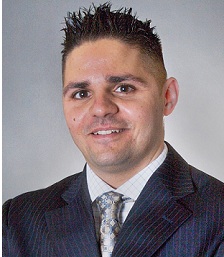
Stalco Construction, Inc., an Islandia, NY-based general contracting and construction management firm focused on healthcare, research, and institutional markets, has promoted Joseph M. Serpe to Principal. Building Design & Construction magazine recently ranked Stalco as the 148 th largest general contractor and the 50 th largest construction manager in the United States. The value of the firmโ€™s currently on-going projects totals approximately $100 million.

โ€œSince joining Stalco in 2008 as Project Manager and then serving as Vice President, Serpe has contributed his technical expertise and excellent managerial skills to developing our firm into one of the fastest growing medical and laboratory builders in the Northeast,โ€ said Stalco President and CEO Alan Nahmias. โ€œHis business acumen and expertise in managing highly complex construction undertakings and large project teams, leading pre-engineered building projects, and guiding LEED certification procedures will reinforce our firmโ€™s strong position in the New York City, Long Island, and greater New York area markets.โ€

Serpeโ€™s responsibilities as Principal include the overall management of all Stalco construction operations, supervision of the firmโ€™s project management and superintendent staff, executive management of selected projects, and mentorship of junior project management personnel.

Serpe will also increase his role in developing and implementing Stalcoโ€™s business strategy aimed at geographical expansion, business development activities, and growing the firmโ€™s pre-engineered steel structures design/build affiliate, Stalco International Group, a certified designer and builder of American Buildings Company-fabricated projects.

The firmโ€™s current and recent projects include the Lincoln Medical and Mental Health Center Emergency Department in the Bronx, NY; the SUNY College of Optometry Laboratories in Manhattan; the Maxine S. Postal Tri-Community Health Center in Amityville, NY; the SUNY Farmingdale Dental Hygiene Center in Farmingdale, NY; the MIDI Headquarters and Innovation Center Laboratory in Smithtown, NY; the Health Sciences Library at Nassau University Medical Center in East Meadow, NY; the DENTSPLY International Inc. research laboratory in Smithtown, NY; and the SUNY Stony Brook University Hospital MRI Suite in Stony Brook, NY.

Serpe is an active member of Contractors For Kids (CFK) and a supporter of Cooleyโ€™s Anemia Foundation. Stalcoโ€™s original Founders and Principals, Alan Nahmias and late Kevin G. Harney, co- founded CFK, a not-for-profit organization supported by nearly 300 Long Island-based construction, real estate, architecture, and finance companies. CFK provides assistance to children and their families impacted by health-related crisis. To date, CFK has provided support valued at more than $3 million.

CFK offers assistance extending beyond payment of medical bills. The organization has reimbursed travel costs related to cutting-edge treatments unavailable locally and provided aid to families unable to submit mortgage payments due to healthcare-related expenses. It also financially assists parents faced with the heartbreaking task of making funeral arrangements for their children.

Prior to joining Stalco, Serpe served as Project Manager at Radon Construction and as a New York State highway and road construction inspector.

Been Involved In A Motorcycle Accident? Here Are The Top Ways To Protect Your Rights

Been Involved In A Motorcycle Accident? Here Are The Top Ways To Protect Your Rights

Most people think that their rights to compensation are gone once they are involved in a motorcycle accident. However, this is not the case. You can do many things to protect your legal rights and make sure you receive the money you deserve for damages incurred during an accident. This article will go over some of the ways that victims of accidents can protect themselves after being involved in a motorcycle accident or any other type of accident with another vehicle. Let’s get to the list.

Make Sure You Get the Accident Report From Law Enforcement

It is essential to get a copy of the accident report from law enforcement. This document will have all the information you need about what happened during your motorcycle accident and who was involved in it so that you can protect yourself legally.

You want to make sure that this report does not contain any inaccurate or misleading statements, especially if you will use them against you in a legal battle. As stated by this Albuquerque motorcycle accident attorney, a police report is essential to protecting your legal rights. This means that you have to make sure the report is not incorrect or has any information that may sway a jury into thinking it was your fault, even if this wasn’t actually what happened during the accident.

Locate Other Witnesses and Get Their Statements as Well

Witnesses are some of the essential people in your motorcycle accident case. You want to make sure you get their contact information, and ideally, a written statement about what they saw during the accident. This can help prove that another person caused the crash by speeding or texting while driving, for example.

When taking the witness statements, ensure you also take their contacts too. This can be very helpful for you in the future if they are willing to testify on your behalf. Your attorney can also help you find other witnesses who can testify on your behalf or help you with your case.

Get Your Medical Records and Make Sure They Are Accurate

Another essential part of protecting yourself after a motorcycle accident is getting hold of your medical records. These documents must contain all of the information about how serious or extensive your injuries are, along with how long you will need to recover. You do not want any inaccurate or incomplete records in your case, so make sure you get all of these documents and ensure they are accurate before moving forward.

Ensure that the doctor has included all of the injuries you have sustained, along with how long it will take to recover from them. If not, ask for them to be updated right away, as this can help your case if you need to go to court.

Get a Lawyer and Make Sure You Follow Their Recommendations

Even if you think your case is fairly straightforward, it’s always a good idea to get an attorney who specializes in motorcycle accidents. They will be able to help you with the process of dealing with insurance companies and ensuring that you receive what you deserve for damages.

Make sure that they explain everything clearly so that there are no misunderstandings in the future. They should also keep in contact with you during your case to make sure that they are up-to-date on what’s happening and if there is anything else they need from you. A reliable lawyer will take care of your needs and help you through the process, so make sure to hire someone who has a good reputation. While it may seem like hiring an attorney will cost too much money or be too complicated, having one can save you time and effort in the long run.

Include Photos and Videos as Evidence for Your Case

One essential thing when protecting your legal rights after a motorcycle accident is getting hold of any photos or videos regarding the incident. This can be very helpful if this evidence does not make it into the police report or is inaccurate.

This can also be helpful if you need to go to court about your case, as any photos and videos will help strengthen your argument when presenting evidence in front of a jury. If possible, try to get video footage from security cameras located near where the accident took place. This is a great way to help your case and get the outcome that you deserve.

File a Claim with the At-Fault Party’s Insurance Company

When you have been injured in a motorcycle accident, you must file a claim with the at-fault party’s insurance company. This will help protect your rights to receive compensation if they are found liable for causing or contributing to the cause of your crash.

Make sure that your claim is filed before the deadline in your state, or else they could throw it out completely. Also, make sure there are no mistakes on any documents when filing them, as this can slow down getting the outcome you deserve.

In conclusion, the more evidence you have to back up your case, the better chance you will receive what you deserve for these damages. If possible, try to get some professional advice on how best to protect your rights after a motorcycle accident, as this can make all the difference in court. One way of doing so is to hire an attorney who specializes in motorcycle accidents.

Impact of MedTech on Healthcare – How Is It Making the Sector and Its Services More Efficient for You?

Impact of MedTech on Healthcare - How Is It Making the Sector and Its Services More Efficient for You?

The recent rise of MedTech has led us to believe that we can face any hurdle with ease. The data can help make a more confident and accurate diagnosis with artificial intelligence in the healthcare sector.

The change in weather conditions and lifestyle has led to the increase of various diseases and ailments among the masses. A common observation due to climate change is the increased risk of illness. It can be due to the increasing temperatures, effects of storms, or frequent heavy rains. The resultant impact is seen on the bodyโ€™s respiratory and nervous systems, and at times gastrointestinal diseases too.

Most of us take precautions according to the weather conditions while stepping outside. For example, you can check the weather in North Hollywood, LA, if you live there on apps or websites before you head out for work or pleasure. You can also check the AQI or pollen index and take extra precautions if required.

With the pandemic at hand, MedTech has increased rapidly and helped to manage the entire healthcare ecosystem more efficiently.

The Beginning

The adoption of tech especially after the last two years has led to a more intelligent, convenient, and efficient healthcare ecosystem. The availability of smart machines allowed us to put together a therapeutic approach that helps to take up routine tasks and acts as an enabler for quality patient-doctor time. Data management systems, cardiac imaging technology, and x-ray machines surpass human beings in more than one way.

However, it is also crucial to note that the advancements in cardiology and the overall health care system took years to reach the position that it is in today. Artificial intelligence not only helps doctors to have a precise diagnosis of their patients but also aids them during the surgeries too.

The citation of new emerging technologies by a study of the National Center for Biotechnology Information (NCBI) has led to Minimally invasive surgeries (MIS) becoming safer and more efficient for the patients.

It all dates back to the study of the heartโ€™s anatomy by the English physician William Harvey in 1628. The first electrocardiogram, by the Dutch physiologist William Einthoven, 300 years later, helped to measure the electrical activity of the heart. By the 20th-century open-heart surgeries became a common affair.

Prevailing Conditions

As we move forward to 2021 healthcare has become a lot smarter along with the rise of the scale of the problems. According to the reports by the World Health Organization cardiovascular disease is one of the prime reasons for death globally. If you are to refer to the numbers it stacks at roughly 18 million deaths per year.

In developing countries like India, nearly a quarter or 24.8% of the deaths are due to cardiovascular diseases as per the Global Burden of Disease. To put into perspective, the total death toll till August by COVID-19 around the globe was 4.5 million.

The complexities associated with heart disease led to numerous challenges. It is also common to observe subtypes of the disorders, each of which requires its specific therapy. Therefore it is all the more crucial to make the appropriate diagnosis of the same.

The Tools

The power of artificial intelligence can help us to interpret medical data more accurately and aid the medical staff to have a confident diagnosis. While the traditional methods used setting x-ray parameters manually, the automatic process helps to deal with patients experiencing a heart attack or a stroke. Thus, helping to save valuable time and life.

The presence of powerful imaging technologies helps to diagnose various problems within the important organs of the body. It also aids the technicians with precise decision-making during crucial medical procedures. Very recently, developments have led to the detection of cardiovascular risk through eye scans.

The integration of patient data analysis and doctor reports in one dashboard helps to reduce the administrative workload. It is an age-old belief that the only way to find a cure for multiple arterial blocks is to replace a valve in the heart via open-heart surgery. But the advancements in technology have led to an increase in the Minimally Invasive Procedures for such conditions.

Prioritizing Patients

For the advancements in MedTech, the patients are at the center of all considerations and process development. It is vital to create better patient outcomes when healthcare is essential for people of all age groups. The rise in diseases and frailing health conditions among the masses is a reason to worry for the days to come.

Therefore with the transformation and mutation of diseases, it is also essential for MedTech to evolve and grow further. The availability of smart machines, Precision healthcare, and real-time insights are some of the vital reasons why doctors and patients need to subscribe to such better facilities in the coming days.

Takara Bio Europe announces launch of CE-IVD registered RT-qPCR diagnostic kit for SARS-CoV-2

Takara Bio Europe announces launch of CE-IVD registered RT-qPCR diagnostic kit for SARS-CoV-2

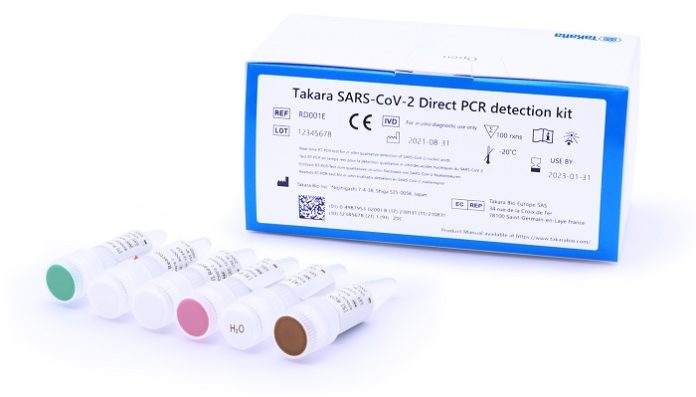
Takara Bio Europe announced today the launch of an in vitro diagnostic assay for the qualitative detection of novel coronavirus (SARS-CoV-2) from patients suspected of having Covid-19, based on real-time reverse transcriptase PCR (RT-qPCR). This CE-IVD kit complies with the Directive 98/79/EC on in vitro medical devices and is available for immediate distribution in selected countries.

The Takara SARS-CoV-2 Direct PCR detection kit, which was approved in Japan last year as an in vitro diagnostic kit, has been designed to detect SARS-CoV-2 in a simpler and faster manner. Nasopharyngeal or nasal swab samples, along with crude saliva samples, can be processed directly with this assay without RNA extraction, thus streamlining the protocol and giving a result in just 60 minutes.

This kit contains two primer/probe sets specific to the regions of the SARS-CoV-2 nucleocapsid genes (N1 and N2), based on the sequences reported by the Center for Diseases Control and Prevention (CDC)ยน. It also includes a primer/probe set to detect the human RNase P (RP) gene as an internal control. The Takara SARS-CoV-2 Direct PCR detection kit uses Takara Bioโ€™s worldwide renowned enzymes to offer reliable results that clinicians can trust. The kitโ€™s simple yet efficient protocol has been tested and validated on commonly used thermocyclers and can accommodate a wide range of samples, making it a versatile and economical solution for all laboratories.

โ€œExpanding our best-in-class enzymes portfolio already widely used in a broad range of diagnostic assays, to launch our first CE-IVD-marked kit is an important step for usโ€, says Pierre Lacaze, Managing Director at TBE. โ€œWe believe that bringing a faster, simpler, yet cost-efficient solution to market will help address current bottlenecks for diagnostic labs across Europe. The reliability and convenience of this kit has already convinced clinicians in Japan, where it has been used for millions of SARS-CoV-2 tests. Today, we are pleased to serve our European customers as well.โ€

With this kit, TBE is proud to support governments, medical staff and scientists in their fight against the Covid-19 pandemic, and to contribute to developing innovative solutions for the diagnosis of respiratory diseases.

About Takara Bio Europe
Takara Bio Europe is a wholly owned subsidiary of Takara Bio Inc., who develops, manufactures, and distributes a wide range of life science reagents under the Takara, Clontech, and Cellartis brands.

Key products include high-performance qPCR and PCR reagents (including the Takara Ex Taqยฎ, Takara LA Taqยฎ, Titaniumยฎ, and Advantageยฎ enzymes), Cellartis stem cells and stem cell reagents, RT enzymes and SMART library construction kits, the innovative In-Fusionยฎ cloning system, Guide-it gene editing tools, Tet-based inducible gene expression systems, and Living Colorsยฎ fluorescent proteins. Takara Bioโ€™s portfolio supports applications including NGS, gene discovery, regulation, and function studies, as well as genetic analysis, protein expression and purification, gene editing, stem cell studies, and plant and food research.

About Takara Bio Inc.
Takara Bio Inc., a world leader in biotechnology research and development, offers a host of life science research solutions, from enzymes and GMP-grade reagents to contracted cell and gene therapy manufacturing services and is the developer of the RetroNectin reagent, a world standard in gene therapy protocols. Takara Bio is committed to preventing disease and improving the quality of life for all people through the use of biotechnology.

GE Healthcare launches fixed X-ray system for radiologists

GE Healthcare launches fixed X-ray system for radiologists

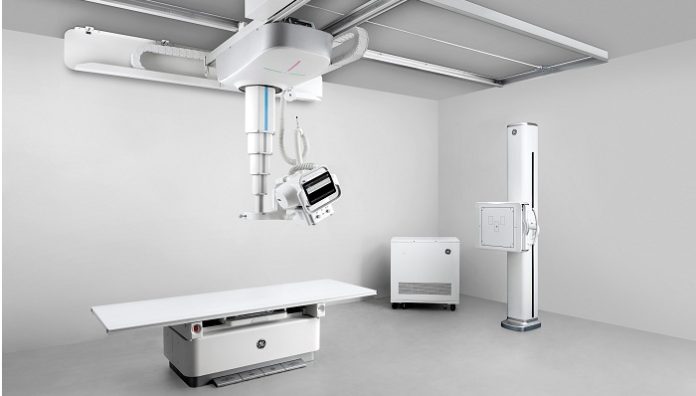
GE Healthcare introduced the Definium Tempo, a new fixed, overhead tube suspension (OTS) digital X-ray system designed to be a “personal assistant” to radiologists and technologists – leveraging automation to reducing workflow burdens and help radiology departments deliver the best patient care possible.

Definium Tempo is designed to work with the technologist to operate efficiently and provide consistent, high-quality images, while allowing for more quality time with the patient. Acting much like an in-room โ€˜command center,โ€™ the Definium Tempoโ€™s tube-mounted console provides all the functionality needed for patient selection, protocol selection, technique modification and positioning setup – enabling the technologist to finish all exam setup and positioning work without having to leave the patientโ€™s side. Automated workflows help start an exam and additional features, such as Auto Positioning, Auto Centering and Auto Tracking, automate the positioning of system components to maximize overall ergonomic operation for the technologist, while also helping to improve overall patient experience.

X-ray imaging often provides the entry point to diagnostic imaging – accounting for 60% of all imaging studies conducted[1]. As a result, X-ray technologists, radiology administrators, and radiologists are required to manage an ever-increasing caseload. The daily challenges of heavy lifting, repetitive motions, uneasy patients, and long hours that lead to more than 70% of technologists experiencing work-related injuries[2]. Variability in patient positioning and exam set up can lead to extra dose with โ€˜repeat and rejectโ€™ rates, or the need to retake images, as high as 25%[3],[4] . These pressures add additional burden to already strained Radiology Departments. To help solve for these challenges, GE Healthcare leveraged automation to reduce patient positioning time, physical workload, errors, and image retakes through a user centered design with easy-to-use features that assist in reducing the number of workflow steps and actions required.

โ€œIโ€™ve been a technologist for over 17 years and using this system has been unlike anything Iโ€™ve experienced before โ€“ itโ€™s a person inside the room with you at all times, itโ€™s like youโ€™re never working alone โ€“ itโ€™s like a second technologistโ€ฆโ€ said Nadia Dorson, X-ray Technologist at North Central Bronx Hospital. โ€œWhen youโ€™re in front of your patient, youโ€™re able to double check the patientโ€™s information which is really important in making sure youโ€™re setting up the exam properly. The camera provides real-time information on the patient so you can make necessary adjustments. And everything is as light as a feather, even down to the grid so Iโ€™m able to function better and am not encountering some of the day-to-day wear and tear Iโ€™ve experienced in the past.โ€

To address โ€˜repeat and rejectโ€™ rates that can negatively impact day-to-day clinical operations, the Definium Tempo is also equipped with features to deliver consistent images and help lower variability in patient positioning and image quality. Enabled by live streaming video and 3D depth cameras, the Intelligent Workflow Suite[5] combines computer vision, video analytics and precision engineering to provide a collection of workflow enhancement tools formed by seamlessly combining the 3D video camera, computer vision and video analytics to help address positioning errors, poor image quality due to incorrect patient habitus selection and ambiguities during image reading due to unique conditions. The Intelligent Workflow Suite includes Position Assist, Technique Assist, and Patient Snapshot to help increase patient satisfaction by avoiding image retakes; produce more consistent images to increase technologistsโ€™ productivity; and improve clinical confidence by avoiding radiologist follow-up during diagnosis.

Additional features include Helixโ„ข 2.1 Advanced Image Processing[6] of quadruple resolution images provided by FlashPad HD detectors that produce images with exceptional anatomical detail and magnification at low dose, while simultaneously reducing electronic noise to improve patient experience.

โ€œThe Definium Tempo system has been an impressive addition to our department,โ€ says Dr. Orlando Ortiz, Radiologist at North Central Bronx Hospital. โ€œAs a radiologist, image quality is everything and these images are a definite upgrade. Itโ€™s also had an immediate impact and been well-received by all our staff members, because itโ€™s simple to use – with minimal steps and clicks required. Workflow was an important consideration to our team – it needed to save, or eliminate, unnecessary steps while keeping the technologist present with the patient. With user-friendly features embedded in the console, our technologists are able to stay focused on the patient in the room and on the table, and provide critical care to patients who are nervous, worried or anxious about the exam which helps improve overall outcomes and helps us get to diagnoses faster.โ€

About GE Healthcare:

GE Healthcare is the $18 billion healthcare business of GE (NYSE: GE). As a leading global medical technology, pharmaceutical diagnostics and digital solutions innovator, GE Healthcare enables clinicians to make faster, more informed decisions through intelligent devices, data analytics, applications and services, supported by its Edison intelligence platform. With over 100 years of healthcare industry experience and around 47,000 employees globally, the company operates at the center of an ecosystem working toward precision health, digitizing healthcare, helping drive productivity and improve outcomes for patients, providers, health systems and researchers around the world.

GE Healthcare Debuts MyoSPECT, A Next-Generation Nuclear Medicine Cardiology System That Gets to the Heart of Challenging Cardiovascular Cases

GE Healthcare Debuts MyoSPECT, A Next-Generation Nuclear Medicine Cardiology System That Gets to the Heart of Challenging Cardiovascular Cases

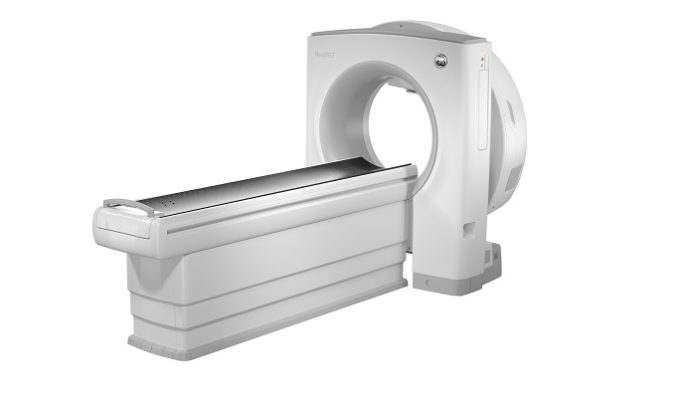
GE Healthcare is proud to unveil MyoSPECT, a next-generation cardiac-dedicated nuclear medicine scanner with extended field-of-view processing and new automated workflow features for a fast, comfortable exam experience. Built with the companyโ€™s exclusive Alcyone technology and CZT module design, MyoSPECT offers an exceptional view of cardiac anatomy and pathology to help clinicians determine the right course of treatment for patients.

As the number of people diagnosed with and dying from cardiovascular disease (CVD) steadily increases[iii], so too does the number of cardiac procedures, which now account for over 50 percent of all nuclear medicine studies in the United States[iv]. This evolving situation underlines the need for new cardiac-specific imaging solutions that deliver accurate assessments for patients of all sizes.

โ€œToday, the need for healthcare innovation is stronger than ever,โ€ explains Jean-Luc Procaccini, President & CEO, Molecular Imaging & Computed Tomography, GE Healthcare. โ€œNot only is demand for nuclear cardiac solutions increasing, but new and tough cardiac cases require a different approach to patient comfort, image quality, and workflow. Thatโ€™s why we designed MyoSPECT with all these factors in mind. Not only does MyoSPECT offer extended field of view processing to help accommodate a greater variety of patients, but its digital CZT detectors and new automated workflow features also help expedite exams for fast, confident diagnoses.โ€

MyoSPECT offers a wider table and 76 percent increase in field-of-view volume[i], providing clinicians greater positioning flexibility to help accommodate more patients, including those who may be too weak to sit up through an entire exam or others with high body mass indexes (BMIs). Combined with the excellent energy and spatial resolution of GE Healthcareโ€™s compact CZT detector technology and novel multi-pinhole collimator design, these features create a tomographic imaging arc of the heart with motionless detectors, so every detector focuses on the heart simultaneously. The result is a comfortable experience for patients of all sizes and a complete picture of the heartโ€™s anatomy and pathology for clinicians.

โ€œFrom form to function, there has never been a more complete solution for cardiac imaging,โ€ says Prof. Tali Sharir, director of nuclear cardiology at Assuta Medical Centers in Tel Aviv, Israel โ€“ the first evaluation site for MyoSPECT. โ€œMyoSPECT provides very good image quality for obese patients with short scanning times, easy workflow, and excellent patient comfort. Also, the systemโ€™s new capabilities โ€“ including Smart Positioning, extended field-of-view processing, and imaging protocol โ€“ helped us expedite our departmentโ€™s typical two-day protocol to a one-day protocol instead.โ€

Recognizing that many healthcare systems today are challenged to maintain quality across a wide range of patient and exam types, MyoSPECT also includes several new automated features to help expedite workflows and make it easy to achieve quality results consistently.

To start, the systemโ€™s new Smart Positioning solution offers scan positioning prompts and extended field-of-view recommendations to optimize patient positioning. Then, MyoSPECT leverages device-less Alcyone Motion Detection and Correction on Xeleris โ€“ GE Healthcareโ€™s processing and review solution โ€“ to generate images without motion to view cardiac anatomy and pathology with fewer artifacts and great clarity. The system also includes SPECT Flow, which combines dynamic acquisition on MyoSPECT with coronary flow reserve (CFR) and absolute myocardial blood flow, should clinicians wish to use an external CT for attenuation correction[v]. This process delivers valuable insight into each patientโ€™s blood flow for true dynamic cardiac imaging and great diagnostic confidence.

Finally, the system offers clinicians two options for attenuation correction and evaluation โ€“ both of which have the added benefit of excellent CZT resolution:

Correct attenuation by combining perfusion images with separate CT images on Xeleris; or
Evaluate attenuation artifacts by imaging both prone and supine positions without additional radiation exposure since MyoSPECT uses a table for patient positioning.

Altogether, the system is designed to view cardiac anatomy and pathology with great clarity, exceptional patient comfort, and provide clinicians with the information they need to help improve patient outcomes.

GE Healthcare will be showcasing the next generation nuclear medicine cardiac system at the 26th Annual Scientific Session and Expedition of the American Society of Nuclear Cardiology. To visit the companyโ€™s virtual booth, click here.

About GE Healthcare:

GE Healthcare is the $18 billion healthcare business of GE. As a leading global medical technology, pharmaceutical diagnostics and digital solutions innovator, GE Healthcare enables clinicians to make faster, more informed decisions through intelligent devices, data analytics, applications and services, supported by its Edison intelligence platform. With over 100 years of healthcare industry experience and around 47,000 employees globally, the company operates at the center of an ecosystem working toward precision health, digitizing healthcare, helping drive productivity and improve outcomes for patients, providers, health systems and researchers around the world.

Acclarent Launches First ENT Navigation Technology Powered by Artificial Intelligence

Acclarent Launches First ENT Navigation Technology Powered by Artificial Intelligence

Acclarent, Inc., part of the Johnson & Johnson Medical Devices Companies, and a leader in developing minimally-invasive Ear, Nose & Throat (ENT) technologies, announced the U.S. launch of its first-ever AI-powered ENT technology, designed to simplify surgical planning and provide real-time feedback during ENT navigation procedures. The new software package contains TruSegโ„ข and TruPathโ„ข for use with the TruDiยฎ Navigation System and leverages a machine learning algorithm to provide reliable and efficient image guided preoperative planning and navigation for ENT procedures, like endoscopic sinus surgery.

More than 30 million adults in the U.S. are diagnosed with sinusitis each year. Those with chronic sinusitis typically suffer from a combination of nasal congestion, facial pain/pressure, decreased sense of smell, and other symptoms impacting their quality of life.1 While chronic sinusitis is typically treated first with medication, at least 20 percent of people do not respond adequately to such treatment and may require sinus surgery.2

TruDi has enabled software-guided navigation since its launch in 2018 and is designed for ENT surgeons to deliver real-time 3D guidance, anatomical mapping, and surgical insights to assist throughout ENT procedures.

  • TruSeg enables surgeons to apply automatic segmentation to a patientโ€™s anatomical structures based on a preoperative CT scan. This feature allows the precise labeling of anatomical structures, such as the eyes and brain, to function as beacons to alert the surgeon when a navigated surgical device approaches the structure during ENT procedures.
  • TruPath calculates and presents the shortest valid path that doesnโ€™t cross bone.

โ€œAs one of the first ENTs to use TruDi, I immediately recognized the opportunity for this technology to help surgeons avoid unintended consequences and expand access to safe, minimally invasive, long-term solutions to patients in need of sinus surgery, said Charles Ebert, MD, MPH, Otolaryngologist and Professor, University of North Carolina Chapel Hill.** โ€œThrough this innovation we are maximizing patient care.โ€

Acclarent will share details and real-world experiences of ENTs utilizing TruDi at two upcoming annual meetings taking place in Los Angeles โ€“ the American Rhinologic Society (ARS) Annual Meeting (October 1-2) and the American Academy of Otolaryngology โ€“ Head and Neck Surgery (AAO-HNS) Annual Meeting (October 3-6).

โ€œThe launch of this AI-powered software for TruDi is a leap forward in the evolution of image-guided ENT and skull base procedures,โ€ said Jeff Hopkins, Worldwide President, Acclarent, Inc. โ€œAcclarent continues to reimagine whatโ€™s possible with ENT navigation and TruDi continues to benefit patients and the ENT community through consistent accuracy, a simple workflow, and pioneering software functionality.โ€

About Acclarent
Acclarent, part of the Johnson & Johnson Medical Devices Companies, is located in Irvine, California. Its singular focus is to free patients to live better lives by designing, developing and commercializing medical devices that address conditions affecting the ear, nose and throat. For more than a decade, Acclarent has led the field in delivering innovative technologies to ENT surgeons.

About Johnson & Johnson Medical Devices Companies
At Johnson & Johnson Medical Devices Companies, we are helping people live their best lives. Building on more than a century of expertise, we tackle pressing healthcare challenges, and take bold steps that lead to new standards of care while improving peopleโ€™s healthcare experiences. In surgery, orthopaedics, vision and interventional solutions, we are helping to save lives and paving the way to a healthier future for everyone, everywhere.

Important Safety Information
Acclarent Navigation Technology is intended for use by or under the direction of a physician. Devices guided by the Acclarent Navigation Technology have described risks including the potential for unintended injury to the orbits or CNS as a consequence of inaccurate navigation. Prior to use, it is important to read the Instructions for Use and to understand the registration process and the contraindications, warnings and precautions described for the system.

Medtronic Expands Minimally Invasive Spine Surgery Ecosystem with Next-Generation Spinal Technologies

Procedure-Related Techniques and Care Pathways from the OPTIMIZE PRO Clinical Study Show Promising Early Outcomes for Patients Implanted with the Medtronic Evolut TAVR System

Medtronic plc, the global leader in medical technology, announced the latest additions to its minimally invasive spine surgery ecosystem, making it the only company to combine spinal implants, biologics, navigation, robotics, and AI-powered data to surgeons and patients.

New additions to the Medtronic MIS+ portfolio include:

  • Catalyftโ„ข PL and PL40, the first releases in the new Catalyftโ„ข Expandable Interbody System. Catalyftโ„ข PL and PL40 feature a unique design for anterior rim engagement, a beveled tip for ease of insertion, seamless integration with StealthStationโ„ข Navigation, simplified bone graft delivery, and active expansion at the precise angle and lift that surgeons need for minimally invasive, patient-specific solutions to meet sagittal alignment goals.
  • The Space-Dโ„ข Access System, which enables pedicle-screw-based distraction, retraction and compression, compatible with Medtronic’s leading MIS screw system, CD Horizonโ„ข Soleraโ„ข Voyagerโ„ข, enabling simpler, all-in-one access for surgeons, making procedures more efficient and reproducible.
  • Accelerateโ„ข Graft Delivery System with Graftonโ„ข DBF enables more controlled and efficient delivery of graft material into the disc space or other locations. Accelerate enables placement of more bone graft2 to facilitate fusion and is nine-times faster than traditional graft delivery methods.3 Bone grafting is also more controlled and easier for surgeons to visualize.

“At Medtronic, we continue to raise the bar in minimally invasive spine surgery through our commitment to driving innovation and expanding our MIS capabilities,” said Carlton Weatherby, vice president and general manager of Spine & Biologics within the Cranial & Spinal Technologies business, which is part of the Neuroscience Portfolio at Medtronic. “Our seamless integration of implants, instrumentation, and enabling technologies into a single ecosystem is helping surgeons remove variability in the surgical procedure, streamline and personalize care, and enable better patient outcomes.”

Advancing Care with MIS+ TLIF
More than 450,000 spinal fusion procedures4 are performed in the United States each year to reduce pain, improve stability, or correct deformities of the spine. About 200,000 are lower or lumbar fusion procedures,5 which treat conditions such as degenerative disc disease, herniated disc, fractured vertebrae, spinal stenosis, and other conditions. One of the most common spinal fusion procedures is transforaminal lumbar interbody fusion (TLIF). During a TLIF procedure, a disc is removed from the lumbar spine, and two vertebrae are joined together using screws or rods. An interbody fusion spacer is inserted into the space, and a bone graft or bone substitute is placed into the space. As the bone heals, it fuses the vertebrae together to form one bone.

The new additions to Medtronic’s MIS+ portfolio create the most complete MIS+ TLIF solution available for surgeons. A complete procedural solution allows surgeons to provide the benefits of minimally invasive spine care โ€“ including lower infection and complication rates,1 less blood loss,1 smaller incisions, reduced hospital stays,1 and less pain6 โ€“ to more patients. Compared to open TLIF, MIS+TLIF requires a smaller incision and less muscle and tissue disruption, which can mean a faster recovery time after the operation.7, 8, 9 Together, these technologies improve clinical and economic value while reducing OR time with a fully streamlined procedure1.

“Medtronic’s comprehensive ecosystem of MIS technologies is developing a new standard for TLIF and other spine procedures,” said Christopher Holland, M.D., Ph.D. of Carolina Neurosurgery and Spine Associates. “While minimally invasive procedures can present a learning curve for surgeons, Medtronic’s portfolio makes these operations efficient and reproducible, utilizing instruments as in an open procedure, with the additional benefits of AI, navigation and robotics. The MIS ecosystem overall helps make these procedures safer, and my patients can recover faster and return home sooner (often without requiring a hospital admission), with a better overall care experience and better outcomes.

Establishing IoT & Wireless-Driven Healthcare & Medical Infrastructure

  1. What improvements can one expect in the overall medical care of a patient with the help of the devices and subsequently the data that comes out of it?

Healthcare professionals rely on many types of data gathering or health alert systems to monitor a patientโ€™s health and vital signs. Most of these systems are limited in that they require the patient to be wired up and stationary at a hospital or clinic. When the device is mobile, they are typically powered by batteries and are bulky; patient compliance is difficult and the monitoring is typically short term. Whatโ€™s more, many of todayโ€™s mobile health monitoring devices are not providing data in real time; the device must be returned for the data to be downloaded and evaluated. For those battery-dependent devices that are Wi-Fi enabled, there can be a burden on the patient to ensure that the Wi-Fi is connected, and thereโ€™s still the problem of device size. No one wants to continuously wear a heavy device strapped to their chest or elsewhere.

Wireless power over air overcomes many of these challenges. When a health monitoring device is powered automatically and can send data in real time, medical professionals can be immediately alerted in the case of potentially life-threatening vital signs, even when the patient is at home, shopping, or in their car. Systems can be set up to alert the patient of what to do; caretakers or loved ones can be alerted; even first responders can be called.

Whatโ€™s more, a wirelessly powered wearable device can be unobtrusive, due to the lack of batteries, which may encourage the patient to wear it as prescribed and for as long as necessary. Continuous ongoing data can provide healthcare providers a more complete picture of health that a three-day or three-hour data collection cannot achieve.

  1. When we talk wireless power transforming patient care at remote places, factors like robust internet infrastructure becomes pivotal. How is the industry addressing it?

Whenever thereโ€™s a new technology or technology advancement, we see early adopters in first world countries test out different applications in different industries. When electricity was first developed, it was used in libraries, lighthouses and theaters in big cities. As the infrastructure expanded, so did the use of electricity, so that it eventually reached rural areas and undeveloped nations. To this day, we are still expanding the electrical grid to remote and underdeveloped regions around the world.

When W-Fi was invented, we saw a similar trajectory. And now with radio-frequency-based wireless power over air, we expect to see a similar rollout. It takes many players to create an efficient infrastructure, for patient care or otherwise.

As an industry, many tasks are at play at the same time. Different types of wireless power are being tested and developed, partnerships are being created and pilot programs are launching. As we discover what works best, we all work to raise awareness and expand the wireless power ecosystem, so there are more companies supporting different aspects of the innovation. For example, not only do we need the technology for wireless power, but we also need commercial adopters, manufacturers, and a communications network. At this point in time, only RF-based wireless power is tested as safe to use around people and at a distance.

  1. What is the periodicity of the patient data generated, and how is the data outflow managed?

With a wirelessly powered wearable health care device, data can be gathered in real time. The data is managed via a private and secure cloud-based system that can be customized to suite the rules and regulations of the industry – in this case healthcare. As long as the device is within a wireless-power-enabled space with adequate Wi-Fi, energy will be delivered to the device automatically, without the need to charge or switch out batteries, and information can be collected. This information can be set up to set off a series of predetermined actions, including patient, doctor, and caretaker alerts.

  1. Has the COVID-19 outbreak propelled the need for IoT-driven medical devices, or was this need for transformation sensed even before the pandemic started?

The need for telehealth services has been known by healthcare providers for decades. Many patients are reluctant or unable to visit a hospital or clinic due to a variety of reasons: childcare, work hours, distance, lack of transportation, or even medical symptoms that prevent easy travel (such as migraine, vomiting, fainting, or diarrhea). A transformation has been needed for a long time but breaking out of the status quo in any highly regulated industry is very difficult.

The COVID-19 pandemic has certainly propelled the need for virtual healthcare, including IoT-driven medical devices. Virtual visits and data collection not only decrease the spread of infectious diseases, but they also free up space in waiting and exam rooms. Theyโ€™re time savers for patients and healthcare providers alike. Saving time is saving money. Innovators in the health and fitness tracker industry have fully embraced the healthcare wearable trend. Medical device innovators are now seeing their opportunity to not only advance home health monitoring systems quickly, but to also offer major improvements by leveraging wireless power over air.

  1. Describe the various advancements taking place within the IoT medical device and wireless spectrum.

As we mentioned, the sports and fitness industry has long embraced IoT biosensors and wireless technology to create wearable devices such as wristbands, clip-ons, necklaces and even rings. Biosensors have even been woven into different fabrics and workout clothes to collect data such as the number of steps walked and to deliver recommendations like optimal times to work out based on individual schedule or health data.

Inย  hospital settings, IoT devices are not only being used to monitor patients, but also to track healthcare equipment, such as oxygen pumps, ventilators and defibrillators. They monitor environments, including temperature and humidity, which can be extremely important for vaccines and medications. They are even helping track crucial supply inventory.

Wireless power over air is designed to provide a consistent and dependable energy source at a distance for all of these applications.

Near-field communication is another wireless power technology, but it requires the display and the sensors to be very close with each other to work. This particular power source, while battery-free, still limits medical device manufacturers with the distance the energy can travel. RF-based wireless power has no such near-field limitation.

  1. What has been done by the industry to tackle the maintenance of sensors, wireless technology and IoT-run medical devices?

IoT sensors are in every connected device you can think of; there are literally billions of them globally, and the cost of manufacturing them has dropped drastically. The manufacturers that develop sensors have it in their best interest to maintain quality control and open communication with their buyers about any potential hiccups. This includes sensors within IoT medical devices and is a fairly well-established system.

Wireless power technology, on the other hand, is in its early adoption stages and protocols have not yet been established for ongoing maintenance. That said, there has been millions and millions of dollars invested in the testing and certification of wireless power technology over the last two decades. The FCC has certified several wireless power systems for different applications, and some have passed the FCCโ€™s stringent Specific Absorption Rate (SAR) requirements for safety. One has even received European and UK regulatory approval to use wireless power over air without any distance limitations, with more countries on the horizon.

  1. When we talk about the penetration of IoT medical devices, is there a specific region that is targeted by the industry, or will these services be available across the world?

As our society grows to become more and more digitally connected, the number of IoT devices increases. In the future, there will be billions and even trillions of sensors within IoT devices across the world that cannot all be powered through wires and batteries โ€“ there are simply not enough people to continuously replace the numbers of batteries that would be required on an ongoing basis. Eventually, the need to find an alternate power source will impact everyone, no matter where they are located.

With regard to IoT medical devices, the regions that are targeted first are the ones that have regulatory approval. Currently, certain brands of RF-based wireless power technology have commercial and business use approval in the U.S. by the FCC for specific applications. Also, the EU and UK โ€” all 32 countries โ€” have approved its use at any distance. We anticipate more countries accepting the use of RF-based wireless power in the coming months.

  1. What is the industry doing to establish the compatibility of existing medical devices and infrastructure with IoT and wireless solution

Compatibility of any new technology with existing product design is extremely important to expedite adoption. High-level efforts to enhance compatibility are threefold:

  • Licensed wireless power technology developers are setting standards for the development of the technology, so that different manufacturers can more easily work together. For example, a wireless power transmitter manufacturer can easily work with another company that is creating receivers, and both can seamlessly work with medical device manufacturers, because they are all using the same playbook. Maintaining and distributing these standards as the technology advances is essential for compatibility.
  • RF-based wireless power receivers are extremely small. They can fit within an existing battery space without impacting current medical device design. In fact, they can enable innovators to make devices smaller or fit in more features in the future. In the beginning of adoption, medical device design and infrastructure does not need to change much.
  • Wireless power adapters are a likely bridge to enable wireless power for current medical devices. Remember when there were Qi or induction ready โ€œsleevesโ€ for mobile phones, to enable them to be charged on a pad before most mobile phones were manufactured as Qi-ready? Or looking farther back in time, remember when we needed an extension device for our laptops and computers to enable Wi-Fi before it was built in? Wireless power for medical devices will likely roll out in the same way.

Many medical devices already contain some form of connectivity with the IoT systems built into these products that are currently receiving and generating data but still need to be charged with wires or batteries. With wireless power, any of these existing devices could go from needing to be charged and constantly plugged in to being smart and powered over the air.


Translate ยป