













Close
Digital Health & Ai Innovation summit 2026
Medical Taiwan 2026

Technology as a Service: The importance of lifecycle technology asset management for healthcare equipment

Technology as a Service: The importance of lifecycle technology asset management for healthcare equipment

Why subscriptions offer an affordable and effective way to stay continuously up to date and secure

“Maintaining system and equipment operations is an important part of providing quality care for hospitals and is a top priority for our customers.”

Kees Wesdorp, Business Leader Diagnostic Imaging at Philips

Modern medical technology offers a way to empower patients and professionals alike, to have full healthy and active lives and rewarding careers. In fact, this arena of healthcare technology is defined by the World Health Organization as the “application of organized knowledge and skills in the form of devices, medicines, vaccines, procedures, and systems developed to solve a health problem and improve quality of lives[1]“.

And yet the overwhelming challenge of 21st century healthcare is how to move from cost-increasing to cost-reducing and security enhancing technology; a challenge that has been significantly intensified by the COVID-19 pandemic.

According to Becker’s Hospital CFO Report, “Hospitals spend $93 billion per year on medical equipment lifecycle costs – all the activities related to the purchase, support and disposal of medical equipment and technology. Due to a lack of accurate information, internal resources, bandwidth, and specialized expertise, even the most diligent hospitals are missing savings of as much as 12-16% of their entire medical equipment lifecycle costs – or $12,000 per bed per year[2].”

It is clear then that for every healthcare institution, keeping technology up to date is a significant investment but also an essential component in quality healthcare delivery. In fact, it has become a key differentiating factor in improving patient care, and establishing a competitive advantage. Yet successful management of a broad installed base of hardware and software is highly challenging and has brought the discipline of lifecycle technology asset management to the top of the leadership agenda.

Evidence of this value creation shift to Technology as a Service (TaaS) is the emergence of new business models, such as technology management subscription services coupled with structured upgrade capabilities. Examples in the consumer domain span everything from computer and smart phone upgrades to solutions from Netflix and Amazon.

Jaeyeon Kim, Customer Service Delivery leader, Philips Services & Solutions Delivery, South Korea explains: “Our customers make critical investments when they purchase new equipment and need to maximize these investments by keeping their equipment up to date, completely secure and optimized. This is why it’s important to shift towards a Technology-as-a-service (TaaS) model as it supports the continuous introduction of new and advanced technologies in the future.”

These new ‘always-on’ subscriptions offer ways of keeping complex systems up to date and compliant at a fraction of the cost of individual upgrades. And, of course, these services not only help operational leaders manage costs, instead they also provide confidence to radiology and cardiology department leaders and clinicians that their systems are effective, secure and future proofed.

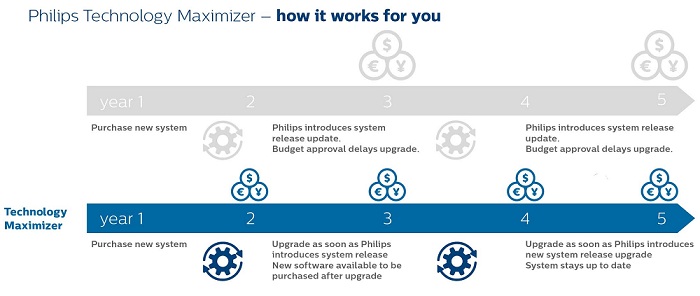
A notable example of this new continuously upgraded and updated service model is the Philips Technology Maximizer subscription. A five year, cross modality program designed to boost the clinical capabilities and performance of imaging equipment through proactive upgrades, Technology Maximizer ensures that imaging systems can be kept up to date and compliant at a fraction of the cost of individual upgrades. This is made possible by a structured upgrade process.

Peace of mind through structured upgrades

Equipment performance is key to increasing efficiency, which is vital for hospitals looking to increase their quality of patient care. When departments are efficient, they become stronger and more productive. Proactive upgrades help keep imaging equipment up to date, which is important for managing security risk. These updates also help keep systems well-maintained, compliant and protected from obsolescence, which helps decrease unexpected downtime. However, complicated financial processes and overburdened staff can often create barriers to obtaining needed and timely system upgrades.
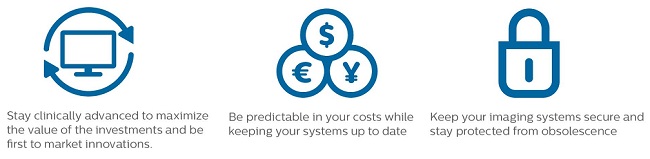
With Philips Technology Maximizer, healthcare organizations no longer need to upgrade systems or software on an individual basis. Through regular upgrades and by refreshing existing hardware, this five-year subscription program provides radiology and cardiology departments with the latest software and hardware updates while maintaining cost efficiency through a predictable fee. The subscription service is available for selected Philips MR, CT, IGT and Ultrasound systems, and runs in tandem with existing RightFit Customer Service Agreements.

Philips’ Technology Maximizer Pro option provides additional benefits. Organizations that select the Pro option for a clinical domain automatically receive the latest specialty applications for the domain as Philips releases them. For example, Technology Maximizer Pro is available for MR systems in body, cardiovascular, musculoskeletal and neurology domains.
Technology as a Service (TaaS) plug ins, such as Philips Technology Maximizer look set to play a key role in healthcare transformation. For example, recent GemSeek research commissioned by Philips found that 86% of customers considered Technology Maximizer to be highly relevant in helping them overcome their key hospital limitations of staying competitive, addressing staff satisfaction and ensuring cybersecurity[3].

Flexible RightFit contracts | | Philips
Philips Technology Maximizer | Medical equipment upgrades & updates | MRI, Ultrasound, CT and IGT

References:

[1] Health technology assessment, https://www.who.int/health-technology-assessment/about/healthtechnology/en/
[2] Robson, Peter, CEO Miga Solutions, A new way of thinking about medical equipment costs, Becker’s Healthcare, Hospital CFO Report, 11/13/2016, https://www.beckershospitalreview.com/finance/a-new-way-of-thinking-about-medical-equipment-costs.html, accessed on 02/08/2020.
[3] GemSeek research commissioned by Philips, No 151, USA


The Eco-Friendly Ways To Live Your Everyday Life

The Eco-Friendly Ways To Live Your Everyday Life

The eco-friendly ways to live your everyday life are a broad concept. Here we will discuss how the environment and living things suffer at the hands of humans, and he will also share some tips on how to go green in multiple areas of life. Keep reading to find out some eco-friendly ways to live your life.

1. Eco-strips laundry detergent.

Laundry detergent is one area of life that has not changed much in the last century. It seems as though every other week a new laundry soap comes out, but they are all designed to do the same thing. There are companies today that have created eco-friendly alternatives like laundry detergent strips, which means you can have clothes that look clean and smell fresh without ruining the environment. They are ultra-concentrated, convenient, and put into a tiny, pre-measured strip of laundry detergent that you just toss in the wash.

2. Eco-Foam Soap Dispensers and Eco cleaning products.

Soda dispensers are probably one of the most wasteful ways to get your soda fix, but there are eco-friendly options for this as well. These foam soap dispensers are an easy way to cut back on how much plastic goes into landfills each year. They typically come with a detergent inside, and they will work to clean your dishes and hands. Just remember to use a very small amount of soap, since it is concentrated.

Cleaning your house can be a daunting task, but there are now eco-friendly ways to do it. Look for those who have been certified by reputable organizations such as the EPA and those which have reduced the number of chemicals that go into their products each year. Just a handful of these cleaners can help you cut back on harsh chemical usage by 30%.

3. Turn Off Electronics.

Electronics such as TVs, radios, laptops, and even electric heaters still drain energy when they are plugged in but not in use. Simply unplugging them after you finish watching TV or working on your computer can help you cut back on electricity consumption by 5% without cutting out any comforts of modern life.

4. Take Public Transit.

One eco-friendly way to live your life is to take public transit if you are able. You can reduce pollution by cutting back on car emissions, but also there are many other benefits to not owning a vehicle, such as less time spent finding parking, lower gas expenses, and more savings in general. These benefits should all be considered before making the decision to sell your vehicle or not purchase one in the first place. Please note that even though it is eco-friendly, taking public transit isn’t for everyone (for example, if you have young children).

5. Buy Eco-Friendly Beauty Products.

Every day, women use dozens of beauty products on their faces and body with harsh chemicals that not only hurt us but hurt our environment as well due to how they are disposed of. When buying beauty products, look for those who have been certified by reputable organizations in order to ensure they meet strict standards in terms of environmental impact.

6. Use bamboo toothbrushes and eco-friendly air fresheners.

Bamboo toothbrushes are eco-friendly ways to go green in multiple areas of life. Bamboo grows quickly and is a sustainable resource that lasts long and looks great. People often joke about using twigs or branches to brush their teeth, but it turns out the joke’s on them because these bamboo toothbrushes actually work very well. Not only are they eco-friendly, but they also help cut back on plastic that goes to landfills. Air fresheners and scented candles are some of the most popular ways to add a little something extra to your home when you have guests over. You can find eco-friendly air fresheners today in many varieties, so look around for something that suits you. Fresh air around can reduce the risk of asthma and many diseases. You can even your overall carbon footprint by ordering from mail order prescription drugs from Canada at best quality and value for your medical conditions.

7. Rinse Dishes Before Putting Them In The Dishwasher.

One of the most effective ways to cut back on water consumption is by rinsing your dishes before putting them in the dishwasher. Doing this allows you to use less water and energy when it’s time for the machine to run. Plus, if you or any members of your family have sensitive skin, you can avoid getting soap residue on your dishes and hands with this simple tip.

Why is it important to be eco-friendly?

Being eco-friendly has many benefits. Besides the positive impact it makes on Mother Earth, there are also many other reasons to be green; such as lower energy bills and water consumption. These savings should be considered before making the decision to go all-out green or not. Everyone can make a difference when they cut back on certain aspects of their life that don’t matter much to them (ex: using plastic utensils, buying paper towels), but it is important to think about what you want most in your life and how this may affect the environment before actually doing anything. Being eco-friendly isn’t for everyone. However, if one tries even some small changes with an open mind and heart, he/she will most likely see the positive impact it makes on the world around them. Even if you just start eating healthier and buying less wasteful fast food, this is enough of a change.

Is “going green” hard to do?

It is not hard to be eco-friendly. There are many small changes that can be made to live a more eco-friendly lifestyle without too much of an inconvenience. A list of tips such as the one above will help get anyone started on their way to living an environmentally friendly life. The goal is simply awareness, and once people realize how easy it is to make these changes in their lives, they automatically start seeing things differently and slowly change their routine. Many people think this change means sacrificing what you enjoy most in your life, but this is absolutely not the case. Eco-friendly ideas like taking public transportation or using eco-friendly beauty products can actually enhance how you live your everyday life while saving time, money!

Should you recommend this way of life to the people you know?

Absolutely. Everyone needs to know about the harmful toll we are taking on our planet, and this type of change can be made very easily with positive effects all around you! Seeking out eco-friendly items is only half the battle; people also need to make it a goal to use what they already have in their homes as much as possible. Buying new items to make this lifestyle change is not necessary, but buying used or second-hand things is highly preferred.

Taking care of this planet isn’t a sacrifice, but rather an investment that will have a positive impact on your life and the lives of future generations. It’s not just you in question, it’s everyone around you. We must remember Mother Earth gives us so much, it’s our turn to give back and be green!

How to Know If You Have a Testosterone Deficiency

How to Know If You Have a Testosterone Deficiency

Have you or someone you know recently been wondering if some of the issues they are having might be related to a testosterone deficiency? Maybe you have suffered from certain problems such as low energy for years now, and you are thinking it might be due to your testosterone levels? Perhaps you know that testosterone deficiency is a common issue in your family, and you want to keep a lookout for early warning signs in your own life? If any of this sounds like you, then keep on reading to learn some useful tips and tricks for finding out if you have a testosterone deficiency. This article will discuss some of the most common warning signs that could potentially indicate that you are suffering from a testosterone deficiency-related issue. Get the treatment you need in order to get back to your normal self.

Energy

A common side effect of a testosterone deficiency is a general lack of energy or motivation. This can be a particularly troublesome issue since it can affect all aspects of your life and career. If you are suffering from a lack of energy you should try to do more exercise, stay well hydrated, and get some fresh air every day. If you are still feeling sluggish, then you can talk to your doctor about some new possible solutions.

Sex Drive

One of the most common signs of testosterone deficiency is a reduced sex drive. Since testosterone plays a large role in our sex drive and ability to become aroused, it can be one of the early warning signs of testosterone deficiency. There are lots of different medications and supplements that doctors can recommend and prescribe to you if you are suffering from this kind of condition. It can sometimes be tricky to find the best product for you, but a quick look at a full review of Testoultra or any other leading brands in this market will help to steer you in the right direction. You owe it to yourself and your partner to do whatever you can to help get your sex drive back to its normal setting.

Memory

Another common issue that goes along with a testosterone deficiency is a memory that does not perform well. Forgetting things is normal and everyone does it, but if you are finding that your memory is persistently failing, then you should consider getting your testosterone levels checked to rule out this issue as a cause.

After reading through a few of the different ideas listed above, the hope is that you have discovered some of the most common warning signs that you might have a testosterone deficiency. The aforementioned examples are only a few of the indicators that you have a testosterone deficiency, so be sure to do some more research if you are still unsure whether or not this condition is responsible for your problems. You should always consult with your doctor if you think you are having any kind of hormone-related issue since they can work with you to find the best solution to get your testosterone levels back to a normal level safely.

Causes Of Anxiety And How To Properly Overcome Them

Causes Of Anxiety And How To Properly Overcome Them

Anxiety is something that can happen to anyone and can be caused by a variety of factors. This article will discuss the six most common causes of anxiety and how one might go about overcoming them.

What is anxiety and is it common?

Anxiety is a general sense of unease, worry, or fear, often accompanied by compulsive behavior. It is the voice in your head telling you that something bad might happen, and it’s how your body reacts to this feeling.

Many people are affected by this disorder, usually around three in every hundred people, so it’s certainly not uncommon, but for some people, they go through their daily lives without acknowledging that what they’re feeling is actually anxiety. Anxiety has many causes; it can come from genetics, an illness that one may have experienced earlier in life, the result of an accident, or someone close to you has passed away. Furthermore, it could be triggered by an illness such as phobias, depression, or post-traumatic stress disorder.

Stress

When one is under a large amount of stress, it can overwhelm the body and cause feelings of anxiety. This is because stress releases hormones that stimulate the “fight or flight” response in humans; this leads to increased heart rate, heightened senses, etc. When the body becomes flooded with these stress hormones over an extended period of time (more than six months), it can become more difficult for the individual to control his/her physical reactions. There are many things one can do to cope with stress including exercise, meditation, simplifying one’s life, talking about problems with others (rather than bottling them up), getting enough sleep, and other techniques. It is important not to resort to substances like alcohol or drugs, as this will only complicate the anxiety and can lead to addiction.

Genetics

It is common knowledge that one’s genetics play a role in determining his/her health as well as mental stability. Individuals who have a first-degree relative (such as a parent or sibling) with an anxiety disorder are 25% more likely to develop an anxiety disorder themselves than those without such a family history. Scientists believe this is due to genetic mutations that cause changes in brain chemistry and/or structure, which leads to an increased risk of developing an anxiety disorder. However, not everyone with these genes will actually develop an anxiety disorder, indicating that environmental factors may play a larger role in the development of these conditions than previously thought.

Chemical Imbalances

It is important not to confuse the term “chemical imbalance” with things like thyroid problems, diabetes, etc. A chemical imbalance refers mainly to neurotransmitters in the brain that are responsible for a variety of bodily processes, including mood and attention regulation. When one has anxiety, it is most likely due to an imbalance or deficiency of these chemicals, but this can often be treated by taking medications such as antidepressants or benzodiazepines, which will help stabilize the levels of these chemicals in one’s brain. In some cases, supplementing with L-Theanine or 5-HTP may be beneficial as well.

Caffeine Depletion

Caffeine is a sedative drug, which means that it can temporarily help to reduce feelings of anxiety or nervousness. However, when one consumes too much caffeine over an extended period of time, the body becomes dependent on it and will begin to experience symptoms such as anxiety, jitters, restlessness, etc. if she/he does not continue to ingest adequate amounts of this substance. It can be difficult for someone with a caffeine addiction because withdrawal symptoms may occur even after consuming only a small amount (such as in instances where one has run out of coffee but still needs her/his morning fix). These effects are temporary and should pass within a day or two after quitting caffeine.

Lack Of Sleep

One major cause of increased feelings of anxiety is simply not getting enough sleep at night. While there are some individuals who feel fine when they do not get the recommended 7-9 hours, for others, this can be extremely difficult without proper amounts of restorative sleep. Over time, not getting enough sleep will begin to rob the body and brain of much-needed rejuvenation time, which in turn will trigger the production of stress chemicals that stimulate “fight or flight” mode. It can be difficult to get a good night’s sleep if one lives in an environment where it is noisy or if she/he does not have a comfortable mattress or pillow, so addressing these issues is important in trying to fall asleep more easily.

Often those who suffer from anxiety feel as though they cannot discuss their feelings because they believe it will make them appear weak or silly. But the truth is that anxiety is common and there are ways to cope with its effects on both your body and mind. If you are feeling this way, it is best to receive the help you need by going to a doctor or a psychologist.

Bridging the Gaps in Complex Patient Journeys by Enriching Data

Bridging the Gaps in Complex Patient Journeys by Enriching Data

Generating insights about patients on specialty therapies through data aggregation and integration can improve patient outcomes

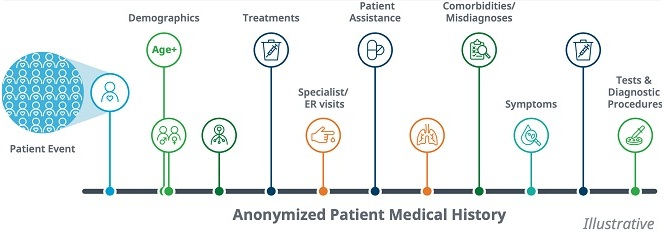
As the number of specialty drugs expands in complex disease areas, such as autoimmune, multiple sclerosis, oncology, and respiratory illnesses, pharmaceutical companies have shown an increased interest in tracking and understanding real world and clinical data throughout the patient journey to support more targeted decision-making. There are significant challenges in the journeys that patients with complex diseases experience, including gaps, lapses, or delays in therapy. This often includes the initial start of a treatment, as well as when switching to a next-line therapy. These delays or gaps can not only lead to negative impacts for the patients but can affect the manufacturers as well. When specialty product pharmaceutical companies enrich their understanding of the patient journey through aggregated and integrated data, they will be more apt in improving treatment outcomes and making smarter decisions.

Complexities with specialty products

Over the last several decades, the production and use of specialty drugs has increased as there has been a wider global share of spending in higher-income countries.In the 10 largest developed countries and other high- and upper-middle-income countries,the use of specialty therapies has reached 47% and 37% respectively in 2020, up from 24% and 21% 10 years earlier. Specialty therapies will represent nearly half of global spending in 2025 and almost 60% of total spending in developed markets.1

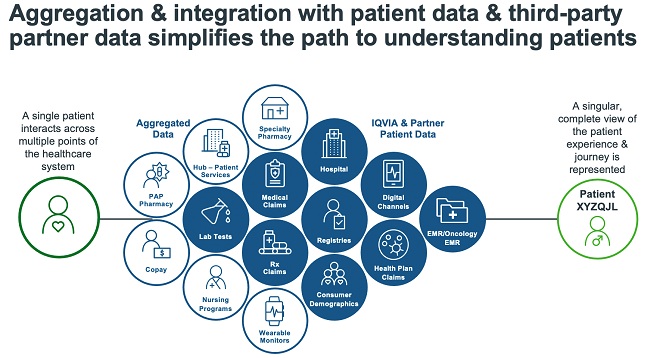
The growing number of specialty products in any given market has generated improved patient outcomes, but the stakes are high for manufacturers when it comes to new patient starts and adherence. Specialty products typically demand more complex distribution and more hands-on administration to patients. A wealth of data is available from limited network specialty providers, but to get a broader view of the patients’ entire healthcare experience, integration with third-party claims data is necessary. With access to a greater depth and breadth of data, specialty product manufacturers have opportunities to advance their analytics capabilities and generate greater insights across vital patient touch points.

For patients with complex diseases who are being treated with specialty products, there are multiple challenges they may face throughout their journeys:

  • Fragmentation: Patients often need to interact with multiple sites of care, which results in fragmented data. A mix of pharmacy and medical claims can result in an incomplete view of the patient, prescriber, or payer, as well as create distorted views of administrations or doses across treatments which may need to be normalized for analysis.
  • Data gaps: There could also be differences in the various data elements reported by each source, which can vary significantly, whether these are prescription data, laboratory data, claims databases, electronic health records, health registries, or patient reported outcomes data. Furthermore, there can be data lags, varying frequencies across datasets. Finally, multiple pieces of patient data can result in elevated privacy risks.

These complexities directly affect manufacturers’ ability to gain insights to support their commercial activities:

  • Finding and understanding potential patients, or tracking patients enrolled on a treatment, but subsequently dropped, can be a challenge as well as understanding comorbidities or concomitant therapies.

Source: IQVIA Webinar: Specialty Product Journey – Broadening the View. May 12, 2021
https://www.iqvia.com/locations/united-states/events/2021/05/broadening-specialty-product-patient-journey-with-iqvia-laad-data-integration

  • Targeting HCPs is difficult as prescriber volume across datasets can be unclear and can limit the ability to prioritize healthcare professionals by patient mix, practice, specialty, and treatment dynamics.
  • Aligning pricing, contracting and access, and determining incentives and return on investment (ROI)promotional metrics represent challenges. There is only a partial picture of market access and payer dynamics. Incentive compensation is complex due to duplicate or missing data which causes inequities in geographic or target-based plans. ROI metrics for promotional effectiveness may be over or understated due to inaccuracies in prescriber counts and inability to bridge to associated data.

Defining the patient journey

Specialty drugs are high-cost, high-touch products with complex manufacturing, dosing, and handling requirements. Often, the patient populations who utilize these drugs are small and dispersed, and may experience late diagnoses, misdiagnoses, lack of treatment options, and limited access to relevant specialists. This makes it difficult to find them and requires more customized market strategies to ensure their physicians have the right data they need at the point of treatment initiation.

To generate effective forecasting and commercial strategies, pharmaceutical companies need specialty data tactics which can define every step to help them answer key questions, including:

  • When in the patient journey is treatment prescribed?
  • Who is prescribing it?
  • Which tests, physician appointments, or medical events precede diagnosis?
  • How long are patients typically adherent and what typically complicates adherence or causes a stop?
  • Is the product being used as part of a combination therapy?
  • What triggers the transition to a new line of therapy?
  • What impact do copay assistance, nurse educator services, and other value-added programs have on the patient and physician experience?

When pharmaceutical companies can combine the answers to these questions, they gain clarity into the critical milestones that define the patient experience. This enables them to find patients and their physicians more quickly and to be more targeted in their engagement strategies which, ultimately, generates more successful marketing campaigns.

Difficulty accessing the data

Unfortunately, these datasets can be difficult to access. Many pharmaceutical manufacturers partner with individual specialty pharma service providers to try to meet their data needs. But these resources tend to be limited and often fail to provide the comprehensive view needed to make meaningful decisions.

Because most specialty products have such small and dispersed patient populations, patients are rarely served by a single pharmacy, healthcare professional, or healthcare organization. Each time a patient switches a product or line of therapy, it can result in disparate data collected through several channels, including physicians, clinics, hospitals, alternate sites of care, pharmacies, labs, payers, and digital health assets.

Additionally, much of the patient journey data never passes through the limited distribution specialty pharmacy network, nor is it collected in a consistent, accessible format, making it difficult to analyze. As more specialty pharmacy service providers launch, it will become more difficult for manufacturers to compile a global view of the product from any single source, or to capture patient data with any degree of granularity.

Expanding the view of the patient journey with data aggregation and integration

Data aggregation and integration can help specialty pharmaceutical companies obtain an expanded view of the patient journey.

The best data aggregation solutions provide pharmaceutical companies with broad sources
of data as well as integration services that deliver high-level perspectives across patient populations or geographies. The data can be linked back to an individual prescriber, healthcare organization, insurer’s practice, or de-identified patient.

By leveraging data from a limited distribution network and integrating with third-party healthcare data assets, including digital patient data, sponsors can identify a greater majority of patients likely to be prescribed or considered for their treatment.

Oncology example: One manufacturer might choose three specialty pharmacies for their third-line oral oncology product, but the entire category, which includes first- and second-line therapies, may span well over 10 specialty pharmacies and a multitude of medical claims processors. An experienced data partner will be able to recommend and access data from most of these providers either directly and/or via use of syndicated data assets, to deliver a more complete picture of the patient journey and competitive landscape.

Source: IQVIA Webinar: Specialty Product Journey – Broadening the View. May 12, 2021.
https://www.iqvia.com/locations/united-states/events/2021/05/broadening-specialty-product-patient-journey-with-iqvia-laad-data-integration

The best partners offer more than data aggregation and integration; they provide deep analytics capabilities which empower commercial teams to deliver precise physician, organization, and patient engagements. The best partners will prioritize their efforts based on individual needs. Predictive analytics via artificial intelligence and machine learning capabilities are a must for a patient journey analysis and timely decision-making.

Ultimately, good data aggregation and integration will lead to enriched data and insights to generate personalized treatment plans for the right patient at the right time to enhance outcomes. Access to the right data, analytics, and insights drive tangible results for patients and physicians while also ensuring that pharmaceutical companies generate the best ROIs.

Reference

[1] IQVIA Institute for Human Data Science. Global Medicine Spending and Usage Trends. Outlook to 2025. April 28, 2021.
https://www.iqvia.com/insights/the-iqvia-institute/reports/global-medicine-spending-and-usage-trends-outlook-to-2025

Greater Houston Healthconnect Uses InterSystems HealthShare to Create Largest Known COVID-19 Outcomes Study

Greater Houston Healthconnect Uses InterSystems HealthShare to Create Largest Known COVID-19 Outcomes Study

InterSystems, a data technology provider dedicated to helping customers solve the most critical scalability, interoperability, and speed challenges, and Greater Houston Healthconnect (GHH) health information exchange (HIE) today announced the initial results of the largest COVID-19 outcome research study to date. Conducted using InterSystems HealthShare®, the study examines more than one million COVID-19 cases to identify comorbidities that may represent risk factors for severe illness or death.

GHH is one of the largest HIEs in the United States and is connected to more than 95% of hospitals and healthcare systems in the greater Houston area. In total, GHH reaches over 15 million unique individuals and is linked to more than 1,500 healthcare facilities across greater Houston, South and East Texas, and Western Louisiana.

Since the onset of COVID-19 in early 2020, GHH began identifying positive-tested patients into a cohort, then queried for the medical histories of the cohort, aggregating and standardizing the data. A community-wide collaboration of specialists and researchers performed extensive analysis to determine symptom complexes and other risk factors resulting in bad outcomes. Using InterSystems HealthShare, GHH collected and refined sociodemographic, behavioral, clinical, and laboratory data from these individuals in order to track the proliferation of the pandemic across geographical areas and provide situational awareness to Public Health Authorities, healthcare providers, and health services researchers.

“This is one of the most impressive case studies about the power and promise of clean data,” said Dr. Russ Leftwich, Senior Clinical Advisor of Interoperability at InterSystems. “The modern healthcare system relies on organizations like GHH to source local health networks and build trust in the quality and actionability of their data, especially in times of crisis when real-time data is the difference when it comes to providing the best possible care.”

Nick Bonvino, CEO of GHH explained, “This effort represents community-wide collaboration at its finest, as we enable the collective study of massive amounts of clean data to surface how this virus behaves and evolves. GHH continued to build four distinct cohorts throughout the peak cycles of COVID-19 cases — totaling over 1 million individualsand will follow these cohorts longitudinally for years to come. The initial findings for cohort 1 were published in PLOS One, a peer-reviewed open access scientific journal, a clear demonstration of the essential need for regional HIEs.”

Underpinned by InterSystems technology, GHH taps into each participating provider’s electronic health record (EHR) system with multiple interfaces. These touchpoints allow for the real-time monitoring of patient encounters and the collection of their clinical and demographic data, documents, and diagnostic images. They include:

  • Admission, Discharge, Transfer (ADT) that feeds messages in real-time to populate its master patient index. 
  • A two-way interface that enables the exchange of clinical information unique to the participant’s EHR. 
  • A set of interfaces feeds discrete clinical data and transcribed reports from laboratory, pathology, radiology, and other ancillary systems in real-time.

For more information about InterSystems HealthShare, please visit https://www.intersystems.com/products/healthshare/.

About Greater Houston Healthconnect

Greater Houston Healthconnect is an independent, community-based organization whose mission is to enable care coordination and deliver value-added services for the benefit of its stakeholders. Healthconnect mobilizes healthcare information electronically across organizations to enhance the quality, safety, and efficiency of care and improve information access throughout the region. Key stakeholders include healthcare providers, payers, employers and the community as a whole. For more information, visit http://www.ghhconnect.org.

What Is A Tetrahydrocannabinol: 6 Important Things To Know

What Is A Tetrahydrocannabinol: 6 Important Things To Know

Often shortened to THC, tetrahydrocannabinol is the cannabinoid molecule found in marijuana, the plant that is known to cause a ‘high’ feeling when many people take it. Marijuana, also known as cannabis, is a plant with a long history dating back thousands of years. Its uses over the millennia include adding it to food, textile production, and medicinal purposes.

There are many interesting and useful facts regarding THC and its uses, which you can read more about in the article below.

1.  It’s a Natural Compound

THC is one of over 400 active substances and among 60 different cannabinoid molecules found in cannabis. However, one of the most discussed and researched compounds is THC which has been the focus of many studies and even decriminalized or legalized in some states. Due to its natural origins, THC is gradually becoming more accepted as a drug with positive health and well-being effects.

The effects of THC consumption are much less severe and damaging than heavy alcohol consumption. THC works by stimulating the brain to release dopamine resulting in feelings of euphoria and happiness. Other effects may include slower motor skills and cognitive ability; and however, after a few hours, the effects start to wear off.

Even though many people prefer to inhale THC through marijuana smoke, there are several healthier and more natural ways to apply or consume THC, such as in products like edibles, drinks, and topicals.

2.  It Has Medicinal Uses

Marijuana has been used to create medicines for thousands of years, and in modern times medical marijuana has been legalized in more than half of the states in the US, and some states have even approved the commercial sale and recreational use of cannabis.

When used for medical purposes, THC extract can be used to reduce nausea and vomiting whilst also improving a person’s appetite; typically, medical marijuana is prescribed to complement traditional pharmaceutical drugs rather than replace them when treating serious health conditions.

3.  THC Is A Psychoactive Compound

Due to it being a psychoactive compound, THC is a popular drug; however, it is still illegal in many countries. There have also been some concerns raised about THC’s effect on mental health and impairment of motor skills.

Furthermore, THC is ranked second as the psychoactive substance most commonly found in intoxicated drivers. Just like alcohol, THC consumption impairs judgment, responsiveness, and spatial awareness whilst driving, so it is strongly advised to wait until the effects have fully worn off.

For younger people, there is speculation that the prolonged use of THC may result in long-term problems such as a decreased memory functions and IQ; however, more research needs to be conducted in this area to prove a definitive link.

When taking cannabis either medicinally or recreationally, it is best to check with your doctor that THC doesn’t interact with any medication you may already be taking.

4.  The Strength Of THC Varies

There are various types of marijuana plants, and different parts of the plants are used for a range of purposes; therefore, concentrations of THC can vary. For example, hemp is only comprised of around 0.5 percent of THC and is regularly used in industrial and medical applications. Whilst other cannabis products available such as hashish oil, can contain around 20 percent of THC on average.

When it comes to cannabis products, there are three main types; these are flowers (marijuana), resin (hashish), and hash oil. Usually, there is around 10-12 percent THC in the flowers, whereas other parts of the plant such as the leaves contain approximately 1-2% THC, and the roots with a very low THC concentration of between 0.1-0.3%.

Typically the average strength of marijuana prescribed medically or available in a licensed store is 15 percent; however, it is worth remembering that people new to THC consumption are likely to feel the psychoactive effects much faster and more intensely than seasoned users.

5.  THC Is Different To CBD

In addition to THC, the cannabis plant is known to contain other compounds, including cannabidiol (CBD) which can be found in the Sativa variation of the cannabis plant. It is worth knowing the difference between THC and CBD when it comes to shopping for products made from the cannabis plant.

Although still a psychoactive drug, CBD doesn’t cause the same high feeling as THC and generally isn’t inhaled like THC in weed flowers. Even though CBD does not make you high, it is considered to be beneficial due to its various well-being properties. These include reducing inflammation and helping to control anxiety, depression, and seizures.

6.  A Variety Of Ways To Take It

More often than not, people associate taking THC with inhaling or smoking the fumes or vapors after burning marijuana in a joint or bong. However, due to health concerns associated with smoking in recent years, a wider variety of THC products have been introduced; these include edibles, tablets, tinctures, and topicals.

Tetrahydrocannabinol (THC) has been used for thousands of years, both medicinally and recreationally. In recent years, many US states have legalized the sale of marijuana products resulting in a wide variety of products being available. Whether trying THC for the first time or looking for further information about the drug, it is a good idea to do research beforehand to discover the key facts.

Thermo Fisher Scientific Continues Support for COVID-19 Testing on Historically Black College and University Campuses

NIH awards $45 million to expand research to improve COVID-19 testing among underserved and vulnerable populations

Thermo Fisher Scientific Inc., the world leader in serving science, announced continuing support for The Just Project, a national initiative to provide COVID-19 testing to students, faculty and staff across more than 60 historically black colleges and universities (HBCUs) at no cost. A $7.5 million commitment for the 2021-2022 school year will once again provide diagnostic instruments, test kits and related supplies.

“A year after we launched The Just Project, COVID-19 cases are increasing again, and testing is critical to ensuring campus safety,” said Fred Lowery, senior vice president and president for customer channels at Thermo Fisher Scientific. “Last year HBCUs nationwide administered more than 50,000 tests under the project, and infection rates at participating schools were below 1% with minimal academic disruption. We hope other schools will join the program as we extend it through the 2021-2022 school year.”

The Just Project, named after pioneering biologist Ernest Everett Just, has created a nationwide testing infrastructure with the capacity to provide free testing for all 107 HBCUs in the U.S. Currently, eight on-campus labs serve as hubs to process samples for more than 60 participating HBCUs. Testing hubs include Florida A&M University, Hampton University, Howard University College of Medicine, Meharry Medical College, Morehouse School of Medicine, Texas Southern University, Tuskegee University and Xavier University of Louisiana.

“The Just Project has made a significant difference on our campus,” said Rashid Mosavin, Ph.D., dean of the College of Pharmacy and Health Sciences, Texas Southern University. “With testing available on our campus as frequently as needed, we were able to welcome our students, faculty and staff back to campus for in-person learning with confidence.”

James E.K. Hildreth, M.D., Ph.D., president and CEO of Meharry Medical College said, “We’re grateful for Thermo Fisher’s continued support of COVID-19 testing across HBCUs to serve a broad reach of their students. Testing is the core component of a robust model in preventing the spread of infectious disease. With these resources and testing components in place, we’re able to make data-driven decisions and policies to support the health and safety of our students and community.”

Given the focus on recruiting diverse talent, Thermo Fisher has also committed to hiring more than 500 HBCU alumni over three years, reinforcing a commitment to create a more inclusive workplace. Since August of 2020, more than 180 HBCU alumni have joined the company.

About Thermo Fisher Scientific

Thermo Fisher Scientific Inc. is the world leader in serving science, with annual revenue of approximately $35 billion. Our Mission is to enable our customers to make the world healthier, cleaner and safer. Whether our customers are accelerating life sciences research, solving complex analytical challenges, improving patient diagnostics and therapies or increasing productivity in their laboratories, we are here to support them. Our global team of more than 90,000 colleagues delivers an unrivaled combination of innovative technologies, purchasing convenience and pharmaceutical services through our industry-leading brands, including Thermo Scientific, Applied Biosystems, Invitrogen, Fisher Scientific, Unity Lab Services and Patheon.

https://thermofisher.mediaroom.com/2021-09-29-Thermo-Fisher-Scientific-Continues-Support-for-COVID-19-Testing-on-Historically-Black-College-and-University-Campuses

Botco.ai Rounds Out Seed Funding Round With $3.6 Million to Enable AI Chat at Scale for Wellness and Healthcare Organizations

Botco.ai Launches BotcoLive, Combining AI Chat and Live Agent Support to Maximize Marketing Contact Resolution

Botco.ai, the leading HIPAA-compliant conversational marketing platform, announced it has received additional seed funding from VamosVentures, bringing the total seed round to $3.6 million. VamosVentures is a Los Angeles-based and Latinx-owned venture capital fund focused on technology companies led by diverse founders with compelling products and solutions. Botco.ai will use the funds to accelerate development and adoption of its AI-based conversational marketing platform, which is currently in use by dozens of health and wellness organizations.

Botco.ai was founded to help marketers leverage the power of chatbots to drive engagement on their website, Facebook, and other digital channels. The Botco.ai platform is a full-featured chat solution that enables businesses to hold intelligent conversations at scale designed to quickly and effectively convert more prospects into customers. As one of the few HIPAA-compliant chatbot solutions on the market, Botco.ai connects with existing CRM and electronic health record (EHR) systems to help businesses in wellness, addiction, behavioral health, physical therapy, senior living and other areas provide personalized assistance with total privacy and confidentiality. It also provides a detailed analytics dashboard to help marketers extract key insights from conversation transcripts to inform future marketing campaigns and product development efforts.

“The health and wellness industry is in dire need of better and more efficient ways of communication between providers and users,” said Marcos C. Gonzalez, Founder and Managing Partner of VamosVentures. “Botco.ai is tackling this problem head on by making it easier than ever for consumers to get fast, reliable and confidential responses to many of their questions. We are impressed with the advanced state of the Botco.ai product and its many integrations with CRM, EHR and other third-party systems to make this happen, and we are proud to support the company in its important mission.”

The COVID-19 pandemic has accelerated the need for automated systems to address the growing volume of healthcare-related inquiries. Botco.ai has helped health and wellness providers such as American Family Care, STChealth, La Ventana, Massage Envy and many more respond to inbound marketing inquiries in a timely and efficient manner, without burdening the companies’ staff and sales teams.

“While most chatbot solutions can only handle the most basic questions and are severely limited in their ability to customize or personalize the experience, we built Botco.ai on a foundation of NLP to be able to hold intelligent conversations that directly address visitor’s needs—even relatively complex ones. Within the health and wellness industries, in particular, there’s an urgent need to help families get answers to critical care questions without enduring long waits and navigating cumbersome systems. VamosVentures understands the crucial need for a solution like Botco.ai in today’s environment, and we share their optimism for the potential of technology to create meaningful change in society,” said Rebecca Clyde, CEO of Botco.ai.

For more information on Botco.ai and their HIPAA-compliant marketing chat solution, visit www.botco.ai.

About Botco.ai
Botco.ai is a HIPPA-compliant, AI-powered marketing chat solution that can be implemented at scale to improve engagement rates. Today, the company offers industry-leading authoring, webchat, and AI machine-learning capabilities to quickly and effectively convert more customers in healthcare, wellness, addiction, behavioral health, physical therapy and senior living centers. Botco.ai’s new Integrated Analytics Dashboard provides a comprehensive view of chat campaigns across multiple messaging channels such as web and Facebook Messenger. The API-based interface can be used to transfer leads, transcripts, and data into enterprise sales and marketing automation products like Salesforce, Hubspot, Adobe Marketing Cloud, Zoho as well as leading EHR and scheduling systems. Botco.ai is the recipient of the Arizona Innovation Challenge “Most Outstanding Startup” award and a graduate of Alchemist Accelerator Class XXV, the #1 accelerator for enterprise startups. For more information, visit www.botco.ai.

About VamosVentures
Founded in 2018, VamosVentures is the first Latino-owned and managed venture capital fund focused on Latinx and diverse founders leading early-stage tech-enabled companies in the United States. VamosVentures seeks to generate financial returns and deliver meaningful impact through wealth creation, social mobility, and creative solutions. For more information, visit www.VamosVentures.com.

SATO Designed UHF RFID Patient ID Wristband Launched Worldwide

SATO Designed UHF RFID Patient ID Wristband Launched Worldwide

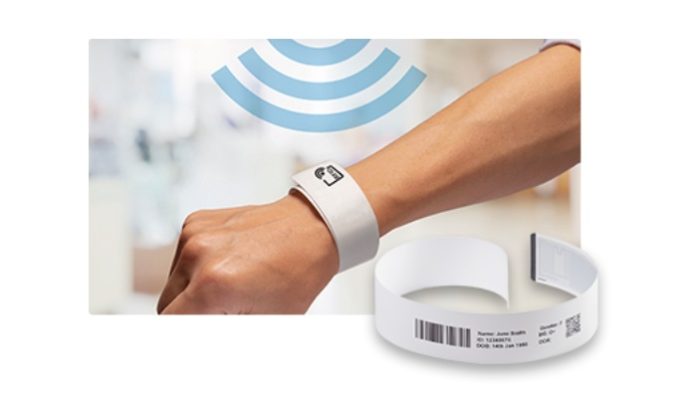
SATO, a global pioneer in the development of auto-ID and labeling solutions, launched a new UHF RFID direct thermal wristband for identification, verification and tracking of patients in hospitals. SATO has designed this wristband for comfort and optimal reads within hospital location systems.

Several common requirements for hospitals and care facilities are controlling the risk of infection and contamination, avoiding disturbance of resting patients and having visibility of where patients are on premises.

Nurses must regularly take great efforts to counter these issues, which adds to their stress and can affect patient outcomes1. Research shows that nurses find it difficult to balance the competing care goals of supporting patient sleep with taking vital sign observations. These regular observations can reduce avoidable deterioration in the hospital2.

Another issue facing hospitals is managing the flow of patients within hospital wards. When a ward is understaffed or equipment is not where it needs to be, it can result in wasted time and lower service.

SATO addresses these key concerns with a high-performance UHF RFID wristband and its best-in-class compact 4-inch printer — the CT4-LX UHF. These can be integrated into a complete ID and tracking system with third party readers and antennas.

With such a system, hospital staff can hygienically perform accurate ID scans without disturbing patients at rest as the wristband can be read from even through a blanket. Readers can also be positioned strategically around the hospital so staff can be alerted immediately of any unexpected movement.

The wristbands are made from a super soft antimicrobial material designed for comfort and hygiene throughout a patient’s hospital stay. SATO’s UHF inlay is designed to reduce discomfort as much as possible from getting snared on clothes or other surrounding objects while offering optimal read rates. Also, with the contactless nature of RFID, contamination risk is minimized for the highest level of hygiene.

With a SATO AEP (Application Enabled Printing) compatible printer, users can both encode wristbands and develop custom apps to streamline their work processes. For example, users can clone wristbands on the fly (before and after surgical procedures or MRIs) or easily convert from barcode to RFID wristbands for ease of implementation.

The first hospital to adopt the wristbands in Europe is using them to monitor its flows of patients entering and exiting the surgery ward. This allows them to better allocate staff and medical devices to meet patient needs at any given time.

“I am excited to roll out an expandable and customizable UHF RFID patient identification solution to hospitals worldwide,” said Kevin Allart, head of the healthcare business at SATO. “In the new normal, we are committed to helping hospitals lower their costs and optimize their resource allocation to enhance patient care and contribute to patient safety.”

SATO designed RFID tags are manufactured using environmentally friendly methods. Made without chemical solvents to prevent release of waste fluid, they also contain no plastic substrates to reduce plastic waste. Unused aluminum in their manufacture is also recycled to minimize waste.

About SATO

SATO is a global auto-ID solutions provider for leading companies in manufacturing, logistics, retail, food & beverage and health care. SATO tags every ‘thing’, making it knowable in real time for a connected world of productivity, safety, reassurance and sustainability. An industry pioneer with a focus grounded on site, SATO engineers hardware and integrates solutions to streamline entire supply chains with visibility extending to the consumer. SATO has over 80 years of expertise and a 5,400+ strong global workforce in 26 countries. For the fiscal year ending March 31, 2021, it reported revenues of JPY 109,052 million (USD $1.03bn*).

Translate »