Close
Digital Health & Ai Innovation summit 2026
LiGHT26

Generalized Anxiety Disorder vs. Situational Anxiety: Key Differences

generalized anxiety disorder vs situational anxiety

Anxiety is something everyone feels at times. Whether itโ€™s before a big test, a job interview, or a stressful life event, anxiety is a natural response to pressure. But for some people, anxiety goes beyond temporary stress and becomes a daily struggle that affects every part of life.

Two common types of anxiety are Generalized Anxiety Disorder (GAD) and situational anxiety. While they share some similarities, they are very different in how they show up, how long they last, and how they affect daily living. Understanding the key differences helps individuals and families recognize when professional support is needed.

What Is Generalized Anxiety Disorder (GAD)?

Generalized Anxiety Disorder is a chronic condition that causes persistent and excessive worry about many aspects of life. People with GAD often worry about things like health, work, relationships, or financesโ€”even when there is no immediate reason to feel anxious.

According to the Anxiety and Depression Association of America (ADAA), GAD affects about 6.8 million adults in the United States every year, yet only 43% receive treatmentใ€ADAA, 2022ใ€‘.

Key Features of GAD

  • Worrying almost every day for at least six months
  • Anxiety that is difficult to control
  • Symptoms such as restlessness, fatigue, trouble concentrating, irritability, muscle tension, and sleep problems
  • Anxiety that interferes with daily activities and quality of life

What Is Situational Anxiety?

Situational anxiety is temporary anxiety triggered by specific events or circumstances. It is not a chronic condition but rather a response to a stressful situation. Common triggers include public speaking, job interviews, major exams, or medical procedures.

Unlike GAD, situational anxiety usually fades once the event is over or the stressor is removed.

Key Features of Situational Anxiety

  • Anxiety tied to specific events or environments
  • Symptoms such as rapid heartbeat, sweating, shortness of breath, or nervousness before or during the event
  • Anxiety that goes away after the situation resolves
  • Does not cause ongoing impairment in daily life

Comparing GAD and Situational Anxiety

Duration and Persistence

  • GAD: Lasts for months or years, with anxiety present most of the time.
  • Situational Anxiety: Short-term and fades once the stressful event passes.

Triggers

  • GAD: Worries about a wide range of topics, often without a clear trigger.
  • Situational Anxiety: Triggered by specific situations, such as giving a speech or attending a doctorโ€™s appointment.

Impact on Daily Life

  • GAD: Interferes with work, school, relationships, and overall well-being.
  • Situational Anxiety: May cause temporary distress but usually does not disrupt daily life beyond the event.

Physical Symptoms

Both GAD and situational anxiety can cause physical symptoms such as racing heartbeat, sweating, or stomach issues. However, in GAD, these symptoms occur more frequently and persistently.

The Role of Stress Response

Anxiety is part of the bodyโ€™s โ€œfight or flightโ€ response. For situational anxiety, this stress response activates when facing a challenge, then calms once the event is over. In GAD, however, the body stays in a heightened state of worry and tension even without a clear threat.

Research from the National Institute of Mental Health (NIMH) shows that people with GAD often have overactive stress responses, making it difficult to relax or feel safeใ€NIMH, 2022ใ€‘.

When Situational Anxiety Becomes a Disorder

While situational anxiety is usually temporary, it can sometimes develop into an anxiety disorder if:

  • The fear of situations becomes overwhelming and leads to avoidance
  • Anxiety occurs in multiple settings, not just one specific situation
  • Symptoms continue for months and affect quality of life

For example, fear of public speaking is common, but if someone avoids school or career opportunities because of it, this could signal social anxiety disorder rather than simple situational anxiety.

Treatment for Generalized Anxiety Disorder

Because GAD is ongoing, treatment often combines therapy, medication, and lifestyle changes.

  • Cognitive Behavioral Therapy (CBT): Helps people identify and change patterns of worry.
  • Medication: Antidepressants and anti-anxiety medications may help regulate brain chemistry.
  • Lifestyle Support: Exercise, mindfulness, and good sleep habits can reduce symptoms.

With treatment, many people with GAD see significant improvement in their quality of life.

Managing Situational Anxiety

Situational anxiety often responds well to coping strategies without long-term treatment. Some helpful tools include:

  • Breathing exercises to calm the body during stressful events
  • Preparation and practice, such as rehearsing before a presentation
  • Mindfulness or meditation to stay grounded in the moment
  • Positive self-talk to replace anxious thoughts with supportive ones

In some cases, short-term therapy or coaching can help build confidence in managing specific situations.

Supporting Someone with Anxiety

Whether a loved one struggles with GAD or situational anxiety, support makes a difference. Families and friends can help by:

  • Listening without judgment
  • Encouraging healthy coping skills
  • Suggesting professional help when anxiety is severe or persistent
  • Celebrating small victories in managing stress

Reducing stigma is also important. Anxiety is not a weaknessโ€”it is a mental health challenge that deserves compassion and treatment.

Conclusion

Generalized Anxiety Disorder and situational anxiety may look similar at first, but their differences are clear. GAD is a chronic condition marked by persistent worry and daily impairment, while situational anxiety is temporary and tied to specific events.

Recognizing these distinctions helps individuals seek the right kind of support. With early intervention, therapy, and healthy coping skills, both forms of anxiety can be managed effectively.

3 Ways Naturopathic Medicine Has Integrated With Modern Medical Solutions

naturopathic medicine integration with modern healthcare

Todayโ€™s patients understand the importance of a holistic treatment approach that integrates modern and traditional medical solutions for reliable outcomes. Modern health facilities that integrate naturopathic medicine into their medical solutions are getting more noticed as demand for holistic health and wellness services increases.

If youโ€™ve wondered about how naturopathic medicine has merged with modern medicine to streamline health solutions, youโ€™re not alone. Below, weโ€™ll look at three main ways modern medical solutions incorporate naturopathic medicine and how this integration can be beneficial to you as a patient or medical practitioner.

Adoption of Acupuncture in Modern Medicine

Modern medicine recognizes acupuncture as an effective pain relief procedure that is commonly adopted for treating conditions like neck pain, lower back pain, and osteoarthritis. It is also adopted in chemotherapy and surgery as a solution for reducing nausea and vomiting. As a naturopathic medical practice, acupuncture borrows from traditional Chinese medical techniques, from where it originated.

The procedure involves the insertion of ultra-fine needles into the patientโ€™s skin to stimulate the nervous system to release pain-relieving chemicals into the body. The acupuncturist is experienced and skilled in choosing the right points on the body that would release the required chemicals or energy into the body when triggered by the needle.

Today, these services are offered in modern chronic pain management and are administered in different treatment setups for different ailments. An experienced naturopathic doctor can help with reliable acupuncture care to help alleviate different types of pain. Even with complex conditions, you can trust the modern root-cause medical approach that incorporates acupuncture for effective pain alleviation.

Using Herbal Medicine for Modern Treatment

The traditional herbal medicines were effective for healing various types of human diseases in the old days. Today, these herbal medicines are still effective for treating various kinds of illnesses, but theyโ€™re administered in improved, more controlled prescriptions. The first step of incorporating herbal medicine into modern treatment is isolating active plant compounds to create modern drugs.

These drugs can be taken as herbal tea, in liquid form, or in solid pill form to accommodate naturopathsโ€™ holistic treatment approach for various ailments. Naturopaths have discovered that they can blend the healing power of plant-based medical solutions with the latest scientific research to achieve optimal health solutions for their patients. Herbal medicine is also embraced as a modern treatment solution through supplements that are made from parts of or whole plants.

Application of Meditation in Mental and Emotional Health

Meditation is an old, integral part of traditional Chinese medicine that is now widely embraced in modern medicine in different ways. Itโ€™s mostly used as a means for producing positive measurable changes in brain function and structure, which is important for improving mental and emotional health.

Meditation helps with managing and improving several psychological conditions, such as reducing anxiety and stress, and managing depression and PTSD symptoms. Naturopathic practitioners may suggest meditation as an effective way of managing mental health conditions, chronic pain, sleep challenges, or other related conditions.

Regardless of the medical condition you or your loved one is facing, thereโ€™s a chance you may end up in the hands of a naturopathic medical practitioner for help. Their holistic treatment approach is effective for handling various types of complications and struggles in modern healthcare.

Beyond the Boardroom: Personal Security Strategies for Hospital Executives

hospital executive security

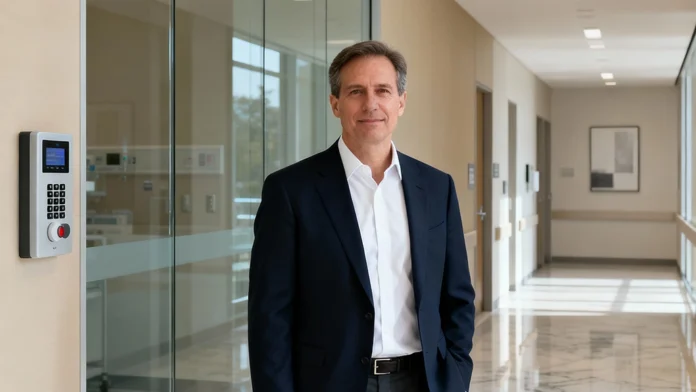
Hospital executives face unique risksโ€”from data leaks to physical threats during public engagements. The contemporary healthcare leadership environment demands security measures that extend far beyond traditional corporate protection, encompassing digital vulnerabilities, travel risks, and the complex intersection of public visibility with personal safety.

The Evolving Threat Landscape for Healthcare Leadership

The security challenges facing hospital executives have transformed dramatically in recent years. What once constituted relatively low-profile roles have evolved into positions of intense public scrutiny and, increasingly, personal risk. The tragic December 2024 incident involving a healthcare CEO catalyzed urgent reassessment across the industry, with organizations dramatically increasing security expenditures and implementing comprehensive executive protection programs. This watershed moment revealed how perception, policy decisions, and public frustration can converge to create genuine threats to healthcare leaders.

Hospital executive security encompasses multiple dimensions that traditional corporate security frameworks often overlook. Healthcare leaders navigate uniquely challenging environments where they must balance accessibility to patients, staff, and community stakeholders against legitimate security concerns. Unlike executives in many industries who can maintain distance from public-facing operations, hospital administrators often walk floors, attend community events, and maintain visible presence as part of their leadership responsibilities.

The threat matrix facing healthcare executives includes cyber attacks, physical violence, harassment, stalking, and threats to family members. Recent analysis indicates that healthcare has experienced the highest average data breach costs of any sector for twelve consecutive years, with incidents averaging $9.77 million. These breaches often begin with attacks targeting executives through phishing campaigns, social engineering, or exploitation of personal information available through public sources and data brokers.

Understanding Executive-Specific Risk Profiles

Effective hospital executive security begins with comprehensive risk assessment that accounts for individual exposure factors. Not every executive carries identical risk profiles; threat levels vary based on organizational role, public visibility, controversial decisions, compensation visibility, and geographic location. The International Association for Healthcare Security and Safety recommends determining executive protection needs through Security Vulnerability Assessments or active threat analysis by Threat Management Teams.

Public profile considerations significantly influence risk calculations. Executives whose decisions affect care access, insurance coverage, or facility closures face elevated threat levels compared to those in purely operational roles. Media coverage amplifies visibility, particularly when reporting focuses on controversial topics such as denied claims, facility downsizing, or contentious labor negotiations. Healthcare leaders must recognize that their symbolic roleโ€”representing institutional policies and decisionsโ€”can attract displaced anger or ideologically motivated threats regardless of their personal involvement in specific situations.

Compensation transparency creates additional vulnerability. When executive salaries become public knowledge through regulatory filings, tax documents, or media reporting, they can generate negative public opinion and unwanted attention. This visibility combines with healthcareโ€™s mission-driven culture to create perception gaps between executive compensation and patient care quality, potentially motivating both criminal activity and ideologically driven threats.

Geographic and facility-specific factors influence executive risk profiles. Leaders of urban hospitals face different threat patterns than those leading rural facilities. Institutions experiencing financial challenges, labor disputes, or quality-of-care controversies create elevated risk environments for their leadership teams. Executives must continuously reassess their risk profiles as organizational and environmental factors evolve.

Travel Security for Mobile Healthcare Leaders

Healthcare executives maintain demanding travel schedules for conferences, site visits, regulatory meetings, and industry engagements. Each journey creates security vulnerabilities that require careful management through advance planning, situational awareness, and appropriate protective measures. Executive travel security has evolved into a specialized discipline that addresses both physical safety and digital security throughout the travel lifecycle.

Pre-travel risk assessment forms the foundation of secure executive mobility. This process evaluates destination-specific threats including crime rates, political stability, health risks, and infrastructure vulnerabilities. For international travel, assessments must consider geopolitical factors, local attitudes toward Western healthcare companies, and region-specific cyber threats. Security teams should review recent incident reports, consult with local security providers, and establish emergency protocols before executives depart.

Transportation represents a critical vulnerability in executive travel. The predictability of routes between hotels, conference venues, and airports creates opportunities for surveillance and potential attacks. Varied transportation routes, inconspicuous vehicles, and professional security drivers help mitigate these risks. Executives should avoid sharing detailed itineraries on social media or through unsecured communications that could reveal their locations and movement patterns.

Accommodation security extends beyond selecting reputable hotels to encompass room selection, entry protocols, and information protection. Executives should request rooms that balance accessibility with securityโ€”avoiding ground floors vulnerable to external access while remaining within reach of emergency exits. Hotel room safes provide inadequate protection for sensitive documents or devices; portable security devices and encrypted storage offer better alternatives. Discussions of confidential matters should never occur in hotel rooms or public spaces where electronic surveillance may be present.

Digital Security in Public and Semi-Public Spaces

The digital dimension of hospital executive security requires constant vigilance as executives navigate airports, conferences, hotels, and public venues. Every device, network connection, and digital interaction creates potential exposure points for data interception or system compromise. Contemporary threats include Wi-Fi eavesdropping, malware injection through compromised charging stations, and sophisticated social engineering attempts in public settings.

Public Wi-Fi networks represent significant security hazards that executives should avoid for any sensitive communications or data access. When remote connectivity is necessary, virtual private networks provide essential encryption that protects data in transit. However, even VPN-protected connections can be vulnerable to sophisticated attacks, particularly in regions where state-sponsored cyber operations target foreign business leaders. Mobile hotspots using cellular data offer more secure alternatives to public Wi-Fi, though they introduce different vulnerability patterns.

Device security during travel requires heightened awareness and proactive measures. Executives should travel with dedicated devices used solely for business travel, containing minimal sensitive data and configured with enhanced security settings. Personal devices should remain at home to limit exposure of personal information and family connections. All travel devices should employ full-disk encryption, strong authentication, and remote-wipe capabilities that allow security teams to erase data if devices are lost or stolen[90].

Charging stations in airports, conference centers, and public venues have emerged as attack vectors through โ€œjuice jackingโ€โ€”a technique where compromised USB ports inject malware or extract data from connected devices. Executives should carry personal power adapters and portable battery packs to avoid using public charging infrastructure. When public charging is unavoidable, USB data blockers provide a physical barrier that allows power transfer while preventing data connection.

Physical Security During Public Engagements

Healthcare executives increasingly find themselves in public settings where they must balance accessibility with personal safety. Conference presentations, community forums, patient advocacy events, and media engagements all create exposure that requires thoughtful security planning. The visibility these events generate serves important organizational and professional purposes, making complete avoidance impractical and undesirable.

Advance site assessments help security teams identify vulnerabilities and establish protective protocols before executives arrive. These assessments evaluate venue layout, entry and exit points, crowd control measures, and emergency evacuation routes. Security professionals should coordinate with venue security personnel, local law enforcement when appropriate, and event organizers to ensure comprehensive protective coverage. Understanding the attendee profile and screening procedures helps teams anticipate potential threats and respond appropriately.

Situational awareness training empowers executives to recognize and respond to emerging threats in real-time. This training should cover identifying suspicious behavior, maintaining awareness of surroundings and exits, recognizing potential weapons or explosive devices, and executing emergency response protocols including evacuation, shelter, and active defense. Executives must know how to safely evacuate spaces and where they can seek shelter and actively barricade themselves if necessary.

Personal protective measures can enhance executive safety during public engagements without creating an atmosphere of fear or excessive security presence. These measures might include inconspicuous security personnel positioned strategically throughout venues, secure transportation with varied routing, and communication protocols that allow executives to signal distress or request assistance discreetly. The goal is creating layered protection that provides genuine security while preserving the approachability essential to effective healthcare leadership.

Information Security in Public Professional Settings

Healthcare executives routinely handle sensitive information that requires protection even during public professional engagements. Conference calls from hotel rooms, document review in airport lounges, and email correspondence from conference centers all create information security risks. The challenge lies in maintaining productivity while traveling without compromising organizational or patient data security.

Physical document security requires attention to detail throughout the travel lifecycle. Executives should minimize carrying physical documents containing sensitive information, instead utilizing encrypted digital versions accessed through secure devices. When physical documents are necessary, they require constant custody, secure storage, and proper destruction when no longer needed. Documents should never be discarded in hotel wastebaskets or public trash receptacles where they could be recovered by adversaries.

Verbal discussions of confidential matters demand careful environmental awareness. Airport lounges, hotel lobbies, restaurants, and even elevators can harbor individuals attempting to gather intelligence through simple eavesdropping. Executives should reserve sensitive discussions for truly private settings and maintain awareness of their surroundings when discussing even seemingly innocuous business matters that could provide value to competitors or other interested parties.

Screen privacy filters provide essential protection when executives work on sensitive materials in public or semi-public settings. These filters limit viewing angles, preventing shoulder surfing by nearby individuals who might capture sensitive information displayed on screens. Despite their utility, privacy filters cannot eliminate all risks; executives should avoid displaying highly sensitive materials in any public setting where screen contents might be photographed or observed.

Developing Comprehensive Personal Security Protocols

Effective hospital executive security requires systematic approaches that integrate physical, digital, and information security into coherent protective frameworks. Personal security protocols should be documented, regularly reviewed, and updated as threat landscapes and individual circumstances evolve. These protocols must balance security imperatives with the practical realities of healthcare leadership, creating sustainable practices that executives can maintain over extended periods.

Threat assessment should occur continuously rather than as a one-time exercise. Security teams should monitor open-source intelligence, dark web activity, social media mentions, and public records for indications of emerging threats. Protective intelligence programs combine human analysis with technology-enabled monitoring to detect threats before they materialize into dangerous situations. When credible threats are identified, response protocols should activate rapidly to enhance protective measures and mitigate risks.

Coordination between personal security, organizational security, and facility security creates comprehensive protection that addresses vulnerabilities across all environments where executives operate. Information sharing among these entities ensures that threat intelligence flows appropriately and that protective measures remain consistent. Regular exercises and scenario planning help security teams prepare for various contingency situations and refine their response capabilities.

Integrated Protection for Contemporary Healthcare Leadership

The complexity of threats facing hospital executives demands integrated security approaches that recognize the interconnected nature of physical, digital, and reputational vulnerabilities. Executives cannot compartmentalize their security, addressing cyber threats while ignoring physical risks or protecting their digital presence while neglecting information security. Comprehensive protection requires sustained commitment, adequate resources, and recognition that executive security enables rather than constrains effective leadership. Healthcare organizations that invest in robust hospital executive security demonstrate commitment to their leaders while protecting institutional interests and maintaining the focus necessary for delivering exceptional patient care.


Safeguarding Healthcare Leaders: Why Executive Privacy is a Public Health Imperative

executive privacy in healthcare

In a sector built on trust and confidentiality, the privacy of healthcare leaders is more than a personal concern โ€” itโ€™s an institutional necessity. When hospital executives face privacy breaches or security threats, the ramifications extend far beyond individual discomfort, potentially undermining the very foundations of patient care and organizational stability.

The Privacy-Trust Connection in Healthcare Leadership

The healthcare industry stands at a critical intersection where leadership integrity and patient confidence converge. Executive privacy in healthcare represents not merely a protective measure for individuals in positions of authority, but rather a fundamental component of institutional resilience. Recent data reveals that healthcare organizations experienced 1,160 data breach incidents in 2024 alone, affecting millions of patients and exposing vulnerabilities that extend to leadership personnel. When executives become targets of cyber threats or privacy violations, the consequences ripple through entire healthcare systems, affecting patient trust, operational continuity, and organizational reputation.

Healthcare leadership operates under unique pressures that distinguish this sector from other industries. Hospital administrators and executives handle extraordinarily sensitive information daily, making decisions that affect patient outcomes, institutional finances, and community health. The integration of electronic health records and digital systems has amplified both the efficiency and vulnerability of healthcare operations. As cyber threats continue to escalate in sophistication and frequency, the imperative to protect those who steward these systems becomes increasingly urgent.

Executive Privacy as Institutional Infrastructure

Understanding executive privacy in healthcare requires recognizing it as essential infrastructure rather than optional protection. Healthcare executives serve as custodians of vast repositories of sensitive patient data, confidential strategic information, and critical operational details. A breach of executive privacy can provide malicious actors with pathways into broader organizational systems, creating cascading vulnerabilities that compromise patient data protection and institutional security.

The elevation of cybersecurity challenges facing healthcare organizations demands a corresponding elevation in how we protect leadership. Chief information security officers find themselves at the forefront of defending against increasingly sophisticated attacks while grappling with legacy systems and resource constraints. When executives lack adequate privacy protection, they become the weakest link in an otherwise robust security infrastructure. Threat actors recognize this vulnerability, deliberately targeting healthcare leadership through phishing campaigns, social engineering tactics, and exploitation of publicly available personal information.

Hospital governance structures must integrate executive privacy considerations into their fundamental operations. This integration involves more than implementing technical safeguards; it requires cultivating an organizational culture that recognizes leadership security as integral to patient safety and institutional effectiveness. Healthcare governance frameworks that fail to prioritize executive privacy create systemic weaknesses that adversaries can exploit to access patient records, disrupt operations, or compromise sensitive institutional information.

The Ripple Effect: How Leadership Vulnerabilities Affect Patient Care

The connection between executive privacy and patient outcomes may not be immediately apparent, yet it exists as a critical relationship. When healthcare leaders face privacy breaches or security threats, the distraction and disruption can impair their decision-making capabilities and strategic focus. Hospital executives already navigate complex operational challenges, regulatory requirements, and resource allocation decisions that directly impact patient care quality. Adding the burden of personal security concerns or privacy violations creates additional cognitive load that detracts from their primary responsibilities.

Patient trust forms the cornerstone of effective healthcare delivery. When individuals seek medical treatment, they place profound faith in the institutions and leaders overseeing their care. News of security breaches affecting hospital leadership can erode this trust, causing patients to question whether their own sensitive health information remains secure. The healthcare sector has sustained the highest average data breach costs for twelve consecutive years, with incidents costing an average of $9.77 million. These figures reflect not only technical remediation expenses but also the intangible costs of diminished patient confidence and reputational damage.

Healthcare leadership security directly influences organizational resilience in crisis situations. During public health emergencies, cyberattacks, or operational disruptions, executives must make rapid, informed decisions that affect patient safety and institutional continuity. Leaders compromised by privacy breaches or security threats lack the freedom to focus entirely on these critical responsibilities. The tragic incident involving a healthcare executive in December 2024 has prompted organizations across the sector to significantly increase security expenditures, with some companies experiencing a ten to fifteen-fold surge in demand for executive protection services.

Data Protection and Organizational Resilience

Robust executive privacy in healthcare contributes substantially to overall organizational data protection frameworks. Healthcare institutions manage extraordinarily complex IT infrastructures encompassing electronic health records, medical devices, telemedicine platforms, and billing systems. Each system presents potential vulnerabilities that cybercriminals seek to exploit. When executive privacy receives inadequate attention, it creates entry points for broader institutional breaches.

The regulatory landscape surrounding healthcare data protection continues to evolve, with frameworks like HIPAA in the United States and GDPR in Europe establishing stringent requirements for safeguarding protected health information. While these regulations primarily focus on patient data, they implicitly require protecting the individuals who control access to these systems. Hospital executives possess privileged access credentials and authorization levels that, if compromised, could facilitate massive data breaches affecting thousands or millions of patients.

Leadership data privacy strengthens institutional cybersecurity posture through multiple mechanisms. Protected executives can focus on strategic cybersecurity investments without the distraction of personal security concerns. They can participate openly in industry forums and collaborative threat intelligence sharing without fear of exposure. They maintain the credibility and authority necessary to champion security initiatives throughout their organizations. Healthcare administrators who feel secure in their personal privacy are better positioned to make bold, necessary decisions regarding institutional security infrastructure.

Building Trust Through Privacy Protection

The relationship between executive privacy in healthcare and institutional trust extends beyond patient perceptions to encompass employee confidence, board oversight, and community reputation. Healthcare workers at all levels observe how their organizations treat leadership security and privacy. Institutions that demonstrate commitment to protecting executives signal their broader commitment to security, ethics, and responsible governance.

Board members and oversight committees increasingly recognize executive protection as a governance imperative rather than a discretionary benefit. Following high-profile incidents affecting healthcare leaders, boards are demanding comprehensive security assessments and enhanced protective measures. This shift reflects growing awareness that leadership security directly impacts organizational risk profiles, operational continuity, and fiduciary responsibilities.

Community stakeholders, including patients, partner organizations, and regulatory bodies, evaluate healthcare institutions partially through their security posture and governance practices. Organizations that experience leadership security incidents face scrutiny regarding their overall competence and reliability. Conversely, hospitals and health systems that proactively address executive privacy demonstrate maturity, foresight, and commitment to comprehensive risk management.

The Regulatory and Ethical Imperative

Healthcare operates under heightened regulatory scrutiny compared to most industries, with good reason. The sensitive nature of health information and the vulnerable position of patients demand exceptional care in data handling and privacy protection. While much regulatory attention focuses on patient data, the principle of privacy by design extends logically to protecting those who steward patient information.

Ethical considerations surrounding executive privacy in healthcare intertwine with professional responsibilities and public trust. Healthcare leaders accept positions of substantial authority and responsibility, often becoming public figures associated with their institutions. This visibility, while necessary for effective leadership, creates exposure that requires thoughtful management. The ethical framework guiding healthcare practice emphasizes beneficence, non-maleficence, and justiceโ€”principles that apply equally to protecting leaders as to protecting patients.

The intersection of privacy rights and public accountability presents ongoing challenges for healthcare executives. Leaders must maintain appropriate transparency regarding institutional operations and performance while protecting personal information that could enable threats or harassment. This balance requires sophisticated governance frameworks that distinguish between legitimate public interest and invasive exposure. Healthcare organizations bear responsibility for helping their executives navigate this terrain through clear policies, robust support systems, and institutional advocacy.

Privacy as a Strategic Asset

Forward-thinking healthcare organizations recognize executive privacy in healthcare as a strategic asset rather than a defensive necessity. Protected leaders can engage more effectively with media, participate in industry leadership roles, and represent their institutions publicly without excessive personal risk. They can focus strategic thinking on innovation, quality improvement, and organizational growth rather than personal security concerns.

Investment in leadership security yields returns through enhanced recruitment and retention of talented executives. Prospective healthcare leaders increasingly evaluate organizational security posture when considering employment opportunities. Institutions offering comprehensive privacy protection demonstrate sophistication and commitment to their leadership team, creating competitive advantages in attracting exceptional talent.

The evolution of healthcare delivery models, including telehealth expansion, value-based care arrangements, and digital health innovation, requires bold, visionary leadership. Executives burdened by privacy concerns or security threats lack the psychological freedom to pursue transformative initiatives. By contrast, leaders who feel secure can take calculated risks, champion innovation, and drive organizational evolution.

As healthcare continues its digital transformation, the imperative to protect executive privacy will only intensify. Organizations that recognize this reality today and build robust privacy infrastructure will be better positioned to navigate future challenges. Executive privacy in healthcare is not a luxury or an afterthoughtโ€”it is a public health imperative that safeguards the leaders who safeguard our health.

How Nicotine Pouches Can Help You Quit Smoking: A Healthier Step Forward

how nicotine pouches help quit smoking

Quitting smoking remains one of the most common and challenging health goals worldwide. Despite strong willpower, many smokers struggle with intense cravings, withdrawal symptoms, and ingrained habits tied to daily routines. Fortunately, modern harm-reduction tools are making the journey easier, safer, and more sustainable.

Many people are turning to nicotine pouches to reduce or quit smoking altogether. Platforms like Outdare provide access to modern, tobacco-free products that make the transition smoother and healthier, offering a cleaner, smokeless alternative without sacrificing the ritual that so many find comforting.

What Are Nicotine Pouches?

Nicotine pouches are small, pre-portioned sachets placed between the gum and lip to deliver nicotine without tobacco, smoke, or vapor. Unlike cigarettes or vapes, they contain no tobacco leaf, no combustion, and no inhalation, eliminating exposure to tar, carbon monoxide, and thousands of harmful chemicals found in cigarette smoke.

Theyโ€™re discreet, spit-free, and odourless, making them a practical option for use in workplaces, restaurants, or public transport, places where smoking or vaping is restricted or socially inappropriate.

Why Smokers Are Switching to Nicotine Pouches

The shift toward nicotine pouches is driven by clear advantages:

  • No smoke or lingering odour on clothes, hair, or breath
  • Reduced harm to lungs and cardiovascular system, since nothing is inhaled
  • Discreet and convenient use anytime, anywhere
  • Cleaner craving management without ash, butts, or devices

Public health bodies, including the UKโ€™s National Health Service (NHS) and Public Health England, recognize that smokeless nicotine products are significantly less harmful than continued smoking. While not risk-free, they are widely endorsed as effective tools for harm reduction when used as part of a quit plan.

How Nicotine Pouches Support Smoking Cessation

Nicotine pouches work by addressing both the physical and behavioural aspects of smoking addiction:

  1. Immediate craving relief: They deliver nicotine quickly through the oral mucosa, mimicking the satisfaction of a cigarette without the toxins.
  2. Routine preservation: The hand-to-mouth ritual remains intact, reducing the psychological void many feel when quitting.
  3. Gradual reduction: Users can step down through lower nicotine strengths (e.g., from 6mg to 3mg to 1.5mg), slowly weaning dependence over weeks or months.

This structured approach helps break the cycle of addiction while minimizing withdrawal discomfort.

Choosing the Right Nicotine Pouch

Success starts with the right product:

  • Strength: Beginners or light smokers may start with 3โ€“4mg; heavy smokers might begin with 6mg and taper down.
  • Flavor: Options like mint, citrus, or berry can enhance the experience and reduce the urge to smoke.
  • Quality: Look for reputable brands that adhere to strict manufacturing standards and disclose ingredients transparently.

For a curated selection of high-quality, tobacco-free nicotine pouches tailored to different preferences and quit goals, many users turn to Outdare, a trusted source for innovative, next-generation alternatives.

Tips for Successfully Quitting Smoking Using Nicotine Pouches

To maximize your chances of success:

  • Set a quit date and stick to it. Use pouches as your primary nicotine source from day one.
  • Gradually reduce strength every 2โ€“4 weeks to avoid dependence on the pouches themselves.
  • Stay hydrated and identify triggers (e.g., coffee, stress) to manage them proactively.
  • Seek support, whether through apps, counseling, or online communities to stay motivated during tough moments.

Common Myths About Nicotine Pouches

Letโ€™s set the record straight:

  • โŒ โ€œTheyโ€™re just as harmful as cigarettes.โ€
    โœ… False, they contain no tobacco smoke or carcinogens from combustion.
  • โŒ โ€œThey cause addiction.โ€
    โœ… Misleading, they help manage existing nicotine dependence while eliminating the deadliest risks of smoking.

Nicotine pouches are harm-reduction tools, not long-term substitutes. Their purpose is to bridge the gap between smoking and a smoke-free life, not to create a new habit.

The Future of Smoking Alternatives

The landscape of tobacco-free nicotine is evolving rapidly, with innovations focused on safety, sustainability, and user experience. From biodegradable pouches to precision-dosed formats, the industry is moving toward cleaner, smarter solutions.

Outdare is at the forefront of this shift, curating products that align with a modern, health-conscious lifestyle while empowering users to leave cigarettes behind for good.

Conclusion

Nicotine pouches offer a practical, evidence-backed path away from smoking, combining craving control, behavioral support, and dramatically lower health risks. For millions ready to quit but unsure how, they represent a realistic and compassionate alternative.

If youโ€™ve been waiting for the right moment to make a change, today is it. Explore quality, tobacco-free options at Outdare and take your first step toward a healthier, smoke-free future.

Privacy Expert Advocates Protection of Healthcare Executives and Their Families

Healthcare executive privacy protection

ZayasTwenty years ago, Ironwall by Incogni CEO Ron Zayas addressed the National Association of Attorneys General about how the internet had compromised the personally identifiable information (PII) of nearly every American โ€“ and why that is so dangerous.

If that warning was heard it certainly wasnโ€™t heeded. Today the evolution of social media and artificial intelligence have drastically exacerbated the accessibility and weaponization of personal information. The killing of UnitedHealthcare CEO Brian Thompson has shaken healthcare organization C-Suites across the country, forcing leaders to ask themselves who knows where they live and where theyโ€™ll be at any given time. And the same PII that puts executives in danger fuels the phishing and ransomware attacks that exposed more than 2.3 million healthcare records in data breaches through just the first six months of 2025.

Zayas explains how we got here, and what can be done to safeguard organizations and their personnel.

  1. Protecting personal information has been a crusade of yours for a long time.

Information is the currency of the realm, and privacy is like freedom: you either have it or you don’t.

  1. Why is it so much worse now than it was 20 years ago?

In addition to the failure to pass the kind of privacy legislation that has made a real difference in Europe, the U.S. has become a place where it is now socially acceptable to attack somebody’s family or somebody’s home because of a grievance against a doctor or a healthcare organization.ย A person feels empowered to say, “I may not be able to change their policies, but if I kill their executive, somebody will pay attention.” And they have the tools to do that. One personโ€™s anger can now also be shared through social media, something that was not possible 20 years ago. When somebody has a bad outcome โ€“ โ€œa doctor botched my surgeryโ€ – and they post it online, other people see themselves in that. We saw how, when Brian Thompson was killed, there were many who shared the grievance of the alleged killer.ย 

  1. How cognizant are healthcare organizations of this danger?

Itโ€™s getting better but itโ€™s not where it should be. Most organizations, and the people who work there, don’t understand that receiving a threat at home or getting a phishing email that looks real and personalized could be a direct result of the free discount they got from a supermarket loyalty program, because they gave out their address. They donโ€™t see the entity between them and that supermarket, which is a data broker that buys your information and then sells it or trades it very cheaply to other individuals who can weaponize it.

Also, most people feel safe at their workplaces, which are typically fortified with security personnel and cameras and other safeguards. They donโ€™t recognize that someone determined to act on a violent threat is going to come after them at home. They’re going to come for their families.

  1. Is data removal even possible, given the volume of information now accessible about all of us on thousands of websites?

If it werenโ€™t possible, data brokers, social media platforms and advertising companies wouldn’t spend hundreds of millions of dollars trying to stop legislation like California has to protect privacy, or like the EU did with GDPR. We know it can be done. Ironwall protects more than 400,000 people and removes 1.5 million pieces of personal information every week. You wonโ€™t find our clientsโ€™ addresses online.

Unlike the Brian Thompson assassin, most of those who feel aggrieved enough to attack someone will do everything they can to get away with it, and they need information to do that. We shut down that supply. We provide tools that mask cell phone numbers and email addresses, and in our Executive Protection program we provide high-level law enforcement support, especially when an active threat has been reported.

  1. How does data removal also lower the risk of a ransomware attack?ย 

Your employees will not be as careful as your IT department when it comes to online security. About 70% of data breaches over the last three years didn’t come from attacking the servers. They came from hackers going after individuals, compromising their devices and working their way into an organization. Someone gets an email that appears authentic because it appears to have been sent by a friend or relative, and theyโ€™re more likely to click on a link in that email, and thatโ€™s all it takes to give a hacker the access they need.

Hackers are smart but theyโ€™re lazy. If they look at two companies and one has thousands of pieces of information easily accessible, and another doesnโ€™t have enough to leverage, theyโ€™ll go with the easier target every time.

  1. Is it possible to safeguard a hospital or an organization with hundreds or thousands of workers? To secure all their personal devices?ย 

Weโ€™ve seen how CEOs and CIOs have started to understand that they can’t leave this huge vector open and say there’s nothing I can do about it. You can’t have a safe organization if the people who work for you aren’t safe. We’re never going to tell them and their spouses what they can do on their personal devices. But if we educate them on privacy and provide protection for them in a way thatโ€™s easy and will lower the amount of robocalls and scams and phishing emails, theyโ€™ll realize itโ€™s not just a benefit to their employer, it can save them from headaches like identify theft.

  1. Privacy protection has become a business with several different providers. Do they all provide the same service?ย 

Not at all. Weโ€™ve been doing this for more than a decade. We remove content anywhere it can be located with a search engine โ€“ other companies tend to only focus on people finder websites. Thatโ€™s not enough.ย 

  1. What are three steps healthcare executives and organizations can take right now to reduce the risk of threats that emanate from PII?

First, understand your vulnerability. Don’t put your head in the sand. Do an assessment. Or let us do it for you at no cost. How protected are your key personnel and executives? If somebody can quickly find their personal mobile number online in less than five minutes, they can find where they live. As soon as you start removing information, you become less of a target. We can also do risk assessments. We’ll show you where their information is and how it can be weaponized against them. If you don’t even know the threat level against your executives, you’re running blind.

Second, do not give our information. The preventative tools we provide help with that. You’re not going to stop using the internet, but using a VPN will encrypt your information and make it harder for people to steal it. Using a VoIP number hides your cell number. Using alias emails protects your email address. These tools generate fake data that will eventually start to replace the identifying information that’s out there.

Finally, get protection. You want to make your executives and all your personnel into hardened targets. at work as well as at home. If you have the budget, great. Pay it. If you don’t, make it an employee benefit through the organization. When weโ€™ve offered this as a paycheck deduction, at a significantly reduced rate off retail, we typically see as many as 20% of employees quickly sign up. Providing privacy protection sends a great message to your team and also helps with executive recruitment and personnel retention.

Fundamental XR Launches AI-Powered Anatomy Inference Engine to Revolutionize 3D Anatomy Generation

Anatomy Inference Engine AIE BETA

Fundamental XR, a pioneer in immersive technologies and simulation, today announced the launch of itsย Anatomy Inference Engine (AIE) BETA, a breakthrough AI-powered platform that can generate realisticย simulation readyย 3D anatomical models in minutes rather than weeks.

Traditionally, building accurate anatomical models has required weeks of manual work, specialized teams, and costly resources. AIE changes this paradigm by using advanced AI pipelines trained on imaging data, surgical videos, and pathology datasets to instantly produce parameterized 3D anatomy with infinite variability. Starting with the liver and soon to expand to other organs including the heart, lungs and kidneys, AIE enables simulation developers, educators, and researchers to input key parameters and generate anatomies at unprecedented speed and scale.

โ€œDynamic, variable anatomy is the backbone of medical simulation and healthcare R&D,โ€ said Richard Vincent, Founder and CEO of Fundamental XR. โ€œThe Anatomy Inference Engine removes one of the biggest barriers to innovation by reducing creation time from weeks to moments. This doesnโ€™t just accelerate time-to-market for education and training, itย potentiallyย opens new frontiers for clinical trials, synthetic datasets, and medical device development.โ€

From Weeks of Work to Minutes of Modeling

With AIE Beta, creating a simulation is simple and takes just a few clicks. Clinicians or educators select:

  • Patient parameters โ€“ย age,ย sex, body size, and other demographic details.
  • Diseaseย parameters โ€“ย the primary disease condition (e.g., cirrhosis, autoimmune hepatitis, alcohol-related liver disease) along with additional comorbidities or variations (e.g., steatosisย levels, fibrosis stages).

In moments, the AIE generates a complete 3D anatomical model that reflects the chosen inputs, including form, texture, and pathology. What once took weeks of expert modeling can now be achieved instantly, opening the door to endless variations of patient-specific or condition-specific anatomy at scale.

Possibilities at Scale

The AIE BETA has the ability to create infinite anatomical variations, giving partners the freedom to model real-world variability, rare pathologies, or even patient-specific scenarios. By dramatically cutting production times, it not only makes simulations more realistic but also reduces costs and unlocks entirely new possibilities for healthcare innovation.

From Education to Clinical Impact

While initially designed to supercharge medical and surgical simulation by giving educators rapid access to highly variable and realistic anatomy, the implications extend far beyond training. By producing realistic anatomy on demand, AIE offers powerful new applicationย potential:

  • Clinical Trials:ย Rapidly generating anatomies to support trial recruitment, stratification, and modeling.
  • Medical Devices:ย Providing synthetic yet realistic anatomical datasets for device design, validation, and regulatory testing.
  • Pharmaceutical R&D:ย Enabling large-scale, parameterized organ and pathology modeling to accelerate drug development and safety testing.
  • Publishing & Education: Democratizing access to high-fidelity anatomical models for medical schools, training centers, and researchers worldwide.

โ€œThe ability to generate accurate, patient-specific anatomy in minutes is a true game changer,โ€ continued Vincent. โ€œWeโ€™re standing at a new frontier in healthcare innovation; one where synthetic data and infinite anatomical variability can accelerate progress in ways we may not even know yet. The Anatomy Inference Engine is a powerful new tool, and Iโ€™m excited to see how the industry will harness it to advance education, clinical trials, and medical device development.โ€

The Fundamental XR Anatomy Inference Engine (AIE)ย is now available in BETA andย can be seen in action here (link to video). Fundamental invites industry to try it and talk with us about potential use case applications.

For further information, visitย www.fundamentalxr.com

Considering your Options: What are the Next Steps in your Nursing Career?

Nursing career progression pathways

If youโ€™re a nurse who is considering the next steps in your career, there are many, many exciting pathways ahead of you, roads you may not yet have even considered walking.

From nursing leadership to nurse educator roles or even medical research, the possibilities for ambitious, career-focused nurses are virtually endless.

Stay with us as we take you through some options to consider if youโ€™re eager to propel your nursing career to new heights.

Nursing Career Progression Option 1: Leadership

When we find ourselves excelling in our current roles, taking on extra responsibilities, and striving for more, the natural next step to consider is a leadership or management position.

Leadership in nursing takes many different forms, from mentorship to ward management, or even becoming a nurse educator. Of course, nursing leadership is not for everyone. Stepping up brings with it a great deal of pressure, as well as high expectations of nurse leaders in charge of consistently delivering positive patient outcomes in healthcare settings.

Despite this, when stepping up to higher roles, not only can remuneration increase, but the potential rewards in terms of our personal and professional growth are also abundant. Increased seniority in the workplace often means we are given more of a voice, a say in shaping how things operate. Being trusted with the authority to lead a team can boost our confidence, as well as develop our resilience, critical thinking skills, and ability to make, quite literally, life-saving decisions.

Nursing Career Progression Option 2: Further Study

As a registered nurse who has already completed the requisite qualifications and obtained their nursing license, but perhaps doesnโ€™t care to go into leadership or management, you may be wondering whatโ€™s next.

The truth is that it can, at times, feel easier to stay in our existing roles. Itโ€™s also perfectly okay to be content, and proud of what weโ€™ve achieved in our careers to date. Becoming qualified to practice as a registered nurse in a fast-paced healthcare setting is by no means easy. It takes years of study, clinical placement, dedication, and drive to get there. But staying idle in our roles can sometimes cause us to stagnate, and even become complacent in our careers.

Building on our industry knowledge so that it remains fresh, relevant, and up-to-date by pursuing further education, such as RN to NP programs, can help reignite our passion for our work and remind us why we started in the first place. In the end, remembering our โ€˜whyโ€™ is the key to staying motivated, satisfied, and productive in our jobs.

Nursing Career Progression Option 3: Medical Research

If youโ€™re a nurse whoโ€™s passionate about discovering fresh innovations in the medical realm, a career in advanced medical research could be for you.

There are many paths a career in medical research can take, but a post-doctoral thesis or a Doctor of Philosophy (Ph.D) can be a good place to start. Within the scope of this type of research, medical researchers often have the opportunity to uncover new and unexplored concepts in their chosen field of specialty, which can lead to important advances in the medical field. Not only does following this career path allow us to make critical contributions to the progression of our society and public health, but it can also prove exceptionally rewarding and inspiring in terms of the depth to which medical researchers can take their work.

With medical research, technology, and innovation continually advancing year after year, the sky is quite literally the limit for nurses interested in following this particular career path.

If youโ€™re a registered nurse whoโ€™s looking to progress your career, it never hurts to aim high.

Setting sights on professional advancement options like nursing leadership roles, for example, can bring an abundance of rewards, and not only financial.

But if leadership is not for you, simply taking on further study to refresh and upskill can help nurses stay motivated and driven in their roles.

If you wanted to take this even further, a career in medical research could also be on the horizon, especially if youโ€™re interested in writing a post-doctoral thesis or undertaking a Ph.D.

Surface disinfectant wipes in professional settings: speed, safety, and compliance

ready to use disinfectant wipes

In fast-paced professional environments such as hospitals, laboratories, and food processing facilities, hygiene routines must deliver both precision and efficiency. Staff need solutions that support compliance without slowing down operations, ensuring that every surface is treated consistently within the required contact time. Ready-to-use disinfectant wipes have become an indispensable part of these programmes, bridging the gap between convenience, safety, and performance.

Meeting the pace of modern hygiene demands

In facilities where downtime is limited, pre-saturated wipes simplify daily cleaning by providing a ready-to-apply dose of disinfectant. This eliminates dilution errors, reduces waste, and maintains consistent application across high-touch areas such as worktops, bed rails, or shared equipment.

By allowing cleaning personnel to act quickly without measuring or mixing, wipes improve workflow efficiency while supporting compliance with internal hygiene standards and regulatory expectations. Their controlled wetness and uniform coverage help ensure surfaces remain visibly clean and disinfected for the specified contact time, a critical factor in validated cleaning processes.

Controlling cross-contamination risks

High-contact areas can easily become reservoirs for microorganisms if not cleaned regularly or effectively. Using single-use wipes helps limit cross-contamination by ensuring each surface is treated with a fresh, uncontaminated wipe. This reduces the likelihood of spreading bacteria or viruses between workstations or patient zones.

Many facilities integrate wipes into layered hygiene strategies that also include training, environmental monitoring, and personal cleanliness measures. Effective programmes combine surface cleaning with disciplined hand care practices – reinforced through dedicated resources such as hand hygiene protocols – to build consistent infection-prevention habits across teams.

Balancing performance with safety and material care

When selecting a product, professionals must consider the balance between microbial efficacy, safety for operators, and compatibility with various materials. Not all surfaces tolerate the same actives or solvent systems; damage to coatings, plastics, or painted surfaces can occur if formulations are too aggressive.

Modern formulations of surface disinfectant wipes are designed to meet these challenges. They combine tested biocidal performance with minimal surface residue and low odour, ensuring user comfort and maintaining surface integrity over repeated use. Many are validated under European Norm (EN) standards for bactericidal and virucidal activity, supporting confidence in routine use.

Compliance, documentation, and sustainability

Facilities operating under ISO, GMP, or healthcare accreditation frameworks must document their cleaning processes thoroughly. Ready-to-use disinfectant wipes simplify this by providing consistent formulations and clear product traceability. Suppliers supporting EU Biocidal Products Regulation (BPR) compliance also enhance audit readiness through detailed data sheets and compatibility information.

Sustainability is becoming another selection factor, with new wipe substrates made from biodegradable fibres and lower-impact active ingredients. These innovations align hygiene excellence with environmental responsibilityโ€”an increasingly important consideration for professional users.

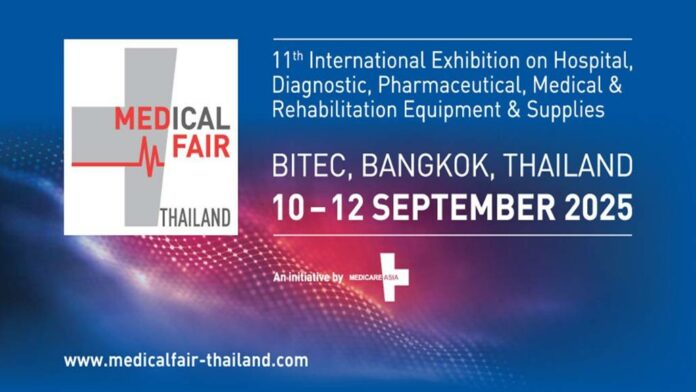
Medical Fair Thailand 2025 Sets New Benchmark for ASEANโ€™s Healthcare

Medical Fair Thailand

Record-Breaking MEDICAL FAIR THAILAND 2025: 14,474 visitors, 1,000 exhibitors, and 19 country groups โ€“ a landmark event forย ASEANโ€™s healthcare future

Medical Fair Thailand 2025 closed its doors a fortnight ago after three transformative days at BITEC, Bangkok, with results that set new records and raised the bar for the regionโ€™s healthcare exhibitions. The 11th edition welcomed a record-breaking 14,474 attendees from 70 countries, underscoring both the exhibitionโ€™s international standing and Southeast Asiaโ€™s growing role in shaping the global healthcare landscape.

As part of the MEDICARE ASIA portfolio of nine healthcare exhibitions across Asia and backed by the Messe Dรผsseldorf group โ€” organiser of worldleading MEDICA and COMPAMED in Germany โ€” Medical Fair Thailand 2025 stood out as more than an exhibition. It became a regional hub for sourcing, collaboration, and knowledge exchange, enabling healthcare stakeholders and distributors to explore innovation, strengthen networks, and unlock new opportunities across ASEAN and beyond.

ย Global participation underscores ASEANโ€™s healthcare hub status With 40 percent of attendees coming from outside Thailand โ€” led by strong representation from the Philippines, Malaysia, Singapore, Indonesia, Myanmar, and Vietnam, followed by India, China, and Japan โ€” Medical Fair Thailand reaffirmed its role as a regional meeting point for healthcare innovation and collaboration.

โ€œThe strong international turnout this year reflects the exhibitionโ€™s growing importance as a gateway between ASEAN and the global healthcare community,โ€ said Gernot Ringling, Managing Director of Messe Dรผsseldorf Asia. โ€œIt reinforces our role not only as a platform for showcasing medical innovations, but also as a bridge that connects regional demand with international supply โ€” fostering partnerships, knowledge exchange, and growth opportunities across borders.โ€

That international reach was echoed by visitors from across Asia. First-time attendee Kaho Murakami, representing a Japanese medical device distributor keen to explore the Thai healthcare market, remarked: โ€œIt was fantastic to see so many international exhibitors with such a comprehensive range of medical products and equipment.โ€

For Malaysia-based Ampersand Sdn Bhd, long-time attendee Dilun Ho once again found value at Medical Fair Thailand. โ€œThis year was fresh, with many new exhibitors and relevant suppliers. The exhibition featured the medical devices I was interested in, and I was particularly impressed with the diverse country pavilions and the networking opportunities,โ€ said Dilun Ho, Founder.

A sourcing and procurement powerhouse

This yearโ€™s edition also featured a highly engaged Hosted Buyer Programme, bringing together local and regional buyers from leading hospitals, clinics, nursing homes, and key distributors. Purpose-built to drive sourcing opportunities and meaningful business meetings, the programme delivered exceptional value for both exhibitors and buyers. Strengthening this role further, Medical Fair Thailand 2025 welcomed 89 hospital and healthcare visitor groups from across Thailand โ€” a powerful endorsement of its position as the countryโ€™s foremost procurement hub and a trusted showcase for global and regional healthcare suppliers.

Longtime visitor Dr. Manoon Boonnad (Ph.D.), Chief Executive Officer of M.B.D Surgical Supply in Chiang Mai, agreed: โ€œI have been following this exhibition both in Thailand and Singapore almost every edition since 2011. It is truly an excellent event for medical device buyers, as it allows us to stay updated on the latest medical innovations, meet suppliers, and reconnect with colleagues in the industry.โ€

A milestone showcase of innovation

With 1,000 exhibitors from 40 countries and 19 national and group pavilions, this edition marked the largest and most diverse showcase since its launch in 2003. Exhibits spanned medical devices, healthcare solutions, medical manufacturing, and next-generation technologies shaping the sectorโ€™s future.

โ€œSoutheast Asia has always been an important partner for Taiwanโ€™s medical device supply chain,โ€ said Brian Lee, Executive Director, Strategic Marketing, TAITRA (Taiwan External Trade Development). โ€œThrough Medical Fair Thailand 2025, the Taiwan Excellence mark helped a wider Southeast Asian audience recognise the strengths of Taiwanโ€™s medical industry and opened more opportunities for collaboration with businesses throughout the region.โ€

New features included the LaunchPad Zone, putting innovators in the spotlight; the expanded Medical Manufacturing Zone, showcasing nextgeneration medical production technologies; and the return of the Community Care Pavilion.

Also featured this year were neurorehabilitation and gait training workshops led by Assoc. Prof. Dr. Parit Wongphaet of Samrong General Hospital, a pioneer in robotic gait training. Tailored for clinicians and rehabilitation professionals, the sessions drew over 200 local and international participants and included live patient demonstrations. The daily workshops provided valuable knowledge to existing practitioners while showcasing evidence-based robotic-assisted gait therapy and the BodyweightSupported Treadmill Training (BWSTT) protocol.

According to Dr. Lee Chooi Lynn, Rehabilitation Medicine Consultant from the Brunei Neuroscience Stroke and Rehabilitation Centre, Jerudong Park Medical Center: โ€œThe workshop was indeed a highlightโ€”it was both insightful and highly beneficial, offering practical knowledge that is directly applicable to my work in rehabilitation medicine.โ€

Knowledge and thought leadership

Beyond the exhibition floor, Medical Fair Thailand 2025 reinforced its role as a centre for thought leadership with the Medical Manufacturing Conference (with knowledge partner Frost & Sullivan) and the Wearable Technologies Conference Asia.

โ€œIoT and connected technologies are reshaping how we approach elder care โ€” from monitoring and prevention to empowering independence,โ€ said Supratik Gupta, speaker at the Wearable Technologies Conference. โ€œPlatforms like the Community Care Pavilion are essential, as they showcase practical innovations that address the needs of our ageing societies.โ€

Strengthening local collaboration and partnerships

This edition also highlighted strong support from Thailandโ€™s healthcare ecosystem. The exhibition was supported by the Ministry of Public Health, with first-time participation from its Division of Medical Engineering (MEDI) under the Department of Health Service Support. Other key partners included the MIND Centre โ€“ Faculty of Medicine Ramathibodi Hospital, Mahidol University, highlighting pioneering MSC stem cell research in cell therapy and regenerative medicine, and the Plastics Institute of Thailand, underlining the role of advanced materials in medical device development.

Reflecting on this yearโ€™s achievement, Ringling noted: โ€œThis yearโ€™s edition has exceeded expectations, not only in scale and internationality but in the quality of exchanges and partnerships forged here in Bangkok. The strong turnout reaffirms Thailandโ€™s role as a healthcare hub for the region, and Medical Fair Thailandโ€™s position as a trusted platform that drives innovation and sustainable growth for the industry.โ€

The Business Matching platform proved its value in action, with more than 13,000 meeting requests exchanged and over 1,000 confirmed meetings onsite โ€” demonstrating its effectiveness in creating targeted partnerships and real business outcomes.

Shawn Chong, Managing Director of Precision Healthcare โ€” a Singaporebased supplier and distributor of oncology assays across ASEAN โ€” shared: โ€œThe [Business Matching] app was very useful. My company is very niche, as we only supply oncology assays, and through the app, I connected with two companies developing assays and looking for regional distributors.โ€

Looking forward

With ASEANโ€™s healthcare market projected to reach US$5 trillion by 2030, and Thailandโ€™s MedTech sector alone forecast to hit US$2.5 billion by 2028, Medical Fair Thailand 2025 has once again proven itself as the definitive gateway for global healthcare suppliers to connect with ASEAN opportunities.

The full post-event report will be available next month. Meanwhile, the journey continues in Singapore with Medical Fair Asia 2026, taking place at Marina Bay Sands from 9โ€“11 September 2026. As the flagship edition of the Medical Fair series in Asia, the Singapore event serves as a pivotal gateway to one of the regionโ€™s most dynamic healthcare markets and a global hub for innovation, investment, and collaboration. For more information, visit www.medicalfair-asia.com

Translate ยป