Close
Digital Health & Ai Innovation summit 2026
Medical Taiwan 2026

ScriptSender Partners with EvoHealth for Stronger Physician Collaboration

ScriptSender Partners with EvoHealth for Stronger Physician Collaboration

ScriptSender, a leader in enabling secure, one-click communication between healthcare providers announced a partnership with EvoHealth, which creates innovative IT solutions for the radiology industry.

ScriptSender enables secure, instant communication with referring providers. Any document, from any application and from any medical group, can be sent to the imaging center with a single click. Imaging centers can also send any document directly into the referrerโ€™s system. Practices can bypass the complexities and expense of complicated integrationsโ€”and eliminate the inefficiency of faxing.

EvoHealth delivers a solution suite that can optimize any workflow; it includes RIS, Mammo, Cardio, Ortho, Billing, and other modules. The partnership with ScriptSender is a value-add for EvoHealth customers, who now gain fully automated orders, reports, and Clinical Decision Support. The headaches around HL7 integrations, particularly scaling and maintaining the technology, can be a thing of the past.

Katie Eckhardt, Marketing Director of EvoHealth, said, โ€œWhether itโ€™s lost print-outs, blurry faxes, or image sharing on outdated CDs, physicians have pain points when it comes to collaboration. These headaches become normalized as everyone gets used to inefficiency, so imaging providers may not realize where the marketability can be. ScriptSender and EvoHealth are making it easy for referring physicians to work with imaging providers. Referrers want to work with the radiology practice that is bringing greater productivity to the equation.โ€

โ€œEvoHealth and ScriptSender represent a partnership that delivers true interoperability between radiology groups and their referring physicians,โ€ said Jim Burchfield, ScriptSenderโ€™s Senior VP of Sales and Business Development. โ€œBy automating the traditional and very manual administrative workflows of radiology, the EvoHealth and ScriptSender technologies overcome the boundaries that exist today in expensive HL7 integration costs and inefficient faxing. Leveraging technology in this manner reduces cost, increases efficiency, and improves patient care.โ€

Customers using EvoHealthโ€™s RIS solution will have the option to add ScriptSenderโ€™s one-click integration technology to streamline communication with referrers.

About EvoHealth
EvoHealth, an innovator in Healthcare IT software, offers a software solution including VNA, RIS, Billing, EHR, and Telemedicine. EvoHealthโ€™s cloud-based Fuse platform not only contains a robust radiology workflow and viewing suite, but also manages marketing campaigns, includes patient appointment reminders, and custom-brands the portals for your business. EvoHealth HCIT products bring value through tightly integrated features into nearly any workflow. For more information, visit www.evohit.com.

About ScriptSender
ScriptSender enables secure, one-click communication between healthcare providers. Integration is made easyโ€”without the complexities and costs associated with new interfaces, site-to-site VPN issues, and lost faxes. With a portfolio that includes its flagship product, ScriptSender, plus Web Orders, ReportSender, Image Viewer, and other solutions, ScriptSender aims to enhance relationships among healthcare providers of every size. Our solutions are the result of years of executive leadership in healthcare along with hands-on technology expertise. For more information, visit www.scriptsender.com.

Canon Medical Introduces Aquilion ONE / PRISM Edition Combining Deep Learning Reconstruction and Wide-Area Spectral CT

Canon Medical Introduces Aquilion ONE / PRISM Edition Combining Deep Learning Reconstruction and Wide-Area Spectral CT

Combining the power of Canon Medicalโ€™s Advanced intelligent Clear IQ Engine (AiCE) with Deep Learning Spectral Reconstruction imaging capabilities, Canon Medical Systems USA, Inc. introduces the Aquilion ONE / PRISM Edition, a spectral CT system designed for deep intelligence. The advanced system integrates artificial intelligence (AI) technology to maximize conventional and spectral CT capabilities and automated workflows while providing intelligent clinical insights to assist physicians in making more informed decisions across the patientโ€™s care cycle.

The Aquilion ONE / PRISM Edition offers opportunity for innovation within medical imaging with the power to illuminate clinical insights and initiate business opportunities designed to improve patient outcomes. Features on this advanced system include:

Advanced intelligent Clear IQ Engine (AiCE) Deep Learning Reconstruction (DLR) (pending 510(k) clearance): An innovative approach to CT reconstruction that uses deep learning to distinguish true signal from noise to deliver sharp, clear and distinct images at fast speeds. Trained using vast amounts of high-quality image data, AiCE provides enhanced anatomical resolution across the whole body including brain, lung, cardiac and musculoskeletal systems.
Deep Learning Spectral Imaging (pending 510(k) clearance): Enables physicians to make a more confident diagnosis through Spectral insights. Not only does it harness the temporal benefits of rapid kV switching with patient-specific mA modulation, full field of view acquisition and 16cm of coverage, it combines them with a DLR to deliver excellent energy separation and low-noise properties. The fully integrated end-to-end workflow is easy to use and can be incorporated into routine protocols.
All new CT Fluoroscopy (CTF) Interface: Conduct fast, focused interventional procedures with our new hybrid CTF interface that enables one-person operation thanks to ergonomically designed controls and a versatile touchscreen tablet.

โ€œThe intelligent technologies that make up the Aquilion ONE / PRISM Edition give healthcare providers the clinical confidence they need to reach new heights โ€“ from both a clinical and business perspective,โ€ said Erin Angel, managing director, CT Business Unit, Canon Medical Systems USA, Inc. โ€œCanon Medicalโ€™s deep learning reconstruction technology is pushing routine diagnostic imaging into the age of AI assisted imaging, revolutionizing patient care by enabling improved diagnostic confidence. We are committed to delivering products that arenโ€™t just a glimpse into the future of imaging โ€“ they are the future of imaging.โ€

Learn more about Canon Medicalโ€™s premium CT technology at this yearโ€™s RSNA annual meeting in Chicago, December 1 โ€“ 6, 2019 (Booth #1933, South Hall).

About Canon Medical Systems USA, Inc.

Canon Medical Systems USA, Inc., headquartered in Tustin, Calif., markets, sells, distributes and services radiology and cardiovascular systems, including CT, MR, ultrasound, X-ray and interventional X-ray equipment. For more information, visit Canon Medical Systemsโ€™ website at https://us.medical.canon.

About Canon Medical Systems Corporation

Canon Medical offers a full range of diagnostic medical imaging solutions including CT, X-Ray, Ultrasound, Vascular and MR, as well as a full suite of Healthcare IT solutions, across the globe. In line with our continued Made for Life philosophy, patients are at the heart of everything we do. Our mission is to provide medical professionals with solutions that support their efforts in contributing to the health and wellbeing of patients worldwide. Our goal is to deliver optimum health opportunities for patients through uncompromised performance, comfort and safety features.

At Canon Medical, we work hand in hand with our partners โ€“ our medical, academic and research community. We build relationships based on transparency, trust and respect. Together as one, we strive to create industry-leading solutions that deliver an enriched quality of life. For more information, visit the Canon Medical website: https://global.medical.canon.

Canon Medical Expands the Power of AI Across Imaging Modalities

Canon Medical Expands the Power of AI Across Imaging Modalities

Bringing the power of AI to routine imaging, Advanced intelligent Clear-IQ Engine (AiCE), Canon Medicalโ€™s Deep Learning Reconstruction (DLR) technology, is now being integrated across a broader portfolio of scanners with a wider range of clinical applications across modalities. Advanced intelligent Clear-IQ Engine (AiCE) was trained using vast amounts of high-quality image data, and features a deep learning neural network that can reduce noise and boost signal to quickly deliver sharp, clear and distinct images, further opening doors for advancements in CT and MR.

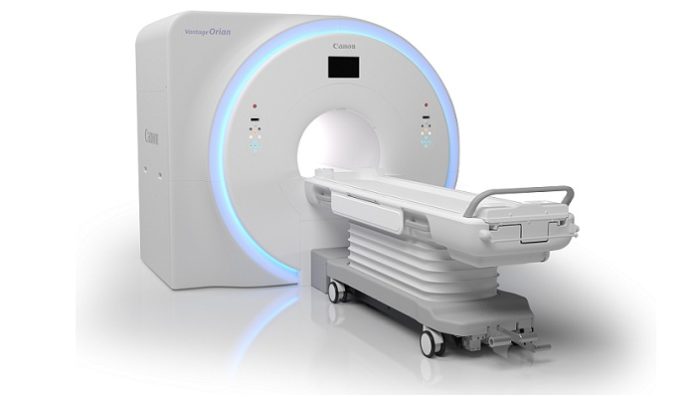
Marketed in the US by Canon Medical Systems USA, Inc., this innovative technology is currently cleared on the Aquilion ONETM / GENESIS Edition and Aquilion PrecisionTM CT systems, and is pending 510(k) clearance on the Aquilion ONETM / PRISM Edition and Aquilionโ„ข Prime SP CT systems, as well as the Vantage GalanTM 3T and Vantage OrianTM 1.5T MR systems*. Capabilities include:

High quality images with the differentiation of true signal from noise through deep learning innovation to match the spatial resolution and low-noise properties of advanced scanning and reconstruction.
Seamless integration into routine practice.
Preferred image quality over non-AI reconstruction images following a clinical evaluation in MR, and where previously in CT, advanced approaches like MBIR had limited adoption due to perceived artificial texture. (AquilionTM ONE / GENESIS Edition with Advanced intelligent Clear-IQ Engine (AiCE) image noise appearance is more similar to standard filtered back projection than FiRST.)

โ€œPrior to our Advanced intelligent Clear-IQ Engine (AiCE) technology, a reconstruction algorithm that produced preserved low contrast detectability, preserved spatial resolution, and markedly reduced noise and artifactโ€”without requiring an increase in radiation dose or deterring workflowโ€”was a tool that seemed intangible,โ€ said Satrajit Misra, vice president, Marketing, Canon Medical Systems USA, Inc. โ€œWith the expansion of this unique DLR method across modalities, weโ€™re elevating diagnostic imaging capabilities for our customers by providing new opportunities for advancement and clinical applications.โ€

Learn more about Canon Medicalโ€™s premium CT and MR technology at this yearโ€™s RSNA annual meeting in Chicago, December 1 โ€“ 6, 2019 (Booth #1933, South Hall).

About Canon Medical Systems USA, Inc.

Canon Medical Systems USA, Inc., headquartered in Tustin, Calif., markets, sells, distributes and services radiology and cardiovascular systems, including CT, MR, ultrasound, X-ray and interventional X-ray equipment. For more information, visit Canon Medical Systemsโ€™ website at https://us.medical.canon.

About Canon Medical Systems Corporation

Canon Medical offers a full range of diagnostic medical imaging solutions including CT, X-Ray, Ultrasound, Vascular and MR, as well as a full suite of Healthcare IT solutions, across the globe. In line with our continued Made for Life philosophy, patients are at the heart of everything we do. Our mission is to provide medical professionals with solutions that support their efforts in contributing to the health and wellbeing of patients worldwide. Our goal is to deliver optimum health opportunities for patients through uncompromised performance, comfort and safety features.

At Canon Medical, we work hand in hand with our partners โ€“ our medical, academic and research community. We build relationships based on transparency, trust and respect. Together as one, we strive to create industry-leading solutions that deliver an enriched quality of life. For more information, visit the Canon Medical website: https://global.medical.canon.

*Advanced intelligent Clear-IQ Engine (AiCE) MR pending 510(k) clearance on the Vantage Galan 3T and Vantage Orian 1.5T systems. AiCE MR is applicable to neuro and knee imaging

Cold Chain Logistics: Powering Asiaโ€™s Biopharma Boom

Cold Chain Logistics: Powering Asiaโ€™s Biopharma Boom

As Asiaโ€™s healthcare systems mature, demand for the latest bio-pharmaceutical medicines is soaring. Most of these medicines are highly sensitive to temperature, meaning reliable cold chain services are crucial for effectively deploying biopharma across the region.

And the need for these services is growing rapidly. With rising incomes and an improving reimbursement landscape, patients increasingly have the means to afford the newest and most effective bio-pharmaceuticals. Meanwhile, regulators are streamlining their approvals processes to ensure that novel bio-pharmaceuticals and biosimilars are brought to market more quickly than before.

Healthcare industry executives are generally optimistic that these trends will continue. In a survey by the Economist Intelligence Unit, nine in ten respondents expected multinational manufacturers with new or specialized pharma products to introduce them in Asia over the next five years.1 While bio-pharmaceutical treatment rates in Asia are still relatively low compared to the United States and Europe, the gap will undoubtedly narrow over time.

Many of the most cutting-edge bio-pharmaceuticals, from the newest monoclonal antibodies to the emerging generation of cell and gene therapies, will come first to the regionโ€™s most mature healthcare markets, such as Japan, Singapore, Australia and South Korea. These same markets may also prove receptive to biosimilars, particularly as growing aging populations and chronic diseases put healthcare budgets under pressure, creating demand for low-cost alternatives.

Most industry observers also expect that biosimilars consumption will take off in emerging markets, such as China and India. In China, the biosimilars market is expected to quadruple in size from $2 billion in 2018 to $8 billion in 2025, according to a report by McKinsey & Company.2 The India market will experience a similar boom, growing from $400 million to $1.4 billion over the same time period.

An emerging hotbed for advanced manufacturing

In addition to becoming hubs of bio-pharmaceutical consumption, some Asian countries are becoming hubs for advanced manufacturing as well. Both Western multinationals and regional players already have large manufacturing capacity in the region, and more facilities are being built every year, resulting in a greater load on the regionโ€™s pharmaceutical cold chain.

One major production hub is Singapore. The city-state offers a balanced mix of socio-political stability, skilled labor, infrastructure, regulatory leadership and research excellence to support bio-pharmaceutical manufacturing. Many of the worldโ€™s top biotech firms, such as Amgen and AbbVie, operate major production sites in the city-state. The same is true for regional leaders such as WuXi Biologics, which chose Singapore as the site for its tenth manufacturing facility last year.3

South Korea is fast becoming a major production hub too. The country is home to Samsung Biologics, which recently became the worldโ€™s largest contract manufacturer of bio-pharmaceuticals after completing a $759 million plant outside of Seoul.4 Meanwhile, Japanese firms are moving aggressively into the cell therapy space, suggesting the country will accelerate production growth in cell biopharma in the future.5

China is also gaining attention as an emerging hub for bio-pharmaceutical manufacturing. While still a relatively small player in the global context, many manufacturers are building local facilities to capture massive opportunities in the domestic market. Some also see China as a destination for contract manufacturing of biologics and biosimilarsโ€”roughly 85% of local producers forecast to export biologics to Western markets in the next 5 years.6

A changing landscape for clinical trials

Matured markets like Japan, South Korea, Taiwan, Australia and Singapore have long played an important role in bio-pharmaceutical R&D. For decades, researchers in these countries have participated actively in global clinical trials. In recent years, many are starting to focus more on trials geared specifically toward Asian populations. Some countries require that new therapies are tested locally on patients before commercial launch.

Cell and gene therapies are on the rise in the regionโ€™s more developed markets, particularly as countries like Japan and Australia make progress towards approvals and reimbursement for the emerging generation of CAR-T therapies.7 The CAR-T and other cell therapies have a shorter shelf life and require more stringent temperature controls than other biologics, making reliable and close loop cold chain services all the more vital for quality-control.

Another major shift is Chinaโ€™s rapid rise as a drug development hub for bio-pharmaceuticals. The country already holds a leading position in the global cancer cell therapy pipeline, with 305 of 1,011 active agents under development.8 Foreign pharmaceutical companies are projected to increase their R&D spend in the country to $29.3 billion in 2021.9

Implications for cold chain logistics

With rapid growth in Asiaโ€™s bio-pharmaceutical cold chain, it is critical for – companies and contract research organizations to select reliable logistics partners. To find the right logistics provider, ask yourself these questions:

โ€ข Do they have the necessary infrastructure to ensure shipment integrity at any temperature range and to any location?
โ€ข Can they offer the convenience of a one-stop shop with a full range of solutions for freight and parcel shipments at all levels of temperature control?
โ€ข Do they deliver high-performing, innovative packaging technologies and services, giving you confidence that product integrity is maintained during transit?
โ€ข Are they strong in regulatory compliance to help you meet GDP (Good Distribution Practice)?

As regulators across Asia are putting greater focus on bio-pharmaceutical logistics, complying with country-level requirements will be especially important. Logistics providers must be sure to follow Standard Operating Procedures, including thermal mapping, management reviews,
corrective and preventative actions, temperature documentation, deviation reporting, and proactive contingency interventions. It is crucial that they employ trained personnel who can process monitoring, controls and audits.

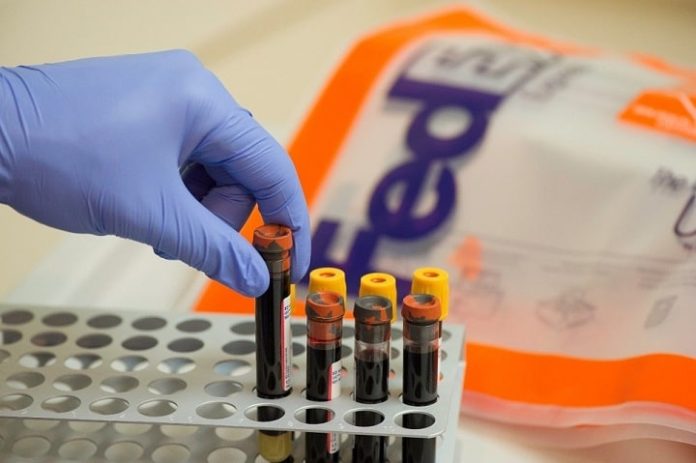
Look for logistics providers that are investing in infrastructure and technologies to support these needs. FedEx, for example, is building new cold chain centers next to airport runways to help guarantee temperature integrity on the pharmaceutical cold chain. As a specialist healthcare logistics provider, FedEx offers innovative packaging solutions, such as the new MedPak VIoC, a high-performance reusable thermal packaging that was launched in Asia earlier this year. In addition, FedEx offers reliable tracking tools like the SenseAware system to ensure continuous visibility through monitoring of temperature, humidity, light exposure, shock events and other environmental factors that can impact bio-pharmaceutical shipments.

With the healthcare demands of Asia-Pacific evolving as rapidly as the region itself, bi-opharma companies are entering an era of greater possibilities. Staying on top of tech breakthroughs and consistently leading in product innovation will continue to provide a winning formula. However, exploiting the cutting-edge capabilities of your logistics partner means leveraging an expert network that can strengthen your own.


Reference

1 Making the most of opportunity: Pharmaceutical strategy in Asia, an Economist Intelligence Unit report
2 Whatโ€™s next for biosimilars in emerging markets, McKinsey & Company
3 WuXi Biologics to invest S$80 million to establish a biologics manufacturing facility in Singapore, WuXi Biologics
4 Samsung BioLogics claims contract biopharma crown, Nikkei Asian Review
5 Japanese firms push into cell therapy, Chemical & Engineering News
6 China can be ignored no longer: long-term biopharmaceutical opportunities based on near-term demonstrated growth, BioProcess International
7 Cell therapy in the Asia Pacific โ€” solution to the cancer challenge, KPMG
8 The global pipeline of cell therapies for cancer, nature reviews drug discovery
9 Demand for more drugs in Asia drives friendly environment for clinical trials, Pacific Bridge Medical


Tech Innovation Focus at Medical Fair 2019

800 Exhibitors from 25 Countries Gather at MEDICAL JAPAN 2020 OSAKA

MEDICAL JAPAN grows bigger and more international

MEDICAL JAPAN – 6th Intโ€™l Medical & Elderly Care Expo Osaka will be held from February 26- 28, 2020 in INTEX Osaka, Japan, organised by Reed Exhibitions Japan Ltd. This edition will be larger than the last yearโ€™s edition with 160 newly joining e xhibitors. In addition to companies from Asian countries, companies from US, UK, Germany,Switzerland, Poland, etc. will exhibit.The show is known as the most international exhibition for Medical and Elderly Care in Japan, and it is a must attend show for international business players in the Medical and Elderly Care fields.

MEDICAL JAPAN brings together the entire Medical & Elderly Care Industry

It serves as a very special business platform which brings together the entire Medical Industry and Elderly Care Industry under one-roof.As the population aging becomes more and more a serious issue in Japan, the collaboration between Medical fields and Elderly Care fields is considered extremely important by the government. Reflecting this situation, many companies provides new solutions and advanced technologies.

2 specialised shows are newly launching from this edition, and MEDICAL JAPAN 2020 OSAKA consists of 8s pecialised shows:

โ€ข6th Medical Devices & Hospital Equipment Expo OSAKA
โ€ข5th Medical IT Expo OSAKA
โ€ข1st Clinics Expo OSAKA
โ€ข1st Pharmacy Solutions Expo OSAKA
โ€ข6th Hospital BPO Services Expo OSAKA
โ€ข6th Elderly Care & Nursing Expo OSAKA
โ€ข3rd Community Care Expo OSAKA
โ€ข10th Medical Device Development ExpoOSAKA [MEDIX OSAKA]

To Exhibit: https://www.medical-jpn.jp/ex_en/
To Visit: https://www.medical-jpn.jp/inv_en/

Regenstrief, IU study finds assigning hospitalists by unit has both pros and cons

Researchers from Regenstrief Institute and Indiana University School of Medicine have conducted the first time-motion study in more than a decade to assess the impact of geographic cohorting of hospitalists.

Geographic cohorting โ€“- restricting or localizing hospitalists and their patients to one or two inpatient units rather than having hospitalists travel from floor to floor, across wings or between buildings to care for patients โ€“- is becoming increasingly popular with health care systems and hospitals. But what is the impact of this method of staffing?

The new time-motion study found potential benefits from geographic cohorting such as increased number of bedside visits and time spent by the hospitalist with patients, yet the researchers also reported that geographically cohorted hospitalists were observed to be interrupted more frequently than hospitalists caring for patients spread across the hospital. Cohorted hospitalists were also observed spending more time working on a computer.

โ€œWe found that there are definitely tradeoffs in having hospitalists focus on patients in one or two units rather than care for patients throughout the hospital,โ€ said study senior author and Regenstrief Institute research scientist Michael Weiner, M.D., MPH. โ€œWhile patients and their families may be pleased that geographically cohorted hospitalists are not too far away so the doctor can spend time examining and evaluating the patient, explaining and engaging in shared decision-making, hospitalists assigned to only one or two units may not be working optimally as they are frequently interrupted because they are frequently present.

โ€œIntriguingly, we donโ€™t yet know why geographically cohorted hospitalists spend more time on the computer than non-geographically cohorted counterparts,โ€ Dr. Weiner, a health services researcher, noted.

Much of the meaningful work that a hospitalist must accomplish takes time — reviewing diagnostic test results, consulting with colleagues, conversing with nurses. It occurs away from the patient and requires the hospitalist to determine an appropriate balance between direct care at the bedside and indirect care during which the patient is not present. A significant percentage of hospitalists work an intense schedule of one week on followed by one week off and are often assigned 12-hour shifts.

Hospital medicine is the fastest growing medical specialty with more and more hospitals and health care systems employing hospitalists, physicians who work exclusively in hospitals, to care for inpatients.

โ€œOur study paints a unique picture that we need to be aware of, explore and address to make the maturing specialty of hospital medicine better for patients and hospitalists,โ€ said study corresponding author Areeba Kara, M.D., M.S., an IU School of Medicine assistant professor of clinical medicine. โ€œKnowing what goes on during the workday of geographically cohorted hospitalists and contrasting that with what non-geographically restricted hospitalists encounter on the job will help researchers and administrators enable hospitalists to carry out their patient care missions at the highest level possible.โ€ Dr. Kara has been a hospitalist with IU Health since 2003.

โ€œA Time Motion Study Evaluating the Impact of Geographic Cohorting of Hospitalistsโ€ is published online ahead of print in Journal of Hospital Medicine.

The study was supported by IU School of Medicineโ€™s Advanced Scholarship Program for Internists in Research and Education (ASPIRE). Dr. Kara was a 2017-18 ASPIRE Scholar mentored by study coauthors Dr. Weiner and Regenstrief Institute Research Scientist Kurt Kroenke, M.D, an IUPUI Chancellorโ€™s Professor and professor of medicine at IU School of Medicine.

Other co-authors of the study are Mindy Flanagan and Rachel Gruber of Regenstrief Institute, and Kathleen Lane and Na Bo of IU School of Medicine, Department of Biostatistics.

About Michael Weiner, M.D., MPH
In addition to his role as a Regenstrief research scientist, Dr. Weiner is associate director of the William M. Tierney Center for Health Services Research at Regenstrief; principal investigator and director of the VA HSR&D Center for Health Information and Communication at Richard L. Roudebush VA Medical Center; and a professor of medicine at IU School of Medicine.

About Regenstrief Institute
Founded in 1969 in Indianapolis, the Regenstrief Institute is a local, national and global leader dedicated to a world where better information empowers people to end disease and realize true health. The Regenstrief Institute and its researchers are responsible for a growing number of major healthcare innovations and studies. Examples range from the development of global health information technology standards that enable the use and interoperability of electronic health records to improving patient-physician communications, to creating of models of care that inform practice and improve the lives of patients around the globe.

A key research partner to Indiana University, Regenstrief Institute is celebrating 50 years of healthcare innovation. Sam Regenstrief, a successful entrepreneur from Connersville, Indiana, founded the institute with the goal of making healthcare more efficient and accessible for everyone. His vision continues to guide the instituteโ€™s research mission.

Tips to manage hospital visit anxiety

Tips to manage hospital visit anxiety

For some people, the idea of an extended stay in the hospital, or even just a quick routine visit, can be a rather distressing thing to face up to.

If you often find yourself getting worked up and worried over what might happen during your next hospital, you might end up looking for some guidance and support on how to handle these visits more effectively.

To help you stay calm and collected during all your future hospital visits, weโ€™ve put together a handful of tips on managing hospital visit anxiety.

Talk to your doctor

You might feel some apprehension overtalking to your doctor about medical issues, especially if youโ€™re already uncomfortable with hospitals in general. However, taking the plunge and opening up a dialogue with your doctor (and other health care professionals) can be a really positive first step.

For example, your first step might just be telling your doctor that youโ€™re worried about what might happen during a medical procedure. Your doctor would then spend a few minutes listening to you and discussing your concerns. As the average settlement for medical malpractice in a particularly serious situation could be very high, your entire healthcare team are committed to providing excellent care to their patients at every stage.

As you gain more confidence talking about medical issues, you could start to ask for more specific details about whatever procedures youโ€™re in for, such as what the procedure actually does to benefit you. Being able to clearly picture exactly why a medical procedure needs to take place can help you focus on the bigger picture.

Vent to your friends
Before going into the hospital, you could try spending some time with a friend and getting everything off your chest. This way, youโ€™ll be able to head into your appointment with a much clearer head.

You could also consider asking if a friend or family member could join you at the hospital, so that thereโ€™s a familiar, friendly face nearby throughout your procedure. Itโ€™s a simple thing, but having someone you know being there for you when youโ€™re worried can be immensely reassuring

Distract yourself
Sometimes, one of the worst things about a doctorโ€™s visit is getting stuck in your own head and worrying even moreย  because thereโ€™s nothing else to focus on. If you find this happening often, it might be particularly helpful to bring a few home comforts with you during your visit.

Bringing a book that youโ€™ve been looking forward to reading, or listening to some calming music, can be simple yet effective ways to calm yourself during an otherwise stressful hospital stay.

If you follow this advice, but find that nothing seems to be helping and youโ€™re still as anxious as you used to be, it might be worth talking to a professional counsellor. They might be able to help you get past your anxiety, or find more therapeutic coping methods.

However much you suffer with hospital visit anxiety, remember that hospital staff are there to take care of you and ensure that youโ€™re as healthy and as taken care of as they can.

PENTAX Medical Launches DEC HD Duodenoscope in the United States

PENTAX Medical Launches DEC HD Duodenoscope in the United States

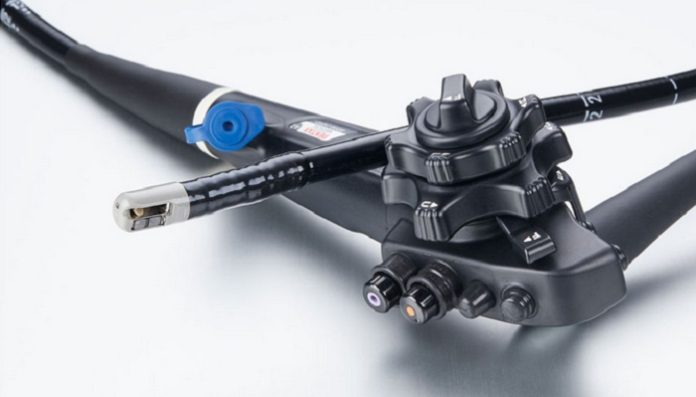
PENTAX Medical, a healthcare industry leader in diagnostic and therapeutic endoscopy, has announced the United States launch of its DECโ„ข HD Duodenoscope, an advanced, high-definition duodenoscope that features multiple disposable components, including the sterile distal cap and elevator lever, for unit reprocessing. The DEC HD Duodenoscope is designed to provide physicians a solution aligned with recent FDA

guidance on reducing endoscope reprocessing, as well as deliver tangible โ€œTriple Aimโ€1 value (by improving clinical outcomes, reducing care costs, and enhancing physician and patient experiences). The device has been available in global markets since 2017 and recently received FDA clearance, facilitating its US commercial launch.

Conventional duodenoscopes are linked to infection risk, despite proper reprocessing after ERCP procedures. In a recent safety communication published by the FDA, it was stated: โ€œFDA recommends health care facilities and manufacturers begin transitioning to duodenoscopes with disposable components to reduce risk of patient infection [โ€ฆ] The best path to reducing the risk of disease transmission by duodenoscopes is through innovative device designs, such as those with disposable components, that make reprocessing easier, more effective or unnecessary.โ€

โ€œDuodenoscopes with a disposable elevator component represent another major step toward lowering the risk of infection among patients who undergo procedures with these devices,โ€ said Jeff Shuren, M.D., J.D., director of the FDAโ€™s Center for Devices and Radiological Health.

Responding to the FDAโ€™s and CDCโ€™s call for advancement in duodenoscope design to increase patient safety, PENTAX Medical developed the DEC: an advanced, hygienic endoscopic solution that maintains the imaging and handling performance physicians need during endoscopic retrograde cholangiopancreatography (ERCP) procedures.

The DEC allows physicians to simply and safely dispose of the elevator, the component most vulnerable to enteric bacteria.The DEC HD Duodenoscope features a sterile, disposable distal cap PLUS disposable elevatorโ€”helping to reduce the risk of bioburden remaining on conventional elevator components after reprocessing. This reduces the burden of time-intensive reprocessing (aka cleaning) as a result of fewer steps in the reprocessing process.

โ€œThe DEC represents a significant clinical innovation both in device design and patient safety due to its sterile and disposable distal end cap with integrated elevator, and also a human factors-validated approach to both reprocessing and competency-based training,โ€ said Dr. Hudson Garrett, Global Chief Clinical Officer for PENTAX Medical. โ€œThe DEC was specifically designed in response to the evidence-based recommendations released by the FDA and CDC and represents a critical step forward in improving patient safety, reducing contamination, and optimizing endoscope reprocessing programs.โ€

Since its global launch, the DEC HD Duodenoscope has offered exceptional performance and advanced design. As a duodenoscope with HD imaging, it helps the endoscopist confidently diagnose, as well as visualize the mucosa in detail, identify abnormal tissue, and locate the papilla for cannulation. The DEC includes a lightweight, ergonomic control body offering comfortable handling and optimal maneuverability.

โ€œThe new detachable cap is one of the solutions to reduce the risk of bacterial contamination. This duodenoscope is a huge advancement and development for PENTAX (Medical),โ€ said Dr. Marc Giovannini, Institut Paoli-Calmettes, Marseille, France.

All DECโ„ข HD Duodenoscopes are protected by the proactive and cost-saving PENTAX ServiceWorksโ„ข program providing customers Access to board-certified Infection Preventionists and Patient Safety Professionals, Certified Field Reprocessing Professionals, and accredited continuing education programs to assist Healthcare Providers and Facilities in meeting evidence-based standards, clinical guidelines, and regulatory/accreditation requirements.

About PENTAX Medical

PENTAX Medical is a division of Hoya Group. Its mission is to improve the standard of patient care and enhance patientsโ€™ and providersโ€™ experience by providing the best endoscopic products and services with a focus on QUALITY, CLINICALLY RELEVANT INNOVATION, and SIMPLICITY. Through leading-edge R&D and manufacturing, PENTAX Medical provides endoscopy solutions to the global medical community. Headquartered in Japan, PENTAX Medical has a worldwide focus and presence with R&D, regional sales, service, and in-country facilities around the globe. PENTAX Medical employees represent the diverse countries where we do business, allowing us to provide innovative solutions tailored to meet local needs.

For more information, visit www.PENTAXMedical.com/us/.


Signant Health Joins the ACRO to Add a Technology Perspective to Conversations with Legislators and Industry Leaders about the Future of Clinical Research

Signant Health announced that it has joined the non-profit Association of Clinical Research Organizations (ACRO). ACRO, a global coalition of research and technology companies, makes it their mission to advocate as the collective voice of the innovative clinical research industry to regulators and policymakers, educating stakeholders and shaping policies that foster efficient, effective and safe conduct of clinical research.

Founded in 2002, ACRO supports members by elevating their positions and goals to legislators, ensuring regulators such as the FDA, NIH, EMA, and lawmakers understand the nuances and intricacies faced by todayโ€™s clinical trial organizations. This work influenced some of the more important recent clinical trial regulations such as the 21st Century Cures Act and EU Clinical Trial Regulation.

As the 13th member company elected into ACRO, Signant Health joins as one of the industryโ€™s premier eCOA, eConsent, and clinical trial technology companies.

Mike Nolte, CEO of Signant Health, said โ€œAs a technology provider, Signant brings a unique perspective to ACRO, promoting collaboration across the industry to achieve our shared responsibility for advancing patient-centric clinical research. Aligned with our strategy and values, ACRO has prioritized conversations around patient safety, privacy, and technologyโ€™s impact on clinical trials, and we are excited to join with ACRO and its member companies to support policy and investment that ensure safe and efficient trials for patients everywhere.โ€

โ€œSignant Healthโ€™s mission โ€“ ensuring the patient remains at the forefront of clinical trial design and execution, while advancing the efficiency of the clinical trial enterprise โ€“ is one shared by the member companies of ACRO,โ€ said Executive Director, Doug Peddicord. โ€œWe are extremely pleased to welcome Signant as our newest member and look forward to working together to move our industry forward.โ€

To learn more about Signant Health visit https://signanthealth.com/. For further information on ACRO, please visit https://www.acrohealth.org/.

Who Is Signant Health?
The best technology succeeds in the background. Signant Health provides solutions that simplify every step of the patient journey to make it easier for people to participate in, and for sites and study teams to run, clinical trials. Signant unites eCOA, eConsent, Patient Engagement, IRT, Clinical Supplies and Endpoint Quality into the industryโ€™s most comprehensive patient-centric suite โ€“ an evolution built on more than 20 years of proven clinical research technology. Our intense focus on the patient experience, deep therapeutic area expertise and global operational scale enable hundreds of sponsors and CROs (including all Top 20 pharma) to extend the reach of drug development, expand patient opportunities and improve data quality โ€“ helping them bring life-changing therapies to our families and communities around the world. Take a significant step toward patient-centricity at signanthealth.com

Translate ยป