








Close
Digital Health & Ai Innovation summit 2026
LiGHT26

Enhancing Target Screening with CRISPR Libraries: Revolutionizing Drug Discovery and Functional Genomics

The landscape of drug discovery and functional genomics has been significantly reshaped by the advent of CRISPR technology. Among the many applications of CRISPR, CRISPR libraries for target screening have become essential tools for researchers. These libraries enable high-throughput, systematic gene editing that allows for the rapid identification of gene functions and the discovery of new therapeutic targets. As a result, CRISPR-Cas9 screening libraries are accelerating progress in drug development, functional genomics, and personalized medicine.

This article will explore how CRISPR libraries for target screening are transforming research, their applications across various fields, and the challenges that remain to be addressed.

What Are CRISPR Libraries for Target Screening?

CRISPR libraries are collections of single-guide RNAs (sgRNAs) designed to target specific genes within the genome. These libraries enable researchers to either knock out genes or modulate their expression to assess the impact on cellular functions. CRISPR libraries for target screening allow for systematic disruption or activation of genes, making them invaluable for identifying novel drug targets, studying gene functions, and understanding disease mechanisms.

There are several types of CRISPR libraries, including:

  1. Knockout Libraries: These are designed to induce loss-of-function mutations in target genes, helping to identify genes essential for cell survival, growth, or disease progression.
  2. Activation Libraries: These libraries are used to upregulate gene expression, allowing researchers to investigate the effects of increased gene activity on cellular processes.
  3. Inhibition Libraries: These focus on reducing gene expression to study gene silencing effects and identify genes that may be potential therapeutic targets for diseases.

With the ability to target thousands of genes at once, CRISPR libraries for target screening allow researchers to explore entire biological pathways and networks efficiently.

The Power of CRISPR Libraries in Target Screening

CRISPR libraries for target screening offer numerous advantages over traditional methods, such as RNA interference (RNAi) or small molecule screens, especially in the context of functional genomics and drug discovery.

1. High Throughput and Systematic Screening

One of the greatest strengths of CRISPR libraries is their ability to facilitate genome-wide screenings. Researchers can simultaneously target and assess the functions of thousands of genes in a single experiment, allowing for comprehensive and unbiased screening of potential drug targets. This is particularly useful when exploring complex diseases, such as cancer, where multiple genes may contribute to disease progression and drug resistance.

2. Precision and Specificity

Unlike RNAi, which relies on partial inhibition of gene expression, CRISPR libraries offer precise genetic modifications. CRISPRโ€™s ability to induce complete gene knockout or activation ensures more reliable and reproducible results. This precision is especially critical in drug discovery, where identifying the correct target is essential for developing effective therapies.

3. Versatility in Application

CRISPR libraries are versatile and can be customized to fit a variety of research needs. For example, libraries can be designed to target specific gene families, disease-associated pathways, or even entire signaling networks. This flexibility allows researchers to explore a wide array of biological questions across different disease models, including cancer, metabolic disorders, and neurodegenerative diseases.

Applications of CRISPR Libraries for Target Screening

The versatility of CRISPR libraries has led to a wide range of applications in both basic and applied research. Here are some of the key areas where these libraries are being employed:

1. Drug Discovery and Target Identification

In drug discovery, identifying the right target is one of the most critical steps. CRISPR libraries allow researchers to screen for novel drug targets by knocking out or activating genes to study their effects on cellular processes. For example, in cancer research, CRISPR screens have revealed new druggable targets that are crucial for tumor growth and metastasis. Similarly, metabolic disease models have benefitted from CRISPR screening to identify genes involved in insulin resistance and lipid metabolism, providing new avenues for therapeutic intervention.

2. Functional Genomics and Pathway Analysis

CRISPR libraries are invaluable tools for studying gene functions and understanding complex biological pathways. By systematically knocking out genes in a pathway, researchers can determine the role each gene plays in cellular processes like cell cycle regulation, apoptosis, and immune response. These insights are essential for developing therapies that modulate specific pathways to treat diseases.

3. Personalized Medicine

As precision medicine becomes more prominent, CRISPR libraries are crucial for understanding individual variability in disease progression and response to treatment. By tailoring screens to specific genetic backgrounds, researchers can uncover why certain individuals are more susceptible to specific diseases or drugs. This approach is key for developing personalized therapies based on genetic profiles.

Challenges and Solutions in CRISPR Target Screening

While CRISPR libraries for target screening have revolutionized research, they are not without challenges.

1. Off-Target Effects

Despite its precision, CRISPR can still introduce off-target edits, which may lead to inaccurate results. However, advances in sgRNA design and the development of high-fidelity Cas9 variants have significantly reduced the occurrence of off-target effects. Additionally, rigorous validation through secondary screens and sequencing can help confirm results.

2. Delivery Systems

Efficient delivery of CRISPR libraries into target cells is crucial for successful screenings. Various delivery methods, such as lentiviral vectors, electroporation, and lipofection, are used depending on the cell type. Optimizing these delivery methods is essential for ensuring that every cell in a large population receives the CRISPR construct and can be effectively screened.

3. Data Interpretation

The massive amounts of data generated by CRISPR screenings require advanced bioinformatics tools for accurate analysis and interpretation. Researchers must use robust computational pipelines to identify significant hits and derive meaningful biological insights from the data.

The Future of CRISPR Libraries for Target Screening

As CRISPR technology continues to evolve, the future of CRISPR libraries for target screening looks promising.

1. Single-Cell CRISPR Screening

One of the exciting frontiers in CRISPR screening is single-cell technology. By combining CRISPR screening with single-cell RNA sequencing, researchers can analyze gene function at an individual cell level, providing deeper insights into cellular heterogeneity, especially in complex tissues or tumors.

2. Expanded Applications in Gene Therapy

CRISPR libraries are also being explored for gene therapy applications, where gene editing can be used to correct mutations at the root of genetic disorders. By identifying and targeting genes responsible for disease progression, CRISPR libraries may help unlock new therapeutic strategies.

3. Integration with Artificial Intelligence

Artificial intelligence (AI) and machine learning are increasingly being integrated with CRISPR screening to accelerate drug discovery. AI algorithms can help analyze complex data sets from CRISPR screens, predict gene interactions, and identify promising therapeutic targets faster and more accurately.

Conclusion: A New Era in Target Screening

CRISPR libraries for target screening represent a powerful advancement in functional genomics, drug discovery, and personalized medicine. Their precision, scalability, and versatility allow researchers to explore gene functions and disease mechanisms like never before. As these technologies continue to evolve, the future of target screening will undoubtedly unlock new opportunities for the development of innovative therapies and the understanding of complex biological systems.

With continuous advancements in CRISPR technology, the potential for target screening libraries to shape the future of medicine and biotechnology is limitless.

Intermountain Health Announces Architect Firms for Nevadaโ€™s First Comprehensive Stand-Alone Childrenโ€™s Hospital

Intermountain Health today announced Shepleyย Bulfinch and Gensler as the two architect firms that will design the upcoming stand-alone childrenโ€™s hospital in southern Nevada.

The announcement marks a crucial step after the location was unveiled in October at UNLVโ€™s Harry Reid Research and Technology Park.

โ€œThe selection of these two firms is a celebration as Intermountain conducted an extensive analysis to bring a state-of-the-art comprehensive childrenโ€™s hospital here to Nevada,โ€ said Lawrence Barnard, Intermountain Health assistant vice president of pediatrics in Nevada. โ€œShepleyย Bulfinch and Gensler both have very impressive backgrounds in designing healthcare facilities around the globe. Our goal of bringing essential specialty care to children, keeping families in state for care, is taking shape for our community.โ€

The team of Shepley Bulfinch and Gensler approached the Nevada Childrenโ€™s Hospital with a singular commitment: improving outcomes for patients and their families. The firms share the belief that a patient-centered design approach produces the best environment for not only the patients but also their families, their clinicians, and the hospital staff.

Shepley Bulfinch brings deep experience in pediatric healthcare design to this project. With a strong focus on patient and family centered solutions, the firm understands how spaces and systems influence patient and staff journeys, as well as daily operations.

Drawing on its extensive portfolio, including 10 million square feet of recent healthcare projects, four million of which are dedicated to pediatric facility design โ€” Shepley Bulfinch tailors environments to meet the unique needs of children of all ages, from toddlers to teens and their families.

Shepley Bulfinch’s approach prioritizes improved outcomes, productivity, and adaptability, addressing the wholistic well-being of patients in ever-evolving pediatric hospital settings.

โ€œDesign approaches must manage anxiety, reduce stress, and promote normalcy for patients and their families through an appropriate sense of scale and need for privacy so potentially intimidating spaces are infused with timeless design and a sense of fun,โ€ said Shepley Bulfinch Principal Andre Kamili, AIA. โ€œWe are thrilled to bring this thinking to families throughout the Las Vegas community.โ€

โ€œThe Nevada Childrenโ€™s Hospital is not just a much-needed addition to the healthcare landscape in Las Vegas, and the state of Nevada, but an opportunity to inform and quantify new ideas and approaches to pediatric healthcare,โ€ said Candra Mathis, managing director of Gensler Las Vegas. โ€œIn partnership with Shepley Bullfinch and Intermountain Health, Gensler is thrilled to bring our comprehensive knowledge of Las Vegas and our deep cross-disciplinary experience to this exciting project, all in service of improving pediatric healthcare delivery and outcomes.โ€

โ€œThis hospital will greatly reduce strain on families already burdened by emotionally and physically challenging health conditions,โ€ added Barnard. โ€œNevadaโ€™s children deserve to receive comprehensive care close to home.โ€

Construction, although very important, is just one part of the project.

The clinical planning, organization, childrenโ€™s health initiatives, and other workstreams needed for an undertaking of this magnitude began years ago, workforce planning (including sustainable recruitment), and more.

Intermountain Health operates two childrenโ€™s hospitals in Utah โ€“ Intermountain Primary Children’s Hospital Salt Lake and Intermountain Primary Children’s Hospital Lehi, which are both known for their high-quality and compassionate care.

Intermountain Health offers patient care at more than 65 clinic locations across southern Nevada. With its extended provider network, Intermountain Health delivers patient-centered primary, specialty, and urgent care services to approximately 350,000 southern Nevadans in Clark and Nye counties.

Learn more about Intermountain Health and follow the progress atย intermountainhealth.org.

Introducing Next-Gen Cylindrical Laser Machining for Medical Device Manufacturing

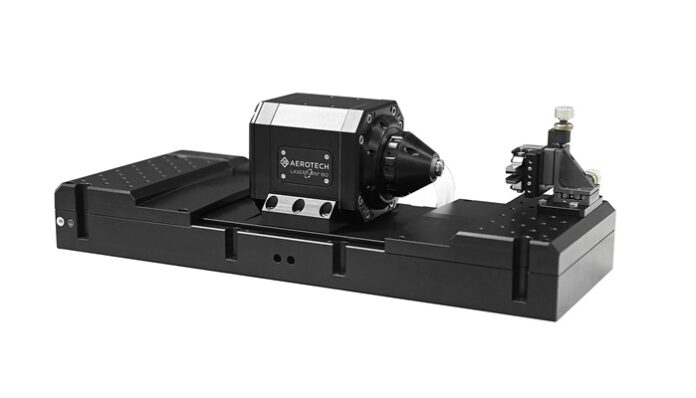
PITTSBURGH โ€“ Aerotech Inc., a global leader in precision motion control and automation, today introduced the LaserTurnยฎ160, the ultimate cylindricalย laserย machiningย motion platform. Designed for unparalleled precision and efficiency, the LaserTurn160 delivers up to 40% higher throughput compared to similar systems, setting a new standard forย medicalย deviceย manufacturing.

Maximum Efficiency, Unmatched Precision

LaserTurn160 is optimized for high-dynamic performance, offering precise motion trajectories that ensure consistent, high-quality manufacturingย outcomes. Its versatile capabilities cater to the unique requirements ofย medicalย deviceย production, stent cutting, catheter fabrication, guidewireย manufacturingย and other applications.

Unrivaled Performance

The LaserTurn160โ€™s direct-drive motors and crossed-roller bearings ensure ultra-smooth motion, enabling the production of highly reproducible parts. When paired with the powerful Automation1 motion controller, users can achieve the ideal balance of precision and speed for machiningย cardiovascular stents or other complex tubular components.

โ€œThe LaserTurn160 has established a new industry standard,โ€ said Brian Fink, Product Manager at Aerotech. โ€œWith its ability to dramatically enhance throughput while maintaining excellent part quality, this platform is a game-changer in high-precisionย medicalย applications like stent cutting and hypotubeย manufacturingย โ€“ when process throughput and part reproducibility are vital.โ€

Key Features and Benefits:

  • Superior Throughput:ย Boosts process efficiency by up to 40% or more, reducing production times and increasing output with outstanding part quality and reproducibility.
  • Dynamic Rotary Axes:ย Two direct-drive rotary stage options are available. ASR1300 delivers extreme high-dynamic performance for tube diameters up to 4 mm, with speeds up to 3000 rpm and accelerations up to 8000 rad/sยฒ. CCS130DR is capable of processing tube diameters up to 7.9 mm, blending high dynamics and versatility.
  • Precision Workholding:ย Dead-length, pneumatically actuated collets virtually eliminate unwanted tube motion during gripping and regripping as the tube is fed through the rotary stage aperture.
  • Enhanced Flexibility:ย Compatible with Type-D collets and an optional alignment gripper for seamless processing of tubes of varying lengths and diameters.
  • Seamless Integration:ย Compatible with Type-D collets and an optional alignment gripper for convenient and precise material handling, plus front and rear tooling plates simplify integrating bushings and other process equipment. LaserTurn160 also supports wet- and dry-cutting configurations for maximum process versatility.

OGT delivers superior MRD detection capabilities with new SureSeq Myeloid MRD Panel

New York, USA. Today,ย OGTย announces the North American launch of itsย newย next-generation sequencing (NGS)ย SureSeqโ„ขย Myeloidย MRDย Panel, which provides a flexible NGS workflow for theย detectionย of ultra-low frequency measurable residual disease (MRD)-associated biomarkers in acuteย myeloidย leukemia (AML). This ultra-sensitive NGSย panelย leveragesย OGTโ€™s expertise in hybrid capture to enhance theย detectionย of the largest and most complex AML associated variants in key genes, such as largeย FLT3-ITDs, that often go undetected by previous generations of PCR-based enrichment technologies.

The ultra-sensitiveย detectionย ofย MRDย in AML is a critical tool for advancing clinical research in AML. NGS-based AMLย MRDย is being more widely adopted in drug development and studies aiming to improve clinical management of AML. Clinical research studies intoย MRDย continue to drive deeper understanding of AML remission and relapse, including evidence highlighting thatย MRDย negativity is associated with a better 5-year survival rate compared toย MRDย positive defined samples.1ย Being able to sensitively detect even a few residual leukemic cells provides a more comprehensive picture of the current AML status of a sample.

OGTโ€™sย newย highly targetedย SureSeqย Myeloidย MRDย Panelย enables theย detectionย of 13 key AMLย MRD-associated biomarkers. Key targets include very large, ultra-low frequencyย FLT3-ITDs (even up to 300 bp) that are traditionally challenging to detect. This streamlined, guideline-drivenย panelย content expands onย OGTย customerโ€™sย MRDย detectionย capabilitiesย to deliver a better understanding of the current AML status, and ensures genomic insights are not missed. Customers can also effortlessly adapt NGS workflows to meet all their sensitivity, sample batching and sequencing requirements – by selecting from a range of pre-optimized workflows, users benefit from the unmatched flexibility of thisย newย NGSย MRDย panel.

OGTย specializes in the development ofย superiorย hybrid capture technology that excels in theย detectionย of complex structural variants and eliminates inaccurate calls caused by alternative PCR-based approaches. By employingย OGTโ€™s unparalleled bait design process, informed by the teamโ€™s unique expertise, the company has developed theย SureSeqย Myeloidย MRDย Panelย to offer enhanced and reliable,ย superiorย detection.

โ€œWe know how importantย MRDย detectionย is, and will continue to be, in AMLโ€ said Adrian Smith, CEO,ย OGT. โ€œAdvances in the understanding of AMLย MRD, such as recent research studies highlighting the prognostic ability ofย FLT3-ITDย detectionย to ascertain the disease course for patients with AML pre- and post-HSCT, emphasize the need for sensitive NGS-based tools to be able to characterize this, and other, key variants in clinical research. We are proud to have developed our newest NGSย panelย that allows customers to detect key AML-relevant biomarkers, includingย NPM1ย andย FLT3-ITDs, at extremely low levels. With our complimentary software, Interpret, which provides an โ€œout-of-the boxโ€ bioinformatics pipeline that can be tailored to customers specific requirements, we ensure our customers secure the most valuable insights from theirย MRDย dataโ€

Discussing the successful use ofย OGTโ€™sย newย MRDย Panel, Professor Klaus M. Metzeler, Professor of Translational Hematology at the Department of Hematology, Cell Therapy, Hemostaseology and Infectious Diseases, University of Leipzig, Germany, said, โ€œOverall, we were very happy with the promising results we obtained using theย SureSeqย Myeloidย MRDย Panelย which has led us to implement thisย panelย forย MRDย analysis in our ongoing and planned clinical trials. In our hands, thisย panelย was able to detect all variants found by a comparator NGSย Panel, generating no false positive calls; and most importantly, several additional clinically relevant variants were found, includingย FLT3-ITDs, that had not been detected by the comparator.โ€

OGTย partners with all customers to get them started with theirย MRDย analysis without adding to their labโ€™s bioinformatics burden and ensures theirย MRDย workflows always operate seamlessly. The companyโ€™s complimentary NGS analysis software, Interpret, is available on the cloud or as a local install and provides a powerful bioinformatic analysis pipeline. This is all aided byย OGTโ€™s expert support team who are readily available to support customers in their workflow implementation and maintenance.

For more information about theย SureSeqย Myeloidย MRDย Panelย andย OGT’s genomics solutions, please visit:ย https://www.ogt.com/us/products/product-search/sureseq-myeloid-mrd-next-generation-sequencing-ngs-panel/

Siemens Healthineers and the American Society of Radiologic Technologists Expand Training Partnership Globally

  • To increase access to world-class radiography training in underserved countries worldwide
  • To build capacity to address the critical shortage of radiographers in low-resource settings
  • To create a vendor-neutral training curriculum to serve specific local needs

Siemens Healthineers and the American Society of Radiologic Technologists (ASRT) will expand an existing partnership to bring top-quality training for radiologic technologists, or radiographers, to underserved countries around the world for the first time. Educating radiographers to operate imaging or radiation therapy equipment is crucial, as the machines enable physicians to diagnose and treat diseases including cancer and cardiovascular disease. Such noncommunicable diseases1 already account for 74% of all deaths globally, with more than three-quarters in low- and middle-income countries.

The multiyear partnership will make ASRTโ€™s curriculum and educational content, which are regarded as an industry gold standard, available for foundational and advanced training in both in-person and virtual forms. Training will be vendor-neutral for as broad an impact as possible. ASRT, founded more than 100 years ago, is the largest association for medical imaging and radiation therapy professionals in the world. Siemens Healthineers, which has activities in more than 180 countries, will bring local know-how so that content can be tailored to local circumstances or requirements. This builds on an existing 30-year partnership which included Siemens Healthineers as a charter partner of the ASRT Foundation Corporate Roundtable and supporter of a clinical advancement scholarship program. One of the first activities under the extended partnership, will be to jointly develop a curriculum to train 50 radiographers from Ukraine. The training will be delivered in hybrid formโ€”in person at the Siemens Healthineers Academy in Poland and online over the next two years.

โ€œToo often in low-resource countries, medical equipment sits unusedโ€”often still in its original packagingโ€” because no one is trained to use it,โ€ said Hagen Weissapfel, head of Education and Service, Siemens Healthineers Access to Care. โ€œWe recognize that skilled people are the backbone of any healthcare system, and that building workforce capacity is key.โ€

Workforce shortages affect healthcare systems across the world, but scarcity in low- and middle-income countries is severe. In high-income countries there are 93 radiologists per million people, but Sub-Saharan Africa has only two per million, according to the International Atomic Energy Agency.2 Building capacity is crucial, and Siemens Healthineers is committed to providing six million hours of training by 2030 as part of new sustainability targets announced last November.

โ€œASRTโ€™s mission is to advance and elevate the medical imaging and radiation therapy profession and to enhance the quality and safety of patient care,โ€ said Melissa Culp, head of Member Engagement at ASRT. โ€œWith our colleagues at Siemens Healthineers, we are raising awareness of the profession, ensuring high standards of educational preparedness and strengthening the workforce pipeline globally.โ€

Reference

1. Noncommunicable diseases [Internet]. Who.int. [cited 2025 Jan 17]. Available from: https://www.who.int/news-room/fact-sheets/detail/noncommunicable-diseases

2. Human health campus – database & statistics [Internet]. Iaea.org. [cited 2025 Jan 17]. Available from: https://humanhealth.iaea.org/HHW/DBStatistics/IMAGINEMaps7.html

Exploring the Role of NDIS in Promoting Social Inclusion for People with Disabilities

In Australia, the National Disability Insurance Scheme (NDIS) has been a game changer for persons with disabilities, their families, and carers. The NDIS has opened doors to previously out-of-reach opportunities by empowering participants with greater choice and control. In this post, we will explore how the NDIS fosters social inclusion, focusing on its transformative impact on lives, and highlight the role of NDIS providers in cities like Sydney and Melbourne in creating more inclusive communities.

Understanding Social Inclusion

Social inclusion ensures everyone can participate fully in society regardless of their abilities. This means access to education, employment, social activities, public spaces, and feeling valued and respected. Unfortunately, barriers such as stigma, inaccessible infrastructure, and lack of support still exist today. This is where the NDIS steps in, offering tailored funding and services to help participants overcome these barriers.

How the NDIS Promotes Social Inclusion

The NDISโ€™s person-centred approach enables participants to design support plans, focusing on the most important goals. Whether learning a new skill, finding employment, or joining a community group, the scheme funds services and supports that facilitate these aspirations. Additionally, the NDIS promotes access to vital disability support services such as allied health care and specialised equipment.

Take Miaโ€™s story as an example. Mia, a 28-year-old woman living with cerebral palsy in Sydney, felt excluded from social activities because venues were often inaccessible. With funding from her NDIS plan, Mia partnered with a local NDIS service provider Sydney, who helped her identify social groups with inclusive facilities. They also arranged transport assistance, ensuring Mia could attend events independently. Today, Miaโ€™s confidence has soared as she actively participates in her community and builds meaningful relationships.

The Role of NDIS Service Providers

NDIS service providers play a crucial role in making social inclusion a reality. They deliver a wide range of support, from daily living assistance to capacity-building programs. In major cities like Sydney and Melbourne, providers tailor their services to the diverse needs of participants, ensuring that no one is left behind.

For instance, NDIS providers Melbourneย offer support tailored to enhance participants’ capacity to engage in social and recreational activities, reflecting their commitment to holistic care. Inclusive employment opportunities are another critical focus of the NDIS, helping many participants gain workplace training and ongoing support to thrive in professional environments. Many participants now receive workplace training and ongoing support, enabling them to thrive in professional environments. Similarly, providers in Sydney focus on creating social and recreational programs that cater to different interests, from art classes to fitness groups. NDIS home care services are also critical, offering personalised support that helps participants maintain independence while living in their own homes.

Challenges and Opportunities

Despite its success, the NDIS faces challenges. Long wait times for plan approvals and inconsistencies in service quality can hinder progress. However, with the growing network of NDIS service providers across Sydney, Melbourne, and other regions, a strong foundation exists to build on.

The Strategies Page on the NDIS website outlines a range of initiatives aimed at improving the scheme’s efficiency and inclusivity. Key strategies include the development of more inclusive communities, enhancing employment opportunities, and promoting better health outcomes for participants. These strategies also focus on fostering NDIS community participation, encouraging individuals to engage more actively with their local communities.

Advocacy and feedback from participants also play a vital role in improving the scheme. By voicing their needs, individuals with disabilities can help shape a more responsive and effective system. Resources like the Multicultural Disability Advocacy Association offer valuable support for participants seeking to navigate these challenges.

Building a Brighter Future

Social inclusion is not just a goal but an ongoing journey. By empowering participants, supporting NDIS providers in Sydney and Melbourne, and addressing systemic barriers, we can create a society where everyone belongs. Whether itโ€™s through accessible infrastructure, inclusive policies, or community awareness, every step counts.

The NDIS is more than just a funding schemeโ€”itโ€™s a lifeline for individuals seeking to live their lives to the fullest. With the continued growth of NDIS registered providers and disability support services, Australians can ensure that people with disabilities are not just included but celebrated for the unique contributions they bring to our communities. NDIS home care services, for example, are helping participants achieve independence, while NDIS community participation initiatives are strengthening connections and reducing isolation.

Together, we can create a more inclusive and hopeful future for all.

registered disability services provider

The Advantages of Mobile IV Therapy for Seniors

Health and wellness is a top priority for people in 2025. There is greater education and more accessible resources available to people from all walks of life to look and feel their best. This includes the senior community. No longer is it standard to spend your golden years whiling away the hours in a rocking chair. The modern senior lifestyle is active, vibrant, and full of vitality.

One innovative approach to senior wellness is mobile IV infusion. According to Vanessa Cabrera of Phoenix Mobile IV Therapy, “Mobile IV therapy gives seniors the convenience of receiving essential care at home, helping them stay healthier, manage chronic conditions, and improve their quality of life.”ย ย 

Keep reading as we explore the various advantages of mobile IV therapy and how it is a burgeoning option for health and wellness in the senior community.ย 

Rapid Hydration

As people age, their percentage of body water decreases. This can contribute to conditions such as more wrinkles, reduced muscle mass, and decreased metabolic function.ย 

Therefore, it is crucial for seniors to stay hydrated to look and feel their best. Unfortunately, this is easier said than done in climates that regularly see triple-digit temperatures or even below freezing temps.

Mobile IV treatment is the perfect solution to this challenge. By introducing key fluids and electrolytes directly to the bloodstream, it bypasses the lengthy digestive process. This allows patients to immediately feel the nourishing effects of proper hydration. In addition, thanks to administration from a licensed nurse provider, patients can rest assured that they are receiving optimal fluid levels.ย 

Boosted Energy

An IV infusion is a great way to enhance energy levels. Vitamin B12, L-carnitine, and taurine are some IV minerals with strong energy-boosting properties. They help the body naturally metabolize key nutrients for sustained energy release throughout the day. They are a wonderful option for avoiding the short-term rush and ensuing crash known to plague sugary and caffeine-spiked energy supplements.ย 

Immune Support

Mobile IV therapy has strong roots in the realm of immune system support. It can give the body a quick infusion of vitamins and minerals that help ward off infection. The Myers cocktail is a famous drip known for its immunity-enhancing properties. It commonly contains a combination of vitamin C, vitamin B complex, magnesium, and other fortifying additives.ย 

This is just one example of a cocktail with immunity-enhancing properties. It is important to discuss your health needs and/or goals with your certified nurse provider to arrive at the ideal infusion. The Myers and any other cocktail can be specifically customized to meet the needs of each unique patient.ย 

Fewer Doctor Visits

Scheduling and attending doctor appointments can be a full-time job for many seniors. Transportation is often a nightmare, especially in a bustling city. If you are not comfortable driving yourself, you are often at the mercy of having a friend or family member available to take you to your appointments. If not, there is yet another hassle of having to schedule a cab or medical transportation and pay through the roof for a ride.ย 

Mobile IV therapy greatly reduces this logistical nightmare. Simply contact a licensed provider and get the treatment brought directly to your home. Not only are there elective drips, but your nurse provider can also include prescription medications into the cocktail. This limits costly office and administration fees associated with doctor visits while providing the unmatched convenience of having the treatment incorporated into the flow of your normal day.ย 

Proactive Health

There is a misguided notion that the senior years are a time for treating conditions that have arisen during a lifetime of bodily use. This is unfortunate. These precious years of your life should be about more than masking pain and putting a band aid on bodily neglect.ย 

Make 65 the new 45 with a proactive approach to your health. Donโ€™t wait until you start feeling shabby to take action. Engage in adult fitness classes to keep your metabolism active. Schedule IV drip and mobile stem cell therapy Las Vegas to keep your mineral stores at ideal levels. Interact with other seniors in community events and volunteer opportunities to limit feelings of isolation and optimize emotional wellbeing.ย 

Feel Your Best in Retirement with Mobile IV Therapy

From rapid hydration to proactive health, mobile IV infusion is an increasingly important component of a comprehensive health and wellness regimen for seniors.ย 

Prostate Cancer News: A Revolution in Diagnosing Prostate Cancer

Did you know that prostate cancer is the most common non-skin cancer among men? Roughly 1 out of 8 men will develop prostate cancer in his lifetime. However, never fear. Most cases of prostate cancer are slow-growing. Therefore, when prostate cancer is found in its early stages, treatment success rates average well over 90%. But thereโ€™s a catch.

Early stage prostate cancer has virtually no symptoms. This means that by the time warning signs appear, the disease may have advanced to the point at which more aggressive treatments are needed to manage it, but recurrence rates are high. This means treatment may start out working, but the cancer comes back because it has already spread.ย 

Early detection is essential

This raises the question, how do you find prostate cancer before symptoms appear? The answer is an annual PSA blood test. PSA stands for Prostate Specific Antigen, a tiny surface protein on both normal and cancerous prostate cells. Since cells โ€œshedโ€ the protein into the blood, the PSA test is a way to monitor levels. The higher the level, the more likely that something is disturbing the prostate gland. However, itโ€™s important to know that the test is not specific for only prostate cancer. Other noncancerous conditions can also cause the PSA level to increase, so more investigation is needed.

Additional tests

It wasnโ€™t that long ago that a higher-than-normal PSA was considered a red flag, and men were routinely sent for a needle biopsy. Since then, new โ€œmarkersโ€ specific for prostate cancer have been discovered in blood and urine. So if a PSA test is suspiciously high, the next step is to wait a few weeks and do a repeat PSA blood draw (to rule out lab error) and also to measure a couple of PSA variants called free PSA and PSA density. Taking these additional tumor markers into account narrows the possibility that it is or is not cancer.

If the blood markers still point to cancer, a special type of imaging calledmultiparametric MRI (mpMRI) can then be used to rule prostate cancer in or out. So far, thereโ€™s been nothing more invasive than a needle prick into a vein.

However, if the mpMRI reveals a suspicious area, the doctor will order a needle biopsy to sample prostate tissues. A biopsy is the only way to definitely diagnose cancer, but thankfully it is less invasive if it is done under live MRI so the doctor can see where to target a minimum number of needles. This is the latest, most advanced diagnostic test for prostate cancer. It is called an in-bore MRI-guided targeted biopsy, and it gives the most accurate results with the fewest needles. Remember: when prostate cancer is found early and accurately, treatment has the best chance of successโ€”and there are the most treatment options, including some minimally invasive treatments that destroy the cancer while preserving healthy prostate tissue. These treatments have the lowest risk of side effects.

What symptoms might mean prostate cancer?

What if a man is already having any of the following symptoms?

  • Weak or slow urine, trouble urinating or needing to urinate often, especially at night
  • Blood in urine
  • Blood in semen
  • Erectile difficulties
  • Numb sensation in legs or feet, or discomfort in oneโ€™s pelvic area
  • Pain in the back, hips, or chest (prostate cancer spread can cause bone pain or organ pain)
  • Loss of bladder or bowel control if a prostate cancer tumor spreads and presses on the spinal cord

The first thing is, donโ€™t panic. Other conditions, especially noncancerous prostate growth called BPH (benign prostatic hyperplasia) can cause similar symptoms. But donโ€™t wait! See a doctor as soon as possible. Itโ€™s essential to diagnose the real cause and receive necessary treatment right away. Better still, at midlife start monitoring for early stage prostate cancer by having an annual PSA blood test.

PSA controversy

But waitโ€”arenโ€™t doctors advising individual patients to find out if itโ€™s right for them? For nearly 15 years, there has been debate over the merits of the PSA test. Why? The cause tracks back to its lack of specificity for prostate cancer. Before the PSA variants and mpMRI, many men whose PSA was higher than normal were sent for a biopsy. This led to too many men being biopsied who could have avoided it; too many men whose biopsy was positive for low-risk cancer receiving aggressive whole-gland treatment; too many men living with urinary or sexual side effects after aggressive treatment. Thus, doctors have been recommended to talk with each patient about the potential for these harms, and make a PSA decision accordingly.

Thankfully, there is now a kinder, gentler and more accurate route avoids these harms yet still detects prostate cancer early. This new route relies on an annual PSA test to monitor for prostate activity, without the need to rush to biopsy. The sources for this revolution in menโ€™s health are the more specific tumor markers and mpMRI. Donโ€™t wait for prostate cancer to get your attention by having symptoms.

Remember these steps: a) have an annual PSA blood test; b) if the result is high, repeat the test and analyze the extra PSA variants; c) if the results are still suspicious, have an mpMRI; and d) if the scan results show something suspicious, have a live MRI-guided targeted biopsy. A growing number of hospitals and medical centers in your region now offer real-timemp MRI-guided prostate cancer detection and diagnosis. However, if there is no convenient location near you, talk to your doctor about modifications in these steps that are still highly specific for prostate cancer.

NOTE: This content is solely for purposes of information and does not substitute for diagnostic or medical advice. Talk to your doctor if you are experiencing pelvic pain, or have any other health concerns or questions of a personal medical nature.

Is Bariatric Surgery Right for You? Key Factors to Consider

Bariatric Surgery

Bariatric surgery has become a popular and effective solution for individuals struggling with obesity and related health issues. For many, it offers the potential for long-term weight loss, improved health, and a better quality of life. However, bariatric surgery is not a one-size-fits-all solution. Before making a decision, it is important to understand the factors that determine whether bariatric surgery is the right choice for you. In this article, we’ll explore key considerations and help you make an informed decision, with insights from Torrance Bariatrics Institute and weight loss surgery in Torrance, CA.

What is Bariatric Surgery?

Bariatric surgery refers to a range of surgical procedures designed to help individuals lose weight by altering the digestive system. The most common types of bariatric surgery include gastric bypass, sleeve gastrectomy, and adjustable gastric banding. These surgeries aim to reduce the size of the stomach, limit food intake, or alter the way the body absorbs nutrients, leading to significant weight loss over time.

Key Factors to Consider Before Undergoing Bariatric Surgery

1. Your Current Health Status

Bariatric surgery is often recommended for individuals who are severely overweight or obese and have been unable to achieve significant weight loss through diet and exercise alone. However, itโ€™s not suitable for everyone. Candidates should have a body mass index (BMI) of 40 or higher, or a BMI of 35 or higher with obesity-related health conditions such as diabetes, hypertension, or sleep apnea.

Tip: Consult with a healthcare provider to assess your overall health and determine if bariatric surgery is appropriate for your condition.

2. Your Commitment to Lifestyle Changes

While bariatric surgery can help jumpstart weight loss, it is not a quick fix. To maintain long-term success, individuals must commit to making significant lifestyle changes, including adopting healthier eating habits, exercising regularly, and attending follow-up appointments. Bariatric surgery is a tool, but your mindset and dedication are key to sustaining weight loss.

Tip: Ensure you are ready for the lifestyle changes that come with bariatric surgery, including dietary restrictions and regular exercise.

3. Understanding the Risks and Benefits

Like any surgery, bariatric procedures come with potential risks, including infection, blood clots, and complications related to anesthesia. However, the benefits of bariatric surgery can be life-changing, such as substantial weight loss, improvement or resolution of obesity-related health conditions, and an improved quality of life. Itโ€™s important to weigh the risks and benefits with your healthcare provider before making a decision.

Tip: Ask your surgeon about the risks, complications, and expected outcomes of the procedure you are considering.

How Bariatric Surgery Can Improve Your Health

1. Significant Weight Loss

The most obvious benefit of bariatric surgery is the potential for substantial weight loss. Many individuals experience rapid weight loss within the first year, which can lead to significant improvements in overall health, including reduced risk of heart disease, diabetes, and joint problems.

Example: Patients who undergo bariatric surgery often lose 50-70% of their excess weight within the first year.

2. Improved Quality of Life

Beyond the physical health benefits, bariatric surgery can improve mental and emotional well-being. Individuals who lose significant weight often experience better self-esteem, increased energy levels, and a greater ability to participate in social and physical activities.

Example: Many patients report improved mobility, better sleep, and enhanced overall well-being post-surgery.

When to Consider Bariatric Surgery

Bariatric surgery is typically recommended for individuals who have struggled with obesity for many years and have been unsuccessful in achieving sustainable weight loss through traditional methods. It is also a viable option for those with obesity-related conditions that affect their quality of life, such as Type 2 diabetes, high blood pressure, or sleep apnea.

Tip: If you have tried numerous diets and weight loss programs without success, bariatric surgery may offer the solution youโ€™ve been seeking.

How the Torrance Bariatrics Institute Can Help

At Torrance Bariatrics Institute, patients receive personalized care and guidance throughout their bariatric journey. With a team of experienced surgeons and healthcare professionals, the institute offers a comprehensive approach to weight loss surgery, including pre-operative counseling, surgical options, and post-operative support. For those considering weight loss surgery in Torrance, CA, this institute provides state-of-the-art facilities and a patient-centered approach to ensure the best outcomes.

Conclusion

Bariatric surgery can be a life-changing option for individuals struggling with obesity and related health conditions. However, itโ€™s essential to carefully evaluate your health, readiness for lifestyle changes, and the potential risks and benefits before making a decision. By consulting with a trusted healthcare provider and considering all factors, you can make an informed choice about whether bariatric surgery is the right path for you.

If youโ€™re considering weight loss surgery in Torrance, CA, the Torrance Bariatrics Institute can provide the expertise and support you need to embark on a successful weight loss journey.

Enhancing Workplace Safety: The Role of Kitchener First Aid Training Programs

Workplace safety is a cornerstone of employee well-being and organizational success. With accidents and medical emergencies being inevitable in any setting, equipping employees with first aid knowledge is no longer a luxuryโ€”it’s a necessity. In Kitchener, first aid training programs provided by trusted organizations like Coast2Coast are empowering workplaces to prioritize safety and preparedness.

The Importance of First Aid in the Workplace

Emergencies can happen anywhere, from bustling offices to industrial job sites. Common workplace incidents, such as falls, burns, or even cardiac events, require immediate attention before professional medical help arrives. Employees trained in first aid can act swiftly, minimizing injury severity and potentially saving lives.

Moreover, first aid training fosters a culture of safety and responsibility. Employees who feel equipped to handle emergencies are more confident and proactive in preventing accidents. This is particularly critical in industries with higher risks, such as manufacturing, construction, and healthcare.

Why Kitchener Businesses Should Invest in First Aid Training

Kitchener, as a growing hub of industries and innovation, is home to diverse workplaces with varying safety needs. Investing in first aid training ensures that employees are prepared to address the unique challenges of their environment.

For instance, in an office setting, first aid knowledge helps address issues like fainting, choking, or sudden cardiac arrest. In contrast, industrial sites may demand skills in handling burns, fractures, or chemical exposure. Tailored training programs, like Kitchener First Aid, offered by providers like Coast2Coast First Aid cater to these specific needs, ensuring that businesses meet local safety regulations while protecting their teams.

Benefits of First Aid Training for Employers

Employers stand to gain significantly by implementing first aid training in their organizations. Key benefits include:

  1. Reduced Response Time in Emergencies
    Quick action during medical emergencies can make a significant difference in outcomes. Trained employees are better equipped to stabilize a situation while waiting for professional help, potentially saving lives.
  2. Improved Employee Morale and Confidence
    Employees feel valued and empowered when they are provided with life-saving skills. This sense of security can lead to higher job satisfaction and overall morale.
  3. Compliance with Health and Safety Regulations
    Many industries require businesses to have first aid-certified personnel on-site. Investing in training ensures compliance with these regulations, avoiding potential fines or legal complications.
  4. Reduced Workplace Accidents
    First aid training often includes a component of risk assessment and accident prevention, helping to create a safer work environment overall.

What to Expect from Kitchener First Aid Training Programs

Coast2Coast First Aid offers comprehensive training programs tailored to meet the diverse needs of businesses in Kitchener. These programs cover essential skills such as:

  • Cardiopulmonary Resuscitation (CPR)
  • Automated External Defibrillator (AED) use
  • Treating burns, wounds, and fractures
  • Managing choking and allergic reactions

Courses are designed to be hands-on, interactive, and aligned with the latest guidelines from health authorities. Employees leave the training with the confidence to act decisively in emergencies, ensuring that workplaces remain safe and prepared.

Building a Culture of Safety in Kitchener Workplaces

Beyond training, fostering a culture of safety requires ongoing commitment. Employers can take several steps to reinforce first aid awareness:

  • Conduct regular refresher courses to keep skills sharp.
  • Place first aid kits and AEDs in easily accessible locations.
  • Encourage employees to report hazards and suggest safety improvements.
  • Incorporate safety drills into regular operations.

By integrating these practices, businesses can ensure that first aid training becomes an integral part of their safety strategy.

More Than a Regulatory Requirement

First aid training is more than a regulatory requirementโ€”itโ€™s an investment in the well-being of employees and the resilience of businesses. In Kitchener, programs offered by providers like Coast2Coast First Aid are making it easier than ever for workplaces to stay prepared for emergencies.

By empowering employees with life-saving skills, companies can foster a safer, more confident workforce, ensuring that when emergencies arise, they are ready to act. As Kitchener continues to grow as a thriving business hub, prioritizing workplace safety through first aid training is a step every organization should take.

Translate ยป