








Close
Digital Health & Ai Innovation summit 2026
LiGHT26

The Role of Clinical Trials in Modern Medicine

As medical science continues to evolve rapidly, clinical trials are required to drive innovation, improve patient outcomes and advance our understanding of certain diseases and treatments.

As a result, they have become the cornerstone of modern medicine, acting as the bridge between scientific research and the practical application of medical advancements.

But how exactly do they do this?

In this guide, weโ€™re going to take a look at the different phases involved in clinical trials, as well as the role these trials play in modern medicine and how we prevent, detect or treat different illnesses and diseases.

Understanding Clinical Trials

The overall aim of a clinical trial is to answer a specific scientific question, usually about a new drug or treatmentโ€™s ability to prevent, detect or treat a disease.

To achieve this, these trials are carefully structured to evaluate the relevant medical, surgical or behavioural interventions on human participants. For this reason, they must follow a strict protocol that outlines the studyโ€™s objectives, design, methodology and participant eligibility criteria.

The different phases

Clinical trials are typically conducted in four phases, each with its own distinct objectives. The phases usually look like this:

  • Phase 1 – Often conducted on a small group of healthy participants, this phase is designed to evaluate a treatmentโ€™s safety, dosage and side effects.
  • Phase 2 – This phase is focused on effectiveness, these studies are used to test the treatment in a larger group to gather preliminary data on its impact on the targeted condition.
  • Phase 3 – These larger-scale studies compare the new treatment with standard therapies. This is done to confirm the efficacy, monitor side effects and collect data that will inform regulatory approval.
  • Phase 4 – This final phase is conducted after regulatory approval. These later studies monitor the treatmentโ€™s long-term effects and possible additional uses.

The importance of clinical trials in modern medicine

Now we understand the fundamentals of how clinical studies are structured, letโ€™s look at the importance of these studies and the role they play in modern medicine. Some of the reasons that clinical trials are so vital to the healthcare industry today include:

Ensuring the safety and efficacy of new treatments

One of the most crucial roles that clinical trials play in modern medicine is to ensure the safety and efficacy of any new medical interventions.

Before a new drug or treatment reaches the market and the general public, it has to undergo rigorous testing to confirm it is both effective and safe for patients. This process is designed to minimise the risks associated with untested treatments and helps healthcare providers make informed decisions about patient care.

A recent example is during the COVID-19 pandemic when clinical trials were essential in evaluating vaccines and treatments under extremely accelerated timelines. But despite the urgency, these trials still had to adhere to stringent protocols to ensure the safety and effectiveness of any vaccines being administered. This enabled the rapid deployment of life-saving interventions.

Advancing our scientific knowledge

Although medicine has come a very long way, thereโ€™s still so much we donโ€™t know, and clinical studies have contributed significantly to our understanding of different diseases and how to treat them.

By systematically testing hypotheses in diverse populations, researchers can uncover new insights about disease mechanisms, risk factors, patient responses to treatments and more. This knowledge is used to inform future research and lays the groundwork for further, more effective medical innovations.

For instance, clinical oncology clinical trials have drastically expanded our understanding of cancer biology. This has led to the development of targeted therapies like immunotherapy and precision medicine.

These breakthroughs would not have been possible without structured clinical studies.

Securing regulatory approval and building public trust

Another critical role clinical trials play in modern medicine is providing the evidence needed for regulatory agencies to approve new treatments. New drugs, interventions, vaccines, etc., canโ€™t simply be created and introduced to the public, they must first go through the four phases and secure approval from relevant local regulatory bodies.

These rigorous evaluations are also used to build public trust in the safety and efficacy of medical interventions. This is done through the transparent communication of trial results, whether positive or negative, to reinforce confidence in the scientific process and healthcare system.

Without the backing and data from these trials, members of the public and individuals seeking treatment are unlikely to trust and, therefore, accept treatment for fear of the unknown and negative side effects.

Improving patient outcomes

Patients who participate in clinical trials often gain access to novel therapies before they become widely available to the public. This means they can potentially benefit from advanced treatment options that others donโ€™t have access to.

Not only this, but these trials improve patient care by providing real-time data that enables medical professionals to refine treatment protocols and identify optimal therapeutic approaches.

For chronic and rare diseases, where standard treatments may be limited or ineffective, clinical trials can offer renewed hope and new avenues for improved treatment and management.

Promoting equality in healthcare

Clinical trials play a pivotal role in promoting equality in healthcare by involving diverse populations in their design and execution. This inclusivity ensures that new treatments are assessed across a broad spectrum of demographic groups, including variations in age, gender, ethnicity and socioeconomic status.

By reflecting the real-world diversity of the populations using these treatments, clinical trials help address health disparities and ensure treatments are effective across different demographic groups.

Driving innovation across healthcare

Finally, clinical trials are the driving force behind medical innovation, facilitating the development of cutting-edge treatments, diagnostic tools and technologies. Robust clinical research has led to advances in complex fields like gene therapy, personalised medicine and digital health. These trials are important to validate the potential of new medical advances.

For example, the advent of artificial intelligence (AI) in medicine has been propelled by clinical trials evaluating AI-driven diagnostic tools and decision-support systems.

These studies help integrate new technologies into the healthcare industry, enhancing accuracy and efficiency while maintaining safety standards.


What’s Involved In Becoming A Speech and Language Therapist?

Speech and language therapists (SALT) play an important role in the learning and development of both children and adults with speech delays or disorders.

Thatโ€™s a big responsibility and one that requires an intelligent, patient and creative mind. This means that not just anyone has what it takes.

So, if youโ€™re thinking about becoming a speech therapist or youโ€™d simply like to understand what makes a good therapist, you need to know whatโ€™s involved.

In this guide, weโ€™ll take a look at the academic, practical and professional steps you need to take in order to break into this industry.

Of course, itโ€™s not just about book smarts, so weโ€™ll also look at the skills and personality traits required to be a successful and sought-after speech and language therapist.

Getting the right qualificationsย 

First and foremost, if you want to become a legitimate speech and language therapist, you need to make sure you have the right qualifications.

The typical route into the industry is through a BSc (Hons) in Speech and Language Therapy. This takes three to four years to complete and is accredited by the Royal College of Speech and Language Therapists (RCSLT) and the Health and Care Professions Council (HCPC).

In some cases, you may also be able to progress with a relevant undergraduate degree, followed by a two-year MSc in Speech and Language Therapy. This can be a faster route if you choose this career path later in life and already have prior academic experience behind you.

Completing practical training and work experienceย 

Throughout your studies, you should also undergo clinical placements in different settings, such as schools, hospitals or community health services. This will enable you to gain hands-on experience under the supervision of qualified speech therapists.

Placements are an integral part of your training as they provide real-world experience in assessing and treating patients with varying speech and language difficulties.

You could also arrange and complete work experience in your own time. This can be particularly important if you arenโ€™t taking the traditional academic route into the industry and wonโ€™t have completed relevant training and placements.

This might be volunteer work in speech and language therapy settings or working with children and adults suffering from communication and speech disorders in care settings.

Ensuring the correct registration and certifications

Once youโ€™re qualified, you need to register with the Health and Care Professions Council (HCPC) to practice legally as a speech and language therapist in the UK.

A membership with the Royal College of Speech and Language Therapists (RCSLT) is also highly recommended, though not a legal requirement.

Choosing to obtain this additional membership will provide you with access to professional development, networking, and resources that can help strengthen your career. So this is something you should seriously consider. It can also help you to secure more clients if working privately.

Continuing to learn and stay up-to-dateย 

Following on from this last point, after qualifying, itโ€™s so important that you continue developing your skills and knowledge.

Continuous development is essential for maintaining HCPC registration, plus it helps to keep you up to date with the latest research and best practices in the field. This can make you a more effective and sought-after therapist.

Choosing progression and specialisationย 

Once you are qualified and certified, you need to decide which setting you want to work in. For example, do you want to open your own private practice, work as a remote therapist online, join the NHS or work at schools or care homes?

There are also different areas you can specialise in, such as paediatrics, adult neurology, voice disorders or swallowing difficulties. So consider which areas and establishments might be most enjoyable and rewarding for you personally and start there.

Sharpening your key skillsย 

There are several key skills you need in order to be a good speech therapist other than the knowledge and technical skills taught during your studies. Some of the transferable skills required to be successful in this role include:

  • Strong communication skills (verbal and non-verbal) because how can you help others communicate effectively if you canโ€™t do this yourself?
  • Problem-solving and analytical thinking to help you develop tailored treatment plans for each client
  • Teamwork for those working alongside doctors, teachers, psychologists and other healthcare professionals
  • Organisation helps you to manage multiple patients
  • Time-keeping is important for balancing caseloads, preparing for sessions and keeping appointments
  • Attention to detail enables you to monitor patients progress and pay close attention to even the smallest, most subtle changes in their speech and communication
  • Confidence in your assessments, techniques and treatment plans

Making sure you have the key attributesย 

Itโ€™s one thing to have the qualifications, skills and even experience, but in order to become a successful speech and language therapist you also need to have certain personality traits that will help you to support your patients.

Some of the most important attributes a speech therapist needs include:

  • Empathy gives you the ability to understand and share the feelings of others, especially patients facing emotional and psychological challenges due to their communication difficulties
  • Patience because patient progress can be slow and requires consistent, repetitive effort, so you need to be patient and supportive of them at every stage
  • Resilience as this role can sometimes be emotionally demanding
  • Strong work ethic that allows you to be dedicated to every single patient
  • Adaptability because every client presents unique challenges, and you need to adapt accordingly to provide tailored treatment plans
  • Positivity and encouragement are so important to motivate patients to continue working toward their goals, even if their progress is slowing
  • Cultural sensitivity and inclusivity when working across different cultural groups and ages
  • Compassion is vital for patients who may feel vulnerable, frustrated or anxious about their difficulties and need understanding and sensitivity

In summaryย 

Becoming a speech and language therapist can be so rewarding with a diverse range of opportunities to support people of all ages.

However, it requires both academic study and significant practical training, along with commitment, empathy and other key skills and attributes that allow you to be successful and support your patients.

8 Benefits Of Physiotherapy Adelaide For Post-Injury Recovery

It’s the universal truth: injuries can take a toll on your body and mind. Luckily, physiotherapy is here to help you bounce back.

Whether youโ€™ve suffered a sports injury, had surgery, or experienced an accident in Australia, physiotherapy in Adelaide can be your key to a smoother, more effective recovery. Keep on reading to learn more about the top eight reasons why physiotherapy is a game-changer for post-injury recovery.

1 Pain Relief Without Medication

Expert physiotherapy in Adelaide helps you manage pain naturally. Using techniques like manual therapy, massage, and targeted exercises, physiotherapists can address the root cause of your discomfort. Youโ€™ll experience reduced pain while avoiding the risks of long-term medication use. Isnโ€™t that a win-win?

Pain can also interfere with your sleep, work, and daily life. Physiotherapy provides a proactive way to tackle pain head-on, enabling you to maintain your routines without constant interruptions. With consistent sessions, youโ€™ll likely notice not only a decrease in pain but also an improvement in your overall quality of life.

2 Faster Healing With Personalized Care

Physiotherapists create personalized treatment plans tailored to your needs. They assess your injury, understand your goals, and develop strategies to help you heal faster. With this customized approach, youโ€™re not just another patientโ€”youโ€™re the priority.

This level of individual attention ensures that no aspect of your recovery is overlooked.

3 Improved Mobility And Flexibility

Physiotherapy focuses on restoring your range of motion. Through stretches, strengthening exercises, and mobility training, youโ€™ll gradually regain flexibility. Before you know it, youโ€™ll be back to doing what you love without restrictions.

Mobility isnโ€™t just about movementโ€”itโ€™s about independence. Regaining control over your body empowers you to tackle daily tasks, pursue hobbies, and enjoy an active lifestyle. Physiotherapy ensures youโ€™re not limited by your injury.

4 Prevention Of Future Injuries

Your therapist will identify weaknesses, improve your posture, and suggest exercises to strengthen vulnerable areas. Itโ€™s like an investment in your future health.

Prevention goes beyond physical training. Physiotherapists educate you about body mechanics, ergonomics, and proper techniques to avoid strain. Armed with this knowledge, youโ€™ll be equipped to make smarter decisions that protect your wellbeing.

5 Non-Invasive Alternative To Surgery

In some cases, physiotherapy can help you avoid surgery altogether. By addressing the issue early and consistently, you may no longer need invasive procedures.

Surgery often comes with risks and lengthy recovery times. Physiotherapy offers a gentler solution, helping your body heal naturally. For many people, itโ€™s a preferred option that minimizes downtime and supports long-term recovery.

6 Boosted Confidence And Mental Wellbeing

Physiotherapy helps you regain confidence as you see progress in your recovery. Your therapist will motivate and support you every step of the way. Plus, the physical activity involved in physiotherapy releases endorphins, improving your mood and reducing stress.

Indeed, the psychological benefits of physiotherapy canโ€™t be overstated. Reclaiming your strength and mobility fosters a sense of accomplishment. Youโ€™ll feel more in control of your recovery, which can translate to a more positive outlook on life.

7 Focus On Holistic Healing

Physiotherapy isnโ€™t just about the injuryโ€”itโ€™s about treating your whole body. Therapists often incorporate techniques like breathing exercises, relaxation methods, and education about your overall health. This holistic approach ensures youโ€™re not just healing but thriving.

Holistic care emphasizes the connection between physical and mental health as well. By addressing both aspects, physiotherapy creates a balanced recovery process that supports your long-term well-being.

8 Tailored Support For All People Of All Ages

No matter your age or activity level, physiotherapy adapts to meet your needs. Whether youโ€™re a young athlete recovering from a sprain or a senior regaining strength after a fall, thereโ€™s a plan for you. Physiotherapists in Adelaide work with people from all walks of life, offering compassionate care every step of the way.

Physiotherapy for children, for instance, often includes playful activities to keep young patients engaged. For older adults, it may focus on gentle exercises to enhance balance and prevent falls. Whatever the case, physiotherapy ensures that care is inclusive and effective.

The Physiotherapy Experience In Adelaide

In Adelaide, youโ€™ll find skilled and dedicated physiotherapists ready to guide you through recovery. Theyโ€™ll combine their expertise with state-of-the-art techniques to ensure you achieve the best possible results. With their help, youโ€™ll not only recover but come back stronger.

To add, Adelaideโ€™s physiotherapy clinics emphasize a welcoming environment. From the moment you step in, youโ€™ll be treated with care and respect. This positive atmosphere makes your recovery journey less daunting and more enjoyable.

How To Make The Most Out Of Your Physiotherapy

To maximize the benefits of physiotherapy, itโ€™s essential to stay committed to your treatment plan. Attend your sessions regularly, follow your therapistโ€™s advice, and practice any exercises they recommend at home. Recovery is a partnership between you and your physiotherapist, so active participation is key.

Aside from that, donโ€™t hesitate to ask questions or share concerns during your sessions. Physiotherapists are there to help, and open communication ensures you receive the best care possible.

Final Words

Physiotherapy is more than just a treatmentโ€”itโ€™s a lifeline after an injury. From pain relief to holistic healing, it offers countless benefits to help you reclaim your life.

If youโ€™re in Adelaide and recovering from an injury, donโ€™t wait. Reach out to a trusted physiotherapist today and take the first step toward feeling your best again. Your recovery journey starts now. Trust the process, stay consistent, and watch as you regain your strength and confidence one session at a time.

The Importance of Regular Dental Cleaning: How Often Should You Visit?

Taking care of your oral health is not just a matter of brushing your teeth and using dental floss, among other things. Regular dental cleaning is one of the most essential habits to avoid severe dental problems, look nice, and stay healthy. But why are these cleanings so crucial, and how frequently should you arrange them?

The Importance of Cleanings

Prophylaxes are necessary to have plaque and tartar deposits cleared that a toothbrush and dental floss cannot remove. Thus, even if a man or woman brushes his or her teeth diligently, some parts of the mouth are hard to reach and clean. If not, it becomes tartar, which cannot be cleaned with an ordinary brush and should be attended to by a dentist.

Key benefits of regular dental cleanings include:

  • Preventing cavities: Plaque and tartar are detrimental to the teeth and must be eliminated to save our teeth from decay.
  • Gum disease prevention: Cleanings help prevent gingivitis and periodontitis, which may cause tooth loss.
  • Early detection of problems: Dental problems that dentists can diagnose from their early stages include cavities, gum diseases, and mouth cancer.
  • Improved aesthetic appeal: Cleanings brighten your teeth, eliminating stains on the outer surface of your teeth.
  • Better overall health: Unfortunately, many people donโ€™t know that poor oral health can affect organs like the heart and kidneys.ย 

How Often Should You Visit for a Cleaning

Cleaning your teeth twice yearly or every six months will be ideal. It can be long enough to control tartar formation, check the health of a pet’s oral cavity, and eliminate potential problems in its initial stages. However, the ideal timeframe to engage a professional to clean your teeth may differ based on the individual.

  • High-risk patients: If you are prone to gum disease or cavities or have other health issues like diabetes, you may need to have cleanings every 3-4 months.
  • Low-risk patients: Candidates with perfectly clean mouths and no history of dental problems might agree with their dentist to stretch the gap up to 9-12 months.

Dental Cleaning: What to Expect

Not everyone understands what dental cleaning means. A typical dental cleaning involves the following.

  • Examination: During the cleaning, the dentist or dental hygienist will screen your mouth for any areas of denim, gingivitis, or other issues.
  • Scaling: The plaques and tarter are scraped off by using special instruments.
  • Polishing: Teeth are brightened and placed under the smear layer to remove stains and smoothen the surface.
  • Fluoride treatment (optional): This step enhances the enamel and makes teeth resistant to decay.ย 

Conclusion

To prevent dental problems and maintain general health, you may need to engage the services of a dentist regularly. Your dentist wants your smile to be healthy now and for years, so it is essential to come in at least twice a year or as your dentist recommends. Avoid having to look for a cleaner; book your next cleaning session today and take better care of your oral health in the future. Finally, Lux Smiles can make your teeth glow again.ย 

The Role of Healthcare Professionals in Environmental Advocacy

Healthcare professionals have a powerful voice in advocating for the environment. Their role goes beyond treating illnesses, connecting health with environmental causes.

Environmental toxins, such as PFAS, increasingly pose significant threats to public well-being. With rising evidence linking these chemicals to adverse effects, medical communities now spotlight them.

By teaming up with community leaders and policymakers, healthcare experts drive change on both local and national levels. These partnerships create actionable strategies for healthier environments.

How are they tackling this? Read along.

United Fronts: Hospitals, Community Groups, and Legislators in Alliance

In the healthcare realm, professionals are forging partnerships with community entities and policymakers to address environmental health issues with collective efficacy. These partnerships pool resources, knowledge, and influence for greater impact.ย 

  • Hospitals work as hubs: Medical institutions often act as central points for research and data collection on community health issues caused by environmental toxins like PFAS.ย 
  • Community collaboration strengthens outreach: Partnerships with grassroots organizations amplify education efforts in affected neighborhoods.ย 
  • Policy-level engagement drives systemic change: Health experts provide evidence-based input during legislative discussions on banning harmful substances or improving regulations around toxic exposures.ย 

Such alliances enable healthcare providers to address the root causes of illness through a united approach, blending expertise in medicine with broader societal advocacy initiatives.

Raising Awareness About Environmental Toxins, Specifically PFAS

Healthcare professionals are pivotal in alerting people to environmental health dangers, with a dedicated focus on the serious health effects of PFAS exposure. These substances, pervasive in common goods and water sources, are associated with severe health outcomes, including cancer and developmental problems.ย 

Medical practitioners often collaborate with schools, community centers, and local governments to inform residents about these dangers. They provide clear guidance on reducing exposure through practical steps like filtering drinking water or avoiding certain consumer goods.ย 

By simplifying complex science into actionable advice for individuals and families, healthcare providers empower communities to protect themselves while advocating for systemic changes that reduce such risks at their source. Education is the first step toward meaningful prevention strategies.

Legislative Advocacy by Medical Professionals to Tackle Toxic Chemicals

Healthcare professionals are increasingly stepping into legislative spaces, advocating for stronger regulations on toxic chemicals like PFAS. Their expertise adds credibility and urgency to environmental policy discussions.

  • Testifying before lawmakers: Doctors and nurses present real-world cases that demonstrate the harm caused by chemical exposure, urging stricter controls.
  • Supporting bans and reforms: Medical organizations back legislation aiming to limit or eliminate harmful substances in consumer products or industrial use.
  • Bridging science with policy: Healthcare advocates translate complex health data into accessible information, helping policymakers understand the stakes involved in public safety decisions.

By actively engaging in advocacy efforts, healthcare experts drive meaningful legal changes that prioritize long-term health outcomes over corporate interests.

Integrating Environmental Science and Community Health in Practice

Healthcare professionals are increasingly weaving environmental science into their everyday practice to address the broader factors impacting public health. This includes championing clean air solutions, which play a vital role in reducing respiratory illnesses caused by pollution, particularly among children and seniors.

Clinics and hospitals now assess environmental exposures when diagnosing conditions, evaluating whether symptoms may be linked to toxins or pollutants. Providers also guide patients on mitigating risks through sustainable lifestyle adjustments while advocating for healthier practices at community levels.ย 

By incorporating measures like clean air solutions alongside traditional medical care, they highlight how external environments shape overall well-being. These efforts not only enhance individual health outcomes but also foster collective resilience against systemic threats tied to neglected ecological issues or weak policies.

Paving the Way for a Healthier Future Through Advocacy

Healthcare professionals hold a unique position to inspire environmental change and improve public health. By addressing toxic chemicals like PFAS, advocating for clean air solutions, and influencing policy decisions, they help shape healthier environments for all.ย 

These efforts donโ€™t just treat illnesses; they tackle root causes by connecting science with real-world action. As their advocacy grows stronger, so does the promise of safer communities and a sustainable future where health is prioritized at every level.

Natural Alignment: Supporting Health Through Evidence-Based Therapies

In recent years, there has been a notable increase in the adoption of evidence-based natural therapies as individuals seek holistic approaches to health and wellness. A 2022 analysis by the National Institutes of Health (NIH) revealed that the use of complementary health approaches among U.S. adults rose from 19.2% in 2002 to 36.7% in 2022, with significant growth observed in practices such as yoga and meditation.ย 

This shift is further reflected in the global market, where the complementary and alternative medicine sector was valued at approximately USD 144.68 billion in 2023 and is projected to expand at a compound annual growth rate of 25.3% from 2024 to 2030.ย 

Integrative Natural Therapies for Holistic Health

In recent years, the focus on holistic health has grown exponentially as more people seek a well rounded approaches that address both the mind and body. Evidence-based natural therapies provide a scientifically supported way to enhance well-being, prevent illnesses, and complement conventional treatments.ย 

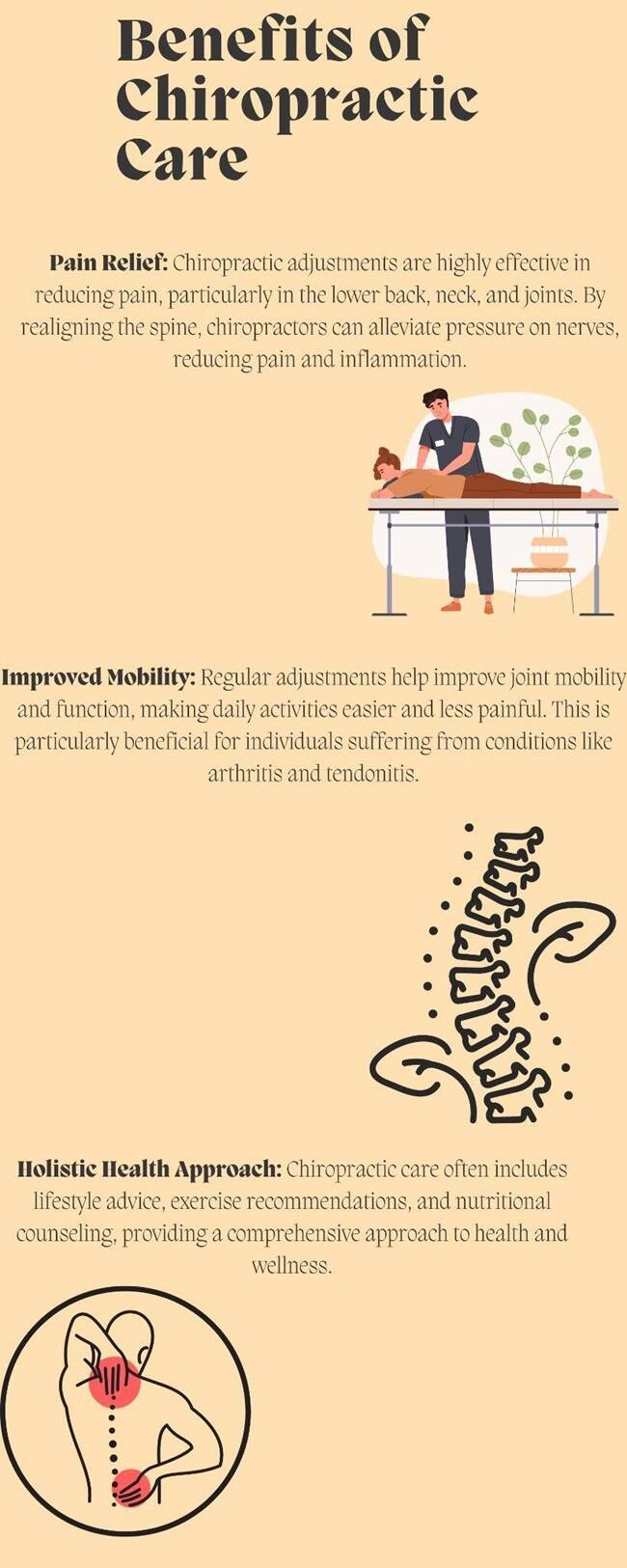
Chiropractic Treatment: Aligning the Spine for Optimal Health

Chiropractic care is one of the most sought-after natural therapies for musculoskeletal issues.

  • How It Works: Chiropractors focus on spinal manipulation to restore alignment, which, in turn, reduces nerve pressure. This therapy aims to improve the body’s physical function and natural ability to heal itself.
  • Scientific Backing: A 2019 systematic review and meta-analysis published in The BMJ assessed the benefits and harms of spinal manipulative therapy (SMT) for chronic low back pain. The study concluded that SMT has a modest, short-term effect on pain relief and functional improvement compared with other interventions.
  • Benefits: Besides pain relief, chiropractic care enhances mobility, supports better posture, and may reduce stress by relieving tension in the nervous system.
  • When to Seek Care: If youโ€™re an athlete looking to prevent injuries or someone managing chronic pain, chiropractic care offers a personalized and non-invasive approach.
  • Hospital Application: Hospitals can integrate chiropractic services into pain management clinics to offer non-invasive treatment options for patients with chronic back or neck pain, reducing reliance on opioids.

Acupuncture: Stimulating Natural Healing

Acupuncture, a key component of traditional Chinese medicine, is increasingly recognized for its ability to address a wide range of health conditions.

  • How It Works: Acupuncture involves inserting fine needles into specific body points to balance the flow of energy, or “Qi.” Modern research suggests this practice stimulates the central nervous system, releasing chemicals that alleviate pain and promote healing.
  • Evidence: A 2018 systematic review and meta-analysis in The Journal of Pain evaluated acupuncture for chronic pain. The study found that acupuncture is effective for the treatment of chronic pain and that its effects persist over time, suggesting that acupuncture is a reasonable option for chronic pain patients
  • Benefits: Beyond pain management, acupuncture supports mental health by reducing symptoms of anxiety and depression. It also enhances sleep quality and boosts immunity.
  • Who Itโ€™s For: Acupuncture is ideal for those seeking a complementary therapy for chronic pain, stress-related disorders, or general well-being.
  • Hospital Application: Acupuncture can be utilized in hospital oncology departments to help manage chemotherapy-induced nausea, pain, and fatigue in cancer patients

Herbal Medicine: Leveraging Natureโ€™s Remedies

Herbal medicine taps into the healing properties of plants to treat and prevent a wide array of conditions.

  • How It Works: Each herb contains active compounds that target specific ailments. For example, ginger has anti-inflammatory properties, while chamomile promotes relaxation.
  • Scientific Support: A 2020 review in Proceedings of UCLA Health discusses the anti-inflammatory effects of curcumin, the active component of turmeric, and its potential benefits in managing osteoarthritis.
  • Benefits: Herbal medicine offers natural solutions with fewer side effects compared to synthetic drugs. Popular herbs like ashwagandha can reduce stress, while peppermint can ease digestive discomfort.
  • Practical Tips: Always consult a qualified herbalist or healthcare provider before using herbs to avoid potential interactions with medications.
  • Hospital Application: Herbal remedies, such as turmeric or ginger, can be incorporated into dietary plans in hospital nutrition programs to support recovery and reduce inflammation

Mind-Body Practices: Strengthening Mental and Physical Resilience

Mind-body practices integrate mental focus and physical activity to foster overall health.

  • Popular Techniques: Yoga, tai chi, and meditation are some of the most widely practiced mind-body therapies. They combine movement, mindfulness, and controlled breathing to promote balance.
  • Scientific Insight: A 2024 systematic review in Frontiers in Psychiatry examined the effects of yoga on stress in adults, concluding that yoga interventions can significantly reduce perceived stress levels.
  • Benefits: These practices enhance flexibility, improve cardiovascular health, and provide effective tools to manage stress and anxiety. Additionally, they can serve as preventive measures against chronic conditions.
  • How to Start: Beginners can start with online tutorials or join local classes to learn the fundamentals of yoga or tai chi. Incorporating mindfulness meditation into your daily routine can also yield immediate benefits.
  • Hospital Application: Hospitals can introduce yoga and meditation sessions in wellness programs for staff and patients, promoting mental health and reducing burnout

Nutrition Therapy: Building a Foundation for Health

Nutrition therapy emphasizes the role of diet in preventing diseases and optimizing health.

  • The Science: Foods rich in nutrients, such as antioxidants, vitamins, and omega-3 fatty acids, support the body’s healing processes. For instance, the Mediterranean diet is known to lower risks of heart disease and cognitive decline.
  • Evidence: A 2015 systematic review in Nutrition Journal evaluated the efficacy of Zingiberaceae extracts, including turmeric and ginger, in pain management, suggesting potential benefits in reducing pain symptoms.
  • Benefits: Proper nutrition therapy helps reduce inflammation, boost immunity, and manage weight effectively.
  • Practical Advice: Work with a registered dietitian to create a balanced plan tailored to your needs, incorporating whole foods like leafy greens, lean proteins, and healthy fats.
  • Hospital Application: Registered dietitians in hospitals can use nutrition therapy to create tailored meal plans for patients recovering from surgery or managing chronic illnesses, enhancing recovery rates

Massage Therapy: Relaxation and Recovery

Massage therapy is a well-established natural therapy aimed at promoting relaxation, alleviating muscle tension, and enhancing overall health.

  • How It Works: Massage therapists use various techniques, such as Swedish, deep tissue, or sports massage, to manipulate the bodyโ€™s soft tissues. This stimulates blood circulation, reduces inflammation, and encourages lymphatic drainage, helping the body heal.
  • Scientific Support: A 2015 Cochrane Review concluded that massage therapy may provide short-term relief for chronic low back pain, though the evidence is of low quality..
  • Benefits: Beyond pain relief, massage therapy helps reduce stress hormones like cortisol while boosting feel-good endorphins. It can also aid in recovery from physical exertion and improve sleep quality.
  • Who Itโ€™s For: Massage therapy is ideal for athletes, individuals recovering from injuries, and anyone seeking stress relief or improved muscle flexibility.
  • Practical Advice: For the best results, choose a licensed massage therapist who specializes in the type of massage that suits your specific needs, such as relaxation or injury recovery.
  • Hospital Application: Massage therapy can be included in palliative care units to improve the quality of life for patients with advanced illnesses by reducing pain and anxiety.

Endnote

Integrating natural therapies into healthcare settings not only enhances patient recovery but also fosters a culture of holistic wellness among medical professionals.ย 

Emerging technologies, such as AI-assisted diagnostics, are beginning to incorporate insights from these therapies, bridging the gap between traditional and modern medicine. By embracing these approaches, hospitals and clinics can lead the way in delivering innovative, patient-centered care.

Top Strategies for Recruiting Qualified Medical Professionals Quickly

Globally, healthcare institutions face the difficulty of attracting qualified medical experts. Given the increased demand for specialist care and worker shortages, adopting efficient and timely recruitment policies is becoming more crucial. Extended vacancies in the healthcare industry cannot be justified since they compromise patient care and strain current personnel. Using cutting-edge hiring strategies will help guarantee that medical professionals stay well-stocked and perform high-quality treatments.

Solving these issues depends much on reputable physician staffing companies. These niche companies use simplified procedures to match candidates with companies and have access to large networks of doctors. Healthcare institutions may drastically save the time and resources needed for recruitment by using the knowledge of physician staffing businesses, guaranteeing that they quickly and successfully achieve their staffing demands.

Developing excellent cooperation with associations and medical schools

Establishing long-term relationships with medical schools, residency programs, and professional associations is one of the best ways to attract medical professionals. These partnerships open a clear route for gifted people to join the workforce. Possible candidates can be engaged early in their careers through career fairs, internships, and mentoring programs. This proactive approach not only fills present openings but also aids in building a future sustainable recruitment pool.

Leveraging advanced recruitment technologies

Technology is changing the way hospitals handle hiring. Artificial intelligence tools and applicant tracking systems (ATS) let companies effectively handle applications and find the top applicants depending on particular criteria. Telecommunication tools and video interviews can help companies recruit faster by removing geographical restrictions and allowing them to access a larger pool of applicants. These instruments not only increase the pace of hiring but also guarantee a better fit for the positions, improving the hired employees’ quality.

Improving the candidate’s experience

Excellent candidate experiences attract top medical experts. Simplifying the application process, communicating clearly, and providing quick feedback will help achieve this. Additionally, offering competitive salaries and professional advancement opportunities may attract jobs. Candidates who feel valued and supported during the hiring process are more likely to accept offers and stay.

Strengthening an employer brand

Good employer branding affects recruitment success. Healthcare organisations that welcome and include employees attract skilled professionals. Sharing employee testimonials, promoting organisational triumphs, and nurturing workplace culture on social media and other platforms helps establish this brand. Constant efforts to boost employee satisfaction and involvement would help the company build its brand, attracting new customers.

Aggressively addressing recruitment challenges

Geographic disparities, significant turnover, and the need for specific knowledge can make healthcare recruitment difficult. Companies can anticipate and resolve these challenges with regular personnel assessments and industry trend knowledge. Flexible hiring strategies like temp or locum tenens can assist cover gaps until permanent roles are filled.

The long-term returns from effective recruitment

Effective recruitment practices ensure hospitals are adaptable and sensitive to staff needs. Minimising hiring delays will reduce staff burden, improve patient care, and boost efficiency. Lower vacancy and turnover costs can be used for patient care and staff development.

Conclusionย ย 

Hiring qualified medical staff on time is crucial to maintaining excellent healthcare standards. Working with medical staffing providers, employing technology, and improving employer branding can help organisations acquire and retain talent. These approaches address current staffing needs and enable healthcare organisations to succeed long-term.

How Smart Tools Optimize Senior Living Facility Efficiency

Managing a senior living home presents unique challenges. Balancing resident care, staff coordination, and operational tasks can be complex. However, integrating smart tools can streamline these processes, enhancing efficiency and improving the quality of life for residents.

Streamlining Operations With Advanced Software

Efficient operations are vital to any assisted living facility. Advanced software solutions simplify administrative tasks and give staff more time to focus on residents, helping improve overall service quality.

Centralized Data Management

Centralized data management eliminates the hassle of sifting through separate files or systems to find critical information. For example, when preparing meals in a nursing home, staff can quickly check a residentโ€™s dietary restrictions or preferences in seconds. Beyond convenience, this approach enables administrators to analyze trends, such as commonly requested activities or health concerns, to guide better decision-making.

Financial and Staff Planning

Advanced software tools are indispensable for optimizing budgets and staff schedules. A scheduling app, for instance, can assign shifts based on peak hours, ensuring adequate coverage during busy times. Similarly, financial management software helps monitor expenses and forecast budgets, allowing facilities to stay financially sound while maintaining high-quality care.

Streamlining operations with assisted living software creates a foundation for smoother processes, empowering staff to focus on meaningful resident interactions.

Enhancing Resident Care Through Technology

Personalized care is essential for residentsโ€™ health and happiness. Smart technology ensures you can cater to unique needs while maintaining a high standard of care for everyone.

Real-Time Health Monitoring

Wearable devices like smartwatches or fitness trackers offer immediate health updates to caregivers. These devices can monitor heart rates, blood pressures, and oxygen levels as well as analyze sleep patterns, including duration and quality. Advanced smartwatches can even perform electrocardiograms (ECG) to detect irregular heart rhythms, which may indicate an increased risk of stroke.

Personalized Activity Plans

Technology can bring tailored experiences to life for residents. Virtual reality (VR) programs, for instance, allow residents with limited mobility to enjoy simulated travel experiences, from a gondola ride in Venice to a safari in Africa. These activities are entertaining and can also boost emotional well-being, encouraging residents to stay engaged and socially active.

Smart tools make it possible to deliver senior care that feels both personal and proactive, improving residentsโ€™ overall quality of life.

Improving Staff Efficiency With Automation

Efficient staff operations are crucial for delivering excellent care in assisted living facilities. Automation helps lighten the workload, ensuring your team can focus on personalized care and pressing tasks.

Medication Management

Automated medication dispensers are a lifesaver when it comes to minimizing errors. These systems track doses and alert staff when a resident misses their medication. By ensuring timely and accurate dispensing, staff can avoid potential health complications while reducing the administrative burden.

Remote Patient Monitoring

Remote monitoring tools let caregivers track residentsโ€™ health without requiring invasive check-ins. For instance, a nurse can monitor a residentโ€™s blood pressure or glucose levels from their phone. This flexibility allows caregivers to address issues promptly, even when off-site, ensuring consistent care quality.

By adopting automation, you can create an environment where staff work efficiently while residents receive reliable, attentive care.

Ensuring Safety With Smart Building Solutions

Safety is a top priority in assisted living communities. Smart building technologies create secure environments while reducing operational costs.

Fall Detection and Prevention

Falls are a major concern in residential care facilities and nursing homes. Fortunately, smart flooring systems equipped with sensors can detect falls immediately, triggering an alarm and alerting staff. These systems use RFID tags embedded in carpets to track movement patterns and identify risks before accidents occur.

Energy Efficiency

Smart building technologies donโ€™t just enhance safetyโ€”they also help reduce costs. Motion-activated lighting ensures hallways and common areas are illuminated only when needed, cutting down on energy waste. Similarly, smart thermostats adapt to occupancy patterns, maintaining comfort while minimizing energy use.

Smart building solutions promote a safe, efficient, and sustainable living environment for residents and staff alike.

Enhancing Communication With Telehealth Services

Clear communication is indispensable to delivering exceptional care in senior living facilities. Telehealth connects residents with healthcare providers and family members, ensuring convenient access to information and support.

With telehealth, residents can attend medical appointments virtually, reducing the need for transportation and avoiding disruptions to their daily routines. For example, a resident recovering from surgery can receive follow-up care from the comfort of their room. This approach minimizes stress and ensures consistent monitoring for chronic conditions or post-procedure recovery.

Family involvement is another significant benefit of telehealth. Many platforms allow family members to join consultations remotely, keeping them informed about their loved oneโ€™s care. At the same time, healthcare providers can collaborate more effectively, making real-time adjustments to treatment plans to improve outcomes.

Final Thoughts

Integrating smart tools into your senior living facility can streamline operations, enhance resident care, improve staff efficiency, ensure safety, and facilitate better communication. By embracing these technologies, you can create a more efficient and supportive environment for both residents and staff, ultimately leading to improved quality of life and operational success.

Transform Your Life with Share the Struggle Christian Coaching for Personal Growth

When the world is filled with challenges, people are looking for help and direction to cope with their personal challenges and achieve some sense of meaning and growth. Share The Struggle presents a different view on this journey as presented in its Christian Coaching program, which is focused on enabling people to take back control and become empowered, and offers them the means to live a truly fulfilling life following Christian values. Whether you’re facing emotional, spiritual, or life challenges, Share The Struggle provides a path to healing, clarity, and strength.

What is Christian Coaching?

Christian coaching is an intellectually stimulating and effective practice that incorporates faith-based principles and goal-oriented methods to help people circumvent impediments, enhance their communion with the divine, and realize their destiny. Originating in the attitude that each person possesses a divine calling, and aims through coaching are to discover the divine calling that is unique to them, whilst also integrating daily life with their spirituality.

Christian coaching withย Energetics Institute, specializing in trauma counselling perth is a guide to help you overcome the negative effects, search for peace through Godโ€™s promises, and experience healing. The coaches are highly motivated, applying their expertise, experience and Christian message to help develop in you a personal transformation.

How Share The Struggle Can Help You

Coaching, in this environment of Share The Struggle is not merely counselling or coaching, as in “life coaching,” that is meant, for example, to help the participant “manage their stress better”โ€“although to be sure, stress may be an issue for participants. It combines personalized coaching strategies with biblical teachings to help you find your way through struggles with the power of faith. Hereโ€™s how you can benefit from the services offered:

1. Emotional Healing: Life can lead to psychological upset, such as bereavement and trauma, grief and suffering, anxiety and terror. Christian coaching is a guide to help you overcome the negative effects, search for peace through God’s promises, and experience healing.

2. Spiritual Growth: In a world that is often full of distractions, many people find it hard to stay connected to their spiritual lives. Sharing The Struggle allows you to more fully connect to God by providing wisdom and methods that help you to develop in your walk of faith.

3. Life Purpose and Direction: At times we as people experience the feeling of not knowing what we are going to do with our lives. Share the Struggle coaches you with the Christian coaching program, in line with your given God’s plan to understand your purpose, and leads you in the right direction to do what’s right by following the plan of the divine will, in order to live a richer life.

4. Personal and Professional Success: With a focus on Christian values, coaching at Share The Struggle teaches you how to approach personal and professional success with integrity, compassion, and purpose, ensuring that your achievements reflect the best version of yourself.

Coaching Services at Share The Struggle

If youโ€™re ready to take the next step toward personal growth, Share The Struggleย offers a variety of coaching services that can be tailored to your specific needs. Another service that draws the most attention is the Christian Coaching program that can be accessed through their coaching page. Here, you can access personalized one-on-one sessions, group coaching, and online workshops, each crafted to nurture your spiritual and emotional well-being.

No matter what you need clarity, healing or a greater sense of your life’s purpose, Share The Struggleโ€™s coaches are here to help you get there.

Why Choose to Share The Struggle?

From all the resources that could help to deal with life situations, Share The Struggle provides something truly different. Hereโ€™s why many individuals turn to this service for help:.

  • Faith-Based Approach: Grounded in Christian principles, Share The Struggle guarantees that, with every coaching session, biblical insight is the focus, providing peace, hope, and healing.
  • Experienced Coaches: Coaches at Share The Struggle are not only skilled in the field of coaching, but are also committed at heart to helping people develop spiritually and emotionally.
  • Personalized Attention: Individual experiences are unique, and Share The Struggle systematically works to ensure that your coaching goals are supported by meeting your own unique needs and working to develop the strategy that best works for you.
  • A Supportive Community: Share The Struggle not only provides one on one coaching, but it also provides a community of people who co-create a program and are committed to their own personal and spiritual growth. This “found family” network can offer support, motivation and accountability along your journey.

Start Your Transformation Today

If youโ€™re ready to experience transformation in your life, begin your journey with Share The Struggle. Using your Christian Coaching program, you may tap into your true capacity, overcome previous hurts, and accept the life that God has in mind for you. Visit Share The Struggle Coaching to learn more and start your path to personal growth today.

Essential Nursing Skills for Providing Quality Care to Individuals with Disabilities

Caring for individuals with disabilities is one of the most rewarding yet challenging aspects of nursing. It requires a blend of technical proficiency, emotional intelligence, and a holistic approach to patient care.ย 

For nursing students, developing these skills is not only critical for academic success but also for providing compassionate and effective care in clinical practice.

In this article, weโ€™ll explore the essential skills needed to provide quality care for individuals with disabilities and how leveraging resources like test banks can help nursing students excel in this vital area of healthcare.

Key Nursing Skills for Disability Care

  • Effective Communication

Effective communication lies at the heart of disability care. Patients with disabilities, especially those with hearing, speech, or cognitive impairments, may have difficulty expressing their needs. Nurses must be skilled at using alternative communication methods, such as visual aids, sign language, or assistive technologies, to ensure clear and empathetic interactions. This skill fosters trust and enhances the overall care experience.

  • Adaptability and Flexibility

Each disability presents unique challenges, which means that no two patients are the same. Nurses must be flexible in their approach, tailoring care plans to suit the specific needs and preferences of each individual. This could involve modifying a patientโ€™s environment, adjusting treatment protocols, or providing emotional support during challenging times.

  • Cultural Competency

Disability intersects with various cultural, religious, and societal factors that influence a patientโ€™s perception of their condition and care. Culturally competent nurses are better equipped to respect and address these factors, creating a more inclusive and respectful care environment.

  • Critical Thinking and Problem Solving

In disability care, situations often arise that require quick, informed decisions. For example, a nurse may need to recognize subtle signs of discomfort in a non-verbal patient or adjust a treatment plan based on unforeseen complications. Strong critical thinking skills enable nurses to respond effectively, ensuring patient safety and well-being.

  • Advocacy and Empowerment

Nurses play a crucial role in advocating for patients with disabilities. This includes ensuring they have access to necessary resources, assisting with navigating the healthcare system, and educating patients and their families about their rights. Advocacy empowers patients and promotes a higher quality of life.

  • Patience and Emotional Resilience

Disability care can be emotionally demanding, requiring nurses to demonstrate high levels of patience and resilience. Nurses must manage their own emotions while providing unwavering support and encouragement to their patients.

The Role of Test Banks in Building Nursing Competence

Mastering the skills above requires more than just clinical experienceโ€”it requires thorough preparation and study. Nursing students face rigorous coursework, and disability care is often a specialized area that requires focused learning. This is where test banks become invaluable.

Test banks provide a collection of practice questions, case studies, and scenario-based exercises tailored to specific nursing subjects.ย 

By using test banks, students can:

  • Test their knowledge on key disability care concepts.
  • Identify weak areas and focus their studies more effectively.
  • Gain confidence in tackling exam questions, including NCLEX and other licensure tests.

At NursingTestBankHive.com, we specialize in offering comprehensive test banks that cover a wide range of nursing topics, including those critical for disability care. Our test banks are designed by nursing educators and professionals to ensure they align with the latest curriculum and exam standards.

Why Nursing Students Should Invest in Test Banks

Investing in test banks is a smart move for nursing students who want to excel academically and professionally.ย 

Hereโ€™s why:

  • Efficient Study Sessions: Test banks save time by providing organized, ready-to-use study materials.
  • Enhanced Understanding: Practice questions mimic real-life scenarios, helping students apply theoretical knowledge to practical situations.
  • Improved Exam Performance: Familiarity with question formats reduces test anxiety and boosts confidence.

By incorporating test banks into your study routine, youโ€™re not just preparing for examsโ€”youโ€™re building a solid foundation for your future nursing career.

Practical Tips for Aspiring Nurses in Disability Care

  • Seek Hands-On Experience

Volunteering or interning in facilities that specialize in disability care can provide valuable real-world insights.

  • Engage in Lifelong Learning

Disability care is an evolving field. Stay updated on new technologies, therapies, and best practices through workshops and continued education.

  • Utilize Study Resources

In addition to test banks, explore textbooks, online courses, and study groups to reinforce your learning.

  • Practice Self-Care

Nursing is a demanding profession, and burnout is common. Taking care of your physical and emotional health ensures you can provide the best care to your patients.

Final Thoughts

Providing quality care to individuals with disabilities requires dedication, empathy, and continuous learning.ย 

By mastering essential nursing skills and utilizing powerful study tools like test banks, nursing students can confidently prepare for both their exams and their future roles in healthcare.

Take your studies to the next level with NursingTestBankHive.comโ€”your trusted source for comprehensive nursing test banks. Empower yourself with the knowledge and tools to make a difference in the lives of individuals with disabilities.

Translate ยป