Close
Digital Health & Ai Innovation summit 2026
LiGHT26

7 Methods To Guarantee Your Loved One Is In Good Hands

With advancing age, various mental and physical health issues kick in, and care for your loved one is better possible if they have a supportive family.

That said, ageing is an unavoidable phase in anyone’s life, which is bound to see a rise in health related complications.

Though most of these can be controlled with medication and day care for the seniors, there is much more which can be done to help them deal with the limitations of ageing.

1. Have a support system in place

Issues like dementia and Alzheimer’s or other health challenges can seriously impact the daily routine of the aged. Younger family members, who wish to help, may have their task cut out as they have a routine for themselves.

Since being concerned about an elderly loved one home care is but natural, for such times opt for a personalized home care plan, by hiring a professional caregiver, for bathing, grooming and companionship for the elderly individual. This can also be of great help to both sides.

2. Ensure regular visits to the doctor

Regular doctor visits are a must, even if there is no sign of deteriorating health. While common health issues like high blood pressure can be controlled by medication at home, only a visit to a trained professional can guide the individual for effective and early treatment.

3. Install an emergency tool

Use a home security system that can alert you when the safety barriers at home are breached. Crimes like general theft, burglary and car theft can happen any time and an alarm can earn you and enable you to reach out for help in case of an emergency. Choose a system with an in-built camera and speaker that can allow you to see who is at the door from wherever you are.

4. Assess the home for tripping hazards

Falls are one of the most common health hazards for senior citizens involving multiple emergency visits and even hospitalization each year. Doing some simple inexpensive adjustments in your home, you can go a long way to reducing fall risks. These can include repairing loose railings, removing loose rugs, adding task lighting and keeping the bathroom floor dry, among others.

5. Spend more time with them

A great way to put a smile on your loved one’s face is by spending as much time with them as possible. If your elderly parents stay with you, make it a point to sit with them for a while once you come back from work or even have the evening meal together. Take them for a walk, watch a TV show together and ask them how the day went to make them feel loved and special.

6. Make them financially sound

Financial dependence is a big challenge for the elderly, especially as they have enjoyed decades of their life on their own and now have to rely on their children for money. Step in and make a positive contribution to your aged loved ones, but don’t make it too obvious. By paying for medicines and groceries, they will feel financially sound and happy.

7. Be attentive and observant

While communication through words and actions is important, it is also important to pick up some vital cues and signs, especially as elderly people are prone to implications even with slight change in mannerisms.

Notice changes in dietary habits, hearing loss, poor appetite and increased isolation and address them as soon as possible. Also the caregiver should notice any changes in behavior and bring it to the attention of the physician.

Important Health Screenings by Age and Gender: A Comprehensive Guide

Regular health screenings are essential for early detection of potential health issues and preventive care. Understanding which screenings are needed at different life stages, tailored by age and gender, can significantly impact long-term health outcomes. This guide delves into key recommendations for health screenings based on age and gender, highlighting their importance and timing to help you stay proactive about your well-being.

Disclaimer: Individual health needs and screening recommendations may vary based on personal medical history, risk factors, and the healthcare guidelines specific to your country. Always consult your doctor for personalised advice and when in doubt about your health screening plan.

Why Are Health Screenings Important?

Health screenings are designed to catch potential health issues before they develop into significant problems. They can lead to early intervention and treatment, making them a critical part of preventive healthcare. Customising screenings based on age and gender helps ensure that individuals undergo the most appropriate evaluations tailored to their specific health needs.

Health Screenings for Adults: A Guide by Age

Here is a breakdown of some useful health screenings to start by age group:

young-asians-jogging-and-staying-active-while-undergoing-regular-health-screenings-to-build-a-foundation-for-their-long-term-health

1. Early Adulthood (Ages 20-39)

Though considered a prime stage of life, itโ€™s important to build a foundation for long-term health. Young adults should consider these screenings:

  • Blood Pressure Check: Helps identify potential hypertension, which often has no symptoms but can lead to serious health complications if left unchecked. More frequent checks may be advised if readings are borderline.
  • Cholesterol Screening: Monitors heart health and uncovers potential cardiovascular risks, particularly for those with a family history or risk factors like obesity.
  • PAP Smear and HPV Testing (Women): Key for detecting cervical abnormalities early, which could prevent the progression to cancer and allow timely intervention.
  • Sexually Transmitted Infections (STIs) Screening: Supports sexual health by detecting infections such as chlamydia, gonorrhoea, syphilis, and HIV. Identifying and treating these early can prevent significant long-term health complications.

2. Middle Adulthood (Ages 40-59)

As chronic conditions become more common, screenings play a crucial role in maintaining health and catching potential issues early:

  • Mammograms (Women): Important for detecting early stages of breast cancer, enhancing the chances of effective treatment.
  • Prostate Health Screening (Men): Digital rectal exams (DREs) and Prostate-Specific Antigen (PSA) blood tests check for prostate abnormalities and measure prostate-specific antigen levels, helping assess the risk of prostate cancer and guide further evaluations.
  • Colorectal Cancer Screenings: Stool tests (e.g., faecal immunochemical test or FIT) and colonoscopy help detect early signs of colorectal cancer, facilitating timely intervention and prevention.
  • Diabetes Screening: Fasting glucose and HbA1c tests can identify early signs of diabetes, which, if left unmanaged, may lead to serious complications. Risk factors include obesity and high blood pressure.
  • Vision and Hearing Tests: Detects age-related changes to prevent unnoticed issues that could impact quality of life.

3. Senior Adults (Ages 60 and Above)

elderly-asian-couple-smiling-and-feeling-confident-about-their-health-due-to-regular-health-check-ups-to-give-them-peace-of-mind

With advancing age, health risks increase, making targeted screenings essential for maintaining quality of life:

  • Bone Density Test: Helps detect osteoporosis early, supporting preventive measures to reduce fracture risk. Men with risk factors, such as prolonged steroid use, may also benefit.
  • Cardiovascular Health Checks: Tests like ECGs and echocardiograms help monitor heart health and help detect conditions like arrhythmias or arterial blockages, aiding in timely interventions.
  • Vaccinations: Protect against preventable illnesses like influenza, shingles, and pneumonia, which can be more severe in older adults.
  • Cognitive Function Tests: Useful for detecting early signs of dementia or other neurological issues, enabling early management and support.

Maintaining a Proactive Approach

Consulting with a doctor is essential to determine which screenings are most suitable for you and how often they should be done. Your doctor can provide tailored advice based on your health needs, considering risk factors such as family history, pre-existing conditions, and lifestyle choices. Regular check-ups help establish a baseline for your overall health and fine-tune your healthcare plan, ensuring you undergo the relevant tests at suitable intervals for optimal health management.

Stay in Control of Your Health Every Step of the Way!

Staying proactive with age-appropriate health screenings is one of the most effective steps you can take for long-term well-being. By understanding which tests are recommended at different life stages and tailoring them to your gender and personal health profile, you empower yourself to catch potential issues early and make informed decisions about your care. Partnering with your doctor to create a personalised screening plan ensures you receive tailored medical advice. Prioritising your health is an investment that pays dividends for years to come!

How Does Invisalign Work in Singapore? Your Guide to a Perfect Smile

asian-man-with-slightly-crooked-teeth-considering-teeth-straightening-option-such-as-invlisagn-as-a-discreet-and-comfortable-method-to-align-teeth

If youโ€™ve been considering teeth straightening options, youโ€™ve likely come across Invisalign as a key part of cosmetic dentistry. As a modern alternative to traditional braces, Invisalign offers a discreet and comfortable way to align your teeth without the visible metal brackets and wires. In this article, weโ€™ll explore how Invisalign works, providing you with the essential understanding of this innovative treatment to help you achieve the smile you deserve.

What Is Invisalign and Who Is It For?

Invisalign is an orthodontic treatment that uses clear, removable aligners to gradually straighten teeth. Customised for each patient, these aligners are made of a flexible plastic material known as SmartTrack, designed to exert gentle, controlled pressure on specific teeth over time. Invisalign can address a range of dental issues such as overcrowding, spacing problems, overbites, underbites, and crossbites. However, itโ€™s essential to consult with an experienced dentist to determine if Invisalign is suitable for your specific needs. Complex orthodontic cases may still require traditional braces or alternative treatments.

1. The Initial Consultation and 3D Imaging Process

asian-dentist-examing-young-womans-teeth-to-determine-suitability-for-invisalign-as-part-of-initial-consultation

Your journey for Invisalign in Singapore begins with an initial consultation with a qualified orthodontist or dentist. During this visit, the dentist will assess your oral health and discuss your smile goals. If Invisalign is deemed suitable, a precise digital impression of your teeth will be created using advanced technology. This technology captures a detailed 3D model of your teeth, eliminating the need for traditional, uncomfortable impressions.

These 3D models form the foundation of a comprehensive, computer-generated treatment plan that maps out the movement of each tooth throughout the treatment process. The best part? Youโ€™ll get a preview of how your smile is expected to look at the end of the treatment before it even begins.

2. How the Aligners Work and What to Expect During Treatment

Invisalign aligners are custom-made based on your digital impressions and treatment plan, with each set differing slightly from the previous one. Hereโ€™s how they work in practice:

  • Gradual Pressure and Tooth Movement: Each aligner applies gentle, controlled pressure to specific teeth. This targeted pressure moves your teeth gradually, stage by stage. Each set of aligners is typically worn for about 1-2 weeks before switching to the next set, as advised by your dentist.
  • Daily Wear Time: To achieve the best results, you need to wear your aligners for 20 to 22 hours a day, removing them only for eating, drinking (except for water), and oral hygiene. The consistency of wear is crucial for maintaining progress and sticking to your treatment timeline.

It is common to experience mild discomfort, especially when starting a new set of aligners. This sensation is a sign that the aligners are effectively shifting your teeth according to the treatment plan. Unlike traditional braces, Invisalign aligners are smooth and made from BPA-free plastic, making them less likely to cause irritation to the inside of your mouth.

The Role of Attachments and Additional Components

In more complex cases, your dentist may add small, tooth-coloured attachments to help the aligners apply the right amount of pressure. These attachments act as tiny anchors, aiding in more precise tooth movement. Although they may add a bit more visibility to your treatment, they play a significant role in helping achieve optimal results.

3. Monitoring Progress and Adjustments

new-set-of-invisalign-aligners-which-is-provided-every-4-to-8-weeks-during-regular-check-ups-with-dentist-during-the-monitoring-progress-and-adjustment-phase

Regular check-ups with your dentist, typically every 4-8 weeks, are essential for tracking your progress. During these appointments, your dentist will ensure the aligners are fitting well, evaluate how your teeth are shifting, and provide you with the next sets of aligners. These visits also give your dentist the opportunity to make any necessary adjustments to keep your treatment on track. While total treatment time can vary, it generally lasts between 6 and 18 months, depending on the complexity of your case and how consistently you follow your treatment plan.

4. The Final Stages: Retainers and Maintaining Your New Smile

When your treatment plan is complete, and youโ€™ve worn your last set of aligners, the next step is retention. Teeth can shift back to their original positions over time, so wearing a retainer is important to maintain the alignment achieved with Invisalign. These retainers, often made of a similar clear material as your aligners, should be worn as directed by your dentist, typically at night.

The length of time required to wear a retainer can vary, but it is generally recommended to ensure long-term results. Adhering to this post-treatment phase helps lock in your new smile and prevents any regression.

Achieve Your Ideal Smile with Invisalign’s Innovative Approach!

Invisalign offers an effective and discreet solution for those looking to transform their smile without the hassle of traditional braces. From customised 3D imaging and advanced treatment planning to comfortable, removable aligners and tailored retention strategies, every step of the process is designed to deliver optimal results with convenience and minimal disruption to your lifestyle. If youโ€™re ready to embrace a modern, flexible approach to teeth straightening, consulting with a dentist will help you start your journey toward the confident, radiant smile you deserve.

Blood Tests in Singapore: Understanding Types and Their Purposes

blood-test-with-results-to-provide-valuable-insights-into-a-person-health-to-make-informed-decisions

Blood tests are an essential part of modern healthcare, providing critical insights into a personโ€™s health. In Singapore, where access to advanced medical facilities is readily available, understanding the various types of blood tests and their purposes can help individuals make informed health decisions. Whether you are going for a routine health screening or need specific tests for medical concerns, knowing what to expect can empower you to manage your health more effectively.

Why Are Blood Tests Important?

Blood tests serve a range of purposes, from diagnosing conditions to monitoring ongoing treatments. They offer a non-invasive way to detect illnesses, track organ function, assess risk factors for various diseases, and evaluate how well your body responds to treatments. In Singapore, comprehensive blood testing services are readily available at many clinics and hospitals to cater to diverse patient needs.

Common Types of Blood Tests in Singapore

Here are some of the most commonly sought-after blood tests and what they reveal:

1. Complete Blood Count (CBC)

CBC is a commonly ordered blood test that evaluates red and white blood cells, platelets, haemoglobin, and haematocrit levels. It is useful for diagnosing anaemia, detecting infections, and identifying certain blood cancers. Abnormal results can indicate issues ranging from vitamin deficiencies to serious conditions like leukaemia, providing valuable insights for those with unexplained fatigue or frequent infections.

2. Lipid Profile

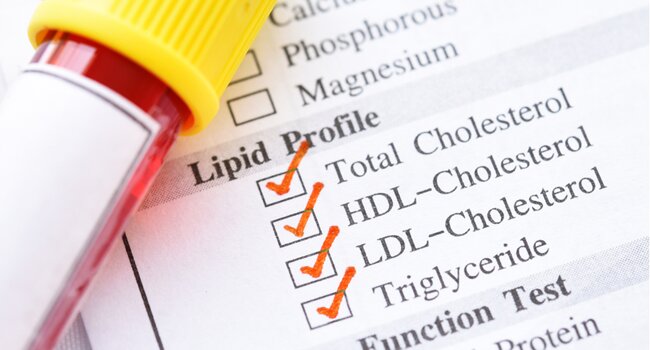
lipid-profile-test-to-assess-cardiovascular-health-by-measuring-total-cholesterol-hdl-ldl-and-triglycerides

Lipid-profile tests are crucial for assessing cardiovascular health. This test measures cholesterol levels, including total cholesterol, HDL (good cholesterol), LDL (bad cholesterol), and triglycerides. Monitoring these levels is essential for heart health and can help identify risk factors for cardiovascular diseases. A lipid profile can also be used to monitor the effectiveness of treatments like statins or lifestyle changes.

3. Liver Function Test

A liver function test evaluates liver performance by measuring enzyme levels, proteins, and other substances involved in detoxification and protein synthesis. Elevated enzyme levels, including alanine transaminase (ALT) and aspartate transaminase (AST), can indicate liver damage or diseases like hepatitis or cirrhosis. This test is particularly useful for those with symptoms of liver dysfunction or those at risk of liver disease.

4. Kidney Function Test

A kidney function test helps determine how effectively the kidneys are filtering waste from the blood. These tests often measure creatinine, urea, and the estimated glomerular filtration rate (eGFR). Early detection of kidney issues through these tests is vital, especially for individuals with conditions such as diabetes or high blood pressure that can adversely affect kidney health.

5. Thyroid Function Test

Thyroid Function Test measures the levels of hormones like thyroxine (T4) and thyroid-stimulating hormone (TSH) to assess thyroid health. The thyroid gland plays a significant role in regulating metabolism and energy levels. Abnormal results may indicate conditions such as hyperthyroidism (overactive thyroid) or hypothyroidism (underactive thyroid), both of which can have wide-ranging effects on energy, weight, and overall health.

6. HbA1c Test

The HbA1c test is particularly valuable for those at risk of or managing diabetes. Unlike standard blood glucose tests that capture a single point in time, the HbA1c test reflects average blood sugar levels over the past three months. This broader overview makes it essential for diagnosing diabetes and evaluating long-term blood sugar control to guide treatment plans and lifestyle adjustments.

7. Specialised Blood Tests

Specialised blood tests go beyond general screenings to focus on specific conditions or deficiencies. For example, tumour marker tests detect proteins or substances from cancer cells, aiding in early detection and monitoring treatment, with the Prostate-Specific Antigen (PSA) test commonly used for prostate cancer screening. Allergy blood tests identify specific allergens by measuring IgE antibody levels, enabling personalised management plans with avoidance strategies or targeted treatments.

What to Expect During a Blood Test

Blood tests are usually straightforward procedures. Hereโ€™s a general outline of what to expect:

  1. Preparation: Some tests, such as a lipid profile or fasting blood glucose test, may require fasting. Your doctor will inform you of any specific preparations needed.
  2. Procedure: A healthcare professional will draw blood, typically from a vein in your arm. The process takes only a few minutes and is minimally invasive. The sample is then sent to a laboratory for testing.
  3. Results: Depending on the type of test, results may be available on the same day or could take a few days.

Understanding the types and purposes of blood tests empowers you to take control of your health. With comprehensive blood testing services readily available in Singapore, you have the resources to make informed decisions about your well-being. Whether for routine screenings or addressing specific health concerns, being proactive and informed about blood tests can lead to timely interventions and better health management.

Is the Air Fryer Really Healthy? Exploring the Benefits and Risks

In recent years, the popularity of air fryers has soared as people look for healthier ways to prepare their favorite fried foods. With promises of achieving crispy, golden textures using significantly less oil, this kitchen appliance has earned a dedicated spot in many households.ย 

However, with the excitement comes the question: is an air fryer really as healthy as it seems? This article will break down the benefits and potential risks of using an air fryer and offer a balanced view to help you decide if it’s the right choice for your lifestyle.

What is an Air Fryer and How Does It Work?

An air fryer is a kitchen appliance that uses convection to circulate hot air around the food, producing a crispy exterior similar to frying but with much less oil. The result is a dish that mimics deep-fried foods but typically contains fewer calories and less fat.ย 

The mechanism behind air fryers involves a heating element and a high-powered fan that rapidly circulates hot air. This process not only cooks the food quickly but also creates a crunchy, browned finish that many people crave from traditional frying methods.

Benefits of Using an Air Fryer

1. Reduced Calorie Intake

One of the most significant advantages of using an air fryer is the reduction in calories. Traditional deep-frying methods require foods to be submerged in oil, which adds considerable amounts of fat and calories. With an air fryer, you can use as little as a single tablespoon of oil or none at all, depending on the recipe.

This lower oil usage can translate to healthier meals, especially for individuals who need to watch their calorie intake. Whether youโ€™re making French fries, chicken wings, or even desserts, the calorie difference can be substantial when switching from deep-frying to using an air fryer.

2. Lower Fat Content

Another notable benefit of using an air fryer is the decrease in fat consumption. Deep-fried foods are often saturated in oil, which can contribute to an increased risk of obesity and heart disease over time. Air frying, on the other hand, significantly reduces the amount of fat without compromising on flavor and texture.

Studies suggest that using an air fryer can reduce the fat content of food by up to 75% compared to traditional deep-frying. For those aiming to cut down on unhealthy fats while still enjoying crispy and flavorful foods, an air fryer can be an ideal solution.

3. Quick and Convenient Cooking

Air fryers, including models like the Typhur air fryer, are designed for convenience. They preheat faster than conventional ovens and often cook food more quickly. This can be a game-changer for busy households or individuals who want a quick meal without sacrificing quality.

The straightforward functionality of an air fryer also makes it easy for anyone to use, whether youโ€™re a seasoned cook or a beginner. This ease of use and speed contribute to making healthier eating more accessible.

4. Versatile Cooking Options

Beyond just “frying,” air fryers can be used to roast, bake, and even grill various dishes. This versatility means you can prepare an array of healthier meals, from roasted vegetables and baked fish to crispy snacks and desserts, all with one appliance.

Risks and Considerations

While the benefits are appealing, it’s also essential to consider the potential downsides of using an air fryer.

1. Not a Free Pass to Unhealthy Foods

While air fryers can make traditionally unhealthy foods a bit healthier, they donโ€™t automatically turn fried snacks into nutritious meals. If you consistently use your air fryer to cook processed foods like frozen fries or breaded chicken, the nutritional benefits can be limited.

Incorporating a variety of nutrient-rich foods, like vegetables and lean proteins, is essential for a balanced diet. Air frying can be part of a healthy lifestyle when used to prepare wholesome meals instead of relying solely on pre-packaged items.

2. Limited Capacity

Depending on the size of your air fryer, you might face challenges when cooking larger meals. Most air fryers are compact, meaning you may need to cook in batches if preparing food for a family or larger group. Although the Typhur large air fryer and similar models offer efficient designs, understanding the applianceโ€™s capacity is essential for effective meal planning.

Is an Air Fryer Worth It?

Deciding whether an air fryer is worth the investment depends on your cooking habits and dietary goals. For those who love the taste of fried foods but want a healthier alternative, an air fryer can be a valuable addition to the kitchen. It provides a way to enjoy crispy, delicious meals with less fat and fewer calories.

Moreover, the ease and speed of cooking make it suitable for those with busy lifestyles who still want to prepare meals at home. Itโ€™s especially beneficial for those trying to maintain a healthier diet without giving up their favorite fried dishes.

However, itโ€™s important to maintain realistic expectations. An air fryer is not a magical health solution but rather a tool that can support healthier eating habits. Balancing its use with nutrient-rich foods, proper portion control, and mindful cooking practices ensures you get the most out of this versatile appliance.

Final Thoughts

Air fryers, such as the Typhur air fryer, offer an appealing way to reduce the amount of oil and fat used in cooking while achieving similar textures to traditional frying. While they present numerous benefits, including reduced calorie intake, lower fat content, and faster cooking times, it’s essential to use them wisely. Be aware of potential risks such as acrylamide formation and remember that using an air fryer should be part of a balanced approach to a healthy diet.

Understanding the benefits and limitations of air frying can help you make an informed decision on whether this popular kitchen tool fits into your lifestyle.

Effective Weight Loss Strategies: Exploring Options for a Healthier You

Losing weight and maintaining the loss is a problem shared by millions worldwide. The road to success is often elusive, given the tons of confusing advice, fad diets, and endless products. Losing weight can be overwhelming once one starts understanding the science behind it and begins applying evidence-based strategies (things do become so much simpler). This blog post covers the basic principles of weight loss, shares practical and sustainable methods with you, looks at some innovative medical interventions. With this vital information, youโ€™ll be able to an informed decision regarding your way toward a healthier life.

Understanding Weight Loss

Weight loss is a multivariate process that extends way beyond the simple recipe of ‘eating less and exercising more.’ It involves a complex interplay between metabolism, hormones, genetics, and lifestyle habits, all of which impact how the body burns calories and uses fat for energy. Realizing this is important in achieving sustainable results while avoiding common mistakes in the process of losing weight.

Critical Factors That Affect Weight Loss

Metabolism

Your metabolism represents the rate at which your body burns food for energy production. Metabolism varies naturally in all people; some burn more calories than others. Things like age, sex, muscle mass, and genetic background greatly influence this.

Food preferences

What you eat has a direct impact on your weight. Fruits, vegetables, lean proteins, and whole grains are nutrient-dense foods that help the body get the essential vitamins and minerals that keep it full. In contrast, adding large amounts of sugar and fats to processed foods makes them very highly calorized, which causes overeating.

Physical Activity

Regular physical activity contributes to the creation of a calorie deficit and improves cardiovascular health. In strength training, itโ€™s good to build muscles because muscles consume more calories than fat, even at rest.

Sleep and Stress

Poor sleep directly interferes with hormones like ghrelin and leptin, which control hunger and feelings of fullness, resulting in increased appetite. Chronic stress activates the release of cortisolโ€”a fat-storage hormone linked to increased deposits of fat, especially in the abdominal area.

Medical Conditions and Medications

Some health conditions, such as hypothyroidism or polycystic ovary syndrome (PCOS), can make it more challenging to lose weight. Other medications, like antidepressants and steroids, may also lead to weight gain by altering appetite or metabolism.

Practical Tips for Successful Weight Loss

While there’s no one-size-fits-all weight loss solution, here are some tips that can be helpful for the vast majority of people.

Eat a Well-Rounded Diet

The key to weight loss is a healthy diet.

  • Whole Foods – Emphasize fruits, vegetables, whole grains, lean proteins, and healthy fats.
  • Avoid processed foods – Limit sugary drinks, packaged snacks, and fast food that is high in empty calories.
  • Plan Meals – Making a meal plan beforehand helps portion out your food and eliminates spur-of-the-moment, greedy eating.

Stay Active

Get some sort of exercise in your daily life to consume more calories and be fit.

  • Engage in aerobic exercises like walking, cycling, or swimming for cardiovascular benefits.
  • Include strength training to increase muscle mass and raise metabolic rate.
  • Take small steps, such as using stairs or walking during breaks to stay active throughout the day.

Control Your Portions

Even healthy foods will cause weight gain if eaten in large quantities.

  • Serving on small plates, making portions look smaller.
  • Learn the correct serving sizes for each food group.
  • Avoid eating directly from packages, as itโ€™s easy to lose track of how much youโ€™ve consumed.

Monitor Progress

Tracking your habits and your outcomes keeps you on the right path.

  • Record food and exercise in a food diary or using an app.
  • Weigh yourself regularly, focusing rather on trends than day-to-day fluctuations.
  • Celebrate non-scale victories, such as improved energy levels or better-fitting clothes.

Get Support

Social support increases the likelihood of success.

  • Join a weight loss group or find online communities for support and accountability.
  • Mobilise friends and relatives for action and support in healthy behaviour.
  • Refer to a registered dietitian or personal trainer for more specific counselling.

Medical Interventions in Weight Loss

These lifestyle changes may not be enough for some individuals. Further treatments could be necessary, including prescription medication. Semaglutide is a prescription medication used in weight loss. It’s an imitation of a natural hormone that works on appetite; hence, people eat less and stay full for longer.

So, how does it work?

Semaglutide turns on GLP-1 receptors in the brain to decrease hunger and increase fullness. That leads to one consuming fewer calories and slowly inducing weight loss over some time.

Who is eligible?

  • Adults with a BMI of 30 or higher (obese).
  • Adults with a BMI of 27 or higher and a weight-related health condition, such as hypertension or type 2 diabetes.

If this is an option youโ€™re interested in, you can buy Wegovy in the UK through licensed providers. Remember to have a conversation with a health professional about any weight loss drug.

What should you consider when buying?

Used in combination with some lifestyle modifications, including healthy eating and regular physical activity.

Side effects are likely confined to nausea, vomiting, and diarrhea, which typically resolve as the body adjusts.

Behavior and Mindset: The Keys to Success

Lasting weight loss is not just about physical efforts but a change in mindset and habits. Here are some of the changes in habits and mindset you should consider

Set Achievable Goals

Unrealistic expectations only lead to frustration and burnout. You can consider shedding 1-2 pounds each week for a practical weight loss program. Bring out improvements in health, energy, and well-being and not just appearance.

Build Healthy Habits

Small, consistent changes yield significant results over time. For instance:

  • Replace soda with water or herbal tea.
  • Regulate a normal sleep-wake pattern for the restoration and metabolic processes.
  • Develop a routine incorporating movement, even recovery days.

Address Emotional Eating

Most emotional triggers result in overeating. Start by addressing the feelings underneath your cravings, such as stress or boredom. Replace eating with stress-reducing activities such as journaling, walking, or meditating.

Long-Term Weight Maintenance

Weight loss is just the first step in the process. Keeping the weight off requires a long-term commitment. Here are tips for long-term weight maintenance:

Develop Good Habits

The habits that help you lose weight will also help to keep it off.

  • Maintain a healthy diet and a regular exercise regime.
  • Do not slip back into your old ways of living: eating regular take-outs or missing workouts.

Stay Accountable

Schedule regular appointments with your doctor or registered dietitian to review the progress. Remember to record weight and habits over time with apps or journals.

Handle Setbacks Gracefully

Slip-ups will occasionally happen, but they shouldn’t derail your efforts. – Keep the focus on long-term progress rather than short-term setbacks. Change your plan as needed to respond to new challenges.

Frequently Asked Question

How much weight can I reasonably expect to lose in a month?

The recommended rate of weight loss is 1-2 pounds per week or 4-8 pounds per month. This pace helps ensure fat loss while preserving muscle and minimizing health risks.

Can I lose weight without exercising?

Weight loss comes down to a calorie deficit created by diet alone. However, it’s hard to ignore the multitude of other advantages to exercise, including better cardiovascular health, increased metabolism, and preserved muscle mass.

Is it normal to hit a weight loss plateau?

Yes, plateaus are common. When your body is getting used to losing weight, your metabolism can slow down accordingly. To work through plateaus, one may try calorie intake and changing up workouts or adding strength training.

Are weight loss medications safe?

Only if it is FDA-approved is it considered safe when used under medical supervision. Talk with your healthcare provider about possible risks and benefits to see if it’s right for you.

How can I stay motivated when losing weight?

Set achievable goals and track your progress. Also, celebrate the little victories. Surround yourself with supportive people and remind yourself of why you started in the first place.

Conclusion

It’s such a personal and multilevel thing, requiring physical effort, smart dietary choices, and being really mentally tough. Base your weight loss plan on the science of weight management and sustainable habits, including medical interventions if appropriate, to design a realistic and achievable plan tailored to your needs. Remember, progress is rarely linear. Every positive step, no matter how small, moves you closer to your health and wellness goals. Celebrate those victories and stay committed to the journey ahead.


Understanding the Long-Term Effects of Substance Abuse on Health

Substance abuse can have lasting effects on both physical and mental health, impacting nearly every part of the body. Understanding these long-term consequences is crucial for those affected and their loved ones, as it helps them make informed decisions about recovery and treatment.

This article will explore the various long-term effects of substance abuse, including its impact on physical health, emotional and mental well-being. It will also provide factors that are likely to contribute to the likeliness of substance abuse, so that you can better understand the risk factors and take proactive steps toward prevention..

What Is Substance Abuse?

According to American Psychiatric Association, the Diagnostic and Statistical Manual of Mental Disorders states that substance abuse refers to the harmful or hazardous use of psychoactive substances. Examples of these substances include:

  • Cannabis
  • Heroin
  • Alcohol
  • Methamphetamine
  • Cocaine
  • Inhalants
  • Prescription stimulants
  • Hallucinogens
  • Tobacco or nicotine
  • Prescription opioids

Despite the well-known negative health consequences that come with substance use disorder, individuals often continue to engage in these behaviors. This continued misuse of these substances can lead to severe long-term effects on the physical health, mental well-being, and emotional stability, and may even result in drug addiction.

Long-Term Physical Effects of Substance Abuse

When substances are used over a long period, they can lead to serious physical health problems, depending on the quantity consumed and the duration of use. Each substance has its specific long-term effects. Some of the lasting impacts of drug and alcohol addiction include:

Cannabis

  • Increases pregnancy-related risks
  • Raises the likelihood of developing testicular cancer
  • Causes respiratory issues, including persistent cough and phlegm
  • Higher risk of certain cancers over time, including throat and lung cancer

Tobacco or Nicotine

  • Contributes to heart disease by damaging blood vessels
  • Increases cancer risk, including throat, mouth, and lung cancer
  • Cause cataracts, which impair vision
  • Elevates the risk of respiratory issues like pneumonia and emphysema
  • Leads to chronic bronchitis and increases the risk of leukemia

Cocaine and Heroin

  • Chronic use causes frequent nosebleeds
  • Leads to a loss of sense of smell
  • Damages nasal tissue, potentially leading to nasal collapse
  • Makes swallowing more difficult due to throat and tissue damage

Alcohol

  • Weakens the immune system, increasing susceptibility to infections
  • Leads to pancreatitis, causing severe abdominal pain
  • Damages the liver, often resulting in cirrhosis or inflammation
  • Causes heart issues, such as high blood pressure and cardiomyopathy
  • Increases the risk of multiple cancers, including of the mouth, colon, and breast
  • Raises the likelihood of stroke and digestive disorders

Methamphetamines

  • Often results in significant weight loss due to appetite suppression
  • Increases the risk of HIV from needle-sharing practices
  • Causes skin sores from constant itching and picking
  • Leads to severe dental problems, commonly known as “meth mouth”

Long-Term Emotional and Mental Effects of Substance Abuse

Substance abuse impacts not only physical health but also deeply affects emotional stability and presents an increased risk of a mental health disorder. Here are some substance-specific mental and emotional impacts of long-term substance abuse:

Cannabis

  • Increases the risk of developing mental disorders, including conditions such as anxiety and depression
  • Causes irritability, anxiety, and trouble sleeping, especially upon withdrawal

Tobacco and Nicotine

  • Triggers irritability and depression during withdrawal
  • Leads to sleeping difficulties and attention issues over time

Cocaine

  • Heightens the risk of paranoia and hallucinations
  • Causes frequent mood swings and impulsive behavior
  • May lead to severe anxiety and panic disorders, as well as other mental health issues

Heroin

  • Increases risk of fatal overdose
  • Intensifies mood swings and emotional instability
  • Can lead to severe impaired cognitive function

Alcohol

  • Raises the likelihood of anxiety and depression
  • Contributes to social isolation and relationship issues
  • Long-term drug use can kill brain cells and cause learning and memory problems, impacting cognitive functions and leading to mental illness

Methamphetamines

  • Induces hallucinations and violent behavior
  • Leads to chronic insomnia and mood instability
  • Heightens the risk of paranoia, confusion, and delusions
  • Brain cells die, leading to cognitive decline and memory issues

Factors That Contribute to the Likelihood of Substance Misuse

Substance misuse often arises from a combination of social, environmental, and personal factors that, together, heighten the likelihood of someone engaging in harmful behaviors and life-threatening, serious health problems as well as mental illnesses. Many of these influences begin in early life, shaping a person’s experiences and resilience.

Some of the factors of long-term drug use that contribute to this heightened risk include:

  • Limited Parental Supervision: A lack of consistent monitoring can lead children and teens to engage in risky behaviors.
  • Traumatic Childhood Experiences: Experiences such as childhood sexual abuse often contribute to increased vulnerability to substance misuse later in life.
  • Parental Substance Use: When parents use substances, it can normalize drug or alcohol use within the household, influencing children’s attitudes and choices.
  • Academic Struggles: Difficulties in school can affect self-esteem and limit future opportunities, sometimes leading individuals to seek an escape through substances.
  • Family History of Substance Use: A family history of drug or alcohol misuse can increase the likelihood of substance dependence, both through genetics and environment.
  • Peer Influence: Associating with friends who use substances can create pressure or set an example that encourages similar behaviors.
  • Low School Engagement: A weak connection to school can leave young people without a strong support system or sense of purpose, making substance use more appealing.
  • Mental Challenges: Mental health conditions such as depression or anxiety can lead individuals to self-medicate with substances as a way to manage symptoms.
  • Family Rejection Due to Sexual Orientation or Gender Identity: Experiencing rejection based on one’s identity can contribute to emotional pain, leading some individuals to seek relief through substance use.

Is It Possible to Reverse the Long-Term Effects of Substance Abuse?

The effects of substance abuse can be complex and vary greatly depending on the type, duration, and severity of use. While some health conditions brought on by substance misuse can improve with medical intervention and addiction treatment programs, recovery takes time and often requires long-term commitment. Certain physical changes and effects, like organ damage, may partially heal under proper medical care and consistent abstinence, but this process can be gradual.

However, not all conditions are reversible. Severe or prolonged substance use may lead to lasting impairments, such as neurological damage, that might only partially improve, even with extensive treatment. Nonetheless, stopping substance use early on can significantly boost the chances of recovery, as abstinence allows the body and mind to begin repairing themselves. Supportive care, lifestyle changes, and a medical treatment program can contribute to meaningful progress in restoring health and well-being. You can also seek treatment from recovery centers to guide you through the recovery process.

Ways of Preventing Drug Abuse Among the Youth

Effective prevention of drug misuse among young people requires active involvement and guidance from adults and caregivers. Here are several strategies to help steer them in the right direction:

  • Be a Positive Role Model: Demonstrate healthy behaviors and make wise choices, especially when it comes to substances. By showing them how to handle life’s challenges without resorting to drugs, you set a strong example they can follow.
  • Listen Carefully to Their Concerns: Create an open, supportive environment where young people feel comfortable sharing their thoughts, struggles, and worries. This helps build trust and allows for better communication about any challenges they may be facing.
  • Talk to Them About the Effects of Drug Abuse: Have candid conversations about the serious physical, emotional, and social consequences of misusing drugs. Helping them understand the long-term effects can give them the knowledge they need to make better decisions.

Seek Help from a Mental Health Professional for Drug Addiction Treatment and Withdrawal Symptoms

Understanding the long-term effects of drug and alcohol abuse is crucial for prevention and recovery. Early intervention, education, and support can significantly reduce the risks and improve outcomes for individuals affected by drug addiction.

Proteins on the lookout for health: research, discoveries and perspectives

Proteins comprise many smaller parts called amino acids strung together in a certain order. There are 20 different amino acids; they combine in various sequences to form thousands of proteins. Each Protein, therefore, has its specific structure and function determined by these sequences. Proteins are very important in the body; they build and repair tissues, act as enzymes speeding up chemical reactions, and form antibodies in order to support the immune system. In addition, they are involved in hormone regulation and the transport of molecules across the cell membrane. Our bodies couldn’t function without proteins.

Protein Structure and Function

Protein function is directly related to the shape. For instance, some enzymes have particular shapes to attach to their substrates and activate reactions. When the shape of a protein changes, for example, because of temperature or pH, the Protein becomes denatured and no longer has the function. That is why proper bodily condition needs to be maintained. Proteins that allow them to fold improperly can cause diseases, which makes it all the more important that proteins fold correctly.


Common Proteins in the Human Body

Proteins are important in our health; many are seen as keys. Red blood cells are full of hemoglobin that carries oxygen to all other parts of the body from the lungs. Skin, bones, and connective tissues get structure and strength from collagen. Insulin is a hormone made in the pancreas by giving the blood sugar level a way to enter the cells. They are the antibodies the immune system creates to protect you from infections by recognizing and destroying invaders (bacteria, viruses, etc.) that are not part of your body. But these are also just some proteins that keep us alive, showing the range of proteins that do the job.

Methods of Studying Proteins

Finding out about proteins makes it easier for scientists to understand how they work and how they make you healthy or sick. Coomassie blue is one of the more important tools in protein research, an aid in laboratory experiments that detect and measure the proteins being studied.

Techniques for Isolating Proteins

Researchers use several methods to isolate proteins from cells and tissues:

  • Centrifugation: A method of separating components based on density by spinning samples at high speeds.
  • Chromatography: Separating proteins based on size, charge, or binding properties.
  • Electrophoresis: Separating different-sized proteins through a gel by moving them using an electric field.

These techniques help scientists obtain pure proteins for detailed study.

Ways to Measure Protein Amounts

Protein levels need to be measured to understand biological processes and diagnose disease. Spectrophotometry measures the absorbance of light by a solution containing a protein. ELISAs rely on a protein binding to an antibody to indicate its presence. In mass spectrometry, the mass and charge of proteins are identified and quantified. These methods are accurate means for determining the concentration of proteins in samples.

New Methods in Protein Visualization

These developments in technology have evolved how we see proteins. But for many proteins, which are incredibly small and difficult to crystallize, scientists can use techniques such as X-ray crystallography to see how X-rays diffract through a crystallized protein, thereby determining the Protein’s three-dimensional structure. Proteins are cooled and imaged at very low temperatures with cryo-electron microscopy so they remain in their natural structure. Researchers use nuclear magnetic resonance (NMR) spectroscopy to investigate proteins in solution, revealing their structure and dynamics. Finding new biological and medical discoveries with these methods helps us understand proteins at the molecular level.

Proteins and Diseases

For the Protein to work correctly, it must fold itself into a specific shape. Sometimes, the proteins fold themselves the wrong way and become misfolded. Misfolded proteins can form clumps, which are bad for the cells. For instance, in Alzheimer’s, amyloid betaโ€“misfolded proteins accumulate in the brain and disrupt nerve cell function. In Parkinson’s disease, the alpha-synuclein proteins become misfolded and form toxic aggregates. The poor protein folding conditions presented here are examples of how wrong protein folding can cause neurodegenerative diseases affecting millions of people worldwide.

Proteins in the Immune System

The immune system depends on proteins. White blood cells make proteins called antibodies that recognize and destroy pathogens such as bacteria and viruses. If the body detects an invader, it produces antibodies targeted solely at that invader. Proteins called cytokines also help control the immune response by communicating between cells. But if the proteins go awry, it can cause immune disorders. For example, autoimmune diseases happen when the immune system assaults the body’s proteins and mistakes them for foreign proteins. Understanding these protein functions is key to managing and treating immune-related conditions.

Using Proteins as Medicines

Proteins are not only the cause of disease but also have a therapeutic role. Protein-based medicines have many modern medicines and targeted therapies. Some examples include:

  • Insulin: Use to control blood sugar levels in diabetes.
  • Monoclonal Antibodies, designed to target specific cells or proteins, are used to treat cancers and autoimmune diseases.
  • Vaccines: Storing protein parts of pathogens that can provoke an immune system without causing illness.

Protein-based medicines have rewritten history in healthcare by offering great treatments for complicated conditions.

Protein Supplements: Pros and Cons

Various sources create several types of protein supplements. Soy protein contains all essential amino acids and is plant-based, meaning it’s suitable for both vegetarians and vegans. Because yellow split peas are hypoallergenic and easy to digest, they make a great pea protein source for those with dairy or soy sensitivities.

Benefits and Risks of Taking Supplements

Benefits:

  • Convenient Nutrition: Supplements are one of the easiest ways to boost protein intake, particularly useful for those who require more Protein or live busy lives.
  • Muscle Growth: They resemble organs and support muscle repair and growth, particularly with resistance training. They can be combined with resistance training.
  • Weight Management: Following high-protein diets can increase one’s feeling of fullness, which might help one lose weight!

Risks:

  • Digestive Issues: Bloated, crampy, or diarrheal in some people.
  • Added Ingredients: Some products contain added sugars, artificial flavors, or fillers, which may not be desired.
  • Allergic Reactions: Allergy dairy, soy, or anything else sufferers should be careful.
  • Kidney Strain: Taking in too much Protein can cause undue stress on the kidneys, particularly if you already have some kidney injury.

If you weigh the pros and cons, you will want to determine whether protein supplements are appropriate.

Safe Supplement Use Tips

Suppose you have a health condition or are worried about using protein supplements safely. In that case, seeking a healthcare professional’s advice before adding such supplements to your diet is a good idea. Remember about products: Choose from reputable brands that have been third-party tested for whatever they make their products with. By reading labels and being on the lookout for unwanted additives and for products that meet your nutritional needs, you avoid having to read them. Keep to recommended serving sizes and stay aware that supplements complement a balanced diet, not replace whole-food Protein sources. Safe and effective use can be monitored and intake adjusted, providing your body’s response.

The Future of Protein Research

Personalized medicine entails determining by what genetic factors healthcare needs to be tailored. Doctors analyze proteins produced in a person’s body to identify specific biomarkers linked to diseases. This allows for:

  • Targeted Therapies: The ability to develop treatments that react specifically to proteins integral to a disease.
  • Predictive Medicine: Knowing that given certain medications in advance, a patient might have a particular reaction to certain medications based on their protein expression.
  • Customized Drug Dosages: Optimizing medication level (ies) to achieve maximum efficacy and minimize side effects.

The approach is to reduce patients’ variability to improve treatment outcomes, taking into account the individual’s protein makeup.

New Developments in Protein Science

In recent years, our understanding of proteins has been greatly expanded by recent innovations. Such techniques as proteomics, the study of proteins on a large scale, reveal where proteins within cells come together and what they do. With the development of gene editing tools like CRISPR-Cas9, genes can now be precisely edited to genes that code for proteins to correct genetic disorders. In addition, artificial proteins with new functions can change the face of medicine and industry. The potential certainly exists in these developments to solve complex health challenges and further scientific knowledge.

Considering the Ethics in Protein Studies

Ethical considerations are becoming increasingly important as protein research progresses. However, if personal protein data were collected and analyzed, issues like genetic privacy would need to be guarded with a strong hand. There’s also the question of ensuring that new treatments are open to all equally because advancements should not favor the more privileged. Here, the use of animals in research is ethically problematic regarding welfare and the necessity of such studies. Maintaining public trust and inclusive benefits from research requires balancing scientific progress with ethical responsibility.

Why Studying Proteins Matters

Proteins are crucial to just about every aspect of life, from how our bodies function to how we fight disease to how we age. So, by understanding how proteins function or work, we improve medical treatments, diagnostics, and preventive strategies, thereby better understanding biological processes. Proteins are at the heart of innovation, from creating targeted cancer therapies to sustainable food sources. Modern biologists are sometimes depicted as living in an alternate universe where we don’t know the laws. Still, by deepening our knowledge of proteins, we not only unlock the mysteries of life but also pave the way for healthier futures for us all.

Unifi Autism Care Elevates Co-Founders To Enhanced Leadership Positions To Drive Clinical Innovation

INDIANAPOLIS โ€“ UNIFI Autism Care, a growing leader in clinically integratedย careย for autistic children and their families, has made two critical executive appointments reflecting their commitment to clinically-ledย leadership.

Breanne Hartley,ย PhD, BCBA-D, has been appointed as President ofย UNIFIย Autismย Care, while also maintaining her position as Chiefย Clinicalย Officer. Dr. Hartley is a Board-Certified Behavior Analyst with over 20 years of experience working with patients on theย autismย spectrum and their families. She has functioned at the executive level within other behavior analysis services organizations, most recently as Chief Operating Officer. She is a leader in the field of behavior analysis, currently serving as President of the Behavior Analyst Certification Board, speaking at national and state conferences, and having served as a committee member for theย Autismย Commission on Quality Accreditation.

โ€œUNIFIย Autismย Careย was founded by clinicians and experienced behavioral health experts who truly live and breathe this work โ€” and who understand what it takes to provide life-changingย careย for families and children,โ€ said Dr. Hartley. โ€œWeโ€™re more confident than ever that we have the right team, and the right vision, driving us forward. Weโ€™re so eager to show Indiana families the transformative impact of comprehensive, compassionate and effectiveย autismย care.โ€

Steven Merahn, MD, FAAP, formerly a Strategic Advisor toย UNIFI, has been appointed Chief Medical Officer. Trained as a pediatrician, Dr. Merahn is an experienced physician-executive focused on theย careย delivery redesign and systems-based practice for value-basedย care, with special focus on behavioral/mental health and complex populations. He has had strategic andย clinicalย leadershipย roles in organizations supporting children and adults with medical complexity, intellectual and developmental disabilities (IDD) andย autism. An active Fellow of the American Academy of Pediatrics (AAP), Dr. Merahn is a member of theย Autismย Subcommittee of the AAP Council on Children with Disabilities and the Primaryย Careย Committee of the AAP Section on Developmental and Behavioral Pediatrics and the only physician on the Council ofย Autismย Services Providersย Autismย Commission on Quality.

UNIFIย is slated to open three state-of-the-art facilities that will bring the companyโ€™s unique approach to whole-childย autismย careย to the Broad Ripple, Evansville and South Bend, Indiana communities in early 2025, with plans for significant expansion to follow. To learn more aboutย UNIFIโ€™s approach, professionals and more, visitย https://unifiautismcare.com/.

The Benefits of Receiving Care in the Comfort of Your Own Home

Imagine living the majority of your adult life in your home only to be forced to a medical facility or retirement home. Away from friends, family and familiar faces.ย 

What happens to the plants in your garden youโ€™ve been tending for the past few years? Or your acquired morning routine of watching the sun rise from your balcony? Or any of the numerous habits youโ€™ve formed over the years.ย 

See how disrupting moving to a retirement home can be for the elderly?

But what are the alternatives? Receiving the necessary care while in the comfort of the home youโ€™ve known lets you continue living your best life while getting the required care.ย 

Choosing at home careย will ensure your life or that of your loved ones is not disrupted. But that’s not even the whole story, thereโ€™s so much more benefits of choosing at home care to living in a retirement home.ย 

Lets see some of the advantages of choosing at home care below:

1. Emotional and Psychological Support

Getting the care you need at home-in familiar surroundings will do your mind a lot of good. Instead of going through the usual detachment phase where youโ€™re trying to get used to a new environment, you get to enjoy the comfort of your home.ย 

Home care provides a psychological and emotional support system that is usually missing in a retirement home.

2. Staying Connected to Family

By utilizing at home care for the elderly, you keep them around friends and family – familiar faces that preserves the connection theyโ€™ve built. Uprooting them away from their homes to an assisted living facility makes it harder for their family to visit.

As a family member, you remain involved and participate in the care process when your elderly is at home. You can visit for the weekend so stay a few weeks with your family.

3. Reduced Cost

Staying in a retirement home can be expensive and may be unnecessary for some. Especially if you only require minimal care. By choosing at home care you only pay for what you need.

You need 5 hours of care daily? Then you pay for 5 hours of care, nothing more. With this youโ€™re getting the necessary care but also saving cost.ย 

Some of these at home care services charge by the hour while others have fixed weekly or customized fees based on your needs. Youโ€™ll typically save more using their services as qualified care personnels come to take care of you.

4. Personalized Care

In a retirement home with a host of other elderly people in the building, it is difficult to get personalized care. However, if you choose at home care, you can choose the exact type of care and for how long.ย 

Whether you need a live-in care service, a personnel for only a few hours daily or even at night, it can be arranged. That’s the beauty of at home care for the elderly.

Getting the full attention of the care personnel when they come visiting is one major benefit of home care. This way youโ€™re more comfortable and can easily discuss any issues you may have.

5. Independence

Getting old doesnโ€™t mean abandoning all your habits and activities, especially if they arenโ€™t energy consuming.ย 

Do you tend to plant in your garden or your usual morning coffee while sitting on your porch? Using at home care will ensure you continue to do all you love – fostering independence and dignity.ย 

6. Safer Environment

Living in a shared facility with a lot of people can expose you to a lot of diseases, especially as the elderly have a lower immunity. With a controlled space like your home – with only a few visitors, you can stay healthier and safer.

Loved ones receiving care at home can focus on recovery and well-being in a space where theyโ€™re less exposed to contagious illnesses, giving family members greater peace of mind.

Home care thus supports not only physical recovery but also creates a sense of safety and wellness thatโ€™s harder to achieve in a more public care setting.ย ย 

Conclusion: A Kinder Care For Seniors

The advantages of choosing at home care for your loved ones is enormous from better family connection to reduced costs.

Remember, the whole point is to make sure your loved ones are as comfortable as ever and get the best care. Which is why choosing a service like Kind Senior Care is vital as they’ve proven to not only have the best system in place but also some of the most qualified care personnel.ย 

Translate ยป