














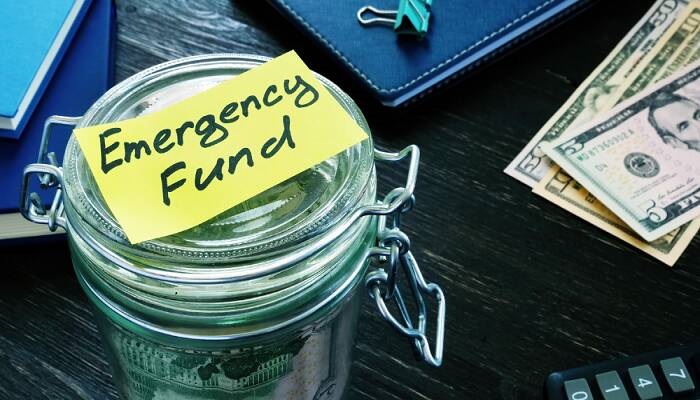
Most of us have been there: you’re going about your day, and then wham! You get hit with a major medical emergency. Maybe you suffer an accident or illness that requires surgery. Maybe it’s something less serious, but still costly. And while most people aren’t planning for those moments and can’t predict them happening in advance, if they do happen—and especially if they happen more than once over the course of your life—it’s important that you’re prepared financially for what may come next. That’s why it’s important to build up an emergency fund before disaster strikes.
You Should Have an Emergency Fund
An emergency fund is a savings account that you use to cover unexpected expenses. These include car repairs, house or apartment damage due to a storm, or medical bills.
It’s important to have an emergency fund because it allows you to avoid using credit cards and loans in times of need. If you have an unexpected expense and don’t have the money saved in advance, then one of three things will happen:
You’ll be forced into debt by using a credit card or loan. You’ll use savings from other accounts (like retirement) just so that you can pay for what you need now. You will simply wait until it doesn’t seem like such an urgent matter anymore (and hope that nothing bad happens until then).
How Much Do You Need to Save?
The amount of money you need to save is going to depend on your situation. The general rule of thumb is that you should have enough savings to cover 3-6 months of living expenses, but this number can vary depending on how much income you have coming in and how much debt you carry.
If you’re single and don’t have children or other dependents, then 3-6 months might be sufficient for your emergency fund. However, if you have a family, then it may be beneficial to save more than 6 months’ worth of living expenses since they could potentially require extra care in the event that something happened to one parent.
What if You Don’t Have Enough Money to Save?
If you don’t have enough money to save, try to save as much as possible. If you don’t have any savings at all, and your income isn’t enough to cover your expenses, it’s time for some serious budgeting.
You can start by trying to save more than you think you need. You might be surprised at how much money can add up over time when put toward an emergency fund instead of other things. And if all else fails and your income still isn’t enough? It may be time for another job or another source of income so that the bottom line is always positive—even in the face of unpredictable medical bills.
If you don’t have one yet, online loan lenders are there to help you, they know the importance of having an emergency fund. That’s why they offer flexible terms so that you can get the money you need without being worried about what will happen if there’s a medical emergency.
Where to Save It: Bank Account versus Investment Account
The first question to ask yourself is whether you’d rather have your funds in a savings or investment account. The answer depends on your goals for the money, what kinds of risks you’re willing to take, and how much time you want to spend managing your investments.
Investment accounts are better because they offer more options for growing your money while also helping build financial security. However, they’re not necessarily risk-free—the stock market can fluctuate wildly over short periods of time. On top of that, many people find investing intimidating or simply don’t want to do it themselves so they prefer banking accounts instead (and understandably so).
Can Insurance Help Protect me In an Emergency?
While insurance can be a great way to protect yourself in an emergency, it’s important to remember that the money you pay into your policy isn’t guaranteed to be there when the time comes. Health insurance is a great example—you pay monthly premiums and those funds are used to pay for any medical expenses you have that aren’t covered by your medical plan.
You’ll want to make sure that your insurance company is financially stable and has a good track record of paying out claims. It’s also worth considering whether or not your policy will cover all of the costs associated with a major medical event (such as co-pays, prescriptions, and follow-up care).
If you’re concerned about overpaying for coverage or not having enough coverage in case something goes wrong, then consider setting up an emergency fund instead. If all goes according to plan, then you’ll have some extra cash on hand just in case; if things don’t go according to plan (and they usually won’t), at least you won’t have any outstanding debts from unpaid medical bills!
It’s Important to Have Some Money Set Aside for Medical Emergencies
It’s important to have some money set aside for medical emergencies. You can’t rely on insurance alone, and you should save some money for emergencies. If you’re not sure how much to save, start by considering your monthly expenses: rent or mortgage payments, utilities (electricity, phone service), cable/internet access, and other services that are necessary for everyday life.
You’ll also want to consider the cost of everyday essentials like groceries and gas (if you’re driving). It’s also a good idea to include some fun money—the occasional meal out or concert ticket. And when it comes down to it, there are always those little things like clothes shopping or books that add up quickly!
Once you’ve made your list of monthly expenses, add up how much those costs will be over a year (or however long it takes for your emergency fund) so that when an emergency does arise—and it will—you’ll know exactly how much more money needs to be saved before the next paycheck rolls around.
Conclusion
It can be hard to save money, especially if you’re a student. But it’s important to have an emergency fund in case something goes wrong with your health or other expenses unexpectedly come up. There are different ways to save money, so do some research and talk with others about what works for them before deciding which option is best for you!