








Telehealth and Remote Patient Monitoring Solutions: Redefining the Geography of Care
The traditional model of healthcare, centered on the physical clinic or hospital, is being rapidly supplemented by a more fluid and accessible approach. Telehealth and Remote Patient Monitoring Solutions have emerged as the cornerstone of this transformation, bridging the gap between clinical expertise and the patient’s home. This shift is not merely a response to necessity but a strategic evolution aimed at improving the management of chronic diseases, increasing the efficiency of the medical workforce, and democratizing access to high-quality care. By decoupling the delivery of medical services from physical location, we are entering an era where healthcare is truly “always on,” providing a continuous safety net for patients regardless of where they reside.
The Convergence of Virtual Consultations and Diagnostic Accuracy
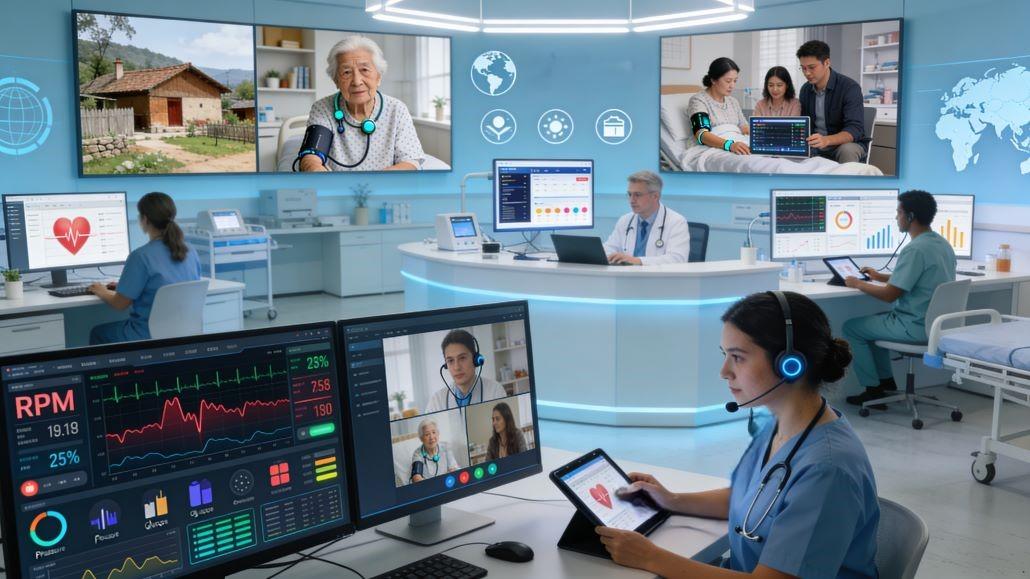
The first pillar of Telehealth and Remote Patient Monitoring Solutions is the virtual consultation, which has evolved from simple video calls into sophisticated clinical platforms. These systems are now integrated directly with patient portals and electronic health records, allowing for a seamless flow of information during a remote encounter. Modern telehealth platforms provide high-definition visual capabilities that allow specialists to perform detailed examinations, from assessing dermatological conditions to evaluating neurological symptoms. This capability is particularly vital for individuals in rural or underserved areas who previously faced significant logistical barriers to accessing specialist care. By eliminating the need for travel, telehealth ensures that the right expertise is available at the moment it is most needed.
However, the efficacy of a virtual visit is significantly enhanced when paired with objective data. This is where the integration of diagnostic peripherals becomes essential. Devices such as digital stethoscopes, otoscopes, and high-resolution cameras allow patients or local caregivers to provide real-time clinical data to a remote physician. This hybrid approach combining the convenience of virtual communication with the rigors of physical assessment ensures that the quality of care delivered remotely is equivalent to that of an in-person visit. Telehealth and Remote Patient Monitoring Solutions thus represent a cohesive ecosystem where technology acts as an extension of the clinician’s senses, maintaining high standards of diagnostic integrity across digital channels.
Continuous Oversight Through Remote Biometric Tracking
The second, and perhaps more revolutionary, pillar is the implementation of remote patient monitoring (RPM). Unlike traditional care, which relies on periodic “snapshots” of health taken during office visits, RPM provides a continuous “movie” of a patient’s physiological status. Telehealth and Remote Patient Monitoring Solutions utilize the Internet of Medical Things (IoMT) to track vital signs such as heart rate, blood pressure, glucose levels, and oxygen saturation in real-time. These devices automatically transmit data to clinical teams, who can monitor trends and receive alerts if parameters fall outside of a healthy range. This proactive oversight allows for immediate adjustments to medication or lifestyle, often preventing the exacerbation of a condition that would otherwise lead to an emergency room visit.
This continuous monitoring is particularly life-changing for patients with chronic conditions like congestive heart failure, diabetes, or COPD. For these individuals, the ability to manage their health from home provides a sense of autonomy and security that was previously impossible. It also fosters a more collaborative relationship between the patient and their care team. When a patient can see the direct impact of their daily choices on their biometric data, they are more likely to adhere to treatment plans and engage in healthy behaviors. Telehealth and Remote Patient Monitoring Solutions are therefore not just technological tools; they are instruments of empowerment that shift the patient from a passive recipient of care to an active participant in their own wellness.
Enhancing Post-Operative Recovery and Reducing Readmissions
The application of Telehealth and Remote Patient Monitoring Solutions extends significantly into acute care recovery and post-surgical management. The period immediately following discharge is often the most vulnerable for a patient, as they transition from the highly controlled environment of the hospital to the variable conditions of home. By deploying RPM kits upon discharge, hospitals can maintain a “virtual ward” where nurses and doctors can keep a close eye on recovery markers. If a post-surgical patient begins to show signs of infection or a decline in cardiac function, the system triggers an alert, enabling a timely intervention that can resolve the issue before it becomes critical.
This model has been shown to significantly reduce hospital readmission rates, which is a key metric for both patient outcomes and the financial health of the medical institution. By ensuring that recovery is proceeding as expected without requiring the patient to travel for routine follow-ups, health systems can preserve their physical bed capacity for the most acute cases. The efficiency gains are substantial; a single clinical team can monitor hundreds of patients simultaneously through an RPM dashboard, prioritizing their efforts toward those who show the most immediate need for attention. Telehealth and Remote Patient Monitoring Solutions thus optimize the allocation of human resources, ensuring that no patient is overlooked during the critical transition from hospital to home.
Navigating the Future of Reimbursement and Global Access
As the technological hurdles to Telehealth and Remote Patient Monitoring Solutions are largely overcome, the focus has shifted toward the institutional and economic frameworks necessary to support their long-term growth. The expansion of reimbursement policies by major payers and government health programs has been a critical driver of adoption, recognizing that remote care is a cost-effective alternative to traditional models. However, for these solutions to reach their full potential, we must ensure that the “digital divide” does not create new disparities in health. Access to high-speed internet and user-friendly devices is a prerequisite for participating in this new era of medicine, and efforts are underway globally to provide the necessary infrastructure to underserved populations.
In the coming years, we can expect to see Telehealth and Remote Patient Monitoring Solutions become even more integrated with artificial intelligence and predictive analytics. The data collected from millions of remote devices will provide unprecedented insights into the progression of diseases and the effectiveness of various interventions at scale. This will lead to more refined algorithms that can predict health crises with even greater accuracy, further reducing the reliance on reactive, hospital-based care. The ultimate goal is a healthcare system that is truly patient-centric one that respects the patient’s time and comfort while providing a level of clinical vigilance that was once only possible in an intensive care unit. By embracing this digital frontier, we are building a more resilient, equitable, and effective healthcare future for all.