






Artificial Intelligence in Healthcare Solutions: The Intersection of Computation and Clinical Excellence
The integration of computational intelligence into the medical field is no longer a prospect of the distant future but a present reality that is redefining the boundaries of what is possible in patient care. The deployment of Artificial Intelligence in Healthcare Solutions has moved beyond experimental labs and into the heart of clinical practice, where it serves as a powerful catalyst for efficiency, accuracy, and personalized medicine. By leveraging vast datasets that were previously too complex for human cognition alone to process, these systems provide a level of insight that transforms raw information into actionable clinical intelligence. This evolution represents a fundamental shift from reactive treatment models to proactive, data-driven strategies that prioritize early intervention and long-term wellness.
Advanced Diagnostic Capabilities and Medical Imaging
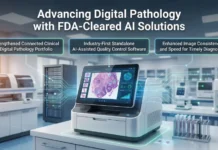
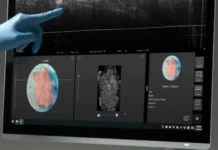
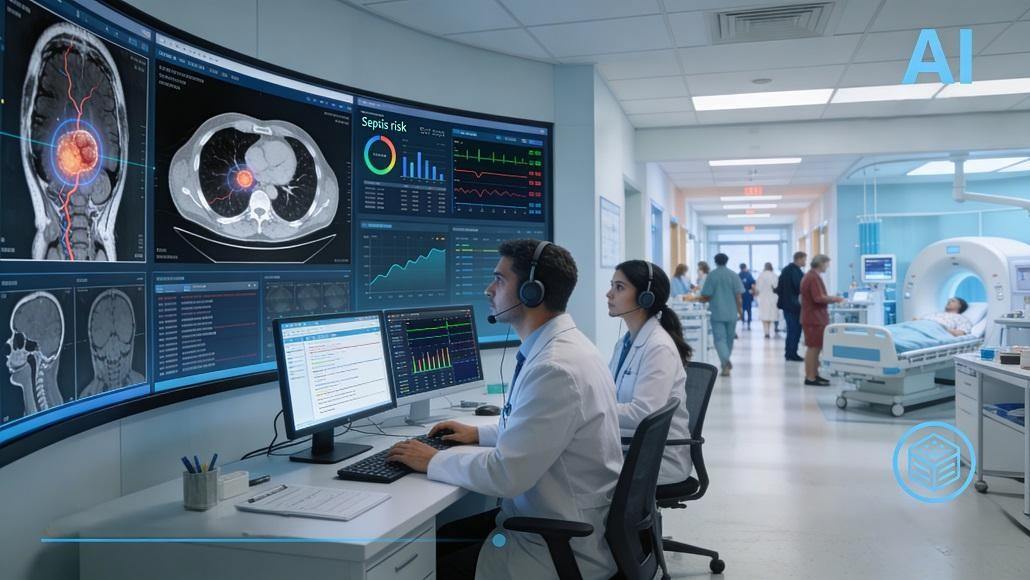
One of the most profound impacts of Artificial Intelligence in Healthcare Solutions is seen in the realm of diagnostic imaging. Traditionally, the interpretation of radiographs, CT scans, and MRIs has relied heavily on the visual expertise of radiologists, which, while highly skilled, is subject to human fatigue and subtle perceptual limitations. AI-driven image analysis tools now assist these specialists by scanning thousands of pixels to identify anomalies such as early-stage tumors, micro-fractures, or vascular irregularities that might escape the naked eye. These systems are trained on millions of historical images, allowing them to recognize patterns associated with specific pathologies with remarkable sensitivity. This collaboration between human intuition and machine precision ensures that diagnoses are not only faster but significantly more reliable, reducing the likelihood of missed cases and enabling the commencement of treatment at the most critical early stages.
Furthermore, machine learning algorithms are being utilized to enhance the quality of the images themselves. Through techniques such as deep learning reconstruction, AI can reduce the “noise” in low-dose scans, providing high-resolution clarity while minimizing the patient’s exposure to radiation. This technological synergy exemplifies how Artificial Intelligence in Healthcare Solutions prioritizes patient safety alongside clinical efficacy. As these tools continue to evolve, we are seeing the emergence of multi-modal diagnostics, where AI synthesizes data from imaging, genetic sequencing, and laboratory results to provide a holistic view of a patient’s health, far exceeding the capabilities of traditional siloed diagnostic methods.
Predictive Analytics and Personalized Patient Care
The true strength of Artificial Intelligence in Healthcare Solutions lies in its ability to look forward rather than just assessing the present. Predictive analytics involve the use of historical and real-time data to forecast health events before they occur. In acute care settings, for instance, AI systems monitor vital signs and laboratory trends to predict the onset of sepsis or respiratory failure hours before clinical symptoms become overt. This “golden window” of early warning allows medical teams to intervene preemptively, which is often the difference between a successful recovery and a catastrophic outcome. By transforming the electronic health record from a passive ledger into an active monitoring tool, AI-driven predictive models are saving lives on a daily basis across global health systems.
Beyond the intensive care unit, predictive modeling is tailoring treatment plans to the unique biological makeup of the individual. Personalized medicine, once a luxury of specialized research centers, is becoming more accessible through AI-powered genomic analysis. Algorithms can predict how a specific patient will respond to a particular chemotherapy agent or which dosage of a medication will be most effective based on their metabolic profile. This precision reduces the “trial and error” approach that has long characterized many areas of medicine, particularly oncology and psychiatry. By ensuring that the right patient receives the right treatment at the right time, Artificial Intelligence in Healthcare Solutions is optimizing clinical outcomes while simultaneously reducing the financial burden of ineffective therapies.
Operational Efficiency and the Reduction of Administrative Burden
While the clinical benefits of AI are often the most highlighted, the operational improvements it brings to healthcare administration are equally transformative. Physician burnout is a growing crisis, largely driven by the overwhelming volume of documentation and administrative tasks required in modern practice. Artificial Intelligence in Healthcare Solutions addresses this issue through natural language processing (NLP) and automated clinical documentation. Ambient listening devices can now transcribe and summarize patient encounters in real-time, allowing doctors to focus their full attention on the person sitting in front of them rather than a computer screen. This restoration of the human element in the doctor-patient relationship is perhaps one of the most significant, yet least quantifiable, benefits of the technology.
In addition to documentation, AI is streamlining the complexities of hospital logistics and resource management. Predictive algorithms can forecast patient admission rates, allowing hospital administrators to optimize staffing levels and bed availability. In the supply chain, AI manages inventory levels for critical supplies, ensuring that life-saving equipment is always available when needed without the waste associated with overstocking. By automating these “back-office” functions, health systems can reallocate resources toward direct patient care, enhancing the overall efficiency of the delivery model. Artificial Intelligence in Healthcare Solutions thus acts as the invisible infrastructure that supports a more resilient and responsive medical environment.
Ethical Frameworks and the Human-Centric Future
As we embrace the capabilities of Artificial Intelligence in Healthcare Solutions, it is imperative to address the ethical considerations that accompany such powerful tools. The “black box” nature of some advanced algorithms where the path to a conclusion is not easily interpretable by humans presents challenges for clinical accountability. To mitigate this, the industry is moving toward “explainable AI,” ensuring that every recommendation made by a machine can be audited and understood by a medical professional. Maintaining human oversight is not merely a legal requirement but a moral one; the final decision in any clinical scenario must always rest with a qualified clinician who can weigh the AI’s data against the nuanced complexities of human experience and empathy.
Moreover, data privacy and the elimination of algorithmic bias are central to the sustainable integration of AI. If the data used to train an AI system is not representative of a diverse population, the resulting insights may lead to disparities in care. Leading developers of Artificial Intelligence in Healthcare Solutions are now prioritizing diverse datasets and website testing to ensure that these tools provide equitable benefits to all patients, regardless of their demographic background. By fostering a culture of transparency and inclusivity, the healthcare industry can build the trust necessary for patients and providers to fully adopt AI as a trusted partner in the healing process.
In conclusion, the trajectory of modern medicine is inextricably linked to the continued refinement of Artificial Intelligence in Healthcare Solutions. These tools are not intended to replace the physician but to augment their capabilities, providing a level of precision and foresight that was previously unattainable. From the granular analysis of a cellular image to the broad management of a national health crisis, AI is proving to be the most significant technological ally in the quest for better health outcomes. As we continue to innovate, the focus must remain on the patient, ensuring that every algorithmic breakthrough translates into a tangible improvement in the quality of life and the accessibility of care for people around the world.