











Healthcare Interoperability and Data Exchange Systems: Bridging the Information Chasm
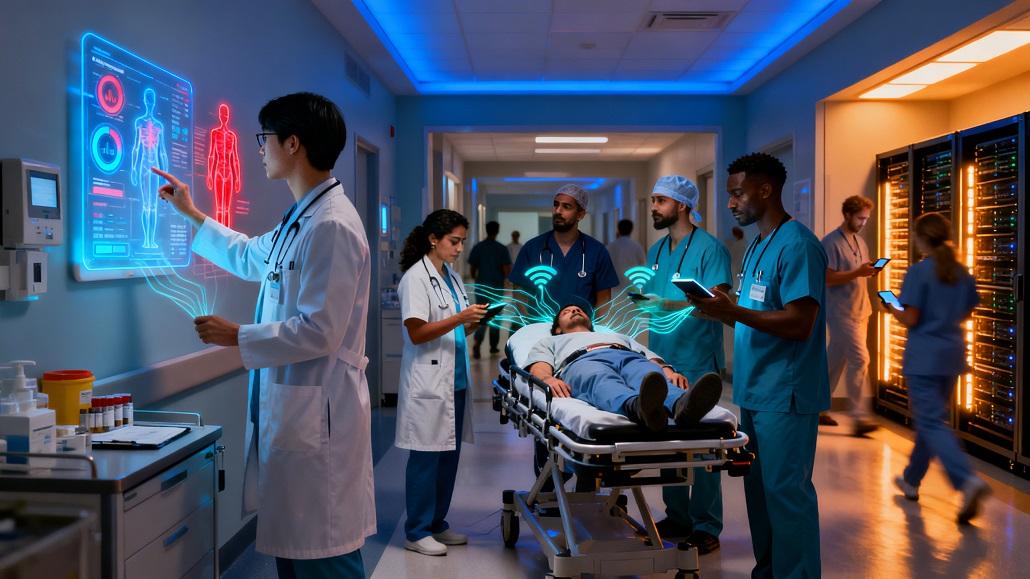
In the modern medical landscape, a patient’s journey often involves multiple specialists, diagnostic centers, and hospital systems. For these various entities to provide coordinated and safe care, the information regarding that patient must be able to move as freely as the patient themselves. This is the core mission of Healthcare Interoperability and Data Exchange Systems. Historically, the medical industry has struggled with “data silos” isolated pockets of information trapped within incompatible software platforms. Overcoming these barriers is not merely a technical necessity but a clinical imperative, as the lack of access to a patient’s complete medical history can lead to redundant testing, medication errors, and delayed diagnoses.
The Evolution of Standards and the Role of FHIR
The foundation of Healthcare Interoperability and Data Exchange Systems lies in the development and adoption of universal data standards. In the past, different electronic health record (EHR) vendors used proprietary formats, making the exchange of data a complex and often manual process. The emergence of the Fast Healthcare Interoperability Resources (FHIR) standard has revolutionized this space. FHIR utilizes modern web technologies, such as RESTful APIs, to allow different systems to “talk” to each other with ease. Unlike older, more rigid standards, FHIR is designed to be flexible and modular, enabling the exchange of specific “resources” like a single lab result or a list of allergies, rather than requiring the transmission of a massive, monolithic document.
This shift toward granular data exchange is what enables the high level of connectivity we see in contemporary Healthcare Interoperability and Data Exchange Systems. When a patient visits a new specialist, that specialist’s clinical system can query the patient’s primary care database for relevant history in real-time. This immediate access to information ensures that the clinician has a comprehensive understanding of the patient’s health status from the moment the encounter begins. The widespread adoption of FHIR is not just a trend among software developers; it is a fundamental restructuring of how health data is conceptualized, moving away from document-centric models toward a dynamic, data-centric approach that prioritizes accessibility and utility.
Enhancing Care Coordination and Patient Safety
The most direct benefit of robust Healthcare Interoperability and Data Exchange Systems is the significant improvement in care coordination. When information flows seamlessly between a primary care physician, a surgeon, and a pharmacist, the likelihood of errors is greatly reduced. For instance, an integrated system can automatically alert a pharmacist if a newly prescribed medication has a potential interaction with a drug the patient is already taking, as documented by another provider. This “single source of truth” regarding a patient’s medications, allergies, and recent procedures is vital for preventing adverse events that often occur when care is fragmented and communication is inconsistent.
Furthermore, Healthcare Interoperability and Data Exchange Systems play a critical role in emergency medicine. In a crisis, a patient may be unconscious or unable to provide their medical history. Interoperable systems allow emergency department staff to instantly retrieve critical information such as blood type, pre-existing conditions, and advanced directives from distant databases. This ability to make informed decisions in seconds can be the difference between life and death. By ensuring that clinical data is always where it needs to be, interoperability transforms the patient experience from a series of disconnected episodes into a coherent and continuous narrative of care.
Regulatory Drivers and the 21st Century Cures Act
The advancement of Healthcare Interoperability and Data Exchange Systems has been significantly accelerated by legislative and regulatory mandates. In the United States, the 21st Century Cures Act has been a landmark piece of legislation aimed at ending “information blocking” the practice of intentionally interfering with the access, exchange, or use of electronic health information. The Act requires that certified health IT developers provide patients and providers with easy, standardized access to their health data. This regulatory pressure has forced the industry to move beyond competitive posturing and focus on the common goal of a connected healthcare ecosystem.
These regulations also emphasize the importance of patient access. Modern Healthcare Interoperability and Data Exchange Systems are increasingly designed to allow patients to access their own records through third-party apps on their smartphones. This democratization of data empowers individuals to take ownership of their health information, allowing them to share it easily with new providers or use it to better understand their own wellness journey. By placing the patient at the center of the data exchange model, the industry is moving toward a more transparent and participatory healthcare system where information is a tool for empowerment rather than a guarded commodity.
Addressing Security and the Future of Connected Health
As the volume of health data being exchanged continues to grow, the security and privacy of that information remain paramount. Healthcare Interoperability and Data Exchange Systems must utilize the most advanced encryption and authentication protocols to protect sensitive patient information from cyber threats. The challenge lies in creating a system that is open and accessible to authorized users while remaining impenetrable to malicious actors. This requires a multi-layered approach to security, including rigorous identity management, audit logs that track every access event, and continuous monitoring of the network for unusual activity.
Looking ahead, the future of Healthcare Interoperability and Data Exchange Systems will involve even deeper integration with emerging technologies. We are seeing the early stages of using blockchain technology to create decentralized, immutable records of consent and data exchange, further enhancing the security and transparency of the process. Additionally, the integration of data from wearable devices and home monitoring systems will add new dimensions to the patient record, requiring systems to manage increasingly large and diverse datasets. The ultimate vision is a global healthcare network where borders and software boundaries no longer impede the flow of life-saving information, ensuring that every patient receives the best possible care based on the most complete and up-to-date data available.