











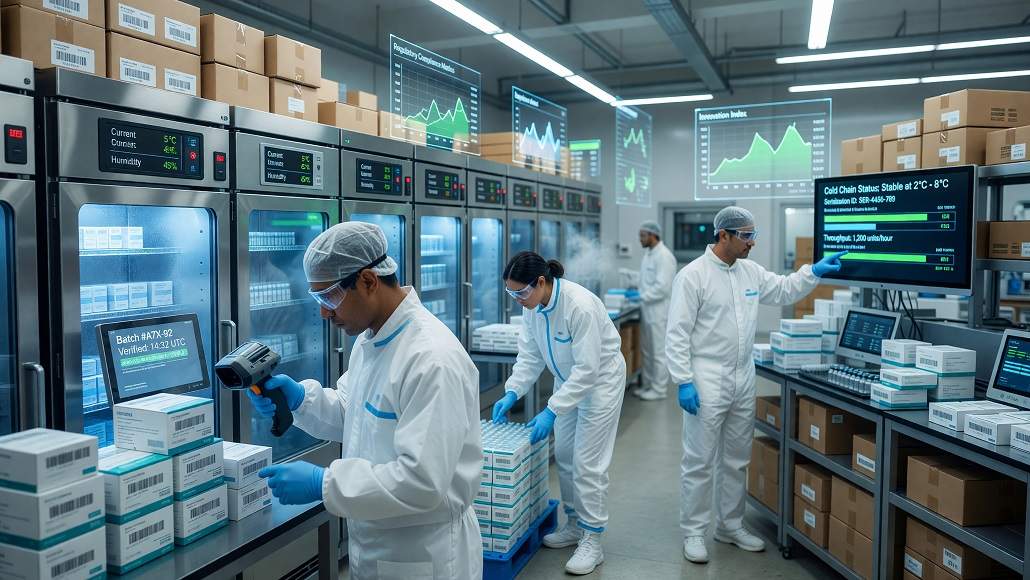
The pharmaceutical supply chain is one of the most complex and sensitive logistical networks in the world, responsible for moving life-saving medications from manufacturing centers to patients across every corner of the globe. As the industry faces increasing threats from counterfeit products, cargo theft, and environmental volatility, the need for robust oversight has never been more urgent. The current pharma supply chain risk and compliance trends are focused on creating a transparent, resilient, and data-driven ecosystem that ensures medications remain safe, authentic, and effective throughout their journey. This requires a sophisticated integration of technology, international cooperation, and a deep-seated commitment to regulatory excellence.
The Evolution of Drug Serialization and Traceability
At the forefront of the fight against counterfeit medications is the implementation of global drug serialization standards. By assigning a unique, randomized serial number to every individual unit of a product, manufacturers can track its movement through the entire distribution network. This level of item-level traceability is the core of pharma supply chain risk and compliance trends such as the Drug Supply Chain Security Act (DSCSA) in the United States and the Falsified Medicines Directive (FMD) in Europe. These regulations require every participant in the supply chain from the primary manufacturer to the retail pharmacist to verify the product’s identity before it is dispensed to a patient.
Leveraging Blockchain for End-to-End Transparency
While traditional databases can track serial numbers, blockchain technology is emerging as a powerful tool for creating an immutable, shared record of every transaction in the supply chain. In a blockchain-enabled network, every handoff of a product is recorded in a way that cannot be altered or deleted. This provides an unprecedented level of transparency and trust between stakeholders. By integrating blockchain into their pharma supply chain risk and compliance trends, companies can drastically reduce the time it takes to investigate a suspicious product and can streamline the complex process of handling product recalls, ensuring that patient safety is never compromised.
Cold Chain Integrity and Environmental Monitoring
As the industry shifts toward more complex biologics and personalized therapies, the importance of cold chain logistics has reached a critical point. Many modern medications are extremely sensitive to temperature fluctuations and can lose their potency or become dangerous if they are not maintained within a strict range. Modern pharma supply chain risk and compliance trends involve the use of advanced “smart” packaging and IoT sensors that provide real-time monitoring of temperature, humidity, and even physical shock. These sensors can alert logistics managers to a potential issue before the product is damaged, allowing for intervention and preventing the loss of high-value inventory.
Risk Management in Extreme Logistics Environments
Managing a cold chain is challenging under normal circumstances, but it becomes exponentially more difficult when moving products through regions with limited infrastructure or extreme weather conditions. A robust risk management strategy involves more than just monitoring; it requires detailed contingency planning and the use of specialized thermal packaging solutions. By analyzing historical data on transit times and environmental conditions, companies can identify the most high-risk routes and implement additional safeguards, such as redundant cooling systems or priority handling. This proactive approach is a hallmark of current pharma supply chain risk and compliance trends and is essential for ensuring that life-saving vaccines and biologics reach patients in every part of the world.
Regulatory Alignment and the Challenge of Global Compliance
The pharmaceutical supply chain is governed by a patchwork of international regulations that are constantly evolving. Achieving and maintaining regulatory compliance in this environment is a significant challenge, particularly for companies that operate in multiple jurisdictions. The most successful organizations are moving toward a “harmonized” compliance strategy, where they adopt a single, high-standard set of protocols that meets the requirements of the most stringent regulators. This alignment is facilitated by international initiatives such as the Pharmaceutical Inspection Co-operation Scheme (PIC/S), which promotes the mutual recognition of inspections and the exchange of information between global regulatory bodies.
The Importance of Good Distribution Practice (GDP)
Good Distribution Practice (GDP) is the set of standards that ensures the integrity of pharmaceutical products is maintained throughout the distribution process. GDP compliance covers everything from the cleanliness and security of warehouses to the training of delivery drivers. Within the context of pharma supply chain risk and compliance trends, GDP is no longer seen as a “check-the-box” activity but as a core component of a company’s quality management system. Regular self-audits and vendor assessments are essential to ensure that every partner in the distribution network adheres to these high standards, creating a “chain of trust” that protects the final product.
Cybersecurity: Protecting the Digital Supply Chain
As the supply chain becomes more digitized, it also becomes more vulnerable to cyberattacks. A breach of a serialization database or a disruption of a logistics platform could have catastrophic consequences for patient safety. Therefore, cybersecurity is now a critical component of pharma supply chain risk and compliance trends. Manufacturers and logistics providers must implement multi-layered security protocols, including encryption, secure data exchange portals, and rigorous access controls. Furthermore, they must conduct regular “stress tests” of their digital infrastructure to identify and patch vulnerabilities before they can be exploited by malicious actors.
Data Privacy and the Protection of Patient Information
In addition to securing the logistical data, companies must also protect any patient-identifiable information that may be captured as part of a specialty pharmacy or direct-to-patient delivery model. Compliance with data privacy regulations such as GDPR or HIPAA is a fundamental part of modern pharma supply chain risk and compliance trends. This requires a robust data governance framework that ensures information is only used for its intended purpose and is stored and transmitted securely. By prioritizing data privacy, companies can build the trust necessary to support the growing demand for more personalized and convenient delivery models.
Sustainability and Ethical Sourcing in the Supply Chain
The pharmaceutical industry is under increasing pressure to address its environmental and social impact. Sustainable pharma supply chain risk and compliance trends involve a holistic look at the entire lifecycle of a product, from the sourcing of raw materials to the disposal of packaging waste. This includes working with suppliers who adhere to ethical labor practices and implementing “green” logistics solutions, such as more efficient routing and the use of recyclable shipping containers. By integrating sustainability into their compliance strategy, companies can not only reduce their carbon footprint but also improve their brand reputation and meet the expectations of socially conscious investors.
Resilience through Diversification and Inventory Strategy
The lessons learned from recent global disruptions have shifted the focus toward supply chain resilience. Rather than relying on a single, low-cost source for critical materials, companies are diversifying their supplier base and investing in localized manufacturing. This “dual-sourcing” strategy is a key part of current pharma supply chain risk and compliance trends and provides a safety net against geopolitical instability or natural disasters. Furthermore, many organizations are rethinking their inventory strategies, moving from “just-in-time” to a more balanced approach that maintains a strategic reserve of essential medications, ensuring that they can continue to serve patients even during a period of prolonged disruption.
The management of risk and compliance in pharmaceutical supply chains is a never-ending task that requires vigilance, innovation, and collaboration. As the threats facing the industry continue to evolve, the tools and strategies used to protect the distribution network must also advance. By embracing new technologies like serialization, blockchain, and IoT, and by maintaining a relentless focus on regulatory excellence and sustainability, pharmaceutical companies can build a supply chain that is not only efficient but also truly resilient. Ultimately, the goal of these pharma supply chain risk and compliance trends is to ensure that the global distribution network remains a reliable conduit for the life-saving treatments that define modern medicine.