













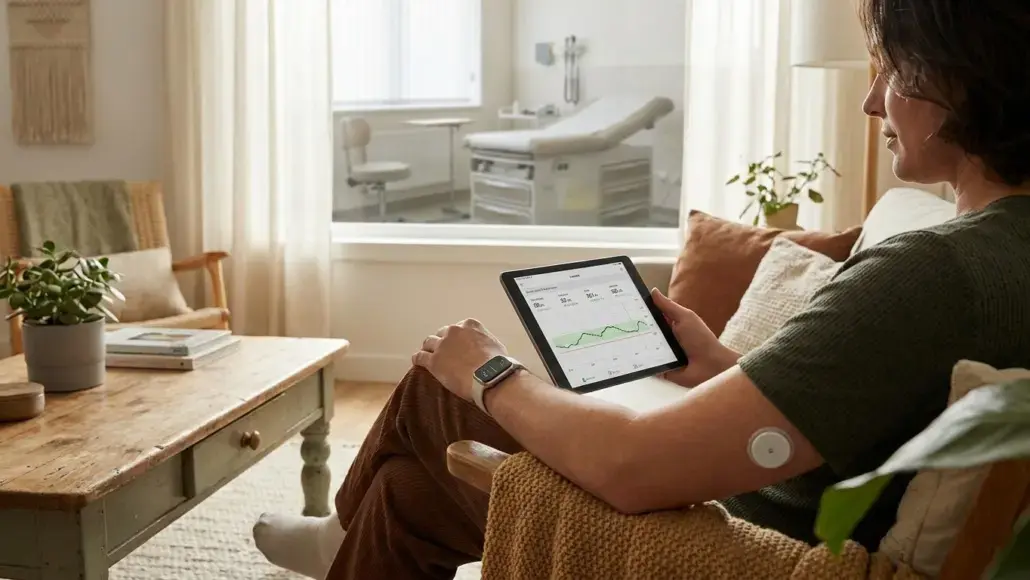

The evolution of clinical practice has traditionally relied on snapshots of health captured during infrequent hospital visits or clinic appointments. However, the emergence of digital biomarkers transforming clinical monitoring is fundamentally altering this landscape, moving the industry toward a model of continuous, objective, and real-time data collection. This transformation represents a departure from subjective patient-reported outcomes and high-variability clinical assessments, replacing them with precise physiological and behavioral metrics harvested from wearable sensors, smartphones, and ambient monitoring technologies. By integrating these data points into the clinical workflow, providers can identify subtle changes in a patient’s health status long before they manifest as acute symptoms, thereby enabling a proactive rather than reactive approach to medicine.
At the core of this revolution is the ability to quantify biology in the wild. Traditional biomarkers, such as blood glucose levels or cholesterol, provide essential insights but are often limited by the invasiveness of collection and the temporal gaps between measurements. In contrast, digital biomarkers transforming clinical monitoring leverage the ubiquity of consumer and medical-grade technology to track everything from gait stability and sleep patterns to heart rate variability and vocal characteristics. These metrics, when processed through sophisticated machine learning algorithms, provide a high-definition view of a patient’s daily life, offering a more comprehensive understanding of disease progression and treatment efficacy than has ever been possible in the history of medicine.
The Technological Foundation of Precision Healthcare Monitoring
The technical infrastructure supporting digital biomarkers transforming clinical monitoring is built upon a sophisticated stack of hardware and software integration. On the hardware side, the miniaturization of microelectromechanical systems (MEMS) has allowed for the creation of sensors that are unobtrusive yet highly accurate. These devices are capable of capturing high-frequency raw data, such as triaxial accelerometry or photoplethysmography (PPG), which serve as the raw ingredients for biomarker extraction. The challenge, however, lies not just in the collection of data but in the validation of these signals as clinically meaningful indicators. This is where biomarker analytics play a crucial role, transforming billions of data points into actionable insights that clinicians can use to make informed decisions.
Precision healthcare requires a level of granularity that traditional monitoring cannot provide. For instance, in neurology, digital biomarkers transforming clinical monitoring can detect micro-tremors or changes in typing rhythm on a smartphone that signal the early stages of Parkinson’s disease or multiple sclerosis. In cardiology, continuous monitoring can identify transient arrhythmias that a standard 12-lead ECG might miss during a ten-minute office visit. This continuous stream of information allows for better patient stratification, ensuring that clinical trials and therapeutic interventions are tailored to the specific phenotypic expression of a disease in an individual. By categorizing patients based on their digital signatures, researchers can design more efficient studies with smaller cohorts and more robust endpoints.
Advancing Patient Stratification through Deep Data Insights
One of the most significant impacts of digital biomarkers transforming clinical monitoring is in the realm of clinical trials and drug development. Historically, the “one-size-fits-all” approach to treatment has led to suboptimal outcomes for many patients. Through the use of digital health innovation, pharmaceutical companies are now able to stratify patients with unprecedented accuracy. By identifying digital phenotypes distinct patterns of behavior and physiology researchers can predict how different subgroups will respond to a specific medication. This not only increases the safety of the trial but also accelerates the time to market for life-saving therapies.
Furthermore, digital biomarkers transforming clinical monitoring facilitate the transition to decentralized clinical trials. By allowing participants to remain in their homes while providing high-quality clinical data, sponsors can reach more diverse populations and reduce the burden on patients. This inclusivity is vital for ensuring that new treatments are effective across different demographics and lifestyles. The data collected in these settings is “real-world evidence,” providing a realistic view of how a drug performs outside the controlled environment of a clinic. This shift is particularly beneficial for chronic disease management, where the daily fluctuations of a condition are more telling than a single data point collected once a month.
The Role of Remote Diagnostics in Modern Care Delivery
As the healthcare system grapples with rising costs and an aging population, remote diagnostics powered by digital biomarkers transforming clinical monitoring offer a scalable solution for maintaining quality care. By shifting the focus from the hospital to the home, healthcare systems can reduce the strain on physical infrastructure and personnel. Remote monitoring programs for heart failure, for example, have shown a significant reduction in hospital readmission rates by identifying early signs of fluid retention through changes in weight or physical activity levels recorded by digital tools. These interventions allow for early medication adjustments, preventing the need for emergency interventions.
The integration of these tools into standard practice also empowers patients to take an active role in their own health. When individuals have access to their own digital biomarker data, they gain a better understanding of how their lifestyle choices such as diet, exercise, and sleep impact their clinical outcomes. This creates a feedback loop that encourages healthier behaviors and improves adherence to treatment plans. However, for this to be successful, the data must be presented in a way that is understandable and non-intimidating. The collaboration between healthcare technology developers and clinicians is essential to create user-centric interfaces that bridge the gap between complex data science and everyday patient care.
Addressing Regulatory and Ethical Challenges in Digital Health
While the potential of digital biomarkers transforming clinical monitoring is vast, the path to widespread adoption is fraught with regulatory and ethical hurdles. The primary concern is data privacy and security. As sensitive health information is transmitted over wireless networks and stored in the cloud, the risk of data breaches becomes a significant liability. Regulatory bodies like the FDA in the United States and the EMA in Europe have established frameworks for the validation of digital health tools, but the rapid pace of technological innovation often outstrips the development of these guidelines. Ensuring that a digital biomarker is both “analytical validated” (meaning the sensor measures what it claims to measure) and “clinically validated” (meaning the measurement is tied to a health outcome) is a rigorous process that requires extensive evidence.
Ethical considerations also extend to the potential for digital divide and bias. If digital biomarkers transforming clinical monitoring are only accessible to those with high-speed internet and the latest smartphones, there is a risk of exacerbating existing healthcare disparities. Additionally, the algorithms used to interpret these biomarkers must be trained on diverse datasets to prevent algorithmic bias, which could lead to misdiagnosis or suboptimal care for underrepresented groups. Transparency in how these models are built and used is paramount to building trust among both patients and the medical community.
Future Perspectives on Integrated Clinical Ecosystems
Looking ahead, the future of digital biomarkers transforming clinical monitoring lies in the creation of fully integrated clinical ecosystems where data flows seamlessly between devices, electronic health records (EHRs), and decision-support systems. We are moving toward a state of “ambient sensing,” where the environment itself monitors our health without the need for wearable devices. Smart beds that track sleep apnea, mirrors that analyze skin tone for signs of anemia, and toilets that perform liquid biopsies are all on the horizon. These innovations will further refine our ability to conduct continuous clinical monitoring without disrupting the patient’s life.
As artificial intelligence continues to evolve, the predictive power of digital biomarkers will only grow. We will soon see “preventative biomarkers” that can predict the onset of a condition years in advance, allowing for lifestyle interventions that could prevent the disease from ever developing. This shift from “sick care” to “well care” is the ultimate goal of digital health innovation. By harnessing the power of digital biomarkers transforming clinical monitoring, the global healthcare community can move toward a future where precision medicine is not just a luxury for the few, but a standard of care for everyone. The journey is complex, but the destination a healthier, more resilient society is well worth the effort.
In conclusion, the impact of digital biomarkers transforming clinical monitoring cannot be overstated. By providing a continuous, objective, and high-fidelity view of human health, these tools are dismantling the barriers of traditional medicine. They are enhancing patient stratification, optimizing clinical trials, and bringing the promise of precision healthcare to the doorstep of every patient. As we continue to refine the analytics and address the ethical challenges, the integration of digital health into the fabric of clinical monitoring will stand as one of the most significant achievements in modern medical science.