














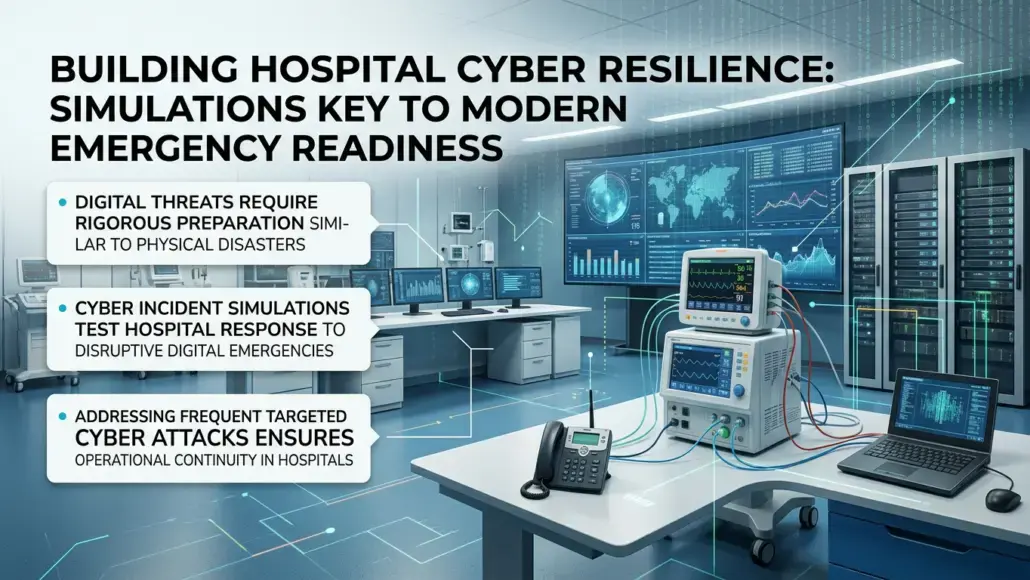

In the complex and high-pressure environment of a modern hospital, emergency readiness is typically associated with mass casualty events, natural disasters, or outbreaks of infectious diseases. However, the increasing frequency of targeted cyber attacks has made it clear that digital emergencies require the same level of rigorous preparation and testing as physical ones. A ransomware attack or a network outage can be just as disruptive as a power failure, often leading to the immediate loss of access to critical patient information and life-saving diagnostic tools. To counter these threats, healthcare organizations are increasingly utilizing cyber incident simulations to test their response protocols, identify communication gaps, and ensure that clinical operations can continue even when the digital infrastructure is compromised.
These simulations are designed to mimic real-world attack scenarios, ranging from data breaches to the complete encryption of clinical systems. By placing key stakeholders in a controlled but stressful environment, hospitals can evaluate how their technical teams, administrative leaders, and frontline clinicians work together during a crisis. The objective is not just to test technical defenses, but to validate the human and operational processes that must remain functional when technology fails. Through regular practice, hospitals can move from a reactive posture to a resilient one, where every member of the staff understands their role in maintaining the safety and dignity of the patients under their care. The focus remains strictly on the preservation of clinical services during times of digital uncertainty.
Designing Realistic Scenarios for Clinical Continuity
The effectiveness of any simulation depends on the realism and relevance of the scenarios being tested. For a hospital, this means looking beyond simple technical failures and considering the impact on clinical workflows. A well-designed cyber incident simulation might begin with the sudden failure of the barcode medication administration system or the inability to access patient allergy records in the emergency department. By focusing on these high-impact clinical events, the exercise forces participants to consider manual workarounds and paper-based protocols that may have been forgotten in the age of full digitization. These exercises are essential for ensuring that the hospital does not lose its ability to provide safe care when the screens go dark. This preparation includes the physical distribution of emergency “downtime kits” that contain the necessary paper forms and contact lists for use during a network blackout.
To create these scenarios, hospitals often work with specialized cybersecurity firms that understand the unique technical environment of healthcare. These partners can help design live-fire exercises where technical teams must detect and respond to simulated malware in a non-production environment. Meanwhile, leadership teams participate in tabletop exercises where they are presented with evolving information and must make critical decisions regarding public communication, legal notification, and clinical diversions. This tiered approach ensures that both the technical aspects and the strategic logic of incident response are thoroughly explored. The goal is to build muscle memory that will allow the organization to act with calm and precision when a real threat emerges. These exercises also provide an opportunity to test the integration of external security operations centers that may be monitoring the hospital network remotely.
Bridging the Gap Between IT and Clinical Leadership
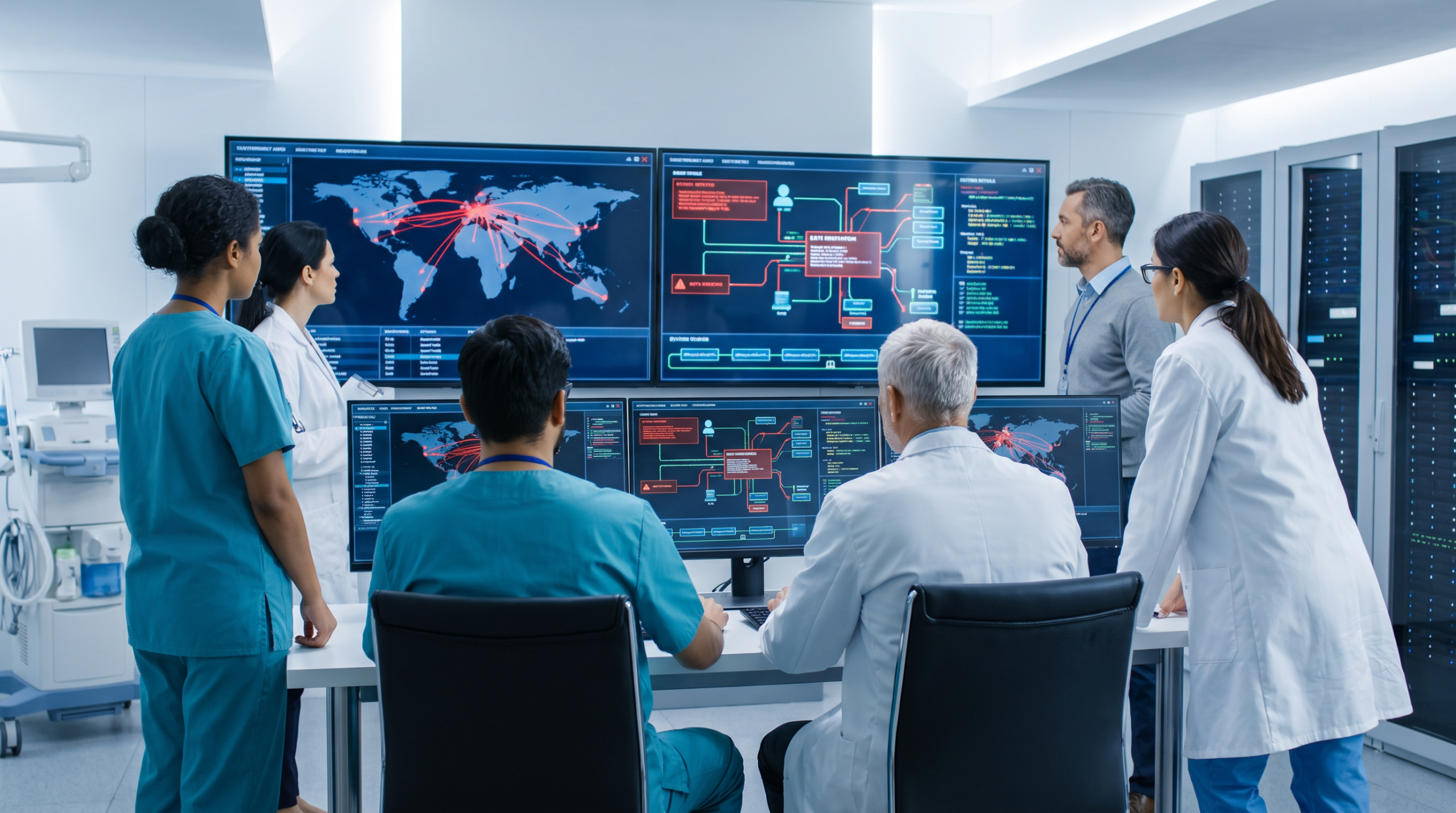
One of the most valuable outcomes of cyber incident simulations is the opportunity to bridge the traditional divide between information technology departments and clinical leadership. During a cyber emergency, technical decisions often have direct clinical consequences. For example, the decision to shut down a portion of the network to contain an infection might inadvertently disable life-saving monitors in the intensive care unit. By including chief medical officers and nursing directors in the simulation process, the IT team can gain a better understanding of which systems are truly critical for patient safety. Conversely, clinical leaders can learn about the complexities of network containment and data recovery, helping them set realistic expectations for system restoration. This mutual understanding is vital for preventing friction during a real-life incident where time is of the essence.
This collaborative environment fosters a sense of shared responsibility for the hospital’s digital health. When clinical leaders participate in these exercises, they often become advocates for better security funding and improved staff training. They begin to see cybersecurity not as a technical hurdle, but as a component of the overall patient safety mission. These joint exercises help establish clear lines of authority and communication that will be vital during a real crisis. Knowing exactly who has the power to authorize a system shutdown or who is responsible for communicating with patients and families can save precious minutes during the early stages of an attack. The inclusion of legal counsel and risk management officers ensures that the organization remains compliant with data breach notification laws while managing the operational response.
Documenting Gaps and Driving Continuous Improvement
A simulation is only as good as the improvements it generates. Following each exercise, the hospital must conduct a thorough after-action review to document what worked well and what failed. This review process should involve participants from every level of the organization, providing a 360-degree view of the response. The findings from these exercises should be formally documented in cyber risk registers to ensure that identified gaps are prioritized for remediation by the board of directors. Whether the issue is a technical vulnerability, a confusing communication protocol, or a lack of staff training, every finding represents an opportunity to strengthen the hospital’s defenses before a real attacker finds the flaw. This systematic tracking of vulnerabilities ensures that the hospital’s security posture is constantly evolving to meet new challenges.
This commitment to continuous improvement is what separates a one-time drill from a true culture of readiness. Hospitals should aim to conduct simulations at regular intervals, with each exercise becoming progressively more complex. As the organization masters basic incident response, simulations can begin to include external partners such as local law enforcement, regional health authorities, and key technology vendors. This broader perspective is essential for managing large-scale incidents that may impact multiple facilities or require the coordination of state and national resources. By building these external relationships during a simulation, the hospital ensures that it has a trusted network of support to call upon when a real emergency occurs. These relationships are particularly important when dealing with the forensic investigation and data recovery phases of an incident.
Enhancing Staff Resilience and Reducing Psychological Impact
The human factor is often the most unpredictable element of an incident response. In a hospital, where the stakes are literally life and death, the psychological pressure of a cyber attack can be overwhelming. Cyber incident simulations provide a safe space for staff to experience this pressure and develop the resilience needed to handle it. By exposing employees to the chaos of a simulated attack, hospitals can help reduce the panic that often accompanies the first signs of a network compromise. Staff members who have been through a simulation are more likely to stay focused on their clinical duties, knowing that the technical team has a tested plan in place. This increased confidence not only improves the efficiency of the response but also helps protect the mental well-being of the healthcare workforce.
The following list highlights the core benefits of integrating cyber simulations into hospital operations:
- Identification of hidden technical vulnerabilities that may not be captured by automated scanning tools.
- Validation of manual clinical workarounds and paper-based protocols for use during system outages.
- Improvement in communication between technical teams and clinical leadership during high-stress events.
- Establishment of clear roles and responsibilities for every member of the incident response team.
- Refinement of public relations and legal notification strategies to maintain institutional reputation.
- Testing of the effectiveness of the hospital’s cyber risk registers in prioritizing security investments.
- Enhancement of overall staff confidence in managing digital emergencies through repeated exposure.
- Evaluation of the hospital’s ability to maintain regulatory compliance during a period of infrastructure failure.
- Training for the board of directors on the financial and operational risks associated with digital threats.
As the healthcare sector continues to face an unprecedented level of digital risk, the importance of proactive preparation cannot be overstated. Hospitals that treat cybersecurity as an extension of their emergency management program will be far better equipped to survive an attack than those that treat it as a separate technical issue. Through the power of simulation, healthcare leaders can ensure that their teams are prepared to face the challenges of the modern threat environment with the same skill and dedication they bring to every other aspect of patient care. This dedication to readiness is what ultimately protects the hospital’s most valuable asset: the lives and well-being of the people it serves. The integration of cyber security into the broader emergency response framework ensures a unified and efficient approach to any crisis, regardless of its origin.