






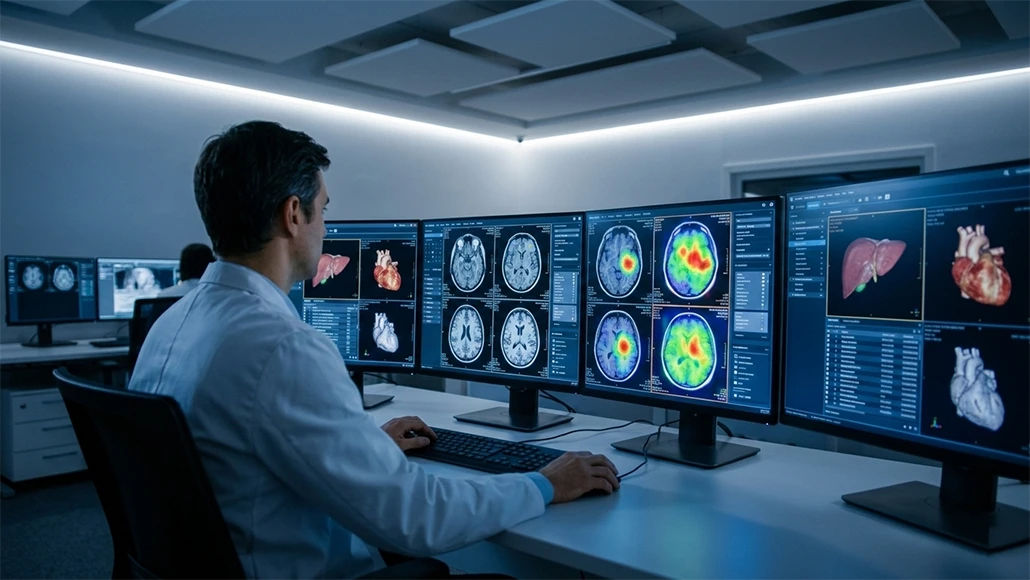
The rapid evolution of high-resolution sensors and intelligent algorithmic processing has catalyzed a fundamental shift in the clinical diagnostic landscape. In a world where medical precision is the cornerstone of effective treatment, the integration of advanced visualization tools allows clinicians to move beyond traditional observation toward a data-driven understanding of human pathology. This transformation ensures that every patient benefit from the highest standards of diagnostic certainty, bridging the gap between subtle physiological changes and timely therapeutic intervention. By prioritizing clarity and accuracy, the medical community is setting a new standard for care that is as profound as it is necessary for the future of global health.
The Historical Context and Technological Leap Forward
To truly appreciate the current state of clinical diagnostics, one must first look back at the origins of radiology. For over a century, the field was defined by the transition from static, two-dimensional shadows to the sophisticated, multi-layered digital environments we see today. The journey from the first rudimentary X-ray to the high-field MRI units of the present day is a testament to human ingenuity. However, the most significant leap has not just been in the hardware itself, but in the software that interprets the massive amounts of data these machines generate. This is where medical imaging innovation improving diagnostic accuracy truly begins to take shape, transforming raw data into actionable clinical insights that save lives daily.
In the early days of medical imaging, the primary challenge was simply getting a clear enough picture to see an abnormality. Radiologists spent years training their eyes to catch the slightest variation in pixel density on a physical film. Today, the challenge has shifted from a lack of data to an overwhelming abundance of it. Modern diagnostic imaging systems produce thousands of slices per scan, creating a volumetric representation of the human body that is so detailed it requires computational assistance to navigate. This shift from physical film to digital volumetric data has laid the groundwork for a more collaborative and precise diagnostic environment, where experts from around the world can view and analyze the same high-fidelity images in real-time.
The Role of Artificial Intelligence in Modern Radiology
Artificial intelligence is no longer a futuristic concept in the world of medicine it is a current reality that is fundamentally altering the workflow of every modern imaging department. AI imaging software serves as a sophisticated filter, identifying patterns that are too subtle for the human eye to consistently detect. These algorithms are trained on datasets containing millions of confirmed clinical cases, allowing them to provide a level of statistical certainty that was previously unattainable. When medical imaging innovation improving diagnostic accuracy is supported by these intelligent systems, the rate of false negatives in critical areas like oncology and cardiology drops significantly, ensuring that patients receive the interventions they need at the earliest possible stage.
The integration of machine learning into radiology innovation goes beyond simple detection. It involves the quantification of disease markers that were previously subjective. For instance, instead of a radiologist estimating the size of a nodule, the software can provide a precise measurement down to the sub-millimeter level, along with an analysis of its density and shape. This level of granularity is essential for tracking the progression of a disease over time. By providing a baseline of objective data, AI imaging software allows clinicians to make more informed decisions about whether a treatment is working or if a change in strategy is required. This synergy between human expertise and machine precision is the hallmark of the modern diagnostic era.
Optimizing the Diagnostic Workflow for Clinical Excellence
Efficiency in the radiology department is not just about speed it is about ensuring that the most critical cases are identified and reviewed with the highest priority. Precision diagnostic workflows leverage automation to triage scans as they are completed. If a system detects a potential intracranial hemorrhage or a pulmonary embolism, it can instantly move that scan to the top of the worklist and alert the on-call specialist. This immediate triaging is a direct result of medical imaging innovation improving diagnostic accuracy, as it reduces the “wait time” for high-stakes diagnoses where every second counts. By optimizing how data flows through the hospital, these systems save lives before a doctor even enters the room.
Furthermore, the reduction of diagnostic fatigue is a significant benefit of these automated systems. Radiologists often review hundreds of scans in a single shift, a task that is mentally and visually taxing. Automation handles the repetitive aspects of the job such as segmenting organs or identifying historical comparisons allowing the specialist to focus their cognitive energy on the complex interpretive work that requires a human touch. This balanced approach not only improves the accuracy of each individual reading but also promotes the long-term well-being of the healthcare workforce. When technology handles the heavy lifting of data processing, the human clinician is empowered to be a more effective healer.
The Personalization of Healthcare Imaging Solutions
Every patient is unique, and the modern approach to diagnostics recognizes that a one-size-fits-all strategy is no longer sufficient. Healthcare imaging solutions are increasingly being tailored to the specific genetic and physiological profile of the individual. For example, in pediatric radiology, the focus is on minimizing radiation exposure while maintaining high diagnostic quality. Advanced reconstruction algorithms can now produce high-resolution images from low-dose scans, protecting the long-term health of young patients. This commitment to “as low as reasonably achievable” (ALARA) principles is a core component of medical imaging innovation improving diagnostic accuracy, as it ensures that the diagnostic process itself does no harm.
In the realm of personalized oncology, imaging is being combined with genomic data to create a comprehensive view of a patient’s health. This field, known as radiomics, extracts thousands of features from medical images that are invisible to the naked eye. These features can predict how a specific tumor will respond to chemotherapy or immunotherapy, allowing doctors to select the most effective treatment from the outset. This move away from trial-and-error medicine toward a more predictive and precise model is perhaps the most exciting frontier of medical imaging technology. It represents a future where the image is not just a snapshot of the present, but a roadmap for the patient’s recovery.
Advancements in Volumetric and Molecular Imaging
The transition from two-dimensional slices to three-dimensional volumetric imaging has revolutionized surgical planning and patient education. Surgeons can now “fly through” a patient’s anatomy using virtual reality tools before they ever step into the operating room. They can identify the exact location of blood vessels, nerves, and tumors, allowing for a more minimally invasive and precise procedure. This level of preparation is a direct outcome of medical imaging innovation improving diagnostic accuracy, as it bridges the gap between the diagnostic suite and the surgical theater. When a surgeon knows exactly what they will encounter, the risk of intraoperative complications is significantly reduced.
Molecular imaging represents the next great hurdle in our understanding of disease. Unlike traditional imaging, which looks at the structure of organs, molecular imaging looks at their function. By using specialized tracers, clinicians can see the metabolic activity of cells in real-time. This is particularly useful for identifying the early stages of neurodegenerative diseases like Alzheimer’s or Parkinson’s, often years before structural changes are visible on a standard scan. The ability to see the “hidden” signals of disease at a molecular level is a testament to the power of radiology innovation. It provides a level of foresight that was previously the stuff of science fiction, allowing for interventions that can slow or even halt the progression of debilitating conditions.
Bridging the Gap: Tele-Radiology and Global Connectivity
The benefits of advanced imaging should not be limited by geography. One of the most significant impacts of modern diagnostic imaging systems is the ability to share data across the globe instantaneously. Tele-radiology platforms allow specialists in metropolitan centers to provide expert interpretations for patients in rural or underserved areas. This democratization of expertise ensures that a patient in a remote village has access to the same high-level diagnostic certainty as a patient in a world-class teaching hospital. This global connectivity is a vital part of medical imaging innovation improving diagnostic accuracy, as it ensures that the best minds in medicine are available whenever and wherever they are needed.
Furthermore, these cloud-based platforms facilitate collaborative research on a scale never before possible. Researchers can pool anonymized imaging data from thousands of institutions to identify new trends and develop more effective diagnostic criteria. This collective intelligence accelerates the pace of innovation, leading to new software tools and hardware improvements that benefit the entire medical community. The synergy between local care and global research creates a feedback loop of continuous improvement, where every scan contributes to a deeper understanding of human health. As we continue to build these digital bridges, the future of radiology looks more connected and more precise than ever before.
Conclusion: The Ethical Imperative of Precision Diagnostics
As we look toward the future, the ongoing medical imaging innovation improving diagnostic accuracy is more than just a technological trend it is an ethical imperative. We have a responsibility to provide patients with the most accurate information possible about their health. Every advancement in software, every improvement in hardware, and every refinement in workflow is a step toward a more just and effective healthcare system. By reducing the margin of error and increasing the speed of diagnosis, we are not just improving metrics we are preserving the human stories that these images represent.
The journey of innovation is never truly complete. There will always be new diseases to understand, new technologies to master, and new ways to improve the patient experience. However, the foundation has been laid. With the integration of AI, the rise of molecular imaging, and the commitment to personalized care, the field of radiology is better equipped than ever to meet the challenges of the 21st century. The ultimate goal remains clear: a world where no diagnosis is missed, every treatment is targeted, and every patient can look forward to a healthy future with confidence. This is the promise of medical imaging technology, and it is a promise we are fulfilling one image at a time.