












The transition of the surgical suite from a traditional, isolated environment into a highly interconnected, data-driven ecosystem represents one of the most significant advancements in modern medicine. By integrating real-time imaging, robotic assistance, and advanced workflow automation, healthcare institutions are setting new benchmarks for clinical precision and patient safety. This digital transformation is not simply about the introduction of new equipment it is about creating a seamless architecture where every tool, sensor, and data point works in concert to support the surgical team. As the complexity of procedures increases, the role of intelligent technology in the operating room becomes paramount to ensuring consistently high outcomes.
The Digital Architecture of the Modern Surgical Suite
The concept of the “smart” operating room is rooted in the idea of total integration. In years past, various surgical tools operated independently, requiring the surgical team to manually aggregate information from multiple monitors and physical records. Today, integrated surgical systems act as the central nervous system of the OR, bringing together preoperative imaging, intraoperative vitals, and robotic data into a single, unified interface. This connectivity is the foundation of smart operating rooms elevating surgical efficiency, as it allows the surgeon to make decisions based on a comprehensive, real-time view of the patient’s status. This shift reduces the cognitive load on the surgical team and minimizes the potential for information silos that can lead to errors.
A critical component of this architecture is the digital surgery platform, which serves as a secure, cloud-native hub for all perioperative data. These platforms allow for the seamless transfer of high-definition video and data between the OR and external specialists, enabling real-time tele-mentoring and collaborative decision-making. Furthermore, by recording and analyzing every aspect of a procedure, these platforms provide an invaluable repository for surgical education and quality improvement. The ability to review a “black box” recording of a surgery similar to how pilots use flight recorders allows teams to identify best practices and refine their techniques, ensuring that the highest standards of care are maintained across the institution.
Robotic Precision and the Human-Machine Partnership
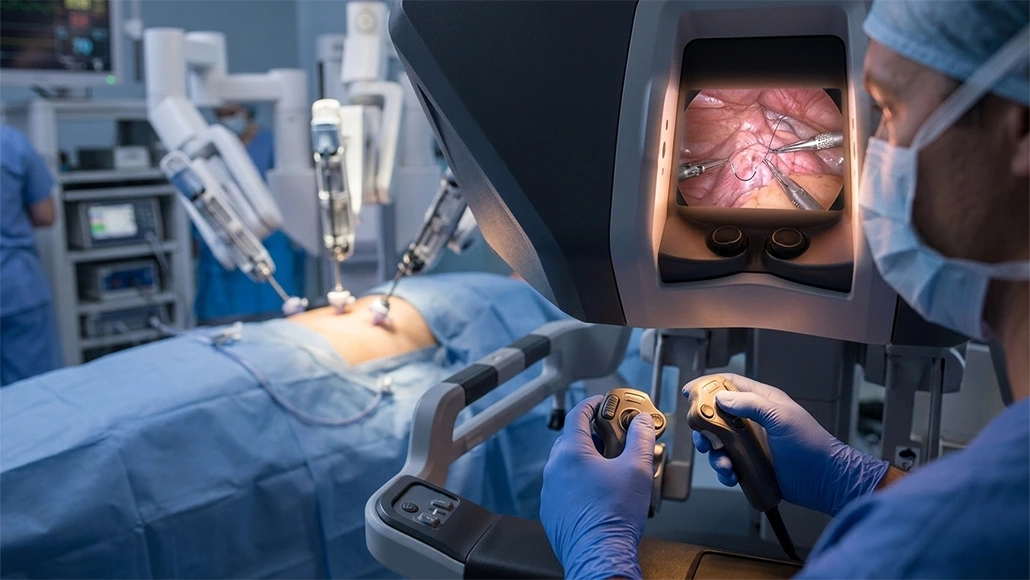
Perhaps the most visible sign of the smart operating room is the presence of advanced robotic-assisted surgical systems. These machines are not meant to replace the surgeon but to augment their capabilities. Through a combination of high-fidelity cameras and tremor-filtering mechanics, robotic systems allow for a level of manual precision that exceeds human limitations. In complex procedures, such as those involving the heart or brain, this precision is often the difference between success and a prolonged recovery. By using robotic assistance, surgeons can perform intricate tasks with greater accuracy and through smaller incisions, which is a key driver of smart operating rooms elevating surgical efficiency.
The relationship between the surgeon and the robot is one of mutual enhancement. While the robot provides stability and visual magnification, the surgeon provides the clinical judgment and experience required to navigate the unique challenges of each patient’s anatomy. Modern surgical technology systems are increasingly incorporating haptic feedback, giving the surgeon a “sense of touch” even when operating through a console. This sensory integration is vital for assessing tissue tension and ensuring that delicate structures are handled with the appropriate level of care. As these systems continue to evolve, the line between human skill and technological assistance will continue to blur, leading to a new era of “augmented surgery” that prioritizes safety and efficacy above all else.
Intraoperative Visualization and Real-Time Guidance
The ability to “see” beneath the surface of the skin in real-time is a transformative capability in the modern OR. Real-time imaging tools, such as intraoperative CT and MRI, allow surgeons to verify their progress without ever leaving the sterile field. This is particularly important in neurosurgery or spinal procedures, where a few millimeters can be critical. By overlaying preoperative scans onto the live surgical view a technique known as augmented reality (AR) surgeons can visualize hidden blood vessels or tumor margins directly on the patient. This visual guidance is a core component of smart operating rooms elevating surgical efficiency, as it reduces the need for “exploratory” maneuvers and minimizes trauma to healthy tissue.
Beyond AR, advanced lighting and camera systems are being integrated with intelligent software to optimize the visual environment. For instance, some systems can automatically adjust the lighting to eliminate shadows or highlight specific anatomical features based on the stage of the procedure. This “smart lighting” ensures that the surgeon always has the best possible view of the surgical site, reducing eye strain and improving focus. The integration of these visual tools into the broader surgical workflow innovation ensures that the operating room remains a high-performance environment where every visual detail is optimized for clinical success.
Automation and Logistical Optimization in the OR
While the technical execution of surgery is paramount, the logistical efficiency of the operating room is equally important for the overall functioning of the hospital. Operating room automation systems are now being used to streamline everything from the sterilization of instruments to the management of consumable supplies. By using RFID tags and automated inventory tracking, the system can ensure that every required tool is available and verified before the patient is even brought into the room. This proactive management prevents the costly delays that occur when a specific instrument is missing, which is a major factor in smart operating rooms elevating surgical efficiency.
Automation also extends to the physical environment of the room itself. Voice-controlled interfaces and gesture-based controls allow surgeons and nurses to adjust the temperature, lighting, or monitor settings without breaking the sterile field. This reduces the need for staff to move around the room, minimizing the risk of contamination and maintaining the focus on the surgical site. Furthermore, intelligent scheduling software can analyze the duration of previous procedures to more accurately predict the timing of the day’s surgical list. This reduces “wait time” for patients and ensures that the OR is utilized at its maximum capacity, contributing to the financial and operational health of the hospital.
The Role of AI and Predictive Analytics in Surgery
As we look toward the future, the integration of artificial intelligence will likely be the next great frontier in surgical efficiency. AI algorithms can analyze real-time physiological data to predict potential complications before they become critical. For example, a system might notice a subtle change in blood pressure or heart rate that often precedes a major event, allowing the anesthesiologist to intervene early. This predictive capability is a significant advancement in patient safety and is a central theme of smart operating rooms elevating surgical efficiency. By acting as a “digital guardian,” AI ensures that the surgical team has the information they need to stay ahead of potential risks.
In addition to monitoring the patient, AI can also provide real-time guidance to the surgeon. By analyzing the video feed of a procedure, the software can identify anatomical landmarks and warn the surgeon if they are approaching a high-risk area, such as a major artery. This “digital assistant” role is particularly valuable for training the next generation of surgeons, providing them with a level of oversight and guidance that was previously impossible. As these systems become more sophisticated, they will be able to provide even more nuanced advice, such as recommending the optimal angle for a suture or identifying the most efficient path for a dissection. The potential for AI to elevate the baseline of surgical performance across the entire medical community is truly profound.
Postoperative Data and Continuous Improvement
The impact of a smart operating room does not end when the patient is moved to the recovery room. The data captured during the procedure provides a wealth of information for long-term analysis. By comparing surgical data with patient outcomes, hospitals can identify which techniques and tools lead to the best results. This evidence-based approach to surgery ensures that the field is constantly evolving and improving. The ability to use data for continuous quality improvement is a key benefit of digital surgery platforms and is essential for maintaining the highest levels of care. It fosters a culture of transparency and learning that is vital for any modern medical institution.
Furthermore, this data is invaluable for the development of new surgical protocols and guidelines. By analyzing thousands of procedures, researchers can identify subtle patterns that lead to better outcomes, such as the optimal timing for prophylactic antibiotics or the most effective methods for pain management. This large-scale data analysis is driving the move toward “precision surgery,” where the surgical approach is tailored to the specific characteristics of the patient and their condition. As we continue to refine our ability to capture and analyze surgical data, the operating room will become an increasingly intelligent and responsive environment, dedicated to the singular goal of patient health and recovery.
Conclusion: The Future of the Surgical Sanctuary
The ongoing journey of smart operating rooms elevating surgical efficiency is a testament to the power of human ingenuity and the pursuit of clinical excellence. We are moving toward a future where the operating room is no longer just a physical space, but a sophisticated digital ecosystem that protects, assists, and informs the surgical team. By embracing these advancements, we are not just adding new technology we are reimagining the very nature of surgery. The goal remains what it has always been: to provide the best possible care for the patient. However, the tools we have at our disposal to achieve that goal are more powerful and precise than ever before.
As we look ahead, the challenges will be both technical and ethical. We must ensure that these technologies are accessible to all patients and that they are used in a way that prioritizes the human element of care. However, the promise of the smart operating room is clear. It offers a future where surgery is safer, more efficient, and more effective for everyone. By continuing to innovate and collaborate, the medical community is ensuring that the operating room remains a sanctuary of healing, powered by the best that modern science and technology have to offer. This is the future of surgery, and it is a future we are building today.