











Close
Digital Health & Ai Innovation summit 2026
Medical Taiwan 2026

Everything You Need to Know About Healthcare Revenue Cycle Management

Note* - All images used are for editorial and illustrative purposes only and may not originate from the original news provider or associated company.

Subscribe

- Never miss a story with notifications

- Gain full access to our premium content

- Browse free from any location or device.

Media Packs

Expand Your Reach With Our Customized Solutions Empowering Your Campaigns To Maximize Your Reach & Drive Real Results!

– Access the Media PackNow

– Book a Conference Call

Leave Message for Us to Get Back

Related stories

Healthcare Wearables Driving Preventive Care Strategies...

Healthcare wearables are profoundly reshaping the landscape of modern medicine, moving the focus from reactive treatment to proactive prevention. This article explores how these sophisticated devices, through real-time health tracking, advanced wellness monitoring, and early risk detection, empower individuals and medical professionals alike to implement smarter, more effective preventive care strategies, ultimately fostering a healthier, more informed populace.

Digital Health Technologies Enhancing Modern Care...

Digital health technologies are fundamentally reshaping how healthcare is delivered, moving beyond traditional models to offer more efficient, accessible, and patient-centered solutions. From the widespread adoption of telehealth platforms to the seamless integration of Electronic Health Records (EHR) and the proactive insights gained from remote patient monitoring, these innovations are not merely incremental improvements but represent a profound healthcare digital transformation. This article delves into how these advanced digital health technologies are enhancing care delivery, optimizing clinical workflows, and fostering a new era of proactive, personalized patient care, ultimately driving better outcomes for individuals and healthcare systems alike.

AI Powered Diagnostics Improving Clinical Accuracy...

AI powered diagnostics are revolutionizing healthcare by significantly enhancing clinical accuracy. Through advanced medical image analysis, early disease detection, and robust data-driven clinical decisions, these diagnostic AI tools are transforming patient outcomes and empowering clinicians with unprecedented precision. This article delves into how artificial intelligence is becoming an indispensable force in modern diagnostics, ensuring a future of more reliable and effective healthcare.

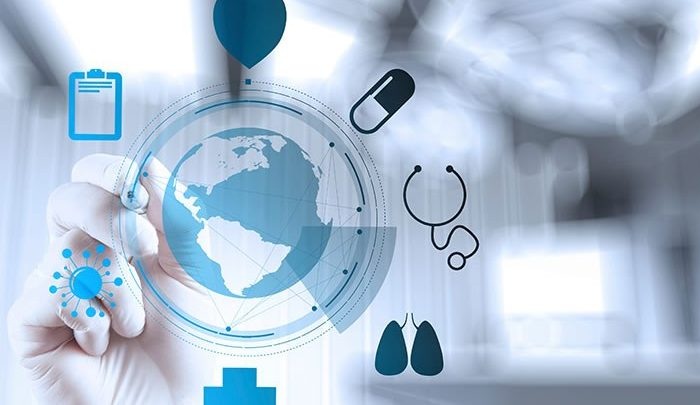
Revenues are important to any business. It’s what pays the bills and keeps the business in operation. Anything that may interfere with revenue generation must be dealt with as soon as possible lest you close your doors.

For a medical institution, Healthcare Revenue Cycle Management is critical to ensure the institution remains in operation. This article aims to provide key pointers in this cycle and how to tackle each one.

1. To Outsource or Not?
The answer to this is simple because it all depends on the size of the medical organization. For a small medical organization with limited skilled IT manpower, then the best way to handle RCM is by installing medical billing software.

For a huge organization, on the other hand, outsourcing this service to experienced third-party experts is the best approach. However, outsourcing may also be a stellar approach for small organizations since it frees them of this tedious task and so they can focus on the main issues including treating patients.

2. Pre-Authorizing Patients
The US government specifies this as a decision made by a health insurer that certain medical prescriptions, services, equipment or procedures are necessary. Note that there’s an exception when it comes to medical emergencies.

Also, keep in mind pre-authorization for certain procedures or prescriptions doesn’t mean the health insurer will pay the bill. Therefore, it’s best for patients to confirm with their providers for the avoidance of doubt.

3. Verifying Benefits and Eligibility
One of the most tedious jobs front office staff have to go through is verifying benefits and eligibility for patients. Doing this over the phone is grueling not to mention time wasting which ends up draining the energy from your employees.

However, it doesn’t have to be like this. Installing RCM software will kill the back and forth arguments at the front office, thus reducing time when verifying whether a patient is eligible for a certain benefit.

4. Submitting Claims
Filing claims is also a time-consuming affair and improper paperwork when submitting claims means you don’t receive payment. With a practice management software in place, claims submissions becomes easy because everything is automatic.

This software also comes in handy when making batch submissions and since human error is inevitable, the software is capable of detecting mistakes and alerting the user to take corrective measures.

5. Posting Payments
After a successful claims’ submission, the next step is payment posting and afterward, payment is made by the patient.
With an RCM software in place, this entire process can be simpler and faster, thus improving efficiency within the organization.

Furthermore, the system can send messages to the patients which encourages them to pay you faster.

6. Denial Management
It’s important to investigate how much in revenues you could be losing due to denied claims. If the losses are significant, then it’s time to consider putting in place a solid denial management strategy.

Incorrect filings are one of the most the common problems medical institutions have to grapple with. However, with denial management, you can uncover certain patterns which may stifle revenues.

7. Report Generation
Reports are critical for any institution. With them, you can set new goals after smashing the old ones or even identify roadblocks hindering you from hitting your goals.

Often, RCM software generates detailed reports which include financial data, performance indicators and management information all critical to the organization.

Now you know just about everything related to healthcare revenue cycle management. All that is left to do at this point is to put these pointers into practice and watch as your organization grows.

MEDICAL FAIR ASIA 2026

Latest stories

Related stories

Healthcare Wearables Driving Preventive Care Strategies Today

Healthcare wearables are profoundly reshaping the landscape of modern medicine, moving the focus from reactive treatment to proactive prevention. This article explores how these sophisticated devices, through real-time health tracking, advanced wellness monitoring, and early risk detection, empower individuals and medical professionals alike to implement smarter, more effective preventive care strategies, ultimately fostering a healthier, more informed populace.

Digital Health Technologies Enhancing Modern Care Delivery

Digital health technologies are fundamentally reshaping how healthcare is delivered, moving beyond traditional models to offer more efficient, accessible, and patient-centered solutions. From the widespread adoption of telehealth platforms to the seamless integration of Electronic Health Records (EHR) and the proactive insights gained from remote patient monitoring, these innovations are not merely incremental improvements but represent a profound healthcare digital transformation. This article delves into how these advanced digital health technologies are enhancing care delivery, optimizing clinical workflows, and fostering a new era of proactive, personalized patient care, ultimately driving better outcomes for individuals and healthcare systems alike.

AI Powered Diagnostics Improving Clinical Accuracy in Healthcare

AI powered diagnostics are revolutionizing healthcare by significantly enhancing clinical accuracy. Through advanced medical image analysis, early disease detection, and robust data-driven clinical decisions, these diagnostic AI tools are transforming patient outcomes and empowering clinicians with unprecedented precision. This article delves into how artificial intelligence is becoming an indispensable force in modern diagnostics, ensuring a future of more reliable and effective healthcare.

Advanced Rehabilitation Technologies Supporting Faster Recovery

The landscape of rehabilitation is undergoing a profound transformation, driven by cutting-edge advancements. This article explores how advanced rehabilitation technologies are revolutionizing patient recovery, offering unprecedented precision, personalization, and engagement. From sophisticated robotic systems and immersive virtual reality environments to smart wearables and AI-driven insights, these innovations are significantly enhancing therapeutic outcomes, making recovery journeys more efficient, accessible, and motivating for individuals striving to regain function and independence.

Subscribe

- Never miss a story with notifications

- Gain full access to our premium content

- Browse free from any location or device.

Media Packs

Expand Your Reach With Our Customized Solutions Empowering Your Campaigns To Maximize Your Reach & Drive Real Results!

– Access the Media Pack Now

– Book a Conference Call

Leave Message for Us to Get Back

Translate »