










Close
Digital Health & Ai Innovation summit 2026
Medical Taiwan 2026

5 Technologies That Help Hospitals Respond to Emergencies

Note* - All images used are for editorial and illustrative purposes only and may not originate from the original news provider or associated company.

Subscribe

- Never miss a story with notifications

- Gain full access to our premium content

- Browse free from any location or device.

Media Packs

Expand Your Reach With Our Customized Solutions Empowering Your Campaigns To Maximize Your Reach & Drive Real Results!

– Access the Media PackNow

– Book a Conference Call

Leave Message for Us to Get Back

Related stories

Healthcare Financing Models Supporting Modern Care...

The transformation of the economic foundations of medicine from a volume-based to a value-based model represents the most significant shift in clinical administration in over a generation. In an era of rising costs and an aging population, the traditional "fee-for-service" approach is being replaced by sophisticated financial structures that incentivize high-quality outcomes and long-term health maintenance. By integrating insurance innovation, sustainable investment strategies, and data-driven cost optimization, healthcare financing models supporting modern care delivery are becoming the primary driver of clinical sustainability and innovation. This evolution ensures that financial resources are allocated where they have the most impact improving the lives of patients and ensuring that the healthcare system remains resilient and accessible for every member of society.

Regulatory Compliance in Healthcare Technology Advancements

The rapid integration of sophisticated digital tools into clinical practice requires a robust and adaptive oversight framework to ensure that innovation never comes at the expense of patient safety or data integrity. As medical technologies evolve from simple mechanical devices to complex, AI-driven diagnostic and therapeutic systems, the role of governmental and professional standards becomes increasingly critical. By establishing clear certification processes and rigorous risk management protocols, regulatory compliance in healthcare technology advancements is becoming the primary guardian of quality in the modern medical landscape. This commitment to oversight ensures that the benefits of high-tech medicine such as improved accuracy and more personalized treatments are delivered within a secure and ethically sound environment, effectively bridging the gap between scientific discovery and safe clinical application.

Healthcare Interoperability Enabling Connected Care Systems

The ability of disparate digital platforms to seamlessly exchange and interpret clinical information represents the critical infrastructure upon which modern medicine is built. In a complex care environment where patients often interact with multiple specialists, pharmacists, and community health providers, the lack of data connectivity can lead to fragmented care and significant safety risks. By establishing a unified framework for data exchange and electronic health records integration, healthcare interoperability enabling connected care systems is becoming the primary driver of clinical coordination and efficiency. This transformation ensures that the right information reaches the right provider at the right time, creating a comprehensive "clinical narrative" that supports better decision-making and a more patient-centered approach to healing.

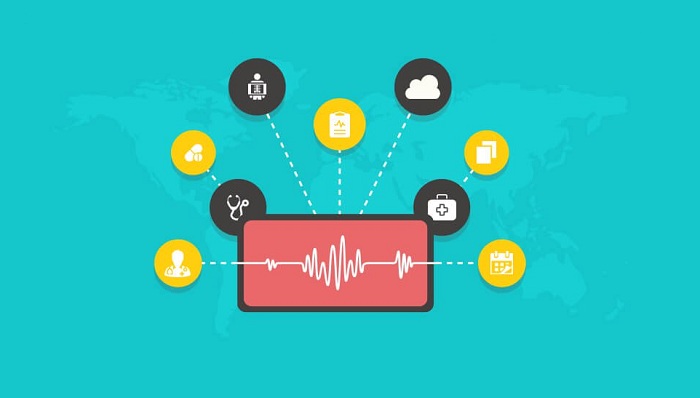
Emergencies are common occurrences in hospitals. Nevertheless, health facilities must determine the best ways to deal with possible crises.

Often, technology can help. Read the five examples below to learn more.

1.Predictive Analytics to Minimize Outbreaks

Hospital staff gear up for flu season each year with practiced efficiency. They gather data about regional and national trends and determine the possibility of a flu epidemic. However, some facilities take prevention a step further with predictive analytics.

At Detroit Medical Center, predictive analytics software examines medical records to find instances of patients with flu-like symptoms. It also evaluates the likelihood of a person receiving a flu vaccination.

The system aids users in finding patients who are at least 75% likely to develop the flu within the next two to three months. After, hospital representatives start outreach campaigns to connect with vulnerable individuals.

Some organize free flu shot clinics in areas with an above-average rate of unvaccinated people. Alternatively, they might send texts or visit homes of unvaccinated individuals to encourage them to vaccinate.

These measures do not mean a flu outbreak won’t happen. Instead, they inform hospitals about when one may occur and which facilities may get hit hardest.

2. Telehealth to Streamline Care Coordination

Telehealth advancements enable people to get medical help without leaving their homes. Furthermore, some hospitals are assessing ways to use technology to help remote parties assist after disasters. A distributed communications platform would allow health care professionals to support emergency services in any given area.

Telephone or video conversations can help specialists deliver care fast. When a natural disaster causes immense damage to a hospital’s facilities, mobile telehealth units could improve patient care without major hiccups.

If the line of communication is open during challenging circumstances, teams on the ground can discuss specifics when it comes to injury and illness. Remote professionals can guide rescue workers on how to treat and aid those affected.

3.Satellite Mapping to Determine Disaster Areas

Floods can also put strains on hospitals and their employees. It often takes days for floodwaters to recede, meaning a prolonged period of increased demand at local health care facilities. Plus, it’s often impossible to assess flood damage until water levels go down.

Researchers at the University of Connecticut recently developed a satellite mapping technology to tackle these challenges. They claim it’s an efficient method for evaluating damage soon after a flood hits. The team thinks their achievement could lead to better flood forecasts.

Local authorities can skillfully address mass casualty incidents (MCIs) when they have information about potential and actual damage. An MCI — any emergency with multiple deaths — can fall into several categories, such as active shooter situations, terrorist acts and natural disasters.

An MCI often requires numerous emergency responders and reliable communications between various groups on the scene. When satellite maps confirm flood damage, it’s easier for emergency responders and hospital employees to understand what to anticipate.

Members of the University of Connecticut group who built this technology say it’s completely automated. There’s no need for humans to interpret the results to get the most meaning from them.

4. Chatbots to Help Treat Symptoms at Home

When some feel sick, they make a beeline for the emergency room, especially those without a primary care physician. Health organizations believe chatbots could cut down on emergency room visits for non-life-threatening sickness.

A hospital chain in Northern California called Sutter Health launched a chatbot in 2019 that helps users learn whether their symptoms warrant urgent treatment. After one tester used it during suspected food poisoning, the verdict came out — chatbots won’t replace doctors, but they could help them.

For example, a physician might refer to the chatbot transcript to save time when asking about symptoms. One chatbot, known as Ada Health, gives users a range of options for treatment based on their responses. The influx of information has a calming effect on anxious people, helping them realize they don’t need to dash to the emergency room.

Hospital staff could also use chatbot interactions to prepare for potential influxes. For example, if an above-average number of users confess severe food poisoning, hospital workers might call in additional staff or communicate with the health department.

5. E-Triage Systems for Better Resource Allocation

The triage process determines which patients need prioritized care. High-tech systems could help employees make decisions faster.

One so-called e-triage tool uses machine learning to compare an incoming patient’s information with data from similar patients. The system identified 10% more people likely to experience critical outcomes. Selected patients could benefit from faster treatment. With these resources, hospitals can prioritize patients with genuine emergencies.

Hospital workers are accustomed to dealing with urgent situations, but they wouldn’t mind extra support. The five examples above, like predictive analysis and smart chatbots, prove technology could be the solution.

MEDICAL FAIR ASIA 2026

Latest stories

Related stories

Healthcare Financing Models Supporting Modern Care Delivery

The transformation of the economic foundations of medicine from a volume-based to a value-based model represents the most significant shift in clinical administration in over a generation. In an era of rising costs and an aging population, the traditional "fee-for-service" approach is being replaced by sophisticated financial structures that incentivize high-quality outcomes and long-term health maintenance. By integrating insurance innovation, sustainable investment strategies, and data-driven cost optimization, healthcare financing models supporting modern care delivery are becoming the primary driver of clinical sustainability and innovation. This evolution ensures that financial resources are allocated where they have the most impact improving the lives of patients and ensuring that the healthcare system remains resilient and accessible for every member of society.

Regulatory Compliance in Healthcare Technology Advancements

The rapid integration of sophisticated digital tools into clinical practice requires a robust and adaptive oversight framework to ensure that innovation never comes at the expense of patient safety or data integrity. As medical technologies evolve from simple mechanical devices to complex, AI-driven diagnostic and therapeutic systems, the role of governmental and professional standards becomes increasingly critical. By establishing clear certification processes and rigorous risk management protocols, regulatory compliance in healthcare technology advancements is becoming the primary guardian of quality in the modern medical landscape. This commitment to oversight ensures that the benefits of high-tech medicine such as improved accuracy and more personalized treatments are delivered within a secure and ethically sound environment, effectively bridging the gap between scientific discovery and safe clinical application.

Healthcare Interoperability Enabling Connected Care Systems

The ability of disparate digital platforms to seamlessly exchange and interpret clinical information represents the critical infrastructure upon which modern medicine is built. In a complex care environment where patients often interact with multiple specialists, pharmacists, and community health providers, the lack of data connectivity can lead to fragmented care and significant safety risks. By establishing a unified framework for data exchange and electronic health records integration, healthcare interoperability enabling connected care systems is becoming the primary driver of clinical coordination and efficiency. This transformation ensures that the right information reaches the right provider at the right time, creating a comprehensive "clinical narrative" that supports better decision-making and a more patient-centered approach to healing.

Patient Engagement Technologies Enhancing Care Experience

The evolution of clinical care from a provider-centric model to one that actively involves the individual represents a profound shift in the modern medical landscape. By integrating digital communication tools, comprehensive patient portals, and intuitive mobile health applications, healthcare institutions are empowering individuals to take a leading role in their own wellness journeys. This transformation is not merely about the introduction of new software; it is about fostering a collaborative environment where information flows freely and the patient-provider relationship is built on a foundation of mutual transparency and respect. As these systems become more sophisticated, patient engagement technologies enhancing care experience are becoming the primary catalyst for improved health outcomes and a more personalized standard of care.

Subscribe

- Never miss a story with notifications

- Gain full access to our premium content

- Browse free from any location or device.

Media Packs

Expand Your Reach With Our Customized Solutions Empowering Your Campaigns To Maximize Your Reach & Drive Real Results!

– Access the Media Pack Now

– Book a Conference Call

Leave Message for Us to Get Back

Translate »