Close
Digital Health & Ai Innovation summit 2026
LiGHT26

UNIFI Autism Care’s Dr. Breanne Hartley Named President of the Behavior Analyst Certification Board (BACB)

UNIFI Autism Care, a leading provider of autism treatment and support, announced today that Chief Clinical Officer Dr. Breanne Hartley, PhD, BCBA-D, LBA, has been elected as the President of the Board of Directors for the Behavior Analyst Certification Board (BACB). Dr. Hartley, a dedicated advocate for the advancement of behavior analysis, has served on the BACB board since 2022, most recently holding the Treasurer position.

Dr. Hartley was voted into the board by her peers and fellow Board Certified Behavior Analysts (BCBAs), following a competitive election process in 2022. In her new role as BACB President, Dr. Hartley will lead the board in governance and strategic direction, ensuring that the organization operates in alignment with its mission and goals. Her responsibilities will also include advocating for the importance of certification in behavior analysis, collaborating with other organizations and promoting high ethical standards within the profession.

“I am honored to step into the role of president,” said Dr. Hartley. “It has been an exceptional experience serving on the BACB board, and I am passionate about continuing to advance the goals of the BACB. I look forward to assisting to enhance practice standards for ABA and shape the future of our profession.”

Dr. Hartley’s tenure as treasurer has equipped her with insights into BACB’s financial strategy and governance, enabling her to effectively monitor BACB’s financial health and promote stability within the organization.

“My time as treasurer allowed me to grasp the intricacies of financial planning and resource allocation for the organization, which will be essential as I step into the role of president,” she added.

Board members of the BACB serve three-year terms, with the possibility of re-election for up to two additional terms. Dr. Hartley has already completed two years on the board, positioning her to potentially serve as president into 2028.

Top Mistakes to Avoid When Purchasing Medical Supplies Online

When purchasing medical supplies online, it is crucial to conduct thorough research to ensure the acquisition of suitable products that meet specific needs. Begin by compiling a list of required medical supplies, taking into account any recommendations from healthcare professionals. Once the necessary items are identified, research various brands and products to find the most suitable options.

It is essential to explore reputable websites and online stores specializing in medical supplies, and to read customer reviews and ratings to gauge product quality and reliability. Additionally, it is vital to consider the specific requirements of the medical supplies being sought. By investing time in researching and understanding the specific requirements of the necessary medical supplies, informed decisions can be made, and the purchase of unsuitable products can be avoided.

Understanding the Importance of Quality and Safety

Look for Regulatory Approvals

Look for medical supplies that are FDA-approved or meet other relevant regulatory standards, as this can provide assurance that the products have been tested and proven to be safe and effective for their intended use.

Brand Reputation and Certifications

Consider the reputation of the brands and manufacturers of the medical supplies you are considering, as well as any certifications or accreditations they may have.

Safety Features and Considerations

Ensure that the products you are considering are designed and manufactured with safety in mind, with features such as secure closures, non-toxic materials, and clear usage instructions. It’s also important to consider any potential risks or contraindications associated with the medical supplies you are considering, particularly if you have any underlying health conditions or allergies. By prioritizing quality and safety when shopping for medical supplies online, you can minimize the risk of using products that may be ineffective or potentially harmful.

Comparing Prices and Reviews

One crucial benefit of buying medical supplies online is the ability to compare prices and read reviews from other customers. Before making a purchase, take the time to compare prices from different online retailers to ensure that you are getting the best value for your money. You can also visit well-known coupon websites like Bountii to make sure you are getting your medical supplies at best price possible. Keep in mind that the lowest price may not always equate to the best deal, as it’s important to consider factors such as shipping costs, return policies, and customer service.

Read customer reviews and ratings for the medical supplies you are considering to get an idea of the experiences other people have had with the products. Look for patterns in the reviews, such as recurring issues or positive feedback, to help inform your decision. Furthermore, when comparing prices and reviews for medical supplies online, it’s important to consider the overall value of the products.

Checking for Authenticity and Certification

When shopping for medical supplies online, it’s essential to verify the authenticity and certification of the products you are considering. Look for reputable online retailers that are authorized distributors of the medical supplies they sell, as this can provide assurance that the products are genuine and not counterfeit. Additionally, check for any relevant certifications or accreditations that indicate that the products meet industry standards for quality and safety.

Look for clear and accurate product descriptions and specifications, as well as detailed information about the manufacturer and any relevant regulatory approvals. By checking for authenticity and certification when shopping for medical supplies online, you can reduce the risk of purchasing products that may be ineffective or unsafe.

Avoiding Overstocking and Wasting Money

When shopping for medical supplies online, it’s important to avoid overstocking on products that you may not need or use. While it can be tempting to stock up on medical supplies in bulk to save money or ensure that you have an ample supply on hand, overstocking can lead to waste and unnecessary expenses. Before making a purchase, carefully assess your needs and usage patterns to determine how much of each product you actually require.

Consider factors such as expiration dates for consumable items, as well as any changes in your healthcare needs that may affect your usage of certain medical supplies.

Furthermore, be mindful of any storage requirements or limitations for the medical supplies you are considering. Some products may require specific storage conditions, such as temperature control or protection from light, which may impact your ability to stock up on large quantities. By avoiding overstocking on medical supplies and being mindful of your actual needs, you can minimize waste and ensure that you are making cost-effective purchases.

Being Aware of Return and Exchange Policies

Understanding Return Policies

While it’s always best to make informed decisions and choose products that meet your needs, there may be instances where you need to return or exchange items due to factors such as incorrect sizing or compatibility issues. Look for retailers that offer clear and fair return policies, including details about return windows, refund options, and any associated restocking fees or return shipping costs.

Specific Requirements and Limitations

Be aware of any specific requirements or limitations for returning or exchanging medical supplies, particularly if they are consumable items or have specific hygiene considerations. Some retailers may have restrictions on returning certain types of medical supplies due to health and safety regulations, so it’s important to understand these policies before making a purchase.

Seeking Professional Advice and Recommendations

Finally, when shopping for medical supplies online, don’t hesitate to seek professional advice and recommendations from healthcare providers or other qualified professionals. If you have specific healthcare needs or conditions that require specialized medical supplies, consult with your healthcare provider to get personalized recommendations for suitable products. Your healthcare provider can provide valuable insights into which products are most appropriate for your needs, as well as any specific considerations or precautions you should be aware of.

In addition to seeking advice from healthcare providers, consider reaching out to other individuals who may have experience with similar healthcare needs or medical supplies. Online communities and support groups can be valuable resources for getting firsthand recommendations and insights from people who have used specific products.

Shopping for medical supplies online can offer convenience and accessibility, but it’s important to approach the process with caution and diligence. With careful consideration and attention to detail, you can navigate the process of shopping for medical supplies online with confidence and peace of mind.

8 Reasons why Mergers and Acquisitions Fail in Healthcare

ORGANIZATIONS THAT TRACK MERGER AND ACQUISITION ACTIVITY OFTEN REPORT THAT APPROXIMATELY 50% OF TRANSACTIONS END UP ULTIMATELY FAILING. Some may be surprised

that so many deals end unsuccessfully, but trying to integrate two separate entities, often with disparate cultures and “personalities,” is a complex and risky proposition. Reasons for doing a deal must make sense (i.e., are properly vetted), and a thorough examination of the ability of combined entities to adapt and “change stripes” can be critical. Too often, important considerations are deferred (“we’ll look at that later”) versus a proactive attempt to identify barriers that need to be overcome for a combination to be successful.

Having witnessed some successful mergers as well as being part of two failed acquisitions, my take on key reasons for failure is outlined below.

Click Here To Download The Whitepaper

Preventing a Hospital Failure: Key Leadership Pitfalls to Avoid

We are in an unprecedented era of financial distress for hospitals across the United States. As business entities, hospitals are among the most complex and challenging to manage, and they face a myriad of external headwinds (e.g., labor challenges, declining reimbursement, physician shortages, aging facilities, rapid changes in technology and innovation, post-COVID effects of consumer behavior and usage). Some hospital closures are unavoidable—the result of market dynamics or health system reconfiguration. Others can be averted if leadership can avoid the following traps that are commonly seen with failed hospitals.

Click Here To Download The Whitepaper

Pain Relief Solutions for Pinched Nerves

Pinched nerves can be a source of significant discomfort and disruption in daily life. This article explores various pain relief solutions for those suffering from this condition, providing in-depth information on both conventional and alternative approaches.

Understanding Pinched Nerves

Before delving into relief solutions, it’s crucial to understand what a pinched nerve is and how it occurs. A pinched nerve, also known as nerve compression, happens when excessive pressure is applied to a nerve by surrounding tissues such as bones, cartilage, muscles, or tendons. This pressure disrupts the nerve’s function, causing pain, tingling, numbness, or weakness in the affected area.

Pinched nerves can occur in various parts of the body, with some common locations including the neck (cervical radiculopathy), lower back (lumbar radiculopathy or sciatica), and wrist (carpal tunnel syndrome). The symptoms and severity can vary depending on the location and degree of compression.

Conservative Treatment Approaches

Rest and Activity Modification

One of the first and most crucial steps in addressing a pinched nerve is to allow the affected area to rest. This doesn’t necessarily mean complete immobilization, but rather a reduction in activities that exacerbate the symptoms. For instance, if you have a pinched nerve in your neck, you might need to avoid activities that require prolonged neck extension or flexion.

Activity modification involves identifying and altering daily habits or work-related tasks that may be contributing to the nerve compression. This could include adjusting your workstation ergonomics, changing your sleeping position, or modifying your exercise routine. The goal is to reduce pressure on the affected nerve and allow it time to heal.

It’s important to note that while rest is beneficial, prolonged inactivity can lead to muscle weakness and stiffness. Therefore, a balance between rest and gentle movement is often recommended. Your healthcare provider can guide you on the appropriate level of activity for your specific condition.

Physical Therapy

Physical therapy plays a crucial role in the treatment of pinched nerves. A skilled physical therapist can design a customized program to address your specific needs and help alleviate pain while improving function.

The therapy may include a combination of stretching exercises to improve flexibility and reduce tension in the affected area, strengthening exercises to support the surrounding structures, and postural education to prevent future episodes. For example, in the case of a pinched nerve in the lower back, exercises that focus on core strengthening and improving lumbar flexibility may be prescribed.

Physical therapists may also employ various manual therapy techniques such as soft tissue mobilization, joint mobilization, or traction to help relieve pressure on the affected nerve. These hands-on approaches can help to decrease pain, improve range of motion, and promote healing.

In addition to in-clinic treatments, physical therapists typically provide patients with a home exercise program. Consistent performance of these exercises is often key to achieving long-term relief and preventing recurrence.

Medications

Medications can play a significant role in managing the pain and inflammation associated with pinched nerves. The choice of medication depends on the severity of symptoms and individual patient factors.

Over-the-counter (OTC) nonsteroidal anti-inflammatory drugs (NSAIDs) such as ibuprofen or naproxen are often the first line of pharmacological treatment. These medications help reduce both pain and inflammation. Acetaminophen is another OTC option that can help with pain relief, although it doesn’t have anti-inflammatory properties.

In cases of more severe pain, prescription medications may be necessary. These might include stronger NSAIDs, muscle relaxants to reduce muscle spasms that may be contributing to nerve compression, or in some cases, short-term use of opioid pain relievers.

For nerve-related pain, medications specifically targeting nerve pain (neuropathic pain) may be prescribed. These include gabapentin, pregabalin, or certain antidepressants that have been found effective in managing nerve pain.

In some cases, oral corticosteroids may be prescribed for short-term use to reduce inflammation around the affected nerve. However, these are typically reserved for more severe cases due to potential side effects with long-term use.

It’s crucial to note that all medications should be taken under the guidance of a healthcare professional, as they can have side effects and may interact with other medications or medical conditions.

Alternative and Complementary Approaches

Acupuncture

Acupuncture, an ancient practice rooted in traditional Chinese medicine, has gained recognition as a potential treatment for various pain conditions, including pinched nerves. This technique involves the insertion of thin needles into specific points on the body to promote healing and alleviate pain.

The underlying principle of acupuncture is based on the concept of qi (pronounced “chee”), which is believed to be the body’s vital energy flowing through pathways called meridians. According to this theory, pain and illness result from blockages or imbalances in the flow of qi. Acupuncture aims to restore balance and promote the free flow of energy.

From a Western medical perspective, acupuncture is thought to work by stimulating the nervous system, triggering the release of natural pain-relieving chemicals like endorphins, and promoting blood flow to the affected area. Some studies suggest that acupuncture may help reduce inflammation and alter pain perception.

For pinched nerves, an acupuncturist might target points along the affected nerve pathway as well as other points believed to influence pain and inflammation. The treatment is typically painless, with patients often reporting a sense of relaxation during and after the session.

While research on acupuncture for pinched nerves specifically is limited, some studies have shown promising results for related conditions such as neck pain, back pain, and sciatica. However, more research is needed to fully understand its effectiveness and optimal use for nerve compression syndromes.

It’s important to note that acupuncture should be performed by a licensed practitioner using sterile needles. As with any treatment, it’s advisable to consult with your healthcare provider before starting acupuncture, especially if you’re taking blood thinners or have a bleeding disorder.

Chiropractic Care

Chiropractic care is another alternative approach that some people find beneficial for managing pinched nerve pain. Chiropractors focus on the relationship between the body’s structure, particularly the spine, and its function. They use various techniques to manipulate and adjust the spine and other parts of the body to improve alignment, alleviate pain, and promote healing.

For pinched nerves, a chiropractor might use spinal manipulation or adjustments to relieve pressure on the affected nerve. These techniques aim to increase the space in the neural foramen (the opening where nerves exit the spine), potentially reducing compression on the nerve root.

In addition to spinal adjustments, chiropractors may employ other techniques such as:

  1. Flexion-distraction: A gentle, non-thrusting type of spinal manipulation.
  2. Instrument-assisted soft tissue therapy: Using specialized tools to treat affected muscles.
  3. Trigger point therapy: Applying pressure to specific points to alleviate muscle tension.
  4. Exercises and stretches: Prescribing specific movements to improve flexibility and strength.

While some patients report significant relief from chiropractic care, the scientific evidence for its effectiveness in treating pinched nerves is mixed. As with any treatment, there are potential risks and side effects, and chiropractic care may not be suitable for everyone, particularly those with certain health conditions.

Advanced Interventions

When conservative treatments and alternative approaches fail to provide adequate relief, more advanced interventions may be considered. These are typically reserved for cases where pain is severe, persistent, or accompanied by progressive neurological symptoms.

Epidural Steroid Injections

Epidural steroid injections involve the administration of corticosteroids into the space around the spinal cord (the epidural space). This procedure aims to deliver a powerful anti-inflammatory medication directly to the area of nerve irritation.

The injection typically contains a corticosteroid and a local anesthetic. The steroid helps reduce inflammation and swelling around the affected nerve root, while the anesthetic provides immediate, short-term pain relief.

This procedure is most commonly used for pinched nerves in the neck (cervical radiculopathy) or lower back (lumbar radiculopathy or sciatica). It can provide significant pain relief, allowing patients to participate more effectively in physical therapy and rehabilitation programs.

While epidural injections can be highly effective for some patients, the relief is often temporary, lasting anywhere from a few weeks to several months. The number of injections a patient can receive is typically limited due to potential side effects associated with repeated steroid use.

Surgery

Surgery is generally considered a last resort for pinched nerves, reserved for cases where conservative treatments have failed, or when there’s evidence of progressive nerve damage or severe, persistent pain.

The type of surgery depends on the location and cause of the nerve compression. Some common surgical procedures include:

  1. Microdiscectomy: For pinched nerves caused by herniated discs in the spine, a portion of the disc material pressing on the nerve is removed.
  2. Laminectomy: This procedure involves removing a portion of the vertebral bone (lamina) to create more space for the nerves.
  3. Foraminotomy: This surgery enlarges the opening where nerve roots exit the spine.
  4. Anterior Cervical Discectomy and Fusion (ACDF): Used for pinched nerves in the neck, this procedure involves removing the problematic disc and fusing the vertebrae.
  5. Carpal Tunnel Release: For pinched nerves in the wrist causing carpal tunnel syndrome, this surgery involves cutting the ligament that forms the roof of the carpal tunnel to reduce pressure on the median nerve.

Surgical interventions carry risks and require significant recovery time. The decision to undergo surgery should be made carefully, considering factors such as the severity of symptoms, the impact on quality of life, and the potential risks and benefits.

Conclusion

Managing pain from pinched nerves often requires a multifaceted approach. While conservative treatments like rest, physical therapy, and medications are often effective, alternative approaches such as acupuncture and chiropractic care may provide additional relief for some individuals. In cases where these methods prove insufficient, more advanced interventions like epidural injections or surgery may be necessary.

It’s important to work closely with healthcare providers to develop a comprehensive treatment plan tailored to your specific condition and needs. Remember that recovery can take time, and a combination of patience, persistence, and the right treatments can lead to significant improvement in symptoms and quality of life.

Using GPS Trackers For Personal Security and Peace of Mind

In today’s world, the importance of personal security has become paramount, leading many individuals to rely on GPS trackers as tools to enhance safety. Consumers across various demographics have embraced the advantages of GPS trackers for personal security in recent times.

These benefits include enhancing safety levels and providing a sense of peace and security to both users and their loved ones. This article talks about the diverse types of GPS trackers available in the market, how the technology operates, and the essential factors to consider when selecting the suitable GPS tracker for your personal security requirements.

We explore the additional features that can enhance security and present real-life examples and testimonials illustrating how GPS trackers have offered users a sense of peace and security.

Benefits of Using GPS Trackers for Personal Security

The best available benefit of GPS trackers is the enhancement of personal security. People’s safety is guaranteed by the high level of accuracy in tracking personal locations and the prompt emergency response time provided by these devices.

Increased Safety and Peace of Mind

The primary purpose of GPS trackers is to enhance safety and provide users with a sense of peace of mind regarding their safety and well-being. They facilitate location awareness and offer users various options that contribute to a feeling of safety and overall tranquility.

Some key ways GPS trackers achieve this include real-time location tracking, which can be essential in emergencies such as accidents or when someone is lost. Advanced features like geofencing enable users to establish virtual boundaries and receive alerts when a person or object exits the designated area.

This feature has a significant impact on safety and well-being as it provides an additional layer of protection.The introduction of SOS buttons in certain GPS trackers allows users to send immediate distress signals, further enhancing their sense of security.

Types of GPS Trackers

GPS trackers are categorized based on their intended uses for security and safety. Wearable Trackers are utilized to track humans and primarily serve personal safety purposes. Vehicle Trackers aim to enhance vehicle security and are commonly employed for monitoring.

Asset Tracking Devices are specifically designed to prevent theft by tracking valuable goods and are utilized for monitoring purposes. Portable Trackers are versatile and can be employed in various scenarios to monitor a wide range of things.

Wearable vs. Vehicle Trackers

The choice between wearable and vehicle trackers depends on specific use case requirements. Wearable trackers offer on-the-go personal security with a compact design and integration with real-time tracking apps, while vehicle trackers primarily enhance automobile security through advanced tracking technology.

Wearable trackers are ideal for individuals requiring continuous monitoring and easy accessibility. Vehicle trackers boast more advanced GPS and Wi-Fi capabilities, enabling precise location tracking and remote monitoring. 

Wearable trackers are designed to be small, comfortable, and suitable for daily wear, whereas vehicle trackers are rugged and provide detailed vehicle diagnostics for optimized performance. The real-time tracking apps accompanying wearable trackers can monitor activity levels, health metrics, and sometimes offer emergency alerts.

On the other hand, advanced vehicle tracking systems provide features like geo-fencing, engine diagnostics, and fuel management tools for enhanced fleet management and security.Both wearable and vehicle trackers enhance safety and monitoring capabilities within their respective domains.


The technology of GPS trackers involves a combination of GPS technology, data privacy technology, and advanced tracking accuracy. Benefits of GPS trackers include real-time tracking, accurate location data, and user privacy monitoring.

The GPS technology of GPS trackers ensures accurate location tracking by receiving signals broadcast by satellites. This information is processed by a network of satellites to ensure that your device regularly recalculates your location.

GPS trackers use encrypted communication channels, which help protect the privacy of the user by preventing unauthorized access to sensitive data. These features have made GPS trackers very useful for asset tracking, personal safety, and fleet management applications.

Choosing the Right GPS Tracker

When selecting the best GPS tracker, it is important to consider specific factors to ensure optimal performance. These factors include:

  • determining if the GPS tracker is suitable for the type of tracking required
  • assessing the availability and user-friendliness of a monitoring app
  • checking for critical safety features
  • evaluating the effectiveness of emergency services in providing adequate security

Factors to Consider

When evaluating GPS trackers, key features to consider include tracking solutions, GPS accuracy, route tracking, tracking coverage, and availability of emergency contacts. These parameters are essential for ensuring the functionality and reliability of GPS tracking devices.

  • Tracking Solutions: Trackers provide various solutions, such as offering tracking data to software or apps or functioning as autonomous tracking devices.
  • GPS Accuracy: The accuracy of GPS trackers is crucial for effectively locating a person or asset.
  • Route Tracking: The ability to track routes is important for ensuring proper movement and navigation.
  • Tracking Coverage: Adequate tracking coverage is essential to prevent loss of movement, especially in remote areas.
  • Emergency Contacts: Having emergency contacts readily available on the device allows for immediate support during emergencies.

Additional Features to Look for

GPS trackers offer a range of advanced features beyond standard tracking capabilities to enhance user safety and security. These features include emergency alerts, geofencing, panic buttons, SOS buttons for immediate assistance, and fall detection mechanisms for the elderly.

Emergency Alerts and Geofencing

Emergency alerts and geofencing are two essential safety features in GPS trackers that provide users with valuable tools for ensuring safety and quick responses in critical situations. 

Geofencing allows the creation of virtual boundaries around the trackers, triggering notifications when devices move inside, outside, or cross these boundaries. This feature can be utilized to alert individuals when a child or loved one strays from a designated safety zone, or to detect unauthorized use of assets like cars and bikes.

Plus geofencing, GPS trackers feature SOS capabilities that enable emergency contacts to be notified through a mobile app when the device is in distress. Particularly beneficial for children, the elderly, and lone workers, this feature allows users to easily reach emergency services with the press of a button.

Some GPS trackers can even be set up to send alerts directly to emergency services.These safety features not only enhance personal security but also provide reassurance by ensuring that help is readily available when needed.

Using GPS Trackers for Peace of Mind

GPS trackers offer various benefits for personal security, such as providing peace of mind through efficient risk management strategies and easy access to emergency services. Safety and security solutions utilizing GPS trackers also include additional tracking tools and advantages.

In emergency scenarios, GPS trackers play a critical role in swiftly locating missing persons. Families, particularly those with young children or elderly relatives, find comfort in being able to track their loved ones in real-time efficiently and securely. 

In community settings, GPS trackers are commonly used to coordinate search and rescue missions, monitor the movements of at-risk individuals, and enhance emergency response times. Users in these situations appreciate the ability to ensure the safety of their community members more effectively.

Furthermore, GPS trackers are instrumental in emergency preparedness by tracking valuable assets and enabling users to send emergency alerts when needed. 

ActivePure Medical Announces First-Ever Study Demonstrating 96-99% Reduction in MRSA and 70% Decrease in Total Healthcare-Associated Infections (HAIs) in Two Hospitals

First technology-driven, continuous surface and air decontamination solution proven to safely reduce HAIs in hospital settings without reliance on human intervention, demonstrated at Ochsner Health Center and Lexington Veterans Affairs Healthcare System.

Launch of Induct Guardian Series air decontamination system aims to transform standard of care, protect patients and healthcare staff, and reduce healthcare costs .

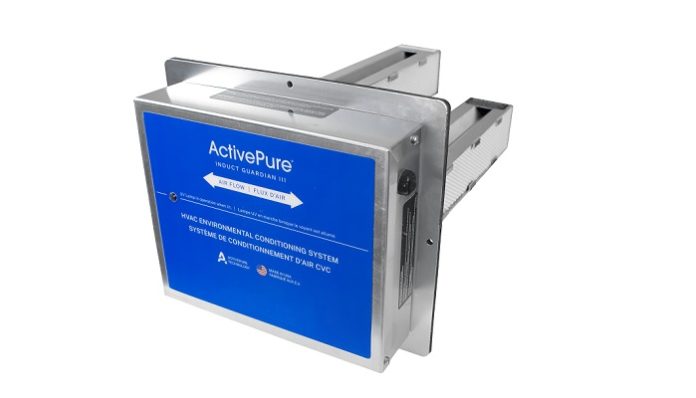
ActivePure Medical, a division of AP Sciences Group, LLC, a global provider of cutting-edge, continuous air and surface decontamination technology for healthcare, today announced results from a pioneering study published in the American Journal of Infection Control. The study demonstrates the significant impact of ActivePure Technology in its Induct Guardian Series air decontamination system, showing a 96-99% reduction in methicillin-resistant Staphylococcus aureus (MRSA) and a 70% decrease in total healthcare-associated infections (HAIs) across two hospitals.[i] This medical-grade, proprietary environmental decontamination technology aims to complement existing infection control measures in hospital settings by providing continuous automated protection.

The research, conducted across intensive care units at two major hospitals – Ochsner Health Center-West Bank, Gretna, LA, and Lexington Veterans Affairs (VA) Healthcare System, Troy Bowling Campus, Lexington, KY – revealed significant and persistent reductions in surface and air contamination, including concerning organisms like MRSA and fungi, following installation of the Induct Guardian Series air decontamination system with ActivePure Technology.

The significant microbial reductions in the treated hospital spaces after activation of ActivePure Technology translated into substantially lower incidence of HAIs at both study sites compared to baseline, offering compelling evidence that continuous environmental decontamination can meaningfully enhance patient safety. At Ochsner Health, total aggregate HAIs declined by 71% over a 21-month period, while the Lexington VA site saw HAIs fall by 70% over 12 months. Notably, the study demonstrated a 96-99% reduction in mean surface MRSA and fungal levels across both facilities.

HAIs are a significant concern within hospitals, skilled nursing facilities and other healthcare settings globally. The Centers for Disease Control and Prevention (CDC) estimates that there are approximately 722,000 HAIs and 75,000 HAI-related deaths per year in the U.S.[ii] HAIs lead to significant human suffering, including early deaths, debilitation and lost productivity. Beyond the immeasurable personal toll, they also result in unnecessary direct medical costs of at least $28.4 billion annually, with additional societal costs amounting to another $12.4 billion.[iii]

“As someone who has dedicated my career to safeguarding public health, I cannot overstate the profound impact ActivePure Medical’s simultaneous air and surface decontamination technology could have in our relentless battle against healthcare-associated infections,” said Dr. Deborah Birx, Chief Medical & Science Advisor at AP Sciences Group, LLC, and former White House Coronavirus Response Coordinator. “I have witnessed firsthand the devastating toll HAIs exact on patients, their families, the healthcare system and society. By providing continuous, proactive decontamination of surfaces and air, the Induct Guardian Series air decontamination system targets the very environmental reservoirs that sustain preventable infections, offering a new, much-needed defense to systematically suppress their propagation. The unprecedented reductions in surface and air contamination, coupled with the substantial declines in observed infections hold remarkable potential to enhance patient safety, alleviate the economic burden posed by these infections and ultimately save countless lives.”

The alarming rise of antimicrobial-resistant pathogens (AMR) driving elevated infection rates, even after COVID-19 surges subsided, underscores an urgent need for new environmental countermeasures. A recent study examining AMR trends across 120 U.S. hospitals found that while overall rates have nearly returned to pre-pandemic levels, hospital-acquired AMR infections remained at least 12% higher as of late 2022, primarily driven by difficult-to-treat gram-negative strains.[iv]

Published data highlights from the AJIC study include:

  • 98-99% reduction in mean surface MRSA and fungal levels across both facilities
  • 96%-99.7% reduction in mean floor MRSA and fungal contamination
  • 72%-89% reduction of airborne bacteria and fungi
  • 71% decline in total aggregate HAIs over 21-months at the Ochsner site, and 70% over 12 months at the Lexington VA site

Additional data collected up to 25 months post-activation at Ochsner Health Center-West Bank showed continued efficacy of the ActivePure Technology. The extended observation period demonstrated sustained reductions in surface contamination levels, with MRSA and fungal CFUs remaining consistently below baseline levels. Furthermore, the incidence of HAIs in the study ICU continued to show improvement, with an aggregate reduction of 67% over the 25-month period compared to pre-activation data. This long-term data underscores the durability and sustained impact of ActivePure Technology in maintaining a cleaner healthcare environment.

ActivePure Technology works by replicating indoors the same atmospheric cleansing processes found in outdoor air. This proprietary technology produces powerful oxidizing molecules that safely disable pathogens both in the air and on surfaces, running continuously to provide crucial automated protection against environmental contamination risks.

“These studies confirm that current manual disinfection practices, despite dedicated cleaning protocols, still leave patients exposed to persistent reservoirs of deadly pathogens,” said Joseph P. Urso, Chief Executive Officer of AP Sciences Group, LLC. “By providing an automated, continuous layer of added protection, our medical grade technology delivered unprecedented reductions in concerning organisms driving preventable infections across these intensive care units. These aren’t just poignant statistics; they represent a pivotal advancement in safeguarding vulnerable patients and healthcare staff.”

While advancements in cleaning and disinfection protocols have been made, HAIs continue to occur. ActivePure Technology aims to address this critical issue. It provides 24/7 proactive and automated full-facility disinfection of surfaces and air. By targeting missed and neglected surfaces, preventing recontamination, and improving air quality, ActivePure Medical’s air-driven decontamination system using ActivePure Technology contributes to reducing the spread of pathogens and enhancing infection control in healthcare settings.

In addition to acute care settings like the study sites, ActivePure Medical has demonstrated efficacy across long-term care facilities, commercial buildings, schools and more. Findings from skilled nursing facilities showed a 94% reduction in COVID-19 among residents when ActivePure Medical systems were installed, compared to a 46% increase at control facilities without the technology.[v]

ContinueCARE Hospital at Hendrick Medical Center Celebrates 10 Years of Service

ContinueCARE Hospital at Hendrick Medical Center celebrates its 10th anniversary of providing long-term acute care services to its community.

ContinueCARE Hospital at Hendrick Medical Center is located in Abilene, Texas, and is part of Community Hospital Corporation’s (CHC) family of hospitals. Plano-Texas based CHC owns eight long-term acute care hospitals, and manages and consults with LTACHs nationwide.

“We are excited to reach this milestone of service to our community,” said Anna Rojas, CEO,  ContinueCARE Hospital at Hendrick Medical Center. “We have been extremely fortunate for our dedicated and talented team members who embrace a culture of compassionate care for patients with medically complex and fragile conditions.”

ContinueCARE Hospital at Hendrick Medical Center has achieved Center for Improvement in Healthcare Quality (CIHQ) Center of Excellence awards in Long Term Acute Care, Respiratory Therapy, and Nursing Services – a testament to the team’s hard work and professionalism.

Join The Celebration

A special 10-Year Anniversary Celebration and tour of ContinueCARE Hospital at Hendrick Medical Center is planned for August 12, 2024 at the facility: 1900 Pine Street, 7th Floor, Jones Building, Abilene, TX 79601. This event will recognize Patricia (Patri) Bailey, Advanced Patient Care Technician at ContinueCARE Hospital at Hendrick Medical Center, winner of the 2024 Dan Wilford Award for Compassion and Community Service.

Rojas shared: “We are excited to collaborate with dedicated area providers to create a close, interdisciplinary approach to caring for patients while involving family members in the care planning process. Together, we care for patients’ specialized needs with professionalism and compassion.”

“With innovations in care delivery and team dedication, we look forward to continuing to restore health and improve patient outcomes in the years ahead,” Rojas said, adding, “The hospital’s leadership and support from its staff, CHC, community leaders, referral partners and other stakeholders have played an integral role in our success.”

“Understanding Autism” With Dr. Steven Merahn, UNIFI Autism Care

A Fellow of the American Academy of Pediatrics. Dr. Steven Merahn attended the Albert Einstein College of Medicine in the Bronx and finished his pediatric training at the Bronx Municipal Hospital Center at Montefiore Medical Center. Besides being an expert on autism, he is currently serving as the advisor to UNIFI Autism Care.

Hospital & Healthcare Management recently caught up with him and had a very detailed discussion on autism and all things that exist in its spectrum.

We’re really keen to know about the existing autism diagnosis in the US.

Dr. Merahn: So you know, the American Psychiatric Association has a set of criteria that is published in something called the Diagnostic and Statistical Manual. It’s currently the 5th version of that manual over the years. The diagnostic criteria for autism have changed.

With the last version of the DSM 5, they took a number of diagnoses that were peripheral or related to the autism diagnosis and combined them all together into a single diagnosis that they called autism spectrum disorder. And they did this because they realized there are so many characteristics of other conditions. Pervasive developmental disorder, what was called Asperger’s syndrome, was all part of this overall syndrome. The phenotype, the way it expresses itself in the world, is very variable. and there is a tremendous spectrum that is grounded in a set of diagnostic criteria. Those criteria include three things. Number one. It has to present and begin in childhood. That’s a foundational element. Other core criteria include persistent deficits in social communication relationships and interactions, other is restrictive or repetitive patterns of behavior, interests, or activities. Now, again, this is extremely variable. It could be as simple as “I love trains,” or at the other end, it could be very disruptive patterns of self-injury. So again, the spectrum of that particular behavioral criteria is very wide.

However, over the years, it’s been very clear that there are other conditions associated with autistic individuals that seem to be common patterns of reoccurrence, and those are variously called co-occurring conditions. Now, they’re not part of the autism diagnosis. But, once someone is diagnosed with autism, these conditions are extremely common. In that population, there are seizures, sleep disorders, sensory deficits, gastrointestinal conditions, metabolic problems, hormone problems, as well as various kinds of peripheral or related mental health conditions like attention deficit disorder. Again, those are not part of the diagnostic criteria, but they are part of what we would now continue to call the autism spectrum. What I’m hoping to get into is some of the latest evidence in the genomic realm that actually supports the idea that autism is far more than just a neuropsychological condition. There’s not just an autistic brain, but there’s an autistic person.

The more we can look at the autistic person as an entity, the more we can realize that, in many ways, autism is not necessarily a disability. But there are autism-related disabilities because of this spectrum, due to the diversity of what autism can be in a population. And one of the things that we’re doing really differently at UNIFI is instead of just treating the diagnosis-related symptoms of behavior – the behavioral stuff, the neuropsychological side – we’re also looking at how some of these co-occurring conditions can actually benefit from behavioral intervention. It’s been well established that most health outcomes really are dependent on behavior and environment. And only 10% to 20% are responsive to medical care. So, we want to expand our view of the support we can provide the autistic community by not just focusing on the diagnosis but focusing on the whole person.

So, what are the treatments that are available in the US as of now when you talk about the discovery of the behavioral patterns?

Dr. Merahn: Well, the therapeutic anchor for most people with autism is a form of therapy based on the principles of behavior analysis, variously called applied behavior analysis, or ABA. I’ve dug into this a little bit deeply. I’m fairly deeply involved in the behavior analytic community and have come to understand that the science of behavior analysis actually has applications outside of autism.

But over the last 20 years in the States, every State of the Union has passed legislative reform mandating access to therapy based on behavior analysis for children with autism. Now, that started slow In 2 000 to 2001, it was only a handful of states, and over the years it’s grown to the point where I think the last state was just 2 or 3 years ago that again mandated insurance companies and other payers to pay for access to this therapy.

There are other forms of therapy that are important for children with autism. The fact of the matter is, as we look at autism as a whole-person condition, we have to acknowledge that there are other ways that children with autism can get the support they need, even including psychotherapy. I mean, the kind of thing that we may have for our own mental health can really benefit children with autism. The anchor for getting children the best outcomes really is grounded in a very carefully crafted behavior-analytic treatment plan.

A lot of people ask, when should we start medical treatment?

Dr. Merahn: Great question. Well, the good news is that the studies are very clear that the earlier you intervene, the better the life course and outcome for a child. There’s no doubt about that.

The problem is that there’s a lot of delay in getting the diagnosis. So, if you start a child at age two through four, the chances of them going into the school system requiring fewer services and supports are very, very high. It also, by the way, stabilizes the family relationships with siblings and the ability to live in the community. There are all sorts of benefits to early intervention.

However, having said that, I work right now with an adult population with autism. I’m the medical director for an organization in New York State that cares for adults with intellectual developmental disabilities, many of whom have autism as their primary diagnosis, and it is very clear to me that there are applications of behavior analysis that can significantly benefit adults. With young children, we are really focused on supporting their developmental trajectory. In what ways might autism, or in what ways might their autistic symptoms and behavior, be a barrier to developmental progress? We want to remove the barrier and then support their strength development. That’s what we do in childhood. In the teen years, for example, there’s a big challenge for autistic children when they make the transition from elementary school to what we call in the States middle school or junior high. And it’s around the early teenage years, i.e., 12, 13, 14. There are tremendous social challenges during that time for autistic children who may be very, very stable in the elementary school realm, where it’s the same class and the same teacher. It’s a relatively controlled and consistent environment all of a sudden, you’re now in an environment where you’re changing classes. And there’s different friend groups. The social challenges are different. So we want to intervene there around social skills. As people make the transition to adulthood, we want them to have as independent a life as possible.

There is a subset of children who have what is variously referred to as profound autism. They may be nonverbal; they may have severe challenging behaviors. Even in those children, there’s a significant opportunity to again reduce the behaviors that are challenging in order to give them the maximum opportunity to interact and have positive interactions in the world. So, as a pediatrician, remember, I’m not a behavior analyst, and I have no reason to promote this therapy, except that I’ve looked at the science.

I really do believe that there’s a benefit in some way for people to receive behavior analysis when there are behaviors that are interfering, or behaviors that can benefit from their health, related behaviors, their mental health conditions, or their interactions with the environment.

We have been seeing people suffering from this condition for a long time, but what we are observing now is that suddenly there is a big surge in the kind of treatments that are going on. But is it too little, too late?

Dr. Merahn: I don’t think so. I think one of the things that’s happened over the years is that we’ve gotten better at understanding the specifics of people’s conditions. For a very long time, we kind of lumped everybody together under this umbrella of intellectual and developmental disability. You have a problem in childhood, whether it’s learning disabilities, challenging behavior, or oppositional. Whatever the challenges happen to be, everybody got lumped into this single diagnosis, and over the years, we’ve gotten better at parsing out the specific person-centered characteristics that have allowed us to really develop better person-centered therapies. I think that there is absolutely a population of both older children and adults who may not have gotten the therapy early in life, but that doesn’t mean that they don’t deserve an opportunity for therapeutic intervention later in life.

How does UNIFI Autism Care offer therapy from a whole-person condition standpoint?

Dr. Merahn: UNIFI is unique, and the fact is that there are very few, and I mean handfuls, of the thousands of behavior services providers in the States who have a pediatrician that’s part of the team, and I’m, I will say, grateful to my behavior analytical colleagues for allowing me to embrace my perspective on children. Healthcare, unfortunately, is sometimes very siloed. Disciplinary silos are driving a lot of what happens in healthcare. So what we’re doing is saying, okay, the child may have another diagnosis, related symptoms of behavior that need an intervention.

But if the child has epilepsy and there’s a problem with them taking the seizure medicine, we want to address that issue as well.

Children with autism use the emergency room four times more than non-autistic children. They’re admitted to the hospital more frequently, and many of those are preventable, and that can happen through behavioral interventions because there’s a foundation of behavior in the reason. So again, if you don’t take your medicine, you’re going to break through in whatever the condition is, whether it’s asthma or seizures. Children with autism often have gastrointestinal problems or sleep disorders that can be very disruptive to their own well-being, but also the well-being of their family. So we’re not restricting our perspective on that child, just to the autistic-related symptoms and behavior. We are taking a much broader perspective on that child, and our view of outcomes is less about their response to treatment in any given treatment cycle, but really about how and what we’re doing today can affect their life course trajectory into adulthood because we know that autism doesn’t go away at age 21. Even though in many states right now the access to behavior analytic therapy ends at age 21, and adults don’t necessarily have the same access that children do.

But our focus is- Where is this child going in adulthood? How independent, and how much, by the way, can we make them comfortable with themselves? You know, I say often that an autistic person’s perspective on the world is normative for them.

And we have to stop trying to shape behavior to meet some external perspective of what normative is because we want people to be comfortable with themselves and make a contribution to the world. There’s a great quote from Temple Grandin, who’s a very famous autistic author and speaker, and she says if we took all the autistics out of the world, you’d have a bunch of people standing around talking to each other, but nothing would get done. So there’s a real sense of the contribution that the autistic perspective can make to society and community. And we want to keep that perspective alive in many ways. It’s a unique perspective that can make a contribution, because autistic people might look at the world a little differently than other people do, as, by the way, in my perspective, we all do to a certain extent.

That’s a great observation. But then, if I have to add, when we discuss an autistic child, it’s not the child who is changing; it’s the entire family; people who are associated with his well-being are also getting affected. So how does UNIFI emphasize creating an integrated approach?

Dr. Merahn: Again, part of our view of the children is the environment in which they live. So we actually have a commitment to doing tremendous family involvement in our therapeutic process. Families are actually engaged in the therapeutic process so that the children aren’t just in therapy when they’re with one of our behavior analysts.

The therapeutic techniques can be applied in the family even when we’re not there, you can call it parent training. But it’s really family involvement. We look at family interactions significantly. Siblings play a really important role, both in terms of the effect of having an autistic sibling on that person’s own development and the effect of an autistic sibling on the way their parents interact with them. And again, we try to neutralize the disability component of this and help people accept and commit to who their family members are.

What are the current research projects that UNIFI is into, and what are the outcomes? If you can share that, please.

Dr. Merahn: So, there are two things we’re working on, and we’re not ready on the outcome side. The way we collect data is a little bit different. So we’re actually looking at health-related social determinants that can have a behavioral component. We’re looking at medication management. We’re actually tracking chronic illnesses, and we’re asking for some of our help from the payers that pay for services. We’re asking them to share with us data on utilization patterns for healthcare. How many specialists do they go to? How many times have they been to the emergency room? How many times have they been hospitalized? We really want to be able to have an influence on some of that. That’s where, again, in the States, what we call value-based care is coming in.

And I just want to talk about this briefly: there’s a tremendous amount of genomic research going on in children with autism, and it actually reinforces this view of autism as a whole child condition. There’s about a hundred genes that have been identified and associated with the autistic community. The problem is, there’s no single pattern among them. If there are patterns, it’s around one. It’s so diverse, and some of the genomic clusters show a disconnection between the diagnostic symptoms. So there’s a set of genes that are associated with the repetitive behavior patterns, and there’s a set of genes that are associated with social communication problems.

Now Is there therapy in that yet? No. But what it says to us at UNIFI is we’re on the right track in terms of looking at the really doing person-centered, child-centered planning because each child is in many ways genetically unique, and therefore, the symptoms and behavior and autism related co-occurring conditions will be unique.

Many times, we have heard a lot of parents saying that we have observed a tremendous change in the child, and they thought that the child was moving in the right direction, but suddenly there was a behavioral change.

Dr. Merahn: There’s almost predictable change that occurs at various developmental phases. And whether you’re an autistic child or a non-autistic child, those things are going to happen. There’s changes in behavior and changes in responsiveness, along with changes related to puberty. These changes occur all the time. For many families of an autistic child, stability becomes critically important. But you can’t discount the fact that these children are still going through what are in many ways normative developmental changes, which will change the way they respond to things, their sensory issues, and their own patterns of communication. A lot of times, that happens with behavior analysis. I will say that sometimes there’s patterns of behavior that have come up through families that they’ve chosen to do in order to maintain a level of stability.

Sometimes, we have to undo some of those because they are not. They’re designed to help the family be stable, but they’re not necessarily right for the child’s developmental progress.

So for example, if the child has severe food preferences and you’re always going with their food preferences, which, by the way, is not a bad thing to do, but in some cases, if you overdo it, then you never have the opportunity to introduce new things, that level of variation into their lives. So sometimes,  we have to pull away some of those things that families have done for stability. And there’s often a response to that which looks like things are getting worse, but they’re not really because we’re going to ride that wave into another opportunity for that child.


King’s College Hospital London Improves EHR Performance and Security with Oracle Cloud Infrastructure

King’s College Hospital London, in Dubai, has become one of the first UAE-based health systems to migrate its Oracle Health Electronic Health Record (EHR) to Oracle Cloud Infrastructure (OCI). With OCI, KCH Dubai is improving the security, performance, and usability of the EHR resulting in a better experience for its patients and providers. KCH Dubai is now providing more than 1,000 concurrent users across its facilities with access to more efficient workflows and improved system performance. Moving to the cloud has also provided the hospital network with the scalable foundation it needs to simplify integrations and meet its goal of innovating in critical areas such as population health.

Following its rapid migration to OCI, KCH Dubai is seeing positive results across the hospital including cutting the time it takes to access patient information by 50%, a 20% reduction in reviewing each patient’s medical chart, and a 25% overall reduction in time spent in the EHR due to faster screen loads and transaction response times. The overall increased speed and responsiveness of the system is helping to streamline processes so clinicians can complete tasks more quickly and free up more time to spend with patients. The performance gains also enable more comprehensive and real-time updates to the patient record, which strengthens communication and care coordination across all caregivers to enhance patient care.

“With Oracle Health, we’ve seen substantial improvements in our clinical processes, including an increase in the system’s speed and responsiveness and a noticeable deduction in the time spent reviewing patient charts across various specialties,” said Kimberly Pierce, chief executive officer, KCH Dubai. “Oracle’s cloud offering has the technological infrastructure we need to fully embrace future advancements in areas such as generative AI that will benefit our patients and how we deliver care while better supporting our practitioners.”

With OCI, KCH Dubai can also now rely on Oracle’s real-time threat detection and monitoring, autonomous systems, and team of experts to help protect its networks against the constantly changing cybercrime landscape. In addition, OCI will support scalability of healthcare technology as KCH Dubai expands with new facilities and specialties, ultimately growing its overall operation and capacity to care for its community.

“The combined power of OCI and our EHR is enabling KCH Dubai physicians to be more productive, waste less time in medical records, and refocus more time on patient care,” said Seema Verma, executive vice president and general manager, Oracle Health and Life Sciences. “Moreover, they have the comprehensive platform to continually be able to plug-in the technologies they need to solve their toughest challenges and be more adaptable, predictive, and responsive to evolving healthcare needs.”

Translate »