













Close
Digital Health & Ai Innovation summit 2026
LiGHT26

Microsoft announces collaboration with UW Madison to advance AI in medical imaging

Microsoft announces collaboration with UW Madison to advance AI in medical imaging

Microsoft Corp announced collaborations with leading academic medical systems Mass General Brigham and the University of Wisconsin School of Medicine and Public Health along with its partnering health system, UW Health, to accelerate solving some of the biggest challenges in radiology and further advance AI in medical imaging to drive clinician efficiency and enable better health outcomes. The collaborations will foster research and innovation tied to the advancement of high-performing multimodal AI foundation models that empower the entire radiology ecosystem to build on top of the secure Microsoft Azure AI platform and extend the Nuance (a Microsoft company) suite of radiology applications, delivering a wide array of high-value medical imaging copilot applications.

Medical imaging plays a crucial role in healthcare. Health systems spend an estimated $65 billion each year on imaging,[1] and approximately 80% of all hospital and health system visits include at least one imaging exam related to more than 23,000 conditions.[2] Faced with challenges that the overall healthcare industry grapples with, including physician burnout and staffing shortages, healthcare organizations are looking to generative AI to help reduce workloads, enhance workflow efficiencies, and improve the accuracy and consistency of medical image analysis for care delivery, clinical trials recruitment and drug discovery. Generative AI in radiology also may help enhance patient experiences by reducing wait times for imaging results, further opening up access to care and improving the quality of care.

With the right multimodal data-enriched medical imaging foundation models, Microsoft and its partners will explore how advanced algorithms and applications can help radiologists and other clinicians interpret medical images, as well as assist with report generation, disease classification and structured data analysis.

Microsoft has long been focused on the potential of providing high-performing first- and third-party advanced foundation models and copilot experiences across the ecosystem to empower everyone on the planet to achieve more. Additionally, Microsoft has been an innovator in the space of medical imaging research and biomedical natural language processing, collaborating with experts in medicine to democratize AI and empower researchers, hospitals, life science organizations and healthcare providers to develop new models and systems.

Through these collaborations, researchers and clinicians at Mass General Brigham, UW School of Medicine and Public Health, and UW Health will work with Microsoft to further advance state-of-the-art multimodal foundation models. The organizations will collaborate on the development, testing and validation of the latest breakthrough technology, deploying real-world use cases into clinical workflows3 including via Nuanceโ€™s PowerScribe radiology reporting platform, used by the majority of radiologists in the U.S., and the Nuance Precision Imaging Network, which offers a single point of access to automate and scale use of third-party medical imaging AI models for a range of modalities and specialties.

โ€œGenerative AI has transformative potential to overcome traditional barriers in AI product development and to accelerate the impact of these technologies on clinical care. As healthcare leaders, we need to carefully and responsibly develop and evaluate such tools to ensure high-quality care is in no way compromised,โ€ said Keith J. Dreyer, D.O., Ph.D., chief data science officer and chief imaging officer at Mass General Brigham and leader of the Mass General Brigham AI business. โ€œFoundation models fine-tuned on Mass General Brighamโ€™s vast multimodal longitudinal data assets can enable a shorter development cycle of AI/ML-based software as a medical device and other clinical applications, for example, to automate the segmentation of organs and abnormalities in medical imaging and increase radiologistsโ€™ efficiency and consistency.โ€

โ€œOur institutions have a reputation for embracing technical innovations as opportunities to lead the transformation of our field with new scientific discovery and improvement in clinical care,โ€ said Scott Reeder, M.D., Ph.D., chair of the Department of Radiology, University of Wisconsin School of Medicine and Public Health, and radiologist at UW Health. โ€œWe are excited to collaborate with Microsoft on the development, validation and thoughtful clinical investigation of generative AI in the medical imaging space. Our focus is to bridge the gap within medical imaging from innovation to patient care in ways that improve outcomes and make innovative care more accessible.โ€

โ€œWe are proud to announce our expanded collaborations with leading institutions like Mass General Brigham and UW. Along with other industry partners, our joint efforts aim to leverage the power of imaging foundation models to improve experiences and workflow efficiency across the radiology ecosystem in a way that is reliable, transparent and secure,โ€ said Peter Durlach, corporate vice president, Microsoft Health and Life Sciences. โ€œTogether, we are not only advancing medical imaging, but also helping deliver more accessible and better-quality patient care in a very resource-constrained environment.โ€

The industry continues to see rapid advancements in generative AI in radiology and other imaging specialties. With these advances comes an even greater responsibility to prioritize patient privacy and build systems guided by Microsoftโ€™s Responsible AI principles. In addition to building our own AI systems responsibly and in ways that warrant peopleโ€™s trust, we empower our customers with tools and features to do the same. We invest in our customersโ€™ responsible AI goals in three ways:

  • We stand behind our customersโ€™ deployment and use of AI through our AI Customer Commitments.
  • We build responsible AI tools for our customers to use in developing their own AI applications responsibly.
  • We provide transparency documentation to customers to provide important information about our AI platforms and applications.

 

New tech could help 18.6 million more NHS patients get better treatment

New research from Virgin Media O2 Business reveals three in five (61%) NHS staff believe new digital solutions could help at least 18.6 million* more patients receive treatment annually. Surveying 1,000 senior decision-makers in public healthcare across the UK, the Bridging the digital gap in UK healthcare report shows nearly two fifths (38%) believe that new digital tools could help the NHS to reach 3-5% more patients each day โ€“ potentially benefitting at least 51,000** more people daily.

Technology is recognised as a key enabler of positive change in the health sector. According to the report, digital tech, like electronic health recording and Internet of Things (IoT) devices for monitoring vital medicine, could significantly reduce the of frontline staff and decrease patient waiting times, as noted by 4 out of 5 (86%) of NHS staff. Nearly a quarter (23%) of surveyed healthcare workers, ranging from clinical to admin and IT roles, believe tech improvements could drive at least a 5% increase in patient consultations, potentially helping up to 31 million*** additional people per year.

Since the introduction of Integrated Care Systems across England in 2022, there has been significant digital progress building on wider integration approaches across the devolved nations. Nearly all (98%) respondents acknowledged this has positively influenced hospital technology adoption in their locality. A further 51% of staff believe there has been significant progress in the standardisation of digital systems since January 2023.

With NHS structures varying across the UK, a clear regional divide persists as respondents identify varying levels of digital maturity. Over four-fifths (85%) of surveyed staff in London, Belfast and Edinburgh agree current connectivity solutions in their area effectively support efficient patient care. Yet, this number drops to 65% of staff in the South East, South West and Yorkshire and the Humber.

Mark Burton, Health and Social Care Lead, Virgin Media O2 Business, said:ย โ€œThe introduction of integrated patient care has already had a positive impact on digital progress across the NHS. However, our findings demonstrate there is still a huge untapped opportunity to use technology to drive operational efficiencies for patients and staff across the UK.

โ€œAs the NHS becomes increasingly digital, prioritising digital skills and confidence for staff, fostering open communication and adopting a strategic approach to technology investment will be critical to continued progress. Public-private partnerships can help here, playing a significant role in delivering robust connectivity for an NHS that is ready for anything.โ€

Virgin Media O2 Business currently works with 174 NHS Trusts & Boards, representing about 70% of all those in the UK, to develop and deliver core connectivity solutions. These solutions allow teams to drive efficiencies within the NHS to enable a smoother delivery of patient care.

To further support frontline staff with efficiency and patient waiting times, Virgin Media O2 Business recently launched its โ€˜Care-ready Connectivityโ€™ suite of health solutions in a move to help tackle the digital gap in British healthcare. The telco has also committed to partner with the UK Government and charity, Supporting Children with Diabetes, to donate recycled smartphones to help children of low income families access technology so they can monitor their blood glucose levels.


Designing EMR systems to improve user experience for clinicians

Imagine, like me, that you were a clinician starting their medical career with the UK National Health Service (NHS). You discover a valuable resource that provides instant access to a patientโ€™s medical history and insights into previous diagnoses and treatments โ€“ the electronic medical record (EMR) system.

Moreover, the information you enter into the EMR system is immediately available to other clinical team members, dramatically simplifying recordkeeping and clinical governance.

I could go on about the benefits for clinicians. But there is also a downside โ€“ getting the hang of EMRs can be like learning a new language. It takes time, and no matter how good you get, it still feels like, well, a foreign language.

Why? Because most EMR interfaces are built around data, not people. As a result, clinicians can get distracted navigating menus and trying to find the right screens and fields instead of engaging with the patient in front of them.

Simplifying EMR workflows and increasing user satisfaction

But what if the EMR was designed around the person using the system, not the data? InterSystems has done that with TrakCare Assistant, an interactive navigation tool for the InterSystems TrakCareยฎ EMR system.

TrakCare Assistant fundamentally transforms how you interact with an EMR system, providing instant and effortless access to the information you need. Think of it as your co-pilot. Just type in what you are looking for, and TrakCare Assistant will automatically take you to the right EMR screen or function without distractions. You simply enter text strings or fragments into the TrakCare Assistant box, and TrakCare Assistant does the rest.

TrakCare Assistant reimagines the user experience, dramatically streamlining EMR interactions in a straightforward yet highly effective way. Clinicians spend less time clicking through the EMR interface, and more time focusing on what matters most โ€“ the patient. TrakCare Assistant puts the clinician front and centre, reducing learning curves and improving user productivity and satisfaction.

TrakCare Assistant includes open APIs that make it easy to tie in external applications and add enhanced capabilities like speech recognition and voice typing. You can also use the APIs to incorporate AI engines to deliver advanced functionality.

Interaction time with the EMR reduced by up to 66%

Internal tests by InterSystems clinicians determined that TrakCare Assistant substantially reduced the time to access information and perform tasks, compared to navigation with traditional menus and search bars. For typical physician workflows, the new Assistant reduces interaction time with the EMR by up to 66% โ€“ time that can be given back to patient interactions.

TrakCare Assistant not only streamlines the interaction with the EMR, but it also learns user patterns over time. Given how often some tasks are repeated in settings such as critical care units, this new, more personalised workflow is ground-breaking. The potential cumulative time saving is substantial, as is the improvement in user experience and satisfaction. There is also a direct benefit to the patients, since the time clinicians spend on manual tasks for accessing patient information prolongs the time to care delivery.

Innovation needed to reduce clinician burnout

The bottom line is that TrakCare Assistant simplifies EMR workflows and reduces friction, helping clinicians minimise clicks, increase efficiency and maintain focus. This means doctors and nurses can spend less time navigating the EMR and more time engaging patients.

That is important because clinician turnover and frustration are higher than ever. According to a recentย KLAS research report, 60% of clinicians feel completely burned out. In the future, we think hospitals and healthcare systems must continue to adopt innovations like TrakCare Assistant that not only improve efficiency but also make life easier for clinicians and reduce burnout.

We will be discussing innovations including AI, FHIR and Connected Care and the latest EMR trends like TrakCare Assistant at the InterSystems Asia Healthcare Summit on 21-22 August in Jakarta. For more information, see: https://iscasiasummit2024.splashthat.com/.

Transforming preoperative risk assessment with wearable technology

Preoperative risk assessment is critical in ensuring the safety and success of surgical procedures, especially as our elderly population grows and the demand for complex surgeries increases. By 2041, 26% of the UK’s population will be over 65 years old, up from 18% in 2016. Similarly, in the United States, roughly one in six residents were 65 or older in 2020, a substantial increase from less than one in 20 a century earlier.

With an aging demographic increasingly undergoing intricate surgeries, preoperative evaluation is no longer a mere formality but a critical component of comprehensive patient care. Now, a greater number of elderly individuals and those with multiple health problems are subjected to high-risk surgical procedures, which can result in an increased risk of postoperative complications and mortality.

โ€œMajor surgery is like running a marathon,โ€ Ben Shelley, Consultant in Cardiothoracic Anaesthesia and Intensive Care and Honorary Professor at the University of Glasgow, said. โ€œIt requires your cardiac output to increase hugely in the postoperative period. You’ve got to be able to deliver that. Of the patients who can’t deliver that, we know they are the ones who are at higher risk.โ€

To gauge a patient’s readiness for surgery, providers often use the patient’s exercise capacity as a proxy measure. However, accurately assessing their physical capabilities can be challenging. Asking patients about their fitness levels can be unreliable, as their recollections are often inaccurate. On the other hand, rigorous laboratory-based physiological testing is effective but expensive, limited in availability, and inaccessible to all patients.

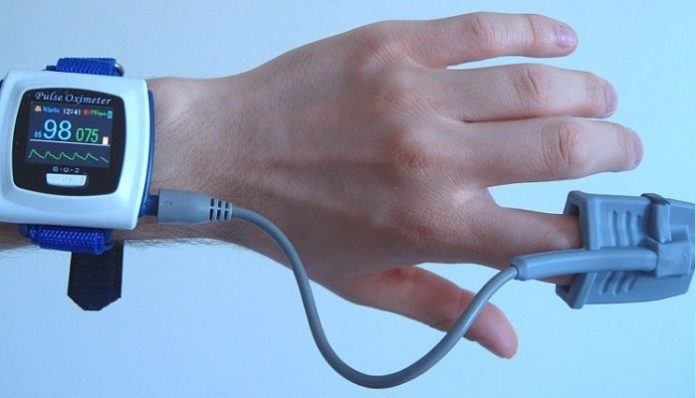
Wearable technology, a focus of Shelley and medical student Jim Luckhurst’s recent research, provides an opportunity to enhance preoperative assessment. Wearable sensors can continuously monitor vital signs like heart rate, blood pressure, and oxygen levels, offering real-time data reflecting a patient’s baseline condition. Leveraging sensors can make preoperative assessments more precise, efficient, and patient-centered, contributing to safer surgeries, improved postoperative outcomes, and increased patient satisfaction.

The importance of preoperative risk assessment

Surgical decision-making is a complex process that involves assessing potential benefits and risks. Informed decisions rely on understanding the patient’s medical history, health status, and the type of surgery. Preoperative risk assessment is conducted to minimize surgical complications, ensure patient safety, and improve outcomes from the moment of decision to operate until well after surgery has been completed.

โ€œThe bread and butter of anesthetic preoperative assessment is the assessment of functional capacity and aerobic fitness,โ€ Shelley said. โ€œWeโ€™re then able to identify patients at high risk and as a result, tailor perioperative care and monitoring accordingly to mitigate increased risk and improve outcomes.โ€

The assessment examines the patient’s physical and physiological preparedness for the intended procedure. Various factors collectively influence a patient’s fitness, including cardiovascular health, pulmonary function, nutritional status, frailty, and overall functional capacity.

Traditional methods for assessing patient fitness

Traditionally, preoperative assessment relies on estimating functional capacity through subjective or objective techniques. Subjective tools like the Surgical Outcome Risk Tool (SORT) offer convenience and ease of use, but they also have limitations. The test often fails to comprehensively assess a patientโ€™s physiological readiness for surgery. A clinician’s judgment alone may result in variations in assessments and inconsistencies in risk assessments.

Research has shown that subjective assessment tools may inaccurately predict postoperative outcomes, including mortality and complications. A prospective cohort study that compared subjective assessments with alternative markers of fitness found that subjective assessment tools are unreliable and should be used cautiously.

As a result, healthcare professionals have turned to objective methods for evaluating functional capacity. Cardiopulmonary exercise testing (CPET) has long been considered the gold standard. During CPET, patients must gradually increase exercise intensity until reaching maximal effort. While CPET offers valuable insights into physiological responses to exercise, limitations include cost constraints, patient variability impacting accuracy, and discomfort for some due to its maximal nature.

Submaximal exercise tests and heart rate recovery

For these reasons, researchers have explored submaximal exercise tests (SETs) as more accessible alternatives to CPET. Unlike CPET, SETs involve everyday activities like climbing stairs or walking, making them more feasible and cost-effective. However, SETs still rely on how motivated a patient feels on a given day, which can make the results less dependable. As a result, researchers, including Shelley and Luckhurst, have turned to heart rate recovery as an effective marker of aerobic fitness.

“We’re interested in how your heart rate recovers after exercise,โ€ Shelley said. โ€œIf you exercise enough to raise your heart rate, the physiology that drives how it will recover is based on your fitness. Regardless of how much effort you put in or your motivation, intrinsically, your fitness will dictate how your heart rate recovers from exercise. Our focus on heart rate recovery serves as a potential predictor of postoperative outcomes.”

A patientโ€™s heart rate recovery (HRR) has previously been utilized as a prognostic tool in a variety of clinical populations, including healthy individuals, heart failure patients, and those recovering from non-cardiac surgery. In a particular study, researchers explored abnormal heart rate patterns during exercise and recovery in individuals who appeared to be in good health. The results unveiled an association between specific irregularities in heart rate profiles and a heightened risk of sudden death.

Exploring HRR after submaximal exercise

Although there is a growing interest in assessing HRR after submaximal exercise, research in the area remains limited. To make HRR a valuable tool in the perioperative context, a standardized and validated approach is needed.

As a result, Shelley and Luckhurst have explored the feasibility and validity of using HRR measurements after submaximal exercise to assess patient fitness in a perioperative context. The study set out to answer two key questions:

  1. Feasibility assessment: The study aimed to determine the practicality of measuring HRR in a participant’s home using wearable heart rate sensors, focusing on convenience and applicability.
  2. Validation of home measurement: The study sought to validate the accuracy and reliability of HRR measurements taken at home by comparing them with those obtained in a controlled hospital setting, ensuring consistent and reliable results.

โ€œThe focus of the study revolves around the question โ€” can we do this in a patient’s own home?โ€ Luckhurst said. โ€œCould we measure their heart rate during their day-to-day activities and extract the same information as we would in a hospital setting?โ€

During the laboratory portion of the study, more than a dozen volunteers underwent a single submaximal exercise test using a stationary bike. Participants were instructed to exercise to a level designed to raise their heart rate to approximately 70% of their maximum. Then, volunteers were asked to stop exercising and their heart rate was recorded for six minutes while they rested.

Following the test at the research facility, participants took home a wearable for three days. The sensors adhere to the skin, enabling uninterrupted heart rate data collection during patients’ routine activities.

During the monitoring period, volunteers were instructed to perform a submaximal exercise of their choice twice a day, aiming to match the exertion level they experienced during the hospital testing. Participants needed to sustain exercise intensity for one minute, followed by a six-minute rest period.

“The patch also has a high-fidelity accelerometer built in, which allows us to know what the patients are up to,โ€ Shelley said. โ€œWe need to know when a patient’s at rest to say, ‘Right, they’ve been doing something. Now, they’re at rest.’ By tracking their heart rate during this transition, the accelerometer allows us to map the heart rate against their activity levels.โ€

Data analysis and results

As they prepare to conduct a patient study, Shelley and Luckhurstโ€™s encouraging outcomes suggest that expanding preoperative assessment beyond the hospital setting could significantly enhance patient care. This, in turn, suggests wearable sensors could become essential tools in preoperative assessments.

“We compared the results obtained from the heart rate patch in a home setting with those from the laboratory, and the findings strongly indicate the feasibility of conducting this outside a hospital environment,โ€ Shelley said.

Discussing the future application, Shelley envisions a scenario where patients are equipped with wearable sensors before surgery. “Going forward, patients coming for surgery could be told, ‘Please wear this sensor for two days before your clinic visit,โ€™โ€™โ€™ he said. “Then, we’ll have all the information we need about you when you arrive at the clinic, eliminating the need for additional tests that consume extra time and effort.โ€

Looking ahead, their primary focus is on preparing for a patient study. The goal is to evaluate the practicality and efficacy of their approach within a diverse patient population, encompassing individuals with specific medical conditions and a wide range of health profiles.

“If we can conduct this remotely in a patient’s home, it eliminates the need for them to come to the clinic,” Luckhurst said. “It’s convenient for the patient and doesn’t require a lab environment, making it a cost-effective solution. With all the necessary information at hand, we ensure a streamlined and efficient preoperative process.โ€

CADCA and the Deterra Drug Deactivation and Disposal System Launch New โ€˜Over the Dose Challengeโ€™ to Combat Prescription Drug Misuse

CADCA, in partnership with theย Deterraยฎ Drug Deactivation and Disposal System, announced today the launch of the โ€˜Over the Dose Challenge,โ€™ a nationwide campaign running August 1, 2024 – October 31, 2024 dedicated to educating communities about the dangers of keeping unused prescription drugs at home and promoting safe, effective disposal methods.

Through this inaugural campaign, CADCA encourages communities to participate by disposing of unused and expired prescription medications and sharing their stories on social media with the hashtag #OverTheDose. The campaign also includes resources on CADCAโ€™s website about the dangers of unused or expired prescription medications, proper disposal methods, and success stories.

“Prescription medication misuse is a serious issue impacting families and communities nationwide,” said General Barrye L. Price, Ph.D., President and Chief Executive Officer of CADCA. “With this campaign we want to make an impact on affected communities by providing resources and tools for individuals to safely dispose of unused prescription medications, thereby reducing the risk of drugs falling into the wrong hands.”

A recentย JAMA studyย shows that the odds of opioid-related overdose increases by 60% when another household member had an opioid prescription filled in the past 6 months. The results suggest that household prescription availability is associated with increased odds of opioid overdose for others in the household, even if they do not have their own opioid prescription. In addition to drug misuse, other risks of not disposing of unused prescriptions include accidental ingestion and environmental harm. This can be counteracted by proper education and tools, such as access to Verde Environmental Technologies, Inc.โ€™s Deterra Drug Deactivation and Disposal Pouches.

Deterra Pouches uses organic activated carbon and tap water to render drugs inert, making them unretrievable for misuse and safe to throw away in the household trash without contaminating landfills or waterways. It is the only product available that is scientifically proven to destroy prescription and over-the-counter medicine, right at home.

“Proper disposal of prescription drugs is a simple yet effective way to make our communities safer,” said Jason Sundby, President of Verde Environmental Technologies, Inc. โ€˜The Over the Dose Challengeโ€™ is an important program to educate and empower individuals to take action and protect their loved ones and environment.”

Community Hospital Corporation Selects 2024 Dan Wilford Award Winner: Patricia Bailey, ContinueCARE Hospital at Hendrick Medical Center

Community Hospital Corporation (CHC) has announcedย  Patricia (Patri) Bailey, Advanced Patient Care Technician at ContinueCARE Hospital at Hendrick Medical Center, as the 2024 winner of the Dan Wilford Award for Compassion and Community Service. ContinueCARE Hospital at Hendrick Medical Center is a long-term acute care hospital owned by CHC.

โ€œPatriโ€™s level of commitment to community service and the hospital has been truly outstanding,โ€ said Jim Kendrick, CHC president and CEO. She was named national winner among 14 nominees. The award, named after Dan Wilford, a founding CHC board member and retired CEO of Memorial Hermann Healthcare System of Houston, Texas, represents outstanding care and remarkable concern for a community and its local hospital. Kendrick will present Bailey the award in August.

Patri Bailey will be recognized during a special 10-Year Anniversary Celebration and tour of ContinueCARE Hospital at Hendrick Medical Center planned for August 12, 2024 at the facility: 1900 Pine Street, 7th Floor, Jones Building, Abilene, TX 79601.

Bailey was nominated by ContinueCARE Hospital at Hendrick Medical Center administration personnel who shared: โ€œPatri performs her daily duties of caring for patients in an exemplary manner. She often engages in extraordinary acts of kindness that not only improves the quality of her work environment for her patients but also the entire hospital staff. Her random acts of kindness to both patients and staff epitomize the future culture of our hospital.โ€

Advancing her education from a certified nurse assistant to advanced patient care technician has allowed hospital staff nurses with advanced training to complete other tasks and function at the highest level of their license.

Bailey demonstrates extraordinary compassion and care, as noted by hospital staff and family members alike, allowing patients to โ€˜feel human againโ€™. She also provides special care for area homeless, including using her own funds to purchase clothing and food for preparing meals.

Her nomination summed: โ€œPatri selflessly gives of her her time and willingly helps anyone who asks.โ€

Final nominees for the 2024 Dan Wilford Award included these highly qualified healthcare leaders:

  • Tammy Frazier, Unit Secretary/Activities Coordinator, Arkansas Continued Care Hospital of Jonesboro
  • Whitney Lafleur, RN, Baptist Hospital of Southeast Texas – Beaumont
  • Kelly Maier, Physical Therapist, Carolinas ContinueCARE Hospital at Pineville
  • Amie Marcum,ย ย ย ย ย ย ย ย ย ย ย  Human Resources Coordinator, ContinueCARE Hospital at Baptist Health Corbin
  • Megan Ashby, RN, Director of Quality Management, ContinueCARE Hospital at Baptist Health Madisonville
  • Haley Sullivan, LPN, ContinueCARE Hospital at Baptist Health Paducah
  • Estella Saenz, RN, ContinueCARE Hospital at Medical Center, Odessa
  • Roni Parrish-Hamner, LVN, Huntsville Memorial Hospital
  • Honah Stout, RPSGT, Sleep Technologist, Montrose Regional Health
  • Kellie Crisp, RN, Case Manager, North Texas Medical Center
  • Staci Cost, PT, Lead Physical Therapist, Southwest Health System
  • Joey Braly, Director of Community Relations,ย ย ย ย ย ย ย ย ย ย  Tyler ContinueCARE Hospital
  • Crystal Harris, Director of Information Technology, Yoakum Community Hospital

Pigmentation Removal Singapore Price (Cost Estimates and Insurance Coverage)

Cosmetic pigmentation removal in Singapore may be recommended if you have developed pigmentation that is affecting your self-esteem. It is a fairly common treatment request with so many approaches depending on the type of skin pigmentation you’re battling and its severity among other factors.

However, the laser is often preferred thanks to its precise targeting and breaking down of excess melanin. It offers effective and controlled treatment with minimal damage to surrounding skin. Follow this link to read more.

In today’s piece, we’ll explain the key factors that affect the cost of pigmentation removal in Singapore. We will also give a detailed price estimates and discuss insurance coverage so you are best placed to make an informed decision.

So, Can Pigmentation be removed?

If you’ve had stubborn pigmentation that doesn’t respond well to OTC medications, you probably have a lot of questions racing through your mind including. One of them could be this one; can pigmentation be removed?

The answer is absolute, yes! While not every type of skin pigmentation can be cured, there are several ways to reduce the appearance of pigmentation and even better prevent new ones from forming. The treatment only needs to be custom-tailored to your unique condition.

With that out of the way, pigmentation removal refers to treatments that reduce or eliminating dark spots, patches, and uneven skin tone caused by excess melanin production. Common pigmentation issues include hyperpigmentation, melasma, and age spots.

While there are multiple approaches for pigmentation removal in Singapore, they vary in effectiveness and speed at which results are achieved. Real quick, here are some of the most common methods for pigmentation removal in Singapore;

  • Laser Treatments: Laser for pigmentation removal in Singapore uses focused light beams to target and break down melanin deposits in the skin. These treatments are precise and can be tailored to different skin types. Benefits include quick results and minimal downtime. However, risks involve potential skin irritation and temporary redness.
  • Chemical Peels: This treatment involves the application of a chemical solution to exfoliate the top layers of skin. It encourages the growth of new, even-toned skin. Benefits include improved skin texture and tone. Though safe, it comes with risks like redness, peeling, and sensitivity.
  • Topical Treatments: Include prescription creams and over-the-counter products with ingredients like hydroquinone, retinoids, and vitamin C to lighten dark spots over time. The benefits are gradual lightening and ease of use. Risks involve possible skin irritation and sensitivity.

How much is Pigmentation Removal in Singapore?

There isn’t a specific cost of pigmentation removal in Singapore that applies to all options as there are several factors that affect the cost of pigmentation removal (more on that later). Here is a quick summary of pigmentation removal costs in Singapore;

Laser Treatments

  • Average Cost per Session: SGD 180 – 480
  • Number of Sessions: Typically 3-6 sessions are required, depending on the severity of pigmentation.

Chemical Peels

  • Average Cost per Session: SGD 100 – 300
  • Frequency of Treatments: Monthly sessions are often recommended for optimal results.

Topical Treatments

  • Prescription Creams: SGD 50 – 150 per tube
  • Over-the-Counter Options: SGD 20 – 80 per product
  • Duration of Treatment: These treatments may need to be used consistently for several months to see significant results.

Microdermabrasion and Other Treatments

  • Average Costs: SGD 100 – 300 per session
  • Treatment Duration: Typically requires 4-8 sessions for noticeable improvement.

With the cost estimates out of the way, here are now the factors that affect the cost of pigmentation removal in Singapore;

  • Type of Treatment: The cost of pigmentation removal varies significantly depending on the treatment method. As you have seen in the estimates, laser treatments tend to be more expensive due to the advanced technology involved, while chemical peels and topical treatments are generally more affordable.
  • Severity of Pigmentation: The severity and extent of pigmentation also play a crucial role in determining the overall cost. More severe pigmentation may require additional sessions. In some cases, you may be recommended combination treatments to achieve desired results which may increase the total expense.
  • Clinic Reputation and Location: This may sound clichรฉ but is still a very important factor that affects the cost of pigmentation removal in Singapore. The reputation and location of the clinic do influence the cost. Clinics in prime locations or those with a high reputation for quality and results may charge higher prices for their services.
  • Additional Costs: Consultation fees, follow-up visits, and aftercare products can add to the overall expense. That said, please remember to factor in these additional costs when budgeting for pigmentation removal treatments.

Many people also frequently ask; can pigmentation removal in Singapore be covered by insurance? The simple answer is no. In Singapore, most health insurance policies do not cover cosmetic procedures like pigmentation removal. This is because these treatments are often considered elective and non-essential.

However, there are exceptions where pigmentation removal may be covered, such as in cases where the pigmentation is due to a medical condition or causes significant psychological distress. So, we recommend checking with your insurance provider to understand the specific terms and conditions of your policy.

If you’re concerned about out-of-pocket expenses, many clinics offer financing options, including payment plans and medical loans. These options can help manage the cost by spreading payments over a more extended period. To budget and manage expenses, here are three quick tips that may help;

  • Get quotes from different clinics to compare prices and services.
  • Look out for promotional offers or package deals that can reduce costs.
  • Budget for the entire course of treatment, including follow-up visits and aftercare products.

Wrapping Up

The cost of pigmentation removal in Singapore isn’t the same across all providers as there are several factors that influence pricing. That said; always consult dermatologists and insurance providers to explore your options fully.

Don’t let hyperpigmented skin stop you from living life to the fullest. Invest in proper treatments for lasting benefits and enhanced confidence.

If you have any questions you want answered about pigmentation removal in Singapore, our friendly medical staff are ready to assist. Just drop us a line now or pass by our practice to schedule an appointment. See details below;

Edwin Lim Medical Aesthetic Clinic

#02-12/13 Changi City Point,

5 Changi Business Park Central 1,

Singapore 486038

+65 6904 2218

edwinlimclinic.sg

Men’s Health Singapore: What Should you do as a Man to be Healthy?

If multiple research reports are anything to go by, men are more likely to smoke, drink alcohol, and lead less healthy lifestyles compared to women. They also tend to skip routine checkups and delay seeking medical attention for health issues.

Howeverย proper health is crucial for overall well-being and longevity.ย Thisย may explain why these behaviorsย are often linkedย to higher risks ofย seriousย conditions like heart disease, prostate and testicular cancer, and osteoporosis later in life.

If you’re keen on living a healthy life, not skipping regular men’s health screening in Singapore could do a lot for your health.ย With regularย screenings, it isย easy to understand your risk factors and make healthier lifestyle choicesย whichย can significantly improve your health.

On thisย page, we breakย down our best tips for men to be healthy.ย But beforeย that;

What is the Biggest Health Issue for Men?

Men’s health is a complex one.ย Thisย may explain why so many people searchย online;ย what is theย biggestย health issue for men?

The biggest health issue for men is heart disease. In many developed countries, this condition is theย leading cause of death among men, posing significant risks. Otherย significantย health issues for men include injury, lung disease, stroke, and diabetes.

Early detection and lifestyle changes areย key toย preventing these issuesย whichย pose a significant threat to men’s health. And that brings us to the big question;

What Should Men do to be Healthy?

Let’s face it;ย it is not always that weย think about our health until something has gone wrong or is beginning to pique our interests.ย But, there are several things you could do to significantly reduce your risks ofย having to dealย with chronic diseases, for example. These include;

I. Eating Healthily

Whenย you’re seeingย a specialist for men’s health in Singapore, one of theย keyย suggestions they will give you to stay healthy is eating healthily. A balanced diet is crucial for an overall good health.

And while there’s no one-size-fits-all diet,ย there are general guidelines thatย should help.ย For example, aim to eat plenty of fruits and vegetablesโ€”3 cups of veggies and 2 cups of fruit daily.

Include whole grains and lean proteins like chicken, fish, and beans, and limit saturated fats found in processed foods and red meats. Hydration isย key, so aim for a gallon of water each day.

II. Understand the Importance of Testosterone

Testosterone plays a significant role in your health as a man. For example, it affects your muscle mass, bone density, and sex drive.

Testosterone levels naturally decline after age 30. Butย lifestyleย factors like obesity, inactivity, and poor nutrition can accelerate this drop.

To maintain healthy testosterone levels,ย you will want to stay active, eat well, and manage weight.ย Also, avoid excessive alcohol and seek medical advice if you notice symptoms of low testosterone like fatigue, depression, or reduced libido.

III. Visit Your Doctor

Regular checkups are essential for preventing and managing health issues. Sadly, most men often skip doctor visits.

Annual checkups can catch problems earlyย soย when seeing a specialist for men’s health in Singapore, they will want to monitor your weight, blood pressure, and cholesterol. These are critical indicators of cardiovascular health.ย Based onย the results of your assessment, they can recommend lifestyle changes or medications if needed.

IV. Stay Active

Physical activity is not only vital for your heart health.ย You also needย it for proper mental well-being and weight management.

It would be best to aimย for 30 minutes of moderate exercise daily, totaling at least 150 minutes a week.ย Include strength training sessions twice a week to build muscle and bone strength. Regularly stretch before and after workouts to prevent injuries and improve flexibility.

V. Meet Your Protein Needs

Protein is plays a key role in muscle maintenance, tissue repair, and overall health. Soย toย be healthy, aim to include 20 to 40 grams of protein in each meal.

Good sources include lean meats like skinless chicken, tenderloin cuts of beef or pork, fish, low-fat dairy, and plant-based options like beans, tofu, and quinoa. Adequate protein intake will support your muscle growth, enhance metabolism, and aidย inย your recovery after exercise.

VI. Get Your Vitamins

Vitamins and minerals are crucial for maintaining health. Aim for a balanced dietย rich inย fruits, vegetables, and whole grains to get all necessary nutrients.

However, some men might benefit from supplements, such as multivitamins, omega-3 fatty acids, or vitamin D3. Consultย withย your men’s health specialist to determine if supplements are right for you.

VII. Stop Tobacco Use and Drink Moderately

Avoiding tobacco and limiting alcohol can significantly impact your health. Tobacco useย is linkedย to numerous health issues.

For example, it can increase your risks of heart disease and cancer. If you smoke, seek help now to quit.

On the same note, moderate alcohol consumptionย is advisedโ€”no more than two drinks per day. Excessive drinking significantly increases your risks for liver disease, heart problems, and other health issues.

VIII. Know Your Body Type

When seeing a specialist for men’s health in Singapore, they will begin by understanding your body typeโ€”ectomorph, mesomorph, or endomorph. This information is needed to tailor your fitness and nutrition plans.

Ectomorphs are naturally slim, mesomorphs have a muscular build, and endomorphs tend to carry more body fat. Also, you will want to know your body typeย to be ableย to set realistic fitness goals and avoid comparisons with others.

For example, if you’re an ectomorph, you might focus on building muscle mass.ย On the contrary, if you’re an endomorph, you may prioritize fat loss.

IX. Get Your Prostate Checked

Prostate health is crucial, especially as men age. Prostate cancer isย common, so regular screenings areย important.

Symptoms that should prompt a visit to a specialist in men’s health in Singaporeย include;ย difficulty urinating or blood in urine. Your doctor may recommend a prostate-specific antigen (PSA) test or a digital rectal exam (DRE) to check for abnormalities.

X. Protect Your Mental Health

Mental health is just as important as physical health. So, ensure youย get enough sleep, aiming for seven hours per night.

Find ways to manage stress, such as exercising, spending time in nature, or journaling. Also, striving to build and maintain social connections is crucial.

Thisย is very important as loneliness can severely impact your health. Regularly engaging with friends and family can provide emotional support and improveย yourย mental well-being.

In Closing

Prioritizing your health involves addressing both physical and mental well-being. There are so many things you can do to stay healthy as aย manย so this list isn’tย by any meansย conclusive. A good specialist in men’s health will be happy to guide so feel free to ask any questionsย you may have.ย If you’re in Singapore,ย Dr. Ben Medical isย a goodย place to start.

Dr. Ben Medical @ Tanjong Pagar | ED Treatment | STD Treatment Singapore

160 Robinson Road, #03-09,

SBF Center, Medical Suites,

Singapore 068914

+65 8881 2344

Cataracts Singapore: Is it Life Threatening?

Cataracts are cloudy areas that form in the lens of the eye and can cause blurry vision, faded colors, and increased sensitivity to glare. It can also impair vision.

And even though cataracts usually develop slowly and don’t cause pain, they can significantly impact daily activities like driving or reading. The good news is that with regular eye exams, you stand the best chance of detecting cataracts early.

And as you probably understand, timely treatment allows for improved vision and quality of life. Follow this link to learn more:ย https://www.drchelvinsng.com/dr-chelvin-sng-can-you-get-early-onset-cataracts-in-your-20s/.

On this page, we answer the question; is cataract life-threatening? We also explain what may happen if you do not treat cataracts. Keep reading.

So, Is Cataract Life Threatening?

Cataracts in Singapore is one of the most common conditions of the eye that we help manage on a daily basis. As is the case with any other condition, the news of being diagnosed with cataracts may hit hard thus the age-old question; Are cataracts life-threatening?

The simple answer is no, cataract isn’t life-threatening and having it will in no way affect your overall health. Here’s the twist though; cataracts can continually get worse and develop into hyper-mature cataracts.

Hyper-mature cataracts cannot only cause inflammation. It can also cause pressure on your eye and lead to the development of glaucoma.

Now, glaucoma is a group of eye conditions that damage the optic nerve. This damage is often due to high pressure in the eye and it can lead to vision loss and blindness if left untreated.

It is also important to note that glaucoma usually develops slowly and without symptoms. This explains why it’s often called the “silent thief of sight.” As it progresses, your peripheral vision may be affected first.

This would eventually lead to tunnel vision and blindness. The damage caused by glaucoma is irreversible so early detection and treatment is crucial if you’re keen on preserving your vision.

What is the Best Cure for Cataracts?

The best way to manage cataracts and prevent your vision from deteriorating is simply to treat it. So you may wonder, what is the best cure for cataracts?

The best cure for cataracts is cataract surgery. During the procedure, an ophthalmologist will carefully remove the cloudy lens and then have it replaced with an artificial lens to restore your clear vision.

Usually, surgery is recommended when cataracts have significantly impaired your daily activities and quality of life. It is actually preferred as it offers a permanent solution to vision loss caused by cataracts.

Since surgery is mostly reserved for advanced cases of cataracts, you do not really have to worry much about it. If your cataracts aren’t too advanced, you may benefit from;

  • Home treatment: You may be recommended small changes at home or work to help manage your cataracts. For example, to improve vision quality, you may want to start using brighter lights, wearing anti-glare sunglasses, and using magnifying lenses for reading.
  • New glasses or contacts: A new prescription for eyeglasses or contact lenses may also be recommended to improve your vision clarity. These may be particularly helpful for the early stages of cataracts.

As a general rule, please discuss these options with an eye care professional to be sure. In many cases, surgery may not be immediately necessary. Also, waiting usually does not harm the eyes or make surgery more challenging later on.

Is Cataract Surgery Painful?

Thinking about what a cataract surgery involves, it may sound quite complicated. So, it isn’t really strange that many people frequently ask; is cataract surgery painful?

Now, cataract surgery is typically not even painful. Before the procedure, you will receive a topical anesthetic (eye drops) to numb the eye during the procedure. After surgery, you may experience slight discomfort like a gritty feeling.

This discomfort is quite mild and easily managed with over-the-counter pain relief. Generally, cataract surgeries are safe and well-tolerated procedures. For the best treatment outcomes, here is a quick summary of what to keep in mind before your surgery for cataracts in Singapore;

ยท Stop Taking Aspirin or Anti-Clotting Drugs

Cataract surgery involves delicate procedures on the eye. Due to how the procedure is done, minimal bleeding can occur.

To minimize your risks of bleeding, your ophthalmologist may recommend discontinuing aspirin or other anti-clotting medications before surgery. If you’re on such medications, don’t just discontinue them if you think that you may have surgery for cataracts in Singapore. As a general rule, always consult with your prescribing doctor before altering your medication regimen.

ยท Avoid Wearing Contact Lenses

Contact lenses can increase the risk of eye irritation. Eye irritation may not only affect your cataract surgery. It may also delay the procedure and your recovery as well.

So, it would be best to switch to glasses at least three days before your scheduled procedure to reduce this risk. Switching to glasses can also help you ensure optimal surgical conditions.

ยท Skip Makeup and Facial Products

On the day of your surgery, avoid using makeup. Also, skip facial lotions, creams, or aftershave. These products can increase the risk of infection or interfere with the surgical process.

Instead of these products, simply wash your face with a gentle soap and water before heading to the hospital or clinic. If you’re using a product you’re not sure about, please share it with your ophthalmologist for clarity.

ยท Follow Fasting Guidelines

Typically, you’ll be asked to fast for at least 12 hours before your cataract surgery. Also, you will be advised to refrain from consuming alcoholic beverages.

These can run the gamut from wine to liquor, or beer. Avoid these drinks for at least 24 hours before your surgery to ensure that you’re in the best possible condition for the procedure.

Wrapping Up

Cataracts isn’t life-threatening. However, poorly managed or ignored cataracts can massively interfere with your vision. So, if diagnosed with cataracts in Singapore, seek treatments on time or as directed.

Are you worried about cataracts in Singapore? Why not visit our clinic for a complete assessment and to have all your concerns addressed? Call or visit us at;

Chelvin Sng Eye Centre – Glaucoma | Cataract Surgery | Retina Specialist | Ophthalmologist Singapore

38 Irrawaddy Road Mt Elizabeth Novena Specialist Centre,

#06-25,

Singapore 329563

+65 6334 2282

https://www.drchelvinsng.com/

Patient Guide: What to Look for in a Top Melasma Clinic in Singapore

Treatment for melasma usually involves a combination of approaches. Sun protectionย forย exampleย is crucial.

Soย whenย visiting a melasma clinic in Singapore, one of the top treatment recommendations you can expect is to continue daily sunscreen usage andย also toย wear hats or clothing to shield your skin from the sun.ย A top melasma clinic may also prescribe topical treatments like hydroquinone, tretinoin, corticosteroids, and azelaic acidย to lighten the patches.

Chemical peels, microdermabrasion, or laser treatments can also be usedย to reduce the appearance of melasma. However, these treatments may not provide a permanent solution, and melasma can recur with sun exposure.

That is why it isย importantย that you insist on finding a top melasma clinic that guarantees a personalized treatment plan. This article explores the key considerations when looking for a top melasma clinic. Keep reading!

What do you look for when Choosing a Melasma Clinic in Singapore?

Let’s faceย it;ย there are so many clinics in Singapore that offer melasma treatment. So, it isn’t strange if you’ve been findingย itย a little stressful getting a top melasma clinic. To help with your search, here are 11 key considerations to keep in mind;

1. Reputation

A clinic’s reputationย is a reflection ofย its past performance and patient satisfaction. So, you will want to look for clinics with a strong reputation for effectively treating melasma.

You can use online reviews and testimonials from previous patients toย get an idea ofย the clinic’s quality of care and treatment outcomes. A clinic with a positive reputation is more likely to deliver satisfactory results and provide a positive overall experience.

2. Specialization

Specialization in melasma treatment isย importantย as it indicates a higher level of expertise and experience in managing thisย specificย condition. Clinics that specialize in treating melasma are more likely to have dermatologists who are highly knowledgeable about the condition.

What’s more, they’re more likely to have access to advanced treatment options. When you choose a specialized clinic, you significantly increase the likelihood of receiving effective treatment tailored to your individual needs.

3. Experience

Experience plays a crucial role in the successful treatment of melasma. Choose a clinic with dermatologists who have extensive experience in treating melasma.

Experienced professionals are not only better equipped to assess your condition accurately. They’re also best placed to help you develop an effective treatmentย plan,ย and address any complications that may arise.

4. Treatment Options

When choosing a top melasma clinic, you will also want to ensure the availability ofย a variety ofย treatment options.ย Thisย is important as different treatments may be more suitable depending on the type and severity of your melasma.

A top melasma clinic should offerย a range ofย options, such as topical medications, chemical peels, laser therapy, and microdermabrasion. With this variety, you can at leastย be hopeful of gettingย a customized treatment plan tailored to your specific needs.

5. Consultation Process

Asย is the caseย with other conditions, a thorough consultation process is essential for effective melasma treatment. So, choose a clinic that offers detailed consultations before treatment to assess your condition and develop a personalized treatment plan.

During the consultation, the dermatologist should take the time to understand your medical history, lifestyle factors, and treatment goals. A thorough consultation and assessment will beย keyย in tailoring the treatment plan to yourย specificย needs.

6. Facility

The facility where the clinicย is locatedย should not only be clean. It should also be modern and well-maintained.

A clean and welcoming environment can contribute to a positive treatment experience and help you feel more comfortable during your visits. What’s more, a modern facility is more likely to have access to advanced treatment options and technology, which can improve the effectiveness of your treatment. When choosing a top melasma clinic, we recommend visiting the facility in person to ensure that it meets your expectations for cleanliness and comfort.

7. Staff

The staff at the clinic should also not just be qualified. They should also beย friendly,ย and knowledgeable about melasma treatment.

It would be best to chooseย a clinic where the staff makes you feel welcomed and valued as a patient.ย A knowledgeable staff can answer your questions, address your concerns, andย provide you with the support you needย throughout your treatment journey.ย Importantly, a friendly and compassionate staff can help you feel more at ease during your visits.

8. Success Stories

When it comes toย success stories, you will specifically want to focus on before-and-after photos and success stories from previous melasma patients. These pieces of information can provide valuable insight into the clinic’s ability to achieve results.

Look for clinics that can provide you with examples of successful melasma treatments they have performed. Seeing real-life examples of the clinic’s work can give you confidence in their abilityย to effectively treat your condition and achieveย the results you desire.

9. Follow-Up Care

Regular follow-up care is essential for monitoring your progress and adjusting your treatment planย as needed. So, be keen to choose a clinic that emphasizes the importance of follow-up care and providesย you withย a clear plan for follow-up appointments.

Regular follow-up appointments allow your dermatologist to assess your progress, make any necessary adjustments to your treatment plan, and address any concerns you may have. A top melasma clinic should prioritize follow-up care to ensure the best possibleย outcomes for their patients.

10. Patient Education

Patient education is alsoย keyย to successful melasma treatment. So, we recommend choosing a clinic that providesย you withย information about melasma, treatment options, and skincare.

A good clinic should educate you about your condition and treatment plan to help you make informed decisions about your care.ย Importantly,ย proper patient education can help you understand what to expect during treatment and howย to properly care for your skin to maintain results.

11. Personal Comfort

Your comfort isย importantย when choosing a melasma clinic. That said, please choose a clinic where you feel welcomed, respected, and valued as a patient.

A good clinic should prioritize your comfort to help you feel more at ease during your visits, Also, you will want to ensure that you feel comfortable with your dermatologist and the clinic staff to be able to build trust and confidence in the care you receive.

Closing Thoughts

Melasma can be very stubbornย soย you will want to ensureย that youย choose theย rightย facility. Don’t rush the process. Take your time to choose a clinic you can trust.

One Face is a leading melasma clinic in Singapore. We use highly personalized treatmentsย andย all the practitioners are fully qualified. Drop us a line today to learn more or schedule an assessment. Details below:

One Face Clinic – Pigmentation | Melasma | Acne Singapore

Orchid Hotel Singapore

1 Tras Link,

#02-01 Orchid Hotel Singapore,

Singapore 078867

+65 6222 2262

One Face Clinic

Translate ยป